
Kids Climb Right Into Old Fire Engines At This Free Virginia City Museum
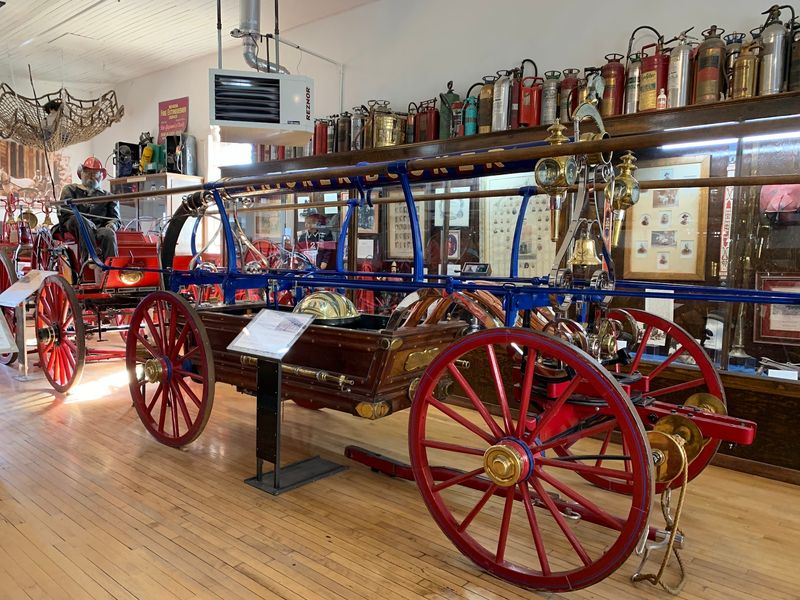
The plan was just to stretch our legs and grab a snack on a quiet stroll through an old Nevada mining town. Then a set of wide doors and a glimpse of polished red paint pulled us inside, and the snack could wait.
What we found was a small, free museum packed with old fire engines, faded photos, and stories about the volunteers who kept a wooden boomtown standing. For families watching every dollar, it turned into one of the easiest yeses of the whole trip.
A Firehouse Museum on Historic C Street
Wooden boardwalks, old storefronts, and the rolling brown hills of the Comstock set the stage for this stop at 125 C Street in Virginia City. The Comstock Firemen’s Museum sits right along the main drag, so you do not need to hunt for it.
If you are already walking the historic district, you will likely pass its doors without even trying.
Inside, the focus is narrow and clear. The museum is dedicated to firefighting equipment and vehicles that were once used in Virginia City and across the Comstock region.
Some sources also call it the Liberty Engine Company #1 State Firemen’s Museum, so do not be confused if you see both names on maps or brochures.
Size matters here, and in a good way. Visitors often describe it as a small museum, which makes it easy to manage with little ones or with anyone who tires quickly.
You can see the whole collection without a long hike, then step back outside to keep exploring town.
For budget-minded Nevada families, the setup is simple. There is no admission charge, the building is right on the main street, and the payoff is a room full of history that most people only see in old films.
Why a Wooden Boomtown Feared Every Spark
Picture a town built almost entirely of lumber, packed tight on a steep hillside, with stoves and lamps burning in nearly every building. In the 1800s, that was everyday life in Virginia City.
One stray spark could turn into a crisis within minutes.
That danger became real in 1875. The Great Fire of that year swept through much of the community and destroyed a large share of the town.
It remains one of the most talked-about events in Comstock history, and it helps explain why firefighting held such an important place here.
Out of that constant threat came the volunteer fire companies. Neighbors signed up to haul equipment, pump water, and protect homes and mines.
These groups became pillars of the growing town, and membership carried real pride.
Knowing this background changes how the museum feels. The engines on display are not just pretty machines behind a rope.
They represent the tools people counted on when their whole livelihood was at stake.
A quick tip for parents: sharing a short version of the 1875 story before you walk in can give kids a reason to look closer. Suddenly, every hose cart and bucket has a job, and a story to go with it.
Volunteers Behind the Collection Since 1979
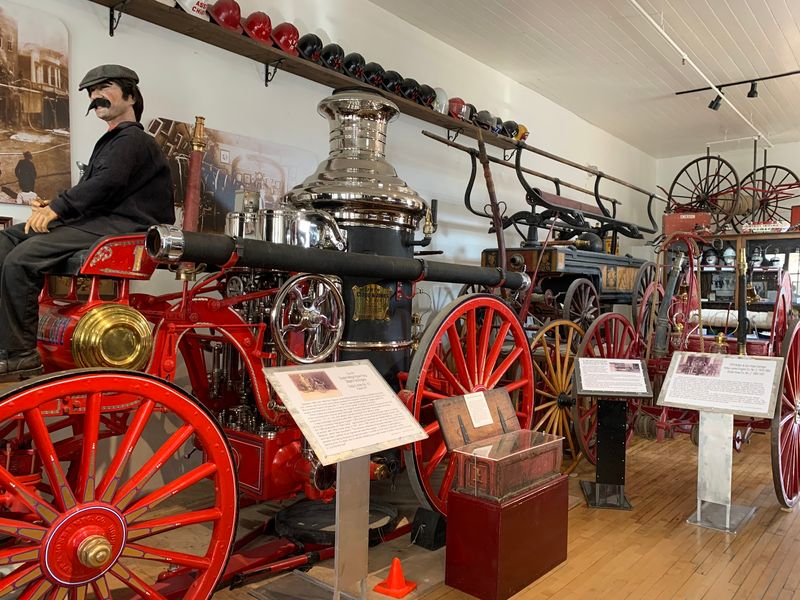
Local firefighters started this place, and that detail shapes everything about it. The museum was established in 1979 by the local volunteer fire department, which means the people who built it knew exactly what these tools meant to the town.
Why does that matter to a casual visitor? Collections gathered by insiders tend to feel personal.
Instead of a random mix of antiques, you get equipment tied to the Comstock and to Nevada firefighting history, arranged by people who cared about telling it right.
The museum operates as a non-profit cultural center. It relies on donations to care for its exhibits and to support future additions, so the doors stay open because visitors chip in what they can.
Many guests mention the donation box and encourage others to use it.
There is also a long-running local connection. One longtime resident mentioned knowing many people who worked there over the years before finally stepping inside.
That kind of community tie is common in small Nevada towns, and it shows here.
For retirees who appreciate volunteer-run places, the setup can feel familiar and welcoming. It is the kind of spot where the history is kept alive by neighbors rather than a big institution.
Hand-Pulled Carts and Horse-Drawn Engines
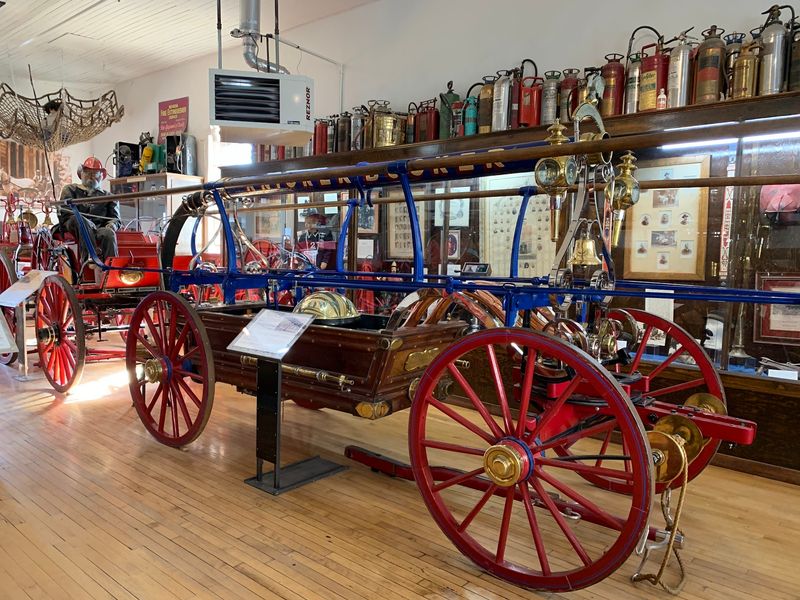
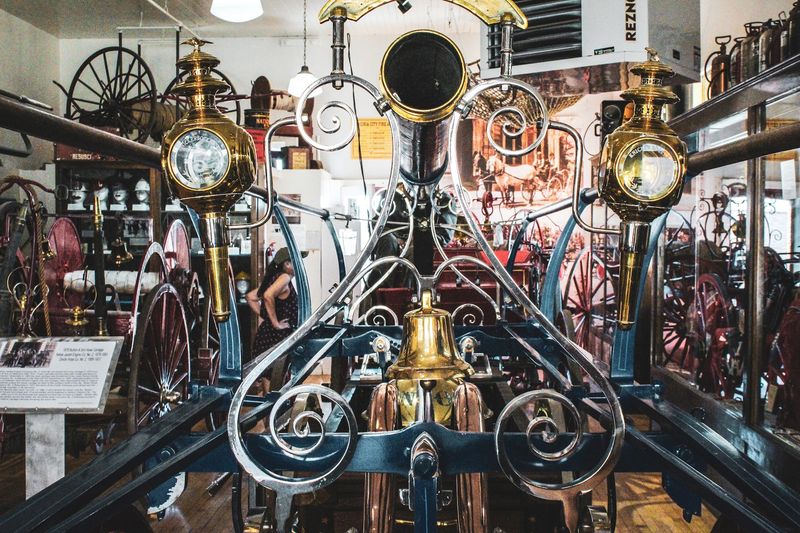
Brass that catches the light. Wheels taller than a child.
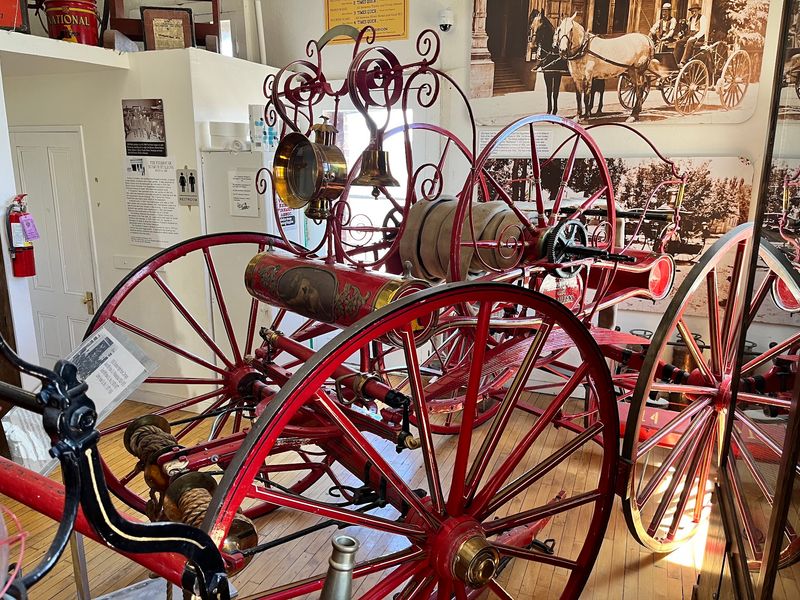
Red paint so glossy it almost looks wet. The engines are the stars of this museum, and they do not take long to steal the show.
Much of the collection dates to the 19th century. Visitors describe historic equipment that was once pulled by people or by horses, long before motors took over.
Seeing these rigs up close helps explain how hard the work was, since crews had to drag heavy gear up and down the steep streets of the Comstock.
Condition is a big part of the appeal. Guests often point out that the original apparatus is beautifully restored and well maintained.
Engines of various ages sit side by side, which makes it easy to spot how designs changed over time.
Kids tend to notice the size first, then the details. Ask them to count the wheels, find the pumps, or guess how many people it took to move one cart.
Those small games can stretch a short stop into a real learning moment.
Photography lovers may want extra time here too. The mix of polished metal and old wood makes for some striking pictures, even on a phone camera.
Photographs That Match the Machines
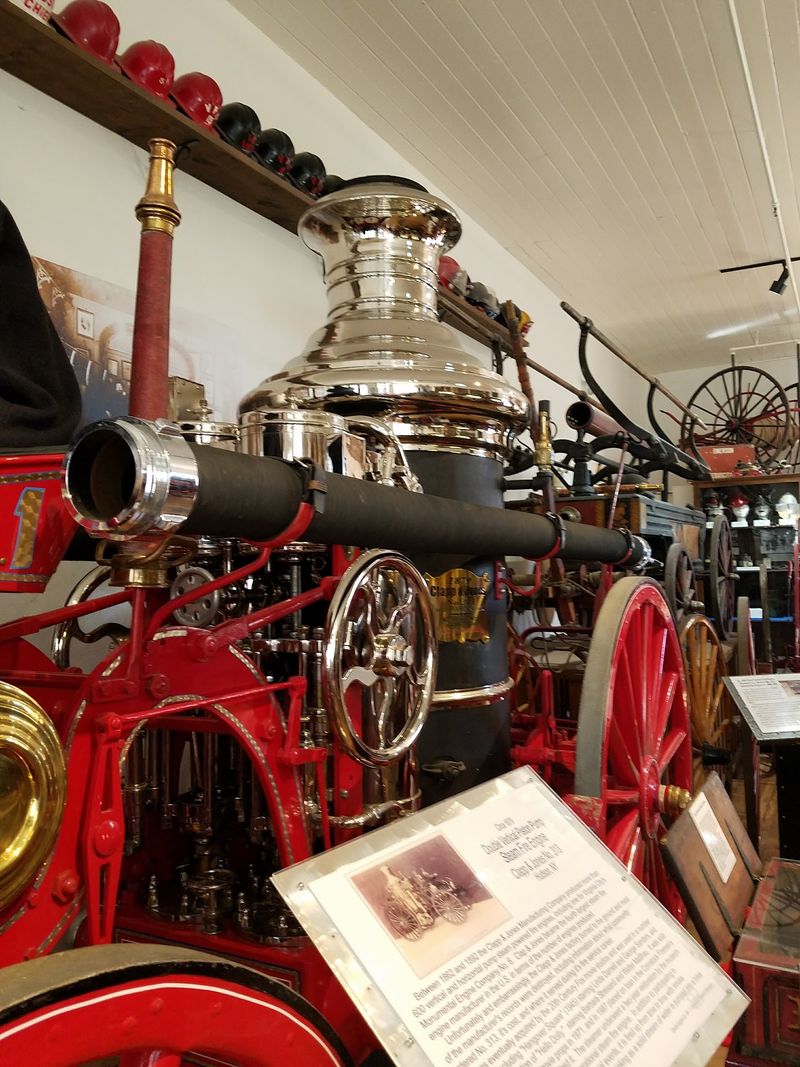
Here is a small thrill that sneaks up on you. You look at an antique fire engine, then glance at the wall and spot that very same rig in a photograph from the 1800s.
It is a simple kind of time travel, and it works on adults as well as kids.
The museum uses historic photos to connect the equipment to the people who once used it. Crews in period uniforms pose beside their engines, often in front of buildings you may have just walked past on C Street.
Matching the picture to the real object turns looking into a treasure hunt.
Families can make a game of it. Have each person pick one photo, then search the room for the engine or tool shown in it.
Younger children may enjoy pointing out differences, like missing parts or changes in paint.
Older visitors often linger here longer than anywhere else. The faces in the photos give the collection a human side that shiny metal alone cannot deliver.
Bring reading glasses if you need them. Some captions and details are small, and the best stories tend to hide in the fine print beside each frame.
Fire Grenades, Rope Nets and Other Curiosities
A glass ball filled with liquid, meant to be thrown at flames. That is a fire grenade, and it is one of the odder objects waiting inside this museum.
Most visitors have never heard of them, which makes them a fun surprise.
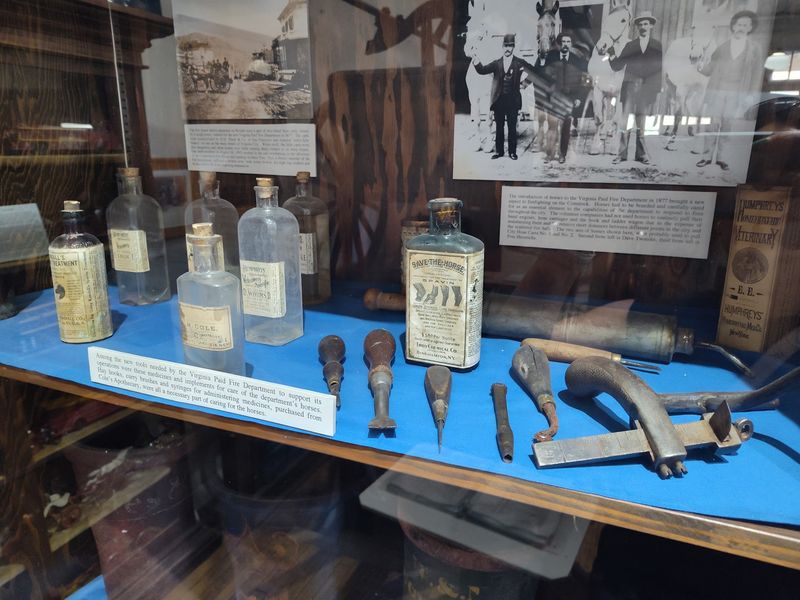
The collection goes well beyond engines. Visitors can browse less common artifacts, including those fire grenades and rope life nets from the 1800s.
The nets were used to help people escape from upper floors, and seeing one in person makes the old stories feel much more real.
Local gear rounds out the displays. Guests mention helmets, tools, and other equipment tied to Virginia City firefighters, all well displayed alongside local artifacts.
Each piece hints at a different part of the job.
Curious kids often ask the best questions in this part of the room. How did a glass ball stop a fire?
Who held the net? Those questions are a good excuse to chat with the staff, who tend to enjoy sharing answers.
If your group likes quirky history, plan to slow down at the display cases. They are small, but they pack in some of the most memorable details of the visit.
A Wall of Patches and a Few Souvenirs
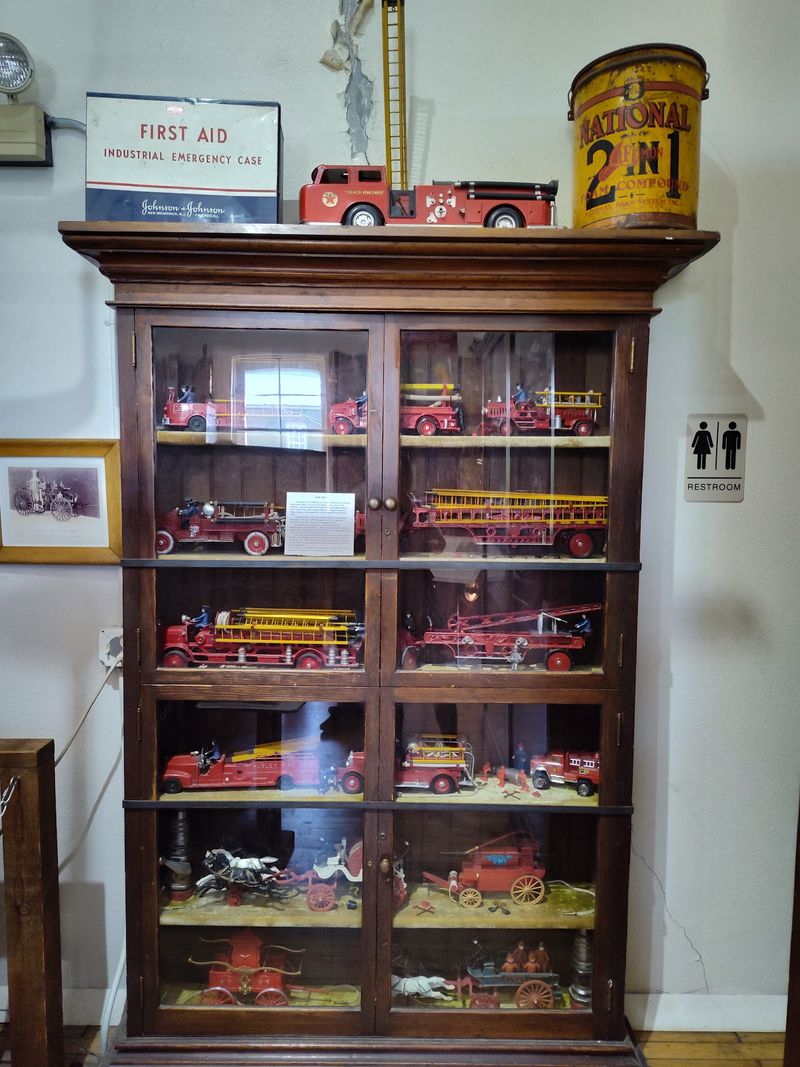
Collectors, take note. Among the engines and artifacts, visitors single out a great patch collection, filled with colorful emblems from fire departments.
It is the kind of display that rewards close looking, since each patch has its own design and hometown pride.
Kids with a sharp eye may enjoy searching for patches with animals, mountains, or unusual shapes. Adults who have family in firefighting sometimes hunt for familiar departments.
Either way, it is a quiet, easy corner to spend a few extra minutes.
Souvenirs are available too. One recent visitor mentioned buying a shirt and a patch, so you can likely pick up a small keepsake before you leave.
Prices were not listed in the information we found, so bring a little cash and check at the front.
Buying something small can double as a way to support the museum. Since the whole operation runs on donations, any purchase or contribution helps care for the collection.
For budget-minded families, a patch can be a nice alternative to pricier gift shop trinkets elsewhere in town. It is light, easy to pack, and it carries a real story from the trip home.
Friendly Storytellers at the Front Desk
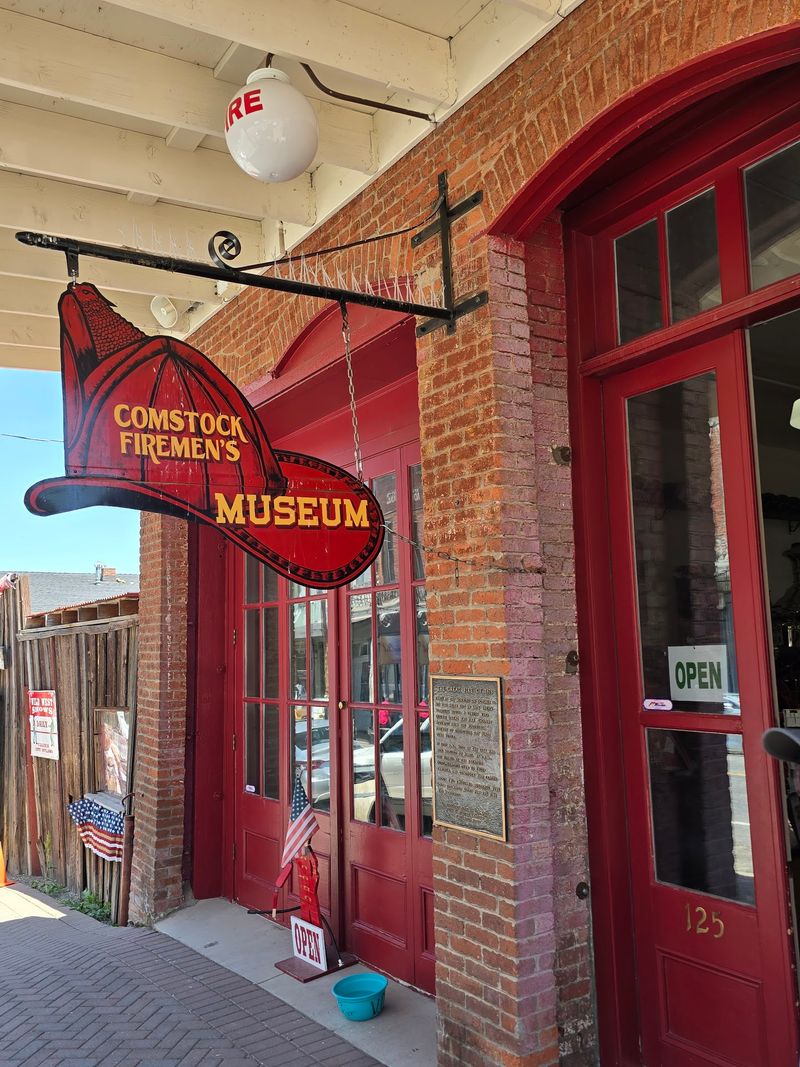
Some museums hand you a pamphlet and wave you in. At this one, there is a good chance you will be greeted by someone who knows the history firsthand and loves to talk about it.
Visitors repeatedly mention the friendly staff at the front. One guest described an older gentleman who had plenty of good history to share, while others called the team very knowledgeable.
For a small museum, that personal touch goes a long way.
Why lean into it? The people working the desk can fill gaps that signs cannot.
They may explain how a certain engine was used, share local stories, or point out a detail you would have missed. Kids especially seem to respond to a real person explaining things instead of reading captions.
A few simple questions can open the conversation. Ask which piece is the oldest, or which one has the best story behind it.
You might leave with more than you expected.
Experiences can vary from day to day, since staffing may change. Still, the steady theme among visitors is warmth, and that makes the museum feel less like a formal exhibit and more like a visit with a proud local host.
What Young Visitors Take Away
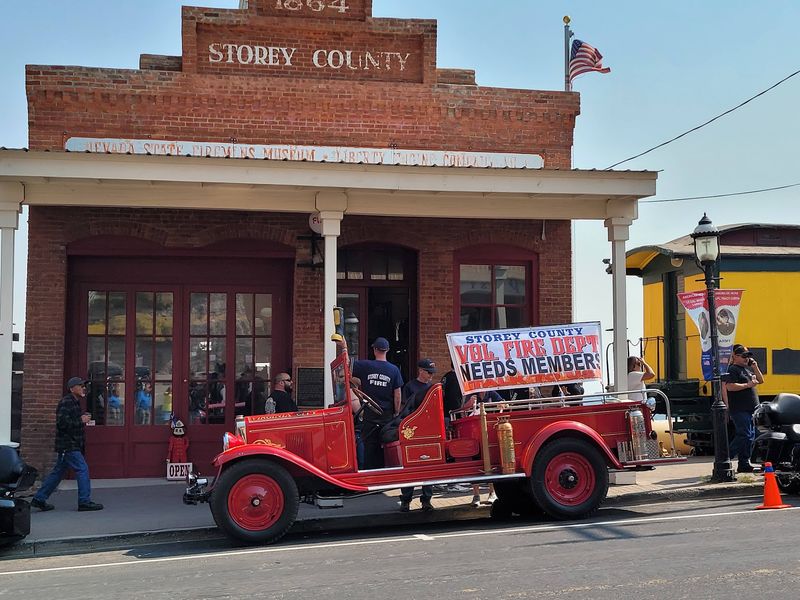
Short attention spans meet their match here. One recent family said they spent only about 20 minutes inside, yet the kids liked it.
Another parent shared that their son loved the visit. For restless travelers, that length can be a real advantage.
The museum is considered a good experience for all ages, and the small size helps. Children can see everything without getting worn out, and parents do not have to worry about losing anyone in a maze of rooms.
The big, bright engines do most of the work of holding interest.
A word on hands-on fun: the exhibits are mainly for looking and learning. If your kids are hoping to climb aboard or touch the equipment, ask the staff what is allowed before anyone reaches for a wheel.
Rules can change, and some pieces are delicate after well over a century.
Grandparents traveling with grandkids may find this a relaxed middle ground. There is history to satisfy adults and enough shine and size to impress younger ones.
Pair the stop with a walk along the boardwalks, and you can build a full, low-cost afternoon around it.
Hours, Free Admission and the Drive Up
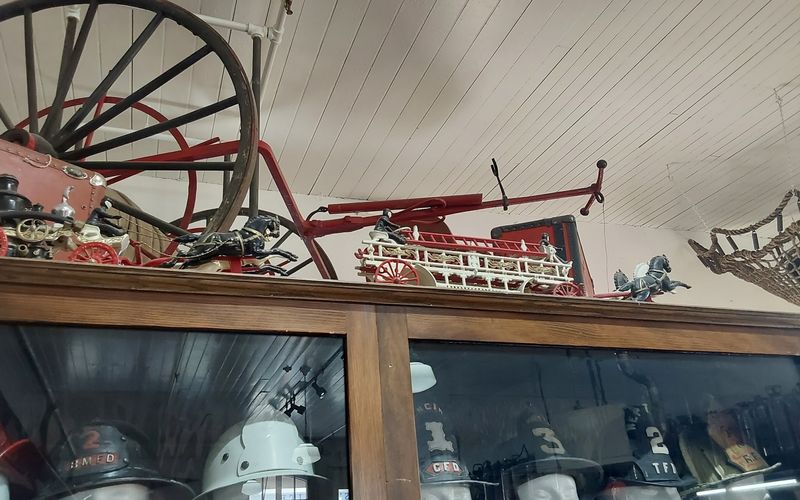
Cost first, since that is what many families ask about. Admission is free.
Donations are requested and appreciated, and visitors often encourage others to leave something, since the museum depends on that support. A family of four could walk in without spending a single dollar, though a few bills in the box goes a long way.
Hours need a little care. Google listings show the museum open daily from 10 a.m. to 4 p.m.
Other sources say it typically runs seasonally, opening daily from May through October during those same hours. One visitor noted it was open during a Bonanza Day event.
Because small-town schedules can shift, confirm before you make the drive.
Getting there is part of the adventure. Virginia City sits up in the hills, roughly 45 minutes from Reno and about half an hour from Carson City, depending on your route and traffic.
Winding roads mean you should allow extra time, especially with kids who get carsick.
Once in town, look for 125 C Street along the main historic strip. Parking in Virginia City can fill up on busy weekends, so arriving earlier in the day may make things easier.
A Small Room With Big Comstock Stories
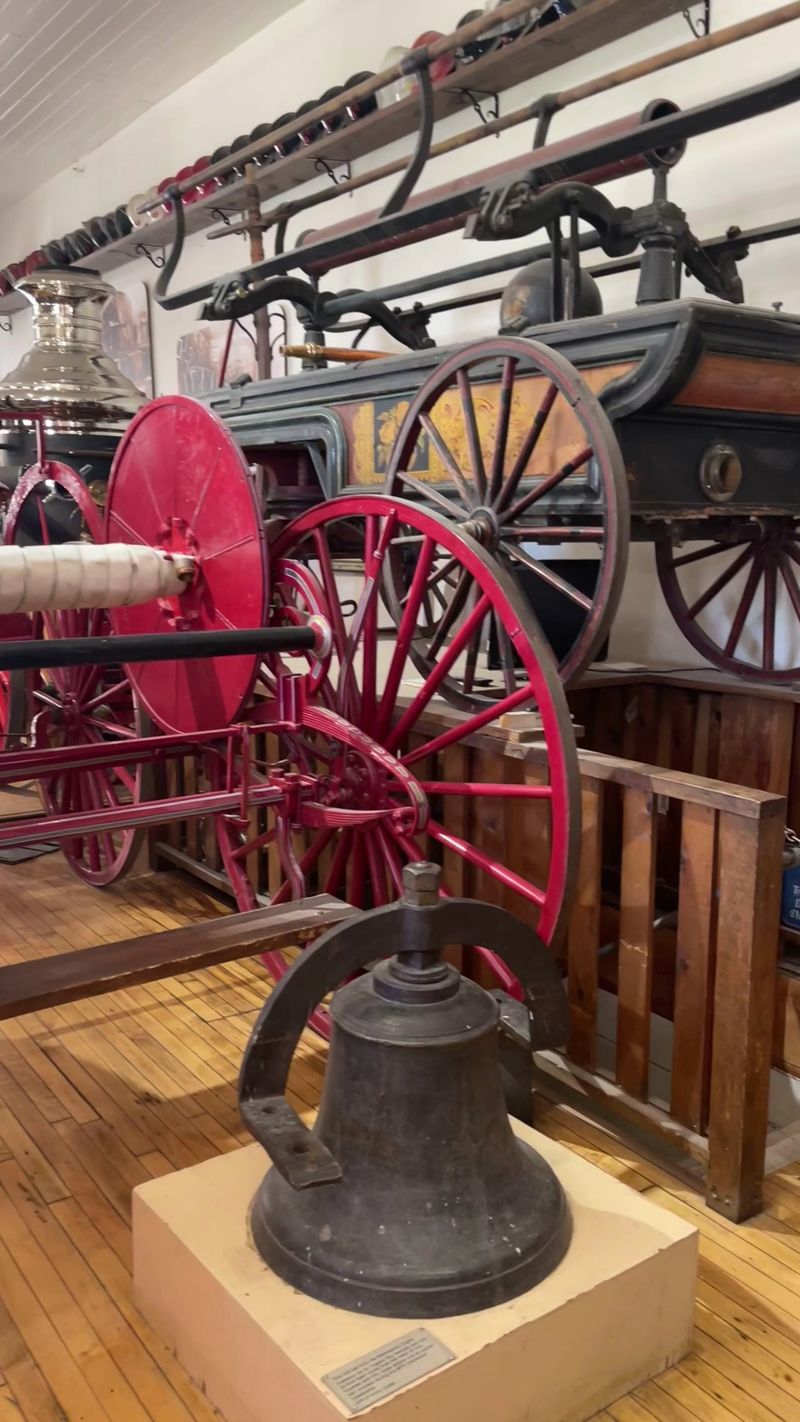
Not every outing needs to be huge to feel memorable. This museum proves that a single room, some well cared for engines, and a few friendly voices can leave a lasting impression, especially when the price is nothing more than a voluntary donation.
Think of it as a strong anchor for a larger day in Virginia City. You can spend twenty minutes or stretch it longer if the stories grab you, then continue down C Street with a fresh sense of how the town survived its toughest years.
Kids get shiny machines and curious gadgets, while adults get history with real local roots.
For budget-conscious Nevada families and retirees, the math is easy. Free entry, a central location, and a visit that fits almost any schedule make it a low-risk addition to your plans.
Just remember a few basics. Check current hours before leaving home, ask staff about what can be touched, and tuck a little cash in your pocket for the donation box or a patch.
Those small steps can help the visit go smoothly.
Leave room in the day for questions on the drive home. Chances are, the kids will still be talking about those engines.