
Kids Get To Keep Any Diamond They Find At This Arkansas State Park
Muddy knees, a bucket of dirt, and a real diamond glinting in a tiny palm.
Arkansas holds a treasure hunt where the rule is wonderfully simple. Kids get to keep any diamond they find.
No catch, no fine print, just pure finders keepers magic.
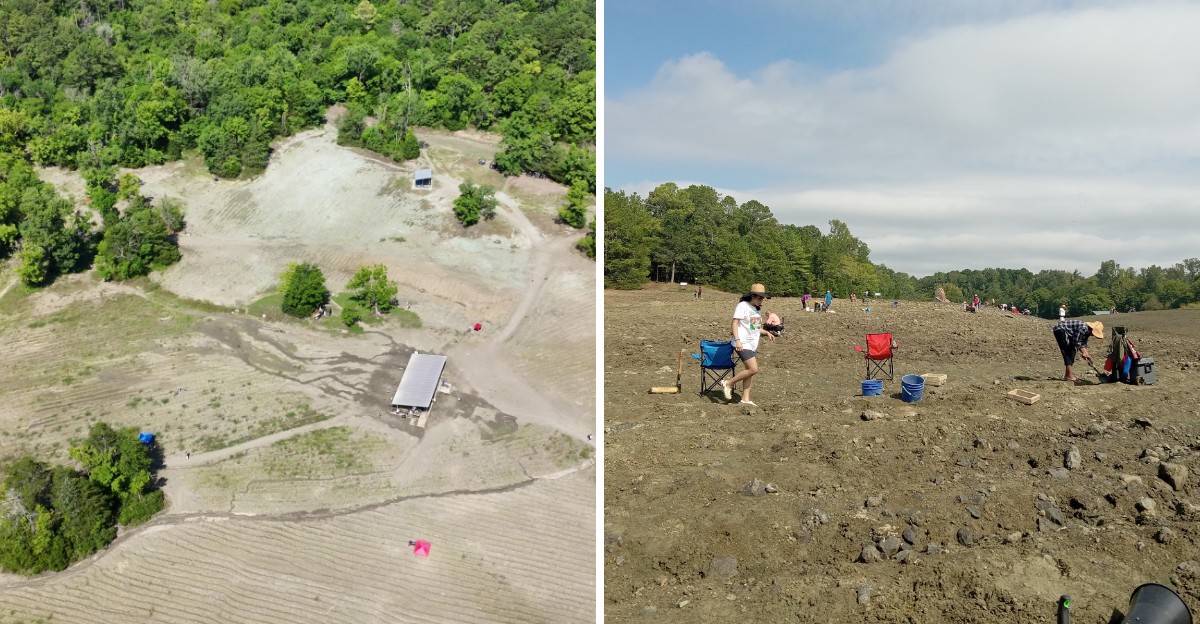
The field stretches wide and wild, carved from the leftovers of an ancient volcano.
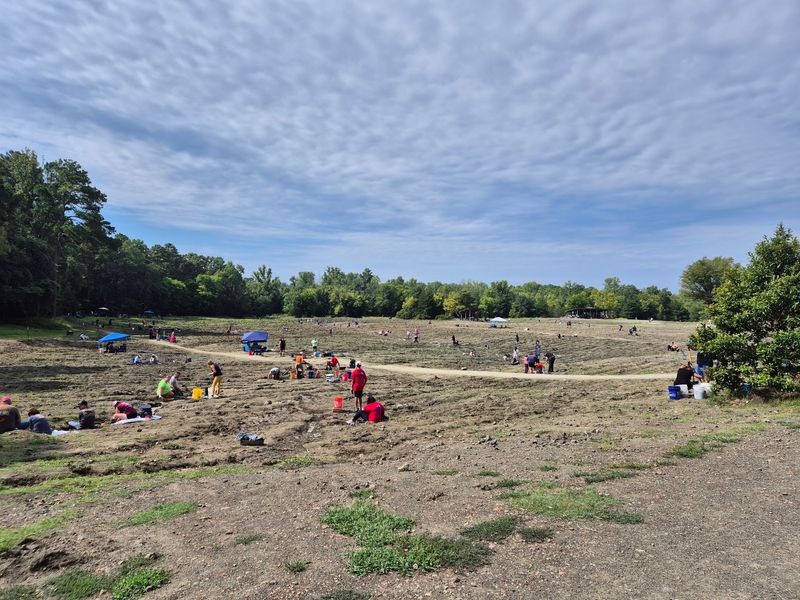
Little explorers dig, sift, and squint at every shiny pebble like it could change their whole summer. Sometimes it does.
So what does a rough diamond actually look like? Spoiler alert: nothing like the sparkly rings in store windows.
Pack a shovel, a hat, and a big dose of patience.
This Arkansas state park could turn an ordinary family day into the story your kids brag about for years.
A Volcano Built The Treasure Box
Volcanoes and diamonds? That pairing sounds like a movie plot, yet it explains everything.
Around 100 million years ago, a powerful eruption blasted up from deep underground. It carried diamonds from the Earth’s mantle to the surface.
The eruption left behind a volcanic pipe. Over time, wind and rain wore the top down into the field visitors search today.
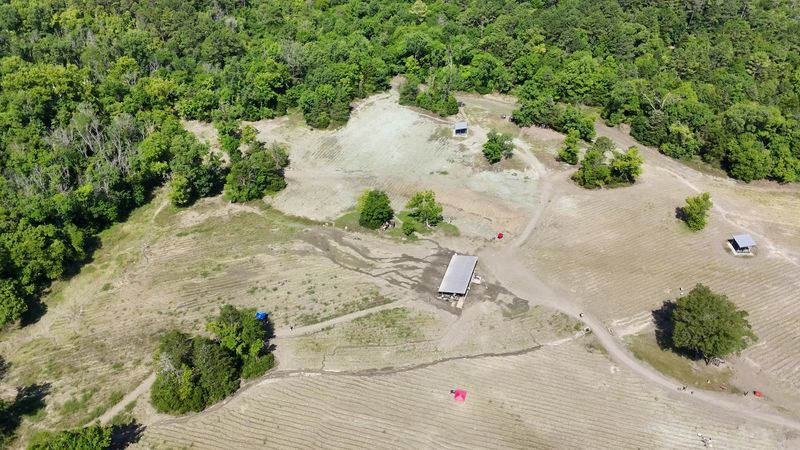
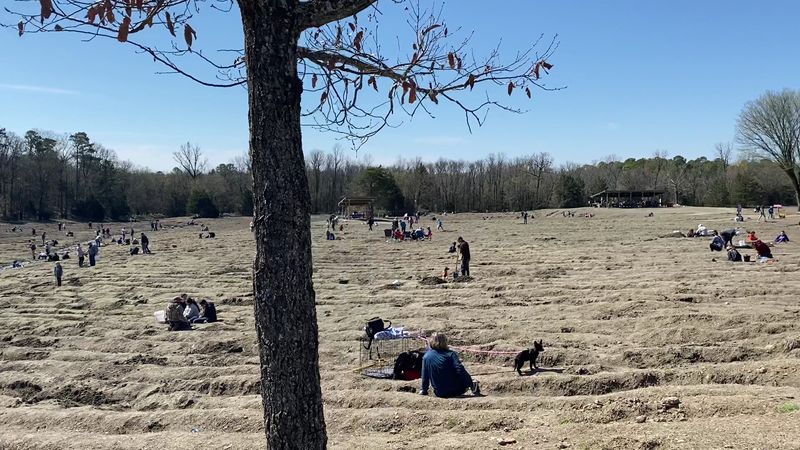
That search area covers about 37 acres. It sits inside a much larger park filled with woods and trails.
Park crews plow the field from time to time. Plowing flips the soil and brings fresh rocks closer to the top.
Science fans will enjoy this part. Kids can literally stand on the leftovers of an ancient volcano in Arkansas.
The soil looks plain and brown at first glance. Look closer, and it holds a mix of minerals formed under huge heat and pressure.
This makes a great teaching moment for families. Ask kids to guess how deep the diamonds started before reaching the surface.
The answer blows minds. Diamonds form far below the crust, so every one found here traveled a long, fiery road to reach Crater of Diamonds State Park.
A Farmer Started The Sparkle Rush
Back in 1906, a local farmer spotted something odd on his land. Those shiny stones turned out to be diamonds.
News spread fast. Prospectors and fortune seekers rushed to Pike County, hoping to strike it rich.
A neighboring landowner also found diamonds soon after. He began charging visitors a small fee to search his property.
Decades later, in 1952, Howard Millar opened a tourist attraction on the site and gave it its famous name, the Crater of Diamonds. The catchy title has stuck for more than 70 years.
Big companies tried commercial mining over the years. None of those attempts worked out as planned.
Instead, private owners ran the land as a tourist attraction for decades. Curious travelers kept showing up with shovels.
In 1972, the state of Arkansas bought the property. It then opened as Crater of Diamonds State Park.
One year later, the site landed on the National Register of Historic Places. That honor protects its story for future visitors.
History buffs can picture the early days while digging. The same dirt that sparked a rush still draws families today.
Tell kids this backstory before they start. A regular dig feels bigger once they know a farmer began it all.
Finders Keepers Is The Official Rule
Finders keepers. At most places, that playground rule gets you in trouble.
Here, it is the actual policy. Crater of Diamonds State Park lets every visitor keep whatever they dig up, from sparkly quartz to a real diamond.
That makes the park stand out worldwide. It is known as the only diamond-producing site on Earth where the public can search and keep their finds.
Kids love this part the most. A shovel and a bucket suddenly feel like tools for a real treasure hunt.
Nobody needs a special license or years of training. Families simply pay the entry fee, grab some gear, and head into the field.
Staff members check finds for free at the park’s Visitor Center. They can tell you if that shiny pebble is a diamond or something else.
Expectations matter, though. Diamonds turn up here, but most visitors do not find one on any given day.
Keep the mood light and treat every rock as a win. Jasper, agate, and quartz make great souvenirs too.
A child who goes home with a bag of colorful stones still has a story to tell. And if a diamond does show up, it belongs to them.
Uncle Sam And Other Famous Finds
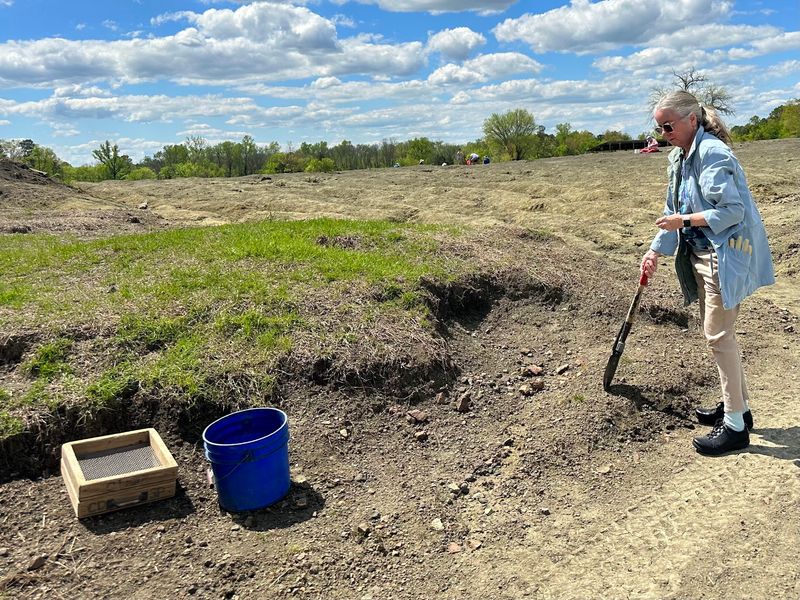
Forty carats. That is the size of the Uncle Sam Diamond, pulled from this ground in 1924.
It holds the title of the largest diamond ever found in the United States. Later, experts cut it into a dazzling emerald shape.
The list does not stop there. The Star of Arkansas and the Esperanza Diamond also came from Crater of Diamonds State Park.
Another headline stone is the Strawn-Wagner Diamond. Found in 1990, it earned a top grade as a flawless gem after cutting.
Visitors can see that diamond on display at the park. Kids often press their noses close to the glass.
These stories give every dig a spark of hope. Ordinary visitors found many of these famous stones.
Remember that these finds are rare. Most diamonds found here are small, about the size of a match head or smaller.
Small does not mean boring. A tiny diamond you found yourself feels priceless.
Before digging, stop by the display cases. Seeing real stones helps kids know what to look for in the field.
Then head out with fresh motivation. Somebody has to find the next famous one.
Rough Diamonds Look Nothing Like Rings
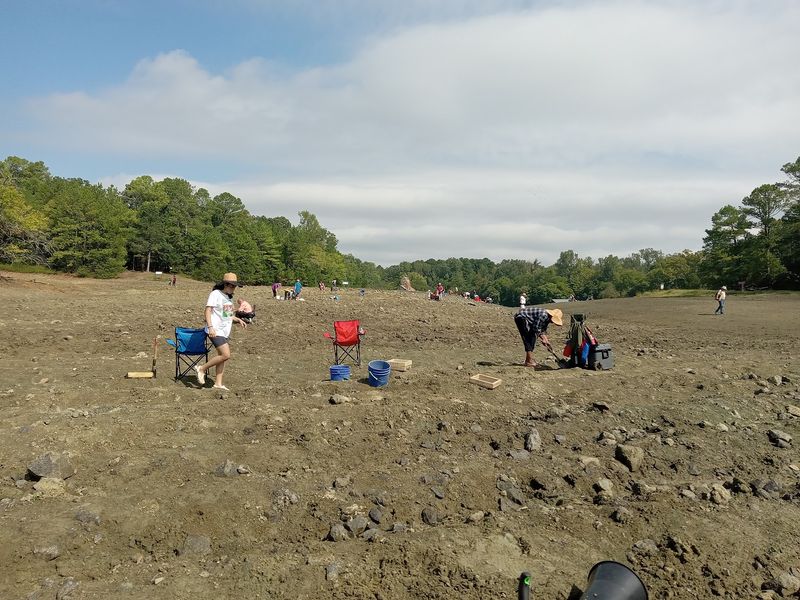
Forget the glittery rings in jewelry store windows. Rough diamonds look very different.
At Crater of Diamonds State Park, most diamonds come in white, brown, or yellow. Many look smooth and rounded, almost like tiny drops of glass.
They often have an oily or metallic shine. Dirt tends to slide off them, so a clean-looking pebble deserves a second glance.
Beginners sometimes toss real diamonds aside by mistake. Untrained eyes can confuse them with quartz or plain gravel.
The Diamond Discovery Center helps solve that problem. Exhibits show real uncut stones and explain the area’s geology.
Staff also offer free identification for any rock or mineral. Bring your best finds and let the experts take a look.
Kids can make a game out of sorting. Sort stones into piles by color, shape, and shine.
A small magnifying glass adds to the fun. Young searchers feel like real scientists as they study each pebble.
Knowing the look of a rough diamond boosts your odds. It also turns a messy dig into a smart, hands-on lesson in Arkansas.
Dig, Sift, And Wash Like A Pro
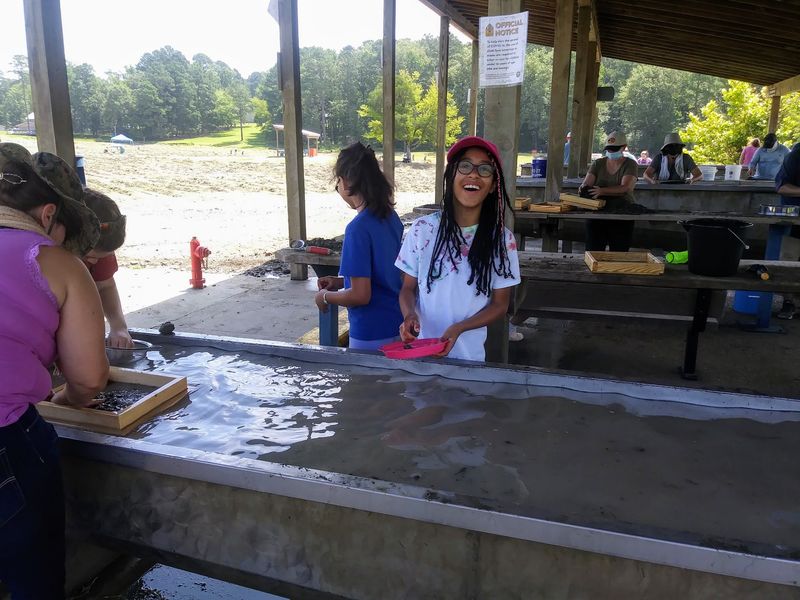
Shovel, screen, water, repeat. That simple rhythm is how most diamond hunters work.
Visitors can bring their own tools or rent basic gear on site. Rentals usually include shovels, buckets, and sifting screens.
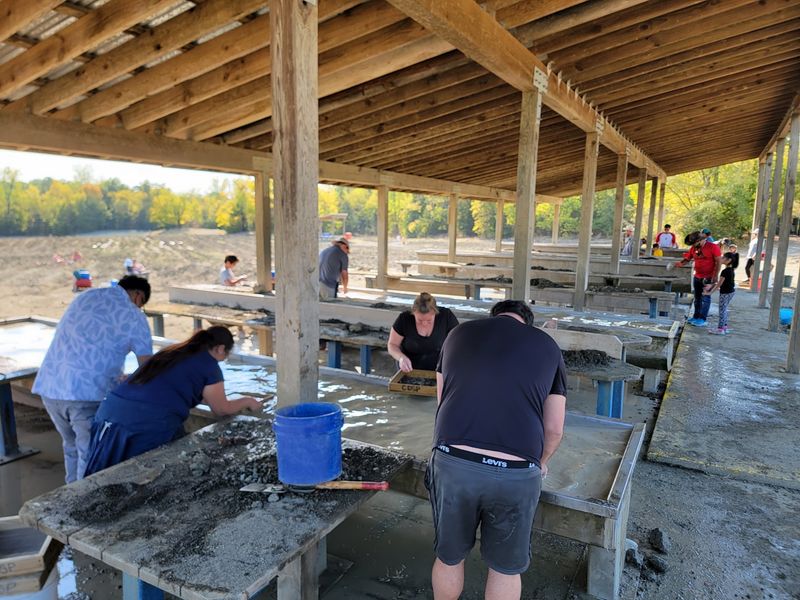
One popular method is wet sifting. Searchers scoop gravel, then shake it through screens in water under covered wash stations.
Heavy stones settle in the center of the screen. Since diamonds are dense, that center spot is where hunters look closely.
Other visitors prefer surface searching. They walk slowly along the rows, scanning the ground for anything shiny.
Surface searching works best after a good rain. Water washes away loose soil and can expose stones on top.
Newcomers should watch a few technique videos before the trip. Park staff also share tips and explain the process.
Knee pads or foam cushions make a big difference. Kneeling on rocky ground gets sore fast.
Water shoes help too, especially near the wash stations. Sneakers tend to get soaked.
Remember that ladders and motor-driven or battery-powered mining tools are not allowed. Crater of Diamonds State Park keeps things hands-on and old-school.
Pack Smart For A Shade-Free Field
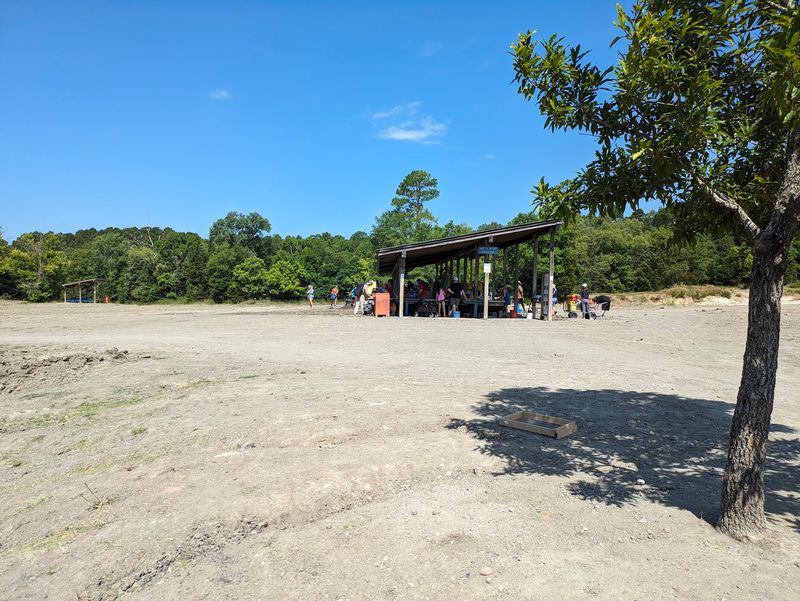
Shade? Good luck finding any out in the search field.
The open field at Crater of Diamonds State Park gets hot, especially in summer. Smart packing keeps the day fun instead of miserable.
Start with a wide-brim hat and plenty of sunscreen. Reapply often, since digging makes everyone sweat.
Water is a must. Bring a cooler with drinks and snacks, and use the park’s drinking fountains when needed.
Old clothes and sturdy shoes work best. Mud sticks to everything, especially after rain.
A wagon can save your back. Hauling buckets, tools, and coolers across the field adds up fast.
Some families bring a pop-up canopy or chairs. A little homemade shade helps kids take breaks.
Gloves with grippy palms protect small hands. Kids stay in the game longer when their fingers are not sore.
On the way out, a rinse station with hoses helps clean off the grime. Pack a towel and a change of clothes for the ride home.
Plan for patience too. Diamond hunting is slow work, and a relaxed attitude makes every hour better.
Splash, Stroll, And Spot Wildlife

Tired of dirt? Crater of Diamonds State Park has plenty of ways to cool down and wander.
Diamond Springs Water Park opens during warmer months. Kids can splash around after a long morning of digging.
The water park keeps a seasonal schedule and does not open every day. Check before you go so swimsuits do not stay in the car for nothing.
Trails offer a calmer break. The paved River Trail winds through the woods to the Little Missouri River.
The Prospector Trail loops through quiet forest. It gives a peaceful look at the land around the crater.
A short, shady path leads to a wildlife observation blind. Families can sit quietly and watch for birds and critters.
Many paths are paved, which helps strollers and wheelchairs. That makes nature time easier for all ages.
Picnic spots dot the park too. Pack lunch and enjoy it under the trees instead of the hot sun.
A gift shop sells rocks and souvenirs as well. Kids who come up empty-handed in the field can still pick a special stone.
Camp Close To The Crater
One day rarely feels like enough. Plenty of diamond hunters decide to stay overnight.
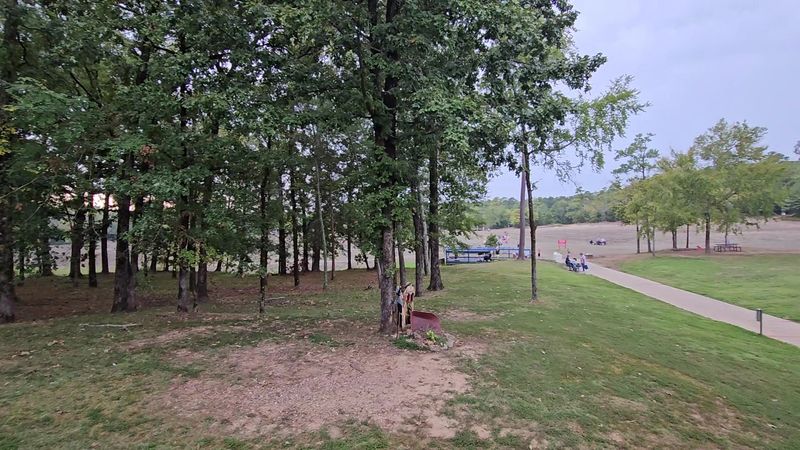
The campground at Crater of Diamonds State Park sits under tall trees. Many RV sites offer full hookups for water, power, and sewer.
Tent campers have walk-in sites too. Picnic tables and fire pits make evenings cozy.
Bathhouses sit close to the camping areas. Hot showers feel amazing after a muddy day in the field.
Free Wi-Fi reaches parts of the campground and bathhouse areas. That helps families check weather or look up rock facts.
Staying nearby also means an early start. Getting to the field right away beats the crowds and the afternoon heat.
A second day gives kids another shot at treasure. Tired searchers often do better after a good night’s sleep.
Leashed, friendly pets are welcome in many areas. Keep dogs calm around busy crowds and campsites.
For mapping your trip, the park sits at 209 State Park Road, Murfreesboro, AR 71958. The town is small, so plan meals and supplies ahead.
Pick The Right Season To Search
Timing can make or break a dig. The calendar matters more than most people think.
Crater of Diamonds State Park stays open year-round. Still, each season brings a different kind of adventure.
Spring and fall often feel the most comfortable. Mild weather lets families search longer without overheating.
Crowds may feel lighter during those months too. More space means more room to spread out and explore.
Summer brings heat and bigger crowds. July can feel packed, especially when school is out.
If summer is the only option, arrive early. Morning hours feel cooler and calmer.
Rainy days have a secret bonus. Showers can wash dirt away and uncover stones on the surface.
The catch is mud. It gets thick and sticky, so boots and spare clothes become essential.
Winter visits can be peaceful and quiet. Dress in layers and bring warm drinks in a thermos.
No season guarantees a diamond. Every trip to Arkansas offers the same fair chance, so pick the weather your family enjoys most.
With the right timing, a patient crew, and a bucket of dirt, anything can happen. That is the magic of this crater.