
This Forgotten Nevada Tunnel Runs Nearly 4 Miles Through The Mountains Beneath Old Mining Country
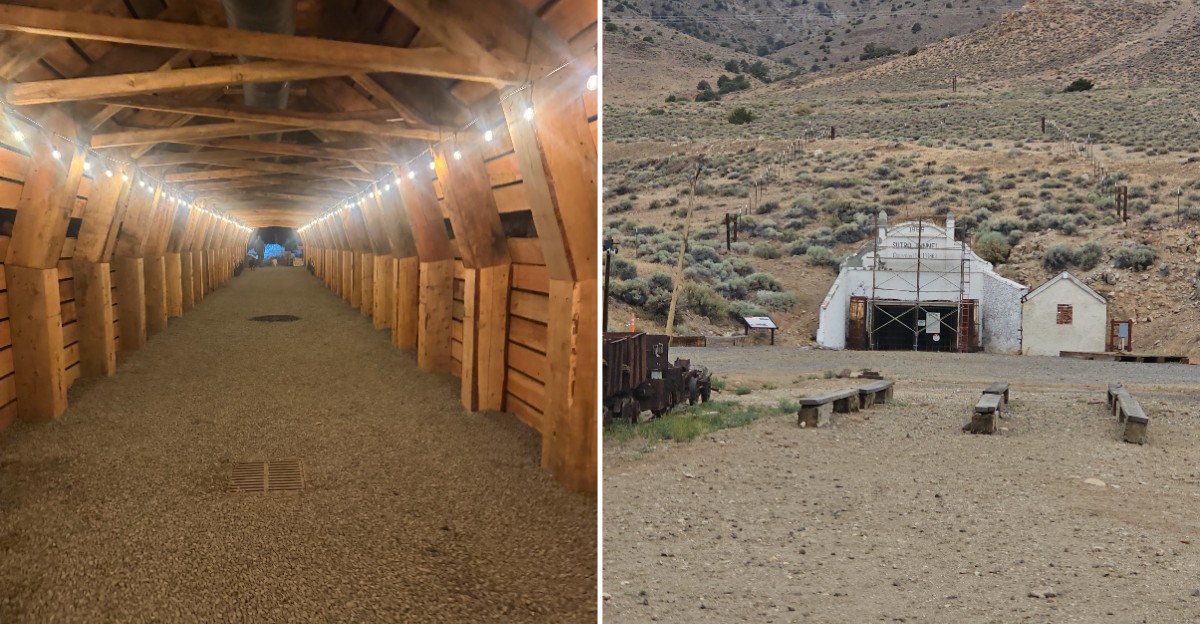
Nearly four miles of tunnel run beneath the hills, carved through solid rock to fight a problem that once threatened an entire mining district. Water kept pouring into deep silver mines, equipment struggled, and every new foot underground became harder to reach safely.
One determined engineer had a wild solution: dig a massive drainage tunnel straight through the mountain. Plenty of people doubted him, but the idea eventually changed what miners could do beneath Nevada’s rugged landscape.
Today, part of that underground world is opening up again. Volunteers are restoring historic structures, preserving old equipment, and sharing stories that rarely make it into textbooks.
Visitors can step inside a section of the passage and see the scale of the work up close. It is dark, rough, fascinating, and far more dramatic than the average history stop.
One Man’s Wild Idea That Took Nearly A Decade To Dig
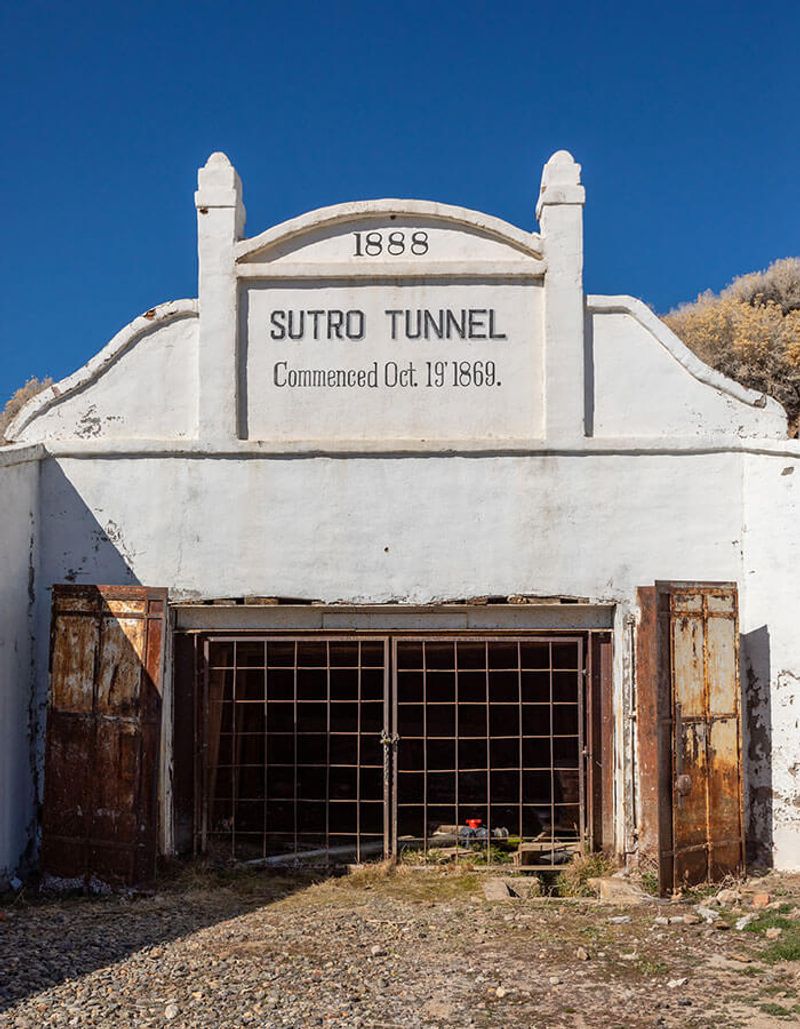
Adolph Sutro was a German immigrant with a plan that many people thought was impossible. In the 1860s, the silver mines of the Comstock Lode were filling with scalding water. Pumps could barely keep up, and miners worked in heat that could reach well over 100 degrees.
Sutro pictured a drainage tunnel running from the valley floor straight into the mountain, deep below Virginia City. Water would simply flow downhill and out. He spent years fighting for money and support, and powerful mine owners often stood in his way.
Digging finally began in 1869. Crews blasted and chipped through hard rock for about nine years. The Sutro Tunnel reached the Savage Mine on July 8, 1878, and by June 30, 1879, it connected to the mines and released its first water.
You can see how much grit it took when you learn these dates. The tunnel stretches about 3.88 miles, which is nearly four miles of hand-built passage.
You should keep that length in mind during a visit, because it helps you picture the effort behind every foot. It stands as one of the great engineering feats in Nevada history, and it all started with one stubborn dream.
Why Silver Miners Needed A Way Out For The Water
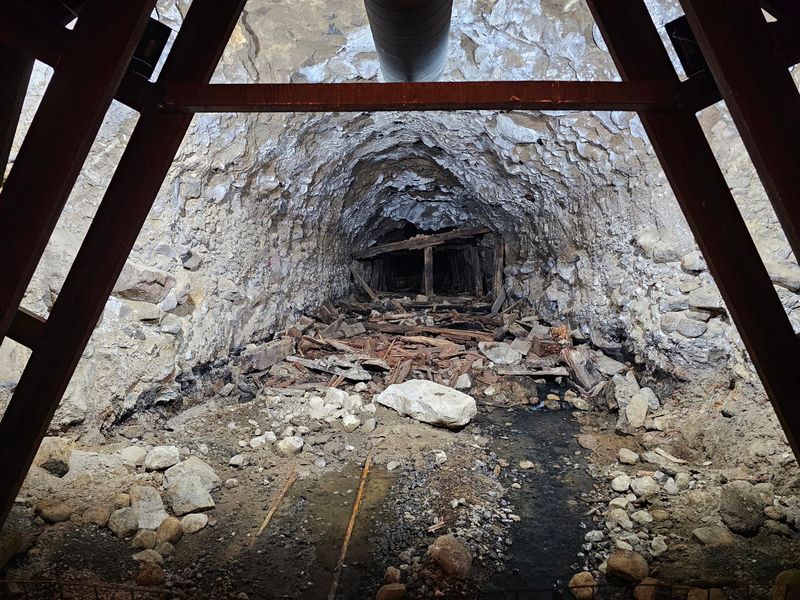
Picture a mine shaft so hot that workers needed ice water and frequent breaks just to survive a shift. That was daily life on the Comstock. Deep underground, pockets of hot water burst through the rock and flooded the lower levels.
Flooding did more than slow work. It made the mines dangerous and very costly to run. Giant steam pumps ran day and night, and even then the water kept rising. The Sutro Tunnel offered a smarter fix. Instead of lifting water up hundreds of feet, the tunnel let gravity do the work.
Water flowed out toward the Dayton side of the mountains. The tunnel also gave fresh air to the mines and a possible escape route for workers.
Here is a fun fact you might enjoy. Water still drains from the tunnel today, more than 140 years after it first opened. That steady flow feeds the site and shows you the design still works.
You should ask the guides about the heat and the flooding during your tour. Their stories bring the science to life. Once you understand the problem, the tunnel stops feeling like a hole in a hill and starts feeling like a lifesaver.
A Quiet Road Leads You Straight Into Comstock History
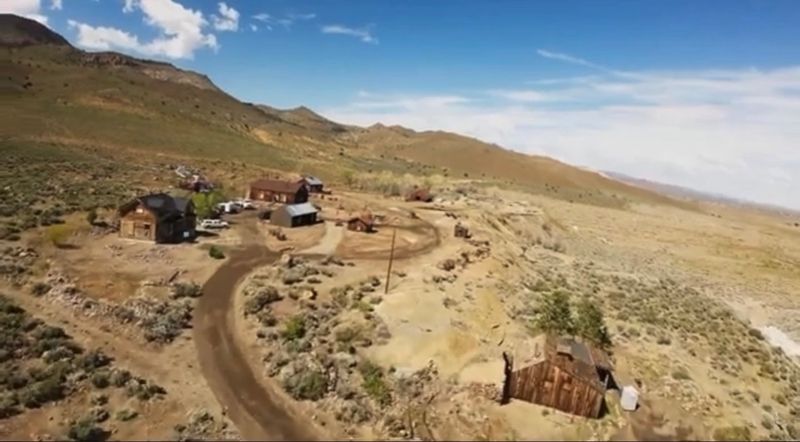
Finding your way here is easier than you might think. The site sits near the small town of Dayton, a short drive from Carson City and not far from Virginia City. Rolling hills and desert brush surround the area, giving you a calm first look at the landscape.
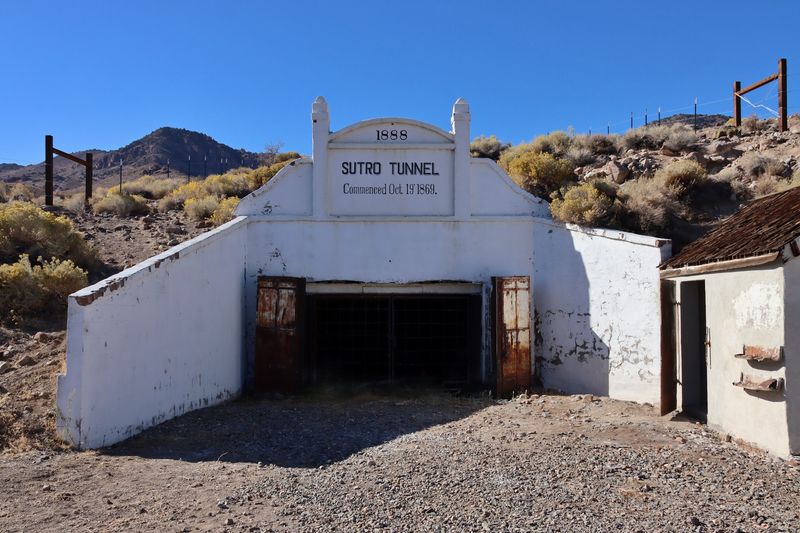
You will want to set your map to the full address, which is Sutro Tunnel Rd, Dayton, NV 89403. The Sutro Tunnel is on private property, so you should only visit during open hours or booked events. That keeps the site safe and protects ongoing work.
The drive itself makes a nice part of the trip. Northern Nevada has wide skies and long views, so you can enjoy the scenery on the way. Many travelers pair this stop with a visit to nearby historic towns.
A few simple tips help your day go smoothly. You should bring water, sunscreen, and comfortable shoes, since the desert sun can feel strong. You might also pack a light jacket, because the tunnel air stays cooler than the outside.
With a little planning, you can arrive relaxed and ready to learn. The journey sets the tone for the history waiting at the end of the road.
Walking Inside The Rock Feels Like Traveling Back In Time
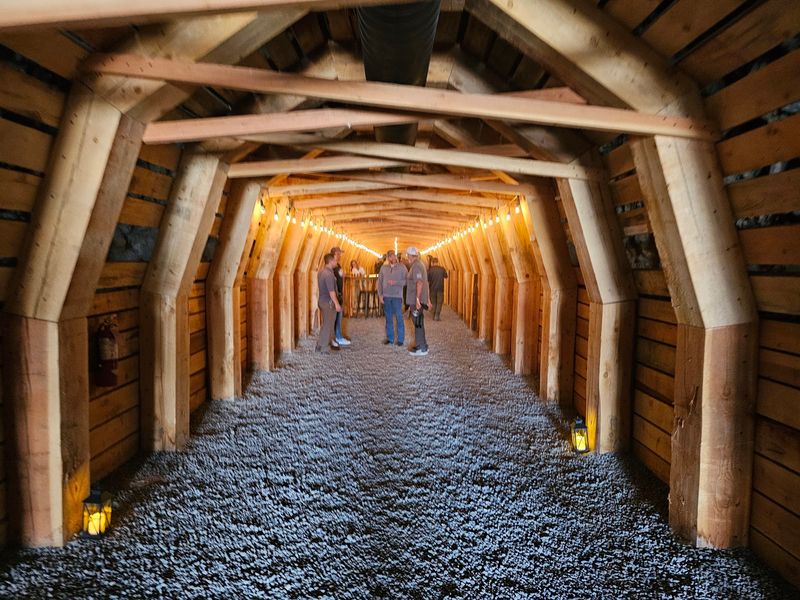
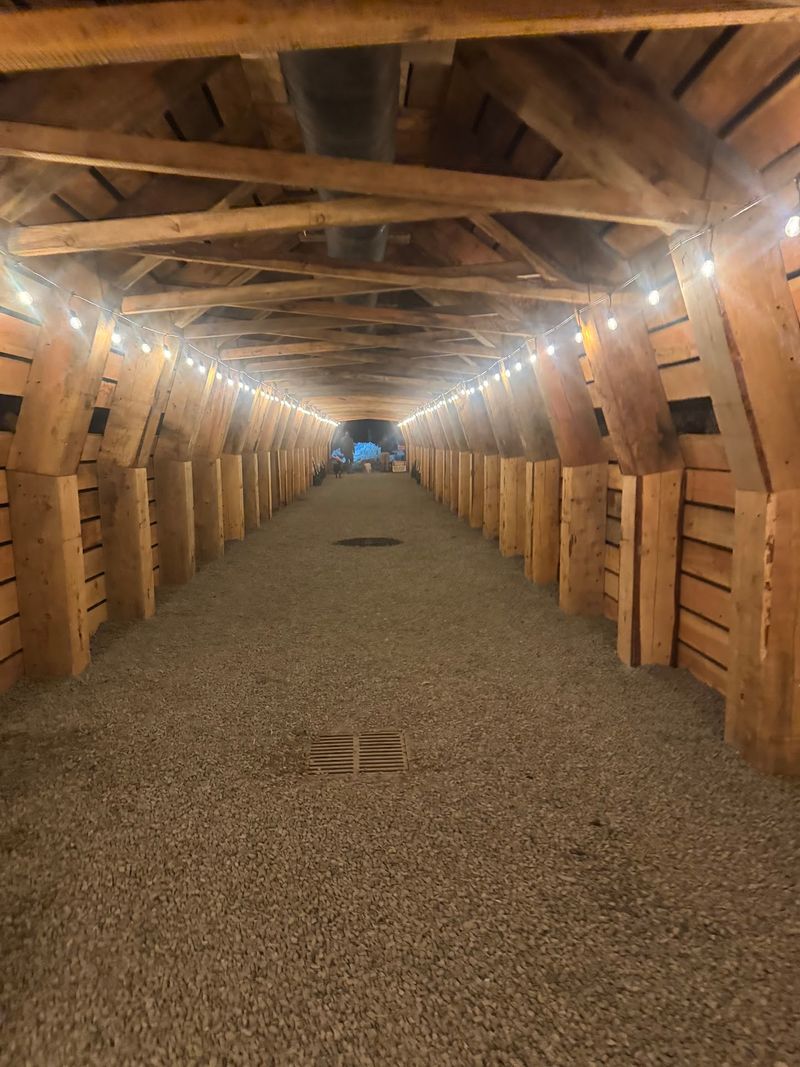
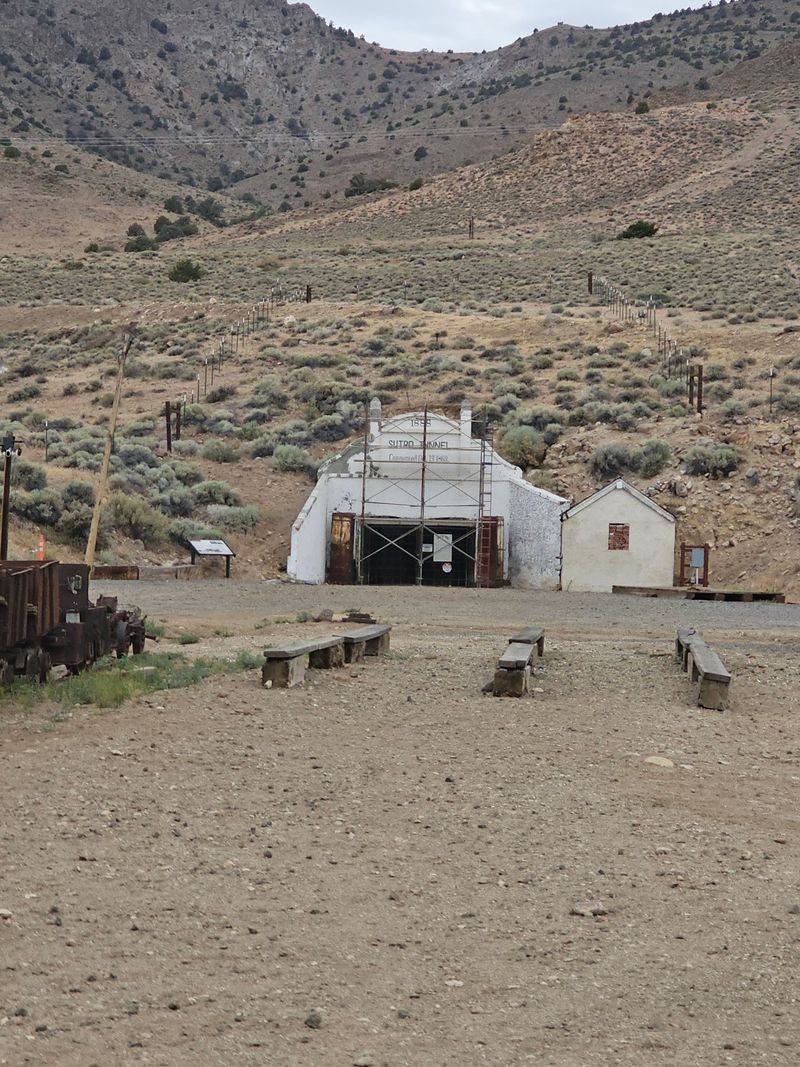
Cool air greets you the moment you reach the portal. Timber beams line the walls, and old rails stretch into the dark. It feels calm, a little mysterious, and full of stories.
Restoration crews have been reopening the passage bit by bit. Early visitors could only go a short way inside. Now tours of The Sutro Tunnel can take you more than 300 feet in, and the team keeps working to open more.
You should look closely at the walls as you walk. Tool marks, wood supports, and rock layers all tell you how the crews worked. Guides often point out details you might miss on your own.
Safety comes first here, so you should follow every instruction from staff. Hard hats and set paths help protect both you and the tunnel.
Moving slowly also gives you more time to take in the sights. Think about the miners who stood in this same spot long ago. They worked by candlelight and hand tools, with little fresh air. Today you get to walk here with lights and a guide by your side.
That contrast makes the walk memorable. You leave with a better sense of how hard life underground truly was.
Old Buildings And A Peaceful Pond Round Out The Grounds
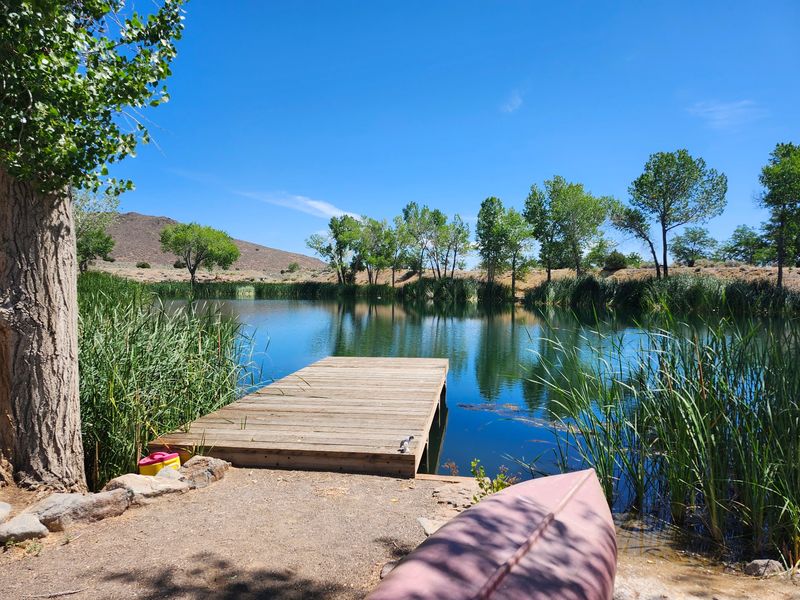
Outside the tunnel, a whole historic townsite waits for you. Sutro once had homes, offices, and shops for the people who worked on the project. Several original buildings still stand, and volunteers are restoring them piece by piece.
You should take time to wander the grounds after the tunnel portion. The weathered wood and old frames help you picture daily life in the late 1800s. Displays and signs explain what each building once held.
A large pond also sits on the property. Water from the tunnel helps feed it, and cattails grow along the edges. On warm days you might spot a bright orange dragonfly zipping over the surface.
This mix of history and nature makes the visit feel balanced. You get stories of hard work, and you also get a quiet place to pause. It is a nice spot to snap photos or simply breathe in the fresh air.
Families often enjoy this part the most, since kids can see real history in the open. You should bring a camera and a curious mind. The Sutro Tunnel grounds reward people who slow down and look around.
Friendly Guides Who Truly Know Their Mining Stories
Good guides can turn a rock tunnel into a thrilling tale. The docents here are known for their deep local knowledge and upbeat spirit. They share facts, legends, and small details that make the past feel close.
Tours usually last around two hours. That may sound long, but the time moves quickly with so much to see. You will find places to sit and rest along the way, which helps if you worry about walking.
You should come ready with questions. Ask about Adolph Sutro, the mine owners who opposed him, or how crews blasted through stone. The guides at The Sutro Tunnel love sharing what they know.
Many of the people helping here are volunteers. They give their time because they care about saving this part of Nevada history. That passion shows in the way they talk about the site.
If you have a group, you can also look into private tours. These give you more time and a more personal feel. You should reach out ahead to see what options are available. A great guide makes the difference between a quick look and a lasting memory. Here, you get the lasting kind.
Smart Planning Tips So You Never Miss A Tour
Timing matters a lot with this destination. The site keeps limited hours, usually opening Thursday through Saturday from 10 am to 3 pm. Self-guided access follows those hours, while guided tours and other visits may be offered on additional scheduled dates.
Tickets can go fast because tour sizes are small. You should book ahead on the official website instead of hoping to walk up. That way you know you have a spot.
Pay attention to the type of ticket you choose. Self-guided options and guided tunnel tours can differ, and only some include time inside the tunnel. You should read the details carefully so you get the experience you want.
Private tours are also offered for groups and special occasions. These are normally reserved in advance. Special events pop up during the year too. Fundraisers and seasonal tours give you more chances to see The Sutro Tunnel. You should check the calendar before you travel.
A little planning saves you stress. With your tickets set and your day mapped out, you can focus on learning and enjoying every stop along the way.
A Rare Piece Of The Past Worth Your Time
Few places let you touch history this directly. You walk where miners walked, see rock they carved, and watch water that still flows as planned. That kind of connection is hard to find.
The Sutro Tunnel tells a story of courage and patience. One man refused to give up, and thousands of workers turned his idea into reality. The result changed mining on the Comstock and left a lasting mark on the state.
Today, a new group of dreamers keeps that spirit alive. Volunteers and staff clear debris, fix buildings, and share stories with each guest. Every ticket helps support their restoration work.
You should also know the site hosts weddings and private gatherings. The historic setting creates a one-of-a-kind backdrop for special days. It shows how the past can still bring people together.
Every visit offers something new, since restoration keeps moving forward. You may return later and see more of the tunnel open or another building restored. That sense of progress makes coming back exciting.
If you love history, engineering, or simply unusual places, this stop belongs on your Nevada plans. You will leave with fresh respect for the people who built it.