
This Massachusetts College Offers Free Tuition To Families Earning Up To $150K And Its Financial Aid Comes With No Loans
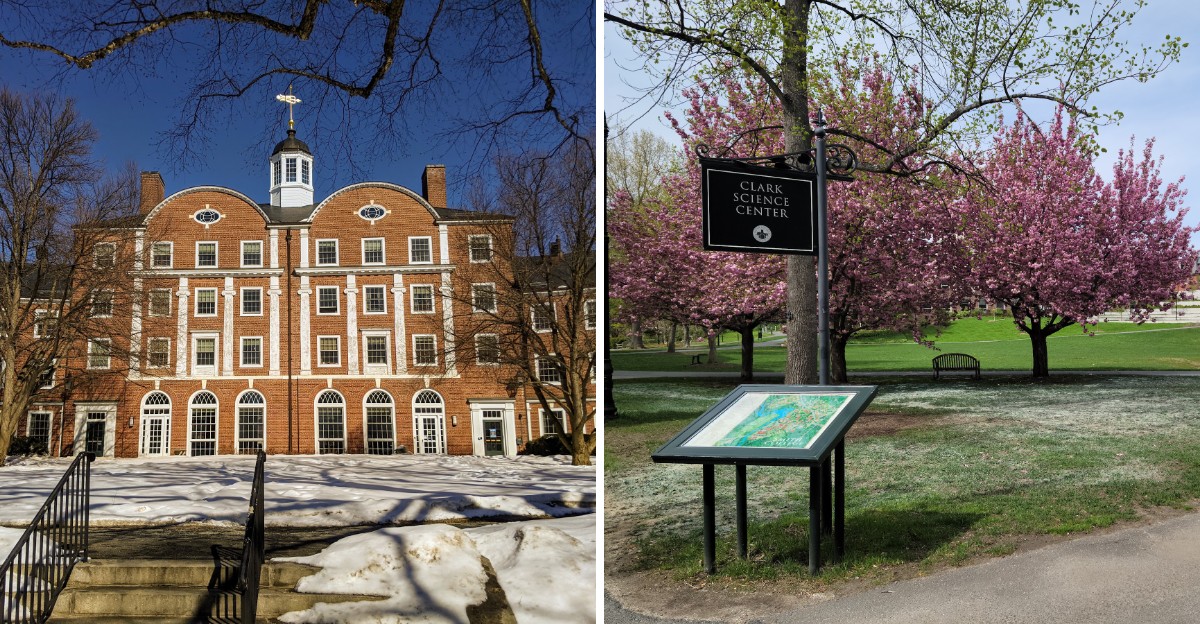
College costs can make even the most exciting acceptance letter feel a little intimidating. But what if a Massachusetts school took a huge part of that worry off the table?
One respected college is doing exactly that for qualifying families earning up to $150,000 a year. Eligible students can receive free tuition, and the school’s financial aid packages are designed without loans.
That means more of the help comes through grants and scholarships instead of debt that follows students long after graduation.
The policy is part of a larger push to make college more affordable for families who may assume a private education is out of reach. In Massachusetts, where some schools carry eye watering price tags, this approach stands out fast.
Add a beautiful campus, a long academic history, and a strong national reputation, and the story becomes even more surprising. This is one college worth knowing about before writing off private education as too expensive.
The Next 150 Pledge Makes Tuition Free
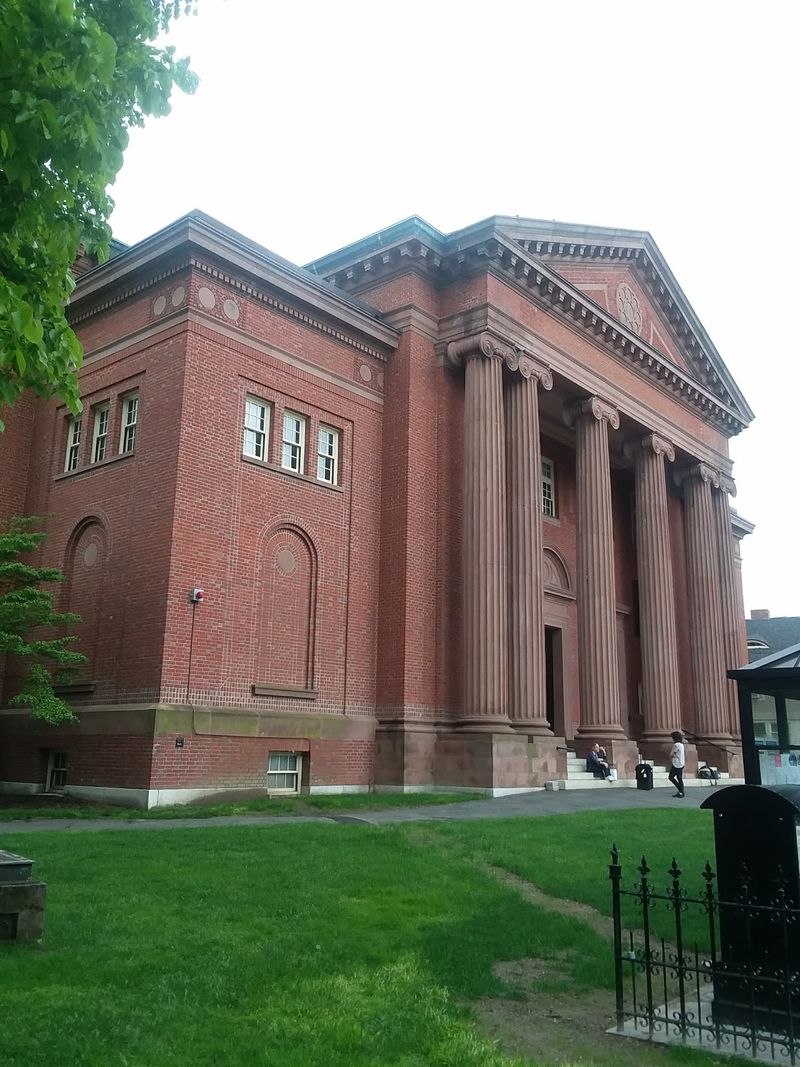
Big news rarely arrives with such a friendly price tag. Starting in Fall 2026, Smith College will offer free tuition to undergraduate students whose families earn up to $150,000 a year. The school calls it the Next 150 Pledge.
Here is the fine print, kept simple. The pledge assumes a family has typical assets, like a home and modest savings.
If your income falls at or below that line, tuition costs you nothing.
Why does this matter so much? The school estimates that more than 75 percent of families across the United States will qualify.
That is not a small slice of people. It is most households in the country.
The offer covers both domestic and international undergraduates. That makes Smith the first women’s college in the nation to pair free tuition with a fully loan-free aid program.
Few schools anywhere can make that claim.
Families should know that tuition is only one part of college costs. Housing, meals, and books still count. Even so, removing the tuition bill takes away the largest chunk for many students.
A smart first step is to use the college’s net price calculator on its website. It gives a quick estimate based on your own numbers.
Then mark the financial aid deadlines on a calendar, because applying on time is what unlocks this support.
Financial Aid With Zero Loans Attached
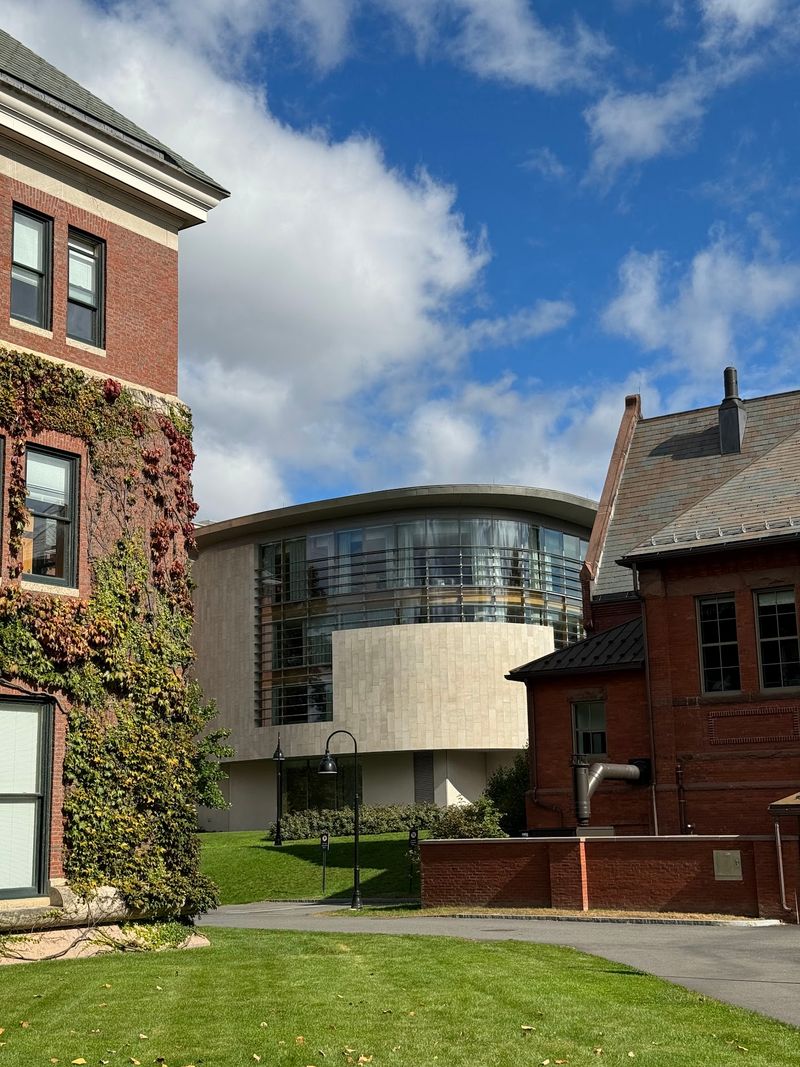
Picture graduation day without a stack of loan bills waiting at home. That is the goal behind the aid model at this western Massachusetts school. Every financial aid package is completely loan-free.
So how does that work? Instead of loans, the college gives institutional grants.
Grants are gifts of money that students do not pay back. No interest piles up, and no monthly payments start after graduation.
Smith also promises to meet 100 percent of demonstrated financial need. Demonstrated need is the gap between college costs and what your family can pay.
The school fills that gap for admitted students who apply for aid by the deadlines.
This matters more than many people realize. Student debt can shape choices for years after college.
It can affect where graduates live, what jobs they take, and when they reach big goals.
Without loans, a graduate can pick a career because it fits, not just because it pays fast. Someone might try teaching, research, or public service with less worry. That kind of freedom is hard to put a price on.
A helpful tip for families: fill out both the FAFSA and the CSS Profile if the college requires them. Double-check each form for errors.
Clean, complete paperwork helps the aid office build the right package quickly.
A Startup Grant To Kick Things Off
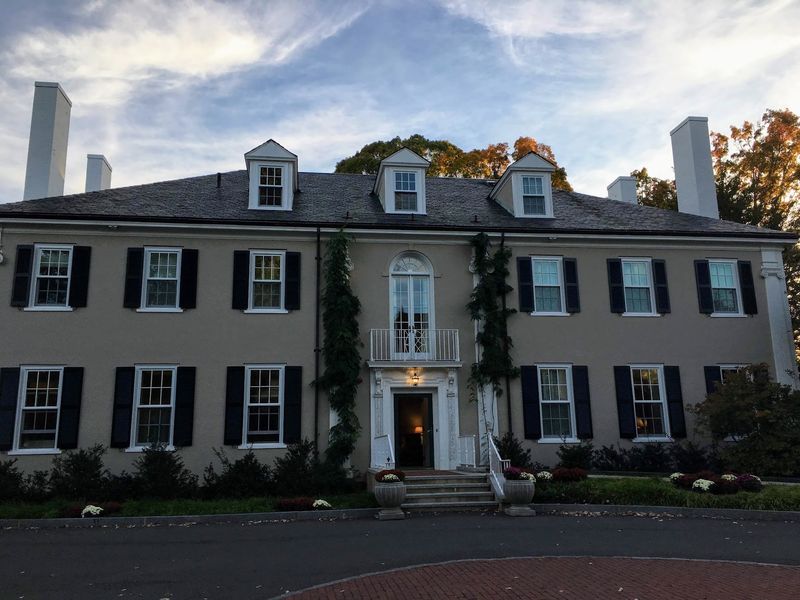
Moving to college costs more than most people expect. Twin sheets, a desk lamp, winter boots, a laptop charger that actually works. The little things add up fast.
Smith College has thought about that. High-need incoming students may be eligible for a one-time startup grant of $1,000. The money helps ease the move into college life.
Think of it as a welcome gift with a practical purpose. A student from a warm state might need a real winter coat. New England winters do not play around, and Northampton sees plenty of snow.
Others might use it for basic dorm supplies or school materials. The point is to help students start on equal footing.
Nobody should feel behind on day one because of a shopping list.
Smart planning makes this grant go further. Before buying anything, check what the residence already provides.
Many rooms come with a bed, desk, and dresser, so you can skip the bulky stuff.
Next, talk with your future roommate or housemates. Sharing items like a mini fridge or rug saves money. Then make a short list of true needs versus nice extras.
Finally, ask the financial aid office how and when the grant arrives. Knowing the timing helps you budget for move-in week without stress.
A Campus That Doubles As A Botanic Garden
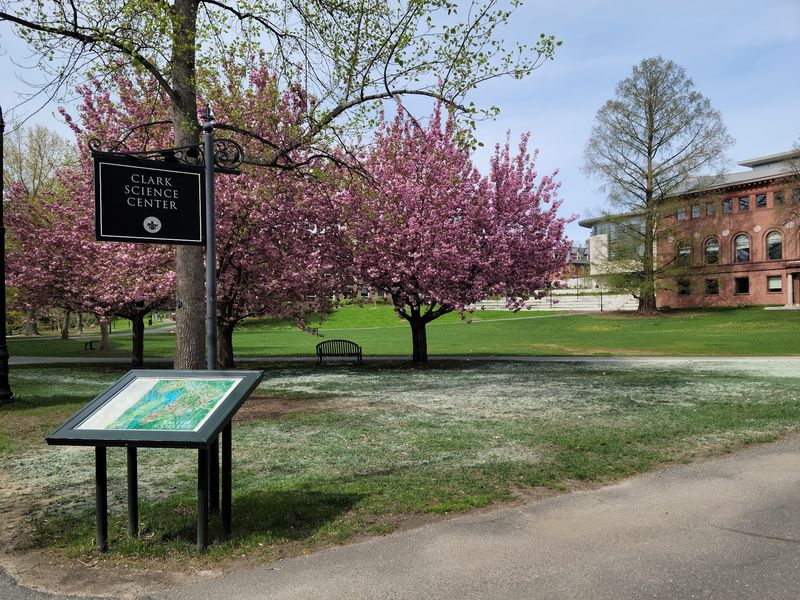
Some colleges have a garden. At Smith, the whole campus is the garden. The entire 147-acre grounds serve as an arboretum and botanic garden.
The layout has famous roots. The campus plan came from the firm of Frederick Law Olmsted, the landscape designer known for New York City’s Central Park. You can feel that thoughtful planning on every winding path.
More than 1,200 kinds of trees and shrubs grow across the grounds. Students do not just admire them. Classes use the plants as a living laboratory for science and art.
The Lyman Conservatory greenhouses are a true treat on a gray day. Warm, green, and full of unusual plants, they feel like a quick trip to the tropics. The spring bulb show brings bursts of color each year.
Then there is Paradise Pond, a campus favorite. A path follows the Mill River past the dam, with lovely views along the way. It is a calm spot to clear your head before exams.
The campus sits right beside downtown Northampton, and its main address is 10 Elm Street, Northampton, MA 01063. The grounds are open to the public, so families touring schools can stroll freely.
Bring comfortable shoes and give yourself extra time.
Houses Instead Of Ordinary Dorms
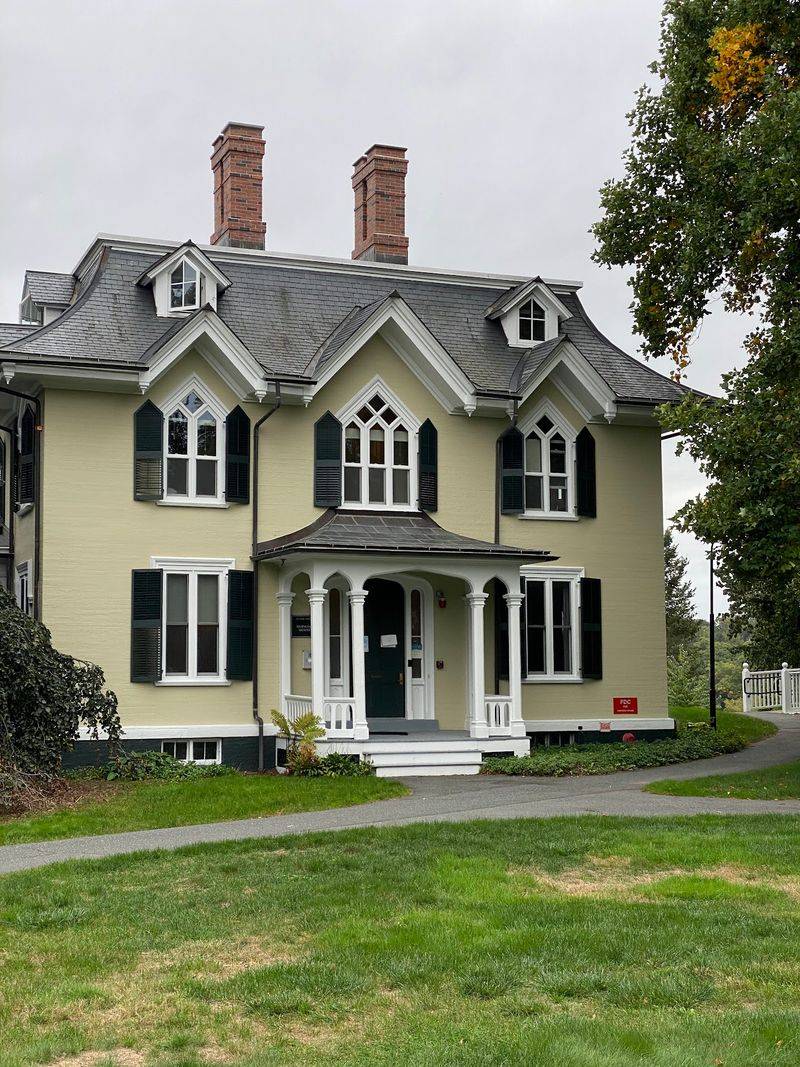
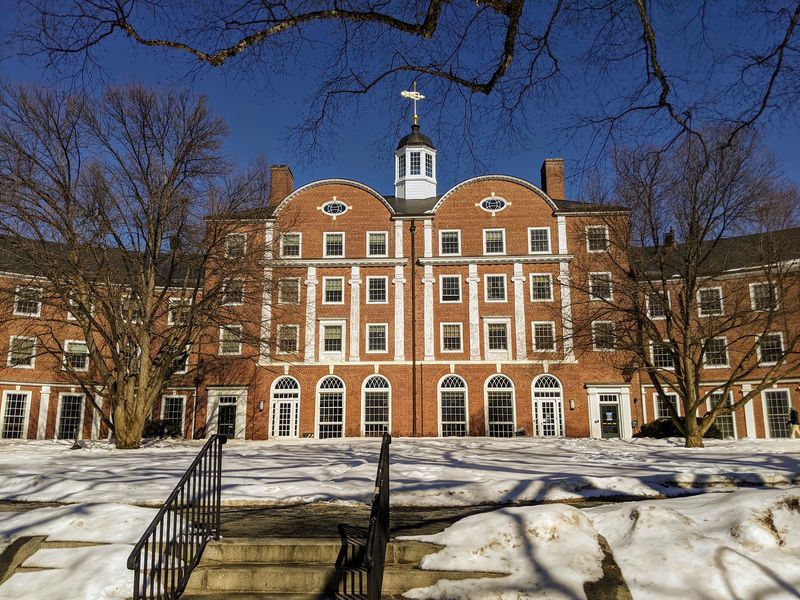
Forget long hallways of identical rooms. Smith students live in houses, and each one has its own character. The college has around 40 of them.
These are not just buildings with beds. The houses are self-governing, which means students help run them. They plan events, set traditions, and make shared decisions together.
The styles vary a lot. Some feel like grand old New England homes. Others are larger and more modern, but each keeps a close community feel.
Most students choose to live on campus for all four years. That says a lot about how comfortable the houses feel.
Friendships often form over late-night study sessions in shared living rooms.
Living this way builds useful life skills. Students learn to solve problems, lead meetings, and work with different personalities. Those abilities matter long after graduation.
Campus traditions add extra fun. Mountain Day is a famous one, when the president surprises everyone by canceling classes on a crisp fall day. Students often head outdoors to enjoy the colorful leaves.
If you tour the campus, ask to see more than one house. Pay attention to the common spaces, the dining setup, and how far each one sits from your likely classes.
A house that fits your routine makes daily life smoother.
Engineering Firsts And Bold Academic Paths

History got a fresh page in 2000. That year, Smith College became the first women’s college in the United States to offer an engineering degree.
It is still the only accredited undergraduate engineering program at a U.S. women’s college.
That bold streak shows up across the course list. Students can study Statistical and Data Sciences, a smart pick for a world full of numbers.
Environmental Science and Policy blends science, social studies, and the humanities.
Book lovers have a special option too. The History of the Book concentration explores how writing and printing changed over time.
Students can work with treasures in the Mortimer Rare Book Collection.
Other concentrations cover topics like journalism, museums, poetry, global finance, and translation studies. Each one links classroom learning to real-world work.
That mix helps students test ideas before choosing a career.
New students do not have to wait to join research. The STRIDE program offers paid research roles to selected first-year students.
They work alongside faculty mentors right from the start.
For science fans, the AEMES program builds community for students underrepresented in STEM. A friendly support network can make hard classes feel much more doable.
Tip for applicants: browse department pages before writing essays. Mentioning a specific program shows real interest and thoughtful planning.
Five Colleges, Funded Internships, And Paris
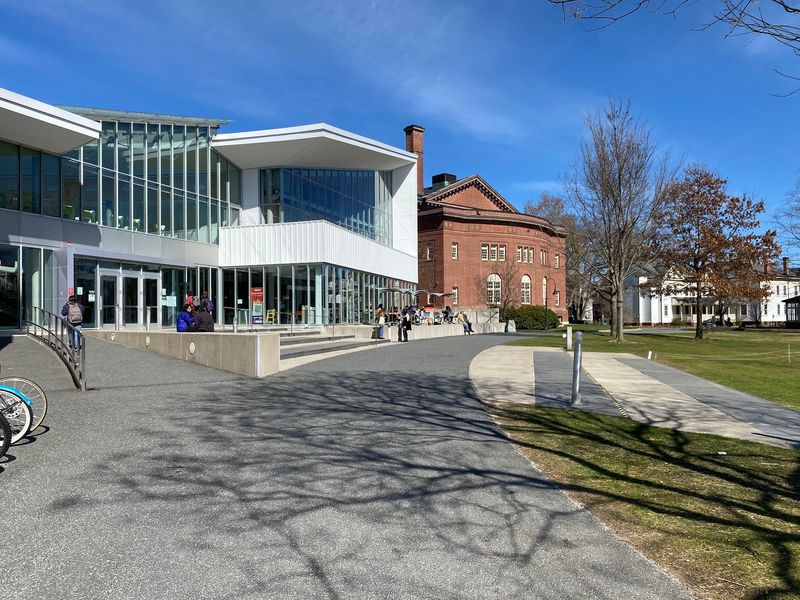
One acceptance letter can open five campuses. Smith belongs to the Five College Consortium in the Pioneer Valley.
Students can take classes at Amherst, Hampshire, and Mount Holyoke colleges, plus UMass Amherst. That means a small school feel with big school choices. A free bus system links the campuses.
Students can find rare language courses or niche topics without transferring.
Hands-on learning is another strong point. Since 1998, the college has guaranteed students access to a funded internship.
Every student is eligible for at least one summer of internship or research funding.
Why is that so helpful? Many great internships pay little or nothing. Funding lets students accept those roles without worrying about summer rent.
Travel has deep roots here too. Smith launched its Junior Year Abroad program in Paris in 1925. It was the first program of its kind at a women’s college.
Closer to home, the MacLeish Field Station covers about 250 acres in nearby Whately, Massachusetts. Its Bechtel Environmental Classroom is a certified Living Building with net-zero energy use.
Planning ahead pays off. Talk with an advisor during your first year about internships and study abroad.
Early planning keeps credits on track and opens more doors.
Alumnae Who Left Their Mark On The World
Flip through a list of Smith graduates and it reads like a history class. Writers, activists, chefs, and leaders all passed through these paths.
Their stories show what a strong education can spark.
Sylvia Plath studied here before becoming a Pulitzer Prize-winning poet. Julia Child, who brought French cooking into American kitchens, is also an alumna. Her cheerful TV shows made cooking feel fun and possible.
Gloria Steinem, a leading voice for women’s rights, graduated from Smith too. Her work helped shape public conversations for decades.
The political world has ties here as well. First Ladies Nancy Reagan and Barbara Bush both attended the college.
Jacqueline Kennedy Onassis spent a year in Paris through Smith’s study abroad program.
Founded in 1871 through the gift of Sophia Smith, the school opened in 1875. Its mission was bold for the time: give women an education equal to what men received It is also a proud member of the Seven Sisters colleges.
That mission now reaches even further. With free tuition for most families and no loans, more students from every background can follow these famous footsteps.
If this Massachusetts school sounds like a fit, start early. Explore the website, ask questions, and dream big.