
This Massive Virginia State Park Has A Native Snake Population So Locals Know To Watch Their Step
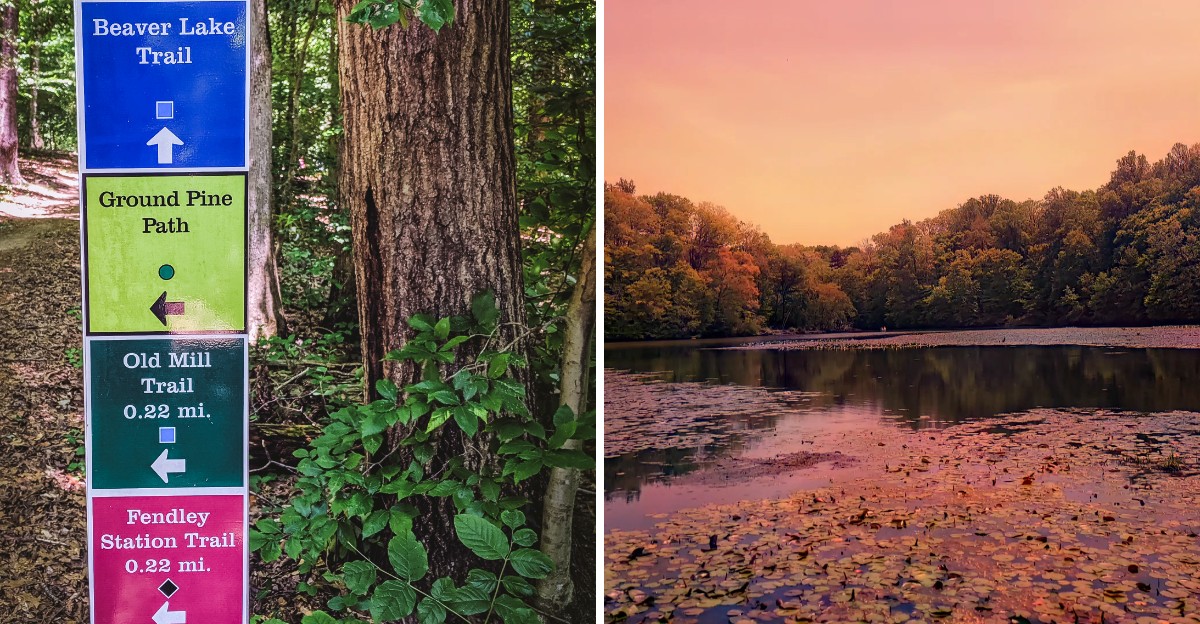
Crunchy leaves, glassy lakes, and scaly neighbors soaking up sunshine on logs. Nature feels wonderfully alive out here.
Locals know to watch their step on these trails, and you will see why. A native snake population thrives across the woods, wetlands, and quiet shorelines.
Before you panic, breathe. Most of these slithery residents are shy and harmless, happy to glide away long before you notice them.
Virginia rarely feels this wild so close to the city.
Still, a sneaky copper-toned trickster blends into the leaf litter like a pro, so sharp eyes pay off.
Beyond the reptiles, you get paddle-friendly water, winding bike paths, and a backstory built by hardworking hands.
Pack sturdy shoes and a curious spirit. A massive state park in Virginia is ready to surprise you.
The Biggest Backyard In The Commonwealth
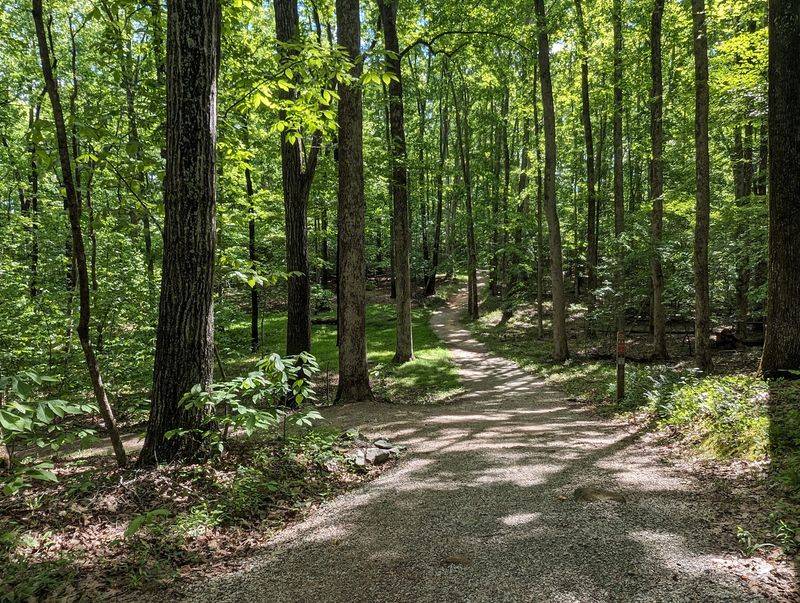
Big does not begin to cover it. Pocahontas State Park stretches across nearly eight thousand acres of central Virginia land.
That size makes it the largest state park in the Commonwealth. It sits in Chesterfield, a short drive from Richmond.
The landscape changes as you move through it. Thick hardwood forests give way to quiet lakes, marshy wetlands, and open grassy patches.
Each habitat supports its own crowd of creatures. Researchers have recorded well over a thousand kinds of plants and animals inside the park.
All that variety explains the snake story. Snakes love places with cover, water, and plenty of small prey to hunt.
Leaf litter gives them hiding spots. Lakes and creeks bring frogs and fish, which feed several water-loving species.
For visitors, this means every trip offers something new. One day brings herons on the shoreline, and the next brings a black snake sunning on a log.
Plan to explore more than one section of the park. The forest trails feel very different from the lake edges.
Bring water, a map, and patience. A park this large rewards people who slow down and look closely at the ground around them.
Meet The Scaly Neighbors
More than a dozen snake species call this park home. That number surprises plenty of first-time hikers.
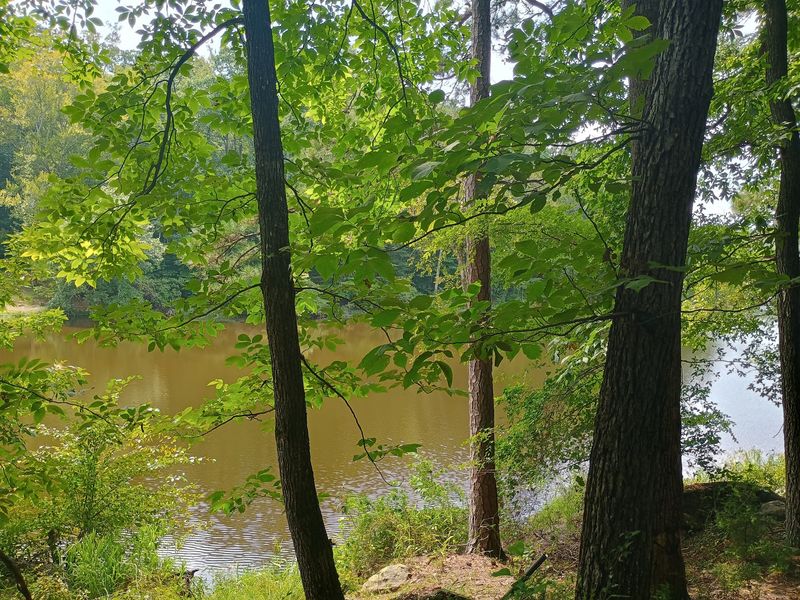
Pocahontas State Park offers ideal conditions for them. Warm summers, damp woods, and many ponds create a snake-friendly neighborhood.
The good news comes quickly. Most of the snakes here are nonvenomous and pose little threat to people.
The eastern rat snake is a common sight. It is long, dark, and a skilled climber that sometimes lounges in trees.
The northern black racer moves fast and often zips away before you can blink. Its glossy black body shines in the sun.
Near the water, the northern water snake hunts fish and frogs. People often mistake it for a cottonmouth, but it is harmless if left alone.
These snakes do real work for the park. They eat mice and rats, which helps keep rodent numbers balanced.
Think of them as unpaid pest control. They ask for nothing except space and a little peace.
If you spot one, pause and enjoy the moment. Seeing a snake in its home is a treat, not a threat, as long as you keep your distance.
The Copperhead Hiding In Plain Sight
Brown leaves, brown snake, big problem. The copperhead has mastered the art of blending in.
Copperheads are the most widespread venomous snake in the state. They live in forests, rocky spots, and near streams, which makes Pocahontas State Park a natural fit.
Their bodies show a pattern of hourglass bands. Copper and tan tones match fallen oak leaves almost perfectly.
That camouflage is why locals watch their step. A copperhead rarely chases anyone, but it may bite if stepped on.
Keep your eyes on the trail ahead. Avoid stepping over logs without checking the other side first.
Stick to the middle of paths when possible. Tall grass and thick leaf piles offer perfect hiding places.
Wear closed shoes instead of sandals on wooded trails. A flashlight helps a lot on evening walks around the campground.
Copperheads often move more at dusk during hot summer weather. Cooler hours bring them out to hunt.
If you see one, back away slowly. Give it plenty of room, and it will almost always go about its business without any fuss.
How To Tell Friend From Foe
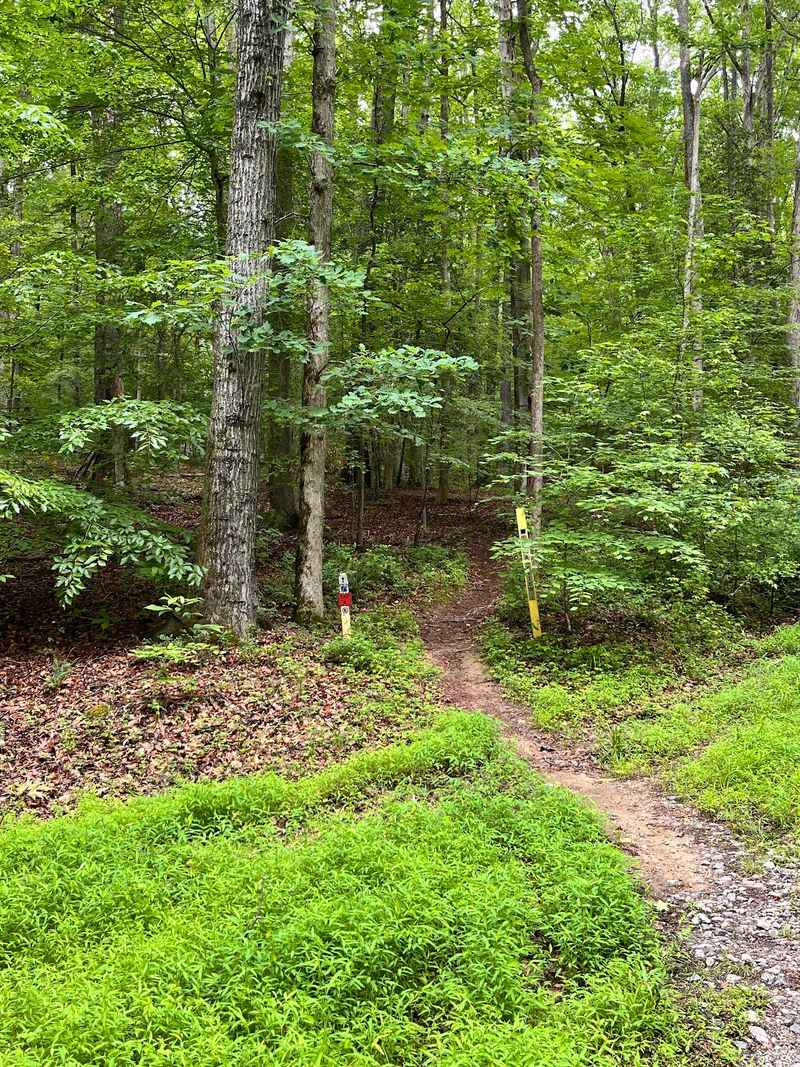
Round eyes or cat eyes? That small detail can say a lot about a snake.
Venomous snakes in Virginia often have a triangle-shaped head. Their pupils look like thin vertical slits.
They also have small heat-sensing pits between the eyes and nostrils. These pits help them find warm prey in the dark.
Nonvenomous snakes usually have rounder heads and round pupils. Many look slimmer and smoother overall.
Here comes the tricky part. Some harmless snakes flatten their heads to look scarier than they are.
That bluff can fool even experienced hikers. So these clues work as hints, not rules carved in stone.
The safest plan at Pocahontas State Park stays simple. Treat every snake as one to admire from a distance.
Getting close enough to study pupils is not a great idea anyway. Snap a photo with a zoom lens instead.
Park staff and nature programs can help identify what you saw. Bring your picture to the nature center and ask.
Learning snake features turns worry into curiosity. The more you know, the more fun each trail becomes.
Respect Rules The Trail
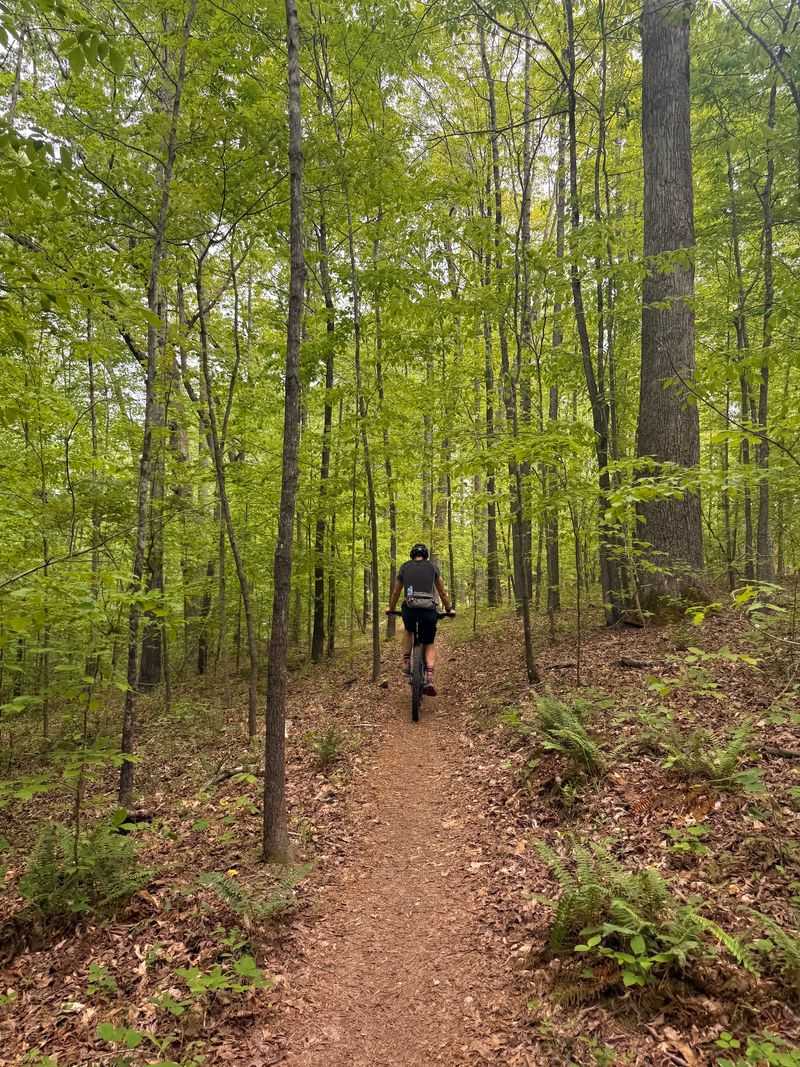
Leave it be. That short phrase covers most snake safety in one breath.
Snakes prefer to avoid people. Given a chance, they usually slide off into the brush on their own.
Trouble often starts when someone tries to grab, poke, or move a snake. Those moments cause many bites.
Visitors at Pocahontas State Park should never handle, harass, or harm any snake. Keeping a safe gap protects both you and the animal.
Virginia protects its native snakes under state wildlife law. These reptiles also play a key role in nature, so giving them space benefits everyone.
If a snake blocks the trail, wait a few minutes. It will likely move along once it feels safe.
You can also take a wide path around it. Keep kids and pets close so they do not rush in for a look.
Dogs should stay leashed on every trail. Curious noses and snakes do not mix well.
Teaching children to freeze and step back is a great habit. That simple lesson turns a surprise encounter into a cool story to share at dinner.
Built By Hands And History
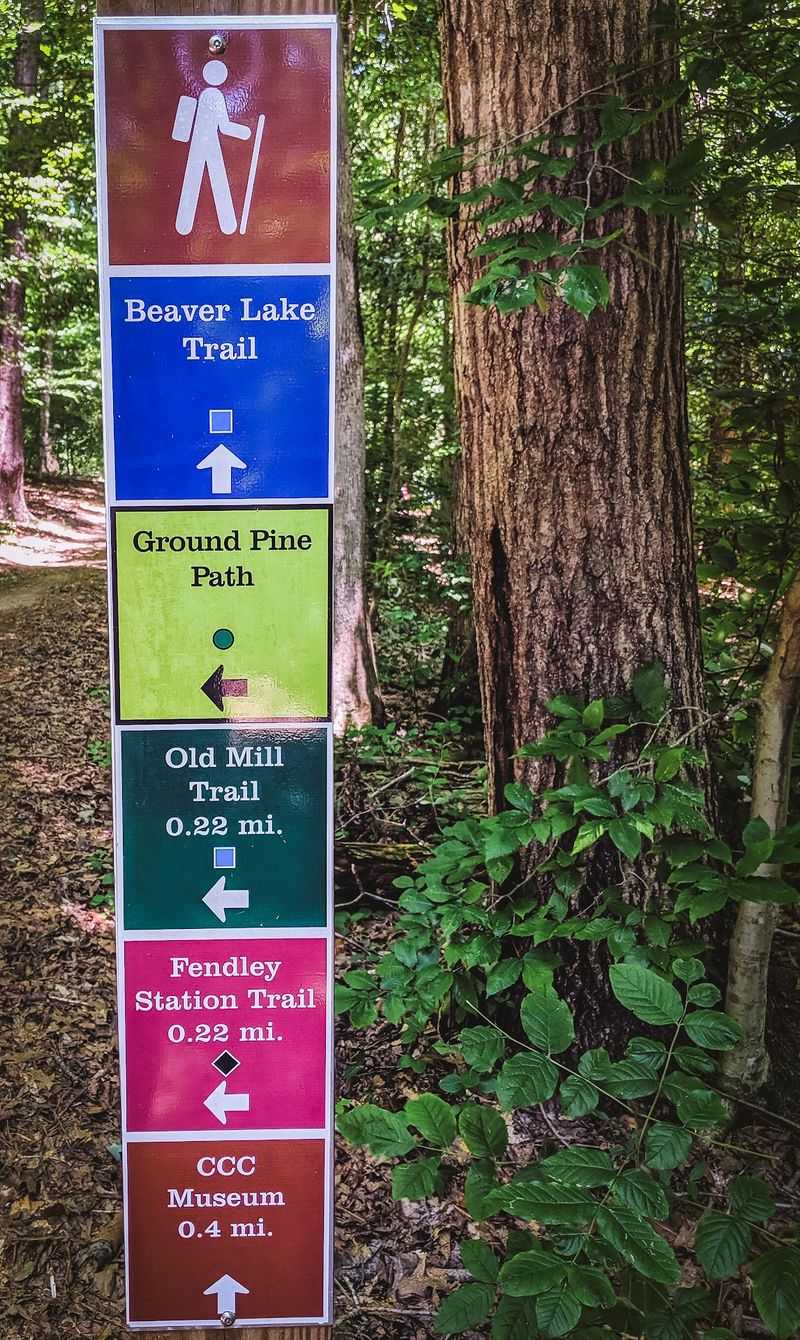
Shovels, sweat, and big dreams shaped this land. The story began during the Great Depression.
The park first opened as the Swift Creek Recreational Demonstration Area in the late 1930s. Young workers from the Civilian Conservation Corps built much of it.
They turned worn-out farmland into forests, lakes, and trails. Their rustic buildings used simple designs and local materials.
During World War II, the area served as a recreation spot for soldiers. Later, the National Park Service handed it to the Commonwealth.
The Virginia Conservation Commission dedicated it in 1946 and gave it a new name. It became Pocahontas State Park, honoring the famous Native American woman.
Today, the Civilian Conservation Corps Museum tells this tale. It is one of only a handful in the country focused on those workers.
Exhibits show tools, photos, and daily life in the camps. Rangers often share fun facts that bring the past to life.
A visit here adds depth to any hike. Knowing who built the trails makes each step feel more meaningful.
History fans should plan at least an hour inside. The stories stick with you long after you leave.
Miles Of Dirt For Boots And Bikes
Pedal, hike, or ride a horse. The trail map here has room for everyone.
Pocahontas State Park offers a huge trail network for outdoor fans. Mountain bikers get more than forty miles of dedicated paths.
Those bike trails include classic singletrack and smooth flow trails. Some routes even welcome hand cycles.
Hikers have their own walking-only trails. A paved path near the spillway gives easy access for strollers and wheelchairs.
Multi-use trails welcome horseback riders too. These wider routes wind past streams, pines, and quiet hardwood stands.
Trail time is also snake time. Keep your eyes scanning the ground, especially near rocks and fallen trees.
Bikers move fast, so watch for sunning snakes on open stretches. A quick brake beats an unwanted surprise.
Ticks and chiggers show up in warm months as well. Bug spray and long socks make a big difference.
Carry plenty of water on longer loops. Summer heat in central Virginia can feel heavy by midday.
Start early for cooler air and quieter paths. Morning light through the trees makes the effort worth it.
Paddles Up On Quiet Water
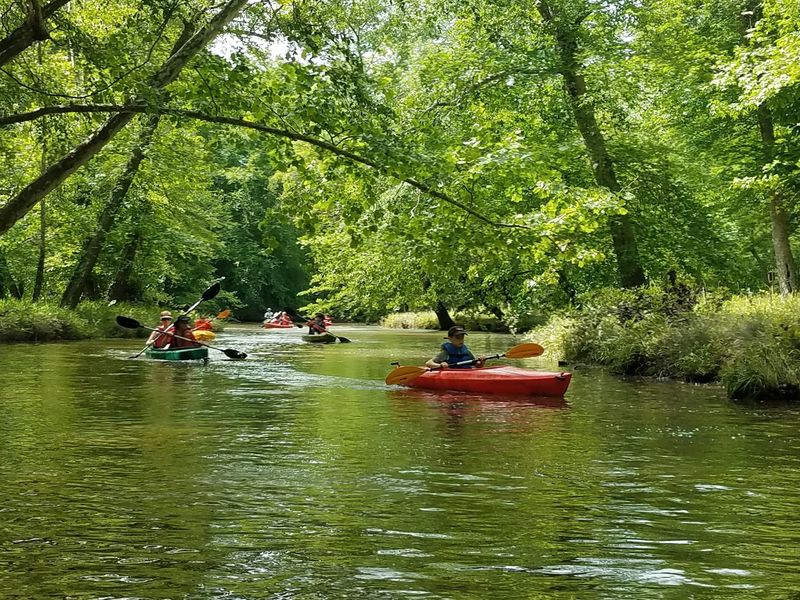
Glassy water and zero engine noise. Paddlers love the calm here.
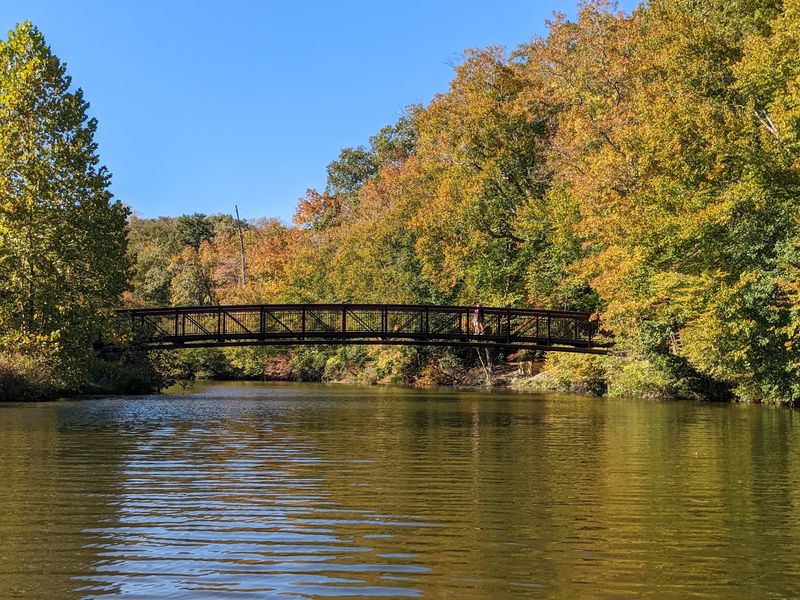
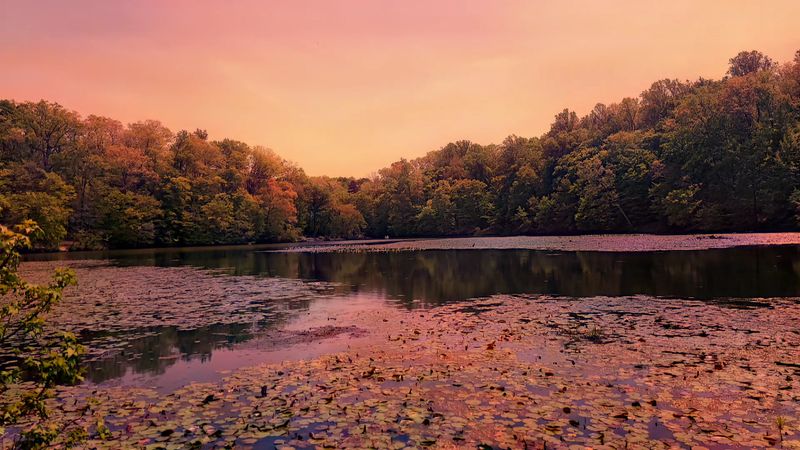
Pocahontas State Park has three lakes, with Swift Creek Lake as the largest. Beaver Lake and Camp 7 Lake add smaller, quieter options.
Gas motors are not allowed on the lakes. Electric motors are fine, which keeps things peaceful.
Seasonal rentals include kayaks, canoes, paddleboards, and paddleboats. Life jackets are usually available with rentals.
Turtles often line up on logs to soak in the sun. Herons stalk the shallows looking for a snack.
Northern water snakes also swim these waters. They glide along the surface and usually ignore boaters.
Give them space if one swims close. Keep your hands inside the boat and let it pass.
Anglers can cast for fish from shore or boat. A valid Virginia fishing license is required.
Swimming in the lakes is not permitted. Save your splash for the aquatic center instead.
Guided canoe outings sometimes run during warmer months. They offer a relaxed way to learn about lake wildlife.
Splash, Sleep, And Stay A While
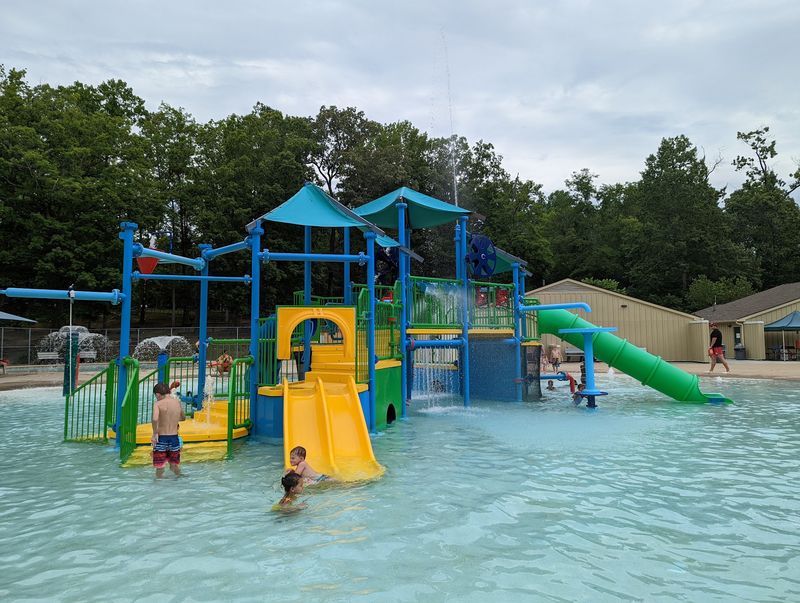
Too hot for the trail? Head for the pool.
The Aquatic Recreation Center at Pocahontas State Park opens in summer. It features pools, water slides, and plenty of space for kids.
After a day of fun, overnight options wait nearby. Campsites, camping cabins, full cabins, yurts, and lodges fit many styles.
Many campsites sit among trees with room between neighbors. That shade feels great on warm evenings.
Campers should stay snake smart after dark. Use a flashlight when walking to the bathhouse.
Keep your site tidy and store food properly. Crumbs attract mice, and mice attract hungry snakes.
Check shoes before slipping them on in the morning. Zip tents closed whenever you step away.
Picnic areas and playgrounds dot the park as well. The Heritage Amphitheater hosts concerts and family shows during some seasons.
Distances inside the park can feel long. Some loops sit far from the pool, so plan a ride if needed.
Booking ahead is wise during busy months. Popular sites and cabins often fill quickly.
Wild Eyes And A Handy Address
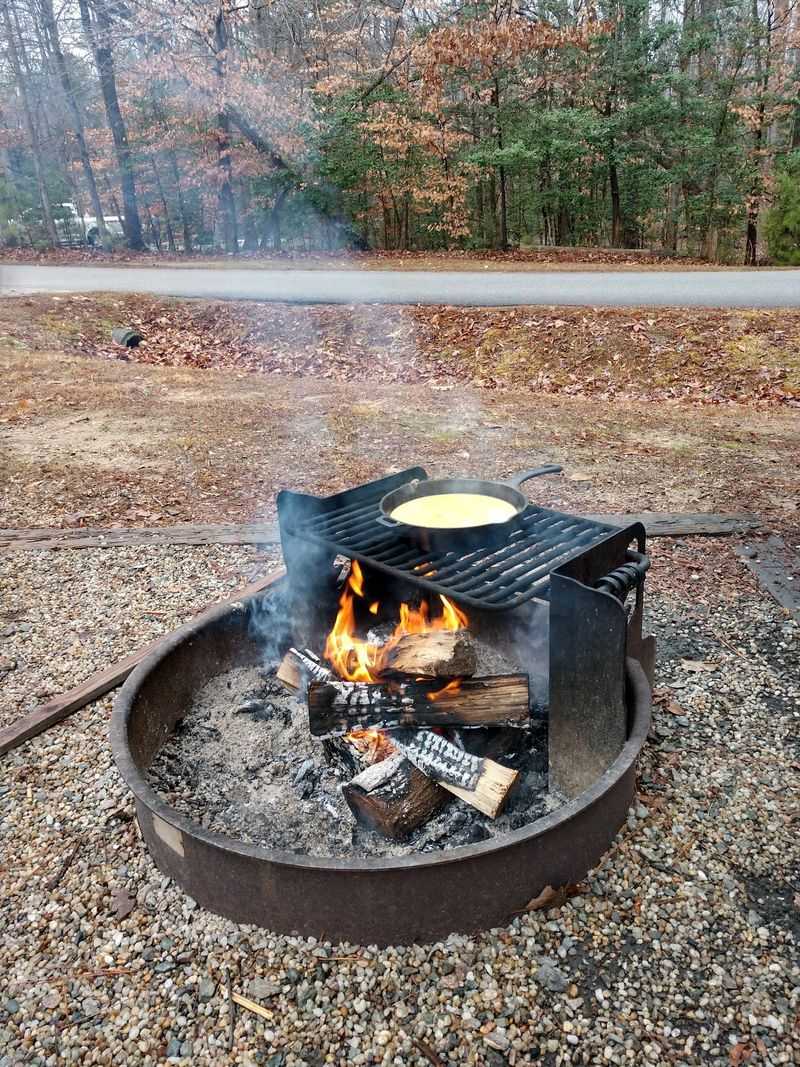
Hoots at night and splashes at dawn. Wildlife keeps this place busy around the clock.
Birders spot great blue herons, woodpeckers, and sometimes bald eagles. Owls often call after sunset near the campground.
White-tailed deer graze along edges of the forest. Raccoons, opossums, and skunks come out once things get quiet.
Dragonflies and damselflies zip across the wetlands in summer. Their bright colors make great photo subjects.
The nature center and discovery center share exhibits on local animals. Displays may include reptiles, beehives, pelts, and bones.
These spots are perfect for learning about the park’s snakes up close and safely. Staff can answer questions about what lives nearby.
Finding the park is simple. Pocahontas State Park sits at 10301 State Park Road, Chesterfield, Virginia 23832, United States.
A small parking fee usually applies at the entrance. Expect a short wait on busy summer weekends.
Pack binoculars, bug spray, and sturdy shoes. With a sharp eye on the trail, every visit brings fresh surprises and safe, happy memories.