
Crisp Air And Golden Leaves: Why September Is The Best Time To Visit This Nevada Park
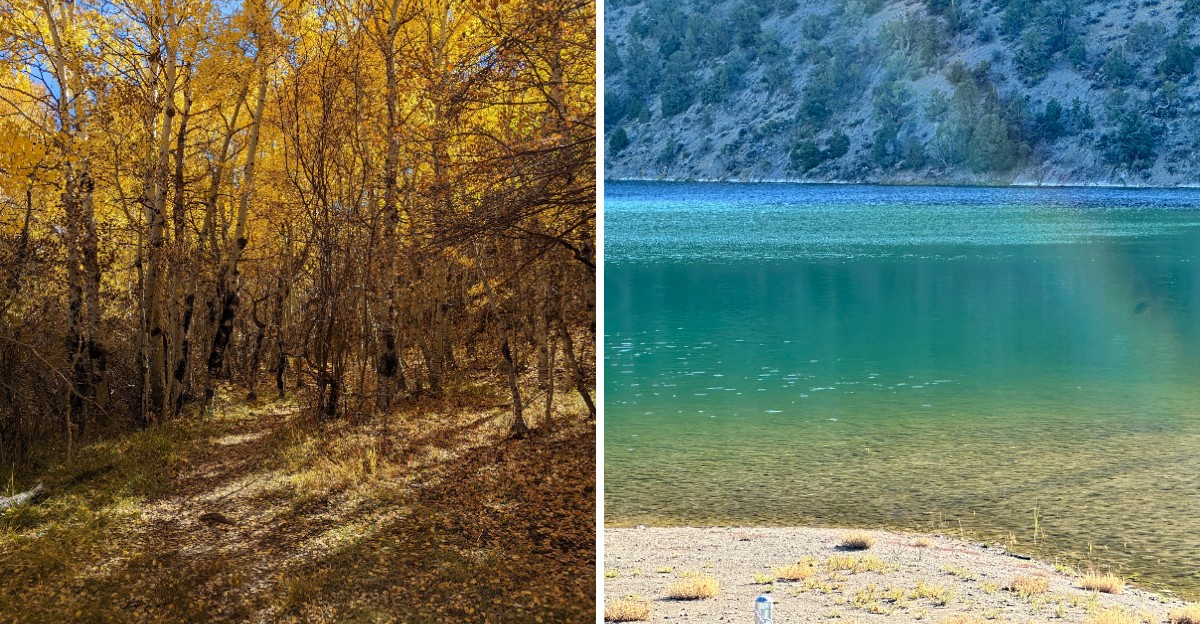
Golden aspens shimmer above a glassy mountain lake, and the air smells like pine.
September flips a switch in the high country of Nevada. Crisp air drifts off the cliffs, summer crowds fade, and the trails finally feel like yours.
Mornings call for a hoodie and hot cocoa. Afternoons warm up just enough for a paddle across calm water.
Golden leaves flicker like confetti against pale limestone. Trout cruise below while elk wander the hills at dusk.
Night brings its own magic.
Stars pour across the sky so thick you will forget to blink.
You could spend a whole weekend chasing views and still leave plenty unexplored.
Pack layers, grab a camera, and let the best season in Nevada show you why this mountain park steals hearts.
High Country Views That Steal The Show
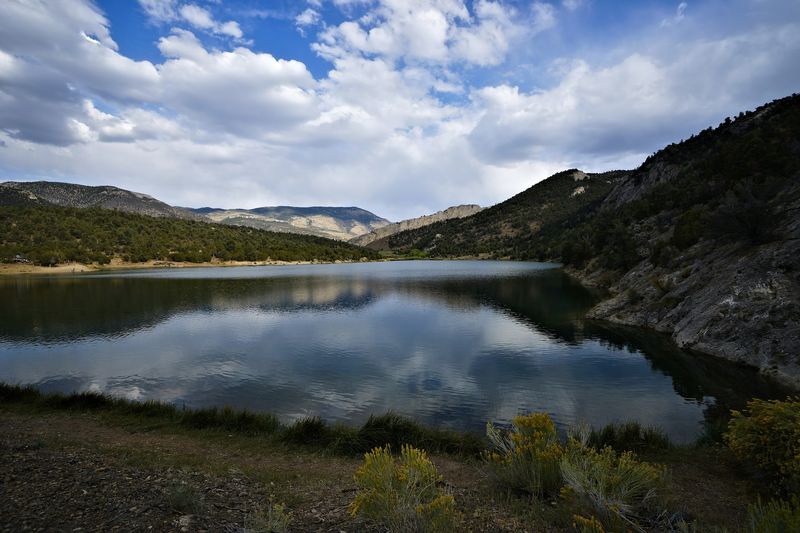
Mountains first, everything else second. The setting does the heavy lifting here.
Cave Lake State Park sits high in the Schell Creek Range of eastern Nevada. Its elevation reaches roughly 7,300 feet, so the air feels thinner and cooler than in the valleys below.
A small reservoir forms the heart of the park. Around it, jagged rock formations rise above slopes of pinyon and juniper.
The rocks come mostly from limestone and shale. Over time, that geology shaped narrow canyons, big up-thrusts, and even shallow caves.
Pockets of wetland add patches of green near the water. Aspen groves dot the hillsides, waiting for their autumn moment.
The park also borders the Humboldt-Toiyabe National Forest. That means the wild country keeps going long after the park boundary ends.
Light plays a big role in the scenery. Morning sun warms the cliffs, while late afternoon stretches long shadows across the basin.
Photographers should plan for early and late hours. Midday light can feel flat against the pale rock.
Bring a lens that handles wide shots. The lake, cliffs, and sky all compete for the frame, and each one deserves a spot.
Sweater Weather Arrives Right On Time
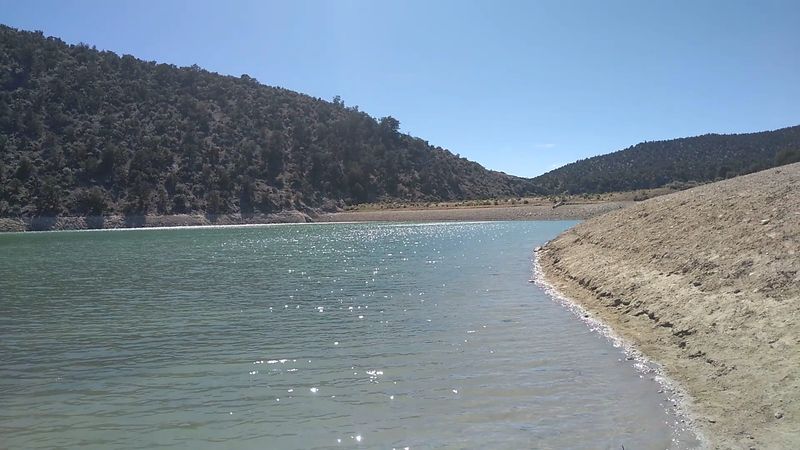
Shorts at noon, a hoodie by sunset. September at this park loves a quick wardrobe change.
Daytime temperatures often feel mild and pleasant. Nights, however, can drop close to freezing at this elevation.
That swing makes layers your best friend. A warm jacket, a hat, and a cozy sleeping bag can save a camping trip.
The cooler air also makes hiking far more comfortable than in midsummer. Trails feel easier when the sun stops blasting.
Summer crowds usually thin out after the busy season. Weekdays in September can feel calm and relaxed at Cave Lake State Park.
Weather in the mountains can still surprise visitors. Early cold snaps and passing storms sometimes roll through.
Check the forecast before leaving Ely or any nearby town. Conditions can change faster here than in the desert below.
Bring sunscreen too, even when it feels cool. High-elevation sun can burn skin quickly.
A thermos of hot cocoa makes chilly mornings much happier. Sipping it by the water while the sun climbs over the cliffs sets a cheerful tone for the whole day.
Gold Rush Of The Leafy Kind
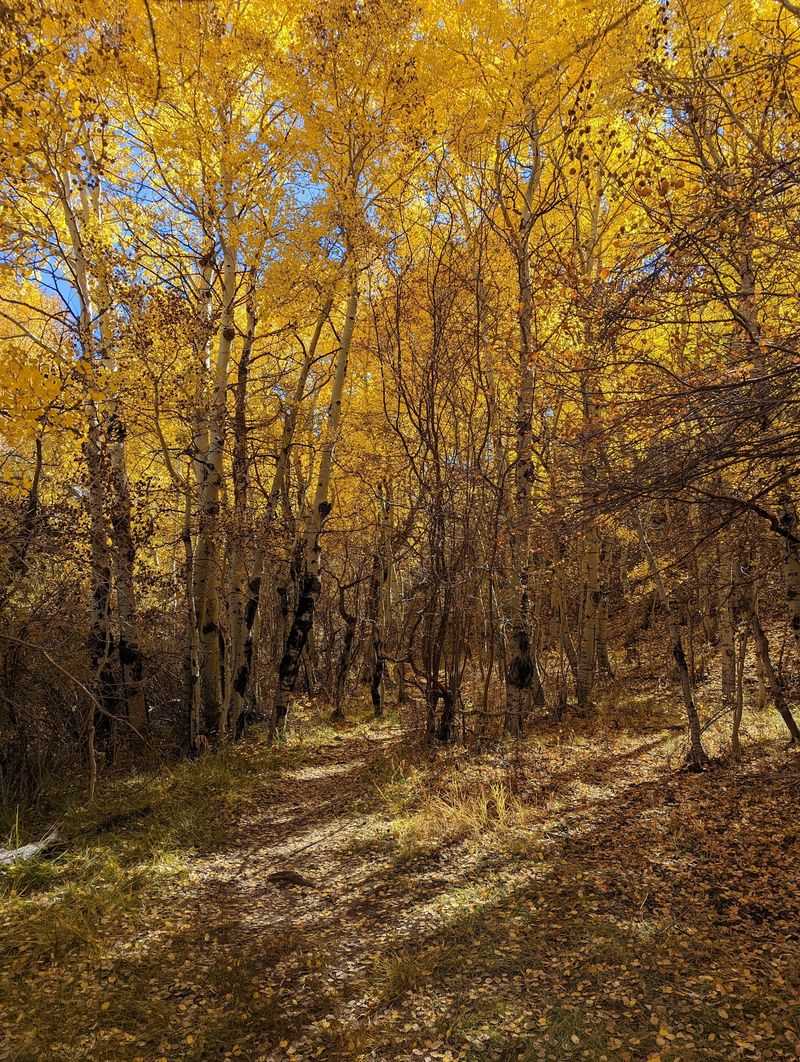
Forget gold mines. The real treasure here grows on aspen branches.
Fall color in the higher parts of Nevada often begins around mid-September. It can last into October, though timing shifts each year.
Cave Lake State Park holds aspen groves on its hillsides. When they turn, bright yellow patches pop against dark evergreens and gray cliffs.
The nearby Success Loop scenic drive earns praise for autumn color. Aspens mix with pinyon and juniper along the route.
Peak color depends on temperature and moisture. A warm or dry year may delay or dull the show.
Plan a little flexibility into the trip. Later September visits may offer better odds for brighter leaves.
The best viewing often happens on foot. Trails that climb above the lake reveal groves tucked into side canyons.
Breezes add sound to the color. Aspen leaves flutter and rustle in even a light wind.
Bring a camera with plenty of storage. Golden leaves reflected in calm water make a picture worth saving, and the chance may not wait long.
Old Ranch Roots And A Hardworking Dam
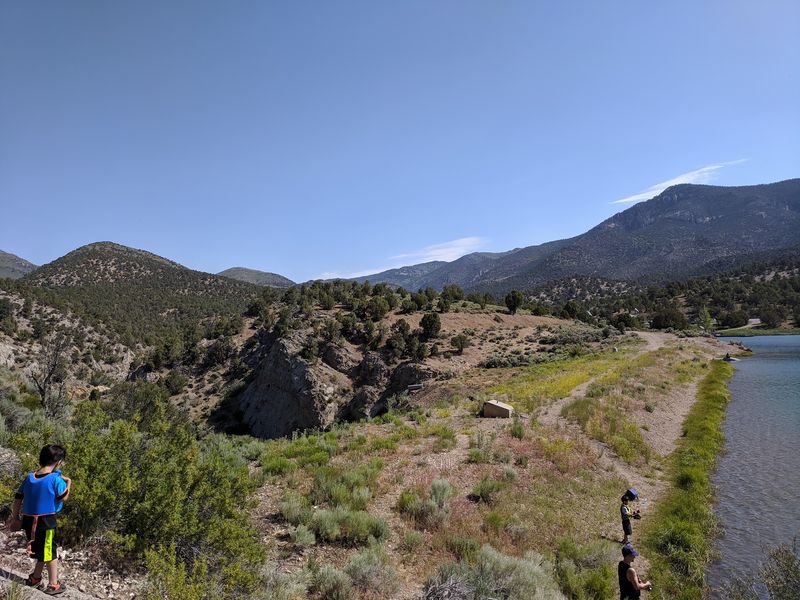
Ranch water came first. Recreation came much later.
The reservoir at Cave Lake State Park dates back to the late 1930s. It first stored water for a ranch in the Steptoe Valley to the west.
Ownership changed hands several times over the following decades. In 1968, the ranch owners sold the land to the Nevada Department of Fish and Game for just ten dollars.
The dam was enlarged in the early 1960s. That project helped shape the lake visitors see today.
In 1973, the land moved to the Nevada Division of State Parks. Public recreation officially took the spotlight.
The park grew over time with added land from the U.S. Forest Service.
Today it covers several thousand acres.
More recently, the dam needed major repair work. The lake sat low or empty for several years during that project.
The lake has officially refilled, and wildlife officials have restocked it with trout to rebuild fish populations.
History here feels practical rather than flashy. A working water project slowly became a place where families fish, paddle, and rest.
Trout Tales And Gentle Paddles
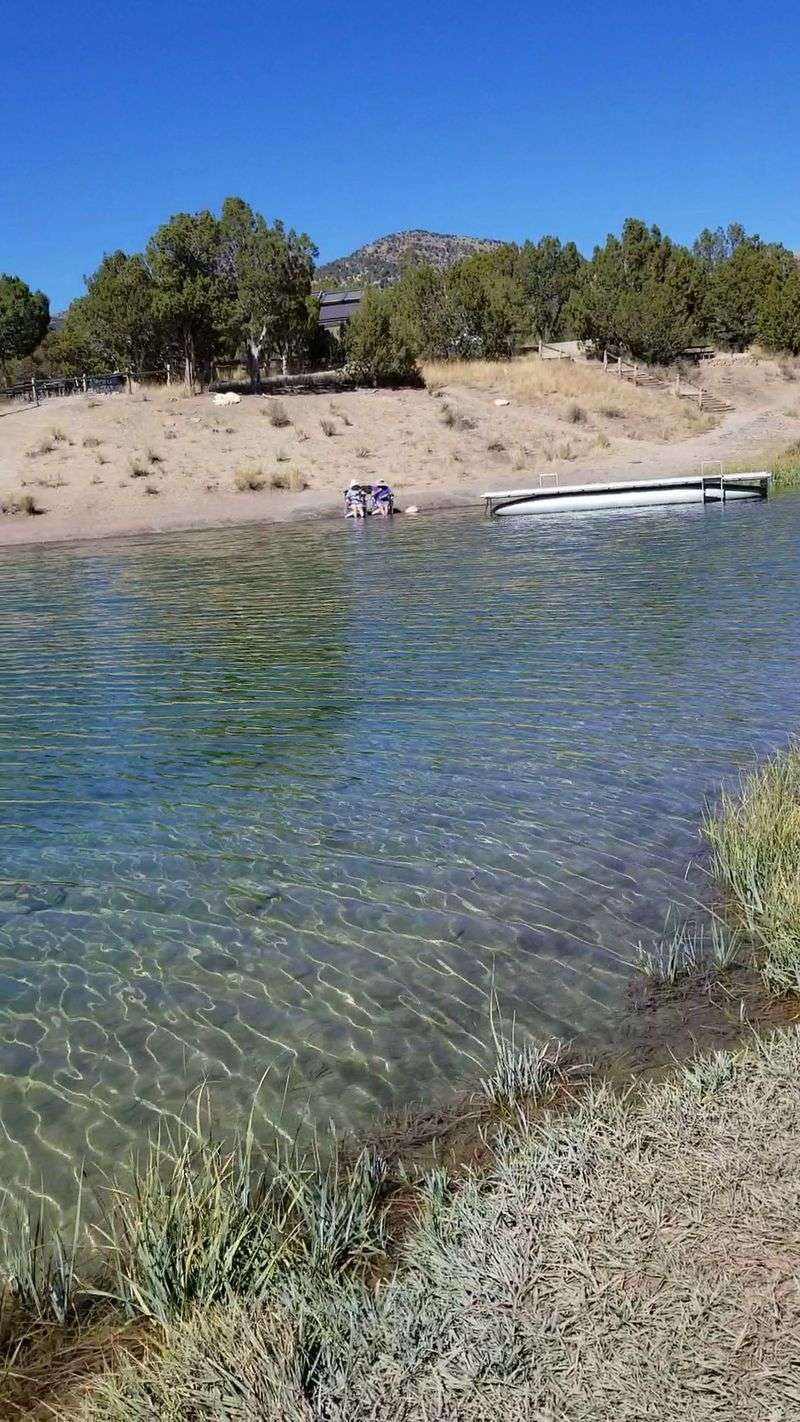
Got a rod? Pack it.
Fishing ranks among the top reasons people come here. The lake holds brown trout and stocked rainbow trout.
Anglers need a valid Nevada fishing license. Rules can change, so reviewing current regulations before casting is wise.
Autumn often brings good open-water fishing as the water cools. Still, some days stay slow, so patience helps.
Spinners, spoons, and flies all see use at Cave Lake State Park. Deeper water may hold fish when the shallows go quiet.
Boaters will find a launch area near the water. Motorized boats must keep to a slow, no-wake pace.
That slow rule keeps the lake peaceful. Kayaks, canoes, and paddleboards glide along without much fuss.
Swimming happens mostly during warmer stretches of summer. By September, the water can feel brisk.
Crawdad catching adds a quirky bonus for kids. Little claws make for big giggles.
Bring a life jacket for every paddler. Calm water still calls for safety, especially with cold temperatures setting in.
Trails With A View Worth The Climb
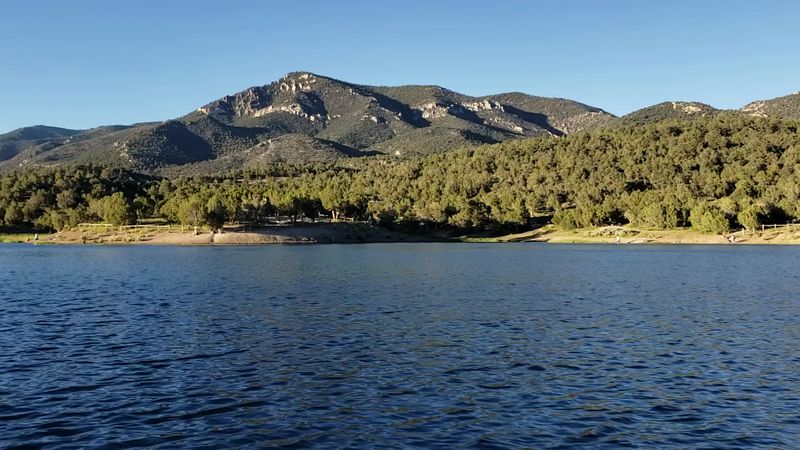
Lace up and look up. The trails here earn every step.
Cave Lake State Park offers several paths for different energy levels. Some stay gentle, while others climb hard.
Steptoe Creek Trail works well for a relaxed outing. It follows easier ground and suits families.
Cave Springs Trail adds more challenge through the hillsides. Expect some uphill effort and rewarding scenery.
The Overlook Trail delivers big views of the lake below. It counts as one of the tougher hikes in the park.
Twisted Pines Trail connects with the Overlook route. Hikers can link them for a longer day.
Many trails pass through pinyon-juniper woods, aspen groves, and limestone cliffs. Deer and elk sometimes appear along the way.
Mountain bikers enjoy the trail system too. Riders praise the climbs and flowing descents.
Carry plenty of water at this elevation. Thin air can make even moderate hikes feel harder than expected.
Start early in September to catch cool air. Afternoon light on the cliffs makes a fine reward for the walk back down.
Campfires, Cool Nights And Two Campgrounds
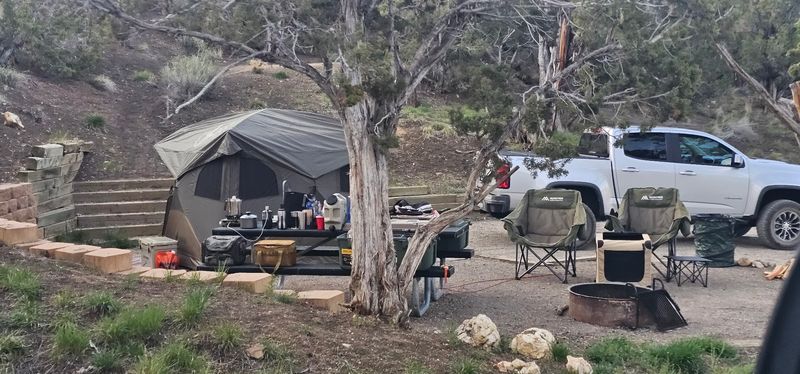
Marshmallows taste better at 7,000 feet. That might be science, or maybe just mountain magic.
Cave Lake State Park has two campgrounds, Elk Flat and Lake View. Each site usually includes a fire pit with grill, a picnic table, and parking.
Elk Flat runs seasonally, often closing around mid-October depending on weather. Lake View stays open year-round.
Both campgrounds offer flush toilets and showers, though service can vary. Campers mention that facilities sometimes need attention.
The roads inside the campgrounds feel narrow and twisty. Larger RVs may struggle, so check site sizes before booking.
There is no electricity at the sites. Water spigots appear throughout the campgrounds.
Most individual campsites are first-come, first-served, so arriving early on busy weekends improves your odds. Group sites and the yurt require reservations.
A yurt is also available for rent. It offers a cozier option when nights turn cold.
Group sites work well for bigger gatherings. Families and friends can share a meal under the pines.
Bring a lantern for evening trips to the restroom. A good flashlight makes September nights much smoother.
Hooves, Wings And Howls In The Hills
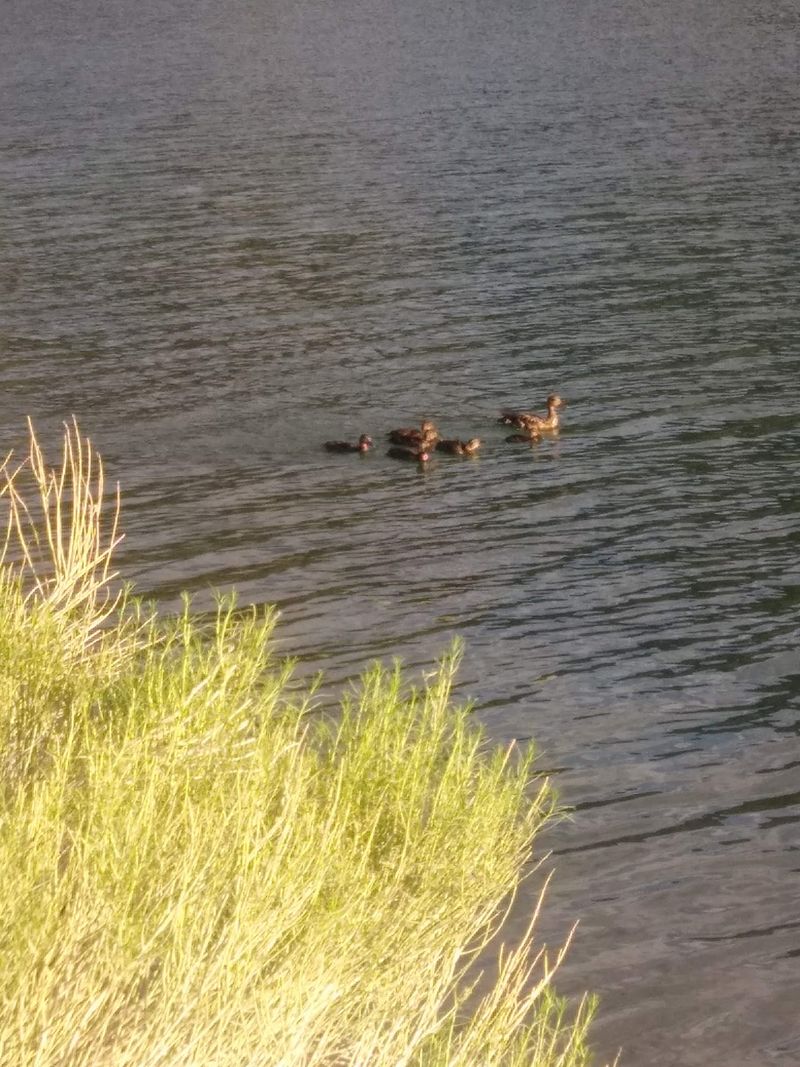
Listen closely after dark. Coyotes often add their own soundtrack.
Wildlife thrives in the forests and wetlands around Cave Lake State Park. Elk and mule deer roam the hills.
Dawn and dusk offer the best chances for sightings. Animals move more when the air cools.
Bobcats, mountain lions, and coyotes also live in the area. Sightings of the big cats stay rare.
Birdwatchers have plenty to enjoy. Hawks and eagles ride the air above the cliffs.
Mountain bluebirds flash bright color near open slopes. Pinyon jays and magpies chatter through the trees.
Waterfowl and songbirds gather near the lake and wetlands. A small pair of binoculars helps a lot.
Rattlesnakes may appear on warm days. Watch the trail and keep hands away from rock crevices.
Keep food stored safely at camp. Wild animals should never get a taste of snacks.
Give every creature plenty of space. Quiet patience usually brings the best views, and the hills reward those who wait.
Starry Skies And Mountain Quiet
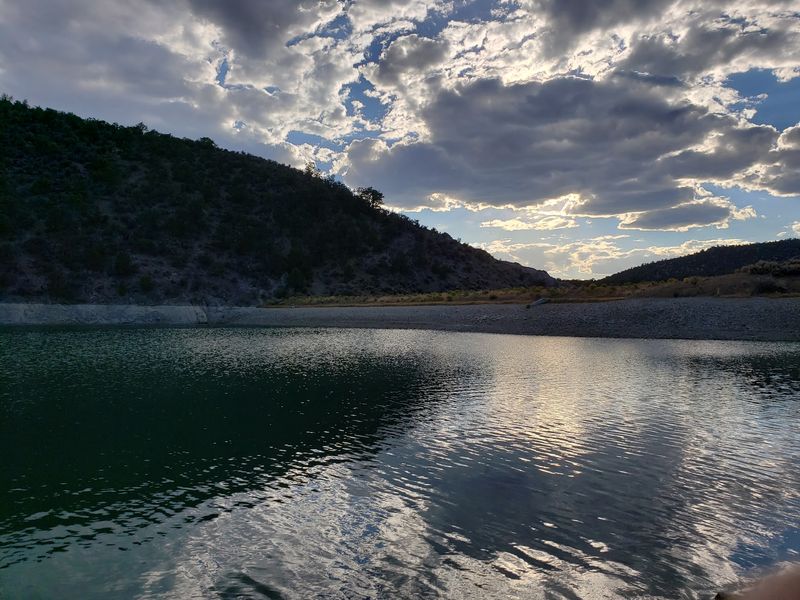
Turn off the headlamp. Then look straight up.
Remote location and little light pollution give this park dark night skies. On clear nights, stars spread across the whole dome.
September often brings crisp, clear evenings. Cooler air can make the view feel extra sharp.
The Milky Way may appear when the moon stays low or hidden. Check the moon phase before planning a stargazing night.
Daytime brings its own clarity at Cave Lake State Park. Cliffs and water look crisp in the thin mountain air.
Quiet plays a big part in the experience. Away from city noise, small sounds stand out.
Birdsong drifts across the water in the morning. Wind moves softly through the pines.
Generators can break the calm at busy times. Choosing a quieter weekday helps protect the peace.
Bring a blanket and a warm drink for star watching. Temperatures drop fast after sunset.
A red flashlight protects night vision. With patience, the eyes adjust and the sky keeps filling with more stars than anyone can count.
Getting There And Making The Most Of Ely
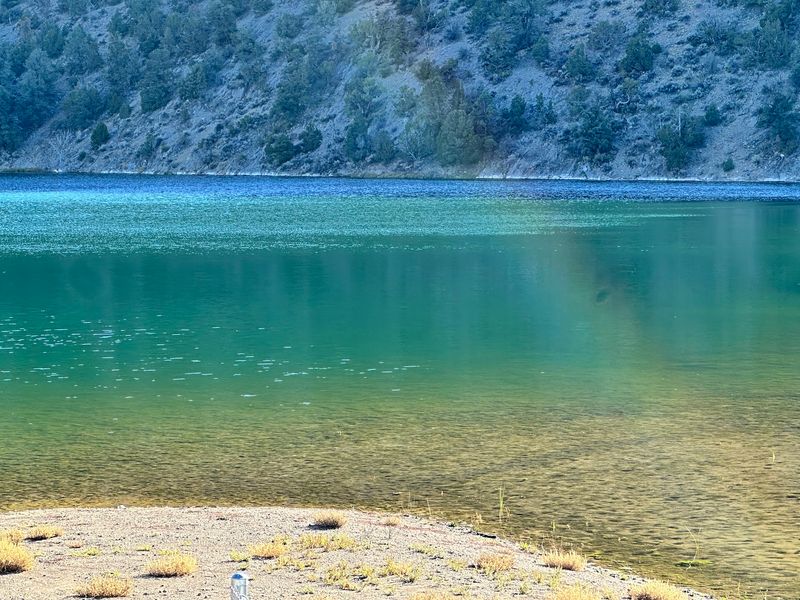
Supplies forgotten? Ely sits close enough to fix that.
Cave Lake State Park lies southeast of Ely in eastern Nevada. The drive usually takes around twenty minutes.
The park address is US Highway 93-Success Summit, Ely, NV 89301, United States. Travelers reach it from the highway and Success Summit Road.
The road climbs through striking scenery. Boulders and cliffs appear along the route.
Ely makes a handy base for groceries, fuel, and gear. The town also holds local history, including the Nevada Northern Railway Museum.
The nearby Ward Charcoal Ovens offer another worthwhile side trip. Large beehive-shaped ovens tell stories of the old mining era.
Day-use fees and camping fees apply at the park. Rates can change, so check before arriving.
Cell service may be patchy in the hills. Download maps ahead of time.
Fill the tank before leaving town. Distances feel long in this part of the country.
As September fades, the park keeps giving. Winter brings ice fishing and skating, but golden leaves and cool air make early fall the sweetest season to arrive.