
This Tiny Texas College Offers Full-Tuition And Ranks Among The Best In America
College tuition has gotten so expensive that hearing the words full tuition almost sounds too good to be true. Yet one tiny Texas college is giving students exactly that kind of opportunity, and its reputation reaches far beyond the state.
The campus is small, the student body is close-knit, and the experience feels very different from a huge university where thousands of students compete for attention. What makes this school especially interesting is that its generous financial support comes with serious academic recognition.
That combination is hard to ignore. In a state filled with massive universities and famous college towns, this little school proves size does not determine impact. For families staring at soaring tuition bills, it may be one of Texas’ most surprising college options.
A Hilltop Campus With A Long Road Behind It
Some schools stay put for centuries, but this one packed its bags more than once. Trinity University was founded in 1869 in the small town of Tehuacana.
Early leaders dreamed big, even when the town stayed small. In 1902 the school moved to Waxahachie, hoping for more room to grow.
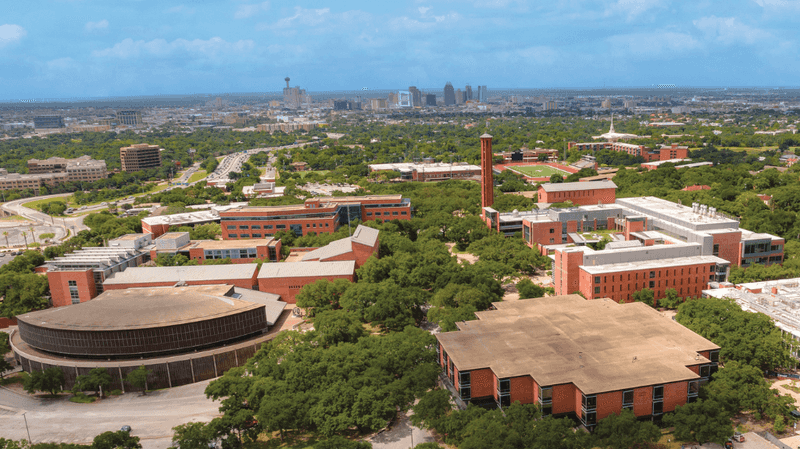
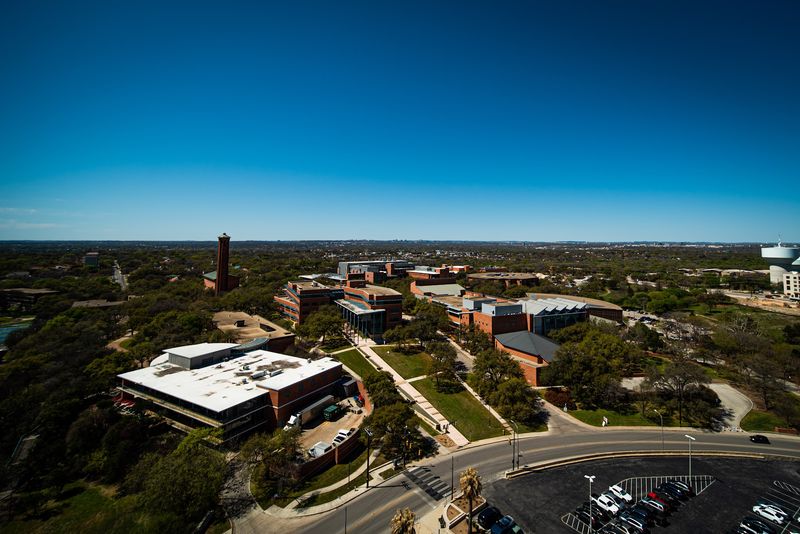
The biggest leap came in 1942, when the university relocated to San Antonio. A decade later, it settled on its current hilltop, often called the Skyline Campus.
That hill was once a limestone quarry, which is a fun twist for a place built on learning. Today the grounds sit at 1 Trinity Pl, San Antonio, Texas, just north of downtown.
The neighborhood around it is calm and leafy, with historic homes lining nearby streets. The Monte Vista area gives the campus a peaceful, residential feel.
Knowing this history makes the campus feel richer as you stroll around. Every building stands on a story of stubborn hope and fresh starts.
A school that moved three times clearly knows how to chase a better future. That same spirit now shapes how it treats its students.
Money Talk That Actually Sounds Good
College price tags can make any family gulp, so here is some welcome news. Trinity backs its students with one of the strongest aid programs in the region.
The university has an endowment of more than one billion dollars. That large cushion lets the school give generous scholarships and need-based grants.
For many qualifying students, aid can cover the full cost of tuition. Merit scholarships also reward strong grades, leadership, and special talents.
Families should fill out the FAFSA early and check the school website for current aid details. Deadlines matter, and early paperwork often means more options.
A private school sticker price can look scary at first glance. Yet the real cost after aid is often much lower than people expect.
Many students end up paying less here than at larger public schools. Running the numbers with the net price calculator is a smart first step.
Good aid is more than a nice bonus for a family budget. It opens doors for bright students from every kind of background.
Rankings That Punch Way Above Its Size
Small schools rarely grab national headlines, yet this one keeps showing up on top lists. For many years, U.S.
News ranked Trinity first among regional universities in the West.
That streak was impressive enough for a long victory lap. Then the school moved into the national liberal arts college category and still ranked among the best.
Other guides praise Trinity for strong value and solid career results. Graduates often land good jobs or head straight to top graduate programs.
The school also holds a chapter of Phi Beta Kappa, the oldest academic honor society in the country. Only a small share of colleges earn that honor.
Rankings are not everything, but they do tell a clear story. Here, the story is about steady quality over many decades.
Parents often feel better knowing a school has earned outside respect. Students gain a name that opens doors on job and grad school applications.
Best of all, the praise comes from real results, not flashy marketing. Quiet excellence tends to last longer than loud promises.
Classes Small Enough To Know Every Face
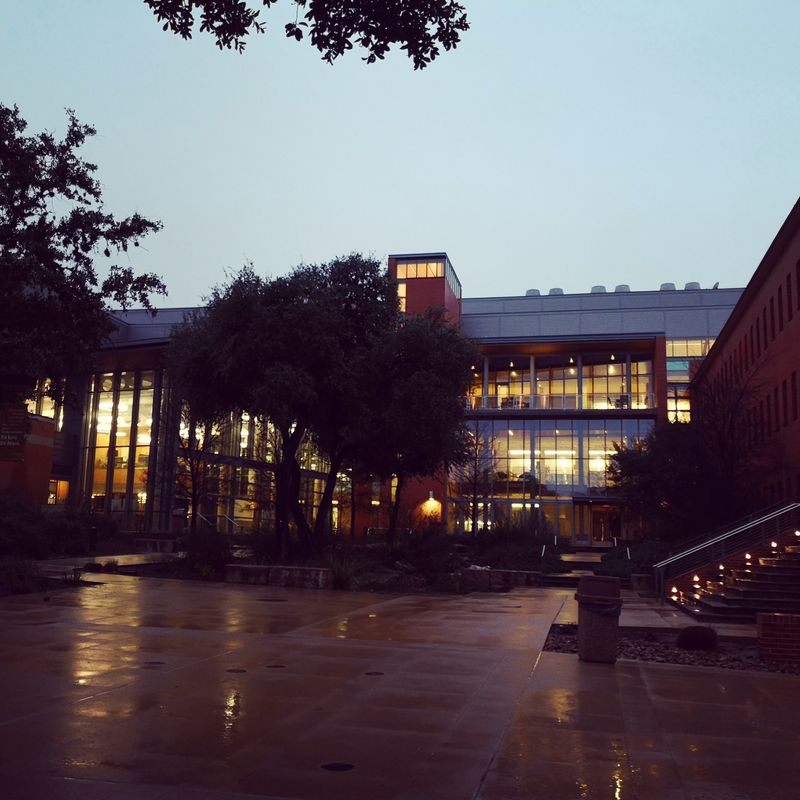
Hiding in the back row is nearly impossible here, and that is the point. Trinity keeps its student-to-faculty ratio at roughly nine to one.
The school enrolls about 2,600 undergraduates, which feels more like a village than a city. Most classes stay small, so talking and asking questions comes naturally.
Professors do the teaching themselves, rather than handing classes to assistants. That means students learn straight from experts in each field.
Office hours become real conversations instead of rushed meetings. Many graduates stay in touch with their professors for years after leaving.
Small classes also build strong friendships among classmates. You get to know people through group projects, debates, and late study sessions.
A quick tip for new students is to speak up early in the semester. Professors notice curious minds, and those connections often lead to research spots or glowing letters.
This close-knit setup rewards students who show up ready to engage. It turns a lecture into a lively chat with smart people.
Red Brick Beauty Shaped By A Master Architect
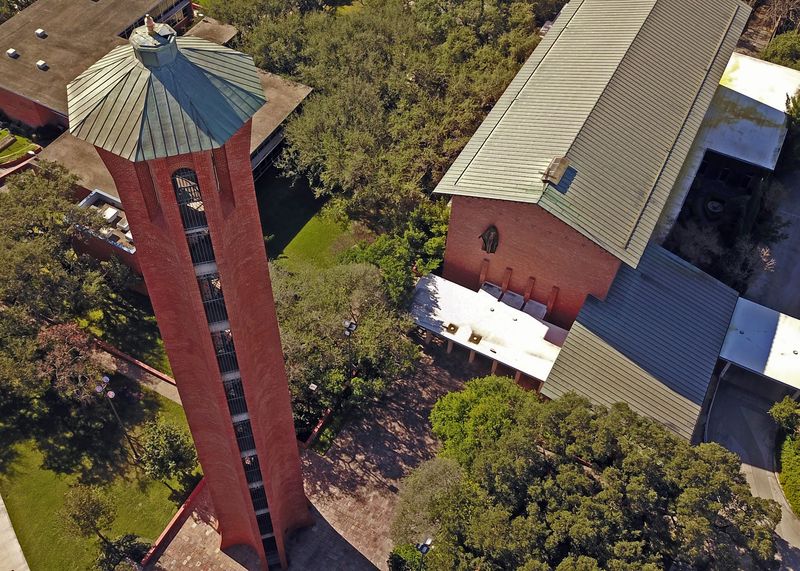
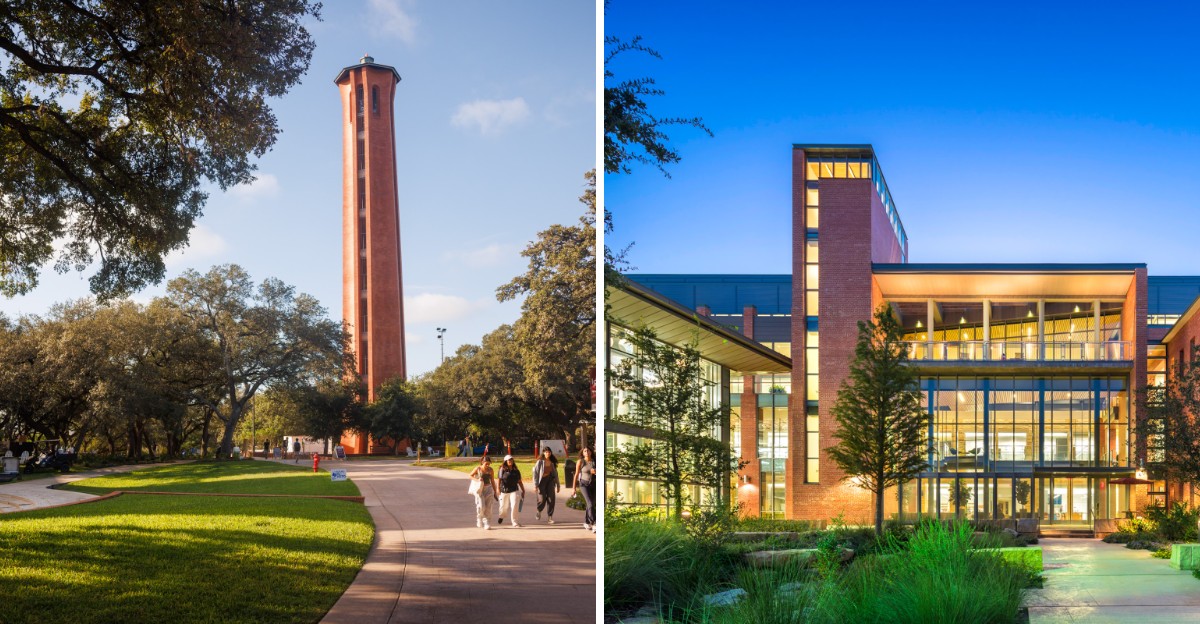
Architecture fans, get your cameras ready. Much of the Skyline Campus was designed by O’Neil Ford, one of the most admired architects in the state.
Ford loved simple shapes, local materials, and buildings that fit the land. His red brick designs give the campus a warm and unified look.
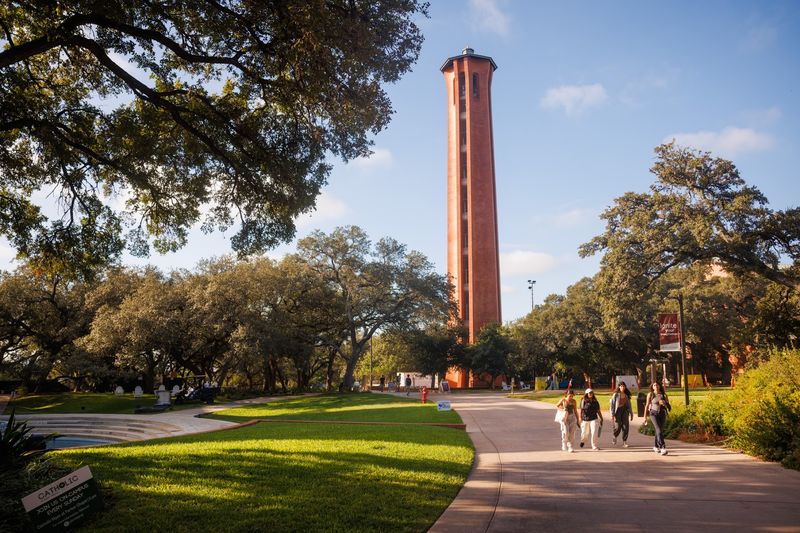
The star of the show is Murchison Tower, a tall brick bell tower. It rises above the trees and serves as a landmark for miles.
Shaded walkways and courtyards help everyone stay cool during hot afternoons. The layout follows the natural slopes of the old quarry site.
This blend of style and practical thinking is why the campus stands out. It feels modern yet timeless, like it grew right out of the hill.
Design students often study the campus as a real-life lesson. Even casual walkers notice how the buildings frame the sky and trees.
Beautiful surroundings may not solve math problems, but they help. A calm, lovely setting makes long study days feel lighter.
Real Research Long Before Graduation
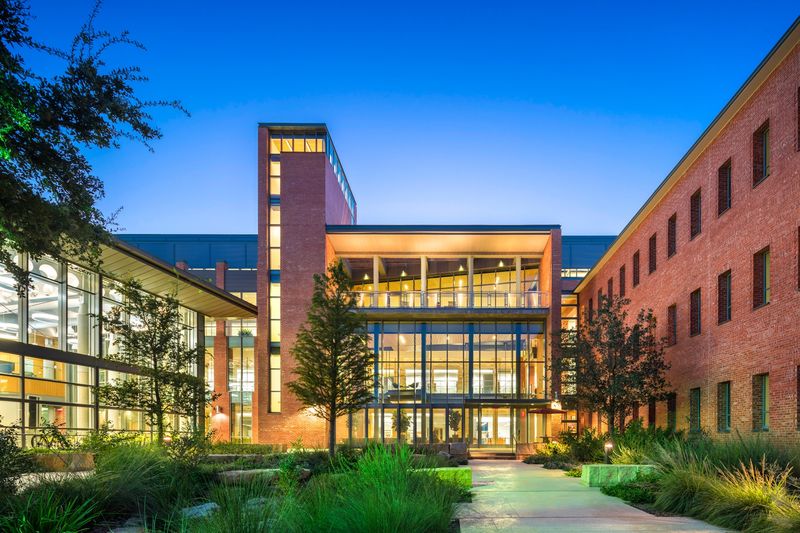
Lab coats are not just for grad students on this campus. At Trinity, undergraduates often join real research projects with faculty.
Big universities usually save those chances for graduate programs. Here, first-year and second-year students can get involved much sooner.
Summer research programs let students work full-time on projects with pay. Some students even see their names in published academic papers.
Research is not limited to science labs either. Students explore history, business, the arts, and social issues through hands-on projects.
This experience looks great on job and graduate school applications. More importantly, it teaches students how to think, test ideas, and solve problems.
Curious students should ask professors about openings during their first year. A simple email or office hours chat can start something exciting.
Presenting findings at conferences builds real confidence too. Standing before a room of experts is a skill that lasts a lifetime.
Few things beat discovering something new while still a teenager. That thrill often sparks a career that lasts for decades.
Big Ideas Under One Roof At Laurie Auditorium
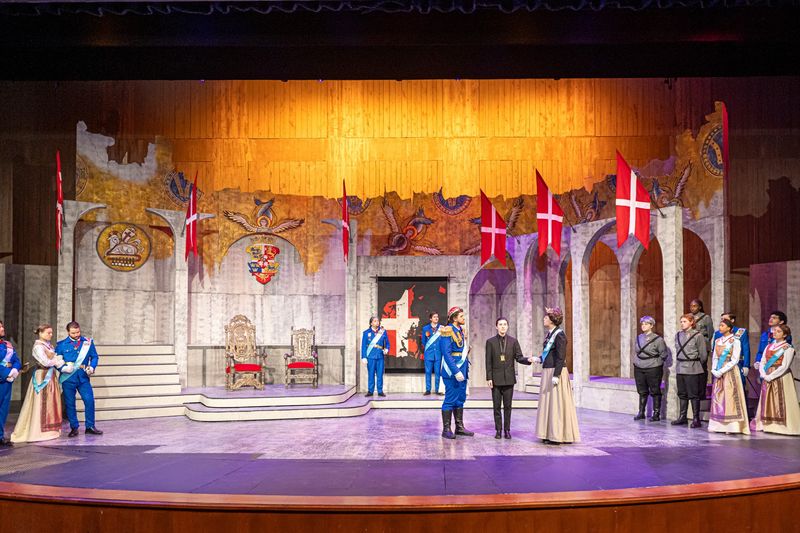
Great speakers love a great stage, and campus has a fine one. Laurie Auditorium hosts lectures, concerts, and events throughout the school year.
The Trinity University Distinguished Lecture Series has brought famous thinkers to campus for years. Leaders, writers, and scientists have shared their ideas with packed crowds.
Many of these events are open to the wider community. That makes the auditorium a cultural bridge between the school and the city.
Students get a front-row seat to world-class conversations without leaving home. Hearing big ideas in person can shift how someone sees their own future.
Music and theater also thrive here, with student performances throughout the year. Choirs, ensembles, and plays give artistic students a real stage to shine.
Smart tip: check the campus events calendar each month. Many talks are free, and seats can fill quickly for popular speakers.
A school this size could easily feel cut off from the world. Instead, it invites the world right onto its hill.
Tigers On The Field And On The Track
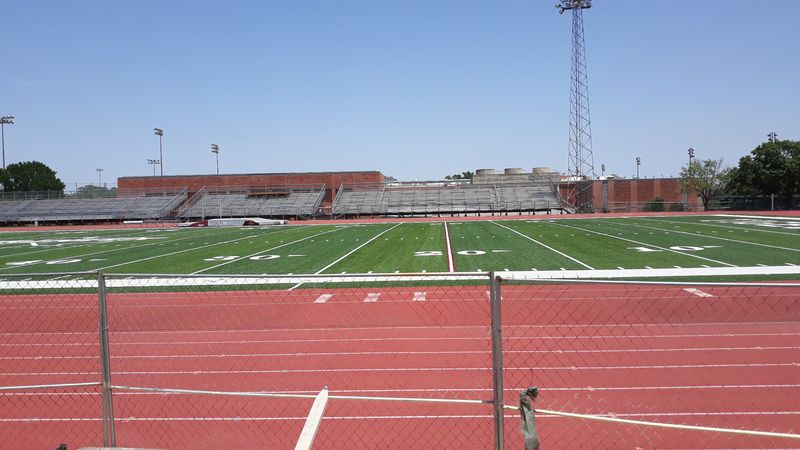
Tigers roar loudest on game day, and this campus has plenty of them. Trinity competes in NCAA Division III athletics.
Division III focuses on balancing sports with strong academics. Athletes here are students first, and professors respect that balance.
The school fields teams in sports like football, soccer, basketball, swimming, and tennis. Its teams have earned many conference titles over the years.
Not an athlete? No problem at all.
Intramural leagues and fitness spaces welcome everyone who wants to stay active.
The track and outdoor courts offer easy ways to burn off study stress. A quick run or pickup game can reset a tired brain.
Cheering in the stands is also a great way to meet new friends. School spirit grows fast when everyone knows the players by name.
Athletics here build teamwork, discipline, and time management skills. Those lessons carry well beyond the final whistle.
In a small school, every fan counts. You might even sit next to your lab partner during a big game.
A City Full Of Flavor Just Minutes Away
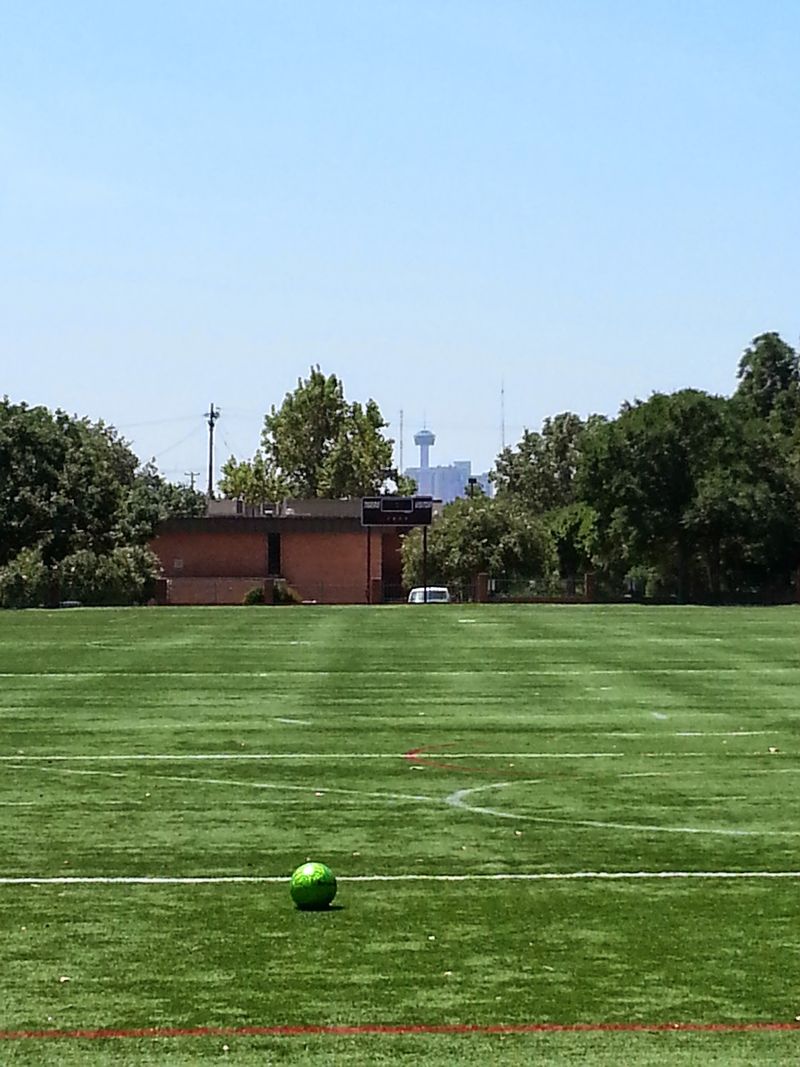
Few campuses sit this close to so much fun. Downtown San Antonio is only a short drive from the hilltop.
The famous River Walk winds through the city with shops and restaurants. The Alamo and the other historic missions offer lessons you can actually touch.
Brackenridge Park and the San Antonio Zoo sit very close to campus. They make easy weekend escapes when books start to feel heavy.
The city is known for its rich Mexican American culture and amazing food. Tacos, festivals, and colorful art are part of everyday life here.
Internships are another big perk of city living. Students find work with hospitals, museums, businesses, and nonprofits across town.
This part of the state blends history and modern energy in a friendly way. It gives students a real-world classroom outside the lecture hall.
Try exploring one new neighborhood each month. It is a simple habit that turns four years into a true adventure.
Traditions That Turn Classmates Into Family
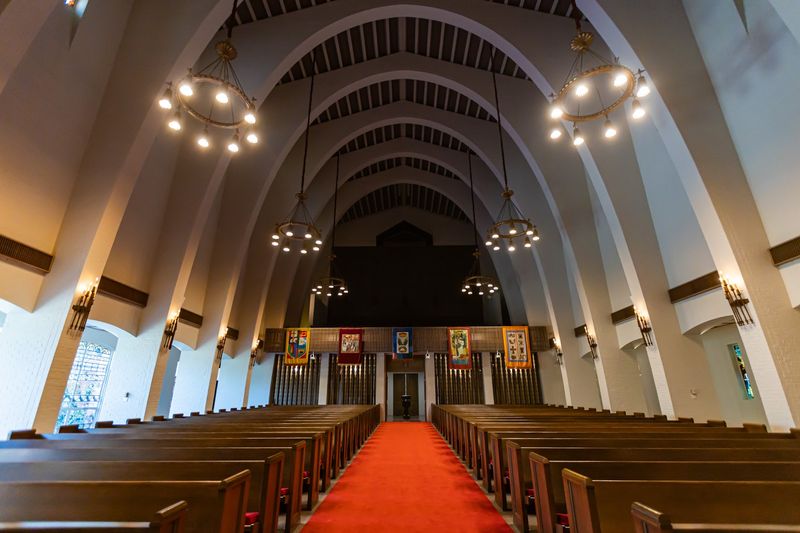
Every good school has rituals, and these ones stick with you. Trinity celebrates big milestones with warm and meaningful traditions.
Graduation weekend includes a Vespers service that honors many faiths and backgrounds. Students sing, play music, and reflect together before commencement.
The school was founded with ties to the Presbyterian church. Today it welcomes students of every belief and none at all.
Campus events also reach out to the community. A space week celebration during a solar eclipse brought telescopes and activities for families.
Student clubs cover almost any interest you can name. From service groups to dance teams, there is room for everyone to belong.
Freshman orientation helps newcomers find friends right away. Those early bonds often last well past graduation day.
A tip for new arrivals is to try one new club each semester. You might discover a passion you never knew you had.
Traditions give a small school its heartbeat. They remind students that they are part of something bigger than themselves.