
The New York State Park Where More Snakes Have Been Spotted Than Most Visitors Expect
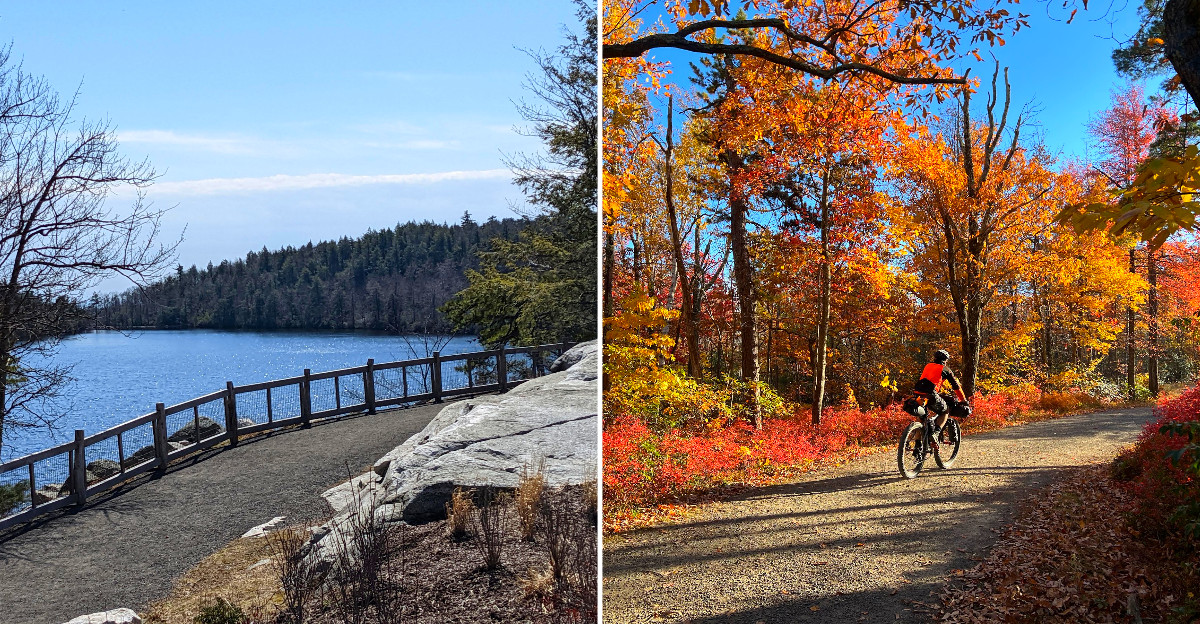
Most hikers arrive looking up. The ridge, the views, and the rocky overlooks tend to win that contest. Here, it pays to glance down once in a while.
Snakes use the same sun warmed ledges and quiet corners that make this New York park so appealing to people, and sightings can catch visitors completely off guard.
Knowing that changes the hike in a useful way. You start noticing where rocks hold heat, where brush crowds the trail, and where a resting snake could blend into the ground.
The goal is not to make the park feel scary. It is to understand who else lives there. A little awareness can make the trail safer while giving you a better look at the wild side most visitors never notice.
A Ridge With A Slithering Secret
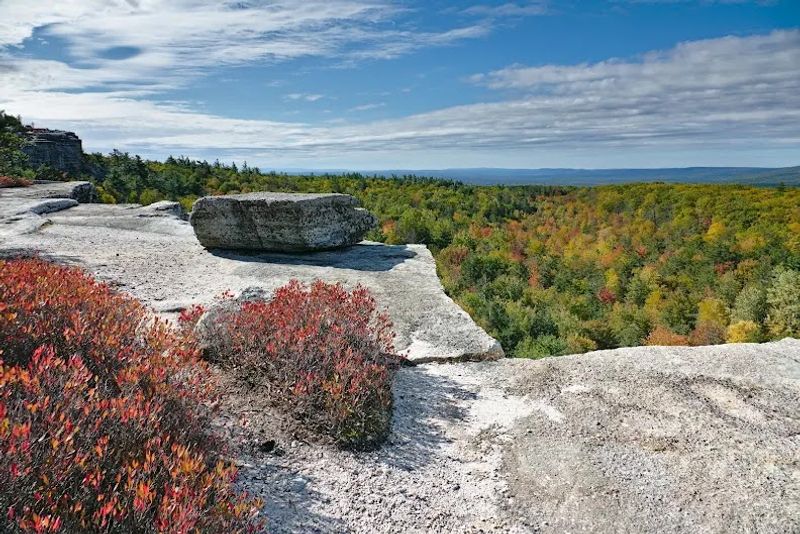
Most folks come for the views and leave with a bonus story. High cliffs, quiet lakes, and long trails pull in crowds every season. Yet a quieter group of residents has lived on these rocks for ages.
Snakes thrive here because the land gives them almost everything they need. Sunny ledges warm their bodies on cool mornings. Cracks in the stone offer shelter, and the thick woods supply a steady menu of mice and chipmunks.
Visitors often expect squirrels and songbirds. Few expect to share a carriage road with a sleek black serpent sunning itself like a tourist on a beach towel. That surprise is part of the charm, and it says a lot about how wild this place has stayed.
Healthy snake numbers usually point to a healthy habitat. Predators like these only stick around when the whole food web is working well. So every sighting is a small sign that the land is doing great.
Keep your eyes open and your camera ready. You may finish the day with more than a pretty sunset photo. A calm, coiled neighbor could steal the show, and you will never look at a sunny rock the same way again.
Meet Minnewaska State Park Preserve
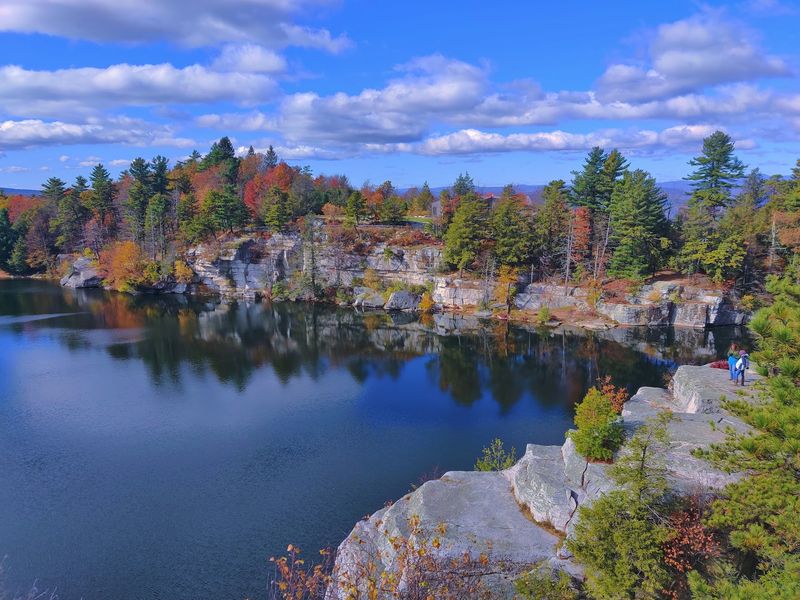
Here is the name behind the mystery. Minnewaska State Park Preserve sits on the Shawangunk Ridge in Ulster County, and its main entrance is at 5281 Route 44-55, Kerhonkson, NY 12446. The state acquired the land in 1987, and the preserve officially opened in 1993.
Size matters here. The park covers 23,974 acres of rugged ground that climbs over 2,000 feet above sea level. You will find waterfalls, sheer cliffs, dense hardwood forest, and sparkling sky lakes like Lake Minnewaska, Lake Awosting, and Lake Maratanza.
Trail lovers get spoiled. More than 50 miles of paths wind through the preserve, including about 35 miles of historic carriage roads. Those wide gravel lanes make easy strolling possible even for beginners.
Gates open daily at 9 AM, and closing time shifts with the season, often around 6 or 7 PM. Checking the official park website before you go is a smart move. Weekend parking can fill fast, so an early start pays off.
Plan for a vehicle fee and bring plenty of water. Then lace up and get ready to explore one of the most dramatic parks in the region.
The Rattler Holds Court
Royalty in this park wears scales and a rattle. The timber rattlesnake, known to scientists as Crotalus horridus, is the most famous resident on the ridge. Park staff list it as a Wildlife to Watch species.
Western sections of the preserve tend to see the most rattler activity. The snakes sport bold dark bands over a yellow, tan, or nearly black body. Their tails end in that famous rattle, which works like a built in warning bell.
Venomous does not mean cranky. Timber rattlesnakes are generally calm and would much rather hide than fight. Bites usually happen only when a snake feels directly threatened, such as when someone grabs or steps on it.
Fun fact time. Many timber rattlesnakes hold perfectly still when people pass by, trusting their camouflage. You may walk right past one and never know it was there, which is a slightly spooky but comforting thought.
Treat any rattler with real respect. Give it plenty of room and let it go about its business. In New York this species is protected, so harming or collecting one is against the law.
Admire it from afar and count yourself lucky.
Sunny Ledges And Shady Hideouts
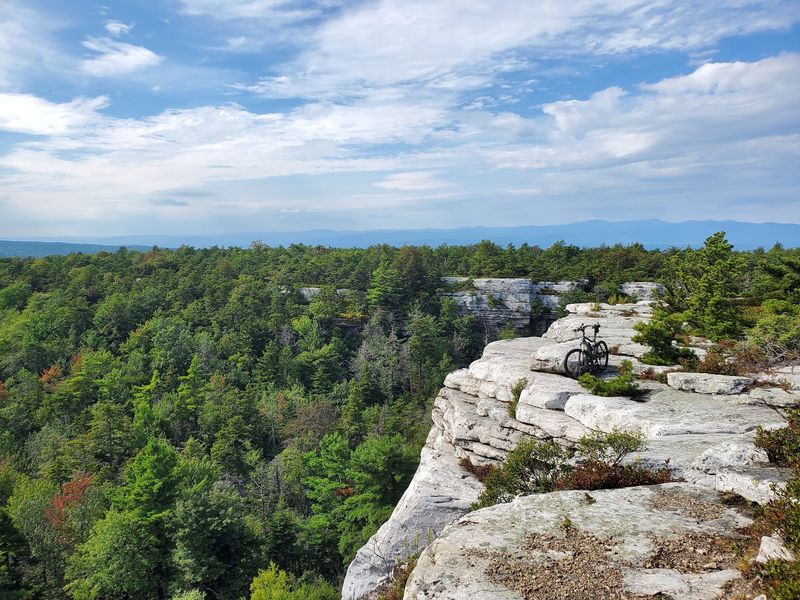
Snakes are picky about real estate, and they follow the temperature like a thermostat. Because they cannot make their own body heat, they move between warm and cool spots all day. Knowing their favorite addresses helps you stay alert.
Rocky ledges are the hot spots in summer. Pregnant female rattlesnakes especially love these open, sunbaked stones. The warmth helps their babies develop before birth in late summer.
Males and nonpregnant females often choose a different scene. They tend to roam cooler, denser woodlands where food is plentiful. Fallen logs, leaf piles, and stone walls make cozy hunting grounds.
So what does that mean for hikers? Watch where you place your hands when scrambling over rocks. Look before you sit on a sunny boulder for a snack break.
Morning and late afternoon can be busy times, since snakes bask to warm up after cool nights. Midday heat often sends them into shade. A little awareness goes a long way, and it turns every rocky stretch into a fun game of spot the sunbather.
Carriage Road Cruisers
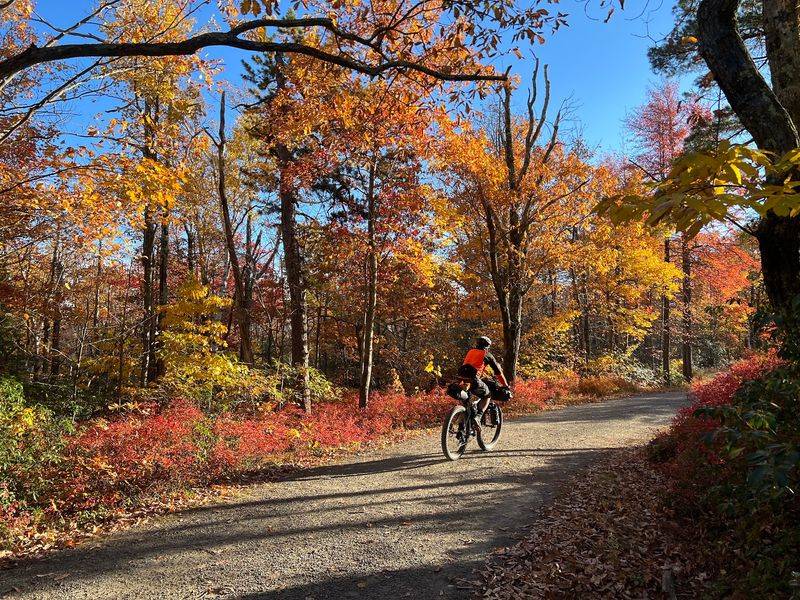
Long, glossy, and totally harmless, the black rat snake is the park celebrity most visitors actually meet. Hikers often spot one stretched across a carriage road. Adults can grow longer than many people are tall.
Those wide gravel lanes make perfect sunning strips. The open space soaks up heat, and the forest edge offers quick escape routes. A rat snake may lie there so still that it looks like a fallen branch.
No venom here, just big appetite. Rat snakes are skilled climbers that hunt mice, rats, and sometimes bird eggs. Farmers have long valued them as natural pest control.
When startled, one might shake its tail in dry leaves to sound tougher than it is. Call it a bluff with great sound effects. Give it a moment and it will usually glide off into the brush.
Bikers should ride at a sensible pace and scan the road ahead. Families can pause and enjoy a safe peek from several steps back. Please do not try to move or touch the snake.
It knows the way home and does not need a ride.
The Quieter Cast Of Characters
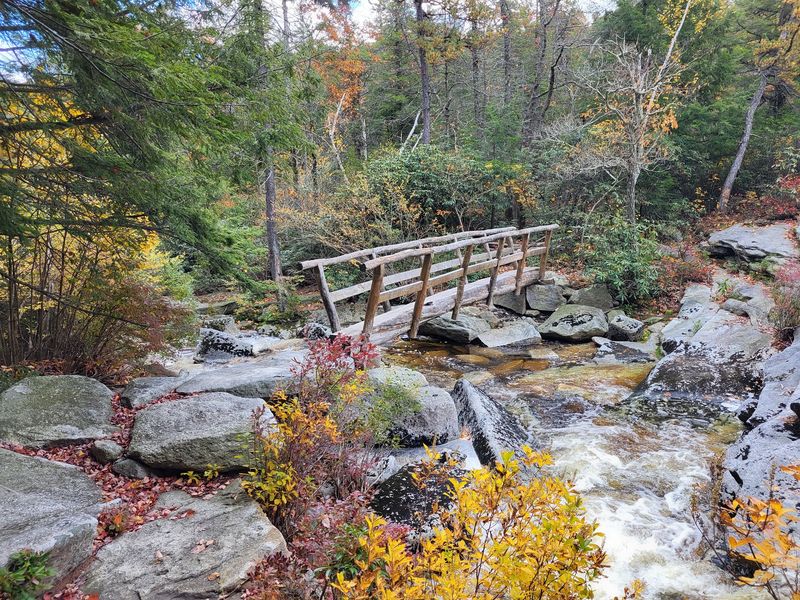
Beyond the headliners, a supporting cast adds plenty of color. Northern water snakes, eastern milk snakes, and smooth greensnakes all live in the preserve. Each one has its own style and favorite hangout.
Northern water snakes stick close to lakes, ponds, and streams. They swim with ease and snack on fish and frogs. People sometimes mistake them for venomous cottonmouths, but cottonmouths do not live in New York at all.
Milk snakes wear handsome reddish blotches on a lighter background. They prowl at night and spend daytime hours under logs or stones. Their bold pattern makes them a real treat to spot.
Smooth greensnakes are the shy artists of the bunch. Their bright leafy color blends into grass and shrubs like nature planned it as a hide and seek champion. They munch mostly on insects and spiders.
None of these three is venomous. Still, every wild animal deserves space and calm treatment. Snap a photo, enjoy the moment, and let them continue their day.
Learning to tell them apart makes every hike feel like a nature quiz you can actually win.
Your Trail Manners Guide
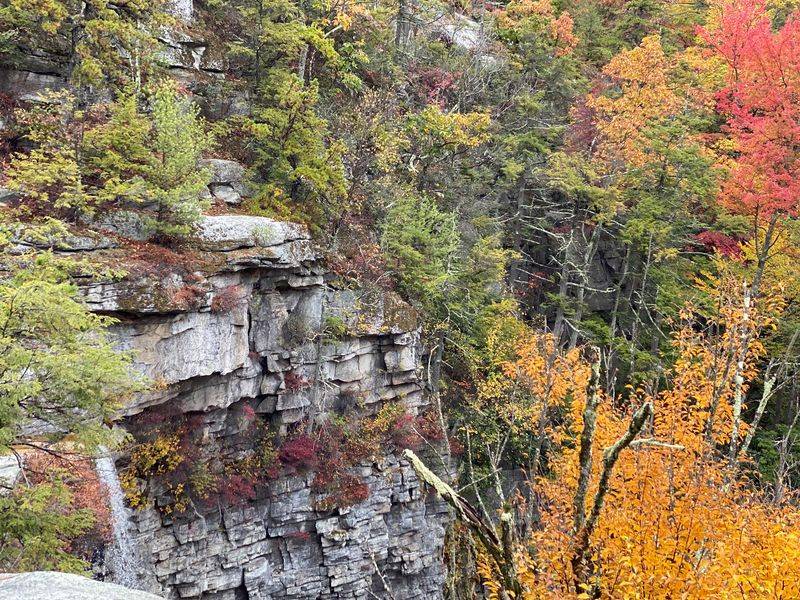
Good manners work on the trail just like at the dinner table. A few easy habits keep both you and the snakes safe. Think of it as being a polite guest in their home.
Stay on marked trails and carriage roads. Wear closed shoes with good grip and consider long pants on rocky routes. Look at the ground ahead, especially near ledges and stone piles.
Meet a snake on the path? Stop, stay calm, and back away slowly. Give it plenty of room and let it move off on its own schedule.
Never poke, tease, or try to pick one up. Most bites happen when people get too close or too curious. Keep dogs leashed and close, since a nosy pup can spark trouble fast.
Hands and feet should land only where your eyes have checked first. Scramblers on rocky trails should be extra careful. If you ever need help, rangers and visitor center staff can guide you.
Follow these simple rules and every encounter becomes a cool memory instead of a scare.
Timing Your Sightings
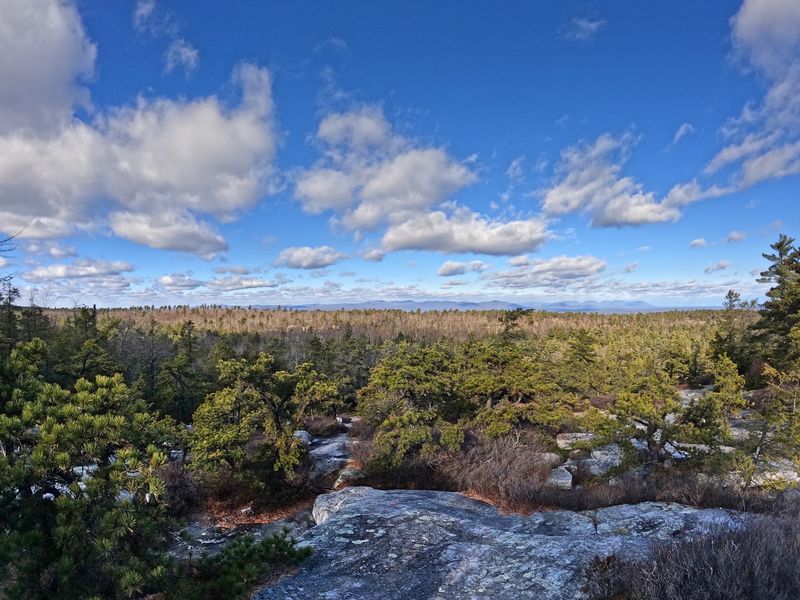
Snake season runs on the calendar and the thermometer. These reptiles spend winter tucked deep in rocky dens called hibernacula. Warm days in spring finally coax them outside.
Late spring through early fall brings the most activity. Sunny mornings after cool nights are prime basking times. Hot summer afternoons often push snakes into the shade, where they are harder to see.
Fall offers another window. Snakes travel back toward their winter dens as temperatures drop. You might notice more movement near rocky slopes during this season.
Cold months tell a very different story. Winter hikers will almost never spot a snake, since they are snoozing underground. That makes snowy visits perfect for anyone who prefers their wildlife furry.
Keen to see one? Walk slowly and quietly on a warm, clear day. Scan rocks, trail edges, and sunny clearings.
Bring binoculars so you can study patterns from a safe distance. Patience is your best tool, and sometimes the snake finds you first, which keeps everyone humble.
Beyond The Scales
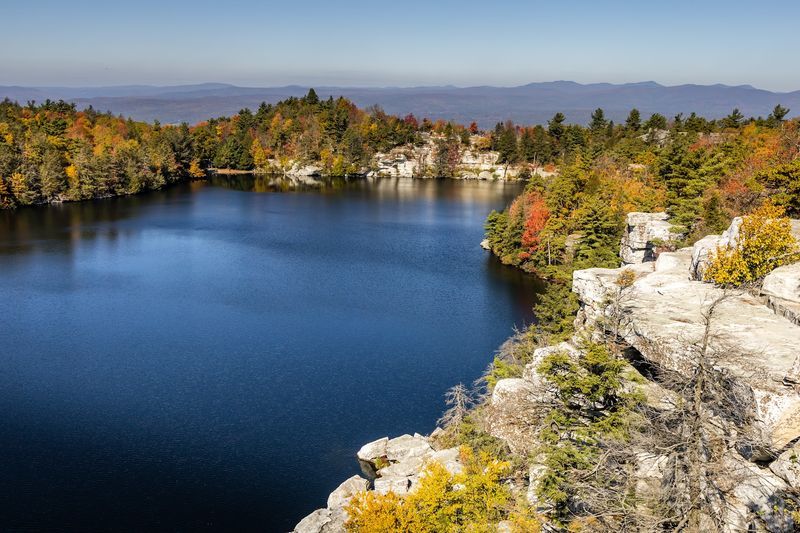
Snakes may grab attention, but the scenery seals the deal. Awosting Falls is an easy walk and a crowd favorite. Lake Minnewaska sparkles under pale cliffs that look painted onto the sky.
Bigger adventures wait farther out. Castle Point and Gertrude’s Nose reward hikers with sweeping views of the Catskills. Lake Awosting feels wonderfully remote, like a secret the forest kept for itself.
The Sam’s Point Area adds even more to explore. It sits at 400 Sam’s Point Road in Cragsmoor, with ice caves and wide open vistas. Weekend and holiday visits there need advance reservations from mid April to mid November.
Fall foliage turns the ridge into a riot of red and gold. Summer brings swimming at designated areas when lifeguards are on duty. Winter invites quiet walks across a snowy landscape.
New York has many lovely parks, yet few mix drama and wildness like this one. Pack snacks, water, and curiosity. Carry out your trash to keep the place pristine.
Come for the cliffs, stay for the critters, and leave with a whole new appreciation for the ridge.