
You Can Count Rocks 20 Feet Down At This Unusually Clear Montana Lake This Summer
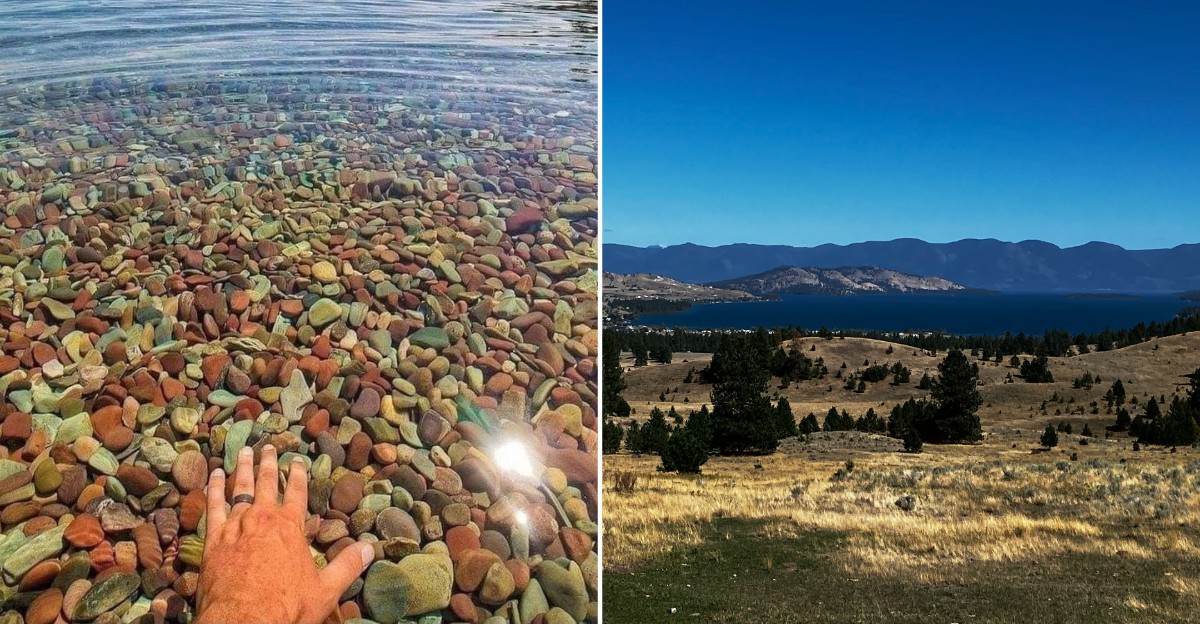
Water this clear tends to make people stop talking mid-sentence, which is exactly what happens the first time visitors see this Montana lake. The color alone looks almost unreal from certain angles, somewhere between blue and green depending on the light.
Visibility stretches down far enough to count individual rocks resting on the bottom without any effort. Photos rarely do the color justice, something most visitors realize only after trying to capture it themselves.
Hiking trails around the shoreline offer wide views without much elevation required to reach them. Crowds stay manageable even during peak summer months, unlike some more famous lakes elsewhere.
This lake earns every bit of praise it gets, and then some.
Water So Clear It Looks Like Glass
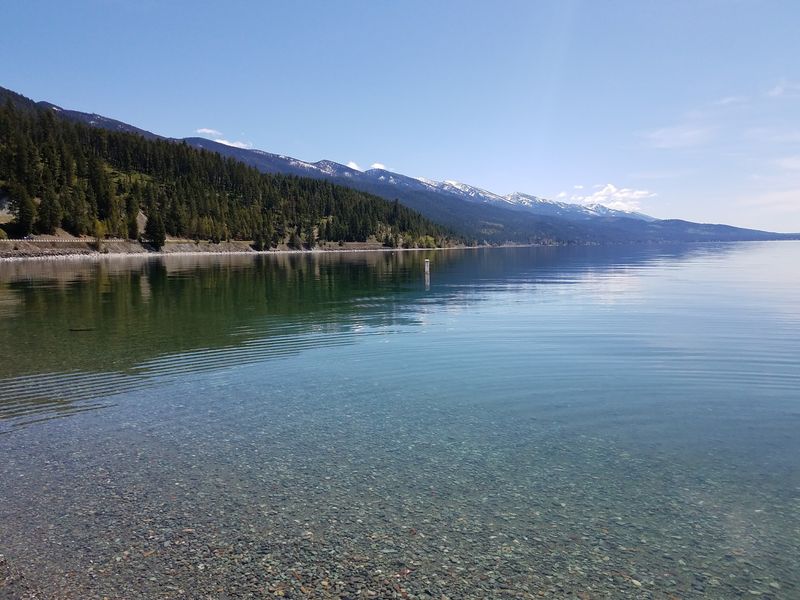
Picture a lake where the colorful rocks on the bottom look like they were set there on purpose. Red, green, purple, and blue stones shine through the water like a giant candy jar.
On a calm summer day, you can count them twenty feet down.
The secret is surprisingly simple. The water holds very little phosphorus and nitrogen, which are the nutrients algae love to eat.
With less algae floating around, the water stays clean, and sunlight slides deep below the surface.
Those bright rocks are not painted, by the way. They come from ancient mudstone layers carried in by glaciers long ago.
The red ones got their color from iron, and the green ones formed where oxygen was scarce.
Keeping the water this clear takes real work. The Flathead Lake Biological Station has watched over the lake for more than a century, testing water and tracking changes.
Scientists keep an eye on things like sediment and runoff that could cloud it up.
Visitors can help too. Cleaning, draining, and drying boats before launching keeps invasive mussels out, and there are inspection stations around the area for that reason.
Picking up trash and skipping soap in the water also make a difference.
A pair of swim shoes is a smart idea, since those pretty rocks can be slippery and sharp. Polarized sunglasses make the colors pop even more from shore.
Flathead Lake sits in northwest Montana, USA.
A Giant Gift From Ancient Glaciers
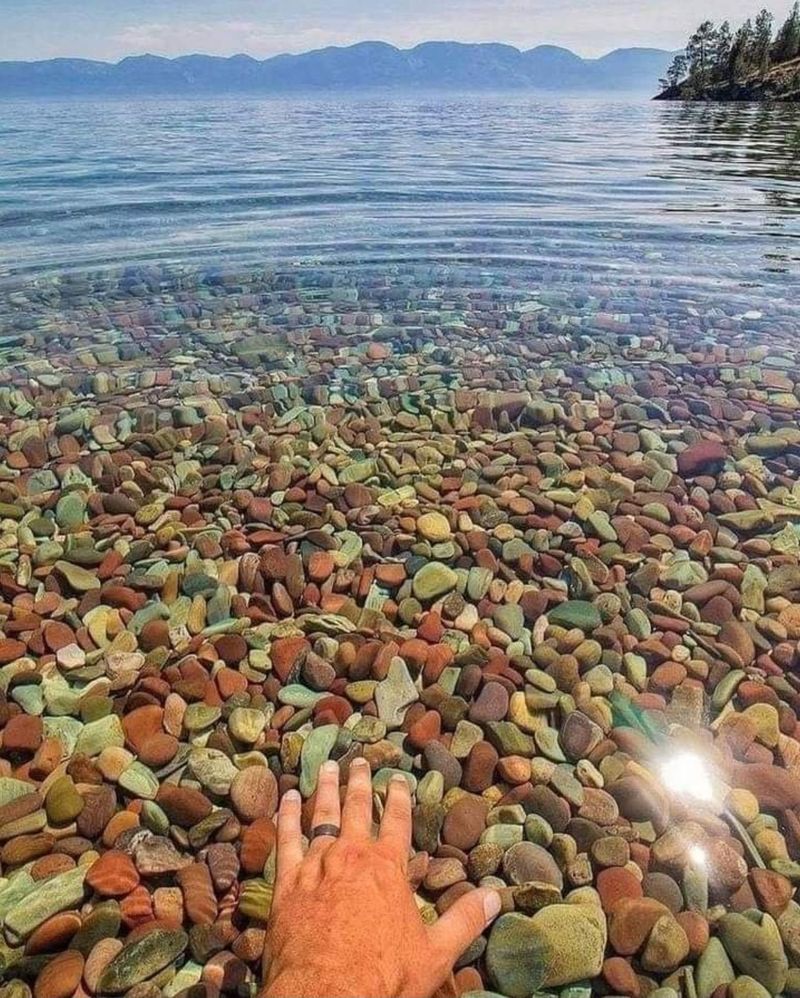
About 10,000 to 12,000 years ago, a massive sheet of ice called the Flathead Lobe crawled through this valley. It scraped, pushed, and dug out a huge bowl in the earth.
When the ice finally melted, the bowl filled with water.
The glacier also left piles of rocks and dirt behind as it retreated. Those piles acted like natural dams and helped shape the lake we see now.
Nature basically did a construction project with no blueprints and zero coffee breaks.
The numbers are impressive. The lake runs roughly 27 to 30 miles long and up to 16 miles wide.
In its deepest spot, it drops about 370 feet.
That size makes it the largest natural freshwater lake in the western United States, not counting Alaska. Driving around the whole thing takes a good chunk of the day.
Here is a wild bit of history. This area was once connected to Glacial Lake Missoula, an enormous ice age lake.
When its ice dams broke, giant floods rushed all the way to Washington and Oregon.
Standing on the shore today, the calm water gives no hint of that dramatic past. Still, the rounded rocks, broad valley, and steep mountainsides are clues.
Every pebble on the beach is a tiny piece of that icy story, so leave them where they belong for the next curious visitor.
Wild Horses On A Secret Island
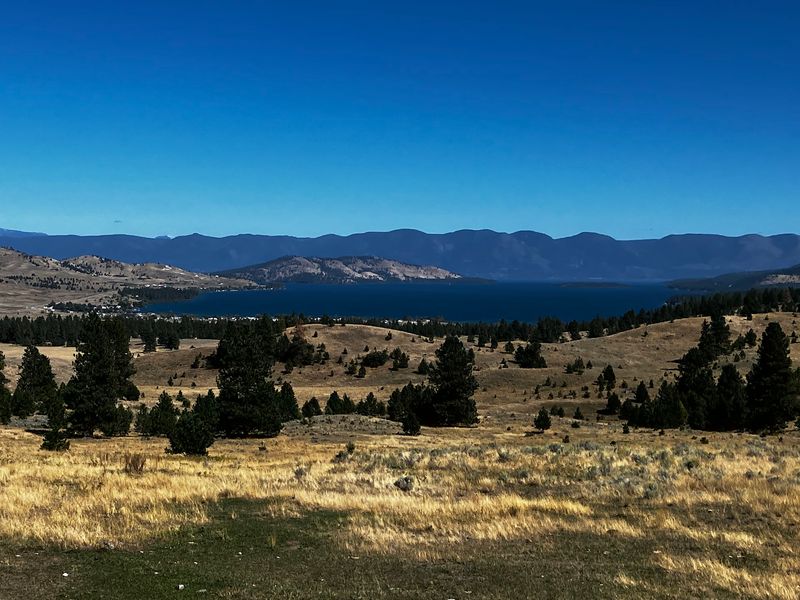
Horses on an island sounds like the start of a fairy tale. On Wild Horse Island, it is just a regular Tuesday.
A small herd roams the grassy hills of this 2,100-acre state park.
Getting there takes a little effort, which keeps it peaceful. There are no bridges or ferries for cars, so boats and kayaks are the only ways across.
Guided boat tours and charters also make the trip from nearby towns.
The horses are not the only locals. Bighorn sheep climb the rocky slopes, mule deer wander through the pines, and bald eagles patrol the sky.
Birdwatchers can easily fill a notebook here.
Hiking trails loop across the island, leading to sweeping views of the lake and mountains. Quiet little beaches sit along the edges, perfect for a snack break.
The island is day use only, so plan to head back before evening.
A few smart tips help the visit go smoothly. Bring plenty of water, sunscreen, and sturdy shoes, since shade can be scarce on the open hills.
Keep a respectful distance from all animals, especially the horses.
Paddlers should watch the weather closely. The lake can turn choppy fast when the wind picks up in the afternoon.
Morning crossings are often calmer, giving more time to explore before the waves wake up.
Cherry Orchards Along The Eastern Shore
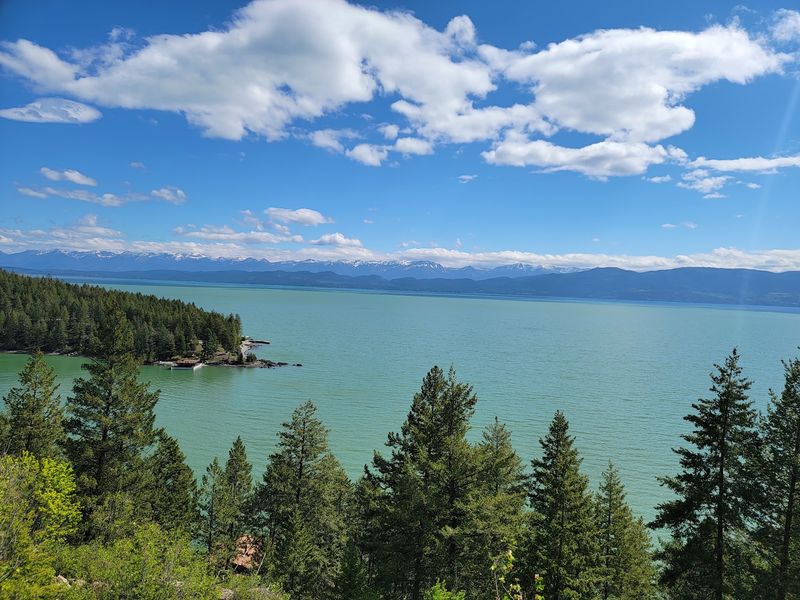
Cherries in Montana sound about as likely as palm trees in Alaska. Yet every July, the eastern shore of Flathead Lake turns red with ripe fruit.
Roadside stands pop up along Highway 35 like mushrooms after rain.
The lake itself makes this possible. Such a huge body of water warms and cools slowly, which softens the temperatures on nearby land.
That gentle effect stretches the growing season longer than you would expect this far north.
Flathead cherries are famous for being big, dark, and sweet. Many orchards are family-run and have been around for generations.
Some let visitors pick their own, which is a fun way to fill a bucket and stain your fingers purple.
Apples, pears, and plums grow around the lake too. Peak cherry season usually lands from mid-July into August, though weather can shift the timing.
Checking local orchard pages before heading out saves a disappointing drive.
Highway 35 makes the trip a treat on its own. The road curves along the water, giving peek after peek of blue lake and green hills.
Pullouts are limited, so drive slowly and stay patient.
Bring a cooler if possible. Fresh cherries taste best cold and keep better on a warm day.
Fair warning though: the bag may be half empty before you get home.
Charming Towns Around The Shoreline
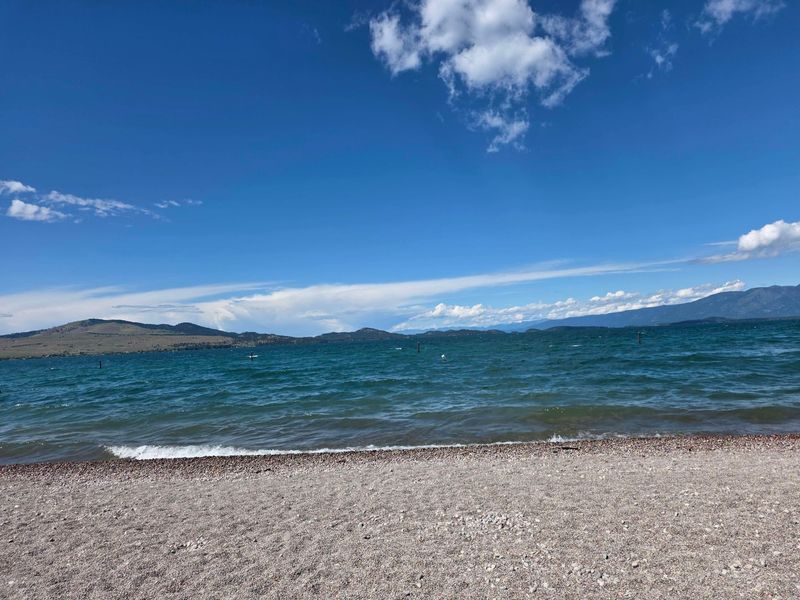
Every lake trip needs good places to stretch your legs. Around Flathead Lake, small towns take turns being the perfect pit stop.
Each has its own flavor and personality.
Polson sits at the southern tip, where the lake narrows into the Flathead River. The Flathead Lake Historical Museum shares stories about early settlers, steamboats, and life on the water.
It is a handy spot to learn the backstory before exploring further.
Bigfork, up on the northeast corner, is the artsy one. Galleries line the main street, and flower baskets hang from almost every post.
The Bigfork Summer Playhouse puts on lively shows that draw crowds all season.
Nature lovers can wander Bigfork Nature Park or follow the Swan River as it rushes toward the lake. The river trail is shady and easy, a nice change after a hot day in the sun.
Lakeside and Somers on the northwest side offer quieter vibes and quick lake access. Many families rent cabins or lake homes in these spots for a week of slow mornings.
Grocery stores and cafes keep things simple.
Driving the full loop links these towns together into one big adventure. Plan for lots of stops, because the views keep demanding photos.
Keep snacks handy too, since some stretches of road have few services.
Paddling And Sailing Over Clear Water
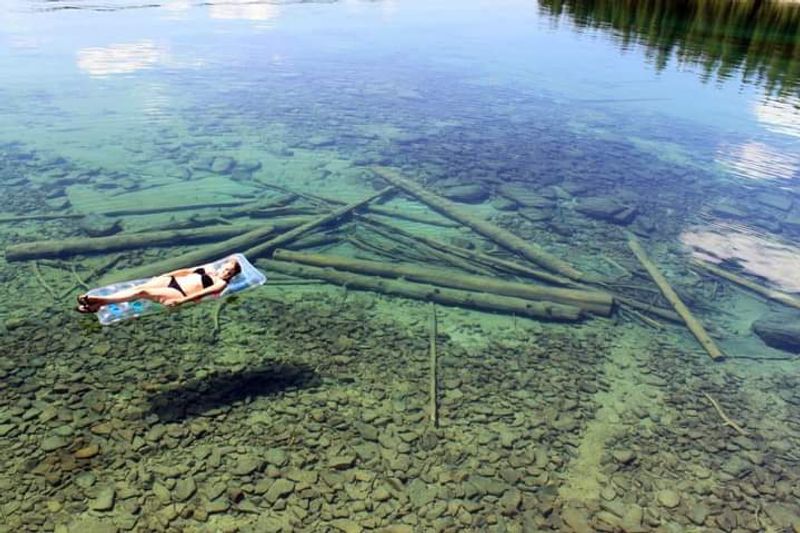
Floating on a paddleboard here feels a bit like hovering in midair. The rocks below look so close that your brain keeps insisting the water is shallow.
It usually is not.
The lake welcomes all kinds of water fun. Sailing, powerboating, kayaking, swimming, and paddleboarding all work beautifully on these wide open waves.
Tubing is a big hit with kids who enjoy getting splashed.
State parks make it easy to get on the water. Wayfarers near Bigfork and Yellow Bay on the east shore offer launch areas and swimming spots.
Big Arm, Finley Point, and West Shore round out the list of parks along the edges.
Sailors have a special place here. The clean freshwater helps preserve boats, including classic Q class racing sloops that still glide around the lake.
Watching those old wooden beauties race is a treat.
Now for the honest part. The water is cold, even in July, so quick dips are common and long swims take courage.
Some families bring wetsuits so the little ones can stay in longer.
Wind is another thing to respect. Afternoons often bring choppy waves across this huge surface.
Wearing a life jacket, checking forecasts, and heading out early make for safer, smoother trips. Boat tours are a great choice for anyone who would rather relax and let someone else steer.
Tribal Lands And Southern Shores
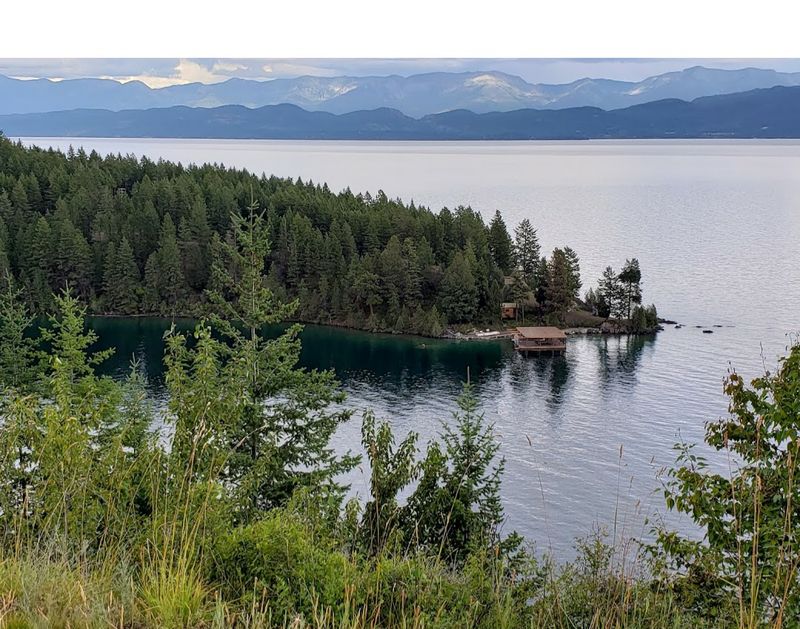
Road signs near the southern half of the lake often show two languages. One is English, and the other is Salish or Kootenai.
That small detail says a lot about who has called this place home the longest.
The southern part of Flathead Lake lies within the Flathead Indian Reservation. It is the homeland of the Confederated Salish and Kootenai Tribes.
Their history here stretches back thousands of years, long before the first steamboats arrived.
Visitors planning to fish, boat, or recreate on reservation waters need a tribal permit. These are easy to get from local shops and tribal offices.
Following the rules shows respect and helps support conservation efforts.
Highway 93 also features wildlife crossings, including bridges and tunnels built just for animals. Deer, bears, and other creatures use them to cross safely.
It is a clever idea that saves lives on both sides of the windshield.
The southern shore tends to feel a little less crowded than the north. Polson makes a good base, with beaches, parks, and boat tours close by.
The Mission Mountains rise sharply nearby, creating jaw dropping backdrops.
Learning about the tribes adds real depth to any visit. The People’s Center in Pablo shares culture, art, and history in meaningful ways.
It turns a pretty lake trip into a richer story.
The Mysterious Legend Of Flessie
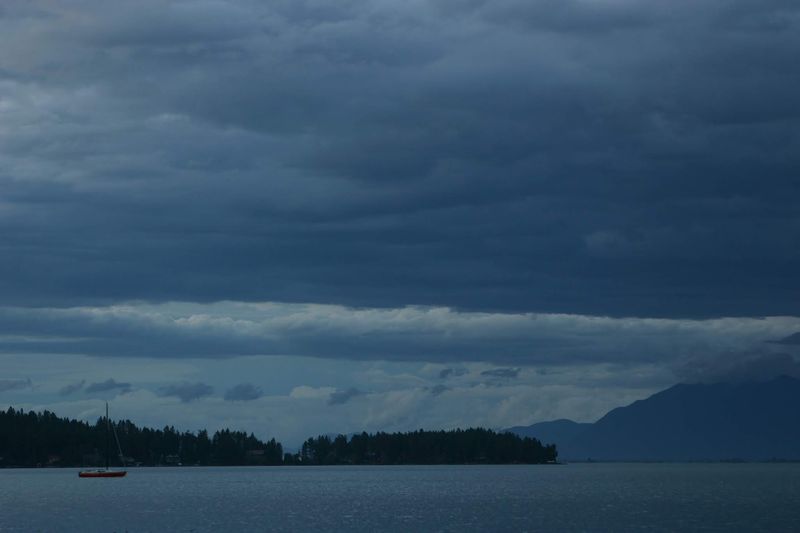
Scotland has Nessie, and Montana has Flessie. Yes, really.
Flathead Lake comes with its very own monster legend, and people have been talking about it for ages.
The story has deep roots in Kootenai tradition. Old tales describe a huge creature with antlers living in the lake’s dark depths.
It was a being to respect, not to joke about.
Later, settlers added their own reports. In 1889, a steamboat captain and his passengers claimed to see a large, whale like creature in the water.
Imagine being on that boat and trying to explain it at dinner.
Descriptions of Flessie change depending on who tells the story. Some say it looks like a giant eel or serpent.
Others picture a massive fish, possibly an extra large sturgeon or lake trout.
Scientists have a few calmer ideas. Big fish, floating logs, boat wakes, and tricks of light can all look strange on such a wide lake.
Still, a 370 foot deep lake leaves plenty of room for imagination.
Flessie has become a fun local mascot. Kids scan the water hoping for a glimpse, and adults secretly do the same.
Keep a camera ready during misty mornings. Odds are you will spot a duck, but it never hurts to look twice.