
This Free Texas Garden Has Stone Bridges, Ponds, And A Gorgeous Waterfall Tucked Away Inside
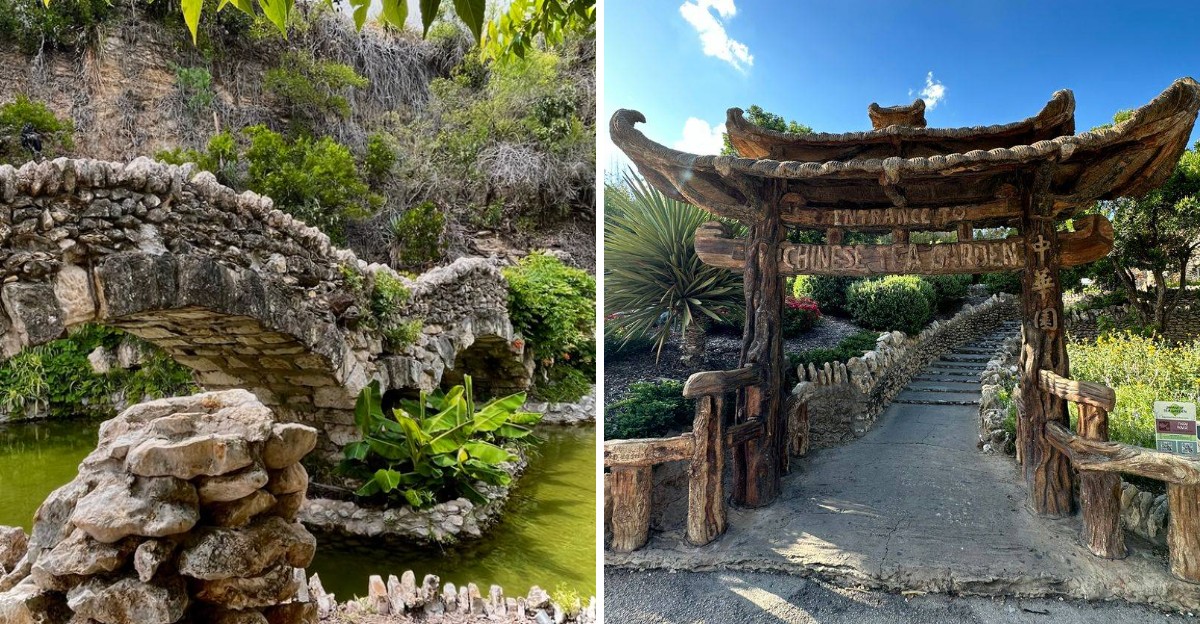
Limestone cliffs, koi flashing orange, and a waterfall roaring down rock walls. Not bad for an old quarry pit in Texas!
Yes, a garden this gorgeous comes completely free.
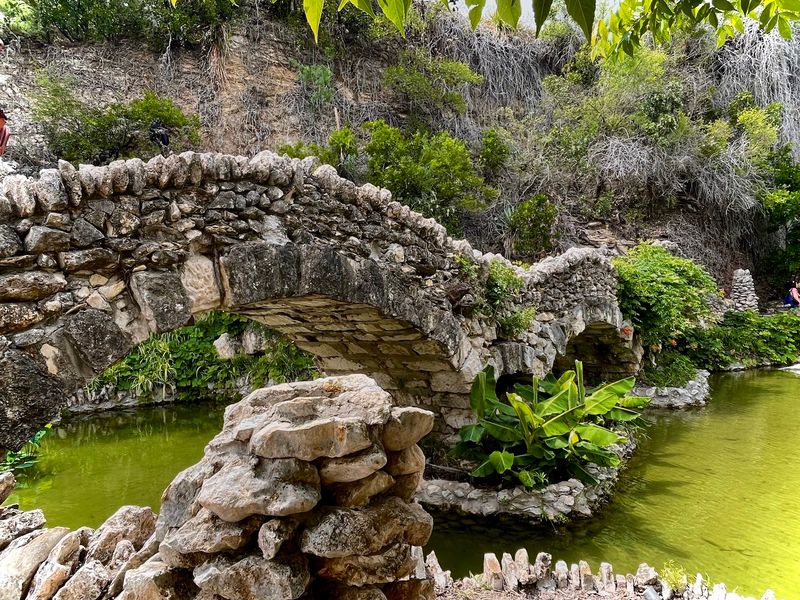
Stone bridges arch over glassy ponds like they were drawn for a storybook. Turtles pop up to say hello while the falls rumble in the background.
Phones come out fast here.
Could a former rock pit really look this dreamy? A single loop around the paths answers that question with a big yes.
History runs deep too. The garden carries a powerful story about a family, a name, and a long road back to recognition.
Plenty of surprises wait between the ferns and lily pads. Texas keeps its prettiest secrets close, and this beauty deserves a slow afternoon.
From Rock Pit To Garden Royalty
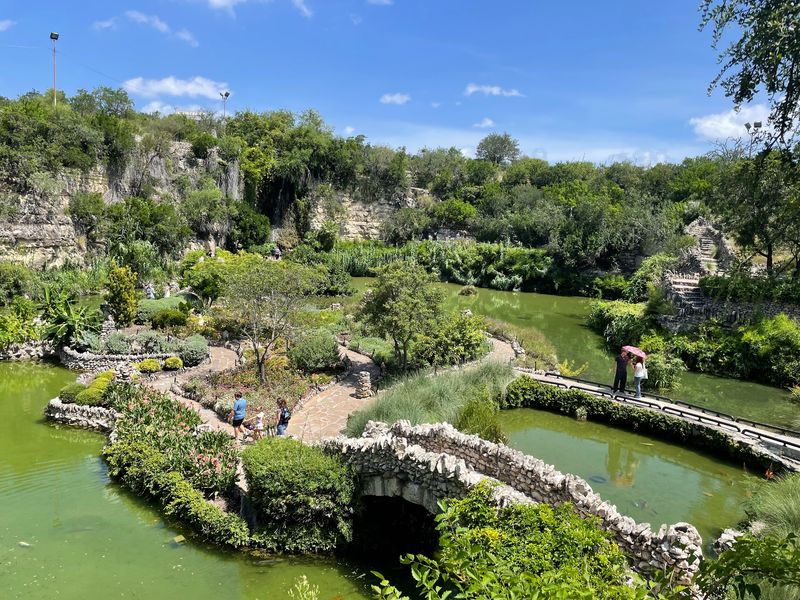
Ever seen a hole in the ground get a glow-up? This one went from dusty quarry to floral showstopper.
Long ago, workers cut limestone here for a cement company. The stone helped build parts of San Antonio, and then the pit sat empty.
A city parks leader saw something better in that rocky void. He pictured a lily pond, and the idea kept growing.
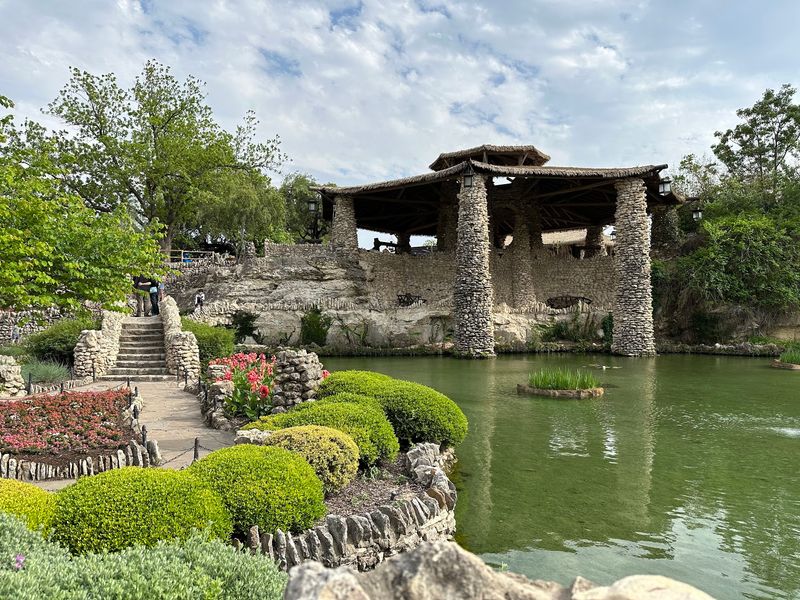
Crews shaped the old pit into a garden between 1917 and 1918. They carved winding walkways, built stone arch bridges, and formed an island with a pavilion.
Land donations and local support helped push the dream forward. The result still feels like a neat bit of community teamwork.
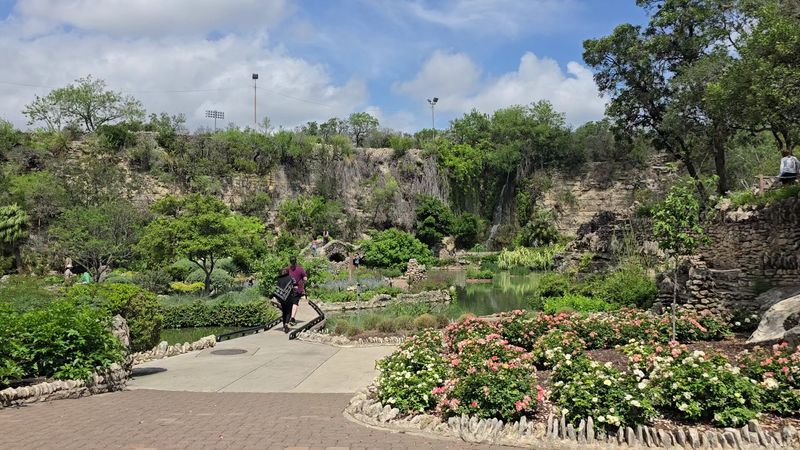
Today, the Japanese Tea Garden keeps its quarry roots in plain view. Tall limestone walls wrap around the ponds and paths.
Those rough cliffs make the greenery pop even more. Visitors can read history signs near the paths to learn more.
Spend a minute imagining the noise and dust that once filled this space. Then listen to the water and the birds instead.
Few places in Texas show such a clear before-and-after story. The rocks did the talking, and the garden answered back.
The Waterfall Steals The Show
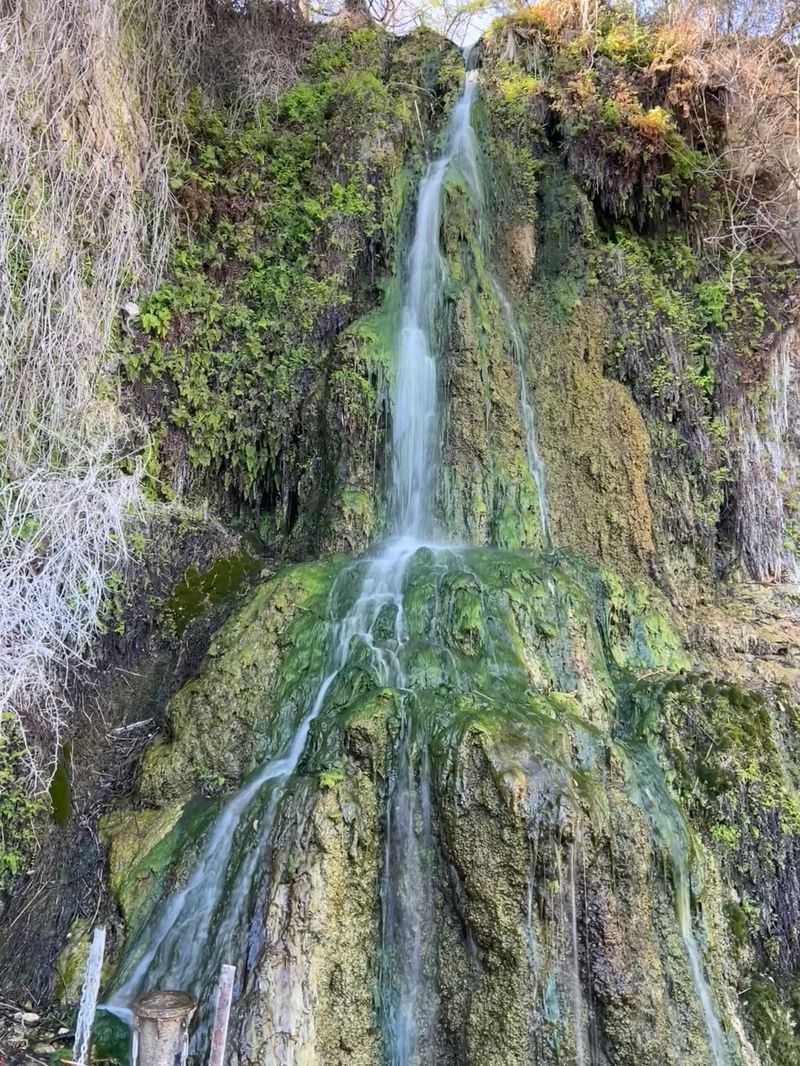
Hear that rumble? The garden’s biggest star announces itself long before it comes into view.
A tall waterfall pours down the rocky cliff and splashes into the ponds below. Many sources describe it as roughly sixty feet high.
Ferns and leafy plants hug the rocks around the falling water. The spray adds a cool touch on warm afternoons.
Early morning visits often bring the calmest moments here. Some days, the crashing water is almost the only sound around.
The area near the falls ranks among the most popular photo spots in the Japanese Tea Garden. Expect a short wait on busy weekends.
Patience pays off with a clear shot and a moment to soak it in. Try framing the water with the stone paths in front.
Paths near the falls can feel narrow at times. Watch your step, especially after rain leaves puddles behind.
Kids often stop in their tracks once they see it. Grown-ups tend to do the same, phones already raised.
Stand still for a minute and let the sound wash over everything. That waterfall has a way of resetting a busy brain.
Bridges Built For Wandering
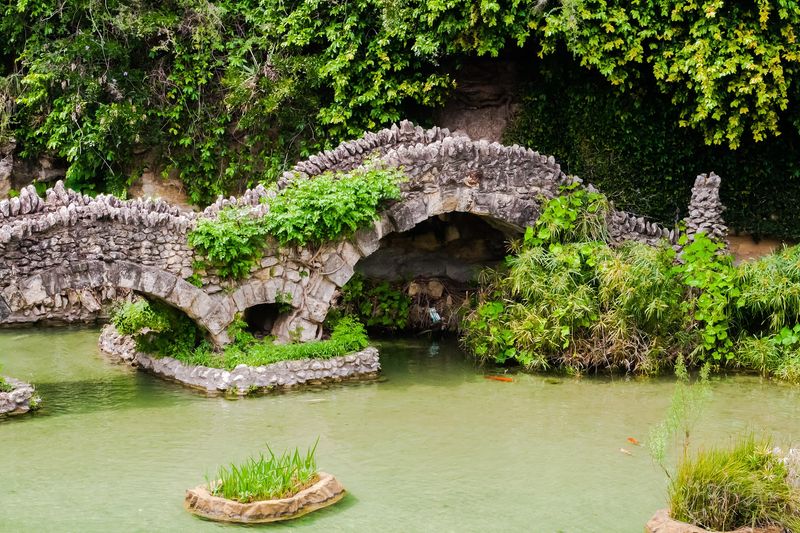
Bridges here do more than get you across the water. They practically beg for a slow stroll and a pause in the middle.
Stone arch bridges curve over the ponds throughout the sunken garden. Some feel grand, while others look rustic and earthy.
Each crossing opens up a fresh angle on the water and plants. One step you see lily pads, the next you spot the falls.
Paths twist and loop between these crossings in a playful way. Getting a little turned around is part of the fun.
The Japanese Tea Garden rewards people who take their time. Rushing through means missing tiny corners and quiet benches.
Stone surfaces can be uneven in places, so sturdy shoes help. Sandals with grip work better than slick soles.
Couples, families, and graduates often line up for photos on the arches. Weekday visits usually mean more room to linger.
Look down from the top of a bridge for a nice surprise. Koi and turtles often drift right beneath your feet.
Every bridge connects one pretty scene to the next. Follow them all, and the garden reveals itself piece by piece.
Koi, Turtles, And Pond Life
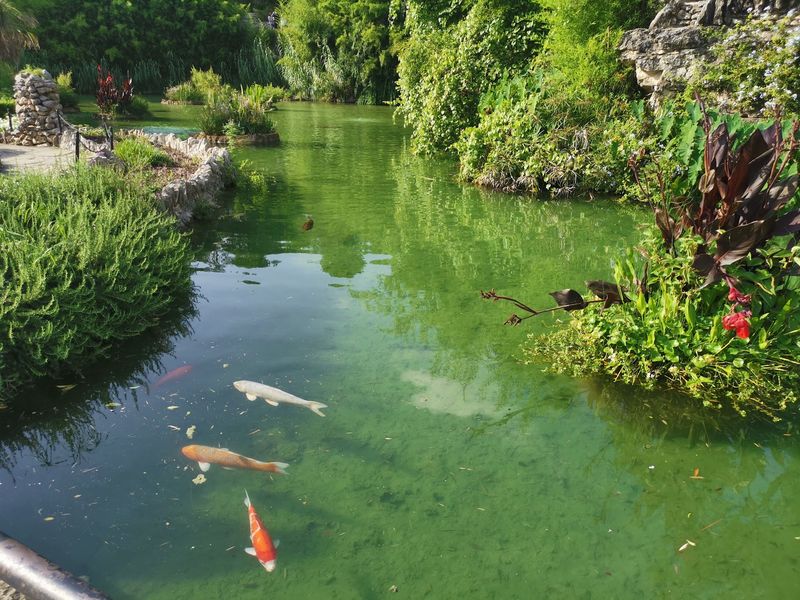
Orange, white, gold, and spotted, the koi put on a free fashion show all day long.
Big colorful fish cruise through the ponds of the Japanese Tea Garden. They often gather near the edges when people walk by.
Visitors have mentioned that in one spot, the fish may even nibble fingers. That happens on their schedule, of course, not yours.
Turtles share the water too. They pop up for air, look around, and then slip back under.
Patient watchers usually get the best show. Find a quiet edge, wait a moment, and let the pond come alive.
Fish numbers you see can change from visit to visit. Some days the koi crowd the surface, other days they hide deeper.
Water lilies may float on the surface during warmer months. They add soft color to the darker water.
Kids love counting fish and spotting turtle heads. It turns a simple walk into a little scavenger hunt.
Keep hands and snacks to yourself unless signs say otherwise. The pond life does best when people simply admire it.
Bring patience, and the water will reward you.
A Story Of Loss Of Name And Its Return
Gardens hold flowers, but this one also holds a powerful American story.
Around 1919, a Japanese-American artist was invited to live in the garden and care for it. His family later opened a small spot serving light lunches and tea.
They tended the grounds for years and made it a beloved local stop. Then World War II changed everything.
In 1942, anti-Japanese feelings ran high across the country. The family was forced to leave their home in the garden.
The city renamed the place the Chinese Tea Garden around that time.
Many saw it as a way to protect the grounds from damage.
Decades passed before things were set right. In 1984, the city officially brought back the name Japanese Tea Garden.
The rededication honored the family and admitted a painful wrong. It became a symbol of recognition for an American minority group.
Knowing this history changes how the paths feel. Each bridge and pond suddenly carries more weight.
Signs around the grounds share parts of this story. Take a few minutes to read them before moving on.
Beauty grabs attention here, but the history gives the garden its heart.
Gates And Pavilions With Character
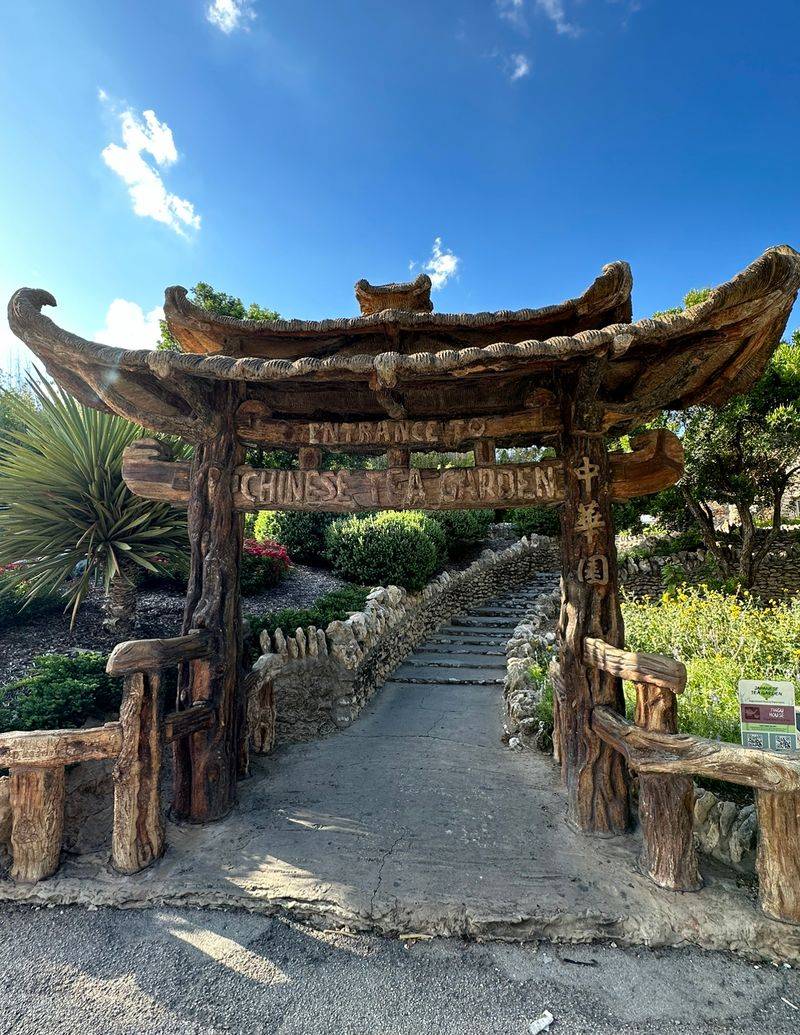
Is that gate made of wood? Look closer, because your eyes are getting fooled on purpose.
The garden’s entrance gate uses a craft called faux bois. Artists shape concrete so it looks just like tree branches and timber.
A Mexican-born artist famous for this technique created the gate in 1942. Up close, the fake bark texture feels surprisingly real.
The gate draws on the look of a traditional Japanese torii. It makes a fun first stop before heading down into the garden.
Above the ponds, a pagoda-style pavilion offers a sweeping view. From there, the whole sunken layout spreads out below.
Climbing up takes some effort, but the payoff feels worth it. The ponds, bridges, and falls all fit into one frame.
Shade from the pavilion offers a nice break from the sun. Many visitors pause there to catch their breath.
Photographers love both spots for different reasons. The gate brings texture, and the pavilion brings scale.
These structures give the Japanese Tea Garden its distinct personality. They mix Texas craft with Japanese-inspired design in a clever way.
Blooms That Mix Texas And Tropics
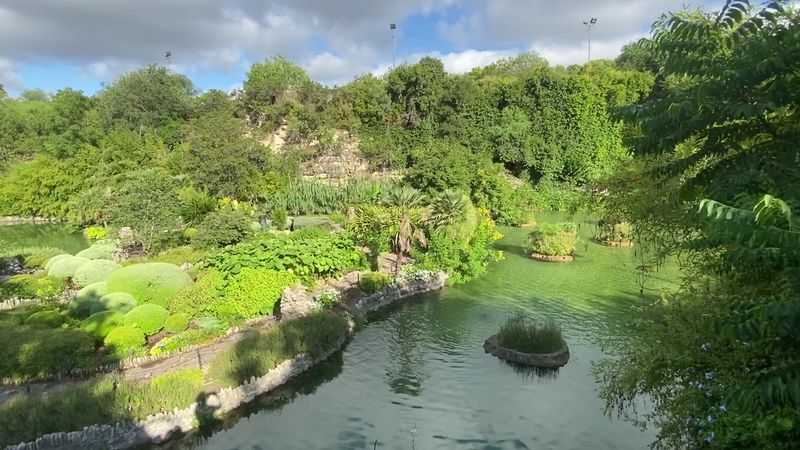
Palm trees next to prickly pear? The plant lineup here loves a good surprise.
Gardeners blend native Texas plants with tropical favorites throughout the grounds. The mix creates a look you won’t find in many other parks.
Bright red hibiscus and cheerful marigolds may line the paths in warm months. Cannas add tall bursts of color near the water.
Native touches include Texas mountain laurel, which can bloom purple in spring. Its flowers often carry a sweet, grape-like scent.
Yaupon hollies, grasses, and cactus remind visitors where they stand. Tall palms push the scene toward a tropical vibe.
Flower beds here look neatly kept and carefully planned. The colors seem to change a bit with every season.
Butterflies often float from bloom to bloom on calm mornings. Birds add their own soundtrack from the trees.
Plant lovers should bring a phone for photos of labels and blooms. It makes a handy way to plan a home garden later.
The Japanese Tea Garden proves that pretty plants come in many accents. Here, Texas and the tropics share the stage nicely.
Bites And Boba At Jingu House
All that wandering builds an appetite. Luckily, a cafe waits right on the grounds.
Jingu House sits inside the garden and carries on a long tradition of hospitality. The building connects back to the family who once lived here.
The menu leans toward Asian-inspired food with a local twist. Visitors mention poke bowls, bao buns, bento boxes, and boba teas.
Milk teas and fruity slushes make cool treats on hot days.
Sipping one while strolling feels like a small reward.
A tiny gift shop sits near the drink counter. It stocks a few unique items worth browsing.
Seating near the cafe offers views of the greenery. It makes a calm spot to rest tired legs.
Menu items and offerings can change over time. Checking ahead helps avoid any surprises.
Purchases at the cafe help support upkeep of the Japanese Tea Garden. That means lunch doubles as a small thank-you to the grounds.
Families often plan their visit around a meal here. A walk first, then food, seems to be the popular order.
Hungry or not, stop by for a peek. The building alone carries plenty of charm.
Smart Timing For A Calm Visit
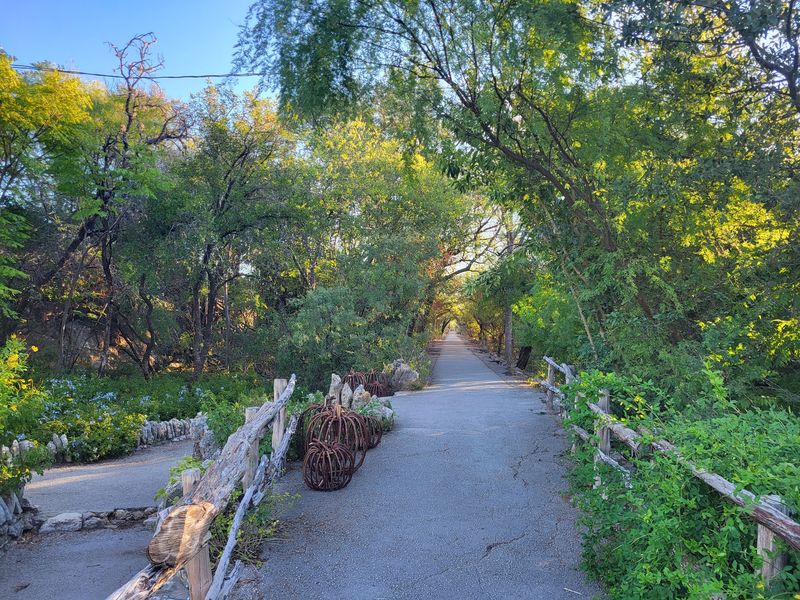
Timing can make or break this trip. A little planning keeps the crowds and heat in check.
Weekends often bring big crowds to the garden. Weddings, quinceanera photos, and engagement shoots can fill the paths.
Weekday mornings tend to feel much calmer. Some visitors find near silence besides the waterfall.
Summer in Texas gets seriously hot. Many paths have little shade once you leave the entry area.
Bring water, a hat, and maybe a small handheld fan. Sunscreen helps too on bright afternoons.
Cooler months may offer a more relaxed stroll. Spring can add extra blooms to the scenery.
Rainy days sometimes clear out the crowds. Just watch for puddles and slick spots on stone.
Most people explore the whole garden in about an hour or so. Photo lovers may want extra time.
Arriving early also helps with parking. More on that in the next section, so keep reading.
Plan around the heat and the crowds, and the Japanese Tea Garden feels like a private retreat.
Parking, Stairs, And Getting Around
Free entry is the easy part. Getting in and around takes a bit more strategy.
The Japanese Tea Garden sits at 3853 N St Mary’s St, San Antonio, TX 78212. It lies within Brackenridge Park in Texas, United States.
A small lot sits close to the entrance and fills fast. More parking usually waits a little farther down the road.
Accessible parking spots are available near the upper area. The upper garden and cafe area offer easier access for wheelchairs.
The lower garden is another story. Many sections rely on stairs, steep spots, and uneven stone.
Strollers may struggle on some paths. Visitors with limited mobility may enjoy the upper views most.
Little ones should stay close, since some areas are steep. Running around near water and stairs can get tricky.
A small take-a-book, leave-a-book library has been spotted on site. It adds a cozy touch for readers.
The garden holds honors as a Texas historic landmark and sits on the national historic register.
Know the layout before arriving, and the visit flows smoothly. A little prep keeps the focus on the views.