
10 Massachusetts Towns Losing Residents As Property Taxes Keep Rising
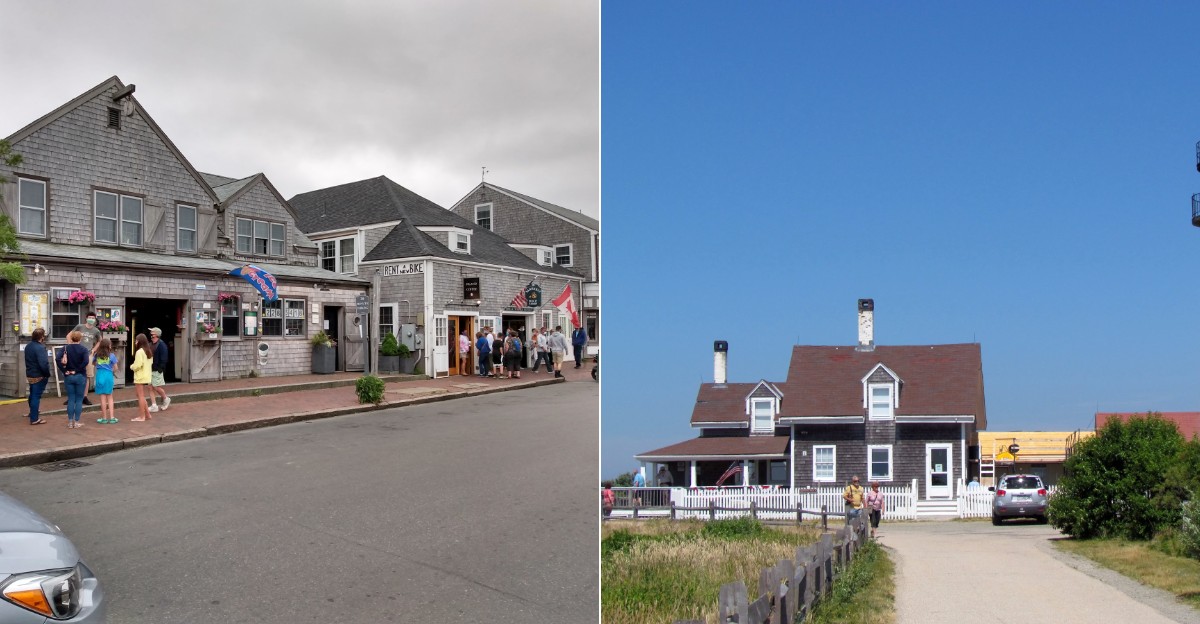
Property tax bills keep climbing across Massachusetts, and some longtime neighbors have already packed up and moved away for good. That shift has left plenty of small towns noticeably quieter than they used to be.
So what does a quieter town actually mean for someone just passing through for the day? Honestly, it usually means shorter lines, easier parking, and a warmer welcome at every single stop.
Mountains, beaches, lighthouses, and old-school diners have not gone anywhere, even as the year-round crowd slowly shrinks. Local shops and museums count on every visitor who still decides to show up and explore.
A good road trip can be its own small kind of support for towns like these. Pack a map, bring some curiosity, and help keep these quiet corners of Massachusetts thriving.
1. Williamstown
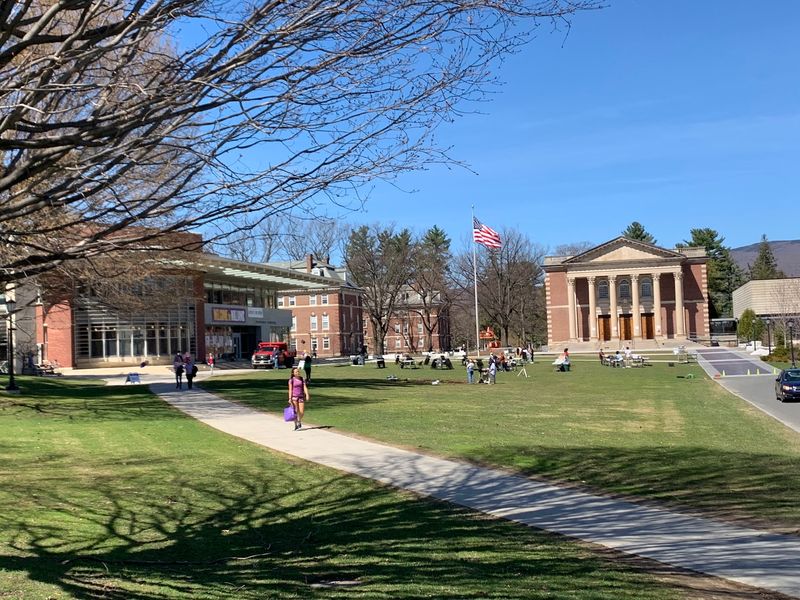
Williamstown has not been spared from the state’s rising tax bills, and some longtime families have packed up as a result. Even so, this college town has not lost an ounce of its charm.
Picture a college town where a painting by Renoir hangs just down the road from a trail up the tallest mountain in the state. Williamstown pulls that off with ease.
Rising tax bills have nudged some locals to move, but the town still feels lively and welcoming.
Start at The Clark Art Institute. Its French Impressionist paintings are famous, and the 140 acres of grounds are perfect for a slow walk.
Next, pop into the Williams College Museum of Art, one of the best college art museums in the country. Book lovers should visit Chapin Library, where original printings of the nation’s four founding documents are on display.
Need fresh air after all that culture? Mount Greylock waits nearby with sweeping views from the Veterans’ War Memorial Tower.
Money Brook Falls drops about 80 feet, and the short, steep trail is worth every huff and puff. Kids will love that Hopkins Observatory is the oldest standing observatory in the United States.
Summer brings the Tony Award-winning Williamstown Theatre Festival in July and August. Grab a casual Italian meal or a seasonal plate made with local ingredients afterward.
You deserve a night out, so go ahead and treat yourself.
2. Adams
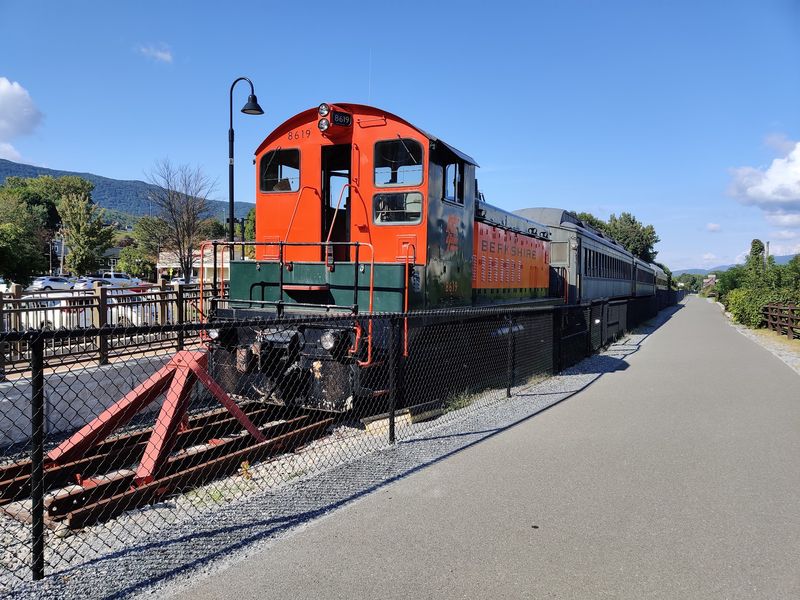
Like many western Massachusetts towns, Adams has watched its population shrink as property tax bills climb year after year. The good news for visitors is that the trails, history, and food scene are busier than ever.
Adams has kept its tax rate lower than many Berkshire neighbors, but rising home values have still pushed bills up in recent years.
Ever ridden a bike past a mountain, a river, and a reservoir in one morning? In Adams, that is just a regular Saturday.
This valley town sits between Mount Greylock and the Hoosac Range, and the scenery is wild.
The Ashuwillticook Rail Trail is the star here. Its 14 paved miles are flat, smooth, and great for walking, biking, or rollerblading.
Bring binoculars, because you might spot herons near the Hoosic River or ducks on Cheshire Reservoir.
History fans have plenty to see too. The Susan B.
Anthony Birthplace Museum tells the story of the famous fighter for women’s voting rights. The East Hoosac Quaker Meetinghouse dates to 1782 and still looks sharp.
Stroll downtown and admire the colorful Victorian homes known as Painted Ladies.
Like many western towns, Adams has seen its population slip as costs climb. Fill up on hearty comfort food, classic Italian dishes, or even German favorites.
Fun fact time. Bascom Lodge sits at the top of Mount Greylock and serves fresh meals in season, so lunch comes with a view of several states.
3. Stockbridge
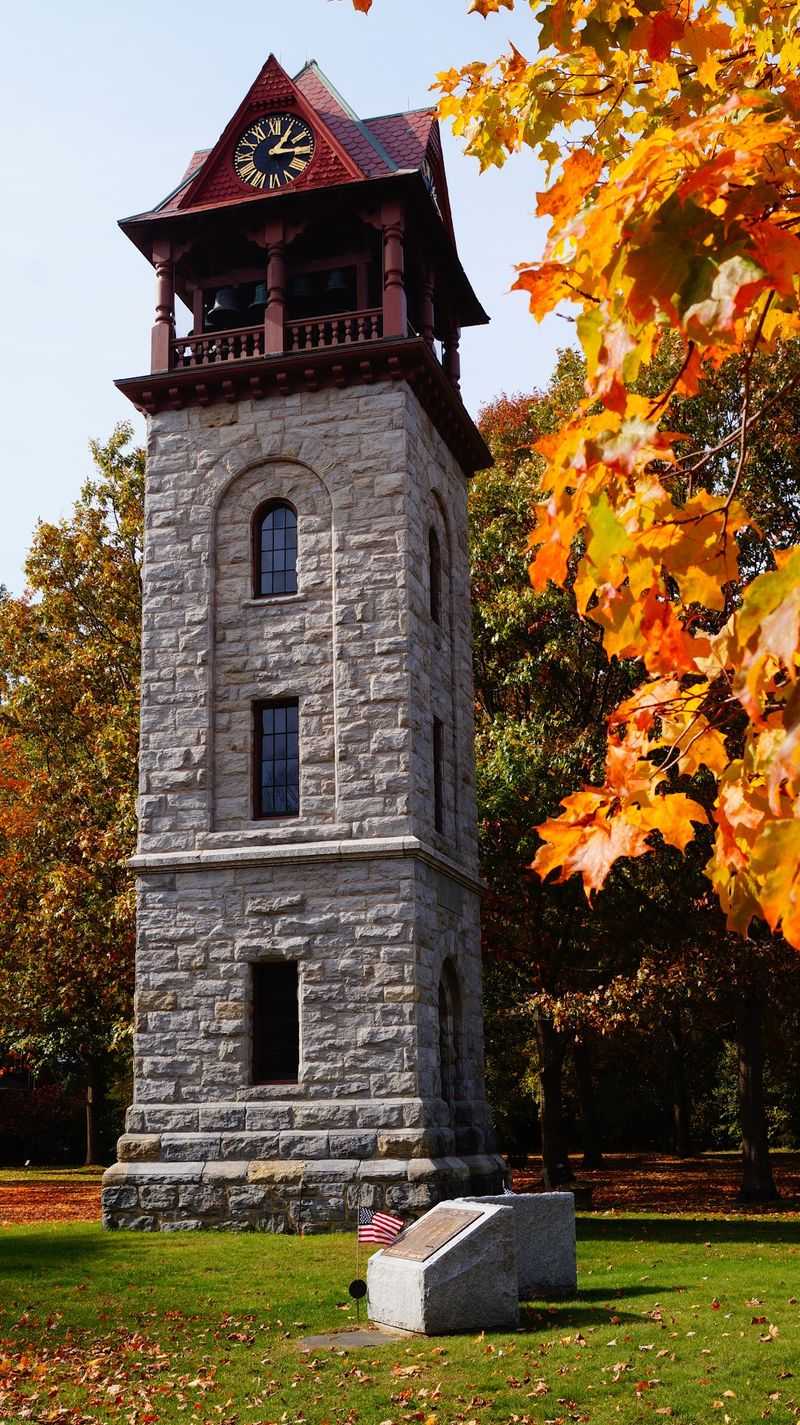
Higher property taxes have made it tougher for some Stockbridge families to stay put in recent years. Home values in Stockbridge have climbed sharply, and that is driving tax bills higher even where rates themselves hold steady.
Visitors, though, still find every bit of the town’s postcard charm fully intact.
Norman Rockwell once painted Main Street here covered in snow, and it still looks almost the same. Stockbridge is the kind of town you see on holiday cards.
Yet behind the charm, higher property taxes have made it harder for some families to stay.
Visitors, on the other hand, have every reason to come. The Norman Rockwell Museum holds the largest collection of his original work in the world.
You can even peek inside his real studio on the grounds. Bring a friend who grew up with his magazine covers, and watch them grin.
Chesterwood is another treat. Daniel Chester French, the sculptor behind the Lincoln Memorial statue, lived and worked here.
Wander the sculpture gardens, then try the Ledges Trail if your legs feel brave.
Naumkeag is a Gilded Age estate with the famous Blue Steps, a garden staircase straight out of a storybook. The Mission House tells the story of the Stockbridge Mohicans with real artifacts.
On hot days, swim or paddle at Lake Mahkeenac, also called Stockbridge Bowl.
Food here leans farm-to-table, with bakeries and cozy cafes on Main Street. The historic Red Lion Inn offers a classic sit-down meal.
4. Lee
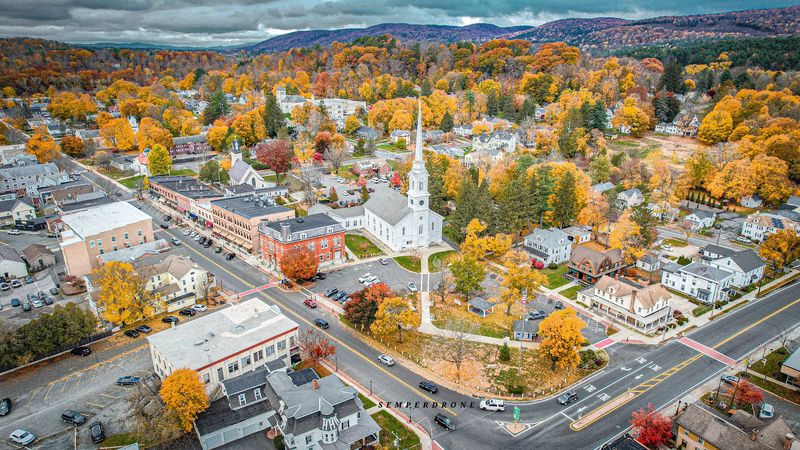
Rising taxes have thinned out the year-round population in Lee, pushing some residents toward cheaper towns nearby. Lee’s tax bills have risen in step with a strong run-up in home sales across the Berkshires.
That has not stopped the marble-fronted downtown from welcoming visitors with open arms.
Here is a fun one for trivia night. The marble used in some famous American landmarks came from Lee.
Locals call this town the Gateway to the Berkshires, and its downtown is listed on the National Register of Historic Places.
Walk the main drag and look up. Marble fronts and Victorian trim are everywhere.
The Lee Library is the only Carnegie library in Berkshire County, and it is lovely inside.
Got kids? The Animagic Museum of Animation lets them try making cartoons with their own hands.
Afterward, grab breakfast at Joe’s Diner, the spot that inspired Rockwell’s painting The Runaway. Sitting at that counter feels like you are part of art history.
Outdoor lovers will feel right at home. October Mountain State Forest is the largest state forest in Massachusetts, with 16,500 acres to explore.
The Appalachian Trail passes through town too. Cool off at Sandy Beach on Laurel Lake, or chase waterfalls at Schermerhorn Gorge.
For something silly and sweet, visit Hawkmeadow Farm and say hi to the llamas. Bargain hunters can also hit the nearby outlets.
5. Dalton
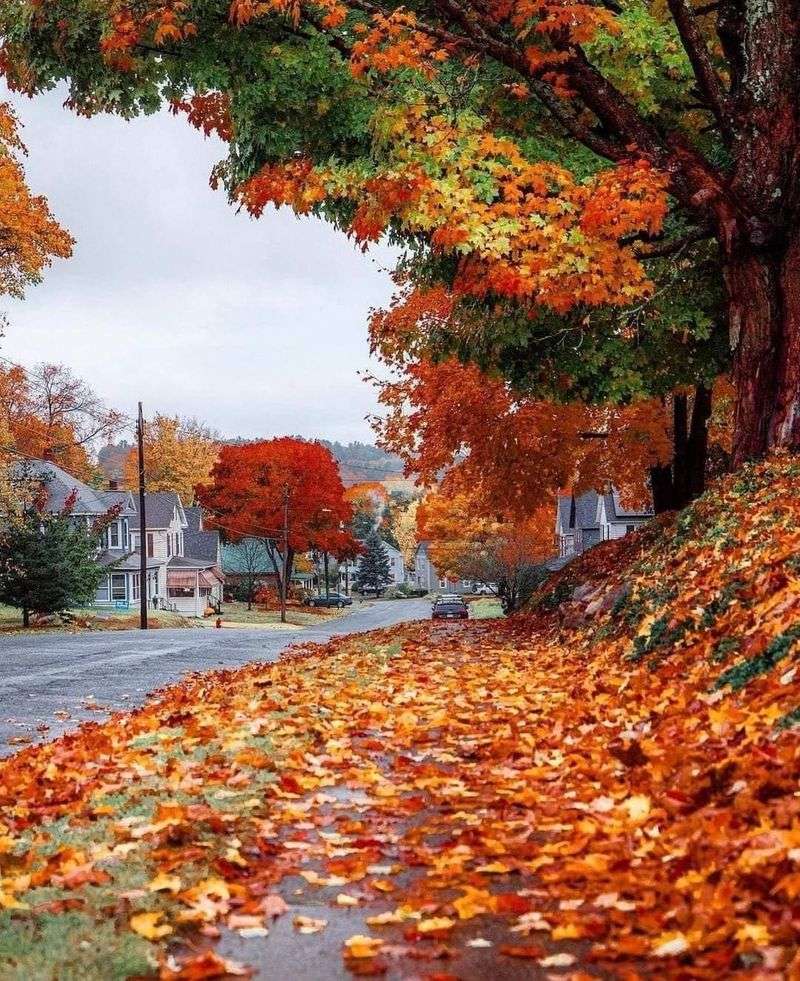
Dalton has lost residents as tax bills continue climbing in this quiet Berkshire paper town. Its deep history still gives travelers plenty of reasons to stop and look around.
Take a look at the dollar bill in your wallet. The paper it is printed on has deep roots in Dalton.
This quiet Berkshire town has made paper for a very long time, and it is proud of that story.
The Crane Museum of Papermaking sits inside an 1844 mill. Exhibits show how paper for U.S. money came to be.
It sounds simple, but you will leave knowing way more than you expected.
History runs deep here. The Fitch-Hoose House, built in 1846, is believed to have been a stop on the Underground Railroad.
It opens on certain days, so plan ahead. The Cranesville Historic District shows off old estates and worker homes tied to the paper company.
Now for the outdoors. Wahconah Falls State Park has a 40-foot waterfall hidden in thick woods.
Pack a picnic, bring the dog, and enjoy the cool spray. The Boulders offers more than six miles of trails for hiking and biking, plus views of the Taconic Range.
Hungry? Dalton has a classic diner with plates of comfort food, plus wood-fired pizza and family-run spots.
Artists also work in studios at The Stationery Factory.
6. Chatham
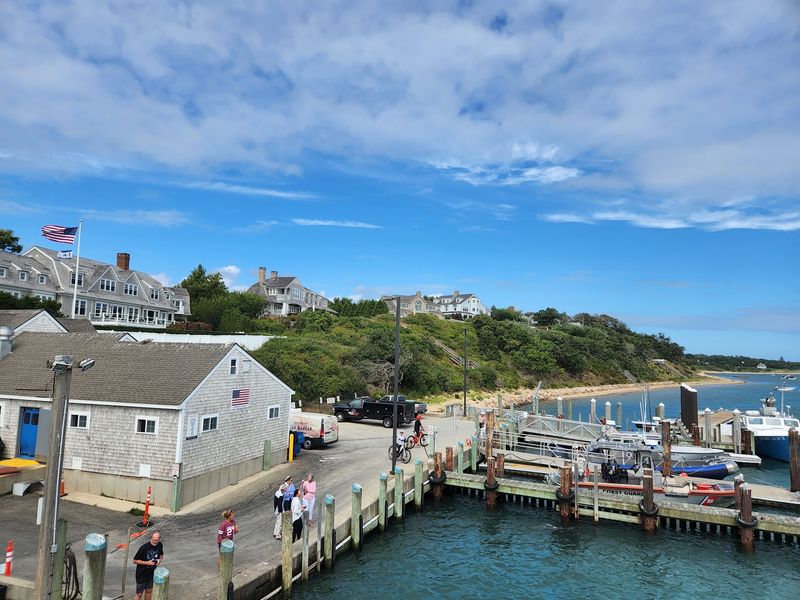
Barnstable County has seen plenty of towns lose residents to rising costs and taxes, and Chatham is no exception. Travelers, though, still find the beaches and lighthouse as inviting as ever.
Seals. Lots of them.
Sometimes they flop on the sandbars near Chatham like lazy dogs on a porch, and honestly, who can blame them?
Chatham sits on the elbow of Cape Cod, with some of the prettiest shoreline in Massachusetts. Barnstable County saw many towns lose residents recently, as high home costs and taxes squeezed families.
For visitors, though, the beaches are as inviting as ever.
Head to Chatham Lighthouse first. It has guided ships since 1808 and still serves the Coast Guard.
Right below it, Lighthouse Beach offers huge ocean views. Families with little ones often pick Harding’s Beach for its calm water.
Love wildlife? Monomoy National Wildlife Refuge covers more than 7,000 acres of islands and marsh.
You can walk part of it at Morris Island. Seal watching boat tours are a blast, and whale tours run too.
Rainy day? Try the Chatham Railroad Museum in an 1887 depot, complete with a 1910 caboose.
The Marconi Maritime Center lets you play with hands-on radio exhibits. The 1797 Gristmill is a neat photo stop.
Main Street is lined with shops, galleries, and spots serving fresh seafood. A lobster roll and an ice cream cone make a perfect afternoon.
7. Orleans
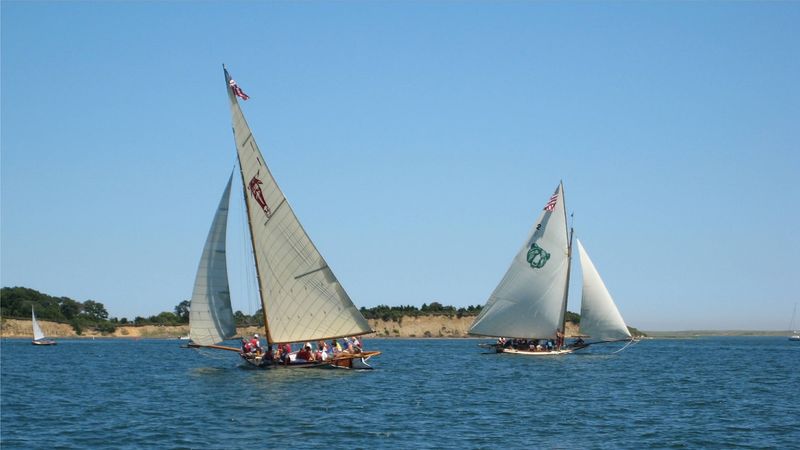
High housing costs and climbing taxes have pushed some year-round residents out of Orleans in recent years. Like much of the Lower Cape, Orleans has seen home values and tax bills climb together as the town’s housing stock has become a target for second-home buyers.
For visitors, the sunrise-to-sunset views along two coastlines remain just as rewarding.
Sunrise on the ocean, sunset on the bay, all in the same town. Orleans lets you watch both without moving your hotel.
That alone makes it a dream for early birds and night owls.
Nauset Beach stretches about 10 miles along the Atlantic. Surfers love the waves, and walkers love the endless sand.
On the bay side, Skaket Beach has warm, calm water. At low tide, the flats go on forever, and kids can hunt for tiny crabs.
Rock Harbor is the sunset spot. Look for the odd clam trees, which are old branches standing in the marsh.
Locals stick them there as markers, and they make great photos.
History here is surprisingly cool. The French Cable Station Museum shows how messages once crossed the ocean by wire.
The CG 36500 lifeboat, famous for a daring 1952 rescue, docks at Rock Harbor in season. The Jonathan Young Windmill overlooks the cove.
Bike lovers can ride the Cape Cod Rail Trail right through town. Families can grab a putter at Cape Escape Adventure Golf or cheer at an Orleans Firebirds baseball game.
8. Truro
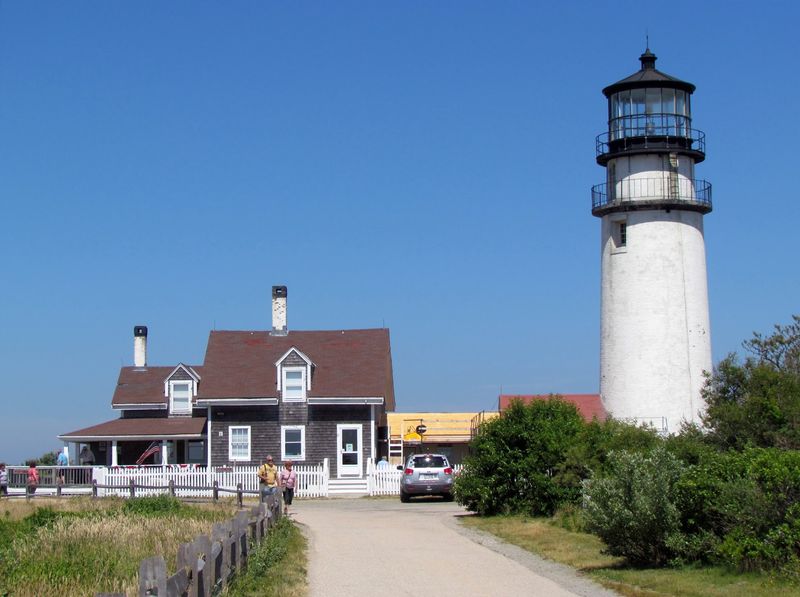
Housing and tax bills keep climbing in Truro, and the year-round population has shrunk as a result. Truro’s average assessed home value sits above $1 million, among the highest on the Cape, which keeps tax bills high even with exemptions factored in.
Visitors still get to enjoy every acre of the town’s quiet, protected open space.
George Washington himself signed off on the lighthouse that stands in Truro. Highland Light, also called Cape Cod Light, first shone in 1797.
It is the oldest and tallest lighthouse on Cape Cod, and you can climb the tower for a view that makes your jaw drop.
Truro is quiet. Really quiet.
About 70 percent of the land sits inside the Cape Cod National Seashore, so you get dunes, ponds, and sky instead of strip malls.
That calm comes with a cost for locals. Housing and tax bills on the Cape keep climbing, and the year-round crowd has shrunk.
Visitors still get to enjoy all that open space.
Beach time is serious business here. Ballston and Long Nook beaches have soft dunes and fun surf.
Corn Hill Beach on the bay is calm and great for floating. Want a hidden swim?
Try Great Pond.
Hikers should climb Bearberry Hill on the Pamet Area Trails for views of the ocean and the river valley. The Pilgrim Spring Trail leads to a spot tied to early Pilgrim history.
Catch live music or even circus arts at Payomet Performing Arts Center. The Highland House Museum shares local stories in a 1907 hotel.
9. Nantucket
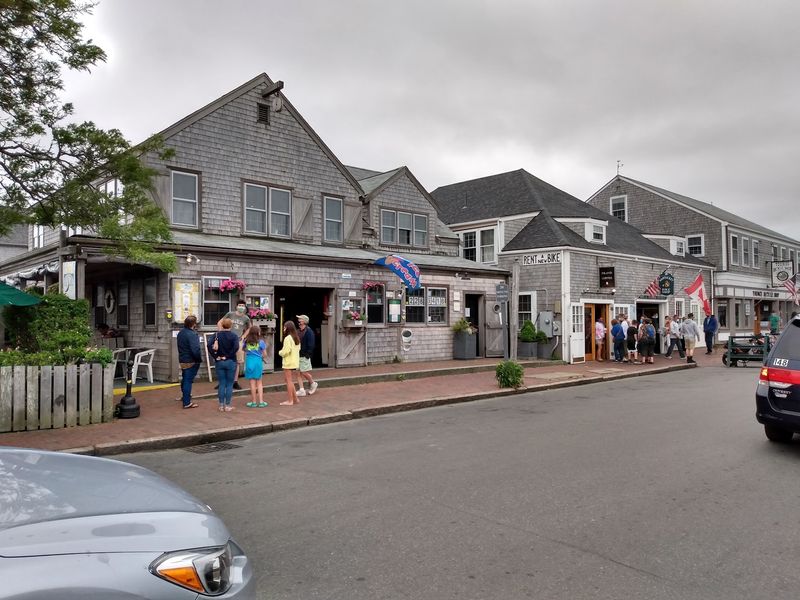
Living on Nantucket costs a fortune, and rising taxes have priced out many workers and families over the years. The island still needs visitors who appreciate it as more than a quick photo stop.
Nantucket actually keeps one of the lowest tax rates in the state, around $3.12 per $1,000 of value, but sky-high property values still produce some of the largest bills anywhere in Massachusetts.
A 46-foot sperm whale skeleton hangs inside an old candle factory. That is how the Nantucket Whaling Museum says hello.
It is a big, bold start to a trip on this island.
Nantucket sits about 30 miles out to sea. Its cobblestone streets and gray shingled houses look frozen in time.
But living here costs a fortune, and many workers and families have been priced out. The island needs visitors who love it beyond a quick photo.
Rent a bike first. More than 32 miles of mostly flat paths connect town to beaches and villages.
Pedal to Sconset and walk the Bluff Walk past rose-covered cottages. Swing by Sankaty Head Lighthouse with its red-and-white stripes.
Beach style is your choice. Children’s Beach and Jetties Beach have gentle water for little swimmers.
Cisco and Madaket have bigger waves and gorgeous sunsets. Feeling adventurous?
Book a tour to Great Point to see seals and seabirds.
History is everywhere. The Jethro Coffin House was built in 1686.
The Museum of African American History and the Lightship Basket Museum add even more stories.
10. Orange
Rising costs and climbing tax bills have thinned out the population in this small North Quabbin town. Still, Orange keeps its friendly reputation intact for every visitor who passes through.
Orange’s population has been essentially flat to slightly declining in recent Census Bureau estimates, consistent with the broader North Quabbin trend of rising costs pushing out younger residents.
Jump Town USA. That nickname belongs to the airport in Orange, where people leap out of planes for fun.
Skydiving is not for everyone, but just watching the colorful parachutes float down is a thrill.
Orange calls itself the Friendly Town, and it earns the name. This small North Quabbin spot has felt the pinch of rising costs, and its population has dipped.
Still, folks here wave at strangers and point you to the best trails.
Begin in Memorial Park with the Massachusetts Peace Statue. Its title is It Shall Not Be Again, and it was set up in 1934 to honor World War I veterans.
Then visit the Orange Historical Society. Look for the Grout steam car replica, tied to what is called the first car factory in the country.
Nature fans, this is your playground. Hike Tully Mountain for views of Tully Lake.
Climb the fire tower at Mount Grace State Forest. Swim or paddle at Lake Mattawa, or launch a kayak on the Millers River.
The Quabbin Reservoir is close by. Keep your eyes open for bald eagles, and maybe even a moose.