
Over 8,000 Years Of Lakeside Life Unfold At This Small Nevada Visitor Museum
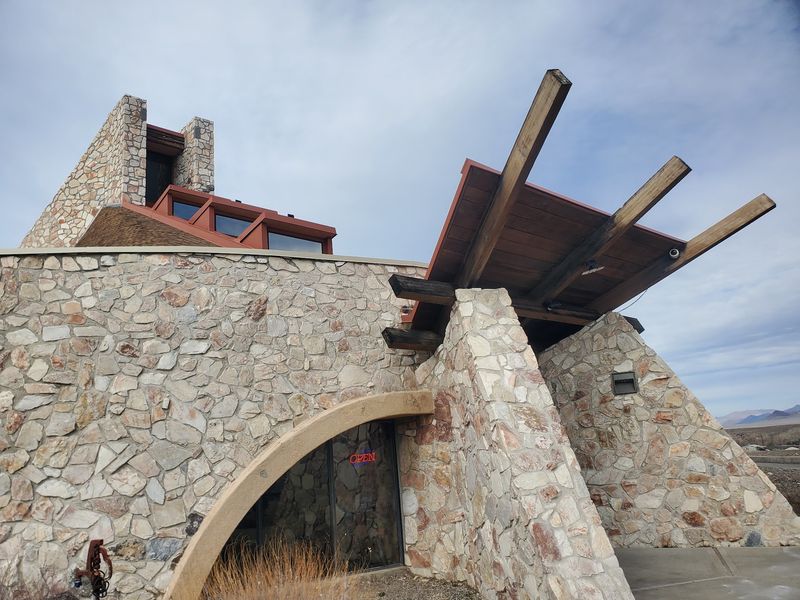
I only pulled over to stretch my legs and ask about a lake permit. An hour later I was still inside, leaning over glass cases of beadwork and reading about fish that live nowhere else on Earth.
This small building in northern Nevada holds a story far older than the state itself, told by the people who have lived beside the water for thousands of years. Best of all, it costs nothing to walk through the door.
A Tribe-Run Museum on the Edge of the Reservation
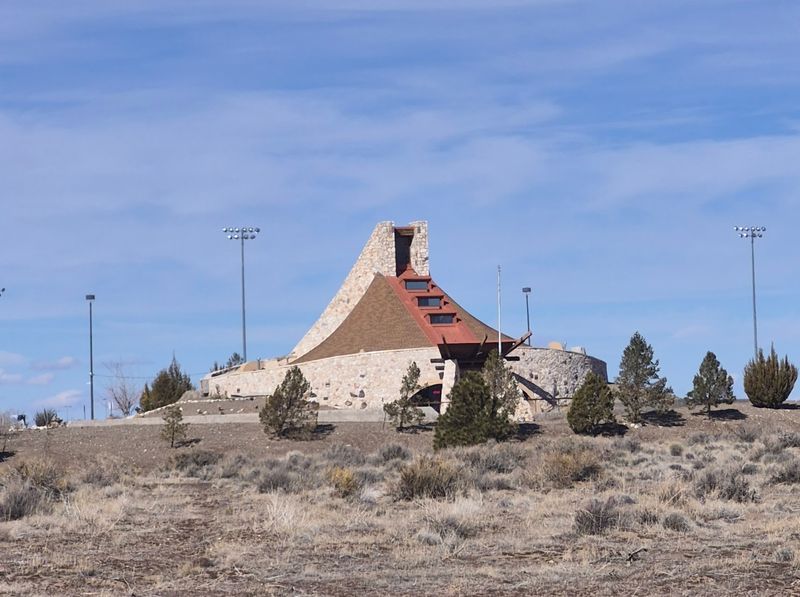
Picture a quiet road through sagebrush hills about 40 miles northeast of Reno, Nevada. Out here, the Pyramid Lake Paiute Tribe runs its own museum and visitors center, set in the reservation community of Nixon.
Visitors often point out that it is the only tribe-owned museum in the state. That matters, because the stories inside are told by the Numu, or Northern Paiute people, in their own way rather than through an outside lens.
What exactly will you find? The building pulls double duty.
Half of it is a cultural museum covering Paiute history, crafts, and traditions. The other half works as a practical stop for anyone heading to Pyramid Lake, since the center is a place to pick up the permits needed for recreation on the reservation.
For budget-minded Nevada families and retirees, the setup is close to ideal. Admission is free, with donations welcomed to help preserve and grow the exhibits.
You can learn a great deal, ask questions, and head out toward the water without spending a cent unless you choose to.
Hours and seasonal schedules can shift in small communities, so it pays to confirm before you make the drive.
Leftover Waters of Ancient Lake Lahontan
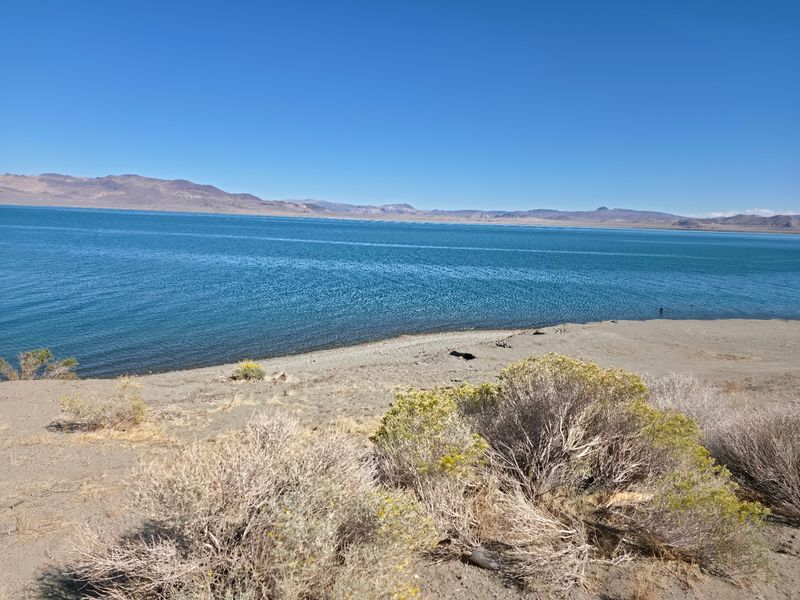
Long before any highway crossed Nevada, a giant inland sea called Lake Lahontan spread across much of the western Great Basin. As the climate dried, most of it vanished.
Pyramid Lake is one of its most important remnants.
The museum explains how that happened in clear, approachable displays. You learn how the lake formed, why its water sits where it does, and how the striking rock shapes along the shore came to be.
Kids who love maps or dinosaurs tend to get hooked on the idea that a huge prehistoric lake once covered the ground under their feet.
Here is a contrast that sticks with you. Outside, the land looks dry and spare, all sage and stone.
Inside, the exhibits show a place shaped entirely by water, over spans of time that are hard to picture.
Understanding the geology before you see the lake changes the experience. That turquoise water stops being just a pretty view and becomes the last chapter of a very long story.
Grandparents traveling with grandkids may find this section sparks plenty of car conversation on the drive north to the shoreline afterward.
Thousands of Years of Numu History
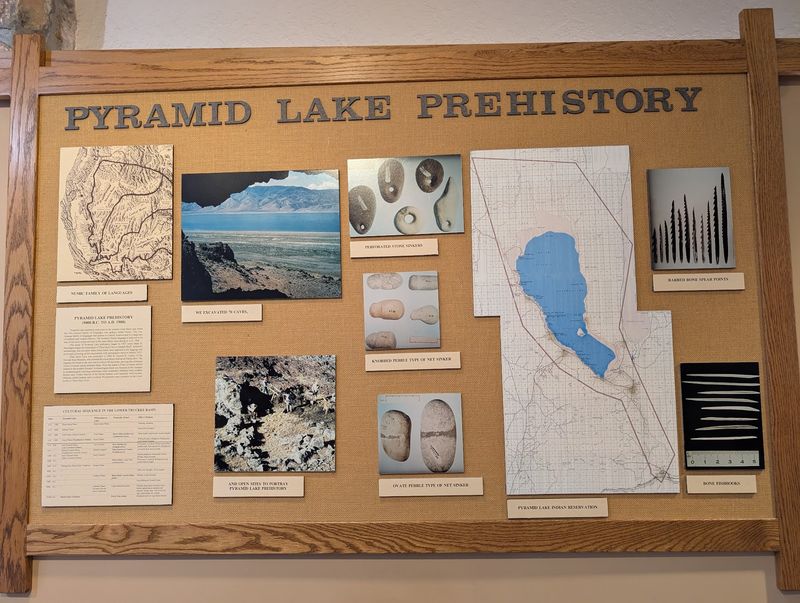
How far back does life at Pyramid Lake go? Evidence suggests people have lived along its shores for more than 4,000 years, and some archaeological finds point even further back.
One of the best known is the Spirit Cave discovery, about 9,400 years old, which links early hunter-gatherer communities to the ancestral Paiute people of this region. The museum puts that deep timeline into context, so visitors can see how families adapted to the lake, the desert, and the changing seasons across countless generations.
Many guests mention coming away with a real sense of what visitors call the true history of the area. The exhibits cover culture, community life, and the long perseverance of the Paiute people, including hard chapters that are often skipped in textbooks.
The center also addresses the Pyramid Lake War of 1860, a turning point in the relationship between the tribe and newcomers. It is presented as history to understand, not a spectacle.
For older readers who grew up with a very different version of Nevada history, this room can be eye-opening. For students, it may be the first time they hear the story told from the people who lived it.
Beadwork, Baskets and Cradleboards
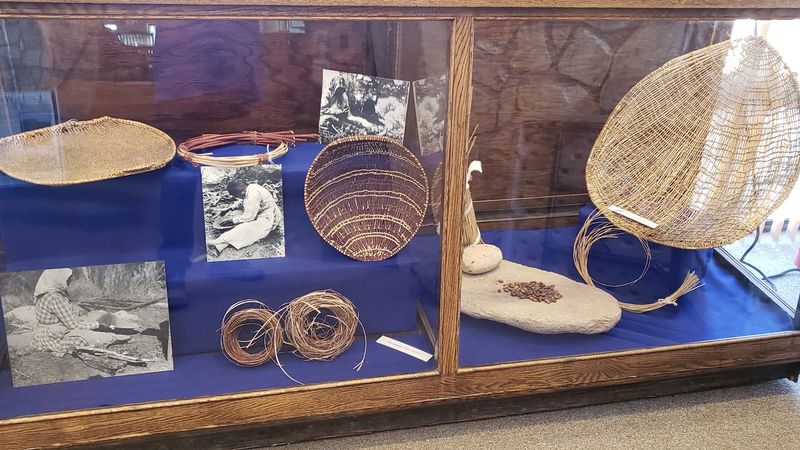
Tiny glass beads, stitched one by one into bright patterns, catch the light as you walk past the cases. Craftsmanship is a big reason people linger here.
Visitors regularly single out the baskets, the traditional clothing, and the cradleboards as standouts. Each piece shows patience and skill passed down through families.
Woven baskets reveal how the Paiute gathered and stored food, while cradleboards show how babies were carried safely through daily life.
The beadwork exhibits draw special attention. Patterns range from simple bands to detailed designs, and looking closely helps you appreciate the hours behind each item.
Families with younger children can turn this area into a quiet game. Ask kids to find a certain color, count the rows on a basket, or guess what an object was used for before reading the label.
It slows everyone down in the best way.
The pace here is relaxed. Guests describe an inviting atmosphere where nobody rushes you along, so you can take your time with the art, beadwork, and basket making displays.
If craft traditions run in your own family, from quilting to woodworking, expect to feel a familiar kind of pride watching another culture’s handwork honored this way.
The Cui-ui, the Cutthroat and the Pelicans
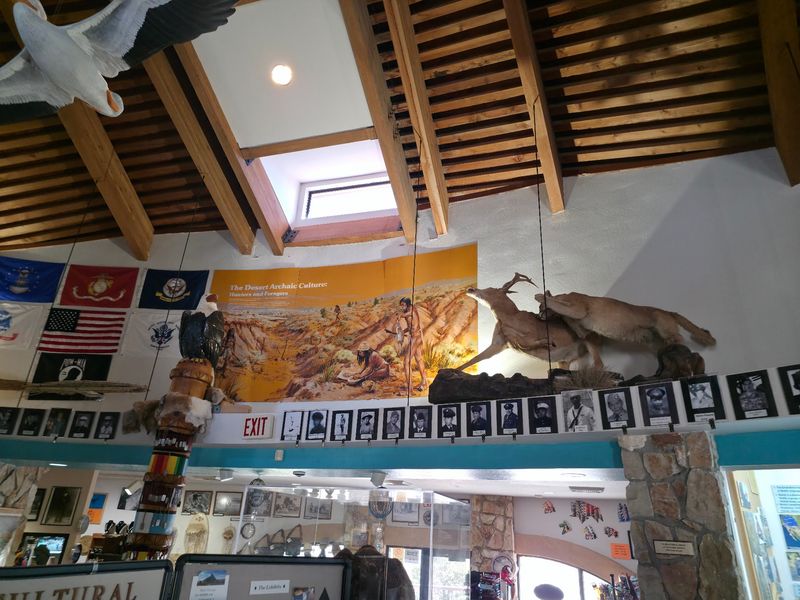
Fact worth sharing at the dinner table: the cui-ui is a fish found only in Pyramid Lake. It is so tied to this place that it shaped the identity of the people living here.
The museum gives this ancient sucker fish its due, alongside the Lahontan cutthroat trout, a famous native fish that anglers across Nevada know well. Exhibits explain why these species matter and how the lake supports them.
Then come the birds. Pyramid Lake hosts significant pelican colonies, and the displays help visitors understand why those big white birds return to this desert water year after year.
Plants get attention too. Guests mention the local nature displays covering Great Basin wildlife and vegetation, which round out the picture of how everything here connects.
For kids, this may be the most hands-down fun part of the visit. Animal stories are easy to follow, and the idea of a fish that exists in only one lake on the planet feels a little like a secret.
Anglers planning a day on the water often stop in for permits anyway, and a few minutes here can add real meaning to whatever ends up on the line.
Sacred Ground and Living Culture
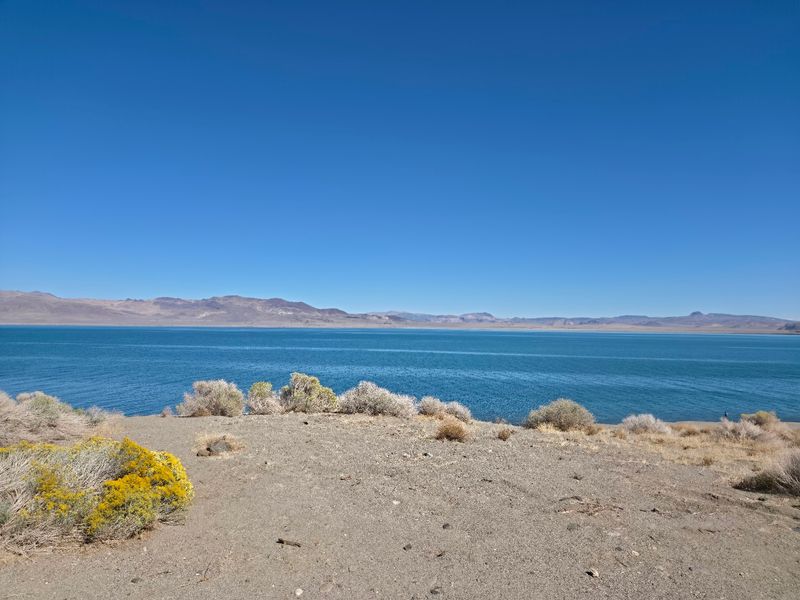
Standing at the window and looking out toward the hills, it becomes clear why this landscape holds deep meaning. The museum explains why the Paiute people consider the area around Pyramid Lake sacred.
That idea changes how you see the trip. The lake is a recreation spot for many Nevadans, yes, but it is also home, history, and heritage for the tribe that cares for it.
Staff sometimes share perspectives that go beyond the labels on the walls. One visitor recalled a talk by the museum director covering the lake’s history, the tribe’s story, and the impact visitors have on the land, both helpful and harmful.
Another mentioned learning about the Protect Thacker Pass movement from the person at the front desk.
So is this a museum about the past? Not entirely.
Exhibits on traditional practices sit next to present-day community concerns, which makes the place feel alive rather than frozen in glass.
Visitors have also mentioned MMIW awareness events held in May, which draw big crowds.
For families, it can be a gentle way to talk about respect: leaving no trace, following permit rules, and treating someone else’s homeland the way you would want your own treated.
Architecture and a View Worth the Window Seat
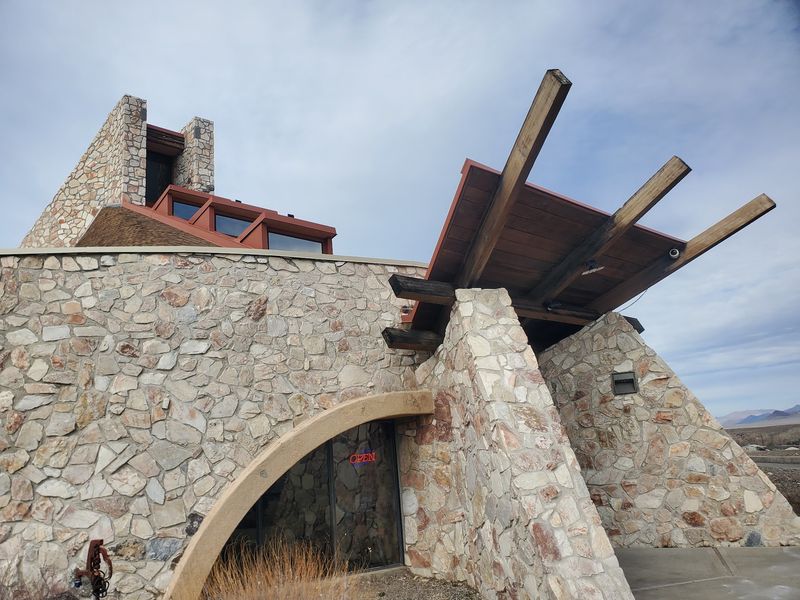
Plenty of small-town museums sit in plain boxy buildings. Not this one.
Guests often comment on the interesting, even striking, architecture before they ever reach the exhibits.
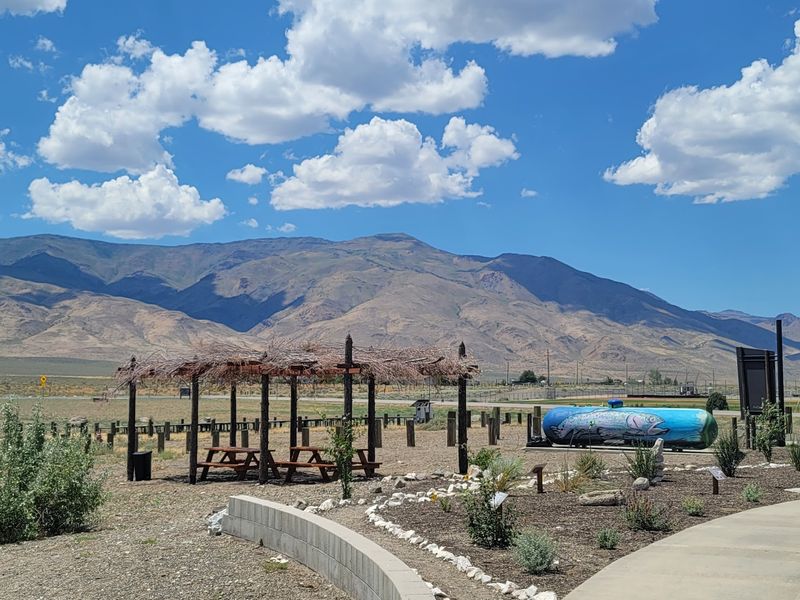
Step outside and the views open up across the high desert. Several visitors describe the scenery from the museum as magnificent, and it is easy to see why on a clear day.
The walkway and entrance are planted with native Great Basin plants, giving a small living preview of the region’s flora. One visitor suggested looking for the purple blooms of Salvia dorrii, a desert sage, in May.
That detail makes spring a lovely time to come. Retirees who enjoy gardening or photography may want to budget extra minutes just for the path outside.
Even when the doors are closed, the trip is not wasted. One traveler who arrived outside open hours still found interesting signs and information around the building about the area.
Bring a camera, a sun hat, and water. The air here can be dry and the sun strong, especially from late spring through early fall.
A short stroll along the plantings pairs nicely with the indoor exhibits.
Gift Shop Treasures That Give Back
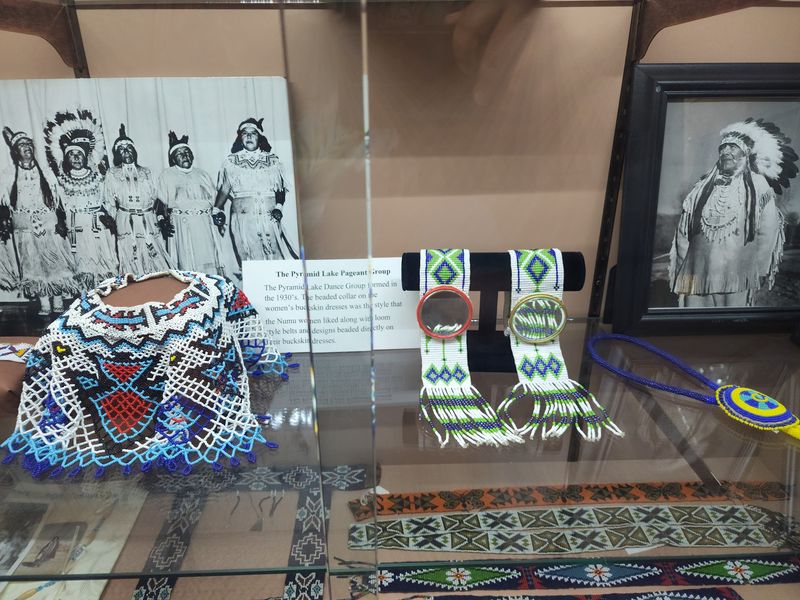
Of all the things people talk about after leaving, the gift shop comes up most. It is attached to the museum and stocked with items that visitors call beautiful and gorgeous, especially the beaded pieces.
Shopping here does more than fill a souvenir bag. Guests encourage others to buy a gift or make a donation, since purchases help support the tribe and the museum’s work.
For travelers who want their money to stay in the community they are visiting, that is a meaningful choice.
Since admission is free, this is the one place your budget comes into play, and it is entirely optional. A family on a fixed income can enjoy the whole museum without spending anything.
Grandparents hunting for birthday or holiday gifts may find something with more story behind it than a typical store-bought trinket. One guest noted the selection makes it a good stop for all ages and holidays.
Prices are not posted in the information available, so it helps to set a spending limit before walking in. Handmade goods can vary widely, and having a number in mind keeps the visit easy.
Docents, Families and Curious Retirees
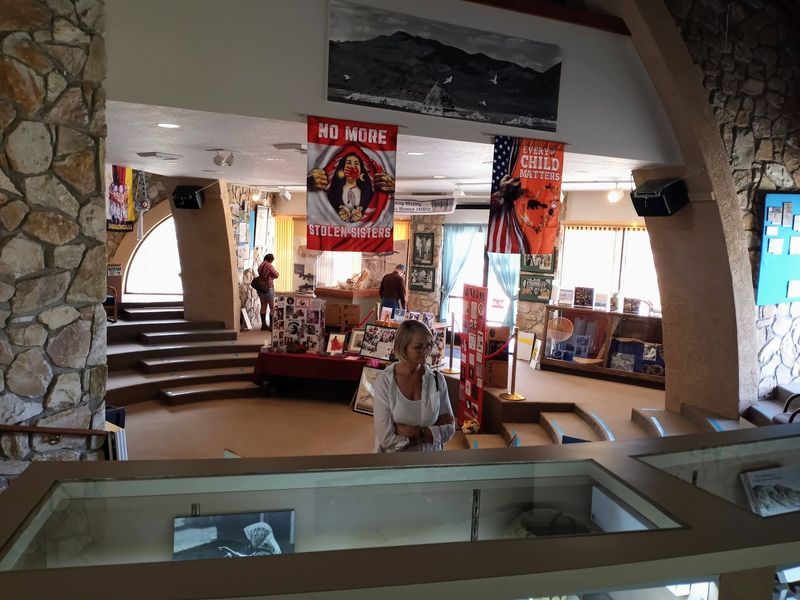
Ask almost anyone who has stopped here, and the staff gets mentioned early. Visitors describe them as kind, welcoming, knowledgeable, and generous with extra context about the exhibits.
That warmth shapes the whole mood. The atmosphere is relaxed rather than hushed, and you can move at your own speed without feeling watched or hurried.
Who tends to enjoy it most? History lovers, for one.
Retirees who like to read every placard will find plenty to absorb, and groups can sometimes arrange to hear from staff directly.
Families do well here too. The building is small enough that kids do not burn out, yet the mix of animals, crafts, and stories keeps attention from wandering.
One guest summed it up as fitting for all ages.
Anglers and campers make up another crowd. Many swing through to grab permits and info, then end up wandering the displays.
Travelers who prefer flashy, interactive screens might find it more traditional in style. Still, the personal touch from the people working the front desk often fills that gap, turning a quick browse into a real conversation about the land and its people.
Hours, Cost and the Drive North
Money first, since it is the easy part: admission is free. Donations are gratefully accepted to support preservation and new exhibits.
Hours run 10 a.m. to 4:30 p.m. Monday through Friday.
From October through April, the museum is typically closed on weekends. From May through September, Saturdays are often added with the same hours, though current listings show Saturday closed, so check ahead before planning a weekend trip.
Sundays are closed.
The address is 709 State St in Nixon. From Reno, plan on roughly an hour of driving north through open desert, which makes this an easy half-day or full-day outing paired with time at the lake.
Travelers coming off Interstate 80 also say the detour is well worth it.
One suggested route: after the museum, head north toward the lake, then loop west and southwest back toward Reno for mountain and shoreline scenery.
Services are limited out here, so fill the gas tank and pack snacks and water. A family of four can realistically spend nothing but fuel.
Plan on an hour or more inside, longer if you chat with staff or browse the shop.
Need a recreation permit? The center is a handy place to start.
A Free Afternoon With Deep Roots
Some outings cost a fortune and fade from memory by the drive home. Here the price is zero, and the stories tend to stick around much longer.
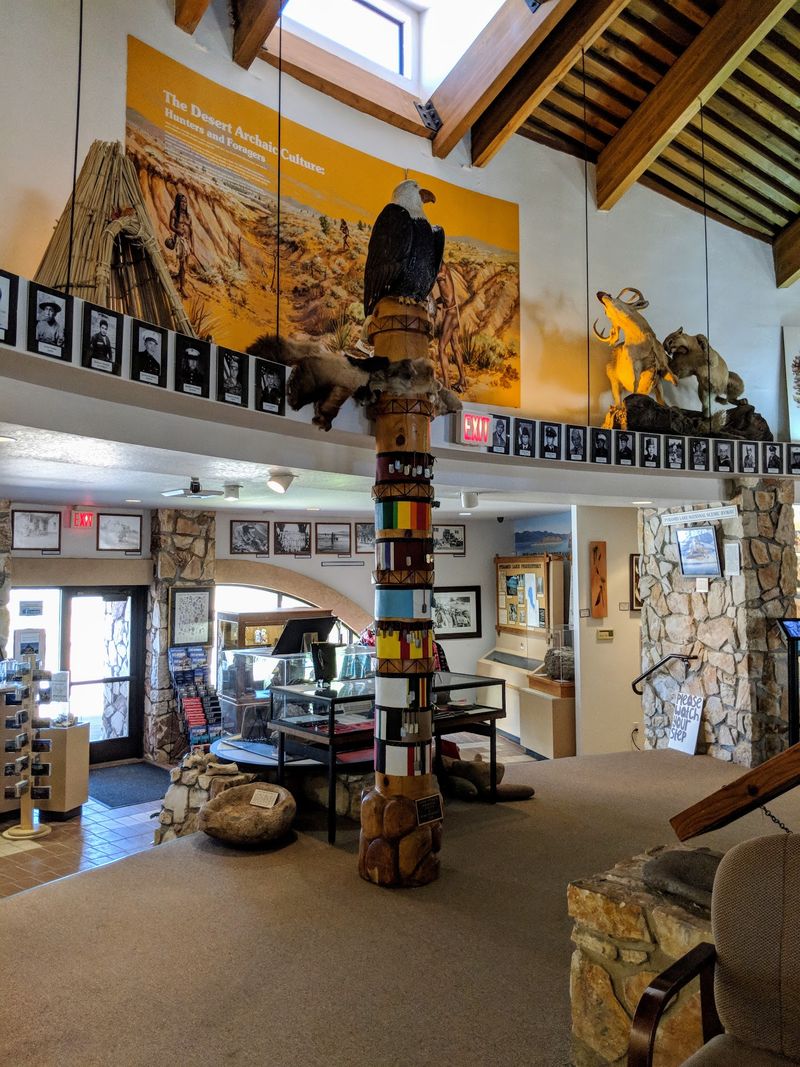
In one modest building, you get thousands of years of Paiute life, the geology of a vanished inland sea, fish found nowhere else, and handwork made with remarkable care. Add friendly staff, a desert view, and a shop that supports the community, and the afternoon fills itself.
Is it big? No. One visitor called it small and important, and that feels right.
What it lacks in size, it makes up for in heart and perspective.
For Nevada retirees on a set budget, it offers a full, meaningful day trip without admission fees. For families, it may be one of the easiest ways to show kids that Nevada history runs far deeper than casinos or mining camps.
Pair it with time at the lakeshore, a picnic, or a scenic loop back toward Reno. Just remember to confirm hours before leaving, especially on weekends and in the off-season.
Arrive curious, leave a donation if you can, and treat the land with respect. The lake has been waiting a very long time.