
Indigenous Peoples’ Day In Nevada: 8 Cultural Experiences Worth Visiting This Weekend
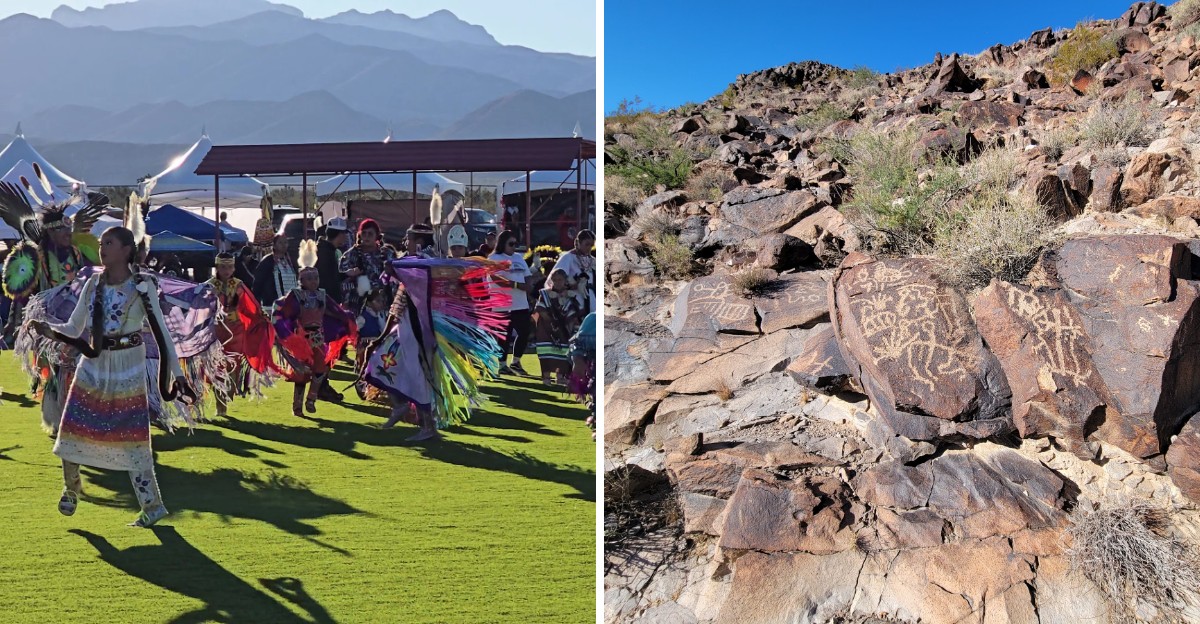
Drums thunder across the open desert, and the beat climbs straight up through your boots.
Indigenous Peoples’ Day in Nevada hits different when you trade the couch for red canyons and living traditions.
Picture carvings older than any history book, glowing in late sun. Now picture dancers in brilliant regalia spinning to that same ancient rhythm.
These cultural experiences are worth visiting this weekend, and they reward curious travelers who slow down and listen.
Bring the kids. Bring grandma.
Bring a full water bottle and a whole lot of patience.
Nevada keeps its oldest stories close, yet it shares them generously with anyone who shows up with respect.
Stick around, because the weekend plan below might just become your favorite new family tradition.
1. Valley Of Fire State Park, Nevada
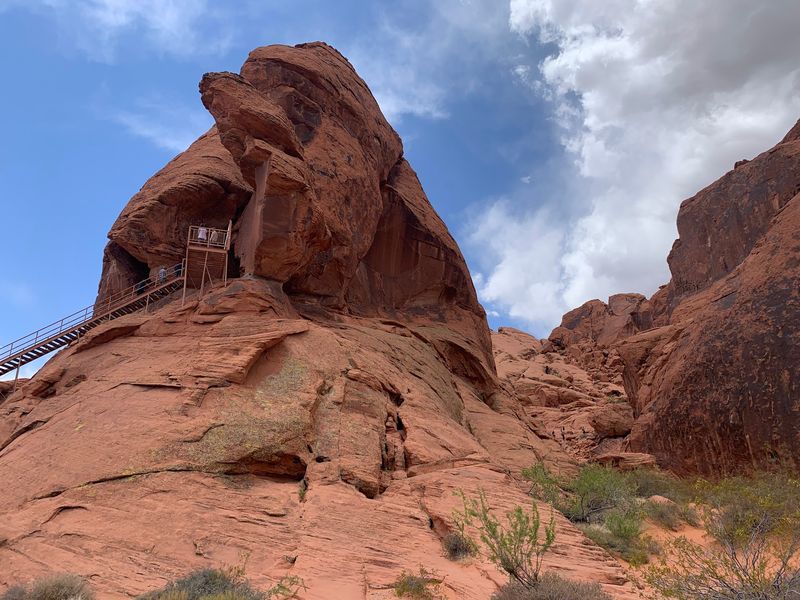
Ready to read the oldest messages in the desert? Bring your eyes, not your fingers.
Valley of Fire is Nevada’s oldest state park. It sits in the Mojave Desert, northeast of Las Vegas, Nevada, USA.
The red Aztec sandstone looks like it is blazing when the sun hits it. That fiery glow gave the park its name.
Look closer, though. Ancient people carved petroglyphs into these rocks thousands of years ago.
Head first to Atlatl Rock. Climb the metal stairs for a close view of the carvings.
Spot the animals, spirals, and human shapes. Then try guessing their stories, knowing experts still debate many meanings.
Next, hike the Mouse’s Tank Trail. Petroglyphs line the canyon walls along this short, sandy path.
The trail ends at a natural basin. Rainwater sometimes collects there, a precious find in such a dry place.
Treat every carving with care. Skin oils and scratches damage the rock art over time.
Stay on marked trails and leave every stone where you find it. Future visitors deserve the same view.
Plan for heat, even in autumn. Carry plenty of water and start your hikes early in the day.
Got extra time? Peek at the historic stone cabins built by the Civilian Conservation Corps.
Picnic tables and campgrounds make a full day easy. Sunset turns the whole valley into a glowing painting.
Location: Valley of Fire State Park, Nevada
2. Lost City Museum, Overton
Lost cities usually live in movies. Overton has a real one, and you can visit it with no treasure map required.
The Lost City Museum stands on an actual Ancestral Puebloan site. It sits in the small town of Overton, in Nevada’s Moapa Valley, USA.
Ancestral Puebloans farmed and built homes here long ago. Many experts call them some of Nevada’s earliest permanent residents.
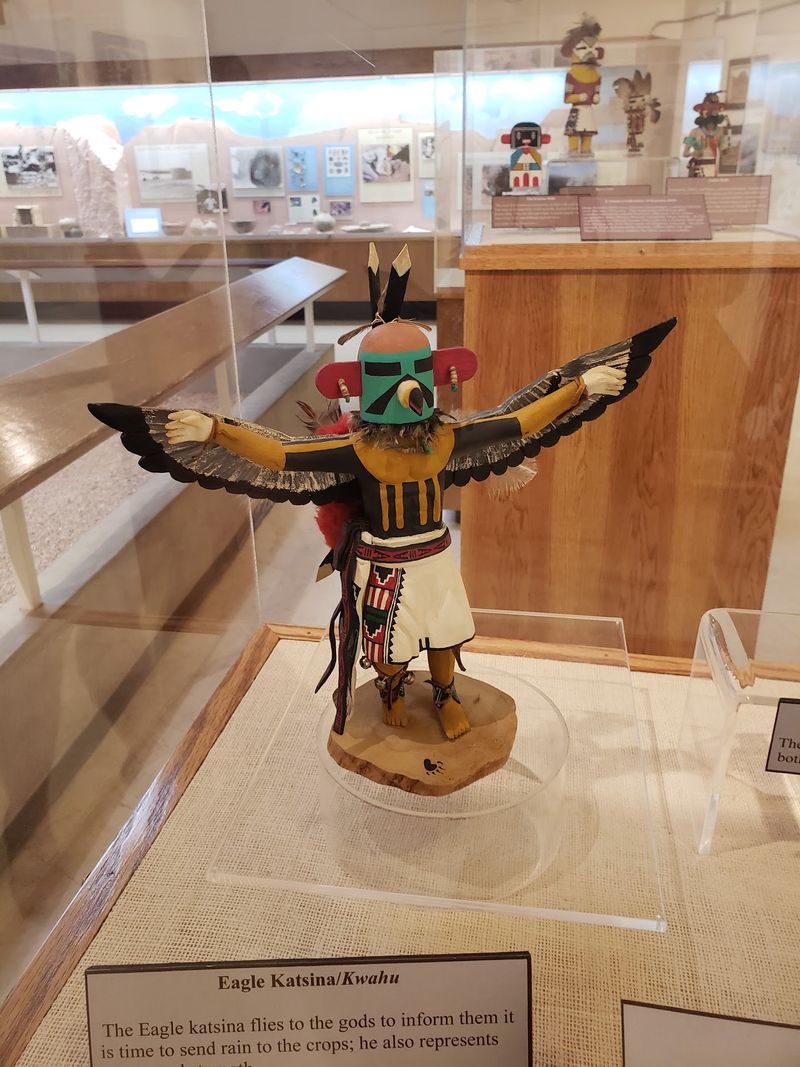
Start inside with the display cases. You will see pottery, tools, shell beads, and jewelry.
The basketry impressed me most. Tight, careful weaving shows real skill and patience.
Then head outdoors. Reconstructed pueblo dwellings let you step inside the past.
Duck into the pit house, too. Notice how the earth keeps the space cooler than the desert air.
The building itself has a history. The Civilian Conservation Corps built it in the 1930s.
Workers wanted to protect artifacts from nearby sites. Rising waters from Lake Mead later covered many of those places.
That story adds weight to every object you see. Some pieces survive only because people moved fast.
Take your time with the exhibits on daily life. Ask yourself how you would cook, build, and farm without modern tools.
Pair your visit with Valley of Fire for a full day trip. The two spots make a natural team.
Bring kids along. The outdoor houses usually spark plenty of questions.
Address: 721 S Moapa Valley Blvd, Overton, NV 89040
3. Nevada State Museum, Las Vegas
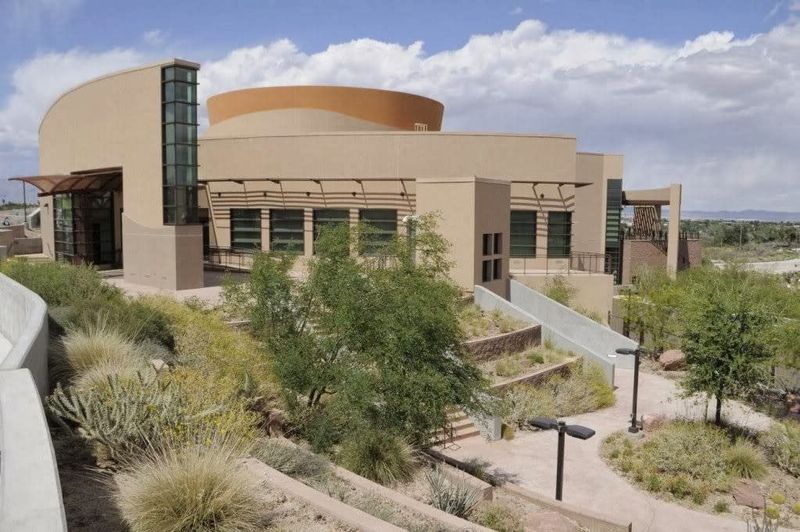
Need a cool break from the desert heat? Learn a lot while your sunburn takes a rest.
The Nevada State Museum sits inside the Springs Preserve in Las Vegas, Nevada, USA. It covers both natural history and human history under one roof.
Head straight for the exhibits on early Native peoples. They show how people thrived in a land with little water.
Notice the tools, baskets, and clothing. Each one reflects smart use of desert plants and animals.
Look for exhibits connected to the Southern Paiute. Their language and traditions remain alive in Southern Nevada today.
Keep an ear open for Paiute words in the displays. Language carries culture across generations.
Then wander into the fossil hall. The giant ichthyosaur, Nevada’s state fossil, always gets a gasp.
Desert wildlife displays come next. You will learn how tortoises, snakes, and bighorn sheep handle the heat.
Mining and railroad exhibits tell another chapter. Compare those changes with the much longer Native story on the land.
Visiting with kids? Ask staff about family programs and hands-on activities.
Special exhibits rotate, so check what is showing before your visit. You might catch something new.
Leave time for the Springs Preserve grounds. Trails and gardens show the very springs that drew people here long ago.
Wear walking shoes and bring a curious mind. A slow pace pays off here.
Address: 309 S Valley View Blvd, Las Vegas, NV 89107
4. Las Vegas Snow Mountain Pow Wow, Las Vegas
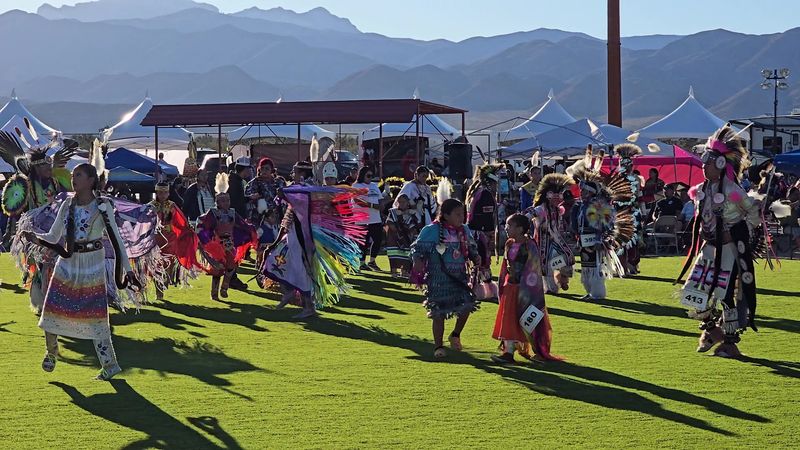
Hear that thunder? It is not a storm rolling in.
It is the drum, and it pulls you straight toward the dance arena.
The Las Vegas Snow Mountain Pow Wow is my favorite way to celebrate Indigenous Peoples’ Day in Nevada. The Las Vegas Paiute Tribe hosts it on the Snow Mountain Reservation in Las Vegas, Nevada, USA.
Many tribes travel here to dance, sing, and connect. Everyone is welcome, so bring friends, kids, and grandparents.
Start with the opening ceremony. Stand respectfully as dancers enter the arena in a grand, colorful line.
Watch the regalia closely. Each outfit reflects a dancer’s tribe, family, and personal story.
Keep an eye out for traditional bird dancing and singing contests. Drummers often describe the beat as the heartbeat of Mother Earth.
Hungry yet? Follow your nose to the food booths.
Fry bread and Indian tacos usually steal the show.
Save room in your bag, too. Vendors sell handmade jewelry, beadwork, art, and crafts.
Buying straight from Native artists supports their work and families. Ask questions politely, because many makers love sharing the meaning behind their pieces.
Follow the announcer’s guidance on photos. Some moments are sacred, so put your phone away when asked.
The 34th annual celebration runs October 9 through 11, 2026, right on the Indigenous Peoples’ Day weekend.
Pack sunscreen, a hat, and a folding chair. Desert sun does not take a day off.
Address: 13644 Paiute Dr, Las Vegas, NV 89124
5. Sloan Canyon National Conservation Area, Henderson
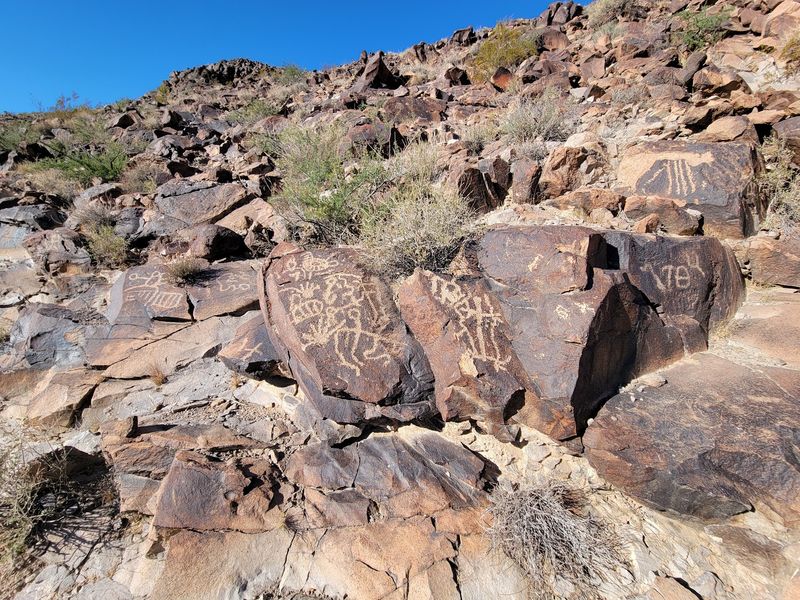
How many carvings can one canyon hold? At this spot, the answer reaches well into the hundreds of panels.
Sloan Canyon National Conservation Area sits near Henderson, just south of Las Vegas, Nevada, USA. Petroglyph Canyon holds one of the region’s largest collections of rock art.
People from many eras carved these designs. Experts link them to Archaic times through more recent Native history.
Look for animals, spirals, and grid shapes. Each panel hints at travel, trade, and belief.
The canyon also connects to the Salt Song Trail. Southern Paiute people consider this route deeply sacred.
Keep that in mind as you walk. Speak softly and move slowly among the carvings.
Never touch the rock art. Even gentle hands can wear designs away over time.
The hike into Petroglyph Canyon involves some rocky scrambling. Wear sturdy shoes with good grip.
Carry more water than you think you need. Shade is rare in this rugged volcanic landscape.
Go early in the morning if you can. Low sunlight makes the carvings pop against the dark stone.
Check for trail updates before you head out. Construction or closures can affect access at times.
Not up for the hike? Look for online virtual tours of the canyon.
Either way, give yourself quiet moments. This place rewards patience more than speed.
Location: Petroglyph Trail reroute trailhead, Democracy Dr, Henderson, NV 89052
6. Nevada State Museum, Carson City
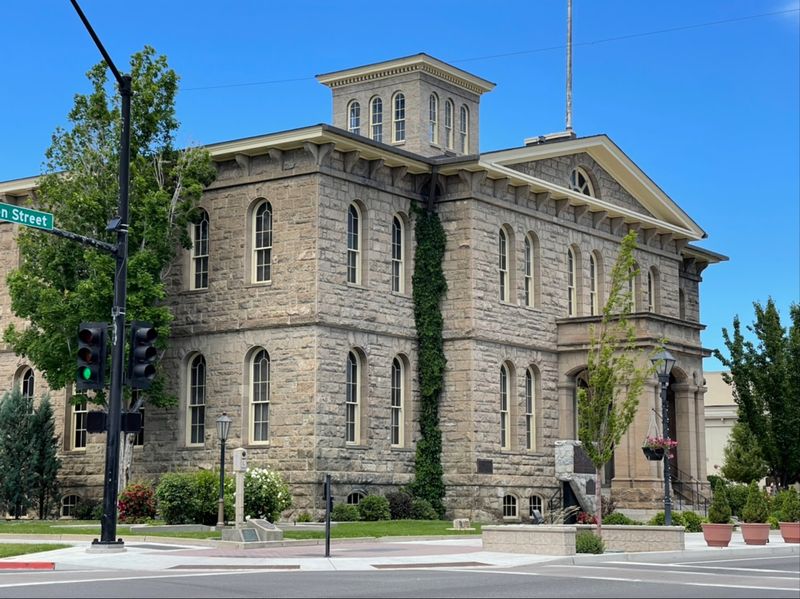
Money once rolled out of this building. Now it serves up something richer: stories.
The Nevada State Museum in Carson City, Nevada, USA, lives inside the historic Carson City Mint. The old stone walls set a perfect stage for history.
Carson City sits in Eagle Valley. That valley belongs to the traditional homeland of the Washoe people.
Head to the Under One Sky exhibit first. It shares the story of Nevada’s first peoples.
Native voices guide much of the content. You hear culture explained in the words of community members.
Learn about four major groups. Displays feature the Washoe, Northern Paiute, Western Shoshone, and Southern Paiute.
Some artifacts reach back thousands of years. Imagine the hands that shaped them.
Stop by the Great Basin cave reconstruction. It shows how ancient people used caves for shelter and storage.
Washoe basketry deserves extra attention. Weavers like Louisa Keyser, also known as Datsolalee, earned wide fame for their skill.
Look closely at the stitches. Count them if you dare, because the detail feels almost impossible.
Exhibits change over time, so check what is on view. New shows sometimes highlight Washoe voices and oral histories.
Then explore the natural history halls. Animals of the Great Basin round out the visit.
Pair this stop with the Stewart Indian School nearby. Together they make a powerful Carson City day.
Address: 600 N Carson St, Carson City, NV 89701
7. Grimes Point/Hidden Cave Archaeological Site, Fallon
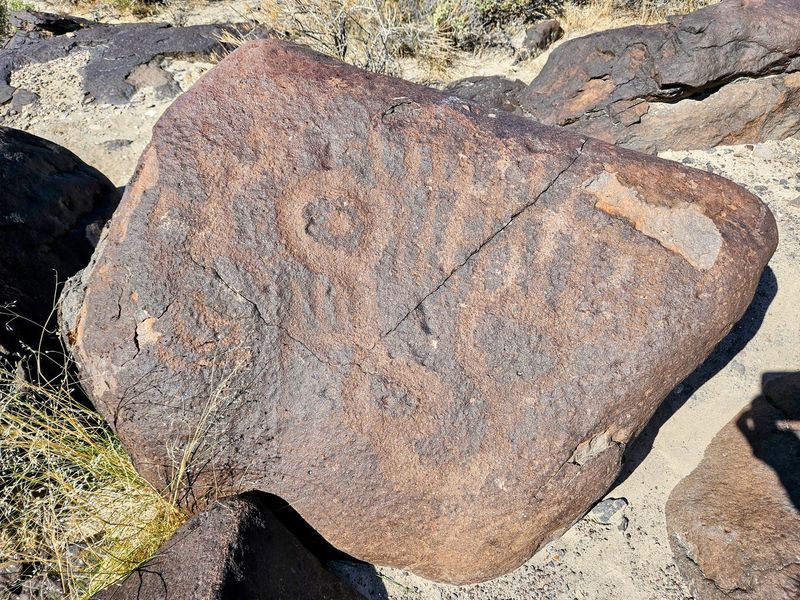
Lake views in the middle of the desert? You just missed them by a few thousand years.
Grimes Point sits east of Fallon, Nevada, USA, right along US-50. Ancient Lake Lahontan once spread across this whole basin.
People lived along its shores. They left their marks on the dark basalt boulders you see today.
Follow the short, self-guided trail. Signs help explain what you are looking at.
Spot the swirls, wavy lines, and pecked dots. Some carvings seem to show animals like bighorn sheep.
Experts believe many of these petroglyphs are very old. Their exact meanings remain a mystery, so let your imagination wander respectfully.
Keep your hands to yourself. The carvings have survived wind and sun, so let them survive us too.
Now for the hidden part. Hidden Cave sits nearby in the same area.
Ancestors of today’s Fallon Paiute-Shoshone people used it, likely for storage. Archaeologists have found many artifacts inside.
Hidden Cave opens only on free BLM guided tours that start at the Churchill County Museum on the second and fourth Saturdays, and these tours skip federal holiday weekends like this one.
Check tour dates ahead of time, because schedules can change. Tours often start in town before heading out.
Bring water, a hat, and sturdy shoes. The trail is short, but the sun feels strong.
Stay a while after your walk. The quiet basin makes ancient lake life feel surprisingly close.
Location: US-50, Fallon, NV 89406
8. Stewart Indian School Cultural Center & Museum, Carson City
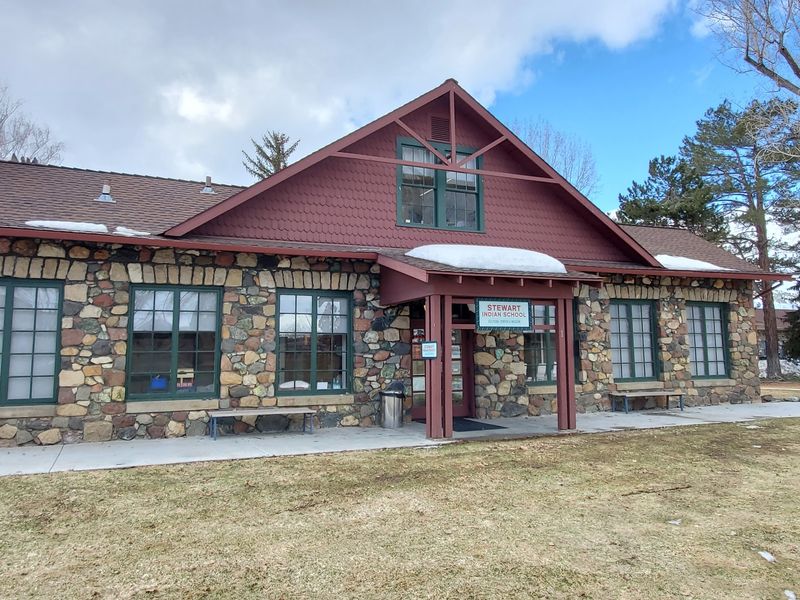
Stone walls can speak if you listen. On this campus, they share stories of pain, strength, and pride.
The Stewart Indian School Cultural Center & Museum sits in Carson City, Nevada, USA. The school operated as a federal Indian boarding school for about ninety years.
Children from many tribes came here. In early years, staff forbade them from speaking their own languages.
That policy aimed to erase Native culture. Students held on to their identities anyway.
Over time, the school changed. Students learned trades, made art, and built lasting friendships.
Look at the colorful stone buildings around you. Students built many of them, learning masonry from Hopi craftsmen.
Start inside the museum. Exhibits share alumni voices and personal memories.
Listen carefully to their words. Some stories hurt, while others celebrate resilience and success.
Visit the Great Basin Native Artists Gallery next. It highlights work by Native artists from the region.
Then grab your phone and try the Talking Trail. This self-guided audio tour walks you across the historic grounds.
Move quietly and respectfully. Many alumni and families still feel strong ties to this place.
Alumni and their families help guide how the stories get told. That makes every exhibit feel personal.
End your long weekend here on Monday, since the museum opens on weekdays and the Talking Trail lets you explore the historic grounds at your own pace.
Leave space for reflection afterward. You may find yourself thinking about it for days.
Address: 1 Jacobsen Wy, Carson City, NV 89701