
The Massachusetts Animal Sanctuaries And Rescue Centers Where You Can Spend Time With Rescued Animals
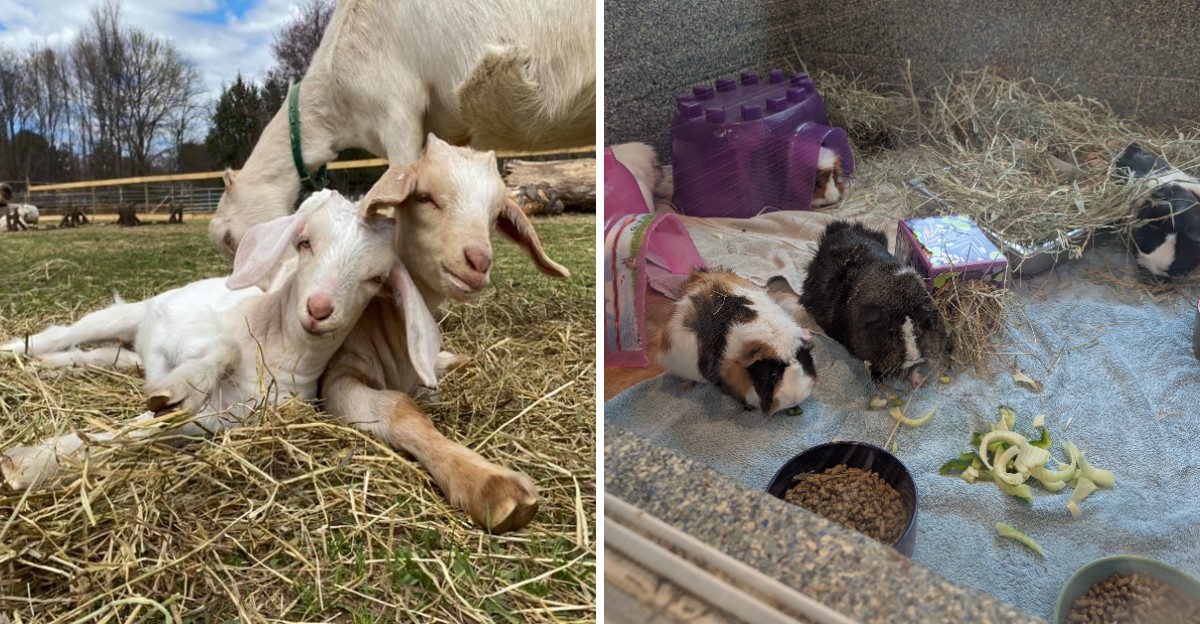
Not every animal attraction is about cages, crowds, and quick photos.
Several Massachusetts sanctuaries and rescue centers offer a much more personal experience. Their residents arrived through rescue, rehabilitation, surrender, or neglect cases, and the focus stays firmly on giving them proper care and a safer future.
That can make a visit surprisingly powerful. A tour may introduce you to a pig that finally has room to roam, a horse recovering after a difficult past, or a wildlife ambassador that now helps teach people about conservation.
Each Massachusetts location handles visits differently, but the common thread is easy to see.
These places give people a chance to spend meaningful time around rescued animals while learning what goes into helping them heal, adapt, and thrive.
1. Unity Farm Sanctuary

Picture a farm so peaceful that even the cows seem to practice deep breathing. Out in Sherborn, at 17 Unity Ln, that calm feeling is part of the plan.
Unity Farm Sanctuary opened in 2016 and gives rescued farm animals a home for life.
The land itself is a big part of the charm. About 30 acres serve as a town forest and trail, and another 70 acres of protected land wrap around it. That means no close neighbors, just trees, streams, ponds, and even tree houses.
The residents are a colorful crowd. Shaggy Scottish Highland cattle, Jersey cows, and Holstein steers share the space with Gloucestershire Old Spot pigs.
Nubian goats, Welsh ponies, donkeys, alpacas, llamas, and plenty of birds round out the family.
Wild visitors drop by too. Deer, wild turkeys, foxes, raccoons, and even bears roam the surrounding woods.
Keep your eyes open on the trails, because the forest has its own guest list.
Guided options include Kindness and Compassion Sanctuary Tours and Preschool Storytime Tours. They usually run from late March through early December, and private or virtual tours are also offered.
Each tour shares the true story of the animals you meet.
A friendly tip before you go: this is not a petting zoo. Please skip feeding the animals, since many follow special diets.
Book ahead, because unscheduled visits to animal care areas are not allowed. The sanctuary also runs Operation Healing Hearts for veterans and active military members.
2. Winslow Farm Animal Sanctuary
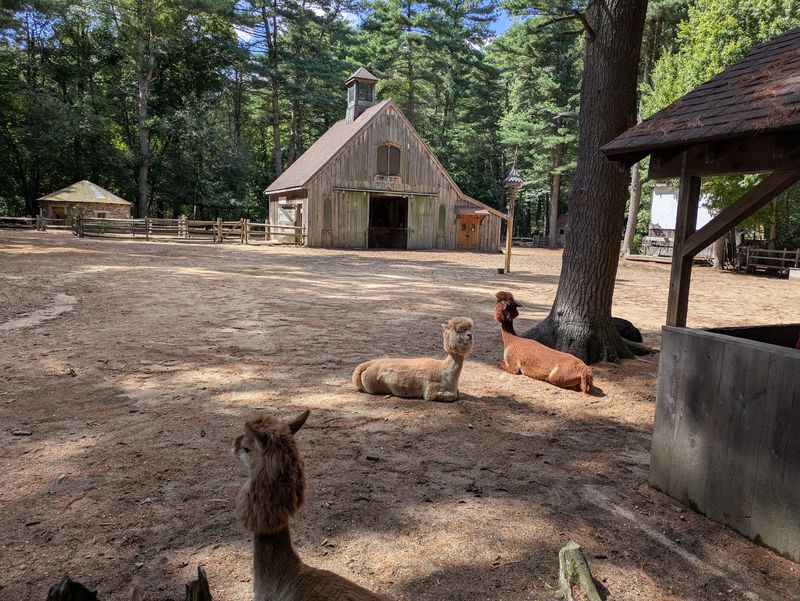
Fairy tales usually have castles, but this one has donkeys, emus, and a whole lot of hay. On wooded farmland at 37 Eddy St in Norton, the sanctuary feels a little like a storybook come to life.
Kids love it, and grown-ups secretly do too.
The buildings use simple post-and-beam designs that fit right into the trees. Most of the grounds stay unpaved, so paths wind naturally between animal areas.
Play spaces carry a storyland feel that invites young explorers to wander.
Be ready for real farm life. Mud happens, hay sticks to everything, and that is part of the fun. Wear shoes you do not mind turning a new shade of brown.
Around 300 animals live at Winslow Farm Animal Sanctuary after being abandoned or mistreated. The list is impressive, with horses, sheep, llamas, alpacas, goats, and peacocks.
Chickens, ducks, geese, donkeys, mules, pheasants, cats, dogs, and emus join them.
Past and present residents have charmed many visitors. Stardust the donkey, Zeb the lamb, Paco the llama, and Wilbur the pig are a few famous names.
Raven the mini-horse and Ben the dog have also made plenty of friends.
Group educational tours teach people how to care for animals properly. Holiday events bring extra cheer to the farm each season.
The main goal is helping animals learn to trust humans again, so children are encouraged to meet them slowly and calmly.
3. Sunny Meadow Sanctuary
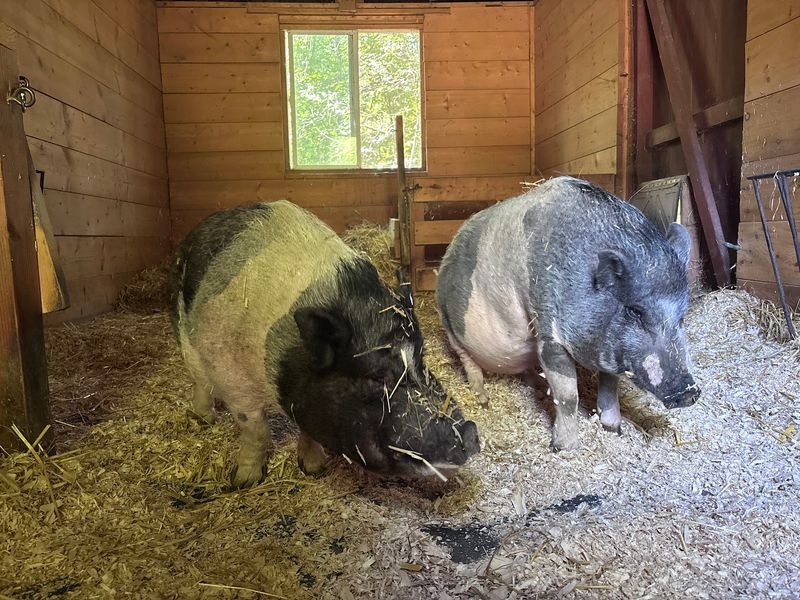
Happiness looks a lot like a pig napping in warm sunshine. That simple goal guides everything in Barre, where the sanctuary sits at 260 Chapman Rd. Since 2007, it has rescued hundreds of animals.
The animal family here is wonderfully mixed. Cows, horses and other equines, pigs, sheep, and goats share the land.
Turtles, dogs, cats, ducks, chickens, and some wildlife complete the crew.
Every farm animal arrived as a direct rescue from a tough situation. None were ever bought. That promise says a lot about the heart behind this place.
Unlike many shelters, the focus is not on finding new homes. Animals stay for life and get steady, caring support for all their years. It is a forever address with a sunny name to match.
The sanctuary also encourages a vegan lifestyle and kindness toward all creatures. Its message is about empathy that reaches past pets to every animal. You can agree or simply enjoy learning a new point of view.
Public visiting hours are not clearly listed, so check before heading out. Volunteering is a great way to get involved and spend real time with the residents.
Sponsoring an animal is another option, and it makes a thoughtful gift for any animal lover in your life.
4. Jefferson’s Safe Haven
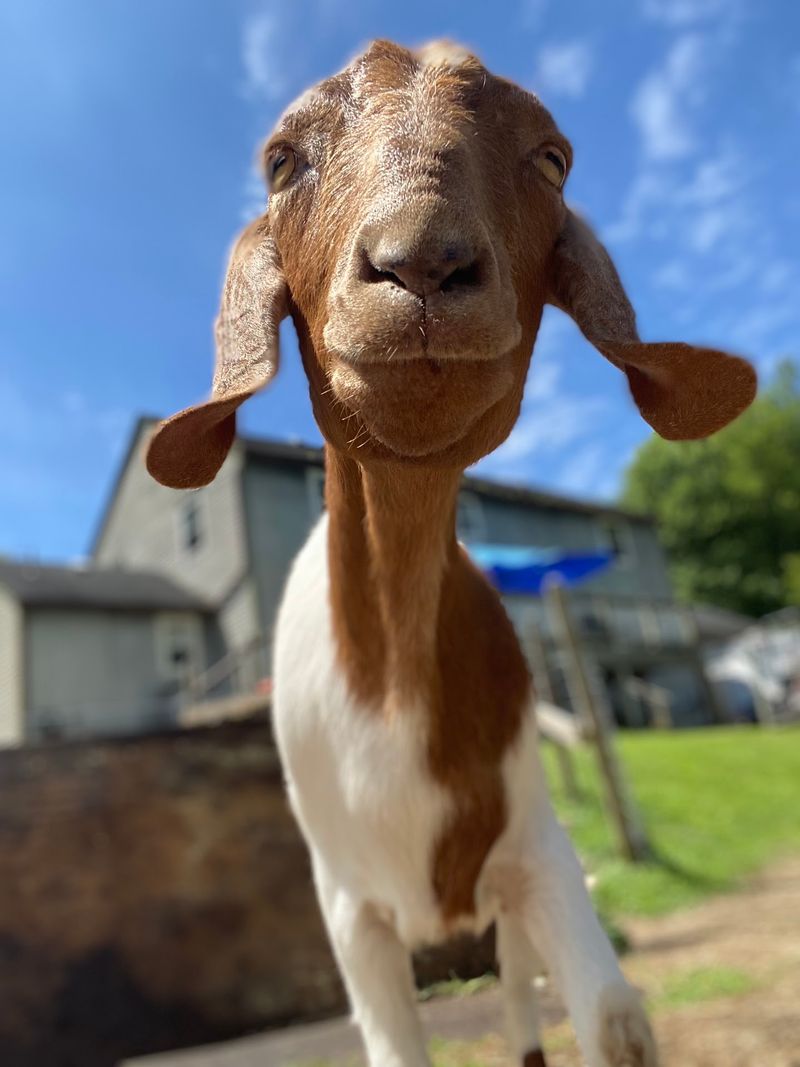
Every great story needs a hero, and this one stars an alpaca. His name was Jefferson, and he inspired an entire sanctuary in Leverett.
You will find Jefferson’s Safe Haven at 149 Cave Hill Rd, among the green hills of western Massachusetts.
The mission is simple and big at the same time. Animals get rescue, shelter, and lifelong care. People get a chance to reconnect with compassion and nature.
So far, the sanctuary has helped more than 75 animals. Current residents include alpacas, donkeys, goats, chickens, and cats. Plans are in place to welcome even more in the future.
That future is already being built. The Building the Future Campaign aims to expand the barn and improve the grounds. More space means more animals can find safety here.
Visitors can join site visits and animal therapy sessions. These are designed to soothe stress and lift spirits. Spending quiet time with a fuzzy alpaca can do wonders after a long week.
In-person educational programs and therapeutic tours are also offered. Kids and community members can meet rescued alpacas and donkeys up close.
Volunteer roles and learning programs are growing too, so keep an eye out for new ways to help. Fun fact: alpacas hum to communicate, so listen closely.
5. MSPCA At Nevins Farm
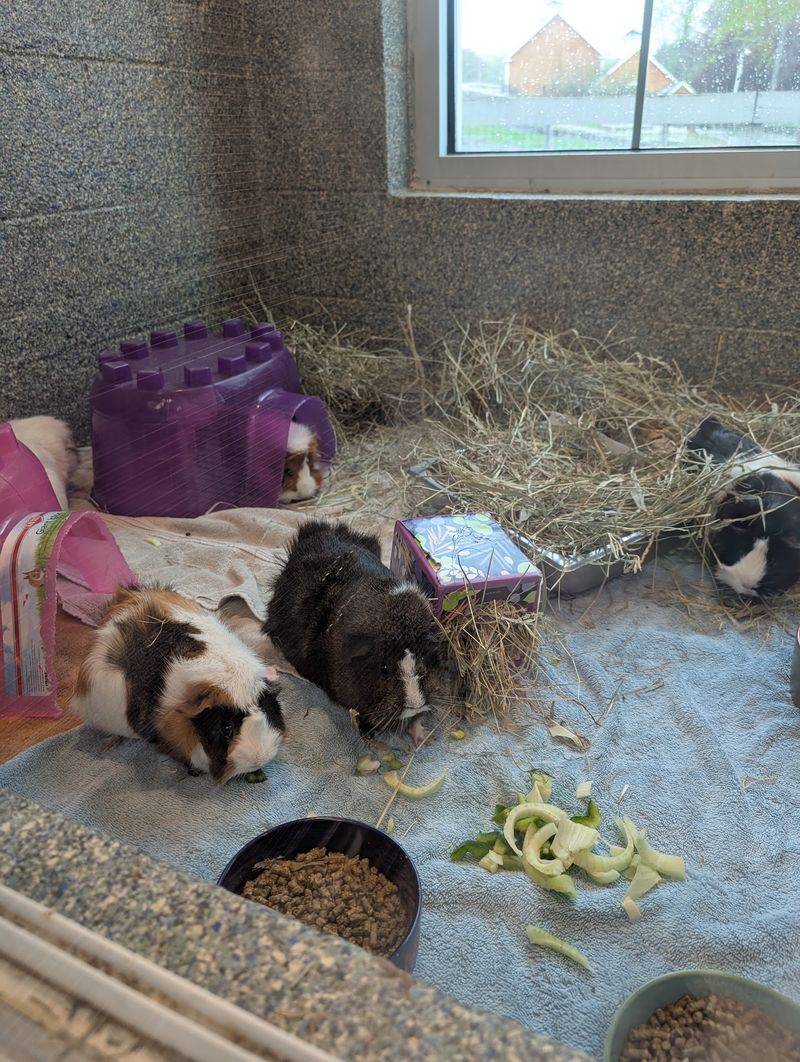
Back in 1917, a generous woman donated land as a resting place for hardworking horses. More than a century later, that kind idea is still going strong.
MSPCA at Nevins Farm sits at 400 Broadway in Methuen, about 30 miles north of Boston.
The 55-acre property is full of rolling pastures and open fields. It feels like classic countryside, even though the city is not far away.
Horses look especially pleased about the arrangement.
A lot happens on one campus. There is a small animal rescue, a horse and farm animal rescue, and a veterinary hospital. A 4-acre pet memorial ground called Hillside Acre is also on site.
The animal list goes on and on. Horses, cows, goats, pigs, chickens, barn cats, dogs, and house cats all find help here. Guinea pigs, parrots, and other exotic animals do too.
Nearly 300 farm animals live here, including sheep, goats, cows, zebus, chickens, and geese. Once, the farm took in 96 goats, an emu, and a Mustang from a single rescue. That is one busy week.
As an open-door rescue center, Nevins Farm accepts animals in need. It helps around 7,000 animals and welcomes about 75,000 visitors each year.
Adoption, fostering, and volunteering are all options for anyone eager to lend a hand.
6. New England Wildlife Center
Hummingbirds and snapping turtles rarely share a waiting room. Here, they just might.
The New England Wildlife Center sits at 500 Columbian St in South Weymouth and works as a full wildlife hospital and learning center.
Each year, the team treats about 225 different species of wild animals. Since opening, more than 75,000 animals have been cared for.
Patients include raccoons, foxes, cottontails, hawks, owls, swans, opossums, squirrels, and snakes.
Here is a cool fact. It is the only wildlife veterinary hospital in Massachusetts equipped to treat rabies vector species. That makes it a very important place for local wildlife.
The building itself is eco-friendly. It was built to LEED green standards, which means it saves energy and resources.
Outside, the Weezie Nature Center, a fun treehouse, and walking trails invite exploring.
The Thomas E. Curtis Wildlife Hospital and Education Center is open every day of the week.
Guided tours change with the seasons, since new patients arrive all the time. You get a behind-the-scenes look at how animals heal and head back to the wild.
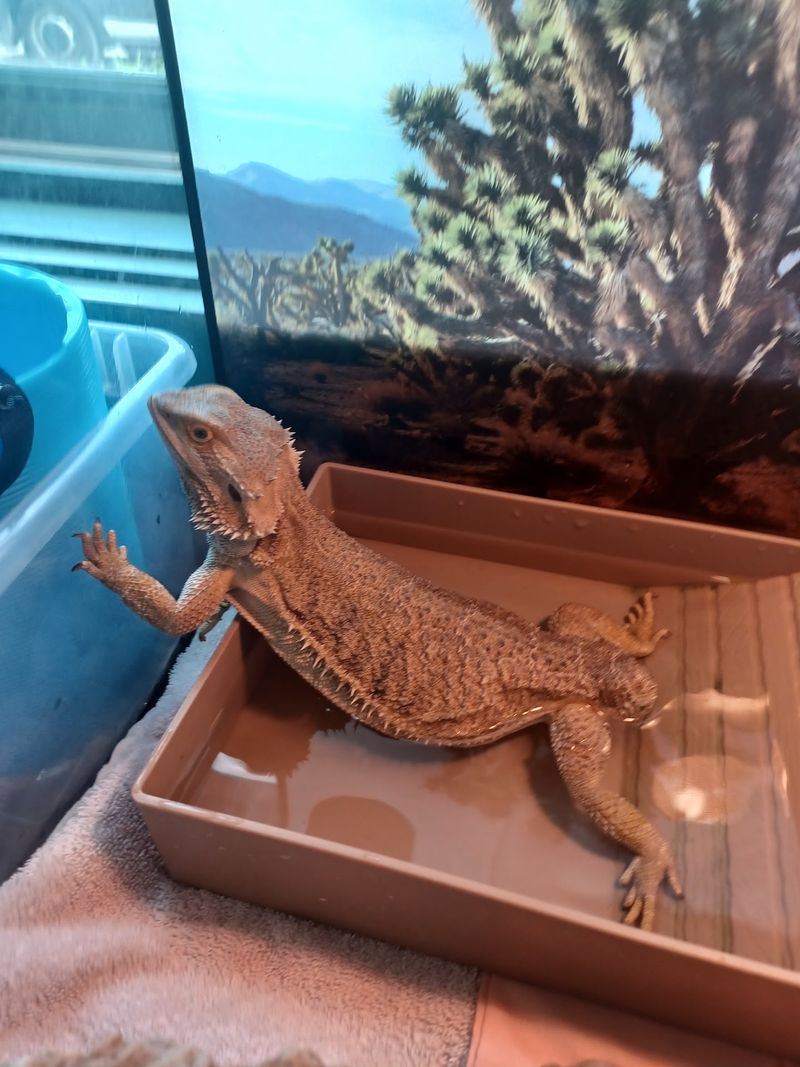
Ambassador animals steal the show during indoor encounters. Red-tailed hawks, barred owls, African grey parrots, bearded dragons, snakes, turtles, and tortoises all make appearances.
Programs cover STEM and conservation, and the center even hosts birthday parties.
7. Whip City Animal Sanctuary
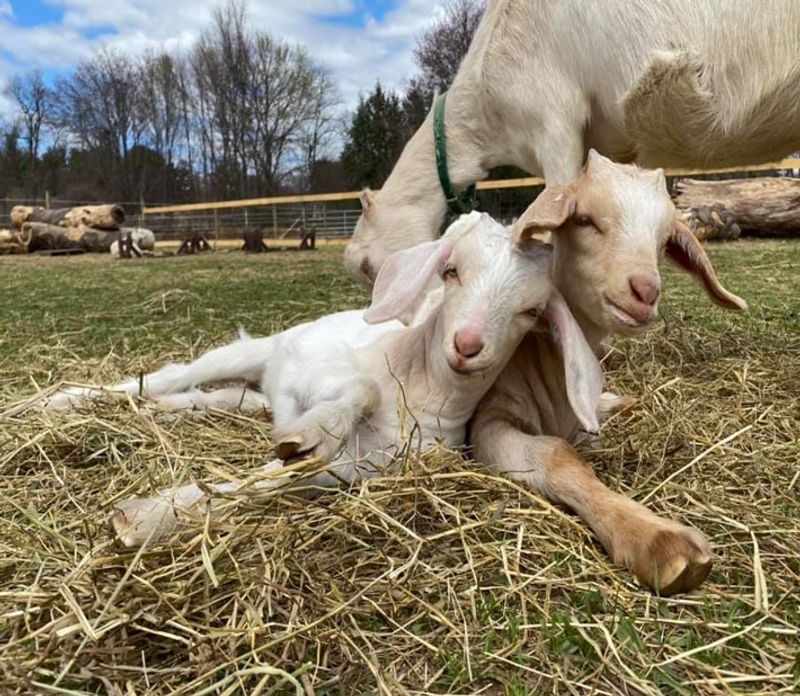
Whip City Animal Sanctuary in Westfield gives rescued farm animals a permanent home and gives visitors a chance to meet many of them during scheduled public visiting hours.
The nonprofit sits at 232 Montgomery Road and was founded in 2020 by Robin and Kerry Plourde.
Its mission centers on long-term care for farm animals that were surrendered, neglected, or abused, with food, shelter, and veterinary care provided for every resident.
The sanctuary’s animals include horses, miniature horses, goats, pigs, chickens, roosters, turkeys, and other farm residents, many with difficult histories.
Some arrived after hoarding situations, others were surrendered when owners could no longer care for them, and several needed extra medical attention before settling into life at the sanctuary.
Public visiting hours are offered on select dates, and the sanctuary posts those dates on its events calendar.
Visitors can meet the animals and learn more about their stories, but the sanctuary notes that visits are weather permitting.
Closed-toe footwear and practical clothing are a smart choice for the farm setting.
People who want a deeper connection can also volunteer.
Whip City runs four animal-care shifts each day, seven days a week, and volunteers can help with feeding, cleaning, habitat maintenance, building projects, community events, and fundraising.
Animal sponsorships are another way to support the sanctuary’s ongoing care, helping cover the everyday costs of feeding, housing, and treating its rescued residents.
8. Guinea Pig Sanctuary
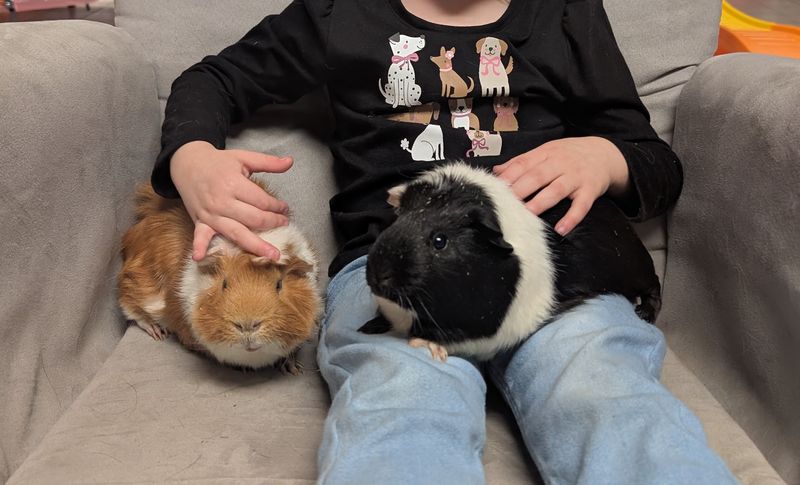
Guinea Pig Sanctuary in Salisbury focuses entirely on guinea pigs that need new homes, long-term care, or a safe place after being surrendered.
The nonprofit operates at 129 Bridge Road and serves as both a rescue center and a community resource for people who own, adopt, or care for guinea pigs.
The sanctuary describes itself as a no-breed, no-kill, no-eat, and no-feed shelter, with hundreds of guinea pigs passing through its care.
Visitors can stop by on any day except Wednesday without making an appointment.
The guinea pigs are regularly held, played with, and socialized, so guests get a much more hands-on experience than they would at a typical animal shelter.
The sanctuary also hosts birthday parties, volunteer opportunities, and adoption visits, including a matching process for people hoping to bring a guinea pig home.
Volunteers can help with cleaning, grooming, events, yard work, and other everyday tasks that keep the sanctuary running.
The organization also provides practical education about guinea pig care, including diet, grooming, bonding, health, and proper housing.
Donations help cover bedding, hay, food, veterinary care, and other daily expenses.
For animal lovers, the sanctuary offers an unusually personal way to spend time with rescued pets while learning what responsible guinea pig care really involves.