
8 Alabama Places Where Copperheads Are Showing Up More During The Fall
Copperheads don’t leave when the leaves start to turn, and fall is when many people finally notice them. Several Alabama areas have seen more of these snakes showing up this season.
Wildlife officials tracked the rise across these locations compared to earlier years. Cooler evenings send copperheads toward warm rocks and sunny trails in the afternoon.
Wooded areas and rocky terrain tend to see the most activity, especially near water sources. Homeowners report more frequent encounters near woodpiles, gardens, and fallen leaves.
Officials recommend basic precautions like watching where you step and clearing brush near living spaces. These areas remain worth visiting, provided people stay aware of exactly what shares the ground with them.
1. Cheaha State Park
Standing on the highest ground in Alabama sounds like a great way to stay above trouble. Copperheads did not get that memo.
Cheaha State Park sits at the top of the state, and its rocky ridges are a fall favorite for these snakes.
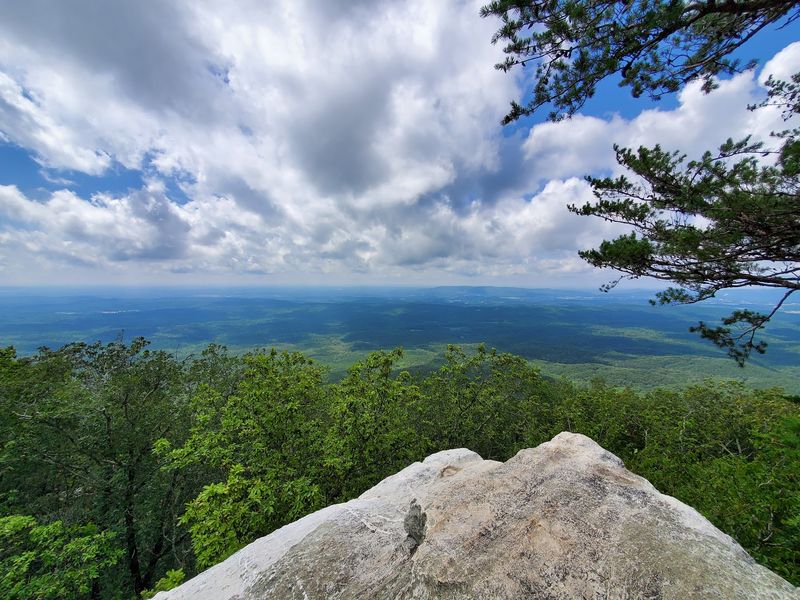
The park is famous for big views from spots like Bunker Tower and Pulpit Rock. On a clear autumn day, the hills roll out in waves of orange and red.
It is the kind of scene that makes people stop and stare for a long time.
Here is the catch. The quartzite ledges and boulder piles soak up the afternoon sun.
Copperheads love that warmth when fall nights start getting chilly, so they bask near rocks and slip into leaf litter nearby.
The Mountain Laurel Trail is a great example of mixed habitat. It follows a streambank down to the Rock Garden Outlook, where Cheaha Creek tumbles over Angel Falls.
Damp leaves, shady rocks, and running water create a cozy setup for snakes and the critters they hunt.
So how do you enjoy the view without a surprise? Keep your hands off ledges you cannot see.
Step onto rocks instead of over them, and look before you sit down for that snack break.
Fun fact time. The Civilian Conservation Corps built many of the stone structures here back in the 1930s, including Bunker Tower.
Those old stone walls look cool, but cracks and gaps make handy snake shelters too.
Wear sturdy boots and long pants on the trails. A hiking stick helps you poke through leaf piles ahead of you.
Stay calm if you spot one, give it room, and let it move along. Find it all at 19644 HWY 281, Delta, AL 36258.
2. Oak Mountain State Park
Nearly 12,000 acres is a lot of room to roam. That is the size of Oak Mountain State Park, the biggest state park in Alabama.
Plenty of space for hikers, bikers, and yes, a healthy number of copperheads.
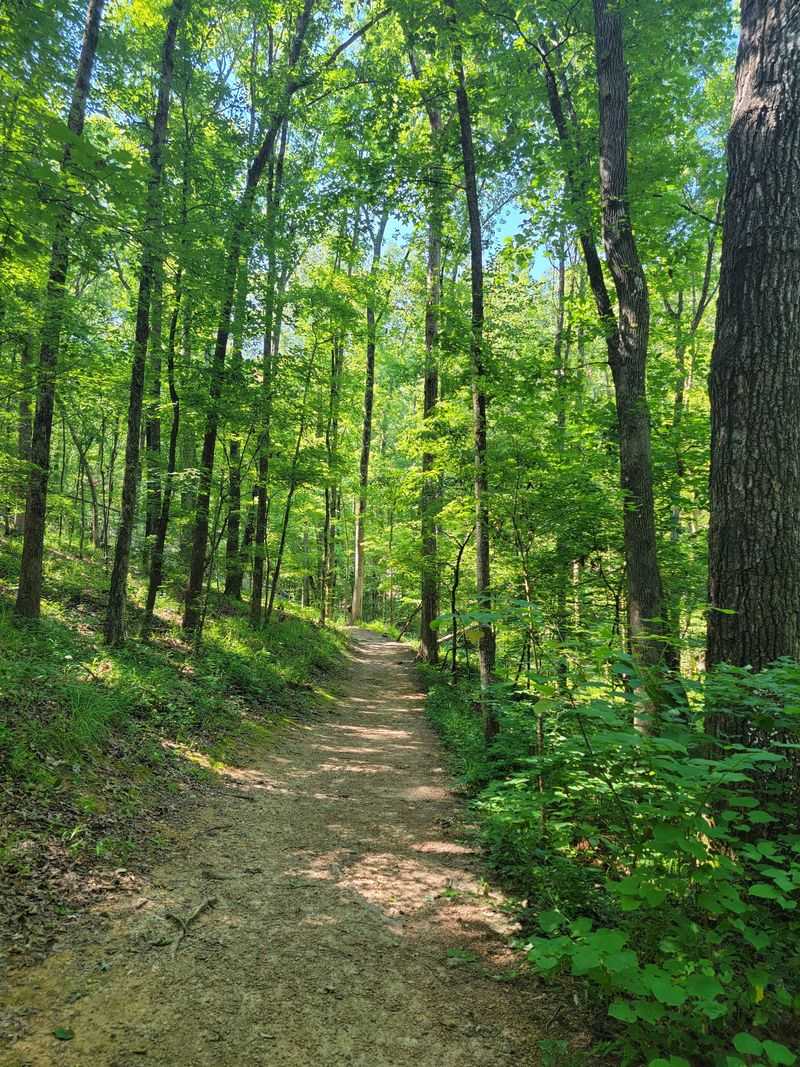
The terrain is a mix of rolling hills, hardwood forest, and pine stands. Rocky overlooks pop up along the ridges.
In the fall, the whole place turns into a giant carpet of brown and copper leaves.
Guess who matches that carpet perfectly? Copperheads have hourglass bands that look a lot like fallen leaves.
One could be lying right beside the trail, and most people would walk past without a clue.
Trails here climb up to spots like King’s Chair Overlook, where the view stretches across the valley. Another favorite is Peavine Falls, a waterfall that drops into a shady plunge pool.
Both routes cross rocky ground, which snakes use for hiding and sunning.
The park sits just outside Birmingham, so it gets busy on fall weekends. Snakes usually try to avoid people.
Most bites happen when someone steps on one by accident or tries to grab it.
A few simple habits help a lot. Stay on marked trails instead of cutting through brush.
Use a flashlight if you are hiking near dusk, since copperheads get more active as evenings stay mild.
Mountain bikers should pay attention too. A snake crossing the path can show up fast at speed.
Slow down on blind curves, especially where the trail runs past rocks or fallen logs.
Kids and dogs need extra eyes, since they love poking into leaf piles. Keep pups on a leash and close by.
Plan your adventure at 200 Terrace Dr, Pelham, AL 35124.
3. DeSoto State Park
Waterfalls, wildflowers, and weird rock shapes. DeSoto State Park on top of Lookout Mountain has a little bit of everything.
It also has a solid reputation for copperhead sightings when fall rolls in. Why here? The park mixes two very different worlds.
Down low, shaded gorges stay cool and damp. Up high, the ridge tops are drier and sunnier, which gives snakes options as the weather changes.
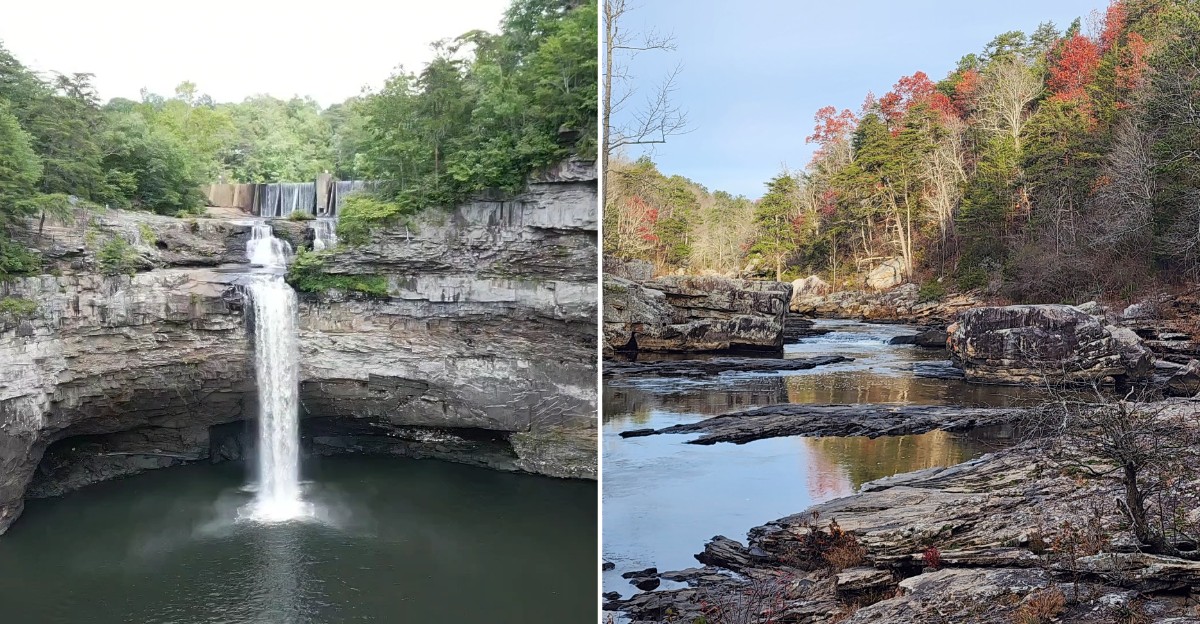
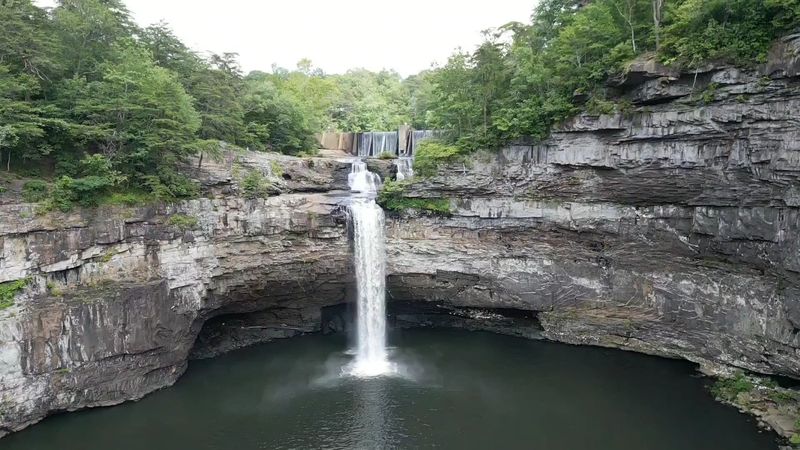
DeSoto Falls is the big star, crashing down into a rocky basin. The Little River runs through the area too, carving steep walls along the way.
Those walls are full of cracks, ledges, and leafy shelves.
More than 30 miles of trails wind through this landscape. Many pass strange rock formations and bubbling mountain streams.
They also pass log piles, and copperheads are often reported near those, along with rocky trail edges.
Logs are basically snake apartments. They hold warmth, stay protected, and attract mice and lizards.
Never step directly over a log without checking the other side first.
Here is a cool bit of history. The park is named after Hernando de Soto, the Spanish explorer who traveled through the region in the 1500s.
Legend says he searched for gold here, though the snakes are the only shiny copper anyone finds now.
For a safer hike, wear ankle-high boots and keep your eyes a few steps ahead. Give rock crevices a wide berth when climbing around falls.
And resist the urge to flip rocks to see what is under them.
Fall color here is truly worth the trip. Just treat every leaf pile like it might have a tenant.
Head over to 7104 DeSoto Parkway NE, Fort Payne, AL 35967.
4. Lake Guntersville State Park
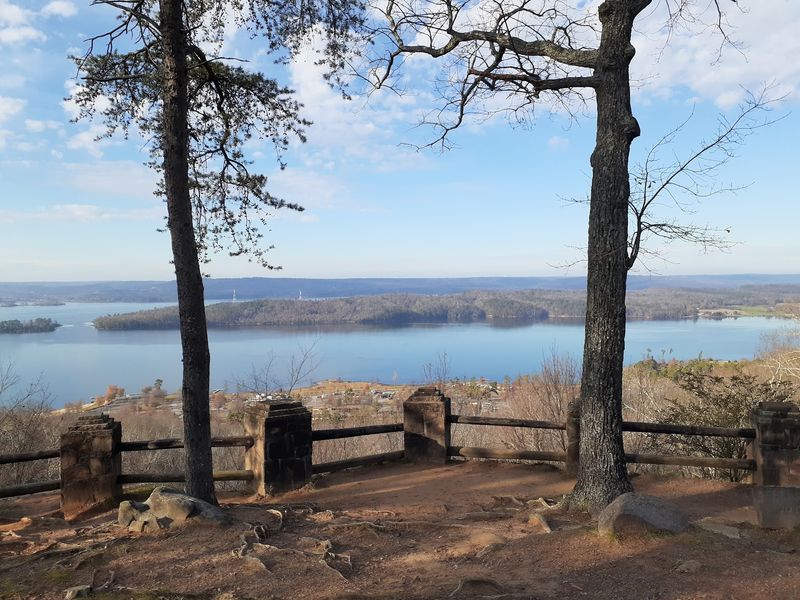
Picture a giant blue lake framed by forest that blazes orange in October. That is Lake Guntersville State Park.
Bald eagles get most of the attention here, but copperheads quietly own the hillsides.
The park stretches along the shores of Lake Guntersville, the biggest lake in Alabama. Rocky bluffs rise from the water.
Reedbeds line the shore, and thick forest covers the slopes above.
Those slopes are where copperheads like to be. The denser forests higher up from the lake, plus the rocky bluff areas, give them shelter and plenty of food.
Fall makes them busier as they hunt before winter.
People come here for lots of reasons. Some head to the fishing pier with a tackle box.
Others hit the hiking trails or drive up for wide views over the water.
Fishermen walking the shoreline should watch where they step. Rocks near the water stay warm, and a snake might rest there.
Copperheads swim sometimes too, though they spend most time on land.
Hikers on the upper trails have a different job. Look closely at leaf-covered stretches, especially near boulders.
A copperhead often freezes instead of fleeing, trusting its camo to keep it hidden.
Quick fact: young copperheads have bright yellow tail tips. They wiggle them like worms to lure frogs close. Clever little tricksters.
Camping here in the fall? Keep tents zipped and shoes inside.
Clear leaves away from your campsite, and use a light when walking at night. Those small steps make a big difference.
The views alone are worth the drive. Just bring sharp eyes along with your camera.
Find the park at 7966 AL Hwy 227, Guntersville, AL 35976.
5. Little River Canyon National Preserve
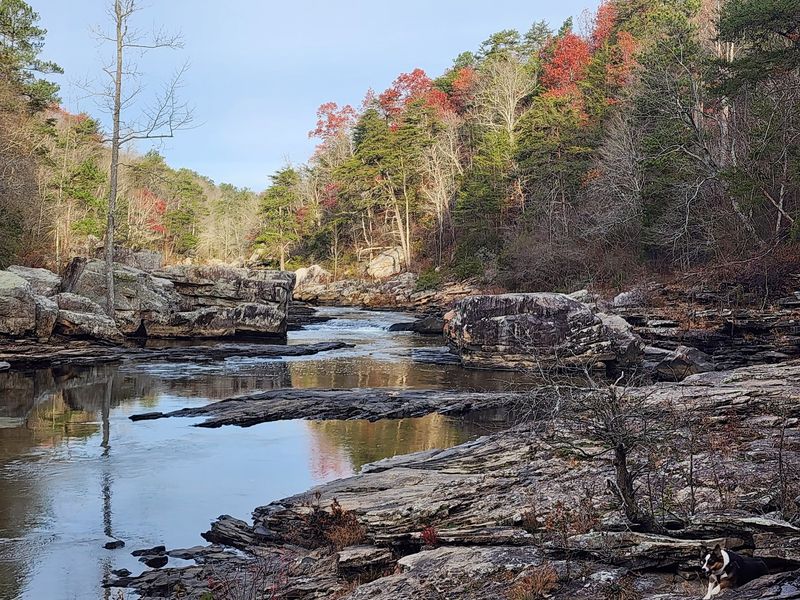
A river that flows on top of a mountain sounds like something from a fantasy book. The Little River does just that, running almost entirely along a mountaintop.
Its canyon is the deepest in Alabama, and copperheads are spread all through it.
The scenery is wild. Sheer rock walls drop down to rushing water.
Every season paints the canyon a new color, but fall might be the showiest.
Grace’s High Falls is a must-see. At 133 feet, it is the tallest waterfall in the state.
It flows best after rain, so timing matters.
The Canyon Rim Drive makes sightseeing easy. Overlooks and picnic spots line the road.
More than 26 miles of trails also lead hikers down into the canyon for a serious leg workout.
Now for the snake part. Copperheads have been spotted on rocky outcrops, along trails, and near the riverbanks.
Basically, they are anywhere people are, which keeps things interesting. The steep canyon trails need both hands sometimes. That is risky in snake country.
Before grabbing a rock or ledge, take a peek first.
Swimmers and waders at the river should check sunny boulders before sitting. A snake catching rays might not appreciate company.
Moving slowly and loudly gives wildlife time to slide away.
Good news: copperhead snake bites are rarely fatal, but they hurt and need a doctor fast. Stay calm, keep still, and get medical help.
Skip old tricks like cutting the wound or sucking out venom. Bring water, snacks, and solid shoes for the climb back up. The canyon is tougher going out than in.
Start at 4322 Little River Trail NE, Suite 100, Fort Payne, AL 35967.
6. Cathedral Caverns State Park Hiking Trails
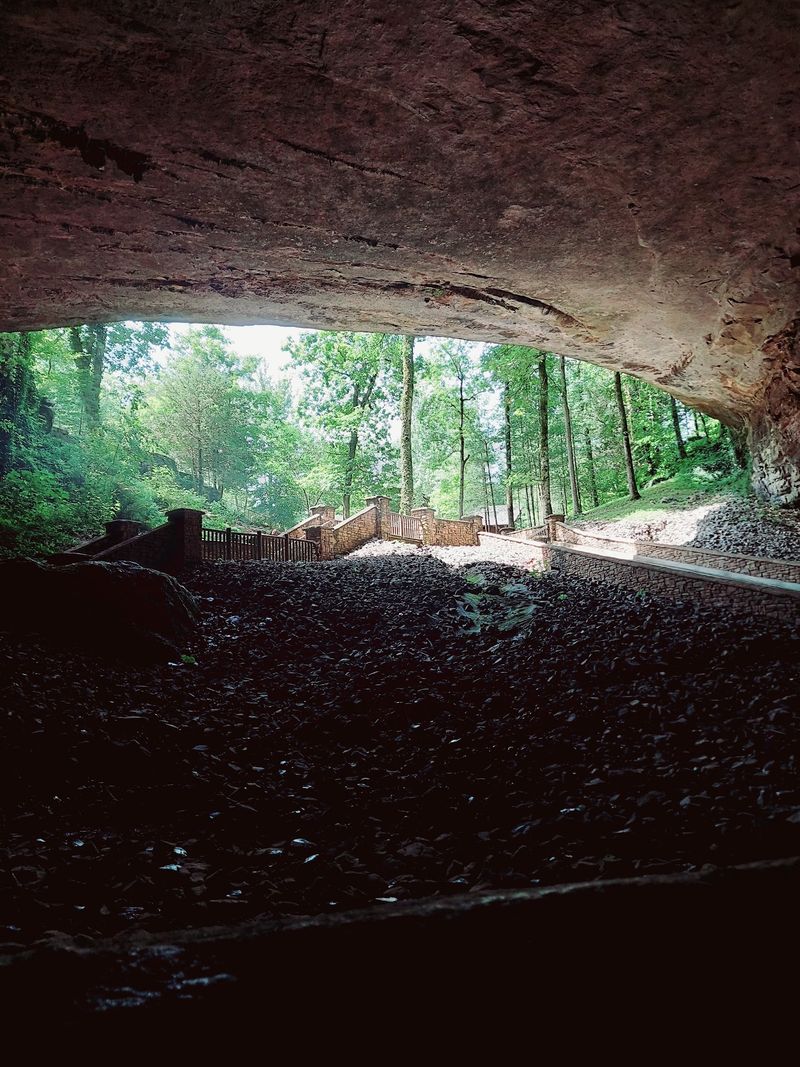
Most folks come to Cathedral Caverns for what is underground. The cave entrance is one of the biggest in the world, wide enough to make anyone feel tiny.
Outside that giant mouth, though, the woods hold a surprise or two. Inside, the cave is pure wonder. A stalagmite called Goliath stands 45 feet tall.
There is a frozen waterfall made of stone and a whole forest of stalagmites.
The cave stays around 60 degrees all year. That steady temperature is great for people escaping summer heat. In fall, the cool air near the entrance mixes with the warm sun outside.
The park around the cave is just as interesting for nature lovers. Surface woodlands, sinkholes, and creek edges cover the land.
Copperheads have been reported on the ground near the entrance and along outdoor trails.
Sinkholes are a big deal here. They form when underground rock dissolves and the ground caves in. Those leafy dips collect moisture and critters, making them snake magnets.
Here is a neat story. The cave was once called Bat Cave and opened to the public by Jacob Gurley in the 1950s.
It later became a state park, and the name changed because the rooms felt like a cathedral.
While waiting for a tour, keep kids from wandering into the brush. The walk to the entrance is paved, but leaves blow onto it.
Watch every step, especially in shady spots.
Campers using the park grounds should stay alert at night. Copperheads like to hunt when evenings are mild.
A good flashlight is your best friend. Visit 637 Cave Road, Woodville, AL 35776.
7. Coosa Wildlife Management Area
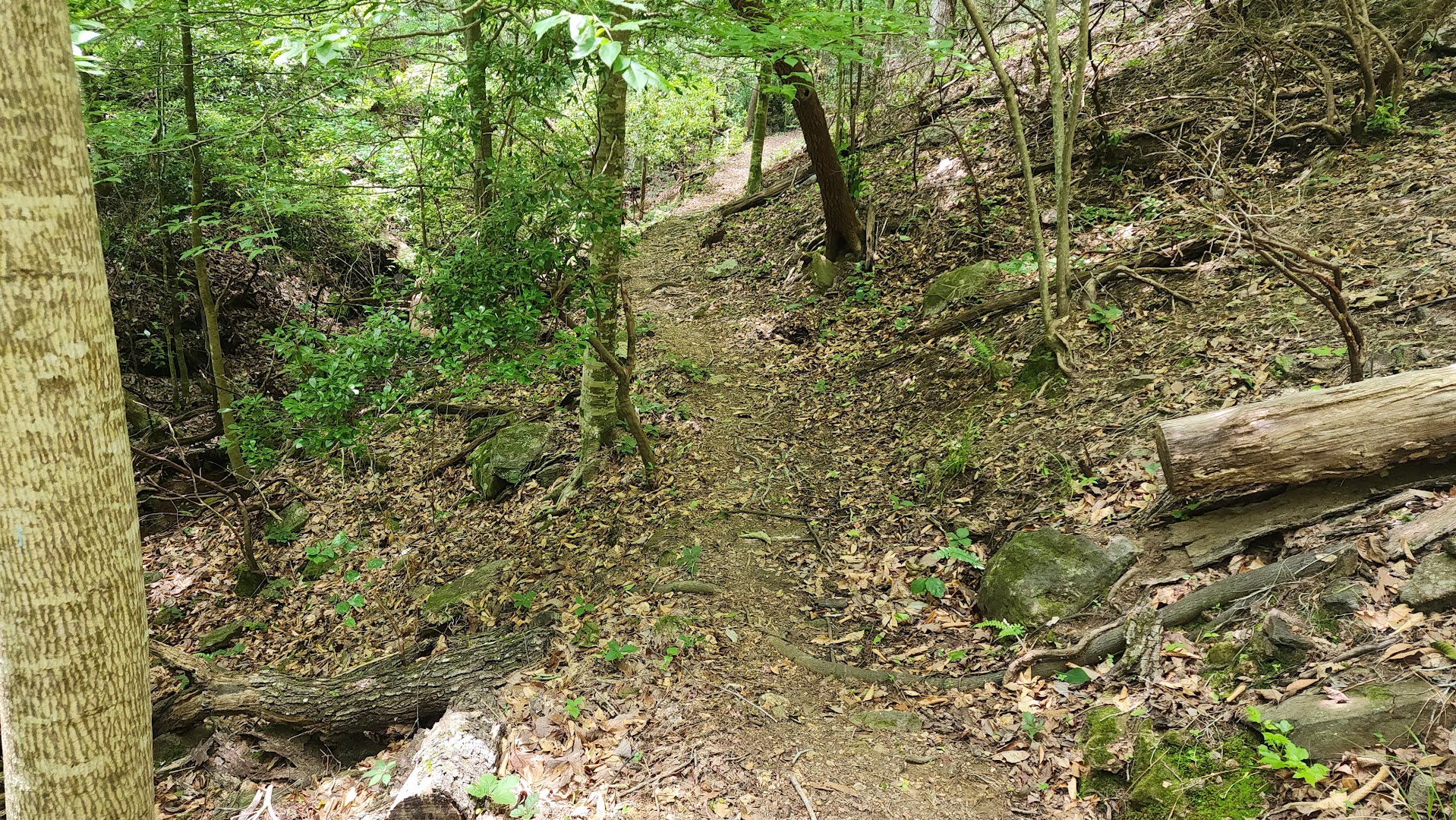
Long-distance hikers know the Pinhoti Trail well. Its southern end lands right in the Coosa Wildlife Management Area.
After hundreds of miles, the last stretch comes with a reminder to watch for copperheads.
This place is huge, covering 11,350 acres in Coosa County. Mountain longleaf pine covers the ridges.
Hardwood drains fill the low spots along the Weogufka and Hatchet Creek watersheds.
That mix makes it perfect snake habitat. Copperheads live in wooded areas, rocky bluffs, and ravines, and Coosa has all three in large supply.
Fall brings them out more as they hunt and sun.
The trails here are moderate, so they are friendly for most hikers. Some spots open up to wide, pretty views. The quiet is a big part of the appeal.
Bird watchers love this area too. It holds one of the last populations of red-cockaded woodpeckers outside a National Forest.
These rare birds drill homes into living pine trees, which is pretty impressive.
Since it is a wildlife management area, hunters use it during fall seasons. Wear blaze orange when hiking during those times.
Check hunting dates before your trip so there are no surprises.
Out here, help can be far away. Hike with a buddy and tell someone your plans. Carrying a basic first aid kit is smart in any remote spot.
Ravines are where extra care pays off. Leaves pile deep, and rocks hide in the shade.
Use a stick to sweep the path ahead when the trail gets covered. The check-in station is near the junction of Coosa Co. Rd. 29 and Co. Rd. 15, reached via AL-22 from Clanton or Alexander City.
8. Lakepoint State Park
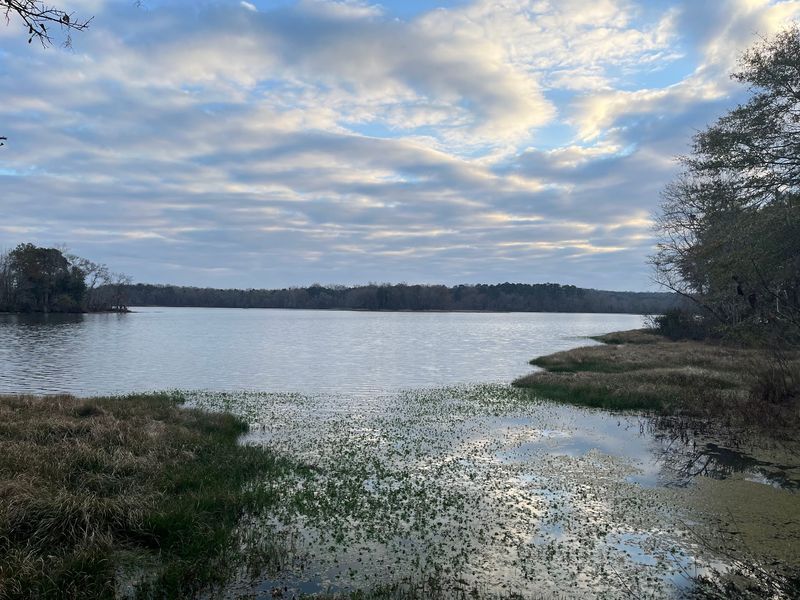
Bass anglers have a nickname for Lake Eufaula. They call it the Bass Capital of the World.
Lakepoint State Park sits right on its shores, and the fish are not the only locals worth knowing about.
Down in southeast Alabama, the land looks different from the northern mountains. Marshes, shallow coves, and sandy banks line the water.
Pine and mixed hardwood patches sit on the nearby ridges.
Copperheads use both worlds here. They hang out in the upland pine and hardwood areas.
They also roam the floodplains and swamp edges closer to the lake.
The park has marinas, campgrounds, and day-use areas, many bordering marshy edges. That means people and snakes share a lot of space. Keeping an eye out is part of the routine.
One fun twist? An old golf course got a second life as a trail rider’s course.
It now has rocky sections and paths for exploring. Nature trails also loop through the woods for walkers.
Anglers launching boats should check around docks and ramps. Leaves and debris gather there in fall. Snakes might rest underneath, enjoying the warmth.
Copperheads are not water moccasins, though people mix them up a lot. Cottonmouths live here too, so give any snake near water extra space.
Treat them all with respect. Campers can stay safer by keeping firewood off the ground and away from tents. Wood piles attract mice, and mice attract snakes.
It is a simple chain reaction. Bring binoculars for herons and eagles over the water. Just keep one eye on the trail too.
Find it all at 104 Old Hwy 165, Eufaula, AL 36027.