
The Tennessee Reservoir That Flooded Ancient Cherokee Sites And Changed A Wild River Forever
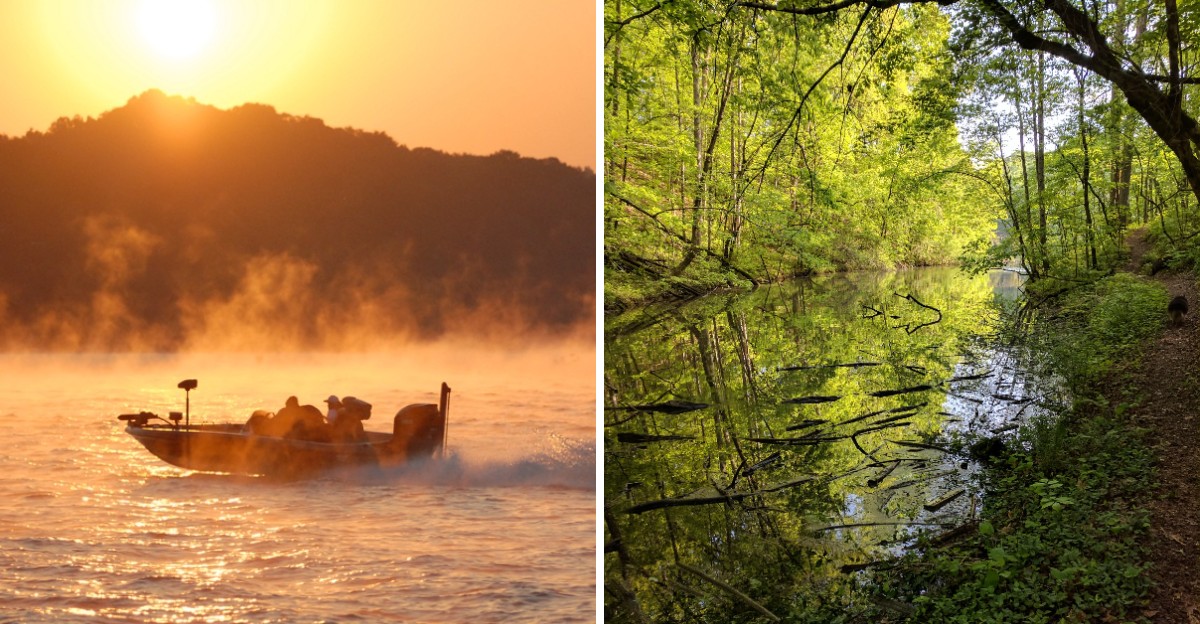
A calm lake can hide a complicated story. Beneath the water in East Tennessee are places that once held Cherokee history, river habitat, and stretches of land that changed forever when a major dam project reshaped the valley.
Before the reservoir filled, the Little Tennessee River ran freely through an area rich with archaeological sites and deep cultural meaning.
The project transformed that landscape, covering ancient Cherokee sites and altering a river system that had supported people and wildlife for generations.
Today, the water looks peaceful, which makes the history underneath it even more striking. Boaters and anglers see a broad Tennessee reservoir, but the story below the surface reaches much farther back than the dam itself.
It is a place where natural beauty and difficult history now occupy the same view.
A Wild River Before The Water Rose
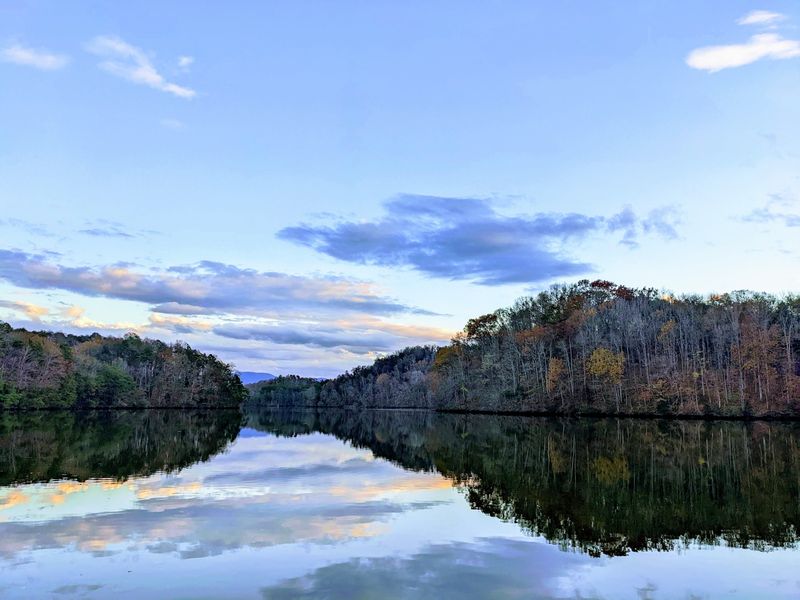
Picture a river with an attitude. The Little Tennessee once rushed out of the Appalachian Mountains, cool, clear, and in no hurry to slow down.
It was shallow in many places, with gravel and cobble beds you could see from the bank.
Those rocky shoals were not just pretty. They gave fish and mussels clean spots to feed, hide, and lay eggs. Many kinds of small creatures depended on that fast, oxygen-rich water.
People depended on it too. For thousands of years, families fished its waters, farmed its rich bottomlands, and built homes along its banks. The river was a highway, a pantry, and a meeting place all at once.
Today that wild stretch is mostly gone. Where the current once tumbled, Tellico Reservoir now spreads out wide and calm. The lake sits near Lenoir City and Vonore, filling valleys that the river carved over countless years.
Here is a helpful tip for curious minds. Look at an old map of the river next to a modern map of the lake. The difference shows just how much the land changed.
Knowing what came before makes the lake feel deeper, and not just in feet. Every cove has a backstory. The river may be quiet now, but its history still speaks loudly.
Big Dreams And A Dam Called Tellico
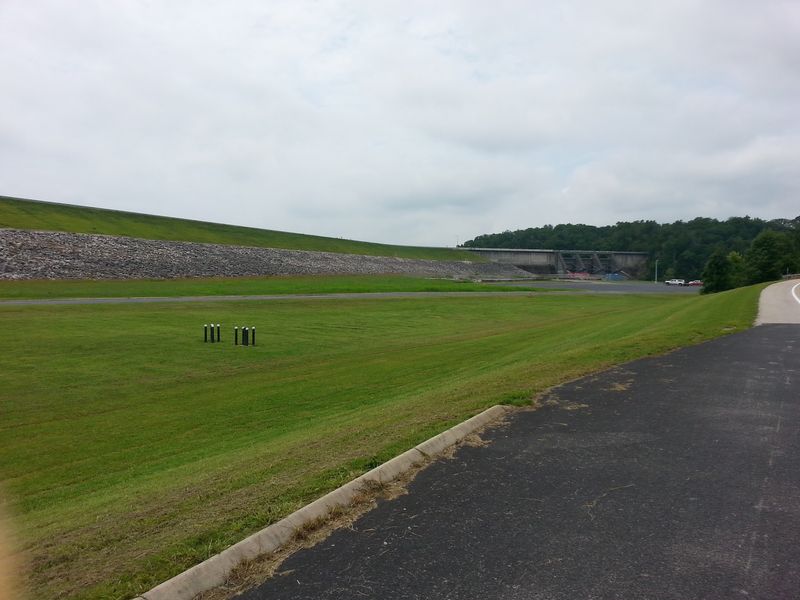
Plans have a funny habit of waiting around. The idea of damming the lower Little Tennessee River was first floated back in 1936. It took about thirty more years before workers broke ground.
The Tennessee Valley Authority, better known as TVA, started building Tellico Dam on March 7, 1967. This project was a bit different from TVA’s earlier dams.
Instead of focusing mainly on power or flood control, it aimed at economic growth and recreation.
Planners dreamed big. They imagined a brand new city called Timberlake, designed to hold about 42,000 people. Roads, homes, and industry were all part of the vision.
That city never fully happened. Plans shifted, and the region grew in other ways over the years. Communities like Tellico Village eventually rose along the shoreline instead.
Here is a fun fact for your next trivia night. Tellico Dam does not have its own power plant. Water is sent through a canal to nearby Fort Loudoun Dam, which helps make electricity.
Big projects often look simple on paper. Real life adds surprises, debates, and detours. As you will see in the next sections, Tellico had more surprises than almost any dam in America.
Chota, The Mother Town Beneath The Surface
Every nation has a heart, and for the Overhill Cherokee, Chota was a big part of it. Often called the Mother Town, Chota served as an important center of leadership.
It was also known as a place of refuge.
When Tellico Reservoir filled, the site of Chota went under the water. Cherokee people strongly objected to the project. To them, these lands held ancestors, memories, and sacred meaning.
Before the flooding, the University of Tennessee led large archaeological digs. Teams worked to save as much history as they could.
They uncovered house sites, tools, pottery, and other traces of daily life.
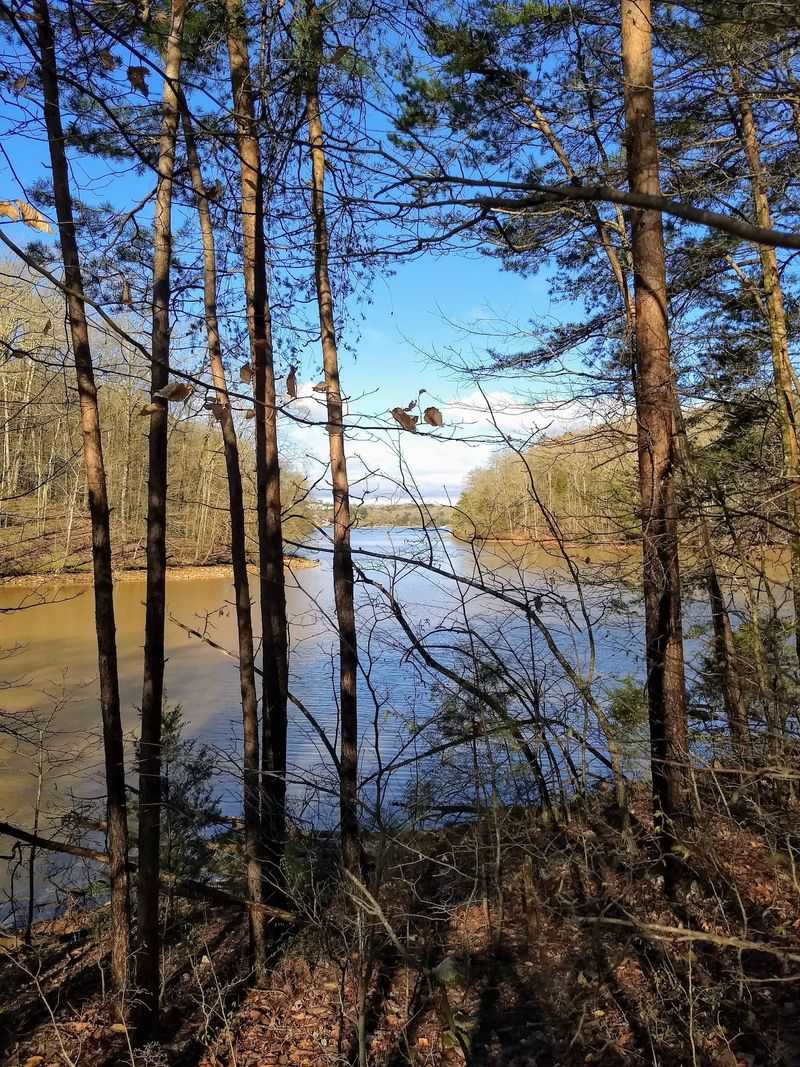
Today, a quiet memorial stands on the shoreline near the old Chota site. It sits on a raised area built above the water. The setting is peaceful and asks for a respectful, unhurried moment.
A friendly piece of advice helps here. Treat the memorial the way you would treat any sacred space. Read the signs, keep voices soft, and leave everything as you found it.
Standing there, you can look out over the lake and imagine the town below. It is a powerful reminder that landscapes carry stories. Some of the most meaningful ones are hidden from sight.
Tanasi And The Towns That Named A State
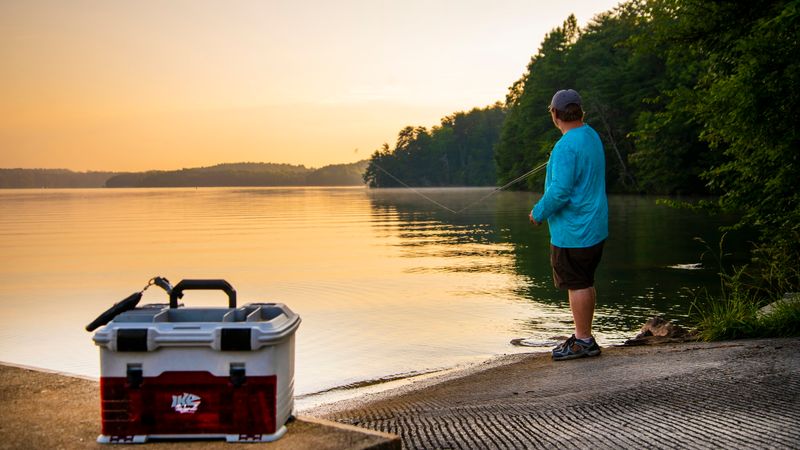
Ever wonder where Tennessee got its name? Many historians point to Tanasi, a Cherokee town that once stood along the Little Tennessee River. Its name is believed to be the root of the state name.
Tanasi was not alone. Toqua, Tomotley, Citico, Mialoquo, and Tuskegee were also Overhill Cherokee towns in this valley. Mialoquo was also known as Great Island Town.
All of these sites now rest beneath or beside Tellico Reservoir. Each town had its own families, fields, and leaders. Together, they formed a lively network of communities.
A marker near the lake honors Tanasi today. It sits close to the Chota memorial, so both can be seen in one easy outing. Bring a little patience and some curiosity.
Here is a handy tip. Before heading out, look up a short history of the Overhill towns. Knowing a few names and dates makes the markers far more meaningful.
It is amazing to think that a whole state name may trace back to a town you cannot see. The water covers the ground, but not the legacy. Every time someone says Tennessee, a little piece of Tanasi lives on.
The Tiny Fish That Took On A Giant
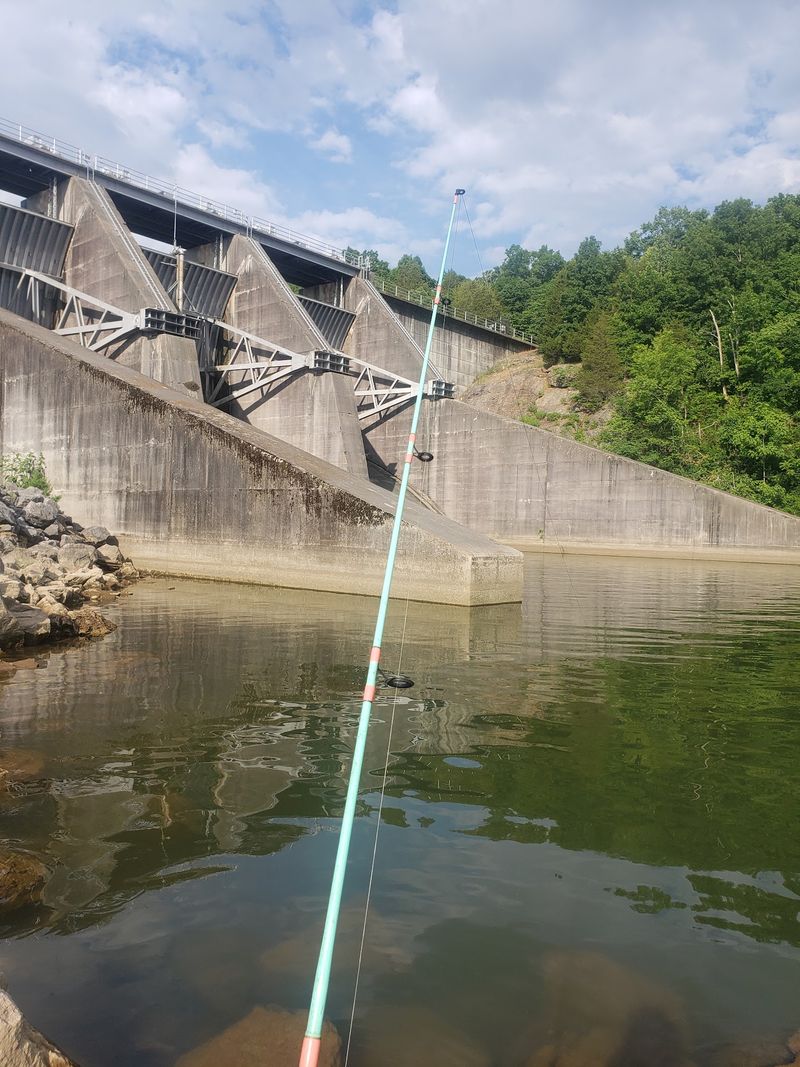
Size really does not matter in a good underdog story. In 1973, scientists found a small fish called the snail darter in the Little Tennessee River. It lived right in the stretch that Tellico Dam would flood.
The fish is only a few inches long. Yet it sparked one of the most famous legal fights in American history. Environmental groups used the brand new Endangered Species Act to challenge the dam.
The case was called Tennessee Valley Authority v. Hill.
It climbed all the way to the United States Supreme Court. In 1978, the Court ruled in favor of protecting the snail darter.
That decision stopped the nearly finished dam in its tracks. Suddenly, people across the country were talking about a fish most had never heard of.
It became a symbol for the growing environmental movement.
Here is a cool fact to share. The snail darter got its name because it loves eating snails. That diet fit perfectly with the clean, rocky shoals of the old river.
Students still study this case in law classes today. It shows how a single law, and a single species, can change a huge project. Not bad for a fish smaller than your hand.
How Congress Wrote The Final Chapter
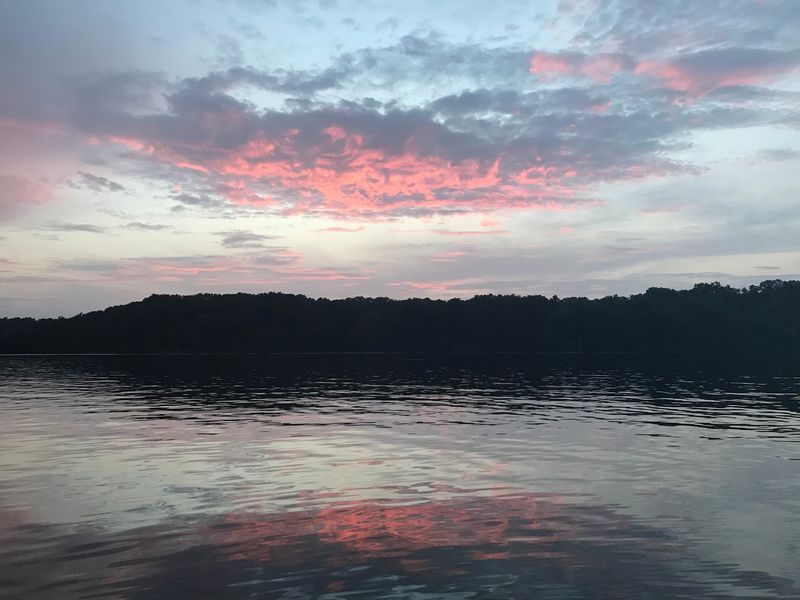
Just when the story seemed finished, Congress picked up the pen. After the Supreme Court ruling, lawmakers passed a bill that exempted the Tellico project from the Endangered Species Act.
The fight moved from the courtroom to Capitol Hill.
President Jimmy Carter signed the bill in 1979, though he did so reluctantly. The gates were closed, and the reservoir began filling on November 29, 1979.
The wild river was officially becoming a lake.
Now for the happy twist. The snail darter did not vanish. Scientists moved populations to other streams, and more groups were later found in other waters.
The species slowly bounced back. In 1984, it was moved from endangered to threatened. Then in 2022, it was removed from the threatened list altogether.
That is a rare and hopeful ending. It shows how careful science and patient work can help a species recover. The little fish proved to be tougher than anyone expected.
Here is a thought worth keeping. Big decisions often involve tradeoffs between growth and protection. Tellico is a real example that helps people think through both sides with an open mind.
Boats, Bass, And A Canal To Everywhere
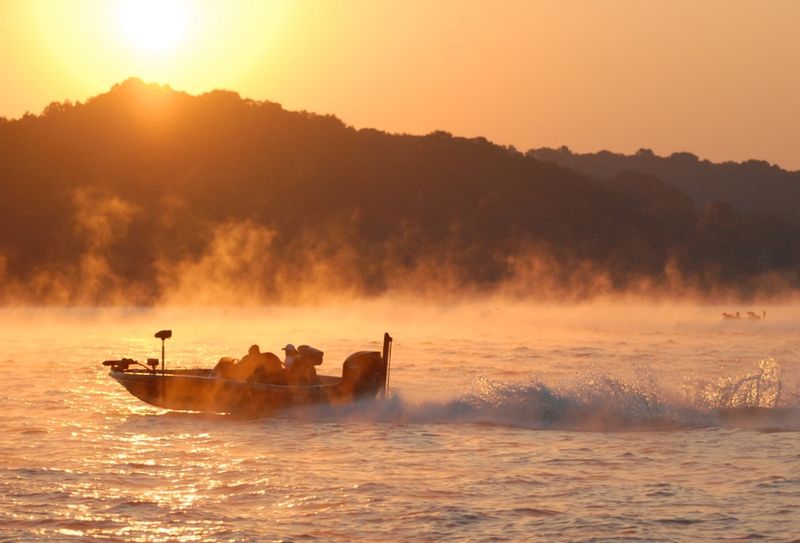
Think of this lake as a water playground with serious mileage. Tellico Reservoir covers about 15,560 acres. Thanks to its many coves and inlets, it boasts around 357 miles of shoreline.
Anglers love it here. Largemouth bass, smallmouth bass, and crappie are popular catches. Early mornings in quiet coves are often a great time to drop a line.
Boating and swimming are also big draws. The Great Smoky Mountains rise in the distance, giving the water a stunning backdrop. On a clear day, the view feels almost painted.
Here is a neat feature many people miss. A short navigable canal links Tellico with Fort Loudoun Lake. From there, boats can reach the wider Tennessee River system.
That connection even ties into the Great Loop, a long boating route around eastern North America. So a cruise from this Tennessee lake could, in theory, go a very long way.
A practical tip: check TVA lake level info before launching. Water levels change with the seasons, and winter levels run lower. A little planning keeps your day smooth and your propeller happy.
Forts, Trails, And A Brilliant Alphabet
History buffs, prepare to be busy. Near Vonore, the Fort Loudoun State Historic Park features a reconstruction of a British fort from the French and Indian War.
Its wooden walls bring the 1750s to life.
Close by stands the Sequoyah Birthplace Museum. It honors Sequoyah, the Cherokee scholar who created a writing system for the Cherokee language. His work let thousands of people read and write in their own language.
That museum is owned and run by the Eastern Band of Cherokee Indians. It offers a strong Cherokee voice in telling the region’s story.
Exhibits connect nicely to the flooded towns nearby.
Prefer paddling? The Tellico Blueway offers an eleven-mile route for canoes and kayaks. Calm water makes it friendly for beginners and steady paddlers alike.
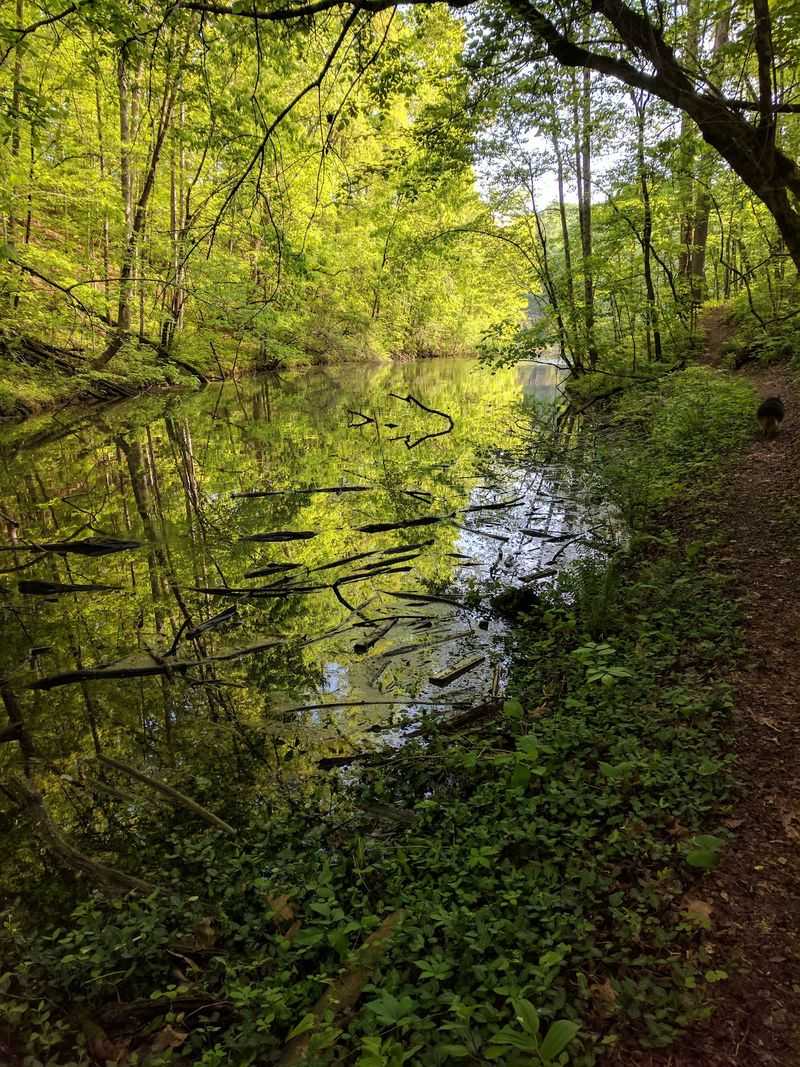
Hikers can enjoy the East Lakeshore Trail, a National Recreation Trail. It winds along the shoreline with hills, woods, and lake views. Wear good shoes, because some climbs will test your legs.
All of this sits around Tellico Reservoir, Tennessee 37772, USA. Pack water, snacks, and a sense of wonder. Few places mix history and outdoor fun quite this well.