
This Maine’s Tiny College Offers Full Tuition Scholarships And Earns National Praise
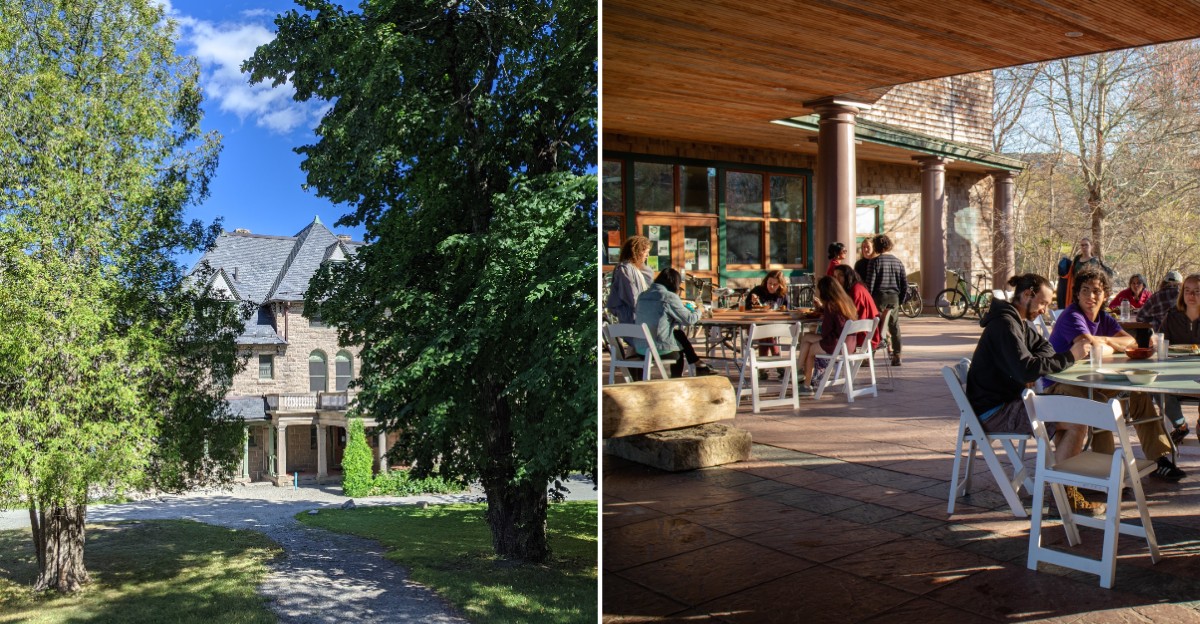
Few things beat the feeling of earning something that changes the course of your life. Full tuition scholarships do that for students at this tiny Maine college, and the praise has spread well beyond its small campus.
Admissions here reward effort, curiosity, and drive rather than family bank accounts. Classes stay small enough that professors know every student by name.
Study groups spill into common rooms and cafes, running late into the evening. Graduates leave with degrees and without the weight of debt hanging over them.
National rankings keep noticing, and applications grow each year. Locals take pride in the school, treating its success as the town’s own.
This college proved that a small campus can carry a big reputation when it invests in its students.
Full Tuition Scholarships For Pine Tree Scholars
Imagine opening a letter that says your college tuition is covered. For six Maine students starting in Fall 2026, that dream is real, thanks to the Pine Tree Scholars program.
The money story is pretty great. An anonymous donor gave $775,000, and the college matched it.
That doubled the good news in one move.
Here is the best part. For these scholars, any demonstrated financial need gets fully met, including room and board.
No loans are required, so students can graduate without a heavy money backpack.
So who can apply? Students must live in Maine and be heading to college for the first time.
They also need an unweighted high school GPA of at least 3.2.
There is one more piece, and it matters a lot. Applicants should show they care about their community.
That can mean volunteer service or a paid job, so flipping burgers or helping at a food pantry both count.
The help does not stop with this program. Enrolled members of the Wabanaki tribes can receive full tuition waivers.
The school also offers other merit and need-based awards.
In fact, every single student gets some kind of financial aid. That is one hundred percent, which is a rare number in college land.
A smart tip is to start gathering proof of your service hours early. Teachers, coaches, and bosses can help tell your story.
You can find this campus at 105 Eden St, Bar Harbor, ME 04609.
Top Of The Class In Green Rankings
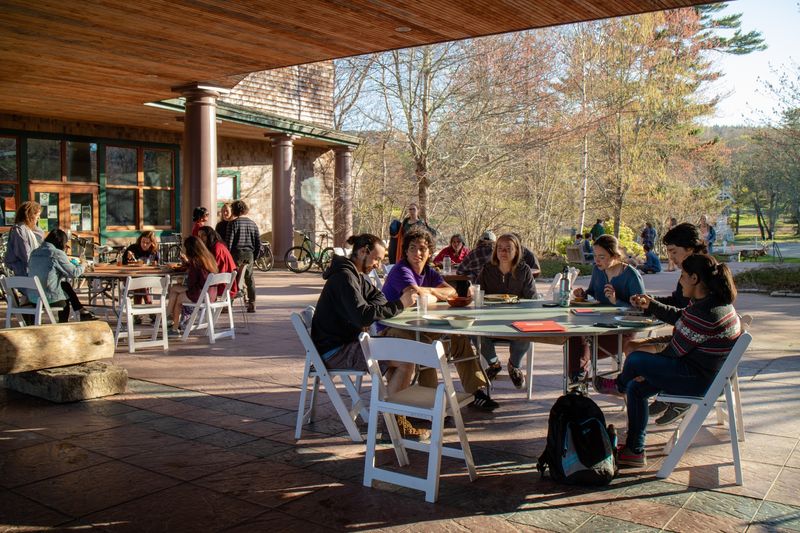
Number one is a nice place to stand. The Princeton Review placed this college at the top of its Green Matters list in the 2027 Best Colleges guide. It has held that spot since 2016.
That is a long winning streak. Some sports teams would be jealous.
The praise does not stop at green living. The same guide ranked the school second for being LGBTQ-friendly and third for Great Outdoors.
It also landed fifth for Best Campus Food. There is more on the list too. The college came in sixth for Most Active Student Government.
It also placed eighth for Best Quality of Life.
Those rankings say a lot about daily life here. Students eat well, get outside often, and feel welcome.
They also have a real say in how things work.
Buildings have earned praise as well. The Davis Center for Human Ecology won a national green design award from the American Institute of Architects.
That is a big deal in the building world. So why should a future student care about rankings? Lists are not everything, but they can point to real strengths.
If you love nature and good food, these results are worth a close look.
A good habit is to compare categories that match your own priorities. A school that wins in your favorite areas is probably a better fit than one that just sounds famous.
A Campus Between Mountains And Sea
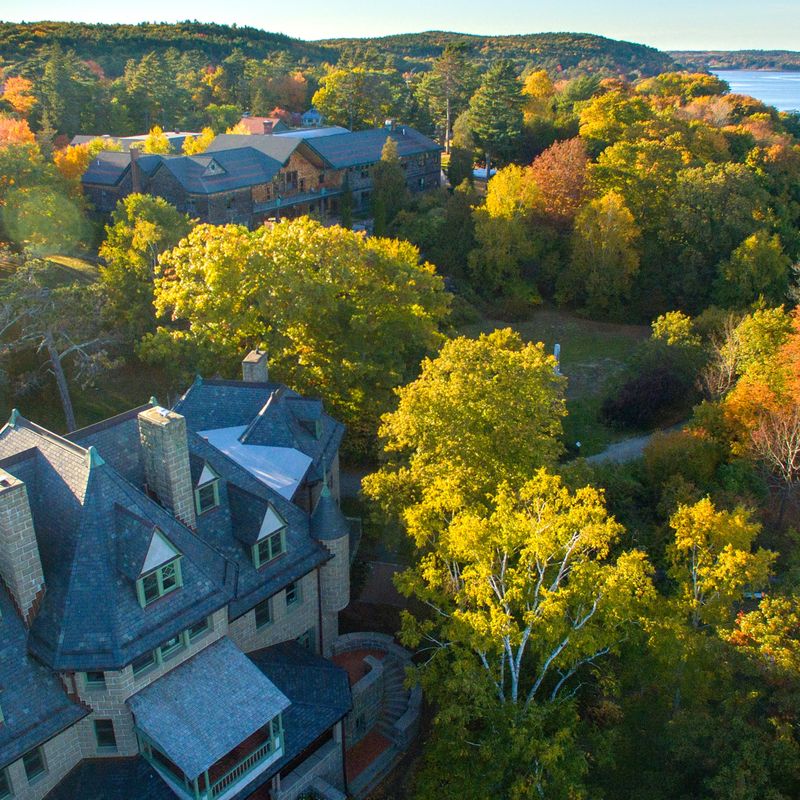
Some schools have a quad. This one has a national park next door and the Atlantic Ocean out front.
The campus sits on Mount Desert Island in Bar Harbor. Acadia National Park borders it on one side, and the sea takes care of the rest.
Homework with a view is pretty much guaranteed.
The grounds cover about 37 acres along Frenchman Bay. Woods surround much of the area, which gives the place a calm, quiet mood.
Even a walk to class can feel like a mini nature trip.
Outdoor fun is a big part of student life. Hiking trails, kayak routes, and birding spots are close by.
A free afternoon can turn into a mountain climb or a paddle on the bay.
The community is tiny, with about 350 students and 35 faculty. That means small classes and teachers who actually know who you are.
Hiding in the back row is not really an option.
For students who get nervous in giant crowds, this setup can be a relief. Making friends is easier when you keep bumping into the same faces at lunch.
A useful tip is to pack layers if you ever plan a trip. Weather on the Maine coast changes fast.
Sunshine and fog sometimes show up in the same hour, like they could not agree on plans.
Human Ecology As The Only Major
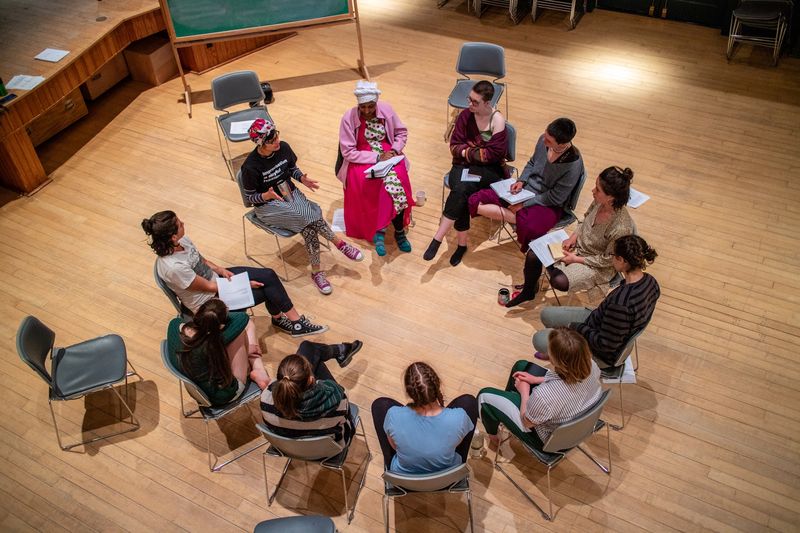
Picking a major can feel like ordering from a menu with 200 choices. At this school, the menu has one item. It is called human ecology, and somehow it covers almost everything.
Human ecology looks at how people connect with the world around them. That includes nature, culture, buildings, and technology.
It is a giant topic with a lot of room to roam.
Students design their own course of study. One person might mix marine science with writing.
Another could combine farming, art, and public policy. That freedom sounds fun, and it is. It also takes planning and some serious self-knowledge.
Students have to think about what they care about and why.
The learning here is built around action. The school likes to call itself a school of doing.
Projects often aim at real problems, not just tests and worksheets.
For example, a student worried about the ocean could study fisheries, talk with local workers, and build a plan to help. That is way more exciting than memorizing a chapter.
A helpful idea for future applicants is to make a list of three things you love. Then think about how they might connect.
That simple exercise is basically the first step of human ecology, and it can help you explain your goals to an admissions team.
Students Running The Weekly All College Meeting
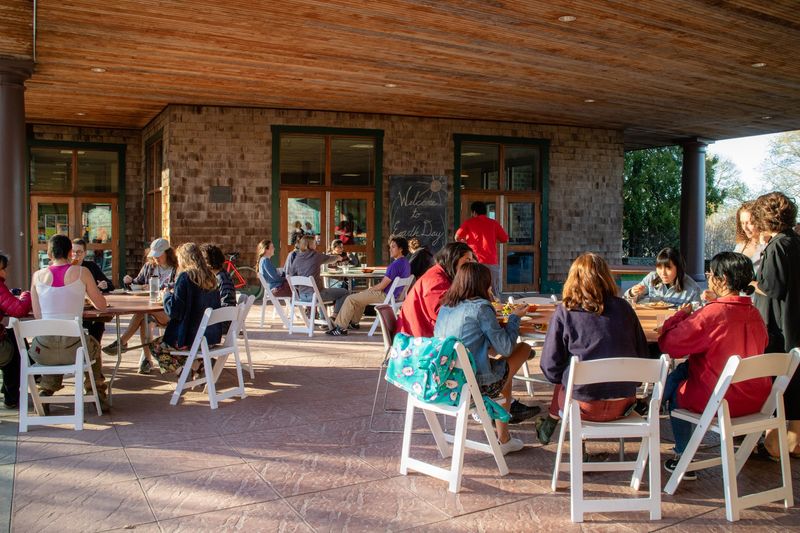
What if your school let students run the big weekly meeting? Here, that is just a normal Wednesday kind of thing.
The All-College Meeting is moderated by students, not by a principal with a microphone.
Everyone gathers to talk about how the college works. Ideas get shared, questions get asked, and decisions take shape.
Students have a real voice in what happens on campus.
This is not a pretend student council that only picks dance themes. The meeting helps shape daily life and the direction of the school.
That is a lot of trust to hand to young people.
It also teaches skills that are hard to learn from a textbook. Speaking up in a group takes courage.
Listening to people who disagree takes patience, and maybe a deep breath or two.
No wonder the school ranks high for active student government. When people feel heard, they tend to care more.
That care spreads across the whole community.
Here is a small tip you can use anywhere. Practice sharing one idea in class or at a club meeting this week. Keep it short and clear.
Getting comfortable with your own voice now can make a big difference later. At a college like this one, that confidence will come in very handy every single week.
Farms That Feed The Dining Hall
Ever wondered where your lunch came from? At this college, the answer might be just down the road. Two organic farms help stock the dining hall.
The farms are called Beech Hill Farm and Peggy Rockefeller Farms. They grow vegetables and raise animals for eggs and meat.
Students can see how food travels from soil to plate.
These places work as living classrooms too. Students learn about soil, seeds, animals, and weather.
They also learn that farming involves a lot of mud and early mornings.
That fifth-place ranking for Best Campus Food starts to make sense now. Fresh food just tastes better.
A tomato picked this week beats one that rode in a truck across the country.
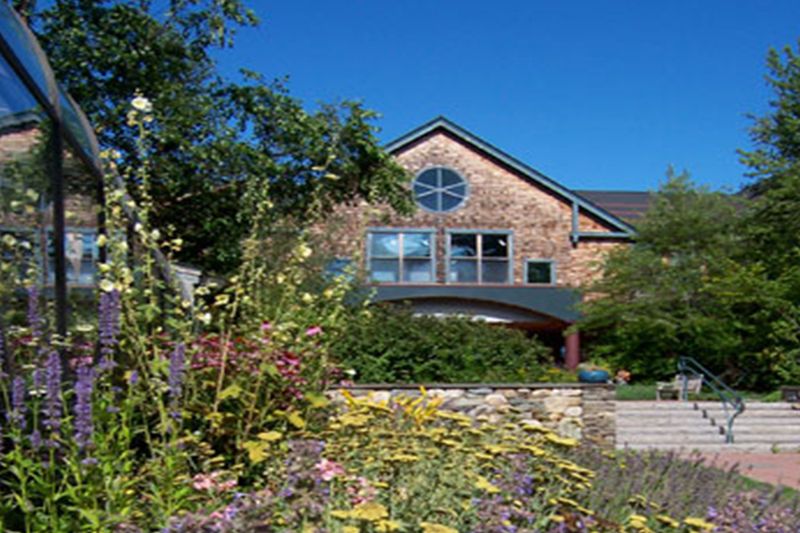
The campus also has colorful gardens filled with flowers and vegetables. They brighten up walks and show how much care goes into growing things here.
Farm work connects with the human ecology idea in a big way. Food links people, land, money, and health all at once.
One carrot can lead to a whole research project.
Want to try a piece of this at home? Plant a few herbs in a sunny window.
Basil and mint are easy starters. Watching something grow can teach patience, and you get a tasty reward at the end.
Whales Turrets And Island Research Stations
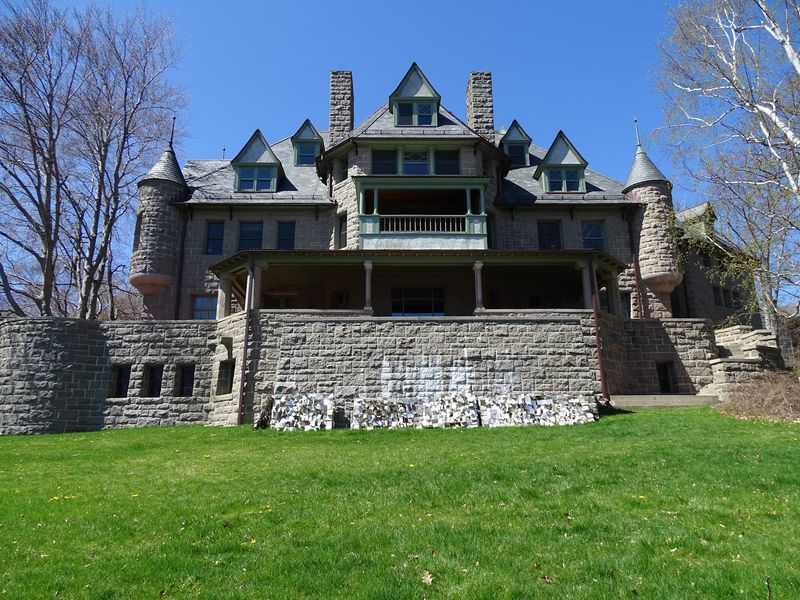
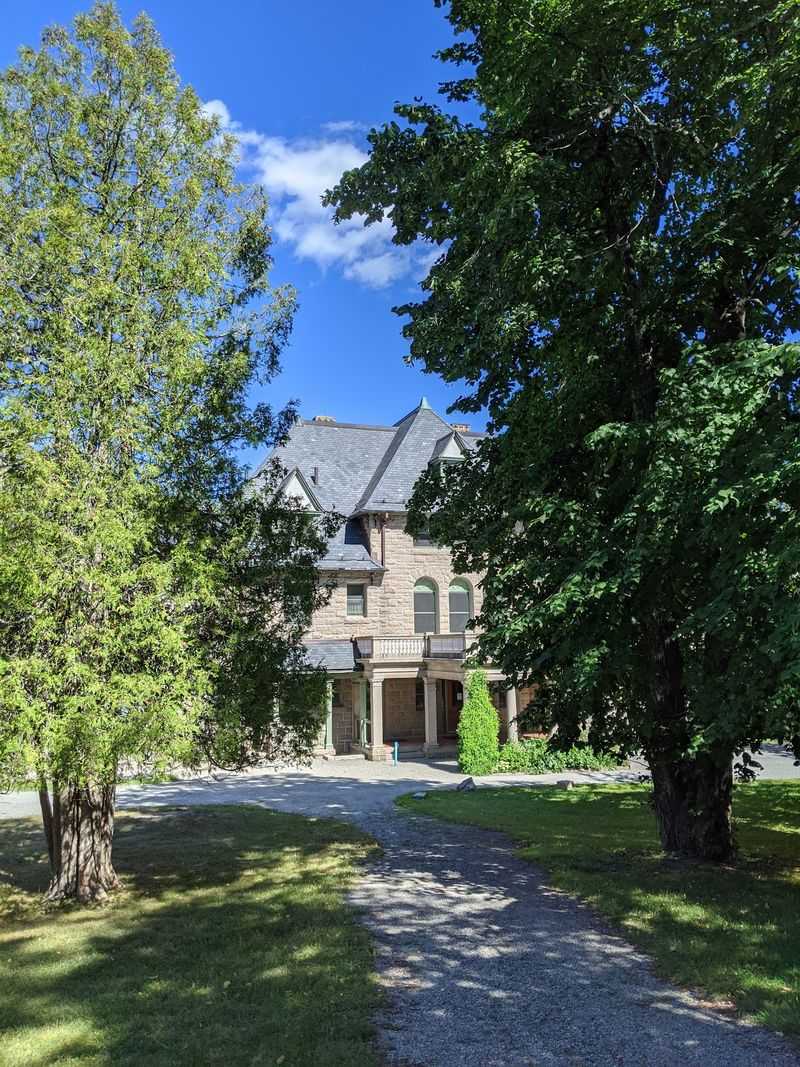
Picture an old stone mansion with round towers, built in 1895. Now picture it filled with whale researchers.
That is The Turrets, one of the most charming buildings on campus. It started as a summer cottage built as a gift. Today it holds offices, including the president’s office.
It also houses Allied Whale, a lab that studies marine mammals.
Another building has a fun backstory. It once served as the office of George B.
Dorr, the first superintendent of Acadia National Park. In 1995 it was moved to campus.
That building later held the Dorr Museum of Natural History. It has showcased student senior projects and animal exhibits. The museum has been open to the public too.
The adventure continues offshore. The college runs a research station on Great Duck Island for studying seabirds.
Another sits on Mount Desert Rock and focuses on whales and ocean issues.
Lighthouses on these islands were given to the college in 1998. They now work as field stations.
Not many students can say they did homework inside a lighthouse.
If ocean life excites you, this is a great reason to keep reading about the school. Watching whale videos online is a fun start.
Learning to tell species apart by their tails is even cooler.
Born From A Dollar And A Big Idea
Most land deals cost a fortune. This college got most of its campus land from a monastery for one dollar. That might be the best bargain in Maine history.
The story goes back to 1969. People on Mount Desert Island wanted a stronger year-round economy.
Summer tourists came and went, but winter got very quiet.
Father James Gower and local businessman Les Brewer came up with the idea of a college. A school would keep people around all year and bring fresh energy.
The community liked the plan, and it grew from there.
That neighborly start still shapes the school. It was built by locals who cared about their island.
That connection to place shows up in everything from farms to research.
The college has also been a leader in big green moves. In 2005, it held what is known as the first zero-waste graduation.
In 2007, it became the first carbon-neutral college in the country.
Then in 2013 it fully divested from fossil fuels. Its goal is to be completely fossil fuel-free by 2030.
That is a bold target for any school.
The lesson here is simple and kind of inspiring. A small group with a good idea can build something lasting. Your town could use a big idea too.