
This Historic Textile Mill In Massachusetts Is Now A Museum Filled With America’s Industrial Past
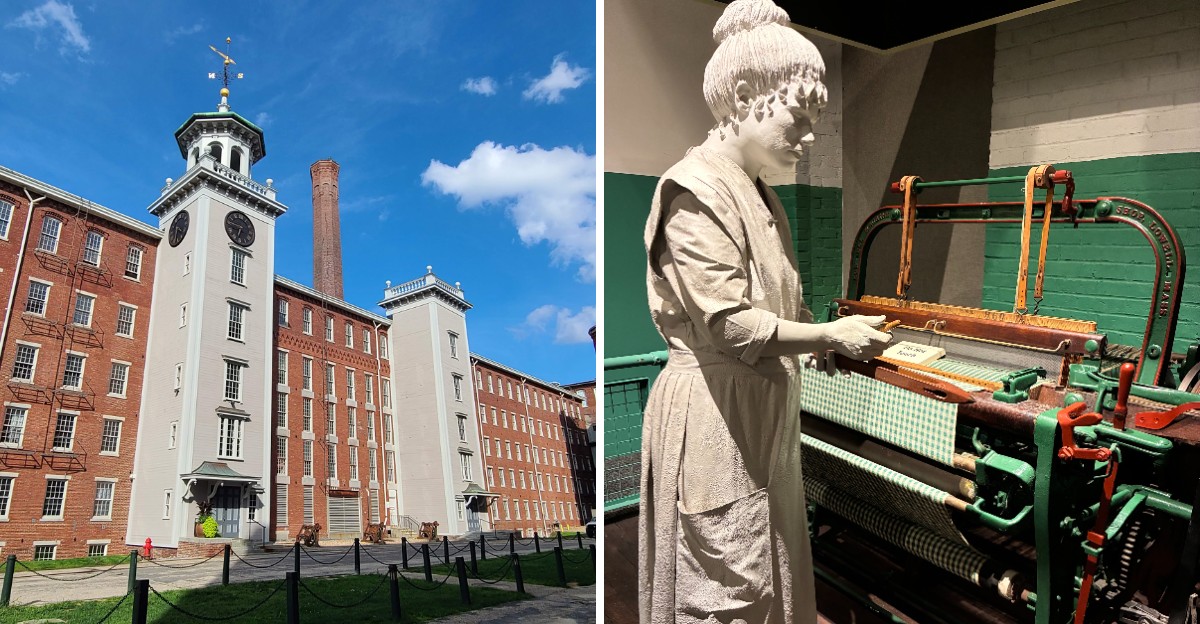
The machines are quiet now, but it does not take much imagination to hear how loud this place once was. Rows of looms, brick walls, and old factory floors still carry the story of the workers who helped power a major chapter of American industry.
Inside, the past feels physical. Massive equipment, preserved workspaces, and displays about mill life show just how demanding textile work could be and how much these factories shaped entire communities. The building itself does much of the storytelling.
Massachusetts has deep industrial roots, and this museum puts visitors right in the middle of them. Instead of reading about factory history in a textbook, you get to stand where the work actually happened and see the scale of it up close.
The Roaring Weave Room That Steals The Show
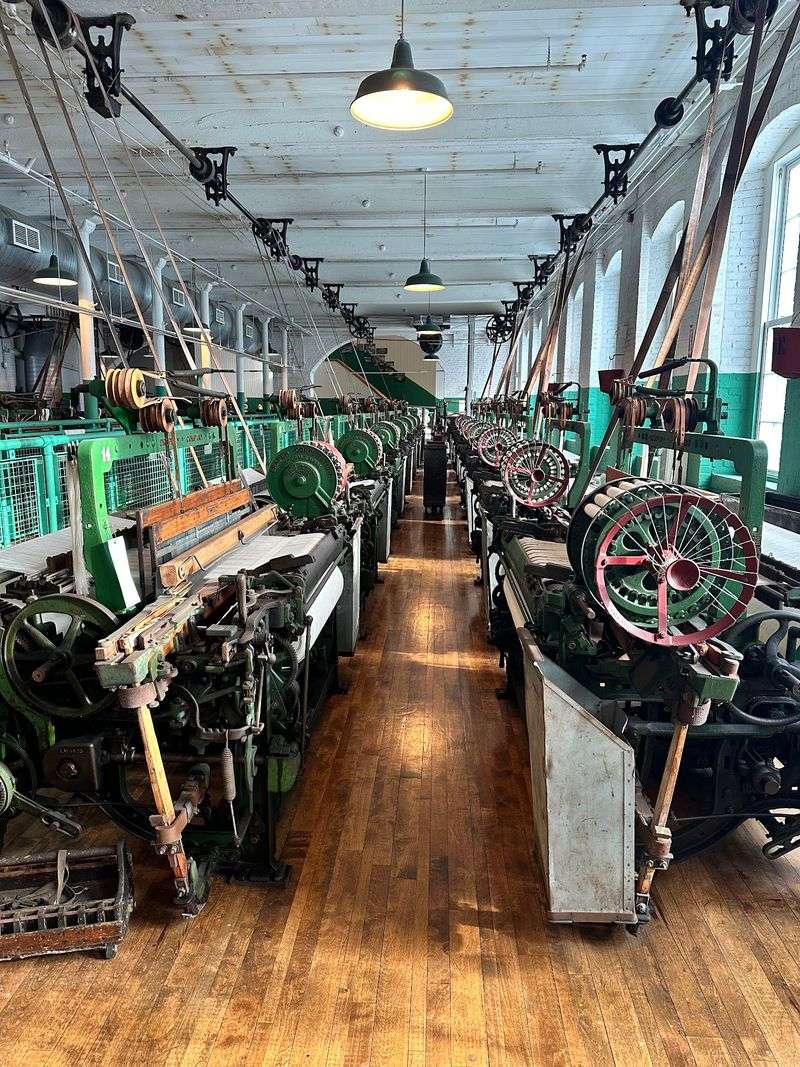
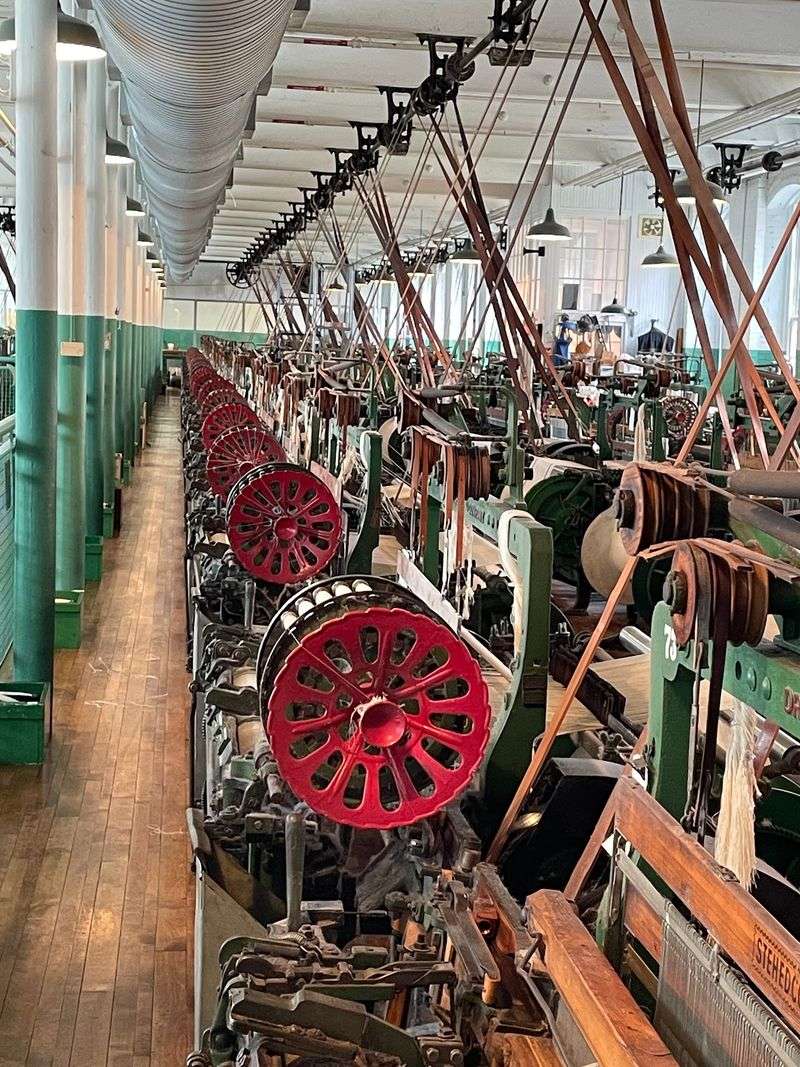
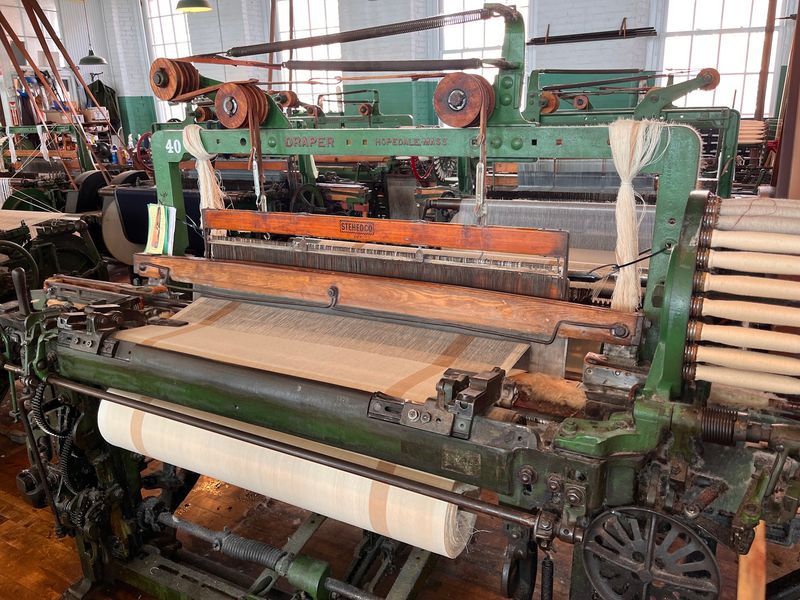
Earplugs are handed out for a reason, and you will be grateful within seconds. The weave room holds rows of historic power looms that still run.
When rangers switch them on, the clatter fills the space like a thunderstorm made of metal. Shuttles fly back and forth while belts spin overhead.
Here is the wild part to remember. Only a portion of the looms run during demonstrations, yet the noise is still enormous.
Now picture every loom running at once for a full workday. That thought alone helps explain why mill work was so tiring.
Demonstrations happen regularly throughout the day, so check the schedule when you arrive. Rangers explain how each loom works and what workers had to watch for.
Watch closely as fabric slowly grows on the machines. You can see threads crossing in real time, which makes weaving finally make sense.
The room also feels warm and humid, much like it did long ago. Cotton threads break less often in damp air, so mills kept it that way on purpose.
Stand still for a minute and simply listen. The sound tells a story no textbook can match.
A Brick Giant Born From The Industrial Revolution
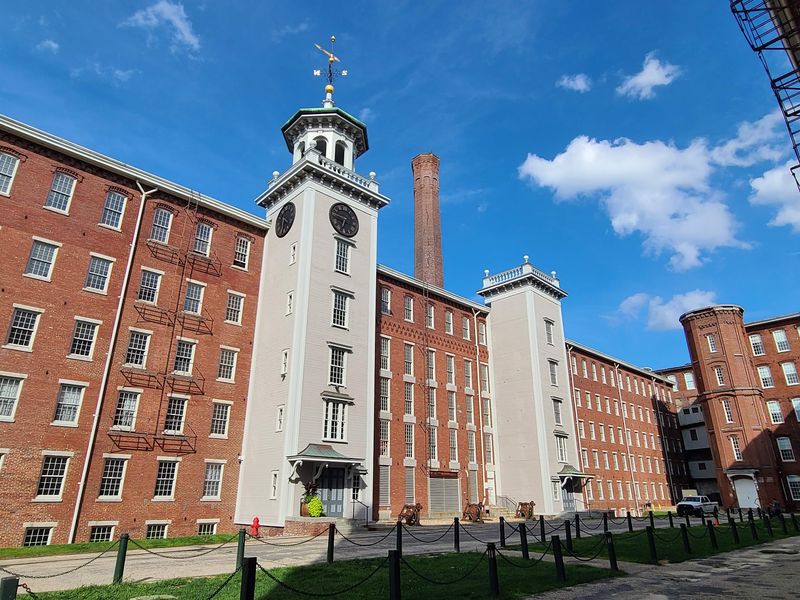
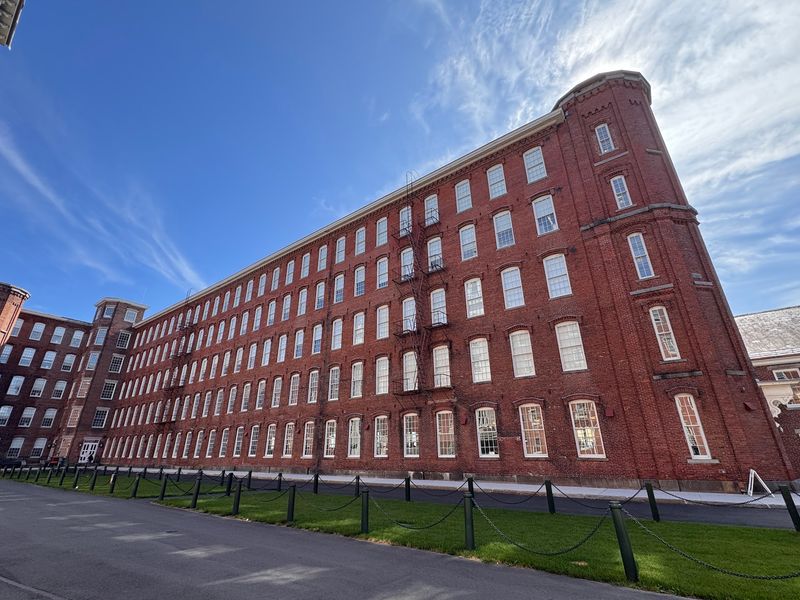
Some buildings whisper their history, but this one practically shouts it. The Boott Cotton Mills complex rose along the Merrimack River in the 1830s.
Its long rows of red brick and tall windows were built for one big job. That job was turning raw cotton into finished cloth, fast and on a huge scale.
Today, the Boott Cotton Mills Museum sits inside this restored complex at 115 John St in Lowell, Massachusetts. It is part of Lowell National Historical Park, run by the National Park Service.
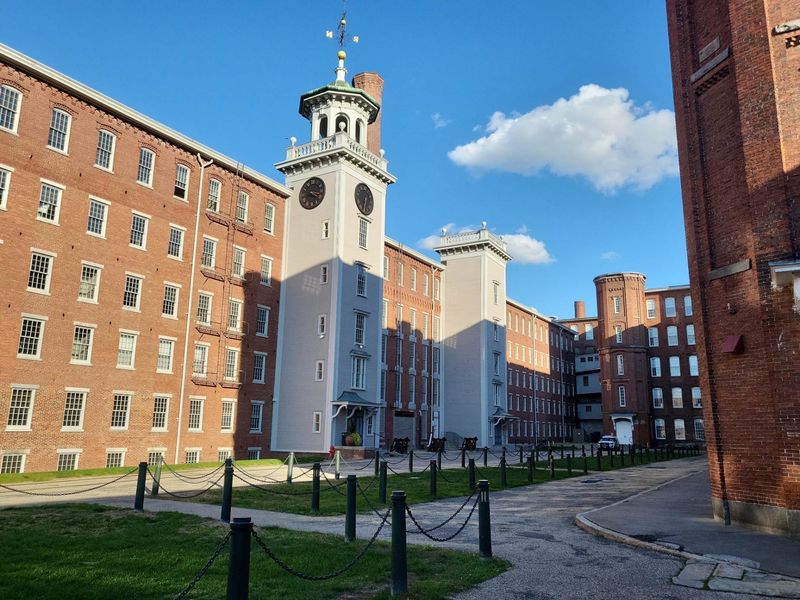
The courtyard is a great place to pause before heading inside. Look up at the clock tower and the bell tower, which once ruled the workers’ daily schedules.
Bells rang to start shifts, end shifts, and signal short meal breaks. Time was money here, and the towers made sure everyone knew it.
Many of the surrounding mill buildings now hold apartments and offices. That mix of old walls and new life makes the setting feel lively rather than frozen.
Bring your camera, because the brickwork and tower look striking from almost every angle. Morning light gives the brick a warm glow.
Meeting The Famous Mill Girls
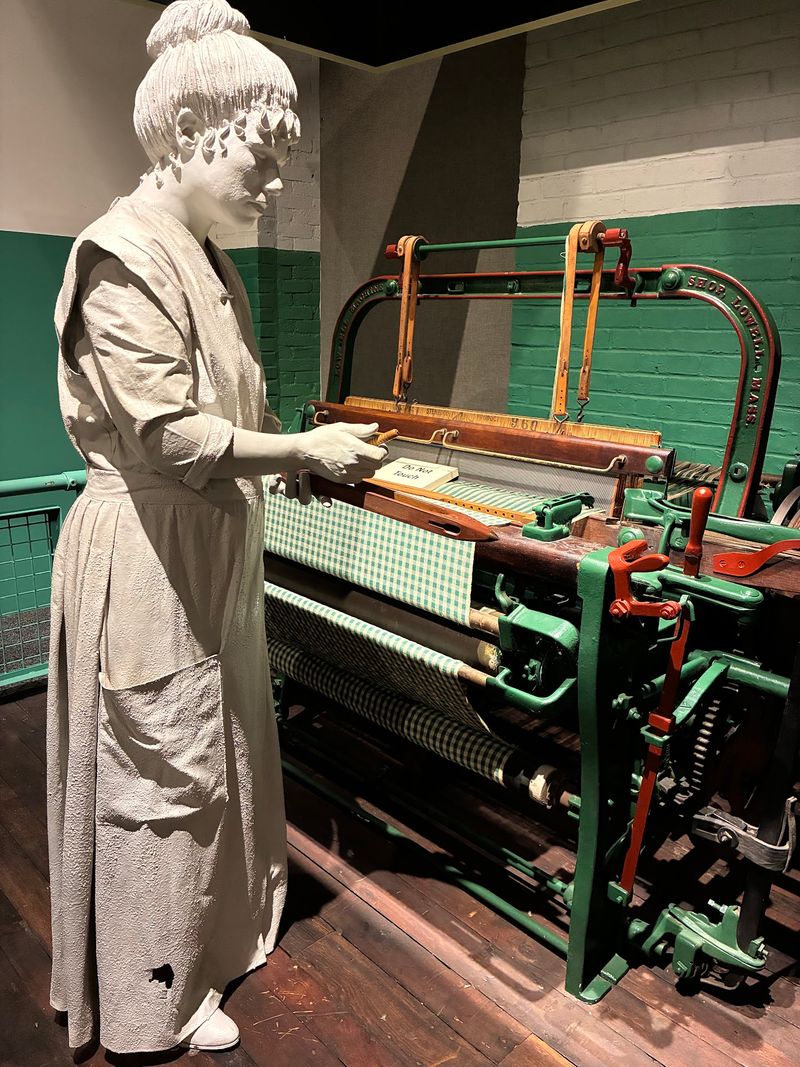
Long before teen jobs meant flipping burgers, young women ran some of the busiest machines in America. They became known as the Lowell mill girls.
Many came from farms across New England in the early 1800s. For many, it was their first chance to earn their own money.
Exhibits upstairs share their daily routines, from dawn bells to evening rest. Workdays often stretched around twelve hours, six days a week.
The women lived in company boarding houses with strict rules. Curfews, church attendance, and good behavior were expected.
Yet they also read, wrote, and attended lectures in their free time. Some even published their own literary magazine called the Lowell Offering.
That detail surprises many people learning about factory life. These workers were thinkers and writers, not just hands at a machine.
The museum uses quotes, photos, and personal stories to bring them forward. You start to see real faces instead of a vague crowd.
Take time with these displays. They show how independence, hard work, and hope often lived side by side in the mills.
From Fluffy Cotton To Finished Fabric
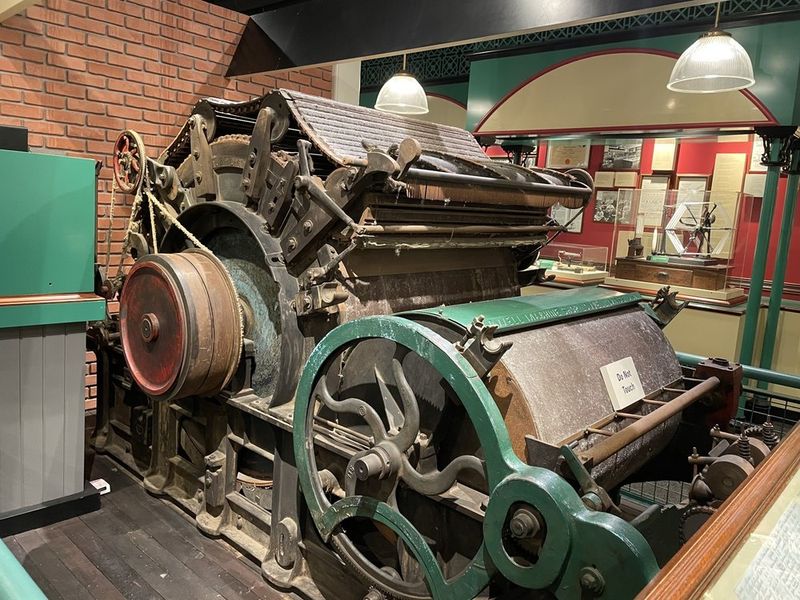
Ever wondered how a puffy cotton boll turns into a bedsheet? The museum answers that question step by step.
Displays walk you through each stage of production. Cotton was cleaned, combed, spun into thread, and then woven into cloth.
Each step needed its own machines and its own workers. Carding machines untangled fibers, while spinning frames twisted them into strong yarn.
Seeing the stages in order makes the whole system click. It feels a bit like watching a giant recipe come together.
The exhibits also show where the cotton came from. Much of it was grown on Southern plantations by enslaved people.
The museum presents this link honestly, helping explain how Northern mills and Southern farms were tied together. It adds an important layer to the story.
Hands-on pieces let you touch fibers and compare textures. Kids especially enjoy feeling the difference between raw cotton and woven cloth.
Give yourself time here, because there is plenty to read. The process seems simple at first, then grows more impressive the more you learn.
Water Power And The Clever Canal System
Before electricity ran the show, rivers did the heavy lifting. The mills here depended on the rushing Merrimack River.
Engineers built a network of canals stretching about five and a half miles through the city. These canals carried water to the mills to spin giant wheels and turbines.
That spinning power traveled through shafts and leather belts. Eventually it reached every loom and spinning frame inside.
The museum explains this system with models and clear diagrams. Suddenly the city map makes sense, with canals curving between factories like ribbons.
There is also a great story about industrial spying. Francis Cabot Lowell studied British textile machines on a trip abroad.
He memorized key designs and helped recreate the power loom back home. That bold move helped launch large-scale cloth making in America.
After exploring, step outside and look for canals nearby. Seeing the real water channels connects the exhibits to the land around you.
The park also offers seasonal canal boat tours in this part of the state. Checking the park website ahead of time can help you catch one.
Workers Who Spoke Up For Fair Treatment
Long hours and lower pay did not go unanswered. Mill workers in Lowell became some of the earliest labor activists in the country.
In the 1830s, women workers organized strikes called turnouts. They protested wage cuts and rising boarding house costs.
Later, groups like the Lowell Female Labor Reform Association pushed for a ten-hour workday. Their petitions helped spark statewide conversations about working conditions.
The museum tells these stories with care and clear detail. Posters, documents, and photos show how ordinary workers found their voices.
As the years passed, the workforce changed. Immigrants from Ireland, French Canada, Greece, Poland, and many other places filled the mills.
Each group brought new traditions and new demands for fairness. Their efforts shaped labor rights that many workers still benefit from today.
A film upstairs covers this long journey, from the mill girls to later generations. It runs about fifteen minutes and is well worth the seat.
Think about your own job or chores while watching. The comparison makes these brave workers feel surprisingly relatable.
Hands-On Fun For Curious Kids
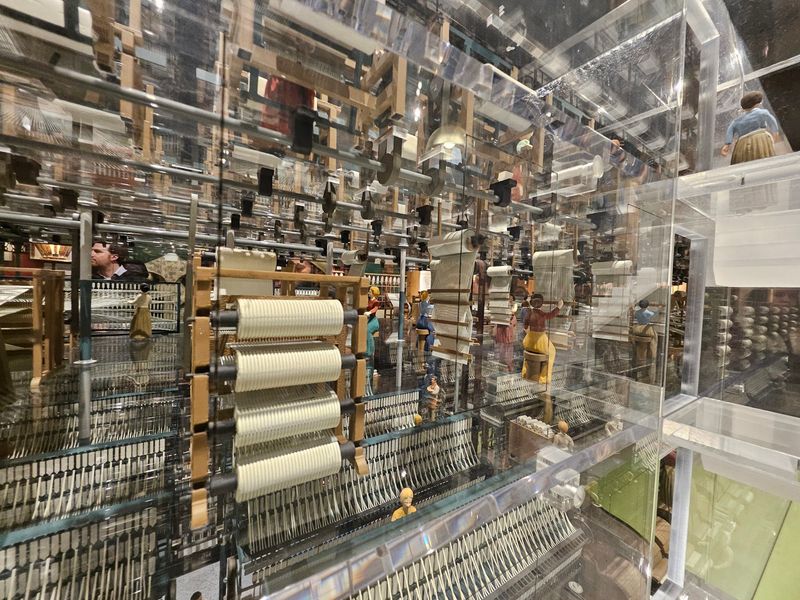
Kids who claim museums are boring are in for a surprise. The upstairs galleries are packed with things to touch, try, and listen to.
Interactive stations explain machines through buttons, levers, and simple puzzles. Audio stories share the voices of different people who lived the mill life.
One fun trick has become a favorite with young explorers. When the looms run downstairs, kids can feel the floor vibrate above.
That shaking helps them understand the power of the machines. It turns a history lesson into a full-body experience.
School groups have visited for years, and the exhibits are built with them in mind. Information comes in many forms, from reading panels to short videos.
That variety keeps restless minds busy. A child can watch, listen, then move on to something new.
The National Park Service also offers Junior Ranger activities at the park. Ask at the front desk about booklets that can earn a badge.
Plan for breaks and snacks outside the galleries. Happy, rested kids will soak up much more history.
Rangers Who Turn Facts Into Stories
A good guide can make a dusty fact sparkle. The rangers here are known for doing exactly that.
During weave room demonstrations, they explain how each machine works. They also share what life on the mill floor really felt like.
Questions are welcome, so do not be shy. Rangers can explain anything from loom parts to worker schedules.
Some demonstrations even show how operators changed thread spools. Swapping colors creates new patterns in the cloth.
That small detail shows the skill mill work required. Operators had to be quick, careful, and alert at all times.
Rangers also connect the Boott Cotton Mills Museum to other sites around the park. They can point you toward boarding houses, canals, and walking routes.
Grab a park map before leaving the building. It makes exploring the rest of downtown much easier.
If you arrive during a quiet hour, you may enjoy a more relaxed conversation. Early weekday mornings often feel calmer.
These talks add warmth to the whole experience. History feels personal when someone shares it with real enthusiasm.
Smart Tips For Planning Your Trip
A little planning goes a long way, and this museum makes it easy. The Boott Cotton Mills Museum is open daily from 9 AM to 4 PM.
Admission is low, around six dollars for adults. Seniors and holders of certain federal park passes often pay less.
Prices can change, so check the National Park Service website before going. The site also lists demonstration times and seasonal events.
Most people spend about one to two hours inside. History lovers who read every panel may want even longer.
The building is air conditioned and has elevators and restrooms. That makes it comfortable for families and people with mobility needs.
Street parking is available nearby, with some metered spots. Public garages in downtown Lowell are also close by.
Consider starting at the park visitor center on Market Street. From there, the walk to the mill takes only a few minutes.
Pack earplugs if you have sensitive ears, though the museum provides them. Comfortable shoes are smart too, since nearby sites invite more walking.
Riverwalk Views And A Gift Shop Finale
The adventure does not end at the exit door. Just behind the mill, the Riverwalk follows the Merrimack River.
This paved path offers fresh air and lovely water views. Old brick mills line the route, reminding you where all that river power went.
It makes a peaceful way to reflect after the noisy weave room. The quiet feels extra sweet after the looms.
Inside, the museum stairwell offers a great view as well. Pause there and look out over the rooftops and towers.
Before leaving, browse the gift shop for a fun keepsake. You will find books, history-themed gifts, and woven items.
A book on the mill girls can extend the story at home. Kids may enjoy simple souvenirs that remind them of the machines.
Many people return more than once and still find something new. The exhibits are rich enough to reward a second look.
End your day by exploring other nearby park sites. The whole city feels like an open-air history book waiting for its next reader.