
9 Tennessee Towns Losing Residents As Their Communities Grow Older
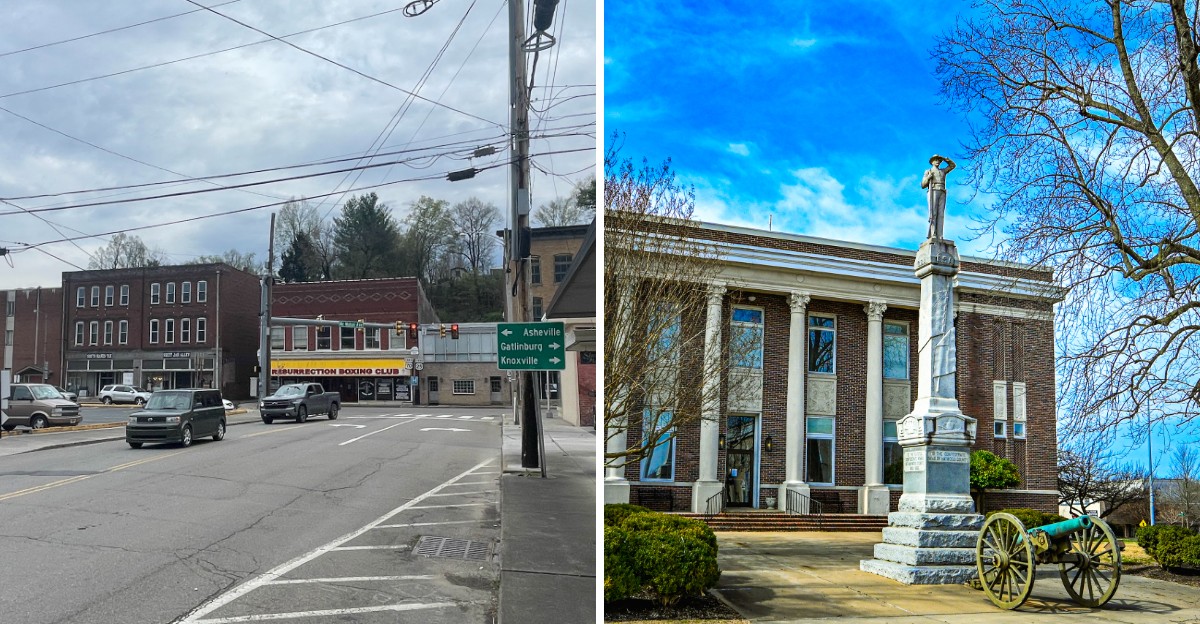
What happens to a small town when more people are celebrating retirement than starting their careers? The changes might not happen overnight, but eventually, they become hard to ignore.
Empty storefronts stay vacant longer. School enrollment drops.
Familiar families move away, and the neighbors who remain watch their communities change year after year.
Several Tennessee towns are facing this reality as population numbers decline and residents grow older. Younger generations often leave for better jobs, higher education, or opportunities that smaller communities struggle to provide.
But these towns are far more than numbers on a census report.
They have decades of history, longtime businesses, and residents who still care deeply about the places they call home.
Tennessee’s changing population tells a complicated story about what happens when small communities struggle to keep their younger generations.
Which towns are feeling these changes the most, and what might their futures look like?
1. Gruetli-Laager
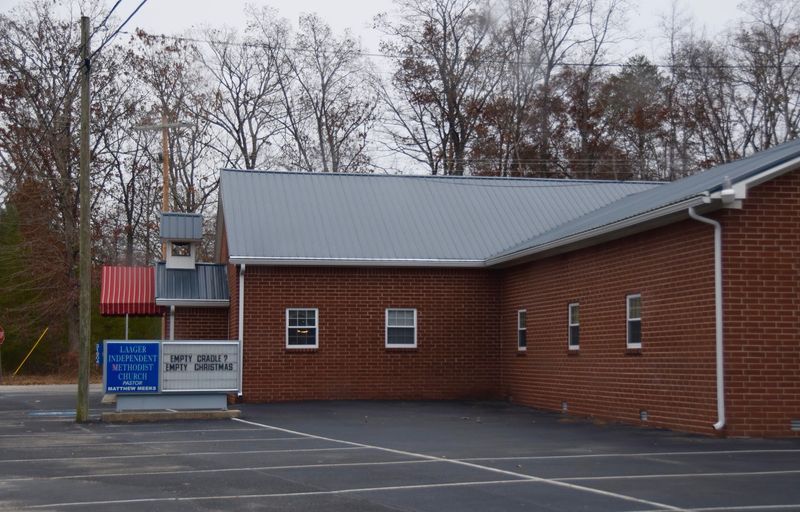
Swiss settlers arrived on the Cumberland Plateau in 1869 and founded a colony called Gruetli. Today, that bit of Alpine history lives on in a city name that is fun to say and hard to spell.
Gruetli-Laager sits in Grundy County, where green hills and quiet roads set the tone. Life moves at a relaxed pace here.
Lately, though, the population has been moving in one direction, and it is not up.
The 2020 Census counted 1,742 residents. Recent estimates place the number near 1,480.
That is a noticeable drop for a community this size, where losing a few families can feel like losing a whole street.
Age tells the rest of the story. The median age is about 50.5 years, one of the highest on this list. For women, it climbs to roughly 55.6, while men come in around 44.5.
Back in 2020, about 18.5 percent of residents were 65 or older. With younger folks leaving for work in larger cities, that share is likely to keep rising.
So what does this mean for the people who stay? Neighbors often lean on each other more.
Rides to doctor visits, help with yard work, and friendly check-ins become part of daily life.
If you have a relative in a town like this, a weekly phone call matters more than you might think. Small gestures help keep small places strong.
2. Jellico
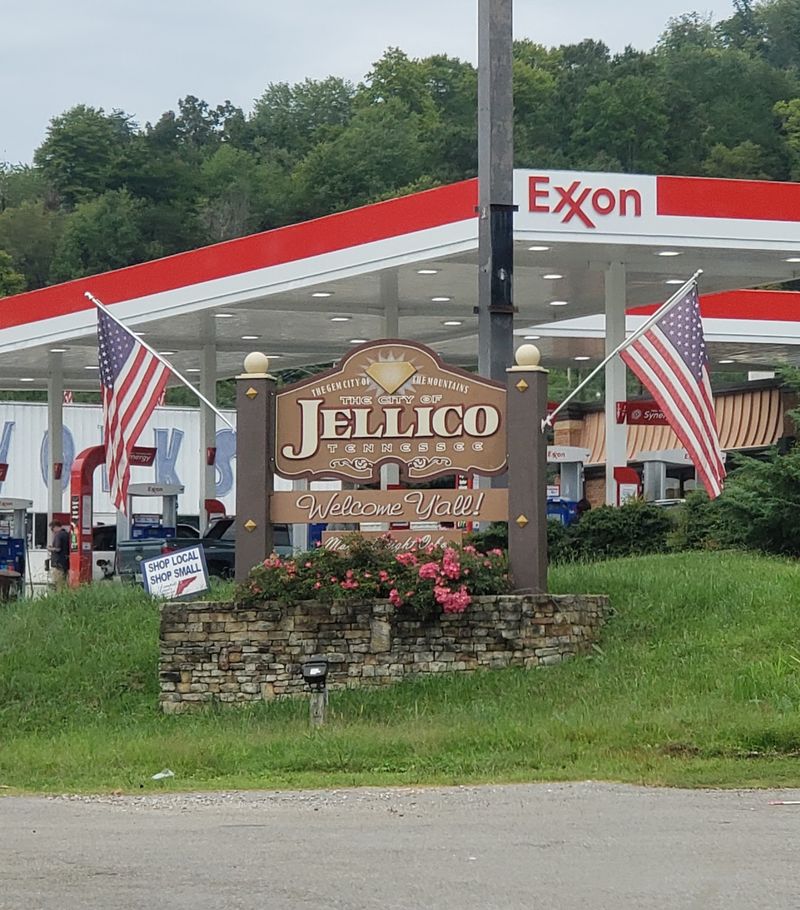
Stand in one spot in Jellico, and you are just a short stroll from Kentucky. This Campbell County town hugs the state line, surrounded by the rugged hills of the Cumberland Mountains.
Coal mining once powered the local economy and drew workers from all over. As mining slowed down over the decades, many jobs faded too.
Families followed the paychecks elsewhere, and the town slowly grew quieter.
The numbers back this up. Jellico had about 2,150 residents in the 2020 Census. Estimates since then range from around 2,122 down to about 1,855, depending on the source.
Looking further back makes the trend even clearer. Since the year 2000, the population has shrunk by about 13 percent.
That is a big slice for a town that was never very large to begin with.
Meanwhile, the people who remain are getting older. The median age sits at about 50.4 years. Roughly one in four residents, around 25 to 27 percent, is 65 or older.
That shift changes what a town needs most. Clinics, pharmacies, and senior services become more important than new playgrounds. Volunteer groups and churches often step up to fill the gaps.
Here is a fun thought to end on. Jellico sits right where mountain views are free and neighbors still know your name. Those are perks that no big city can easily copy.
3. Parsons
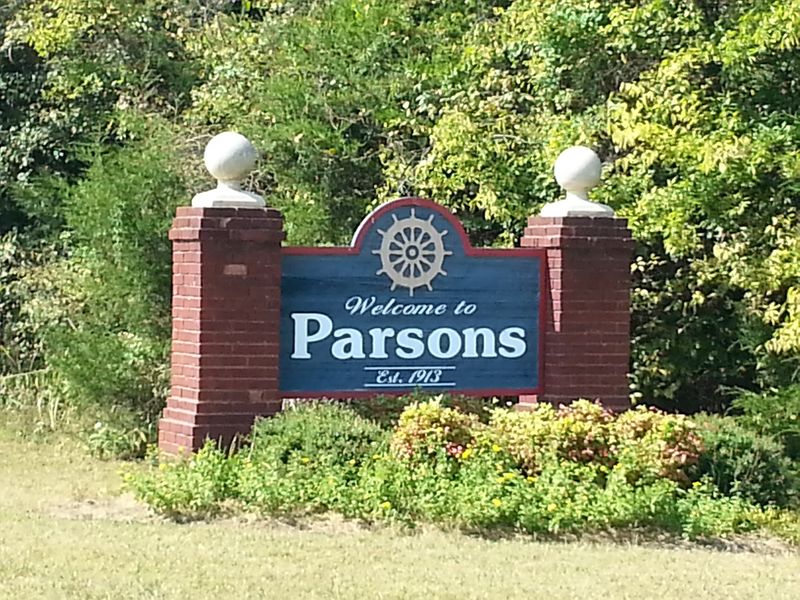
Some towns age like a favorite pair of jeans, comfortable and full of stories. Parsons, a small city in Decatur County, fits that description pretty well.
Set near the Tennessee River in the western part of the state, Parsons enjoys open country and a calm, unhurried feel. Fishing, boating, and lake trips are popular in the area.
Those same peaceful qualities attract retirees looking for a slower lifestyle. That helps explain the age figures. The median age in Parsons is around 45 to 46 years.
In 2020, about 24.5 percent of residents were 65 or older, and recent estimates place that share near 23.8 percent.
Population counts here can be a little confusing. Different data sources report different totals, so it is wise to look at more than one when reading the trend. What stays consistent is the older age profile.
Like many rural towns, Parsons sees young adults leave for college, training, or jobs in larger cities. When they do not come back, the community naturally tilts older.
There is a bright side to all this experience. Older residents often hold the town’s memory, from old family recipes to local history.
They also tend to be loyal volunteers at schools, libraries, and community events.
A smart idea for any small town is pairing teens with seniors for projects. Everyone learns something, and the generation gap shrinks a little.
4. Brownsville
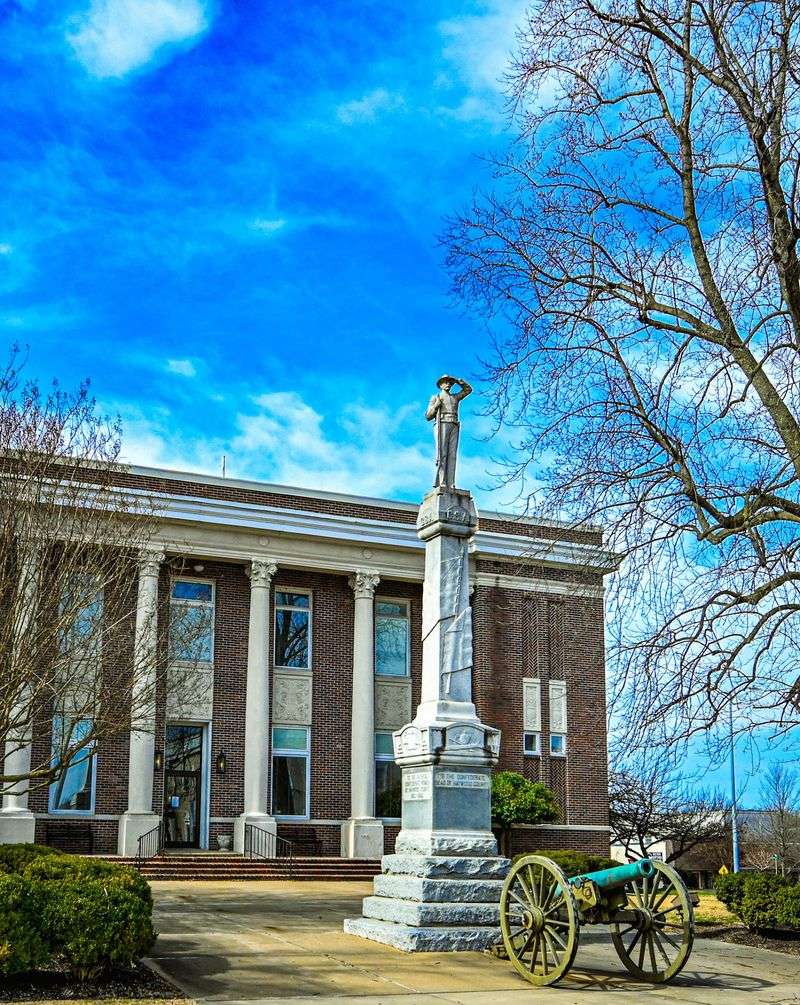
Music fans might recognize Brownsville as a place with deep blues roots. Legendary singer Sleepy John Estes called this West Tennessee town home, and Tina Turner grew up in nearby Nutbush.
As the county seat of Haywood County, Brownsville is the biggest town on this list. Its historic courthouse square and older homes give it real character.
Still, size does not protect a place from shrinking.
The 2020 Census recorded about 9,887 residents. Estimates for 2026 suggest roughly 9,184 people.
That works out to a drop of about 7 percent in just a few years. The yearly decline is about 1.26 percent. That may sound small, yet it adds up quickly.
Every family that moves away means one less household shopping locally and filling classroom seats.
Brownsville is younger than some towns here, with a median age near 40.4 years. About 20.5 percent of residents are 65 or older.
That means one in five people is in their senior years.
So why do people leave? Job opportunities often draw workers toward Memphis and Jackson. Big new projects in the region could change that picture over time, so the story is still being written.
For now, Brownsville shows how even a county seat with rich history can feel population pressure. Its musical legacy, though, keeps humming along nicely.
5. Newport
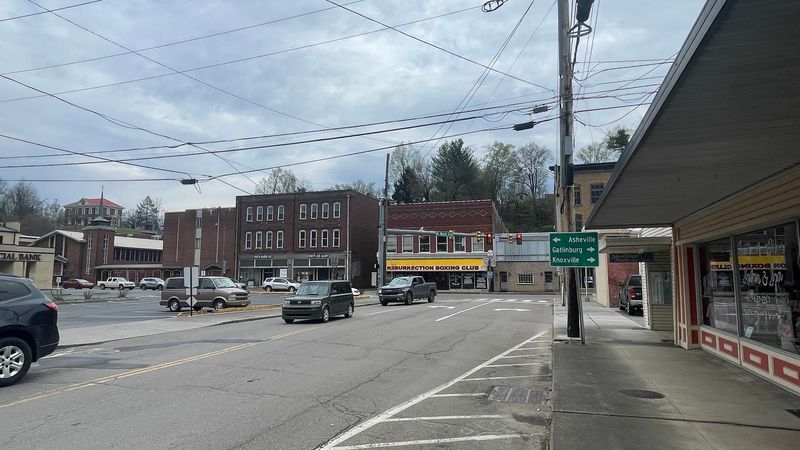
Mountain views come standard in Newport. The Cocke County city sits near the foothills of the Great Smoky Mountains, with the Pigeon River flowing close by.
Outdoor fans love this corner of East Tennessee. Whitewater rafting, hiking trails, and scenic drives are all part of the local appeal.
Yet even beautiful scenery cannot fully stop a slow population slide.
The changes in Newport are gentle, not dramatic. Estimates for 2025 place the population around 7,025 to 7,049 people. A small decline of about 0.18 percent is projected for 2026.
Age is where things get interesting. The median age in the city was about 43.9 years in 2024.
In the wider Newport area, which has around 36,813 people, the median age climbs to roughly 45.3.
That wider area also saw a slight one-year dip of about 0.22 percent. In short, the region is holding steady while getting a bit grayer each year.
Many retirees enjoy towns like Newport for the calm pace and natural beauty. Meanwhile, younger workers may head toward Knoxville or other growing cities for more job choices.
Here is a helpful tip for families in areas like this. Planning ahead for senior needs, such as transportation and home safety updates, makes a big difference.
A grab bar today can prevent a big problem tomorrow.
6. Trenton
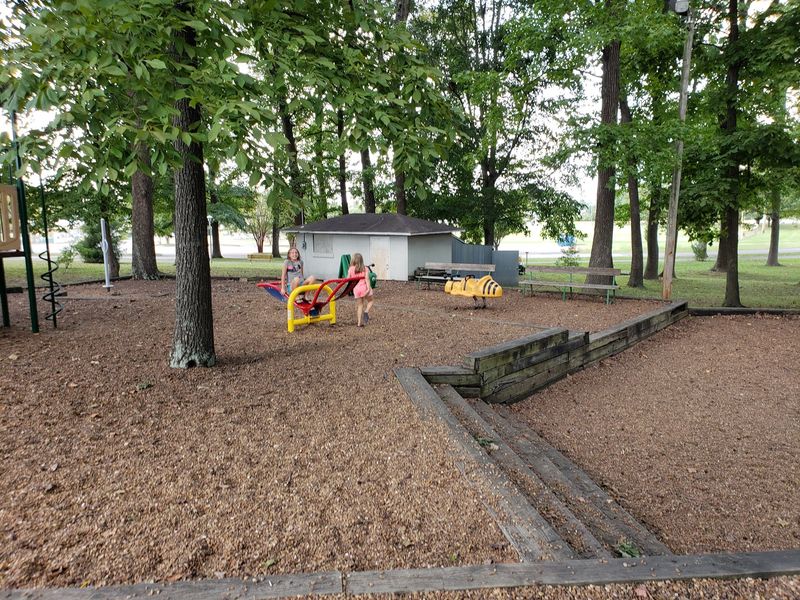
Few towns can claim a collection of teapots as their claim to fame. Trenton can.
This Gibson County seat proudly displays a large collection of porcelain veilleuse teapots at its city hall.
That quirky treasure even inspired an annual Teapot Festival. It is a charming reminder that small towns often have surprising personalities.
Unfortunately, charm alone cannot keep every resident from packing up.
The 2020 Census counted 4,234 people in Trenton. Estimates for 2026 put the number near 4,115. That is a decrease of about 2.8 percent, with an annual drop of roughly half a percent.
The longer view is more striking. Since 2000, Trenton has shrunk by about 13 percent. Over two decades, that adds up to hundreds of empty seats at local events.
Interestingly, Trenton is one of the younger towns on this list. The median age is about 38.9 years.
Somewhere between 17.6 and 20.5 percent of residents are 65 or older, depending on the data source.
So the town is not aging as fast as some neighbors. It is mostly losing people overall, which still affects schools, shops, and local budgets.
Communities like Trenton often lean on festivals and traditions to bring folks together. Celebrating quirky local history gives former residents a great reason to visit.
Who knew teapots could be such a strong glue?
7. South Pittsburg
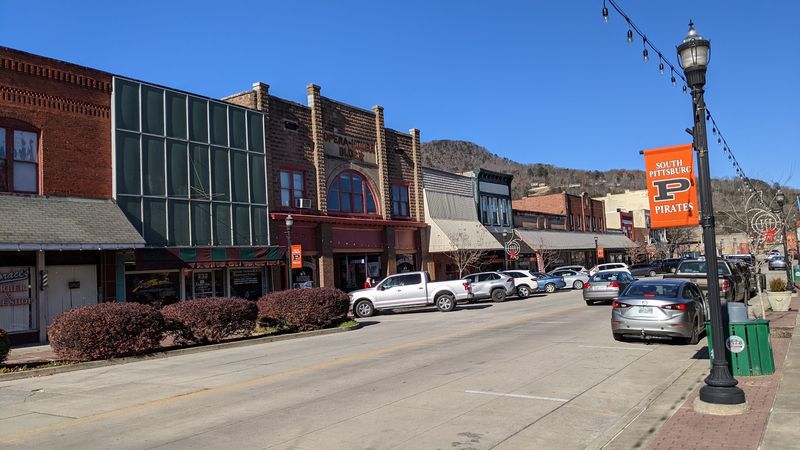
Cast iron skillets have made South Pittsburg famous far beyond Marion County. Lodge, the well-known cookware company, was founded here in 1896 and still calls the town home.
Nestled near the Tennessee River and framed by mountains, South Pittsburg has a sturdy, hardworking spirit. Its industrial roots run deep.
Even so, the population has been easing downward in recent years.
The 2020 Census recorded 3,088 residents. Estimates for 2026 suggest about 2,899 people. That is a drop of roughly 6 percent, with an annual decline close to 1 percent.
The aging trend here is especially noticeable. In 2020, the median age was about 41.9 years. Newer estimates place it near 49.5, which is a big jump in a short time.
The senior share has grown as well. About 19.9 percent of residents were 65 or older in 2020. That figure has since climbed to roughly 21.7 percent.
When a town ages this quickly, needs shift fast. Health care access, safe sidewalks, and community centers move to the top of the list.
Local leaders often work to attract young workers with jobs and affordable housing.
Famous companies help keep a town on the map. Still, it is the everyday neighbors who keep it running. In South Pittsburg, those neighbors are just a little more seasoned these days.
8. Etowah
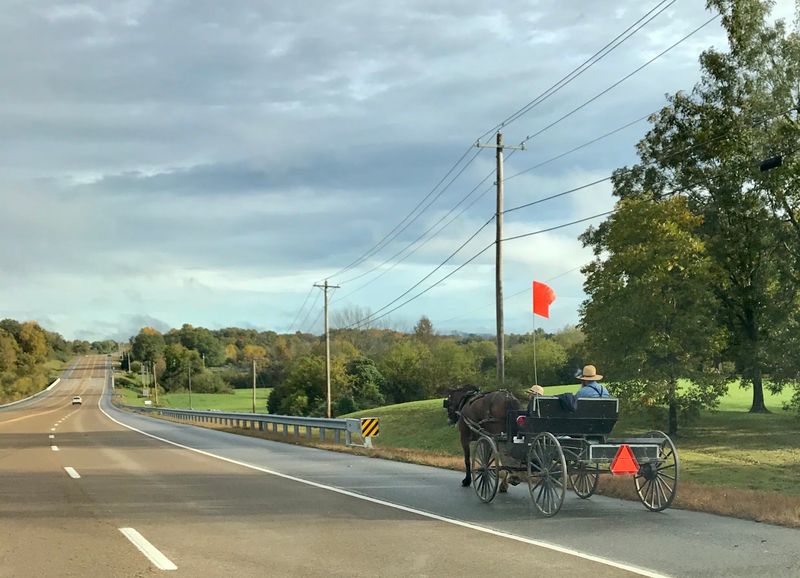
Trains built Etowah, almost literally. The town grew up around the Louisville and Nashville Railroad in the early 1900s, and its historic L and N Depot still stands proudly today.
Here is a plot twist for this list. Etowah has actually been growing lately.
Its 2020 Census count of 3,602 has risen to an estimated 3,824 for 2026, an increase of about 6 percent. So why include it? History and age tell an important story.
During the 1990s, Etowah’s population fell by about 4 percent as railroad and industry jobs changed.
The town also has a sizable older population. In 2022, about 21.8 percent of residents were 65 or older. That works out to roughly 789 seniors in a town of about 3,614 people.
The median age sits near 42.6 years. That is older than many cities in Tennessee, even if the town is no longer shrinking.
Etowah shows that losing residents is not always permanent. Towns can bounce back with new housing, local pride, and steady interest from newcomers.
Affordable living and mountain scenery nearby certainly help.
For other small towns, Etowah offers a hopeful example. Protecting history while welcoming new families can bring fresh energy.
The train may not stop as often, but people are still finding their way here.
9. Clifton
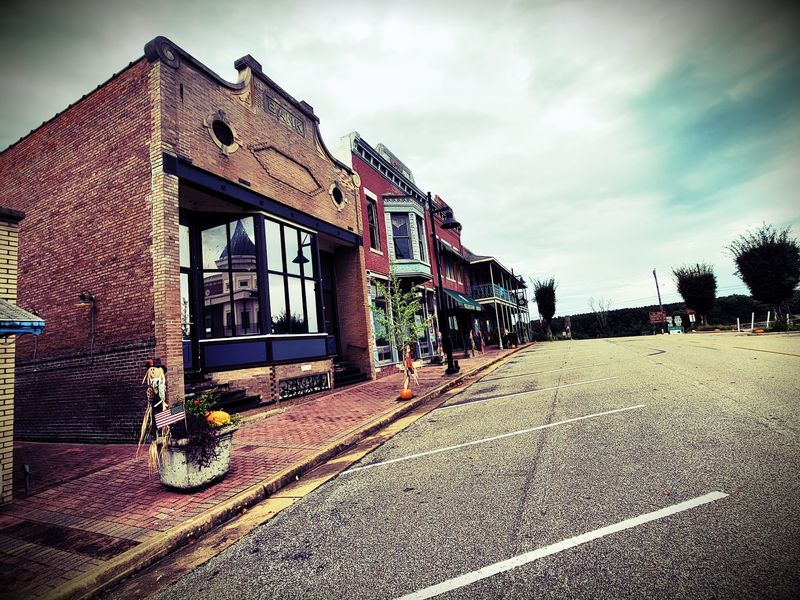
Riverboats once made Clifton a busy stop along the Tennessee River. Today, this Wayne County town is much quieter, with wooded bluffs and peaceful water views.
Clifton also has a literary claim to fame. Author T. S. Stribling, who won the Pulitzer Prize for fiction in 1933, grew up here. Not bad for a small river town.
Population numbers are where Clifton stands out the most. The 2020 Census recorded 2,655 residents.
One estimate for 2026 suggests around 2,208, which would be a drop of nearly 17 percent.
Not every source agrees, though. Another estimate places the 2025 population near 2,660. When numbers differ this much, it is smart to watch future official counts closely.
Age is also creeping up. The median age rose from about 41.4 years in 2020 to roughly 44.1 in newer estimates.
The share of residents 65 and older grew from about 8.6 percent to around 12.1 percent.
Compared with other towns here, Clifton has fewer seniors overall. Even so, the upward trend shows the same pattern seen across rural Tennessee.
Communities like this often find strength in their natural surroundings. Parks, river access, and outdoor activities can attract both visitors and new residents.
A beautiful riverbank is a pretty convincing welcome sign, after all.