
This Nevada Petroglyph Site Holds Rock Art Carved Thousands Of Years Before Las Vegas Existed
Some of the carvings on these dark boulders may be more than 8,000 years old. That means people were pecking designs into stone here long before anyone dreamed up a neon sign.
The rocks sit in the Nevada desert, but the setting once looked wildly different. A giant Ice Age lake lapped near these hills.
Marshes, birds, and plants filled a place that now grows mostly sagebrush.
I like how close you can get to all of it. A short, easy trail leads right among the boulders.
Interpretive signs help you sort swirls from circles and pits from grooves.
Best of all for anyone watching a budget, there’s no entry gate here. Parking is free, and the trail is open around the clock.
So how many ancient symbols can your crew spot before lunch?
An Ancient Gallery Right Off The Loneliest Road
Highway 50 has a famous nickname, the Loneliest Road in America. Yet just southeast of Fallon, it offers some very old company.
Grimes Point/Hidden Cave Archaeological Site sits roughly 10 miles from town, right off the highway. The Bureau of Land Management looks after it, and the entrance is easy to find from the road.
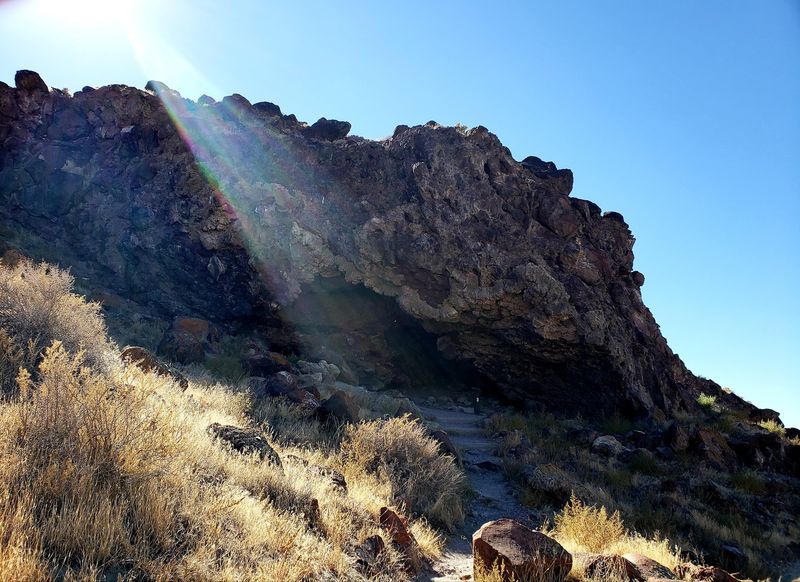
So what exactly is here? Picture a hillside of dark basalt boulders covered with carvings made by early peoples.
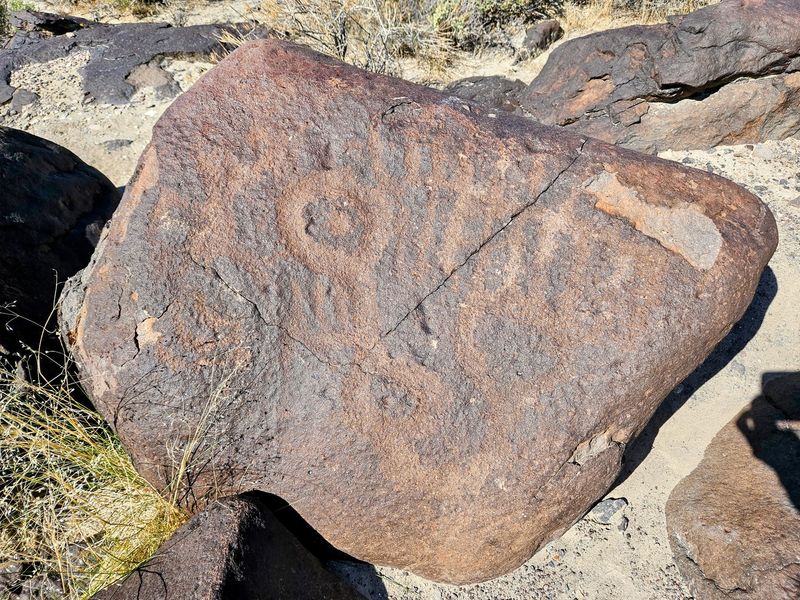
Some designs show animals, while many others are swirls, circles, and geometric shapes.
The site also includes several caves tied to ancient Lake Lahontan. One of them, Hidden Cave, can only be entered on a guided tour.
The others, along with the petroglyph trail and a hilltop overlook, are yours to explore on your own.
For Nevada families, the best part may be the cost. There’s no admission listed, and parking is free.
That makes this a rare outing where the gas tank is the biggest expense.
The site is listed as open 24 hours. Still, daylight is when the carvings really show up, so plan your visit around the sun.
Conditions can change, so a quick check with the BLM before driving is smart.
Carvings That Make Ancient Rome Look Brand New
Eight thousand years is a lot of birthdays. That’s roughly how old the oldest Pit and Groove carvings here are believed to be.
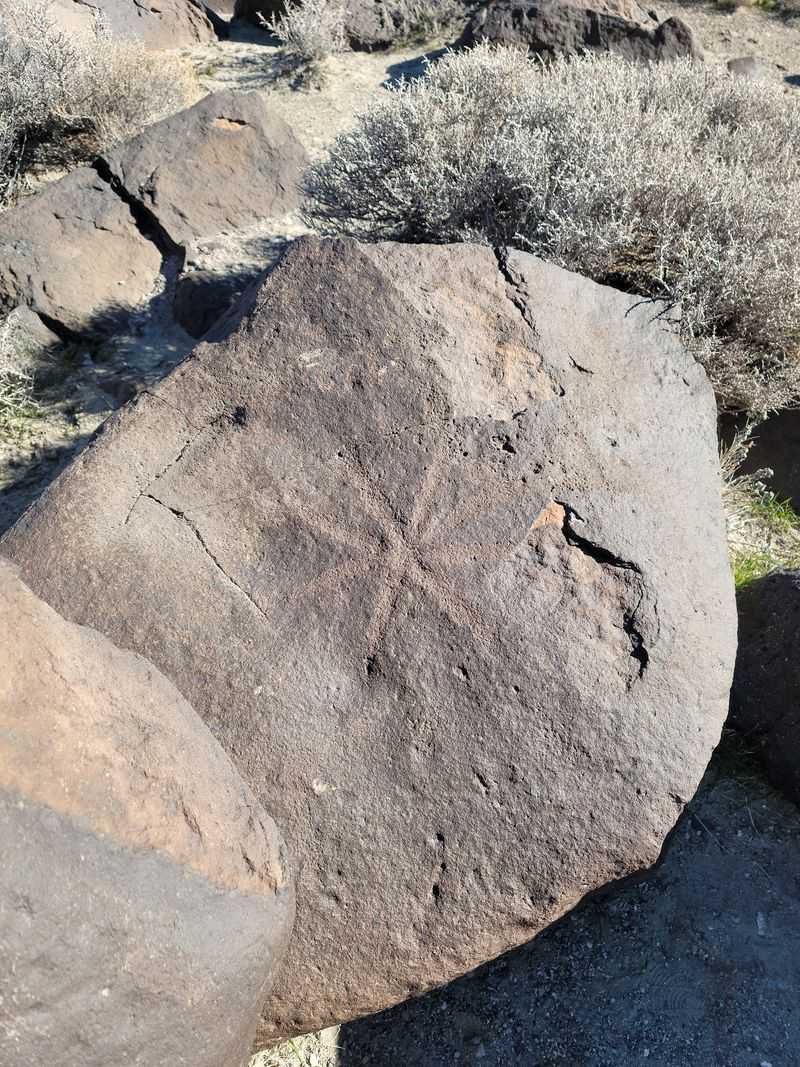
Other petroglyphs at Grimes Point are thought to date back at least 6,000 to 7,000 years. A rarer style, called Stillwater Faceted, may be even older.
Some estimates place it somewhere between 9,000 and 7,500 BCE.
Pit and Groove work is just what it sounds like. Artists made small indentations and incised lines across the stone surface.
It doesn’t look like a cartoon deer, but it carries real age.
Archaeologists believe early people lived in this area as far back as 14,000 years ago. The carvings may have served many purposes.
Maps, stories, rituals, or markers of important places are all possibilities.
Nobody knows the full meaning of every design, and that’s part of the fun. You get to stand there and wonder alongside the experts.
Kids especially seem made for that kind of guessing game.
I can’t imagine a better history lesson that costs nothing. Las Vegas didn’t exist yet, and neither did any city we’d recognize.
These rocks were already telling stories.
The Desert Used To Be A Giant Lake Here
Look around at the sagebrush and try to add a whole lot of water. When many of these carvings were made, the scene was very different.
Ancient Lake Lahontan covered much of northwestern Nevada near the end of the Ice Age. Its levels rose and fell dramatically over time.
At times, lush marshlands surrounded this area with plenty of plants and animals.
That shift helps explain why people kept coming back. Water meant food, materials, and shelter.
A rocky hillside overlooking a marsh would have been a pretty smart neighborhood.
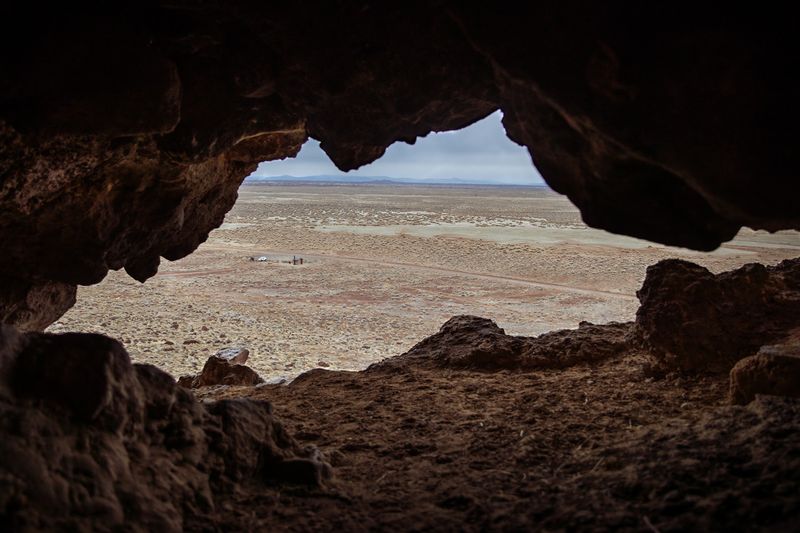
The lake left its fingerprints behind, too. Hidden Cave itself was carved by Lahontan’s waves around 21,000 years ago.
The surrounding hills still hint at old shorelines if you look closely.
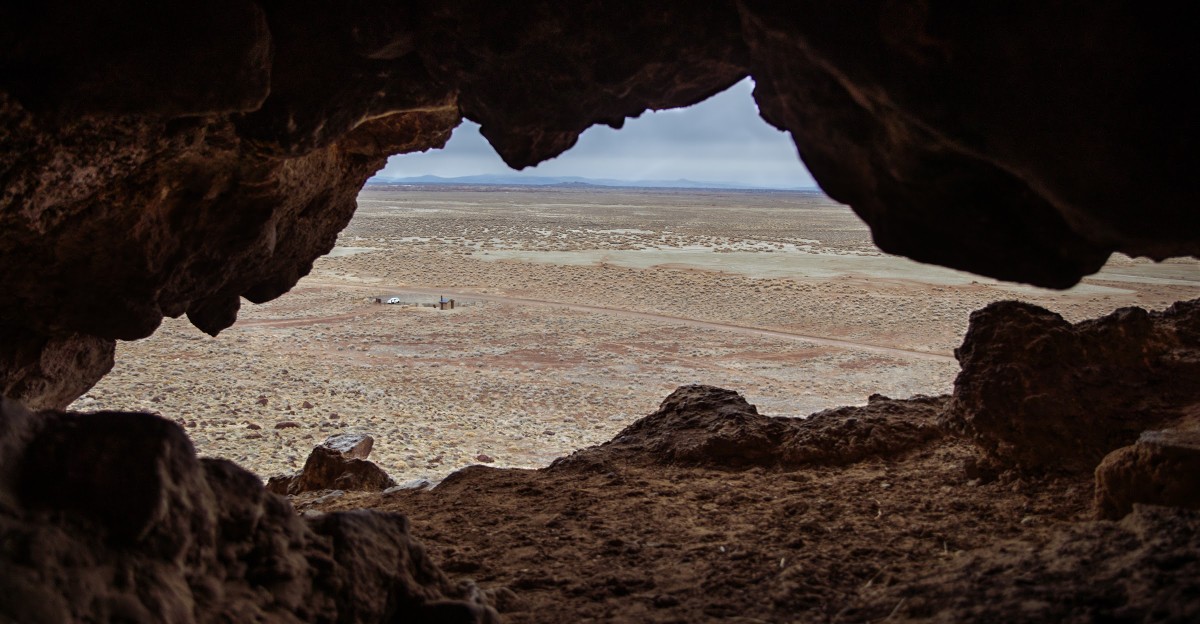
From the higher ground, the views stretch far. On a clear day, the panorama can reach north toward the Carson Sink and west toward Dayton.
It’s a big landscape that once held an even bigger lake.
I believe that context makes the carvings feel more alive. These weren’t doodles on random rocks in a dry wasteland.
They were made by people living beside water in a busy, green world.
Why Sharp Eyes And Good Light Matter So Much
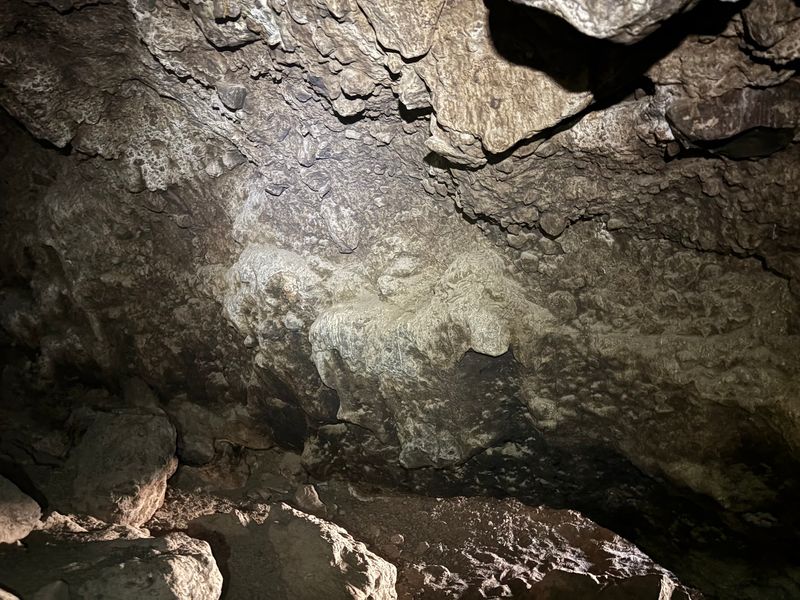
Desert varnish is the secret ingredient behind every design here. It’s a dark natural coating that forms on rock over very long stretches of time.
Ancient artists pecked or carved through that dark layer. The lighter stone underneath created a bright design.
When fresh, the earliest marks likely looked grayish white.
Then time went to work. Over thousands of years, new varnish slowly formed over the carvings, darkening them again.
Many of the oldest designs now almost blend into the surrounding rock.
That’s why spotting them can feel like a treasure hunt. One boulder looks plain until the light shifts, and suddenly a circle appears.
Then you notice another on the rock beside it.
Angled light in the morning or later afternoon may help shadows reveal the grooves. Midday sun can flatten everything out.
Slow down and keep scanning, because a lot isn’t obvious at first.
Please admire with your eyes only. Touching the petroglyphs can damage them, and some areas have already suffered vandalism.
Staying on marked paths helps protect what’s left. These carvings survived millennia of weather, so they deserve a little care from us.
A Trail Short Enough For Grandkids And Grandparents
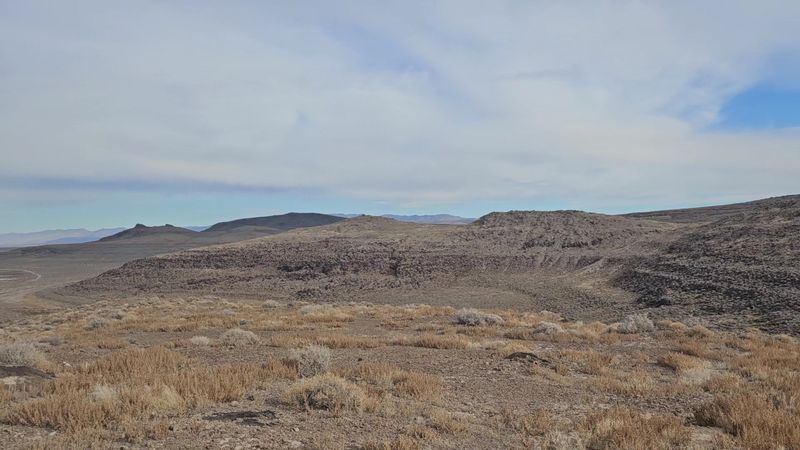
Back in 1978, this path earned a big honor. It became Nevada’s first National Recreation Trail.
The main petroglyph loop is short and easy, about a quarter mile in its core section. A relaxed visit often takes around 45 minutes.
That leaves plenty of time for photos and slow wandering.
Interpretive signs line the route. They explain carving styles, the old lake, and theories about what the designs meant.
Think of them as a free tour guide who never rushes you.
For visitors with limited mobility, the closest section is the most practical. The main trail is described as wheelchair accessible, though views from it are more limited.
Rocky spots appear elsewhere, so sturdy shoes are a good call.
Want more? A longer, steeper trail climbs to an overlook at the top of the hill.
Petroglyphs appear along that route, too. Serious hikers can even follow a ridgeline loop toward Hidden Cave, roughly five miles round trip.
Leashed dogs are welcome on the trails. So a family outing can include everyone, tail-waggers too.
Just pack enough water for all paws and feet.
Inside The Cave Ancient People Used As A Pantry
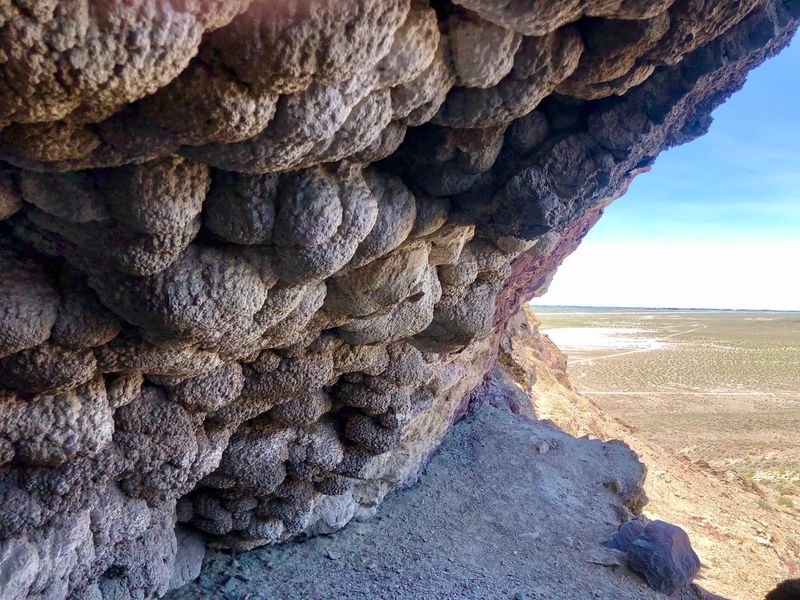
Most caves suggest a home. Hidden Cave was more like a storage closet.
Native Americans used it between about 2,000 and 4,000 years ago, mainly for storing objects. Archaeologists found many unbroken artifacts arranged in caches.
It worked a lot like an ancient pantry.
The cave sits about a quarter mile from the petroglyph area. Its trailhead is farther down a dirt road from the main lot.
That road is best traveled when it’s dry.
Getting inside requires a guided BLM tour. Tours run on the second and fourth Saturdays of each month, with some exceptions around federal holidays.
Weekday visitors will need to plan ahead or settle for the outside view.
Other caves in the area can be explored without a tour. Fair warning, they’re small and not very fancy.
Gloves may come in handy if you plan to crawl around, since birds tend to leave their mark.
For families, timing a trip to a tour Saturday could stretch this into a full day. Pair the cave with the petroglyphs and a picnic.
Confirm the tour schedule before you go, since dates can shift.
Free Parking, Shady Tables, And A Few Things To Pack
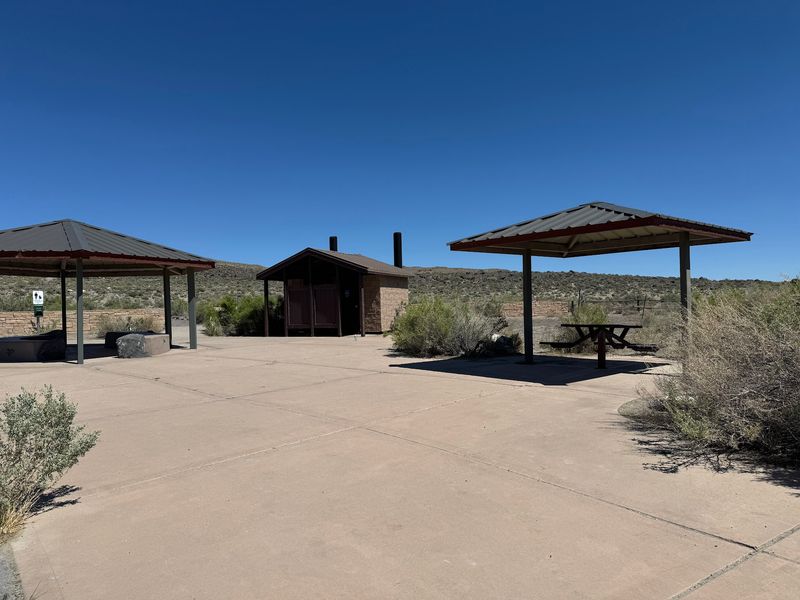
Good news for anyone counting pennies. Parking costs nothing, and there’s no admission gate.
The paved lot near the highway is small, with only a handful of spaces. Restrooms are available, along with shaded picnic tables.
Those shade shelters matter a lot in the Nevada sun.
One detail to know ahead of time is that the restrooms don’t have running water for handwashing. Bring hand sanitizer or wipes.
Plentiful trash cans make cleanup simple.
The trails themselves have no shade. Summer heat can climb close to triple digits here, and wind is common.
Sunscreen, hats, and extra water belong in every bag.
That picnic area is a budget win. Pack sandwiches and snacks, and lunch costs only what you already have at home.
Kids can refuel before heading back to hunt for more carvings.
Fallon is close by for anything you forget. Still, it’s easier to arrive prepared.
Spring and fall tend to be gentler for hiking, while summer visits are best kept to cooler hours. A little planning turns a quick stop into a comfortable, easy afternoon.
Worth Pulling Over For, Every Single Time
Few stops in Nevada pack this much history into such a short walk. You get thousands of years of human story without spending a dime on admission.
The site holds deep cultural meaning for the Fallon Paiute-Shoshone people. Recent DNA work connects their ancestors directly to this region.
That living link makes the carvings feel less like relics and more like heritage.
Grimes Point/Hidden Cave Archaeological Site suits a lot of travelers. Road trippers can stretch their legs for 45 minutes.
History buffs and hikers can easily fill a full day with the overlook, caves, and a tour Saturday.
Retirees may appreciate the gentle main loop and shaded tables. Families get a free outdoor classroom with built-in puzzles.
Even the dog gets an adventure.
Look for the entrance about 10 miles southeast of Fallon, NV 89406, right off U.S. Highway 50.
Check tour dates and conditions with the BLM before you drive out.
Then go slowly and look closely. Every time you think you’ve found the last carving, another boulder seems to reveal one more.
Those ancient artists left plenty for us to discover.