
This Gorgeous New Jersey Trail Comes With A Serious Bear Warning Every Fall
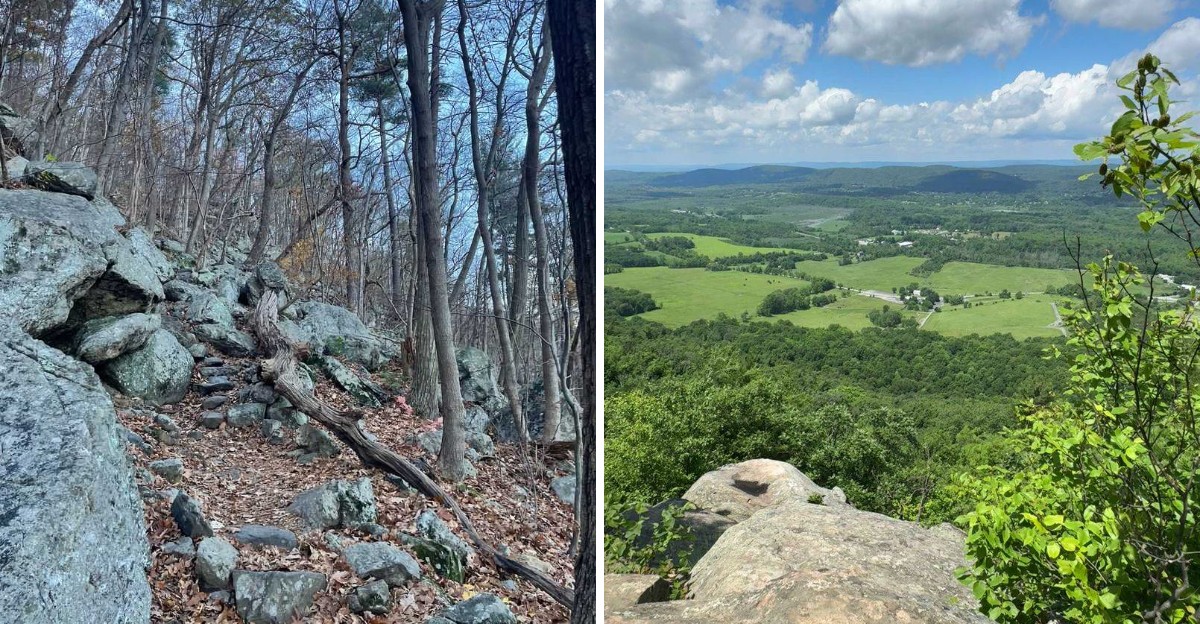
A beautiful fall hike can turn into a nerve-racking experience when you realize you might not be alone in the woods.
Imagine enjoying a peaceful trail surrounded by brilliant red, orange, and golden leaves, only to hear a sudden rustling in the trees nearby. Your heart starts racing. Was that a squirrel, a deer, or something much bigger?
One gorgeous New Jersey trail offers exactly the kind of autumn scenery that makes people reach for their cameras. But there’s a serious reason hikers are reminded to stay alert during fall.
Black bears are part of the landscape here, and encounters are something visitors need to take seriously, especially as bears search for food before winter.
New Jersey has some incredible hiking destinations, but this particular trail combines breathtaking seasonal beauty with a reminder that nature can be unpredictable. The views might convince you to bring your camera, but the bear warnings are a good reason to come prepared.
Why Fall Brings Bears Out In Force
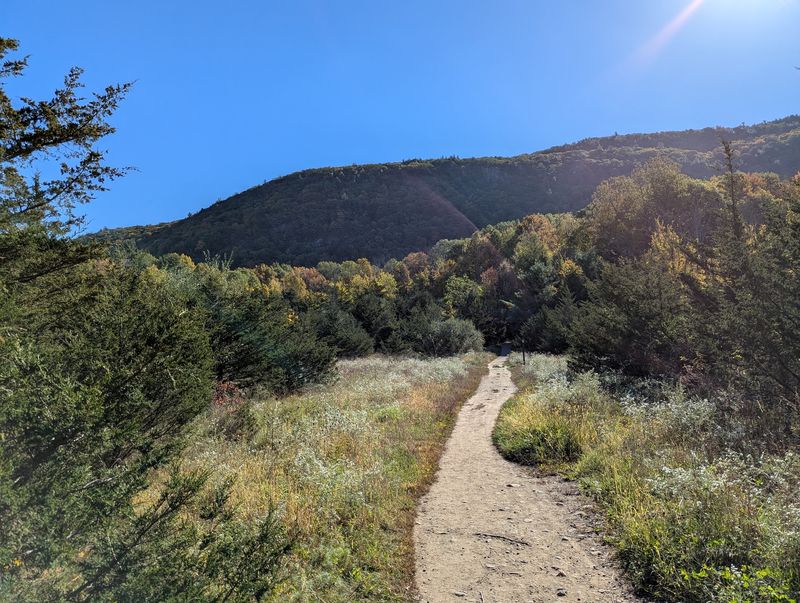
Bears get very hungry in autumn, and that is not an exaggeration. Black bears enter a stage called hyperphagia, when they may eat for up to twenty hours a day.
They are packing on fat before winter denning. Acorns, berries, and anything smelly in a backpack all look like a good snack.
Sussex County, where this trail sits, has one of the densest black bear populations in the eastern United States. Sightings near the ridge are common, especially in quieter afternoon hours.
Most bears want nothing to do with people. Still, a hungry bear focused on food can be bolder than usual.
That is why state wildlife officials share bear safety reminders every fall. The message is simple: stay alert, keep food sealed, and give bears plenty of space.
Bears here are black bears, not grizzlies. They are usually shy, but they are still large wild animals that deserve real respect.
Seeing one from a safe distance can be a thrilling moment. The key is keeping it that way, calm and far apart.
A Short Stretch Of A Very Famous Footpath
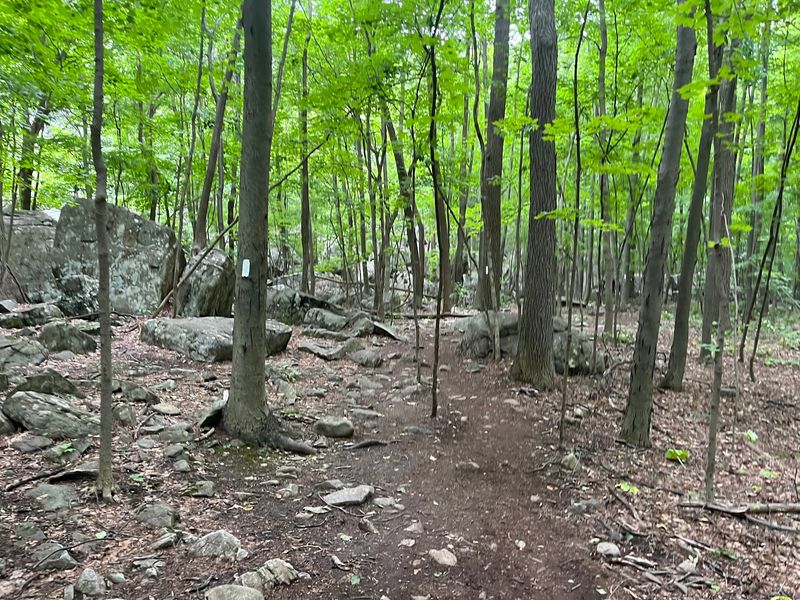
Some trails are famous locally, but this one belongs to a footpath that crosses fourteen states. The Stairway to Heaven Trail is a short piece of the Appalachian Trail, which runs from Georgia to Maine.
Hikers often start near 443 Vernon Warwick Rd, Vernon Township, New Jersey, right along Route 94. From there, white blazes painted on trees and rocks guide you the whole way up.
Thru-hikers walking thousands of miles pass through here every year. You might share the path with someone carrying a huge pack and a very long beard.
The trail climbs Wawayanda Mountain, a ridge that rises above the Vernon Valley. The goal for most people is Pinwheel Vista, a rocky lookout near the top.
A round trip to the vista covers roughly three miles from the road. Expect about one thousand feet of climbing, mostly packed into the steeper upper half.
The trail is open around the clock, but daylight is your best friend here. Plan to finish well before dusk, since rocky ground gets tricky fast in fading light.
Smart Moves If A Bear Shows Up
Nobody plans to meet a bear, so it helps to plan anyway. Knowing a few simple steps can turn a scary moment into a great story.
First, stay calm and never run. Running can make a bear think you are prey, and bears are much faster than people.
Make yourself look big by raising your arms. Speak in a firm, loud voice and slowly back away while facing the bear.
Give the animal an easy escape route. Most bears will simply wander off once they notice you.
Hiking in a group and chatting along the way helps a lot. Noise lets bears know you are coming, so they can leave first.
Never feed a bear or leave scraps behind. Food rewards teach bears to approach people, which causes trouble later.
If a bear huffs, pops its jaws, or stomps, it wants more space. Back away slowly and give it exactly that.
Some hikers carry bear spray for extra peace of mind. Learn how it works before your hike, not during a surprise meeting.
Rocks, Rocks, And Even More Rocks
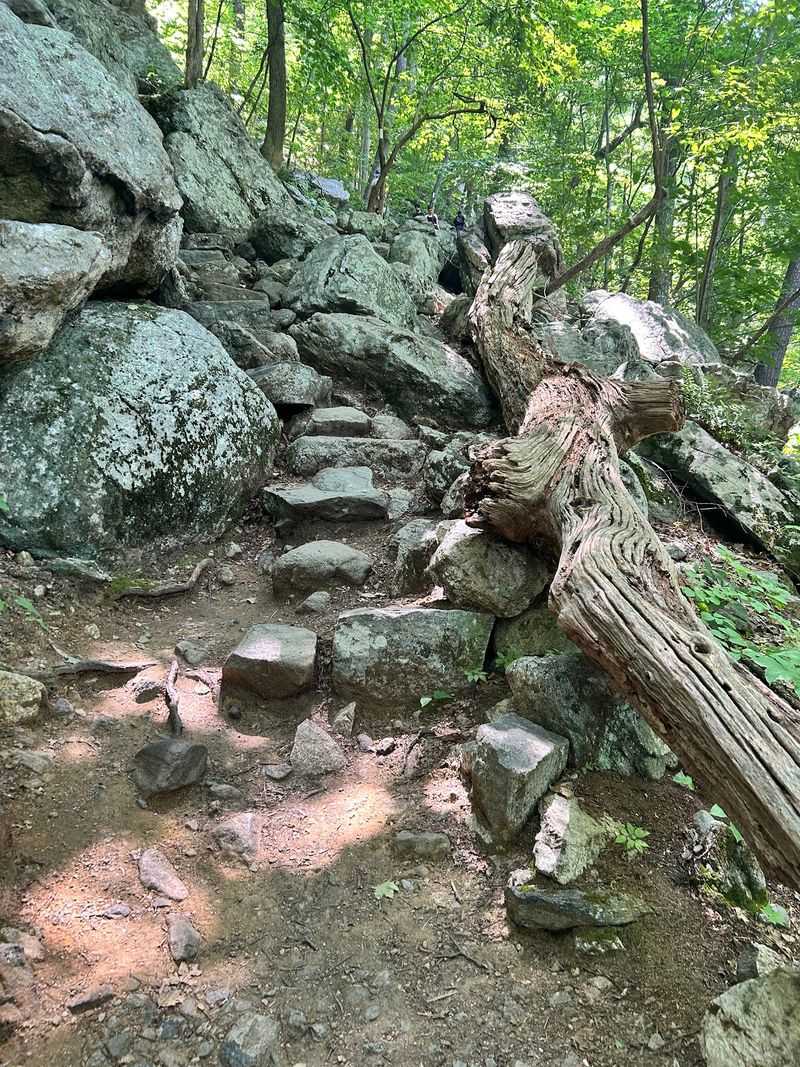
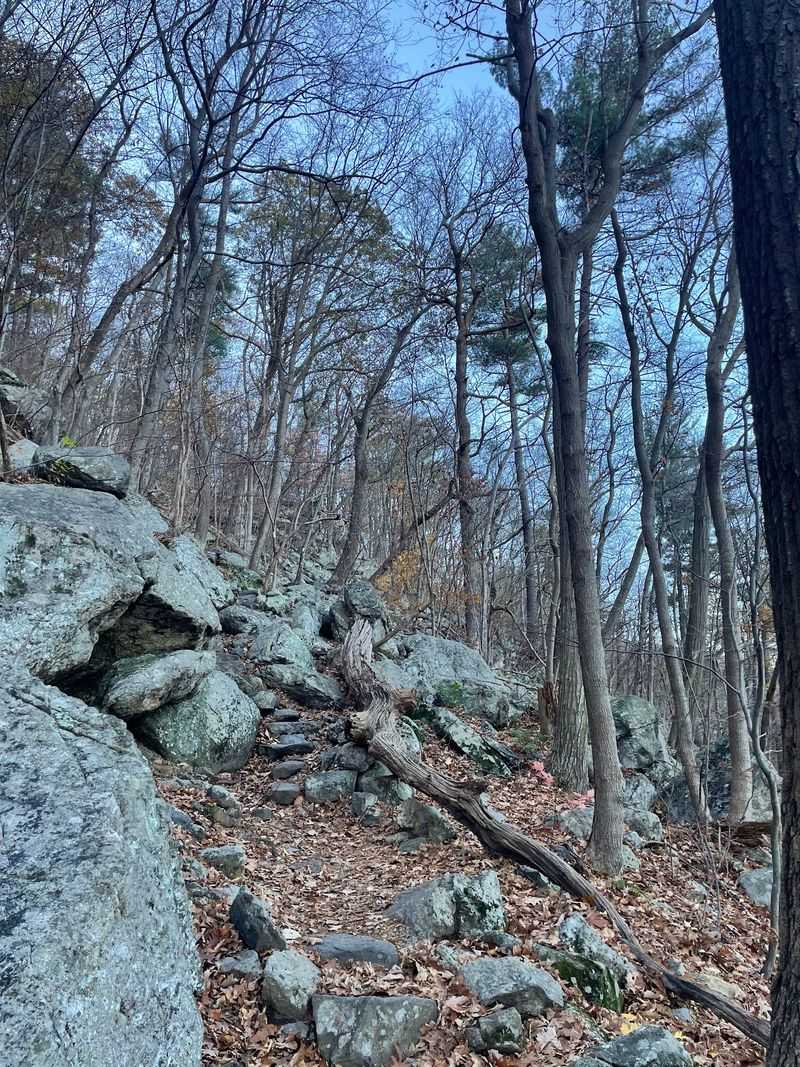
The name promises a staircase, and the trail sort of delivers. Instead of neat wooden steps, you get a rugged pile of stones stacked up the mountainside.
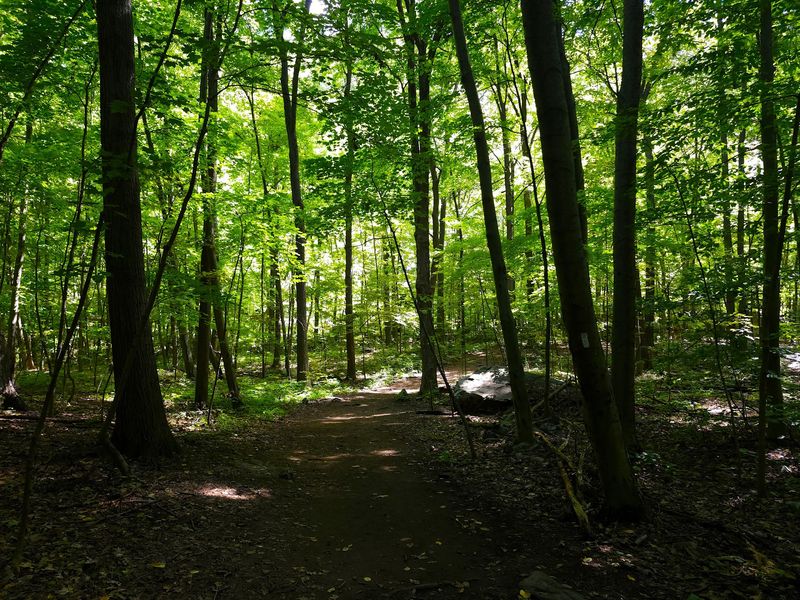
The lower part starts gently through the woods. Then the path tilts upward and rarely lets up until you reach the top.
Many hikers describe the climb as moderate to challenging. It is not a casual stroll, so beginners should pace themselves.
Near the upper section, you will cross a boulder field. Some spots call for careful footwork and maybe a hand on a rock.
Coming down can be harder than going up. Loose stones and steep angles reward slow, steady steps over speed.
Most people take about an hour to climb to the vista. Allow two hours or more for the full round trip with breaks.
Narrow sections can create small traffic jams on busy days. A friendly nod and a little patience keep things moving for everyone.
The Flat Side Nobody Expects
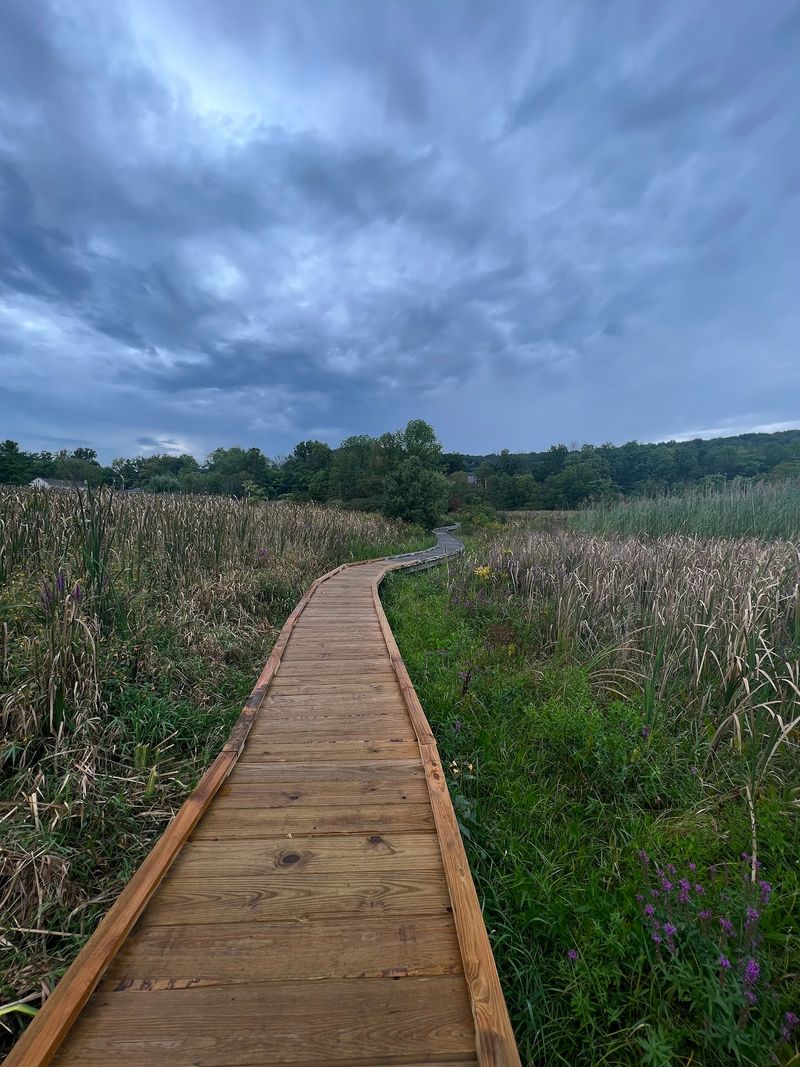
Here is a twist many people miss on their first trip. The trailhead area also connects to one of the flattest walks around.
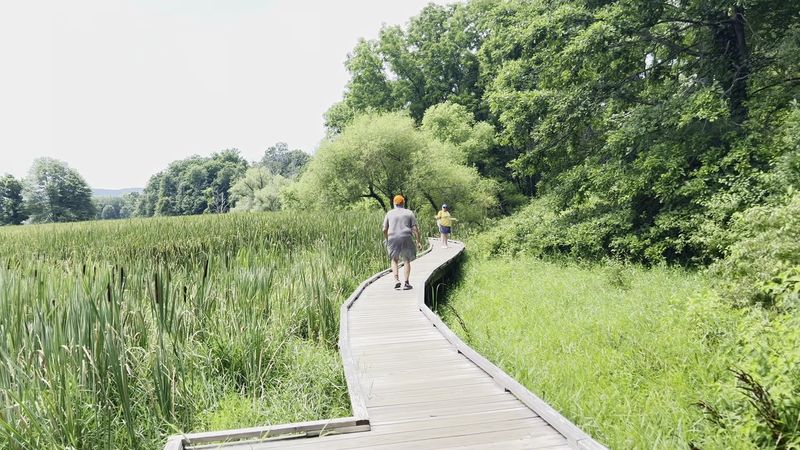
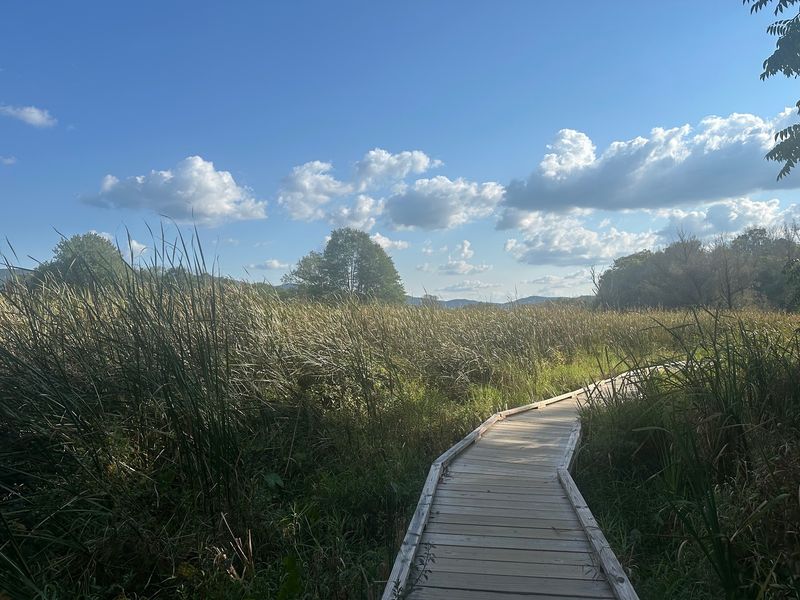
Head west from the road and you will find the Pochuck Boardwalk. It stretches for roughly a mile across wetlands and open meadows.
Volunteers spent years building this raised wooden path. It carries the Appalachian Trail over soggy ground that once flooded hikers’ boots.
The boardwalk crosses a suspension bridge over Pochuck Creek. Along the way, you may spot birds, turtles, and wildflowers.
It also passes farm fields and crosses a railroad line. Watch and listen carefully at the tracks before stepping across.
The surface is easy on tired legs. That makes it a great choice for younger kids or anyone skipping the climb.
Some hikers combine both sides into one longer day. The flat stretch makes a relaxing warm-up or a gentle cool-down after the steep ascent.
Pinwheel Vista Steals The Show
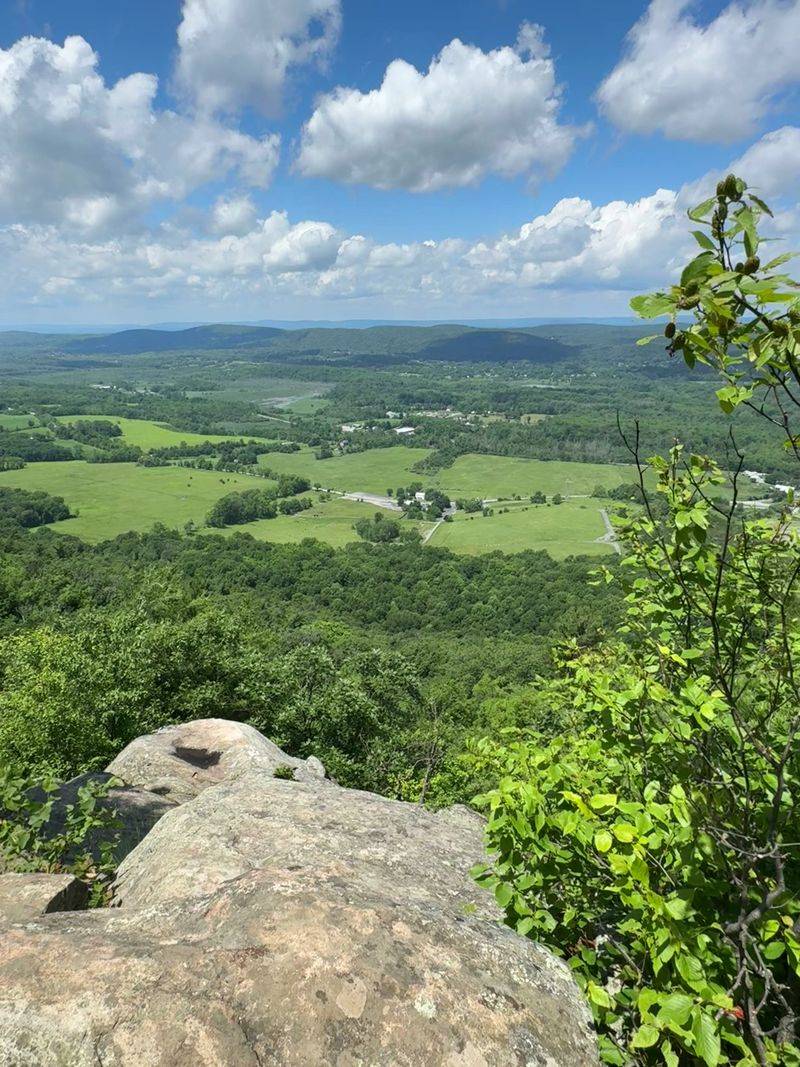
All that huffing and puffing finally pays off at the top. Pinwheel Vista opens up a wide view across the Vernon Valley.
To find it, watch for blue blazes near the top of the climb. They lead off the main white-blazed path for a short distance.
The lookout offers plenty of rock to sit on. Pack a snack and give your legs a well-earned rest.
On clear days, you can see farms, fields, and rolling ridges. Some say High Point Monument shows up far in the distance.
Fall turns the valley into a patchwork of red, orange, and gold. Peak color usually arrives in mid to late October.
Hawks often ride the wind currents along the ridge. Bring binoculars if you enjoy watching birds of prey glide past.
Fog can erase the whole view on gray mornings. Check the forecast first, since a sunny day makes the climb feel extra worth it.
Other Wild Neighbors On The Ridge
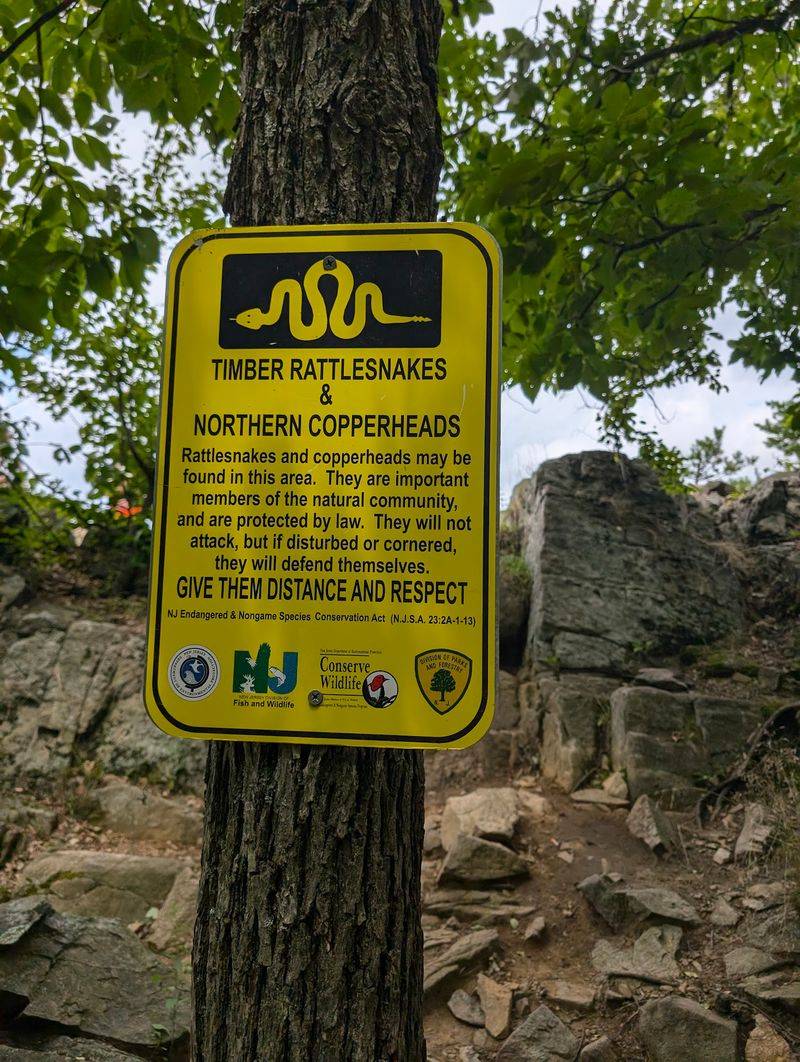
Bears get the headlines, but they are not the only locals. The rocky ridge is also home to several kinds of snakes.
Black rat snakes are fairly common and harmless. They can grow quite long, which surprises plenty of hikers.
Copperheads and timber rattlesnakes also live in this region. Both are venomous, but they usually stay hidden and avoid people.
Snakes love sunning on warm rocks. Look before placing your hands on ledges or stepping over logs.
Stay on the marked path whenever possible. Thick brush and stream edges are where surprises tend to happen.
If you spot a snake, simply give it room and walk around. Never try to touch, move, or poke it with a stick.
Ticks are another small neighbor worth noting. Long pants, bug spray, and a tick check after the hike make a smart routine.
Respecting wildlife keeps both you and the animals safe. Everyone gets to enjoy the mountain that way.
Gear That Makes The Climb Easier
Flip-flops and this trail are not friends. Sturdy footwear with good grip is the single best choice you can make.
Hiking boots or trail shoes help on sharp rocks. They also handle muddy patches after rain much better than sneakers.
A walking stick or trekking poles can save your knees. They really shine on the steep trip back down.
Bring plenty of water, even on cool days. The climb is a real workout, and there are no fountains along the way.
Toss in a few snacks for energy at the top. Keep wrappers packed out so nothing attracts curious bears.
A light jacket is smart, even in warm weather. The summit catches a breeze and often feels cooler than the valley.
Fall days end early, so a small headlamp is wise insurance. A simple first-aid kit rounds out a solid daypack.
Good gear turns a tough hike into a fun challenge. Pack smart and the mountain feels friendlier.
Parking Puzzles And Pit Stops
Finding a parking spot can feel like its own little hike. Space near the trailhead fills quickly, especially on sunny fall weekends.
There is a small free lot right by the trail. A larger paid lot sits nearby, and fees are usually paid through an app.
Do not park on the roadside shoulder where signs forbid it. Towing here is costly and will quickly ruin a lovely day.
Arriving early in the morning makes a big difference. Weekdays are calmer too, with fewer people crowding the narrow rocks.
There are no restrooms on the trail itself. Plan a pit stop before you start climbing.
Heaven Hill Farm sits across Route 94 from the trailhead. It offers restrooms, snacks, and seasonal treats, including fall pumpkins.
Use the marked crosswalk when crossing the busy road. Cars move fast, so take your time and stay alert.
A quick snack at the farm after hiking is a sweet reward. Your tired legs will thank you.
Bringing Pups And Leaving No Trace
Dogs love this mountain almost as much as their owners do. Leashed pets are welcome, and you will likely see plenty of furry hikers.
Still, think about your dog’s comfort on rocks. Small or older pups may struggle with big steps and boulder sections.
Bring extra water for your four-legged friend. Stream water can upset a dog’s stomach, so a travel bowl is handy.
A leash matters even more in bear country. Dogs that chase wildlife can stir up trouble fast.
Pack out all waste, including pet bags. Leftover trash ruins the view and can draw hungry animals close to the path.
Leave No Trace is a simple idea with big results. Take only photos and leave rocks, plants, and flowers right where they grow.
The Stairway to Heaven stays beautiful because people care for it. Picking up one stray wrapper makes a real difference.
Treat the trail kindly, and it will reward you every season. That is a deal worth keeping.