
This New Jersey Beach Has Clear Water And Sand That Barely Resembles New England
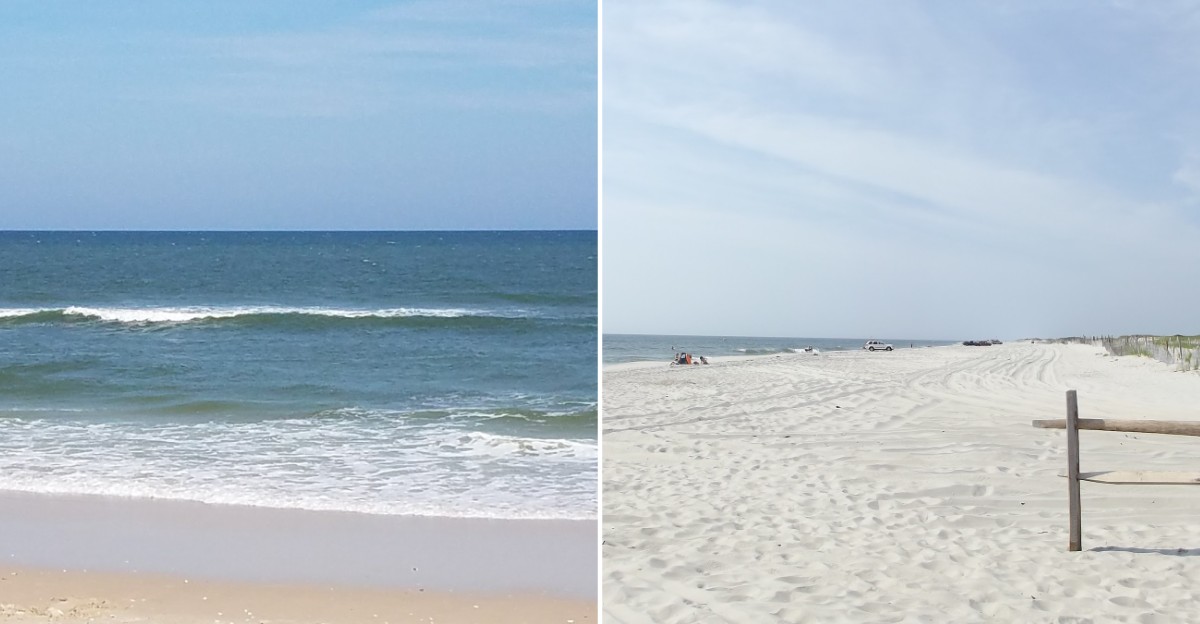
Beaches in the Northeast usually mean cold water, gray skies, and rocky shorelines, so a stretch of coast that skips all three tends to turn heads. This New Jersey beach looks like it belongs somewhere much farther south.
Water runs clear enough to see your toes in the shallows. Sand stays soft, pale, and fine underfoot, with barely a pebble in sight.
Waves roll in gently, making swimming easy for families and cautious swimmers alike. Mornings bring a quiet stretch of shoreline, with space to spread out a blanket and settle in.
Afternoons fill with kites, paddleboards, and kids digging deep holes near the tide line. Sunsets wash the sky in soft pink and gold, and nobody seems in a hurry to leave.
Visitors who expected a typical New England shore often stand a moment longer at the water’s edge, surprised by what they found. This beach proved that the Northeast has a few surprises hiding along its coastline.
A Barrier Island That Time Forgot
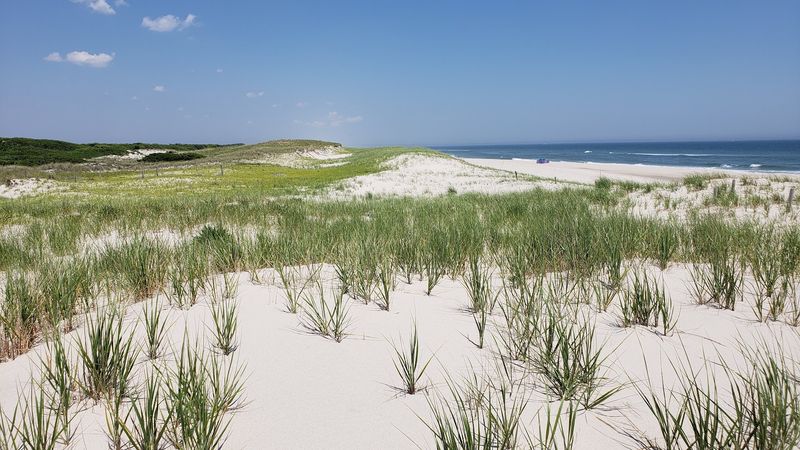
Ten miles of sand with zero high-rise hotels sounds like a myth on the Jersey Shore. Yet here it is, a skinny barrier island stretched between the Atlantic Ocean and Barnegat Bay.
Island Beach State Park is one of the last undeveloped strips on the entire New Jersey coast. Most of it looks the way it did long before anyone built a boardwalk.
That means dunes, marshes, maritime forests, and beaches that go on and on.
Think of it as a living museum, only with seagulls instead of security guards. The landscape here has barely changed in thousands of years.
Scientists and nature lovers treat it as a rare peek at what the whole shore once was.
For visitors, that translates into breathing room. Even on busy summer weekends, the beach rarely feels packed shoulder to shoulder.
Walk a few minutes from a parking lot and the crowds thin out fast.
A smart tip is to arrive early on hot summer days, since the park can fill up. Pack everything you need, because snack stands are limited and shops are nonexistent.
Bring water, sunscreen, and a hat, and the island will handle the rest.
The quiet is the real prize. No music blasting, no rides clanking, just wind and waves doing their thing.
You can find this coastal hideaway at Lanoka Harbor, NJ 08734.
Ocean Water That Actually Sparkles
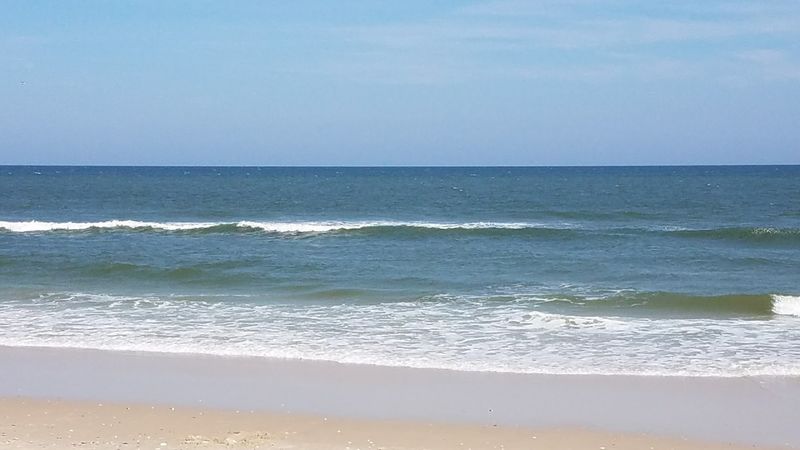
Here is a fun surprise for anyone who thinks Jersey water is murky. The ocean at this park can look so clean that it seems borrowed from somewhere much farther away.
Without big towns crowding the shoreline, there is less runoff and less mess heading into the waves. The result is water with a fresh blue-green color on calm, sunny days.
It practically begs you to wade in.
The New Jersey Department of Environmental Protection keeps an eye on things too. Water quality gets tested regularly from mid-May through mid-September.
So the clear look is backed up by real science, not just good vibes.
Swimmers should stick to the guarded beaches during the summer season. Lifeguards watch over these areas, and the Atlantic can have strong currents.
Rip currents do not care how pretty the water looks.
Families with little kids often love the shallow edge where waves fizzle into foam. Toddlers can splash safely while parents relax nearby.
Older kids can try boogie boarding in the designated zones.
A good habit is checking the beach flag colors before heading in. Calm days are ideal for floating and spotting tiny fish near your feet.
Choppy days are better for watching surfers and building sandcastles instead.
Either way, the ocean here earns its sparkly reputation, one clear wave at a time.
Sand So Soft It Squeaks
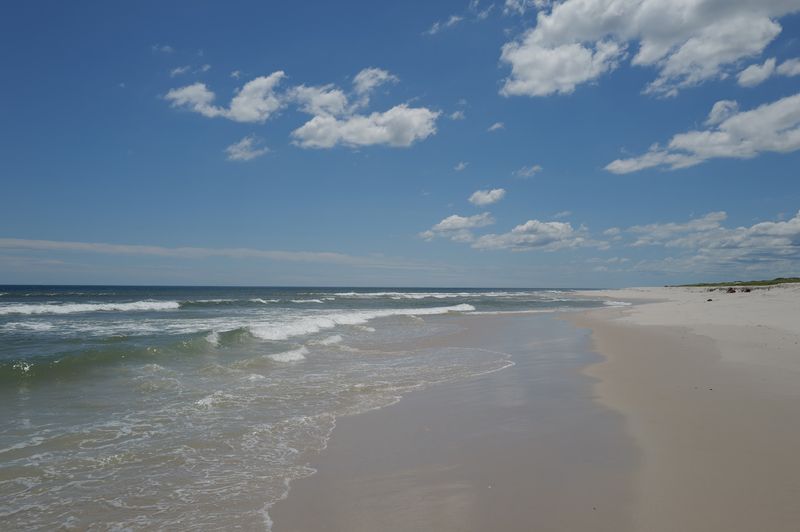
Forget the rocky, pebbly beaches up north where flip-flops are basically survival gear. The sand at Island Beach is fine, pale, and soft enough to make bare feet very happy.
That is a big part of why this place barely resembles New England. Many beaches in Maine or Massachusetts have coarse sand mixed with stones and broken shells.
Here, the ground feels more like powdered sugar than gravel.
On dry days, the sand can even make a little squeaking sound when you walk. Kids find this hilarious.
Adults pretend not to, then keep stomping anyway.
Long walks are a favorite activity because the beach stretches for miles. You can stroll for an hour and still see open sand ahead.
Early mornings are especially lovely, with cool sand and soft light.
A quick tip for midday visits is to bring sandals for the walk from the parking area. That white sand looks innocent, but it heats up fast in July. Your toes will thank you.
Sandcastle builders, take note. The fine grains pack down well when mixed with a little water.
Bring a bucket and shovel, and you could build a fortress worthy of a small crab kingdom.
Just remember to stay off the dunes themselves. That soft sand holds the whole island together.
Ospreys Foxes And Feathered Travelers

Ospreys run this neighborhood, and they are not shy about it. Island Beach State Park hosts the largest osprey colony in New Jersey.
These big fish-catching hawks build huge stick nests on tall platforms near the bay. Watching one plunge feet-first into the water is better than any action movie.
When it comes back up with a fish, it even turns the fish forward to fly smoother.
Peregrine falcons also patrol the skies here. They are among the fastest animals on Earth, diving at amazing speeds.
Spotting one is a serious bragging moment for any bird fan.
Spring and fall turn the island into a busy rest stop for migrating birds. American oystercatchers, with their bright orange beaks, poke around the shoreline.
Tiny piping plovers scurry along the sand too, and parts of the beach may be fenced off to protect their nests.
Then there are the red foxes. They roam the dunes and thickets, sometimes trotting right past parked cars.
As tempting as it is, never feed them, because handouts make wild animals sick and bold.
Binoculars are the best thing to pack for wildlife watching. A simple bird guide or app helps too.
Move slowly, stay quiet, and the island will show off its residents.
Trails Through Forest And Dune
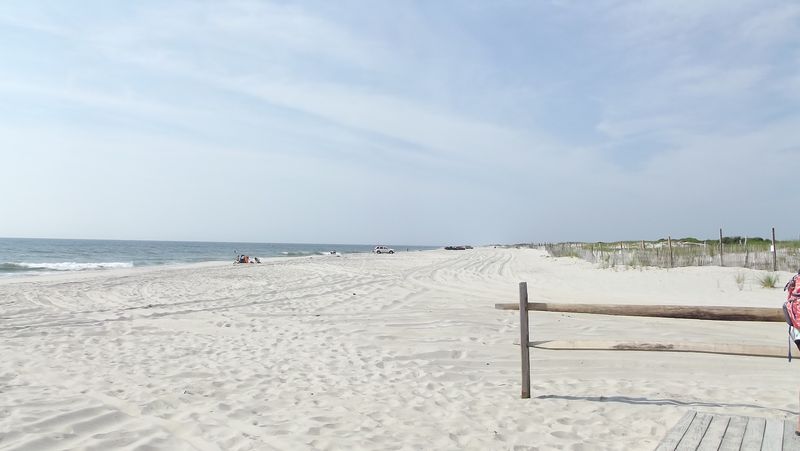
Who expects a forest on a beach trip? Hidden behind the dunes, short, twisted oaks and pines create shady little worlds that feel nothing like the shoreline.
The park has several nature trails that weave through these different habitats. Some cut through maritime forest, while others wander across the dunes toward the bay.
Each one shows a different side of the island.
Most paths are flat and sandy, so they work well for casual walkers. You do not need fancy hiking boots or a mountain goat attitude.
Comfortable shoes and some bug spray will do the job.
Speaking of bugs, summer can bring mosquitoes and biting flies near the marshes. Cooler months are a sweet spot for trail walking.
The air is crisp, the bugs are gone, and the birds are migrating.
Look closely at the trees along the way. Constant salty wind shapes them into low, bent forms, almost like they are ducking.
Nature basically gave them a permanent bad hair day.
Trails also lead to quiet views of Barnegat Bay. Calm water, marsh grass, and wading birds make it a peaceful contrast to the crashing ocean side.
Bring a camera and take your time. These walks reward slow feet and curious eyes far more than speed.
Cactus Heather And Four Hundred Plants
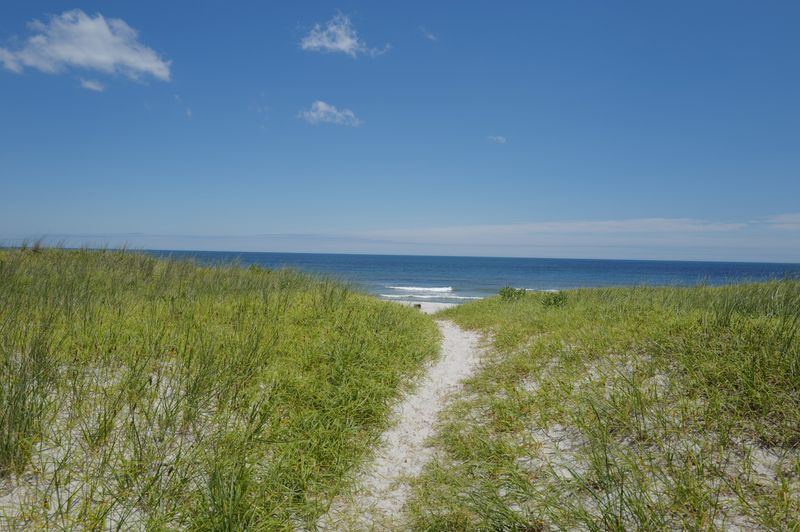
Over 400 plant species grow on this narrow strip of sand. That is a wild number for a place that looks, at first glance, like just dunes and grass.
The biggest surprise is the prickly pear cactus. Yes, a real cactus, growing at the Jersey Shore.
In early summer, it can show off bright yellow flowers that look like they wandered in from Arizona.
Beach heather is another star. The park holds the largest stretches of it in New Jersey.
These low, fuzzy shrubs blanket parts of the dunes and burst into tiny yellow blooms in late spring.
Then there is the American beach grass, the quiet hero of the island. Its roots grab the sand and hold dunes in place against wind and storms.
Without it, the island would slowly blow away.
That is why staying on marked paths matters so much. One careless shortcut can crush plants that took years to grow.
Think of the dunes as a giant, fragile sandcastle built by nature.
Fall brings its own color show as plants turn red, gold, and rusty brown. Photographers love this season for the warm tones and empty beaches.
Fun fact for curious kids: these plants survive salt spray, dry sand, and blazing sun. That is basically superhero training.
The Millionaire Who Almost Built A Resort
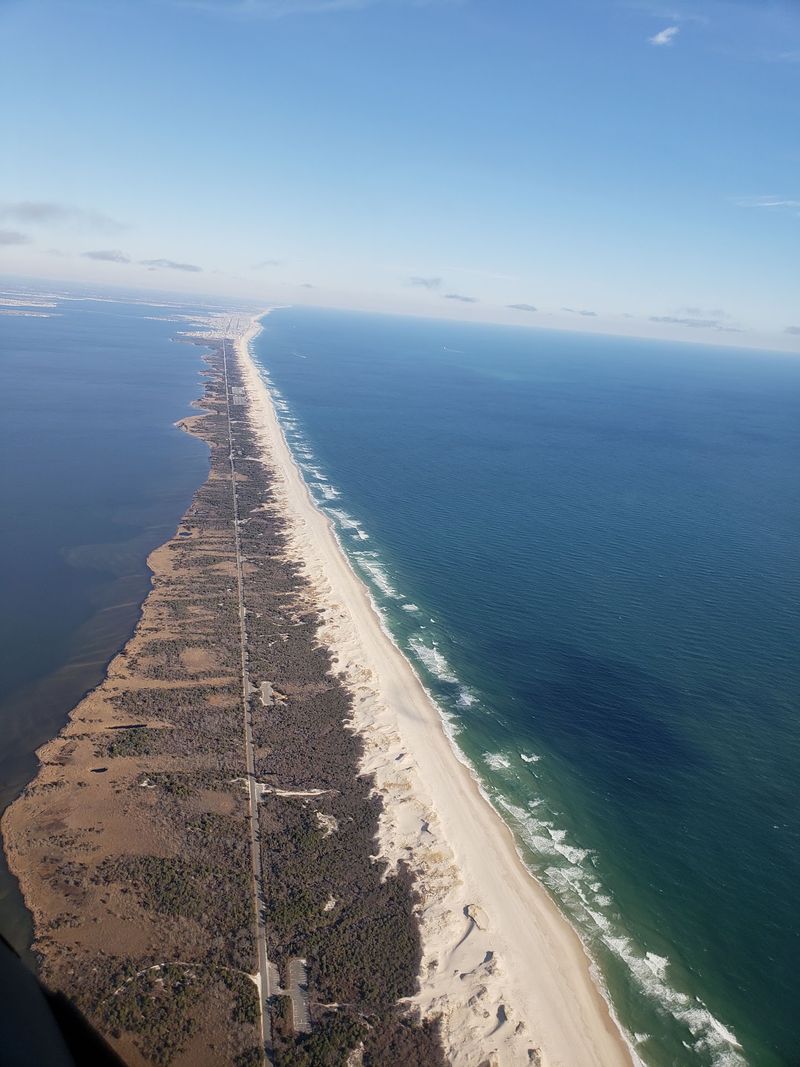
Picture a fancy private resort with mansions lining the dunes. That was almost the fate of this island back in the 1920s.
In 1926, a wealthy businessman named Henry C. Phipps bought the land.
He had been a partner of steel giant Andrew Carnegie, so money was not exactly a problem. His dream was an exclusive summer getaway for rich families.
Phipps managed to build three homes before everything changed. The stock market crash of 1929 wiped out his big plans.
Sometimes history takes a weird turn, and nature ends up the winner.
The land stayed mostly wild for decades afterward. Finally, the State of New Jersey bought it in 1953.
Six years later, in 1959, it opened as a state park for everyone.
Think about that for a second. A financial disaster accidentally saved one of the most beautiful beaches on the East Coast.
If the economy had stayed strong, this might be a gated community today.
History fans can still find traces of the past around the park. Some older buildings connect to its earlier days.
Asking park staff or checking the nature center is a great way to learn more.
It is a fun story to share on the drive down. Kids especially love hearing how a millionaire lost out to ospreys.
Kayaks Fishing Rods And Horseback Rides
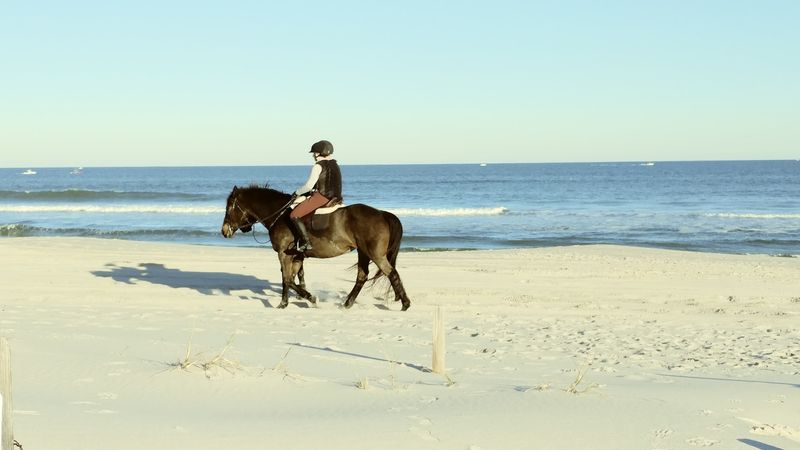
Lying on a towel is great, but this island has way more up its sleeve. Adventure here comes in several flavors, from salty to sandy to slightly horsey.
Surf fishing is a local favorite. Anglers line the beach casting for striped bass and bluefish, especially in spring and fall.
Watching someone reel in a big one draws a curious crowd every time.
The bay side offers calmer water for paddlers. Kayaks and paddleboards glide easily through the Sedge Islands Marine Conservation Zone.
It is a fantastic way to watch birds without disturbing them.
Paddlers should check wind and tide conditions before heading out. Bay water can look calm but get choppy fast on breezy afternoons.
A life jacket is a must, no exceptions.
Here is a surprise many people miss. From October through April, horseback riding is allowed on certain beach sections.
Galloping along an empty winter beach sounds like something out of a movie.
Off-season visits in general are worth considering. The beaches are quiet, the air is fresh, and wildlife is easier to spot.
Bundle up and you might have miles of sand nearly to yourself.
Whatever the season, there is always a new way to enjoy the island. Pick an activity, pack some snacks, and let the shore set the pace.