
These 9 Tennessee Towns Keep Appalachian Heritage Alive Through Food, Music And Old Traditions
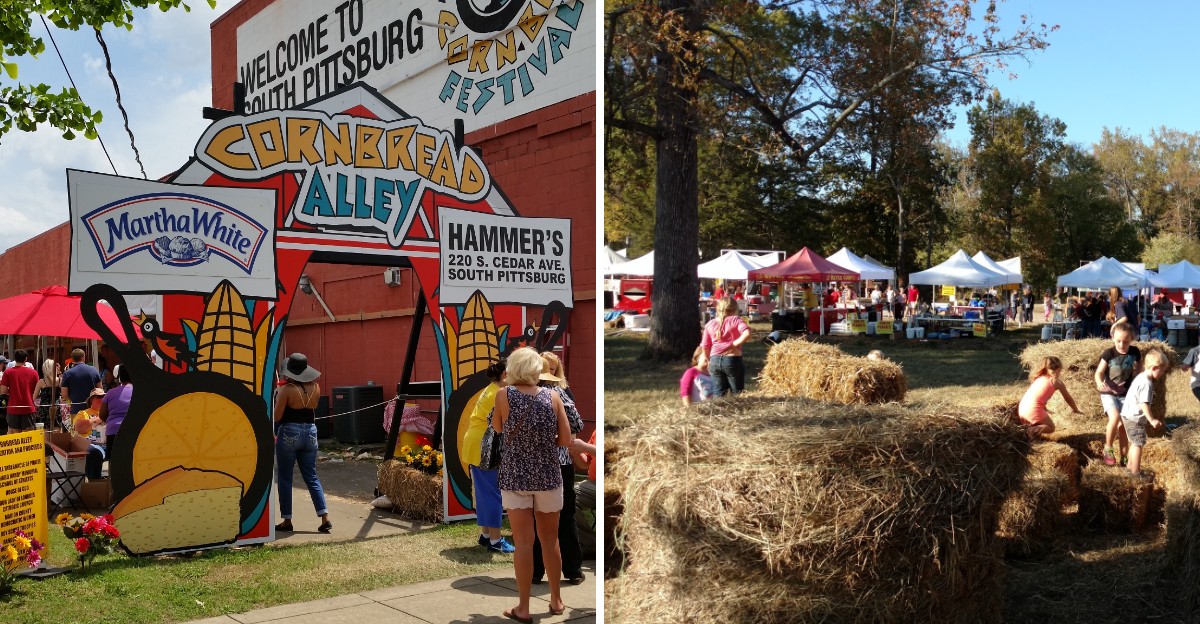
The sound of a banjo drifting through a mountain town, the smell of cornbread baking in an old kitchen, and stories passed around the dinner table for generations.
That’s Appalachian culture at its finest, and Tennessee still has communities keeping those traditions alive.
Not everything worth preserving belongs in a museum. Sometimes, it’s a family recipe that hasn’t changed in decades, a fiddle tune played at a weekend gathering, or a craft learned by watching grandparents work with their hands.
These mountain towns have held onto the customs that shaped their communities, even as the world around them continues to change.
You might find a country store selling homemade goods, a festival celebrating traditional music, or neighbors gathering for a meal that tastes like Sunday dinner at Grandma’s house.
Each town has its own personality, but they share a deep respect for their roots. And that’s what makes visiting them feel like discovering a living piece of Appalachian history.
1. Townsend

Mountain air seems to carry a banjo tune here, even on quiet days. Folks call this spot the Peaceful Side of the Smokies, and the nickname fits.
The town sits in the foothills of the Great Smoky Mountains, wrapped in green ridges and rolling meadows.
Every fall, Townsend hosts its Fall Heritage Festival, sometimes called Old Timers Weekend. Bluegrass and mountain music play from start to finish.
Feet start tapping on their own, and soon clogging and square dancing break out like a happy rash.
The festival also brings old skills to life. Demonstrations show open-hearth cooking, spinning, weaving, and blacksmithing. Kids often stare at the blacksmith like he is a superhero with a hammer.
Hungry visitors can grab fried pies and kettle corn during the celebration. Apple Valley Mountain Village sells homemade fudge, jellies, and apple fried pies year-round.
The Dancing Bear Appalachian Bistro serves refined dishes built on regional ingredients.
Music lovers should plan for a Friday night. Rocky Branch Mountain Music hosts bluegrass players each week in a relaxed, friendly setting.
Gospel and traditional mountain styles fill the room, and nobody minds a little humming along.
Crafts round out the visit nicely. The Townsend Artisan Gallery features pottery, paintings, woodwork, and jewelry inspired by the Smokies.
CAM Cabin Crafts sells quilted goods and wood items from Appalachian makers. Leave some room in the car, because empty hands rarely leave this town.
2. Jonesborough
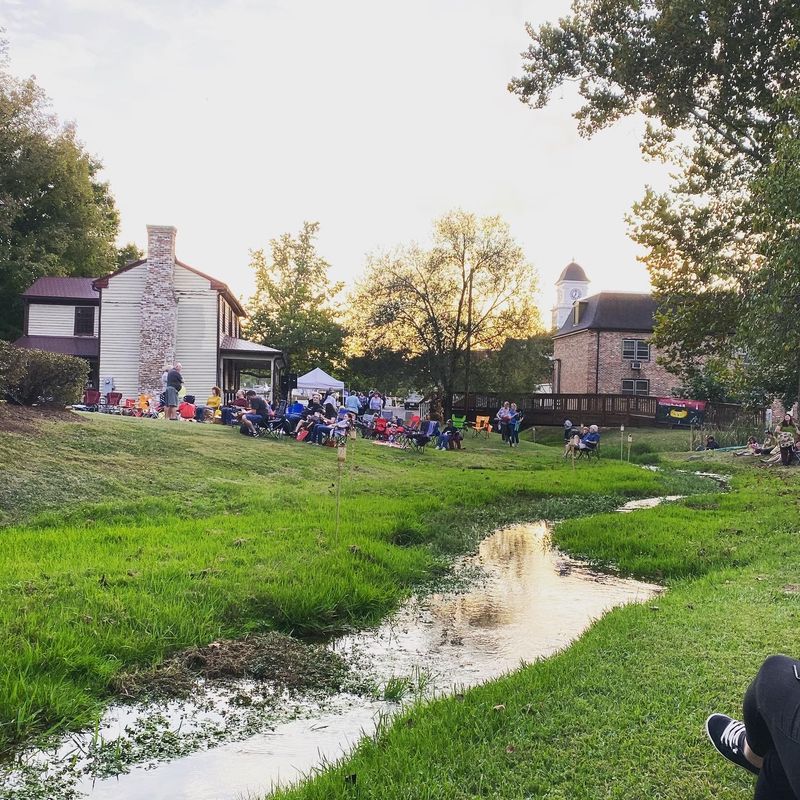
Long before podcasts, people told stories out loud, and nobody needed a charger. That spirit lives on in Tennessee’s oldest town. Jonesborough proudly wears the title Storytelling Capital of the World.
The downtown looks like a history book that came to life. Brick sidewalks and old colonial buildings line the streets. It feels calm, polished, and a little bit magical.
Each October, on the first full weekend, the National Storytelling Festival takes over. Big tents pop up around downtown like giant mushrooms.
Inside, tellers share Appalachian folk tales, family memories, and spooky ghost stories.
This festival has helped shape the modern storytelling movement for over 50 years. That is a lot of once upon a times. Listeners come from all over the country to hear them.
The fun keeps going beyond festival weekend. The International Storytelling Center runs a Teller-in-Residence program from May to November.
The Jonesborough Storytellers Guild also meets weekly to perform.
Summer evenings bring Music on the Square, with bluegrass, old-time, and Celtic tunes. Jonesborough Days adds a parade, crafts, and family games.
The whole town seems to clap along.
Food lovers should save time for The Kitchen at Grace Meadows Farm. It serves family-style Appalachian dishes like fried chicken, cornbread salad, and green beans with bacon.
Boone Street Market stocks honey, baked goods, and produce from regional farmers. A good story always tastes better with dessert.
3. Cumberland Gap
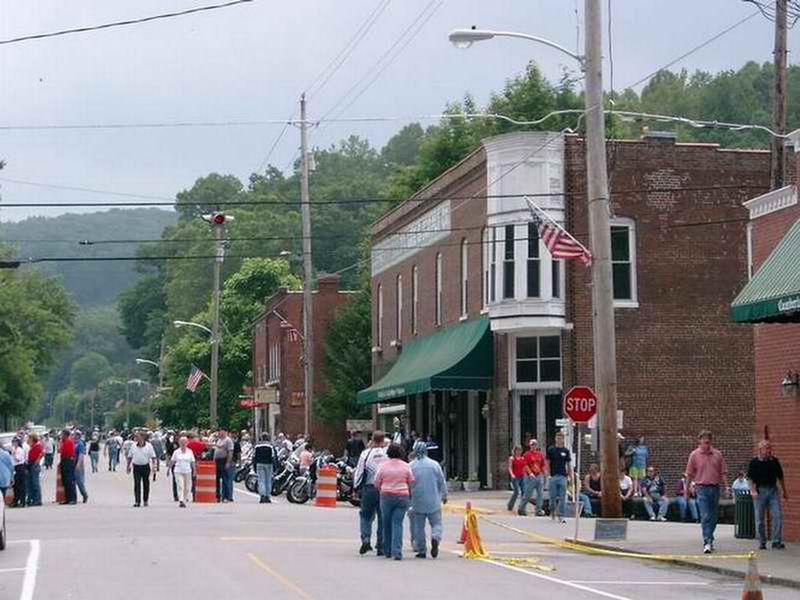
Pioneers once squeezed through this mountain pass with wagons and big dreams. Today, travelers arrive with snacks and smartphones instead.
The town sits along the historic Wilderness Road, surrounded by steep, leafy slopes.
History hangs in the air like morning fog. Old buildings line the small downtown, and the mountains seem close enough to touch. It is a peaceful place with a strong sense of the past.
Every summer, usually in August, the Cumberland Gap FolkFest fills the streets. The event is free and friendly for families. Live Appalachian music plays while storytellers share tales nearby.
Craft lovers get a real treat at FolkFest. Broom makers, potters, woodworkers, herbalists, and fiber artists show off their skills. Kids can try old Appalachian games that need zero batteries.
Music shows up beyond the festival too. The Cumberland Mountain Music Show offers bluegrass, gospel, country, and traditional mountain tunes. It is family friendly and full of foot-stomping energy.
The Cumberland Gap Artists’ Co-Op keeps crafts alive all year. It sells work by local artists and teaches quilting, tatting, pottery, and woodworking. Picking up a new skill here beats scrolling online any day.
Food in town comes with charm. Angelo’s in the Gap serves Italian dishes inside a historic 1890 building.
Gap Creek Coffee House offers sandwiches, including a blackberry jam grilled cheese. Sweet, salty, and gooey all at once sounds like a fine mountain souvenir.
4. Smithville
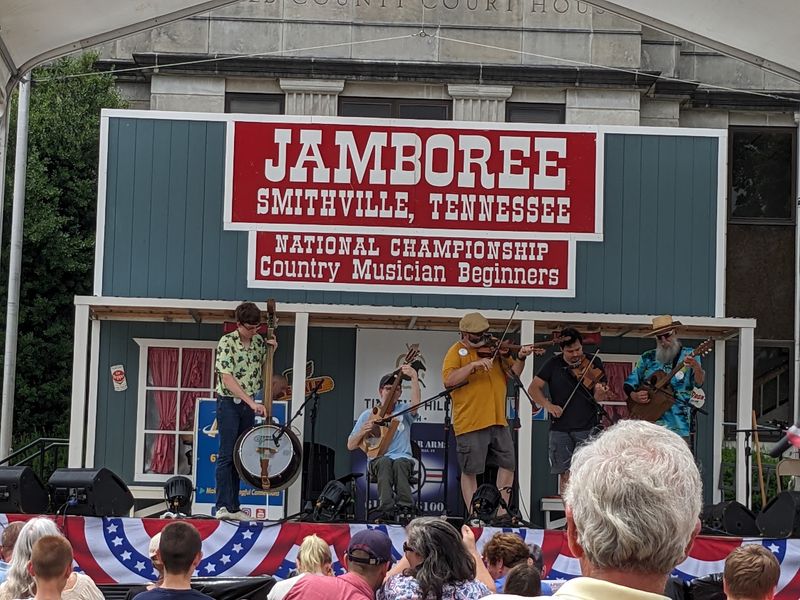
Bring your dancing shoes, or at least shoes that can handle tapping for hours. Smithville turns into a giant music party each summer. The fun happens on the weekend closest to the Fourth of July.
The Smithville Fiddlers’ Jamboree and Crafts Festival is known across the country. Banjos, dulcimers, and fiddles ring through the historic downtown. More than 35 categories of music and dance competitions keep the stage busy.
Dancing gets serious here, in the best way. Contests include clogging, buck dancing, square dancing, and Appalachian flatfoot. Young beginners and gray-haired pros share the same spotlight.
The town sits near Center Hill Lake, so pretty water views are close by. Downtown has a cozy, small-town feel. Neighbors wave, and strangers quickly feel like regulars.
Crafts play a big role at the Jamboree. Juried artisans sell pottery, jewelry, and woodwork.
Just outside town, the Appalachian Center for Craft at Tennessee Tech offers a gallery and classes in clay, glass, metal, and fibers.
Festival food is classic and filling. Vendors serve barbecue, fried pies, funnel cakes, and ice cream. Pace yourself between dances.
Year-round, Webb’s Pharmacy, Gift Shop and Soda Fountain offers a sweet trip back in time. It serves waffle-cone ice cream, grilled cheese, and soda floats.
Cheryl’s Beau Bees downtown adds homemade soups and hearty sandwiches. A float after a fiddle contest feels just right.
5. Maynardville
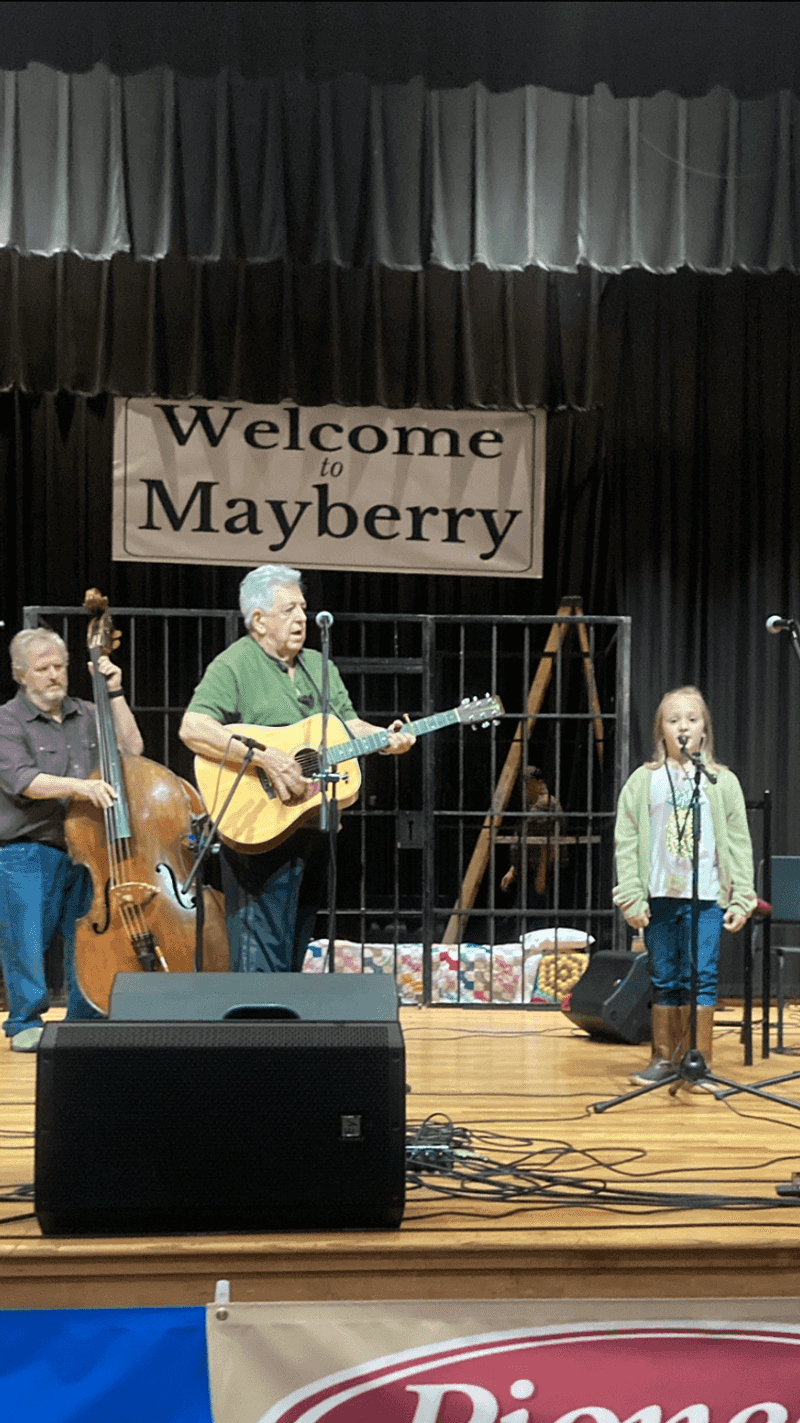
Ever seen someone toss a skillet for sport? In Maynardville, that counts as a proud tradition.
The Heritage Olympics include skillet tossing and nail driving, and the crowd cheers like it is the real Olympics.
All this happens at the Union County Heritage Festival, usually held in October. Country, bluegrass, and gospel music play from several stages. Fall colors on the rural hills make a perfect backdrop.
Craft demonstrations show off blacksmithing, woodworking, and leathercraft. Art and quilt shows highlight local talent. Each stitch and hammer strike tells a piece of mountain history.
Music runs deep in Union County. Many local musicians have played at the Grand Ole Opry.
The Union County Opry in historic Maynardville keeps weekend shows going with gospel and classic country.
Now, about the food. Festival tables hold chicken and dumplings, pinto beans and cornbread, pumpkin rolls, fudge, and banana pudding.
Stretchy pants are highly recommended.
Belle’s Little Country Kitchen serves good old-fashioned country cooking. Plates come with a meat and your choice of sides. Fried fish and burgers are also on the list.
Seven Springs Farm to Table sells fresh produce and all-natural beef from a family farm. Big Ridge State Park nearby hosts a free summer Bluegrass Festival.
Between the music, pie, and skillet throwing, Maynardville never runs short on fun.
6. Whitwell
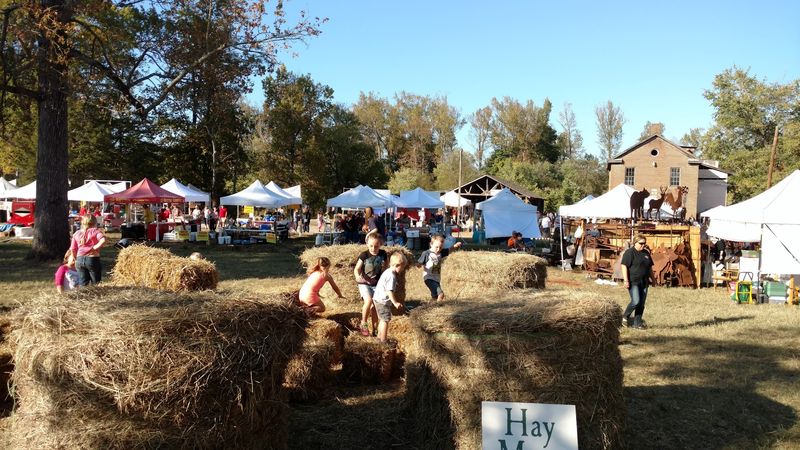
Millstones that sing might sound like a fairy tale. At Ketner’s Mill, though, visitors can hear them hum as corn turns into meal. This water-powered grist mill dates back to the 1800s.
The mill sits in the scenic Sequatchie Valley near Whitwell. Rolling hills and quiet countryside surround it. Whitwell began as a mining community and still holds tight to its roots.
Each October, usually the first weekend, the Ketner’s Mill Country Fair brings the area to life. Guests tour the mill and buy freshly ground cornmeal and grits. Breakfast plans tend to change after that.
One highlight is the sorghum molasses demonstration. Mule-powered squeezers press juice from the cane. Then it gets cooked down into thick, sweet molasses.
More than 150 artisans fill the fair with handmade goods. Look for baskets, pottery, metal art, furniture, and folk art. Blacksmiths and broom makers show how it is done.
Food stands keep the Southern traditions rolling. Texas taters, funnel cakes, homemade breads, and pumpkin bread tempt every passerby.
Dar and Darryl’s Farmstand in Whitwell also offers baked goods, canned items, and seasonal produce.
Bluegrass, country, and gospel acts play from multiple stages. Families enjoy wagon rides through the countryside and a petting zoo.
With a bag of fresh grits in hand, it is easy to leave Whitwell feeling like part of the family.
7. Granville
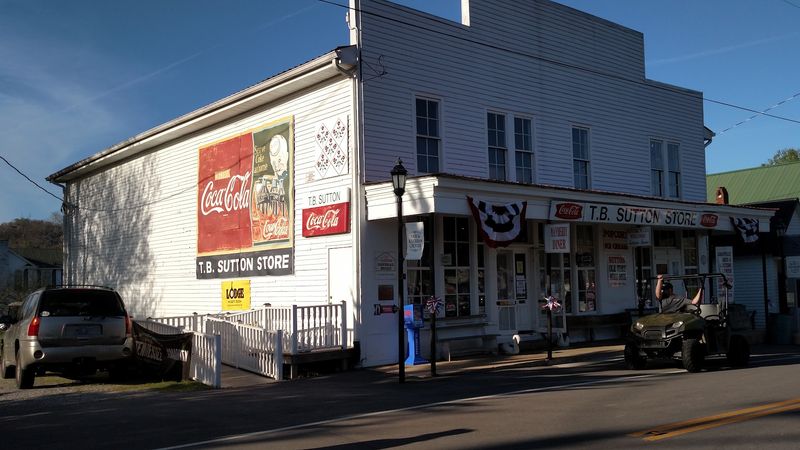
Picture a town where time took a long nap and woke up happy. Granville is often called Tennessee’s Mayberry Town. It rests along the Cumberland River with a slow, friendly pace.
The star of the show is the Historic Sutton General Store. This two-story building dates to the 1800s and sits on the National Register of Historic Places. Old fixtures and memorabilia make it feel like a museum you can eat in.
Saturday nights get lively with the Sutton Ole Time Music Hour. This bluegrass dinner show is also broadcast on the radio.
Guests enjoy meat and vegetable plates, homemade desserts, and hand-dipped ice cream while bands play.
During the day, the store serves hearty country breakfast and lunch. Beans, greens, and cornbread are popular picks. Many desserts come from old family recipes.
Quilters, get ready to swoon. Granville has earned the nickname Quilter’s Paradise. Its annual Quilt Show, often in October, draws stunning entries.
The Tennessee Quilt and Textile Museum displays antique and heirloom quilts. Next door, Aunt Bee’s Quilt Shop and Bakery sells fabric and fresh baked goods.
Thread and pastries together seem like a brilliant idea.
Summer brings Heritage Day and the Uncle Jimmy Thompson Bluegrass Festival. The Granville Artisan Workshop and Gallery offers classes in quilting and other crafts.
Few towns this small pack this much heart.
8. Rugby
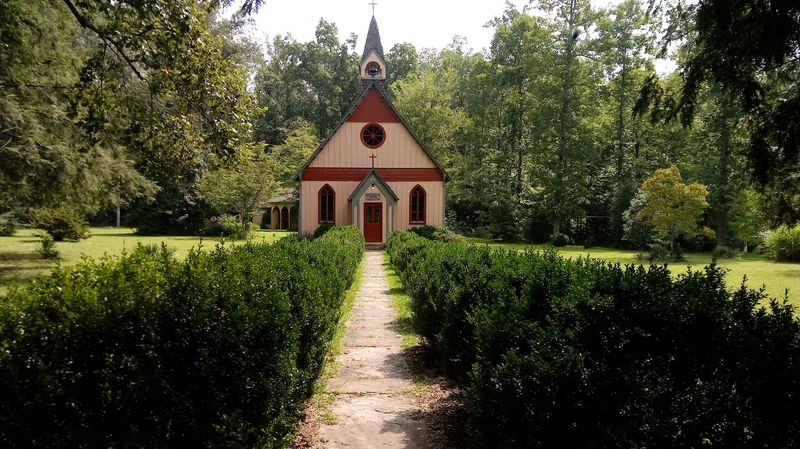
An English village in the Tennessee woods sounds like a riddle. Yet Rugby is very real. English author Thomas Hughes founded it in 1880 on the Cumberland Plateau.
He dreamed of a farming community without class divisions. Today, more than 20 original Victorian buildings still stand. Tall trees and quiet trails surround the village.
Book lovers will flip for the Thomas Hughes Library. It still holds its original collection of about 7,000 books from 1882.
Christ Church Episcopal, built in 1887, and the founder’s cottage, Kingstone Lisle, are also worth a look.
Guided tours share stories of the early settlers. The village is listed on the National Register of Historic Places. Every porch and window seems carefully loved.
Each May, the Historic Rugby Festival of British and Appalachian Culture brings two worlds together. More than 100 performers and artisans share music, dancing, and storytelling. Fiddles and English folk songs make surprisingly great friends.
Other events fill the calendar. Christmas at Historic Rugby offers caroling and holiday shopping.
The Commissary Museum Store sells Appalachian crafts, and workshops like wood whittling keep old skills alive. Hungry travelers head to R.M. Brooks Store, a local fixture since the 1920s.
It is famous for fried bologna sandwiches served in a century-old general store. Burgers and barbecue are there too. Rugby proves that tea time and cornbread can live happily on the same plateau.
9. South Pittsburg
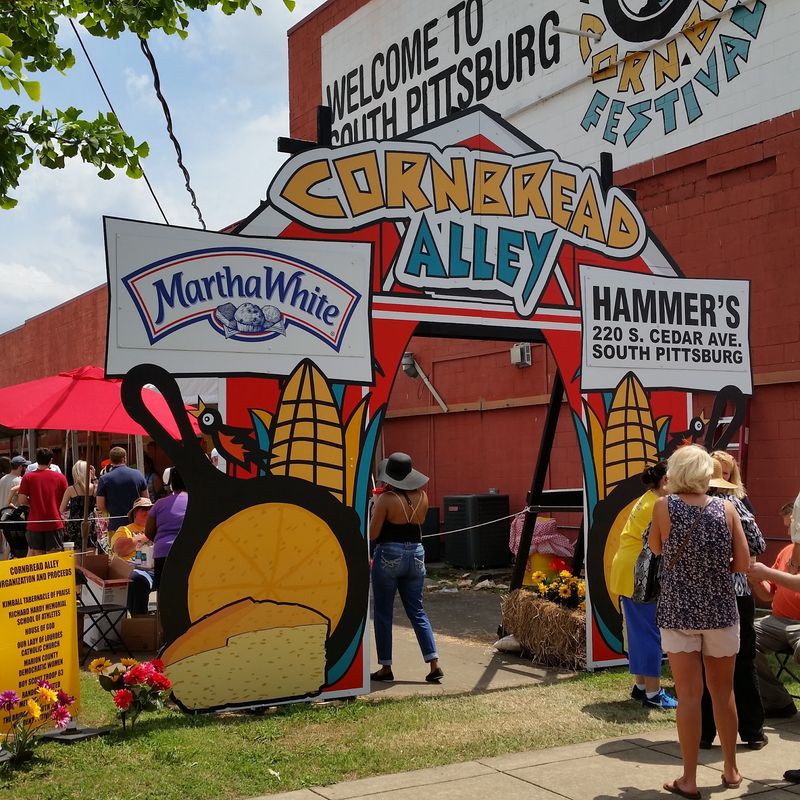
Cornbread is serious business in the South, and one small town treats it like royalty. South Pittsburg throws a whole festival for it.
The National Cornbread Festival happens on the last full weekend in April.
The town sits in the scenic Sequatchie Valley near the Tennessee River. Its streets fill with music, crowds, and the smell of golden crusts. Spring flowers add a cheerful touch.
A main event is the National Lodge Cast Iron Cornbread Cook-Off. Cooks compete using cast iron pans. Over on Cornbread Alley, visitors sample different recipes and pick favorites.
Cast iron is the town’s claim to fame. Lodge has made cast iron cookware here since 1896. It is the oldest cast iron cookware maker in the United States.
The Lodge Museum of Cast Iron shares the history of American cooking. Visitors learn how pans are made and why they last for generations.
Big Bad Breakfast, inside the museum, serves country-style breakfast and lunch.
Festival vendors also sell barbecue, funnel cakes, homemade honey, and fudge. More than 100 craft vendors offer jewelry, wood carvings, candles, and soaps. It is easy to go home with a skillet and a scented candle.
Dixie Freeze keeps things sweet with burgers and old-fashioned sundaes. Arts in the Burg showcases regional artists, and the South Pittsburg Heritage Museum shares town history.
One bite of skillet cornbread here explains everything.