
This Hidden Minnesota Lake Offers Peaceful Fall Fishing That Local Anglers Love
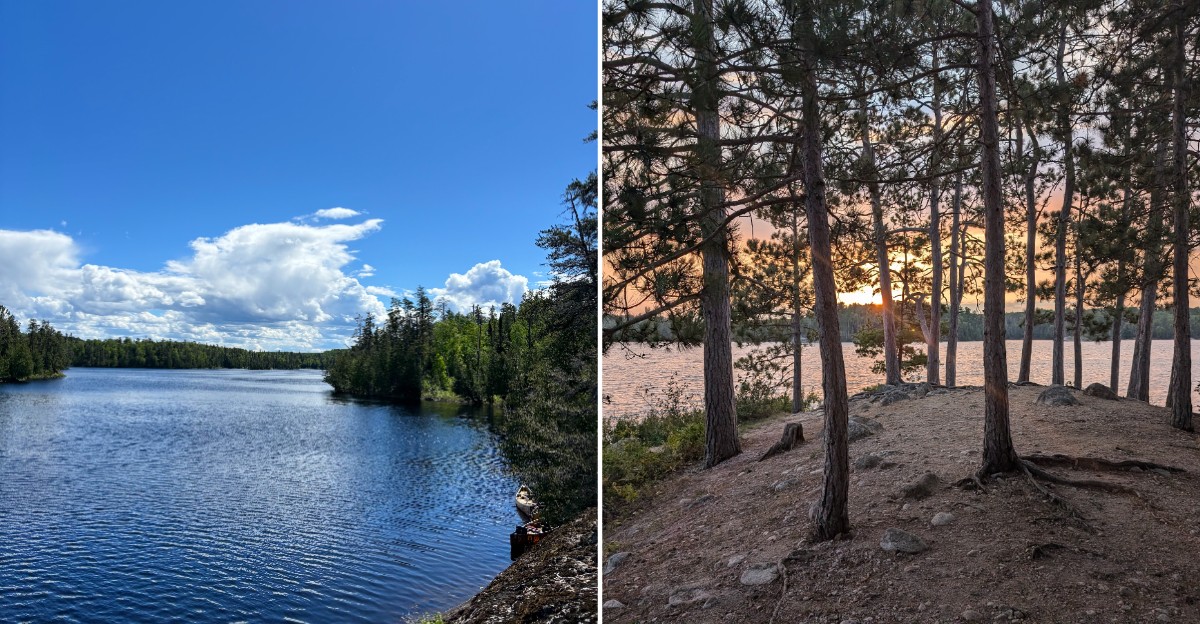
Early morning on the water has a quiet all its own, with mist lifting off the surface and a bobber floating perfectly still. This Minnesota lake gives local anglers that scene every summer.
Walleye, bass, and sunfish cruise the weed edges and drop-offs. Docks and shoreline spots stay open even on busy weekends.
Boats drift slowly along the reeds, and the only sound is the occasional splash of a lure. Families bring coolers and folding chairs, setting up for long afternoons with a line in the water.
Kids learn to bait a hook while grandparents share stories of the biggest catch. Loons call across the lake at dusk, and the sunset turns the surface copper.
Locals know which coves hold the best fish and rarely say much about it. A day here proves that good fishing needs little more than calm water and a little patience.
Getting There Is Half The Adventure
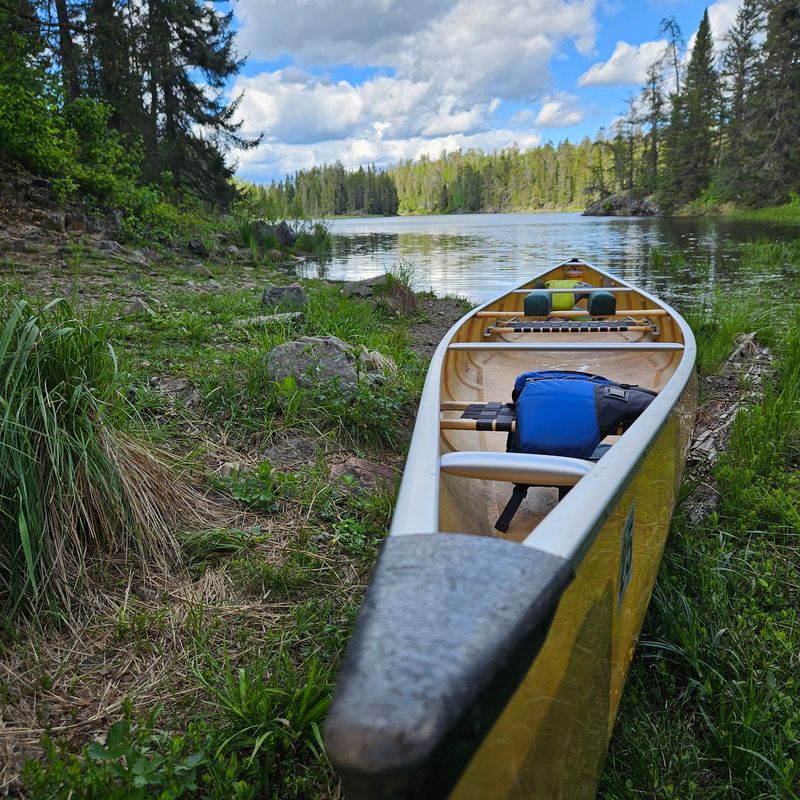
Nobody stumbles onto Crocodile Lake by accident. The trip starts with a drive up the Gunflint Trail, about 27 miles north of Grand Marais, through thick forest that gets wilder every mile.
Next comes a right turn onto East Bearskin Road, also called County Road 146. After roughly a mile, signs point the way to the East Bearskin Lake Campground and boat landing.
That landing is where the car stays and the canoe takes over.
From there, a paddle across East Bearskin leads to the big moment. A 120-rod portage connects the two lakes.
For anyone new to canoe lingo, a rod is about 16.5 feet, so this walk runs a little over a third of a mile.
Here is the catch. The first 25 rods climb about 100 feet, which feels steeper with a canoe balanced on your shoulders.
After that, the trail levels out and becomes much friendlier.
Mosquitoes also love this portage. They treat it like a drive-through buffet in warm months, so a head net is a smart packing choice.
Plan to split gear into fewer, well-packed bags. Fewer trips across the portage means more time with a line in the water.
Trust the hill, take breaks, and remember that every step uphill pushes the crowds farther behind. Crocodile Lake sits within the Boundary Waters Canoe Area Wilderness, Minnesota.
Quiet Waters Shaped Like A Crocodile
Pull up a map and squint a little. The lake really does look like a crocodile, snout and tail included.
Whoever named it clearly had a good imagination and maybe a long day of paddling.
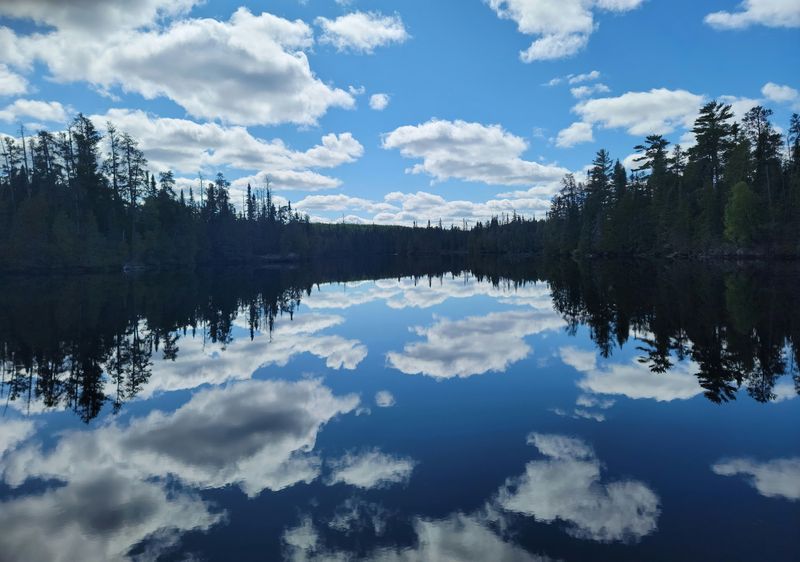
The real magic, though, is the silence. Crocodile Lake is a destination lake, which is a fancy way of saying people who enter here must camp right here.
Holders of Entry Point 66 permits cannot hop over to other lakes for camping. On top of that, only one entry permit is handed out each day from May 1 through September 30.
That rule alone keeps the lake calm all summer.
So what does that mean for an angler? It means mornings with almost no canoe traffic.
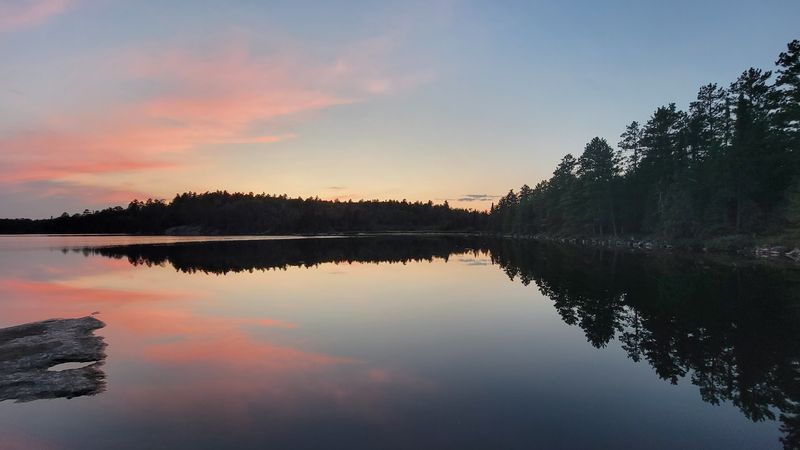
It means evenings where the only ripple comes from a rising fish.
The lake feels remote, even though the entry point is not terribly far away. That mix is rare and pretty sweet.
Depth is another quirk worth knowing. Much of the lake runs shallow, around 5 to 7 feet.
Scattered deeper holes drop down, and the Minnesota DNR lists the maximum depth at 17 feet.
A simple depth finder or a weighted line helps locate those deeper pockets. Those spots often hold the fish everyone came for.
Plan for permits, because with only one per day, they disappear fast once reservations open.
Walleye Wonderland
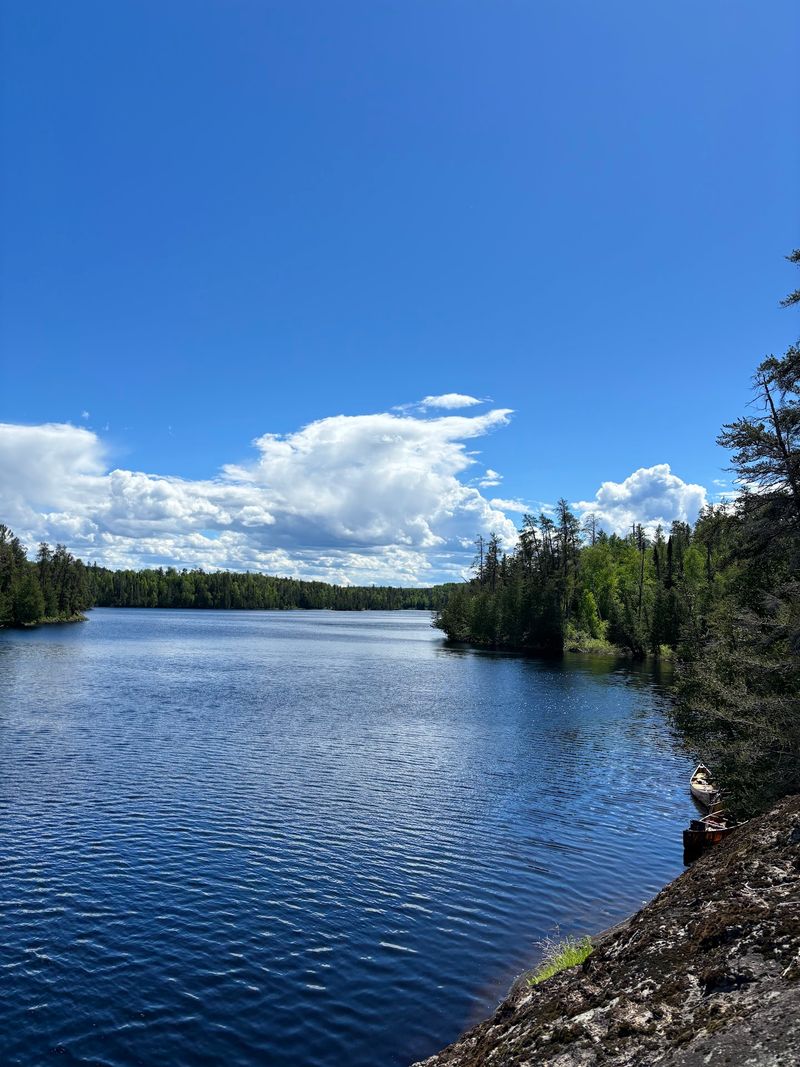
Fish fry, anyone? Crocodile Lake has a solid reputation for walleye, and the fish seem happy to live up to it.
Walleye here are plentiful and often easy to catch. Most fall in the classic eater range of 12 to 15 inches, which is perfect for a shore lunch over a campfire.
Bigger surprises show up too. Fish around 18 inches appear, and some anglers have pulled walleye over 20 inches from these waters.
That kind of tug makes a canoe feel very small very quickly.
Timing matters a lot. Walleye get most active when the weather turns cool and windy, so a gray, breezy day is good news.
Peak action usually lands in May and early June. Summer still produces fish, but it pays to work a little harder and fish smarter.
One proven trick is vertical jigging in the deeper spots. Drop a chartreuse jig tipped with a leech straight down, then lift and lower it slowly.
Patience helps here. Walleye often bite softly, almost like a tiny tap.
Set the hook at the first hint of weight, and keep the line tight on the way up.
Bring a fillet knife and a small cutting board. Fresh walleye cooked a few feet from where it was caught is a camping meal that’s tough to beat.
Pack a lemon if you want to feel fancy.
Pike Perch And Secret Holes
Walleye get the headlines, but they are not the only stars of the show. Northern pike cruise these waters, ready to smash a lure with real attitude.
Then there are the perch. Jumbo perch around 12 inches live here, which is big enough to make any perch fan grin.
A few spots have earned a reputation for steady action. A 17-foot hole along the south shore has produced nonstop walleye bites.
A 20-foot hole off a point has given up both walleye and those chunky perch.
Another hot zone sits near a pinch point by an old earth dam. Moving water there carries food, and hungry walleye gather to grab it.
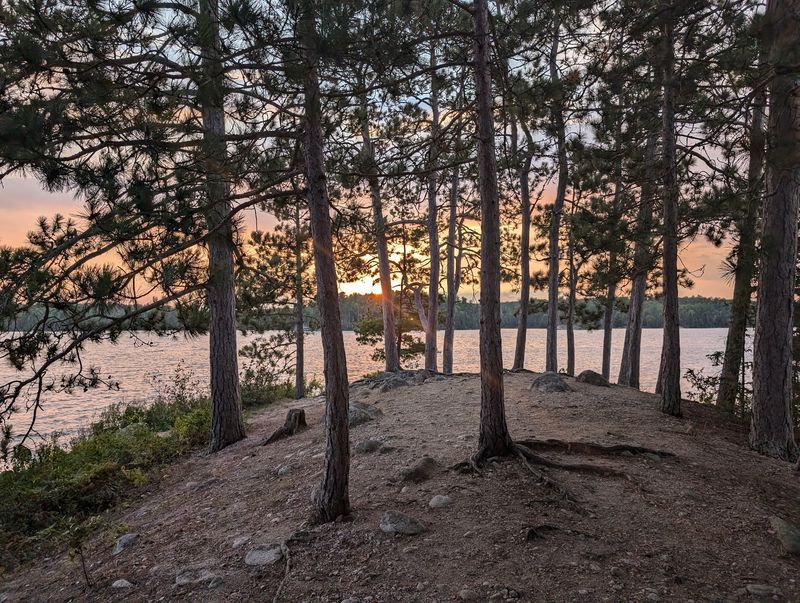
Do not overlook the campsite either. Casting right from shore in the hour before sunset can turn a quiet evening into a busy one.
Lure color is a big deal on this lake. The water carries a tea-colored tint from tannins, which makes dull lures hard for fish to spot.
Bright colors cut through that murk best. Chartreuse, lime green, yellow, pink, and white all deserve a spot in the tackle box.
Bring a steel leader if pike are on the menu. Their teeth slice through regular line faster than a kid through birthday cake.
Keep some pliers handy too, because unhooking a feisty pike barehanded is a lesson most people only need once.
Wolves Bears And Wild Surprises
Imagine casting a line and hearing howls bounce across the water. On Crocodile Lake, that scene has actually happened.
One story tells of three wolves playing in the water of a western bay. Their howls and growls carried across the lake for about an hour.
Few fishing trips come with that kind of soundtrack.
Wolves are not the only locals. Bear scat has turned up on rocks around the shoreline, a clear sign that black bears wander through.
That might sound scary, but bears usually want nothing to do with people. They do want your snacks, though, and they are not shy about it.
Smart campers hang food packs high or use a bear-resistant container. Keep cooking areas clean and never store food inside a tent.
The wider Boundary Waters also hosts moose, bald eagles, beavers, and loons. That loon call at night is spooky in the best possible way.
Wildlife watching works best early and late in the day. Paddle slowly along quiet bays, keep voices low, and let the animals stay wild by giving them space.
A pair of small binoculars fits easily in a pack. They turn a dark shape on the far shore into a clear look at a moose or eagle.
Just remember, the fish will not wait forever while you stare.
Campsites With A Rock Front Porch
Every great fishing trip needs a good home base. Crocodile Lake has four designated campsites, and each one has its own personality.
Some lean rustic, with uneven ground and tight tent pads. Others feel downright cozy for a wilderness spot.
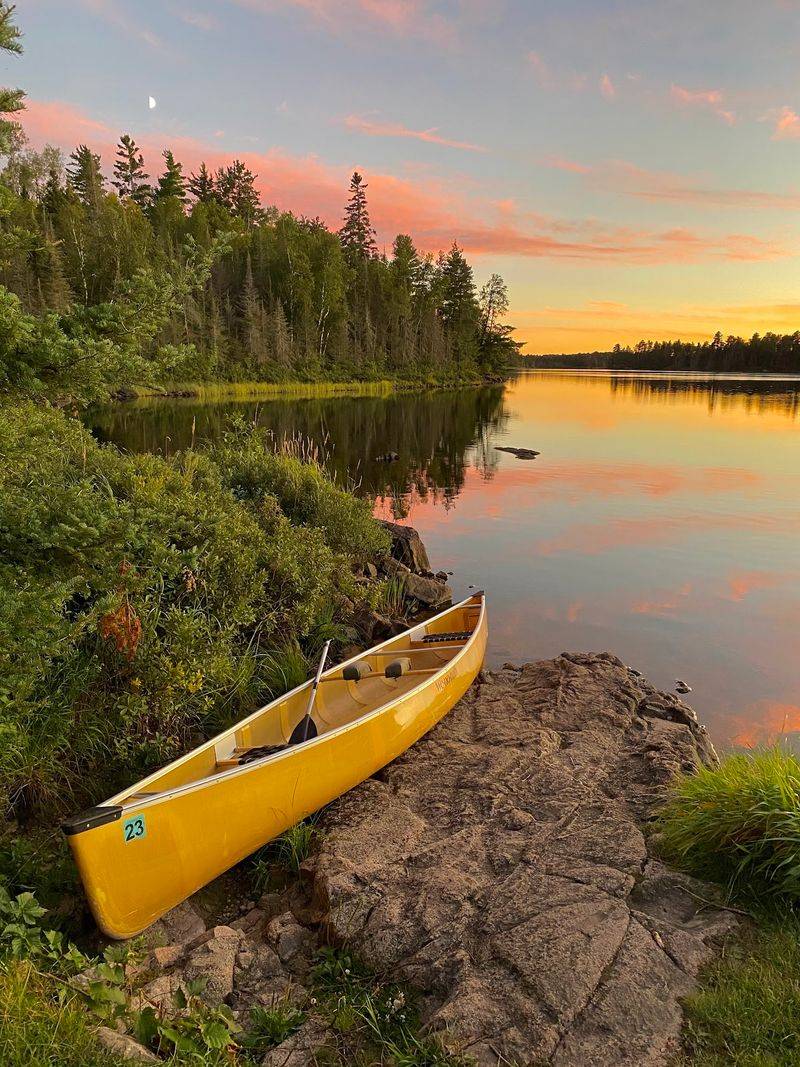
The standout is the second site from the west. It is roomy and flat, with space for several tents.
A large sloping rock sits at the water like a natural front porch.
That rock does a lot of jobs. It works as a coffee spot at sunrise, a lounge chair after lunch, and a casting platform at sunset.
The campsite on the eastern end of the lake also ranks as a prime pick. Both offer wide views for watching the sky change color morning and night.
Each Boundary Waters campsite comes with a fire grate and a simple latrine set back in the woods. Bring a trowel anyway, plus a water filter for drinking.
Arrive early in the day if possible. With only four sites, grabbing a favorite comes down to timing, even on a lake this quiet.
Follow Leave No Trace rules while staying. Pack out every wrapper and fishing line scrap.
The next crew deserves that rock porch looking just as clean. Plus, a tidy camp keeps curious bears from deciding to drop by uninvited.
Exploring The Crocodile River
Sometimes the fish need a break from you. That is a perfect time to explore the Crocodile River, which flows out of the lake toward East Bearskin.
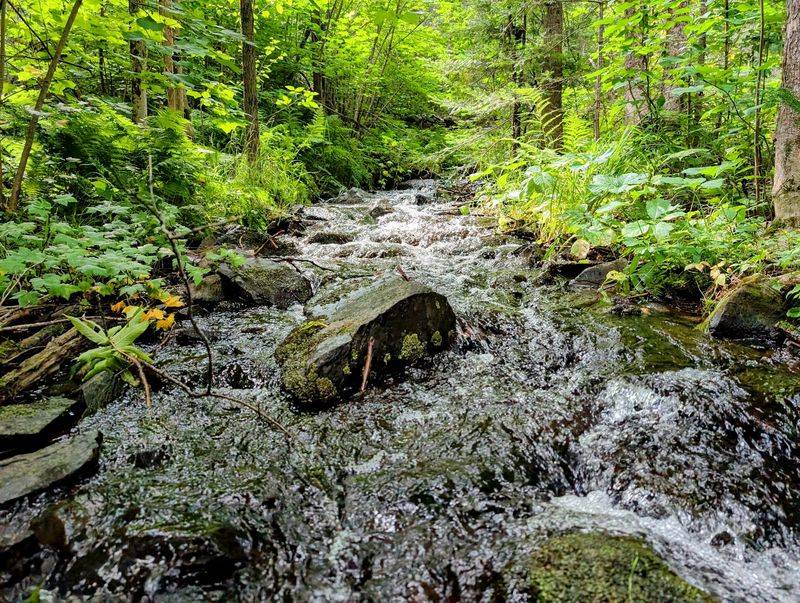
The river packs plenty of scenery into a small space. A pretty set of rapids tumbles along the way, and a small waterfall adds a splashy finale.
There is an easy way to see that waterfall too. A trail leads to it from a campsite on East Bearskin Lake, so it makes a good side trip on the way in or out.
Closer to Crocodile Lake, the narrows of the river make for a fun paddle. The channel twists and tightens, revealing new views around every bend.
Summer adds a twist of its own. Beavers build dams here, so expect to hop out and pull the canoe over a few.
Think of it as a workout with a side of nature trivia. Beavers can rebuild a damaged dam overnight, which explains why the route changes from year to year.
Wear shoes that can get wet and grip slick wood. Bare feet and beaver dams are a bad match.
Bring a rod along, too. Moving water near rapids often holds fish, and a few quick casts might turn a sightseeing trip into a surprise dinner.
Keep an eye out for otters playing in the current.
Starry Nights And Smart Packing
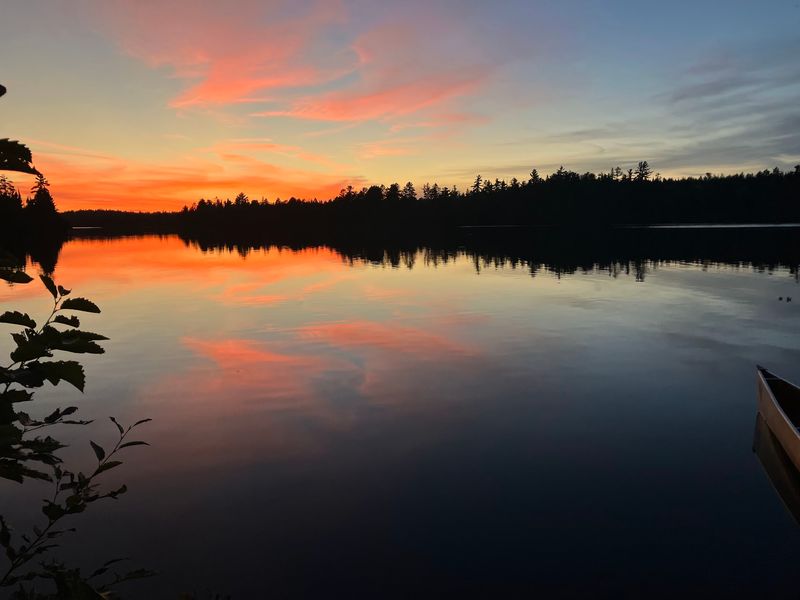
When the sun goes down, the show is far from over. The Boundary Waters has almost no light pollution, so the night sky explodes with stars.
Late at night, the Milky Way stretches across the lake like spilled sugar. On lucky nights, the northern lights flicker green above the pines.
Plan to stay up at least once. Lie back on a rock, listen to the loons, and let the fishing stories grow a little bigger with every telling.
Packing well makes these nights more fun. Bug spray and a head net top the list, especially in early summer when insects rule.
A warm layer helps too. Even in July, northern Minnesota nights can turn chilly near the water.
Do not count on phone service out here. Bring a paper map, a compass, and tell someone back home about the trip plan.
A Minnesota fishing license is a must for anglers. Pack spare line, extra jigs in bright colors, and a few leeches kept cool.
Weather changes fast up north. A good rain jacket and a tarp over camp can save a trip from becoming a soggy mess.
Finally, stay longer if possible. A single night barely scratches the surface. A few days let the quiet sink in, and that calm is the real catch.