
The 409-Acre New York Park Designed By The Same Family Behind Central Park
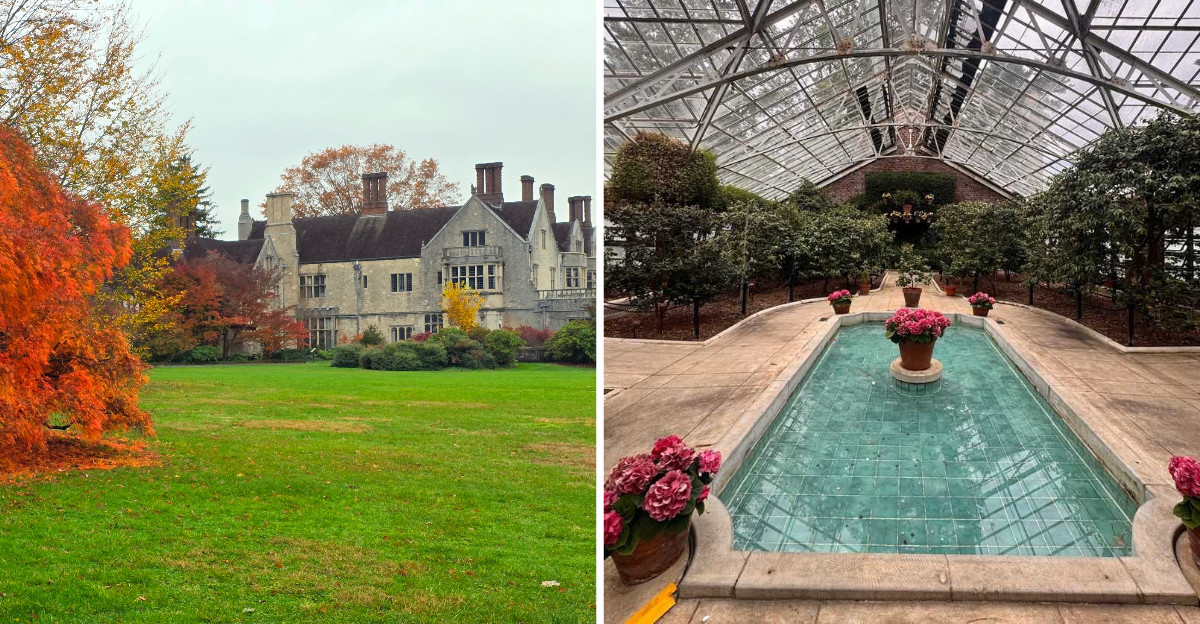
Central Park gets the postcards. Its lesser known Long Island relative gets winter camellias, a grand mansion, and 409 acres to spread out in.
The connection is the Olmsted family firm, which helped shape this New York park long after the family’s name became tied to Manhattan’s most famous green space.
The lovely surprise is how many different moods fit inside the gates. Formal gardens invite you to slow down and notice the details. Wooded trails make the estate feel a little wilder.
Then the greenhouses bring color back when much of the outdoors has gone quiet. It is tempting to compare everything to Central Park, but the more interesting question is how an estate with such a famous family connection still escapes so much attention.
A Garden Estate With A Famous Pedigree
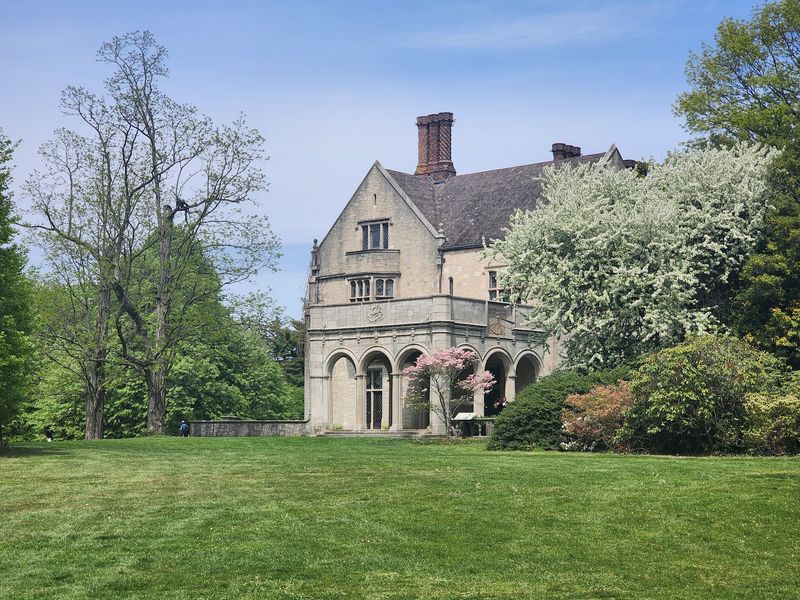
Long Island hides a secret that many city folks never hear about. Somewhere on the North Shore sits a green kingdom so large it could swallow several neighborhoods. Its grass, trees, and gardens stretch across 409 acres of rolling land.
Fame runs in the family here. The landscape firm that shaped much of the grounds came from the same family name behind Central Park. That means the paths you stroll were planned with the same eye for views, curves, and calm.
History also adds weight to every step. A wealthy couple bought the land in 1913 and spent decades turning it into a showplace. They gathered rare trees and blooms from far corners of the world.
Today the public gets to enjoy all of it. The estate kept its original acreage and buildings, which is rare in this part of New York. Very few Gold Coast mansions survived with their land still whole.
Visitors come for flowers, fresh air, and a peek at old money style. Kids love the open lawns. Grown ups love the quiet.
Everyone leaves a little calmer than they arrived, and that is a fine trade for an afternoon.
Pack comfortable shoes and a curious mind, because the grounds reward anyone willing to wander a bit farther than planned.
Planting Fields Opens Its Gates
Meet Planting Fields Arboretum State Historic Park, the answer to the riddle. You will find it at 1395 Planting Fields Rd, Oyster Bay, NY 11771. The grounds technically sit in the village of Upper Brookville, within the town of Oyster Bay.
New York State owns the park today. The state parks office runs it together with a nonprofit foundation that the original owner set up in 1952. The partnership keeps the gardens tidy and the history alive.
Its road to public life took a few turns. The owner deeded the estate to the state in 1949, and the formal transfer came in 1955. For years after that, the property served as a temporary state university campus.
Flowers finally won the day in 1970. That year the estate reopened to the public as a state arboretum. Classrooms gave way to greenery, and the plants took center stage for good.
Getting there is easy by car from most of Long Island. The drive from Manhattan usually takes about an hour, depending on traffic. Once you turn onto the grounds, the noise of the highway fades fast and the tall trees take over.
The Olmsted Touch Explained
Frederick Law Olmsted earned the title of father of American landscape architecture. He and Calvert Vaux designed Central Park together. His sons, John Charles Olmsted and Frederick Law Olmsted Jr., later ran the family firm known as the Olmsted Brothers.
Starting in 1918, the Olmsted Brothers began shaping Planting Fields. Their work here lasted decades. It became one of the firm’s longest and busiest estate jobs.
So what does an Olmsted landscape feel like? Paths curve gently instead of marching in straight lines. Views open up just when your legs need a reason to keep going.
Formal drama gathers close to the mansion. Farther out, the land loosens into meadows and woodland. The shift feels natural, as if the trees picked their own spots.
Fans of Central Park will notice a family resemblance. The big difference is the crowd size. Here you trade taxis and street noise for birdsong and breezes.
Other skilled designers also left their mark on the estate over the years. Still, the Olmsted name gives the grounds serious bragging rights. Call it a landscape with a famous last name.
Bring a camera, since nearly every bend in the path seems to frame a picture worth keeping.
Coe Hall Holds Court
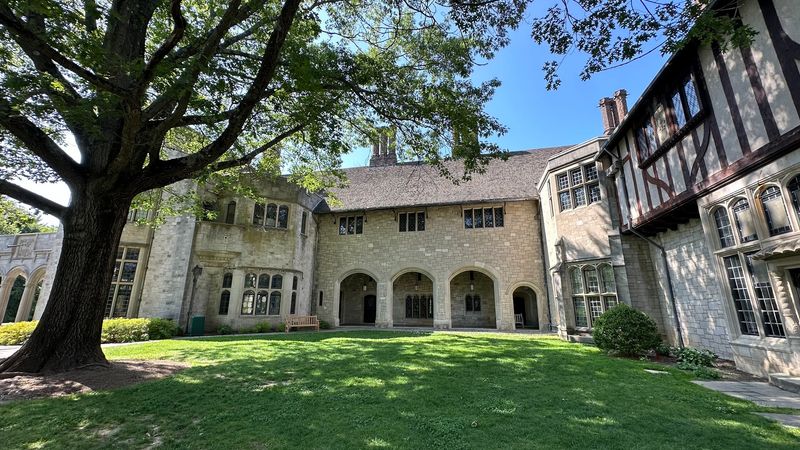
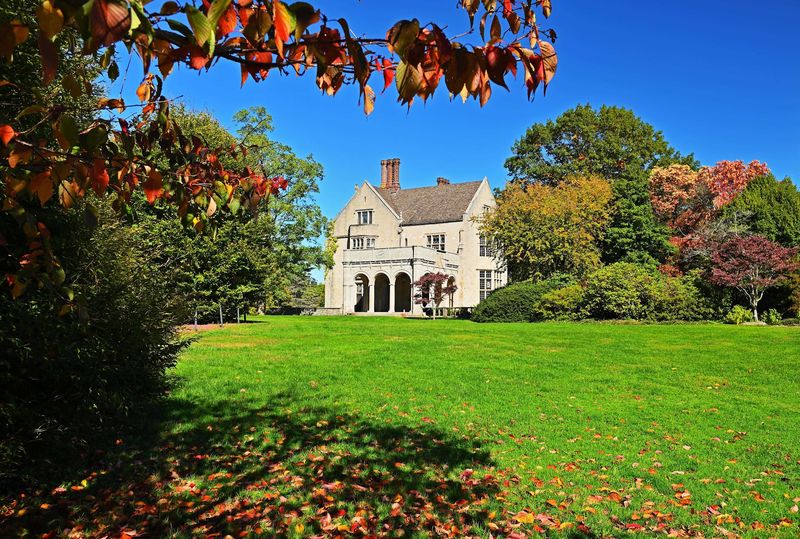
Stone walls, heavy timber beams, and carved figures along the roofline give the mansion real storybook charm. Built between 1918 and 1921, Coe Hall is a Tudor Revival home with 65 rooms. The design came from the architecture firm Walker and Gillette.
Wealth shows in every detail. The interiors feature fine ironwork, painted murals, and furnishings collected with care. You get a real sense of how the Gold Coast elite lived a century ago.
Tours run Wednesday through Sunday. Guided and self guided options vary by day, so check the schedule before you drive over. Walking the halls feels a bit like browsing a history book with better lighting.
Outside, look for the grand wrought iron entrance gates. They were crafted in England around 1712 and installed at the estate in 1921. Old gates, new home, same impressive swing.
Families can treat the visit as a treasure hunt. Ask kids to spot carved faces, fancy fireplaces, and painted scenes. Small challenges keep young eyes busy and grown up feet happy.
Give yourself at least an hour inside and around the house. The views from the mansion toward the gardens deserve a lingering look.
Camellias That Laugh At Winter
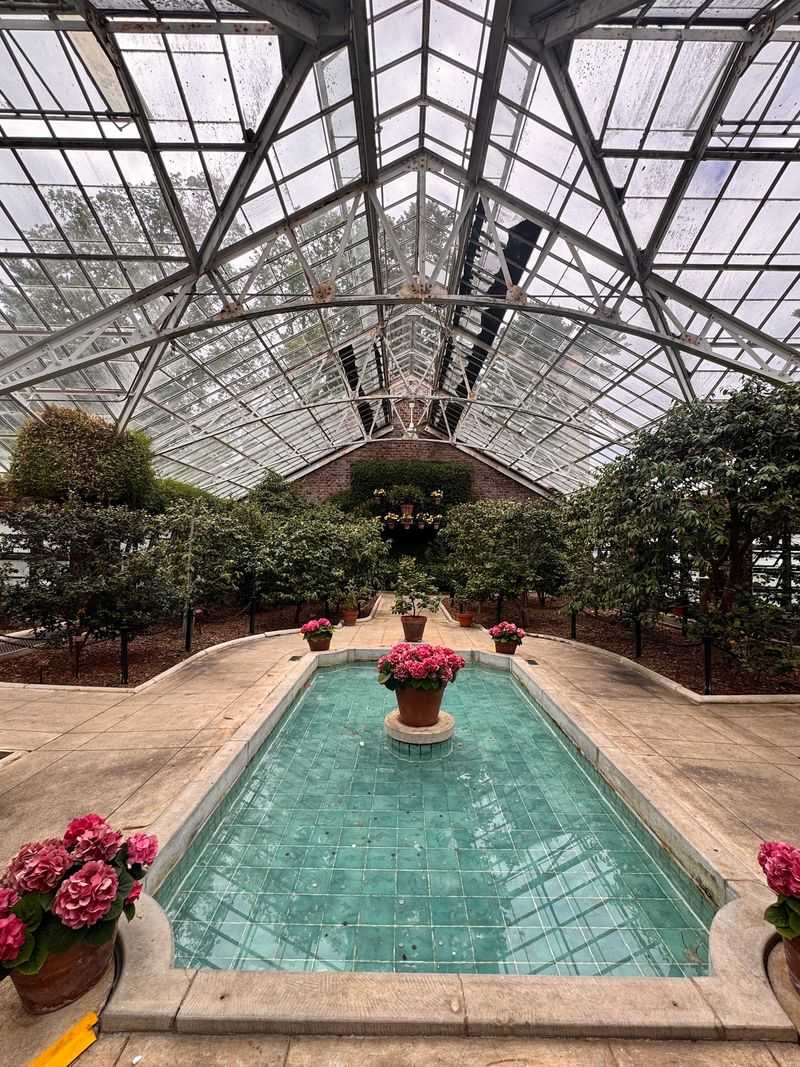
Snow on the ground and pink petals overhead sounds like a riddle. At the Camellia Greenhouse, it is simply February. The collection here is often praised as one of the finest camellia displays in North America.
Camellias love cool weather, which makes them winter’s best kept secret. Their blooms come in white, blush, coral, and deep red. Many flowers look so neat they almost seem folded by hand.
Peak season usually lands in late winter. The park often hosts a camellia festival during that stretch, with crafts and activities for all ages. Keep an eye on the event calendar so you do not miss it.
Hours matter here. Both greenhouses open Wednesday through Monday from 10 am to 4 pm and close on Tuesdays for care. Arrive with time to spare, since last entry can come a little earlier.
Photographers adore the soft light under the glass. Bring a small lens cloth, since warm air can fog a cold camera. That tip alone may save your best shot.
A quiet stroll through the camellias makes a perfect cure for the gray winter blues. Consider it vitamin C for the soul, with the C standing for camellia.
Tropical Escape Under Glass
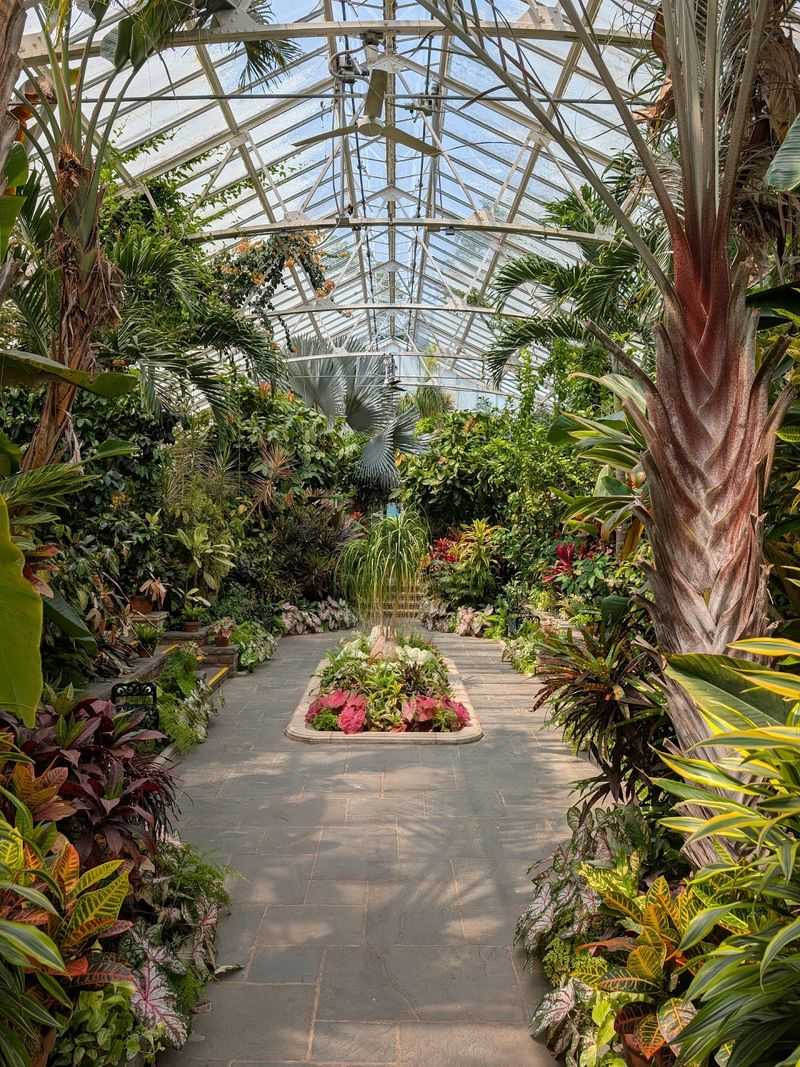
Palm fronds, prickly cacti, and bright orchids share space in the Main Greenhouse. The air feels warm and damp, like a quick trip south without the airport lines. Your glasses may fog up first, so give them a moment.
Orchids steal the spotlight for many guests. Winter brings especially strong displays, with petals shaped like slippers, stars, and tiny dancing figures. The variety alone could fill a whole sketchbook.
Kids tend to gravitate toward the cacti. Their spines and odd shapes look like plants from another planet. Remind little hands to look and not touch, at least with the spiky ones.
Plant lovers will find plenty of ideas for their own windowsills. Note which species catch your eye and research them later at home. Many tropical plants here have cousins sold at local nurseries.
Timing your visit well can stretch the fun. The greenhouse makes a smart midway stop during a long winter walk. Duck in, thaw out, then head back to the trails feeling recharged.
Aisles run narrow in spots inside the glass rooms. Visitors using wheelchairs may want to plan around that. The outdoor paths offer wider room to roll.
Formal Gardens Worth A Slow Lap
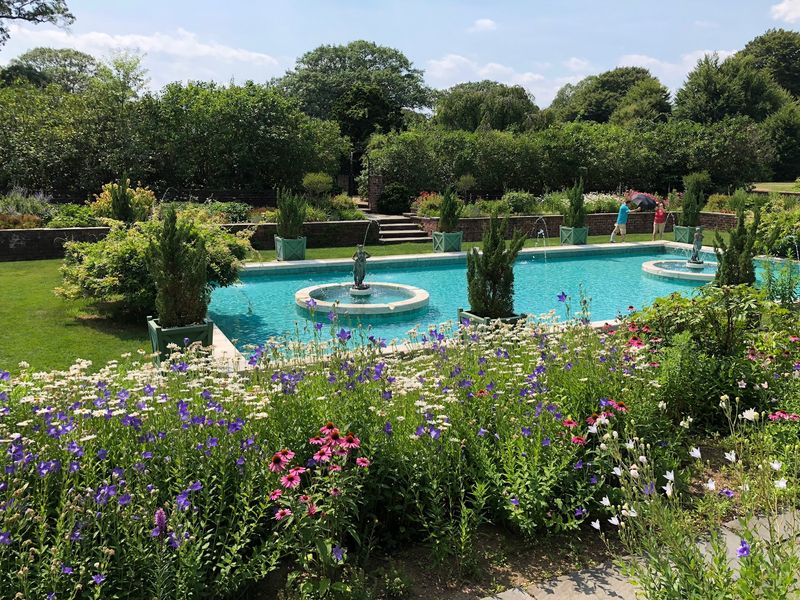
Order rules near the house, and it looks fantastic. The Sunken Garden lines up neatly with Coe Hall, framed by clipped hedges and a long reflecting pool. Fountains add a soft splash that sets a calm mood.
Close by stands a charming tea house that once belonged to the family. Peek through its windows when it is closed and admire the old craftsmanship. The building looks like it belongs at a fairy tale garden party.
Rose fans should circle late spring and early summer on the calendar. The Rose Arbor often hits peak bloom around May and June. Fragrance there can be strong enough to stop you in your tracks.
Another favorite is the Synoptic Garden, where plants are arranged alphabetically by their scientific names. Gardeners use it like a living reference library. Curious minds love testing their plant knowledge there.
Wear sturdy shoes even on the gravel and grass paths. Benches appear throughout, giving tired legs a polite place to rest. Grab one and simply watch the bees work overtime.
Photographers flock here, so expect a few shoots on busy days. A little patience usually earns you a clear frame. Professional photographers need a permit and fee, so check the rules first.
Trails, Trees, And Wide Open Lawns
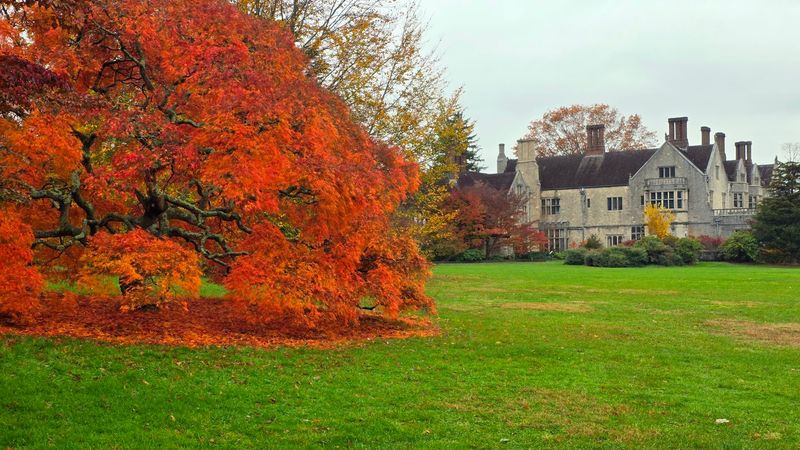
Miles of walking await beyond the gardens. Woodland paths wind through tall pines and old hardwoods, and the wind makes a gentle hush overhead. Birders can listen for a long list of songs along the way.
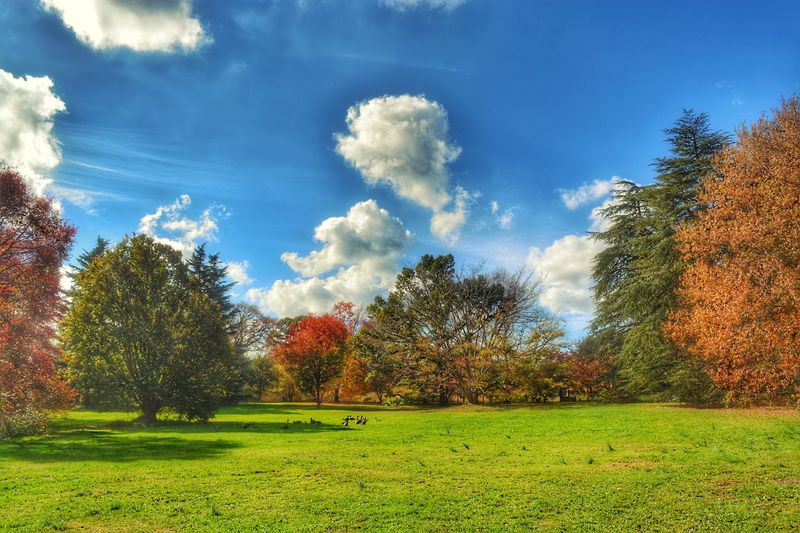
The Great Lawn feels like a deep breath in grass form. It spreads wide and open, giving kids room to run and adults room to think. Few places on Long Island offer such generous space without crowds pressing in.
Steps add up quickly here. A full loop of the grounds can easily rack up thousands, making it a sneaky workout disguised as a nature walk. Fitness trackers will be very pleased with you.
Pets are not allowed, though service animals are welcome. Leave Fido at home and enjoy the peace with fellow human walkers. The wildlife will thank you too.
Free maps are available at the entrance in several languages. Grab one before setting off, since the property is huge and paths branch often. Getting a little lost is half the charm, but getting very lost is just tiring.
Clean restrooms and water fountains are available on site. Pack water anyway on warm days.
Every Season Steals The Show
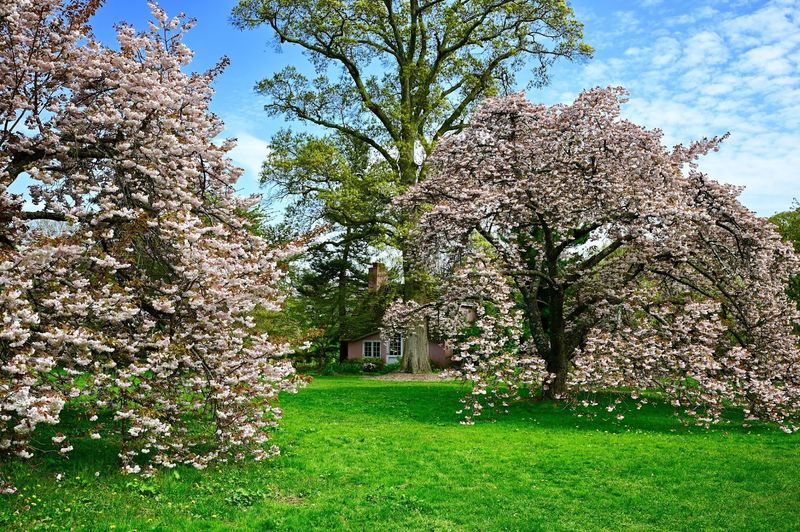
Spring arrives with a burst of energy. Cherry blossoms soften the views, and hundreds of azaleas and rhododendrons explode into color. Daffodils and magnolias join in, making early visits a must.
Summer slows things down. Long green views stretch across the lawns, and shade under huge trees becomes prime real estate. Summer concerts on the estate have also become a local favorite.
Autumn turns the maples into fireworks of orange and red. Japanese maples here rank among the finest on Long Island. Cool air makes long walks feel effortless.
Winter surprises plenty of first timers. Holly trees glow with bright berries against bare branches. The greenhouses then become warm havens full of color.
Because the show changes so often, one visit rarely feels like enough. Regulars come back month after month to catch each new act. A membership through the foundation can make repeat trips feel extra rewarding.
Plan around bloom calendars posted by the park when possible. Peak dates shift a little each year depending on the weather. Mother Nature keeps her own schedule, and she rarely sends reminders.
A quick check ahead keeps you from arriving a week too early.
Smart Tips Before You Go
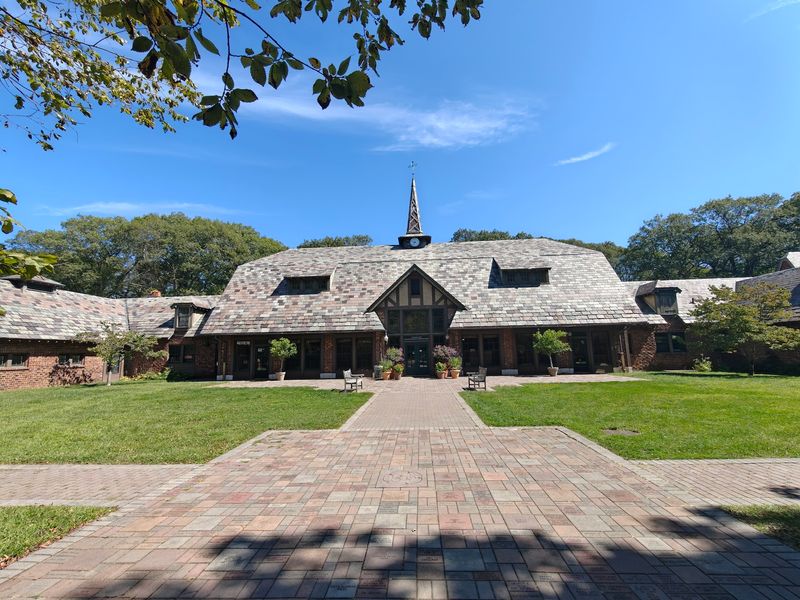
Good planning turns a nice outing into a great one. The grounds open daily from 9 am to 5 pm, closing only on Christmas Day. Admission to the grounds is free, though cars pay a modest parking fee.
Payment is simple at the pay station, which takes cash and cards. Weekend mornings bring the biggest rush, so arriving early pays off. Weekdays tend to feel calm and roomy.
Hungry visitors should know the Magnolia Cafe serves on Saturdays and Sundays from 11 am to 4 pm. On other days, bring snacks to enjoy before or after your walk. Snack machines near the restrooms can also bail you out.
Guests can visit the Visitor Center Wednesday through Sunday. Staff there can share event news, maps, and seasonal highlights. Remember that greenhouses close on Tuesdays, so avoid that day if glass houses top your list.
Dress for the weather and wear comfy shoes. Sunscreen and a hat help in summer, while layers help in winter. A camera or charged phone is a must, because the views beg to be saved.
Most of all, leave room in your day to wander. A place this lovely deserves an unhurried pace.