
This Nevada State Park Hides Red Sandstone Arches Kids Climb Under On An Easy Loop
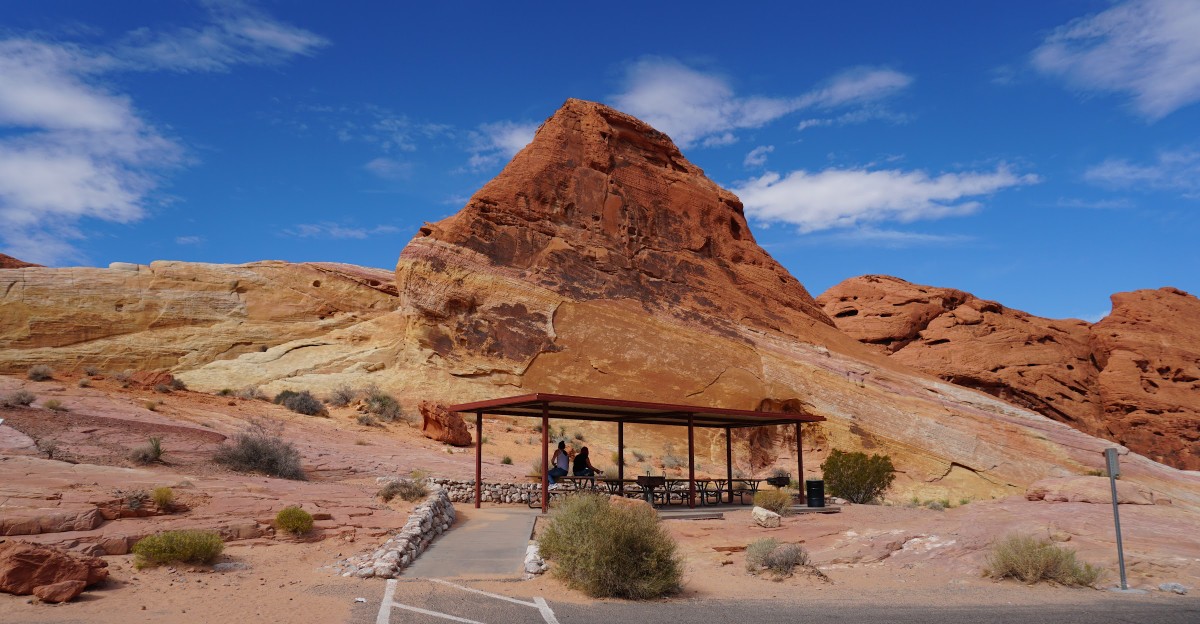
The rocks here formed from sand dunes about 150 million years ago, and they still glow red like they caught fire. That’s not a poetic stretch.
It’s literally how the place got its name.
Kids can scramble over domed sandstone shaped like giant beehives, right next to the parking lot. A short loop nearby winds through pink slot canyons and stone that looks like frozen ocean waves.
Carvings older than 2,000 years sit on rock walls along a sandy trail.
I like how little this whole adventure asks of your wallet. Nevada families pay one flat fee per car, not per person.
Pack sandwiches and water, and the day costs about what a fast-food lunch does.
I can’t imagine a better way to wear out restless kids in Nevada. So where exactly is this fiery playground hiding?
An Hour From Las Vegas, A Whole Different Planet
Valley of Fire State Park sits about an hour northeast of Las Vegas, near the small community of Overton. It’s Nevada’s oldest state park and also its largest, which is a pretty strong resume.
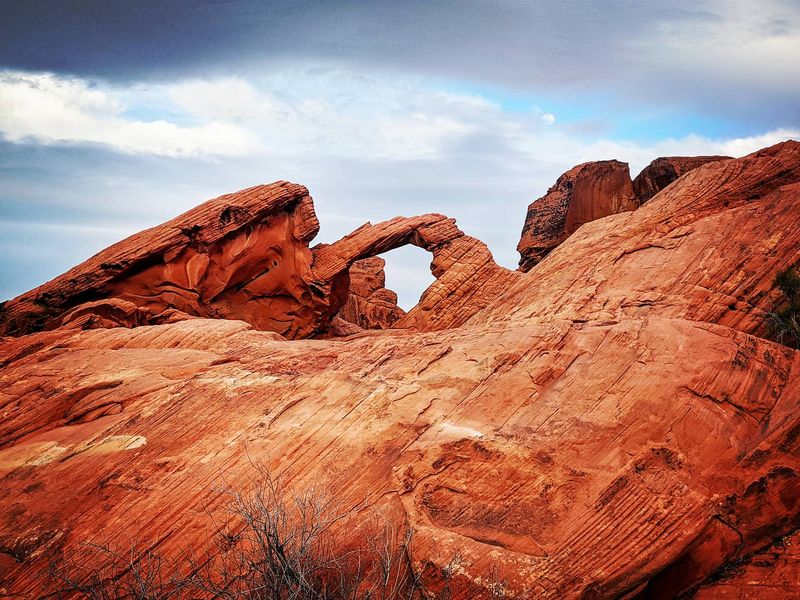
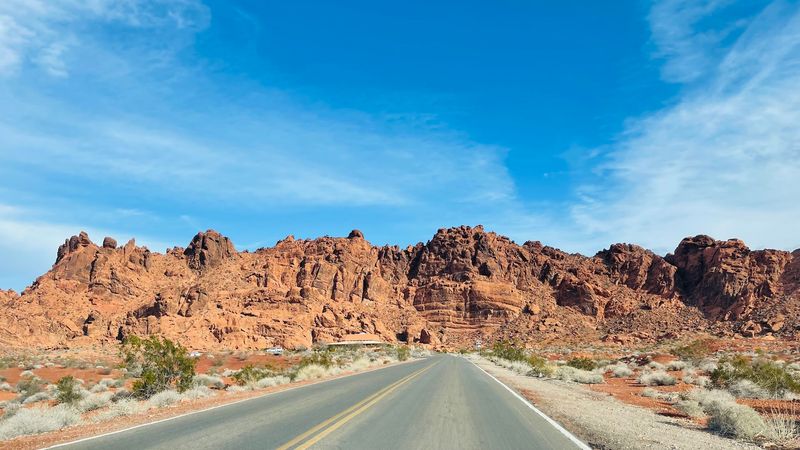
The star attraction is bright red Aztec sandstone. Those outcrops rise against gray and tan limestone hills, so the color contrast hits hard.
When sunlight bounces off the rock, the formations can look like they’re burning. That’s the whole reason behind the name.
No dragons involved, sadly.
The park covers roughly 40,000 acres, so there’s plenty of room to roam. You’ll find arches, balancing rocks, slot canyons, petrified trees, and ancient rock art.
What makes it great for families is how much you can see without a big hike. Many highlights sit close to the road with easy parking nearby.
Restrooms show up at most main trailheads too. Parents of small kids will understand why that matters.
A scenic byway runs through the park with pullouts for quick photo stops. That means grandparents who’d rather stay near the car still get the full show.
Short trails branch off for anyone with energy to burn. You choose the pace, and the desert handles the rest.
Stone Cabins And Nearly A Century Of Park History
Back in 1933, crews from the Civilian Conservation Corps showed up and started building. They laid out campgrounds, trails, roads, ramadas, and stone cabins into the early 1940s.
The park formally opened in 1934. Nevada lawmakers made the designation official in 1935, earning it the title of the state’s first state park.
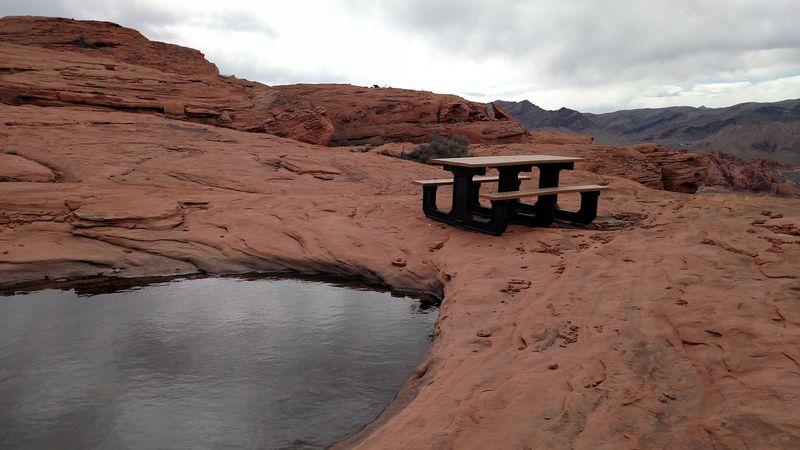
Those stone Cabins still stand today, and they double as a shaded picnic area. It’s a neat spot to eat lunch where workers stacked rock by hand decades ago.
The human story goes much deeper, though. People lived in this area around 11,000 years ago.
Ancestral Puebloans visited from about 300 B.C. to 1150 A.D. Paiute people followed and were here as recently as the 1860s.
Hollywood noticed the scenery too. The park has appeared in a number of films, including Star Trek, which should impress any young sci-fi fan in your car.
For heritage lovers, the mix is hard to beat. You get ancient rock art, Depression-era craftsmanship, and movie-set history in one stop.
Grandparents can tell the CCC story while the kids picture spaceships landing nearby. Everybody wins.
Your Kids Will Claim The Beehives Within Seconds
Some rocks practically beg to be climbed. The Beehives are rounded sandstone domes that really do look like giant honeycombs, minus the bees.
Best of all, they sit right off the parking lot. Kids can hop out and start scrambling while you’re still grabbing the sunscreen.
Wind and water carved layered lines into the stone over a very long time. Those swirls give little hands and feet natural grip spots.
Climbing on these formations is allowed, which makes them a favorite family stop. It’s a rare place where “go play on the rocks” is actually the plan.
Still, keep a close eye on younger climbers. Sandstone can be crumbly, and heights look smaller from the top than the bottom.
Technical rock climbing is limited to certain areas of the park. If your crew wants something beyond casual scrambling, ask at the Visitor Center first.
One spot that’s off limits is Natural Arch itself. It’s too fragile for climbers, so admire it from the ground.
The Beehives make a smart first stop. They burn off car-ride energy fast, which means calmer hikers for the rest of the day.
A Short Loop Where Rock Turns Into Ocean Waves
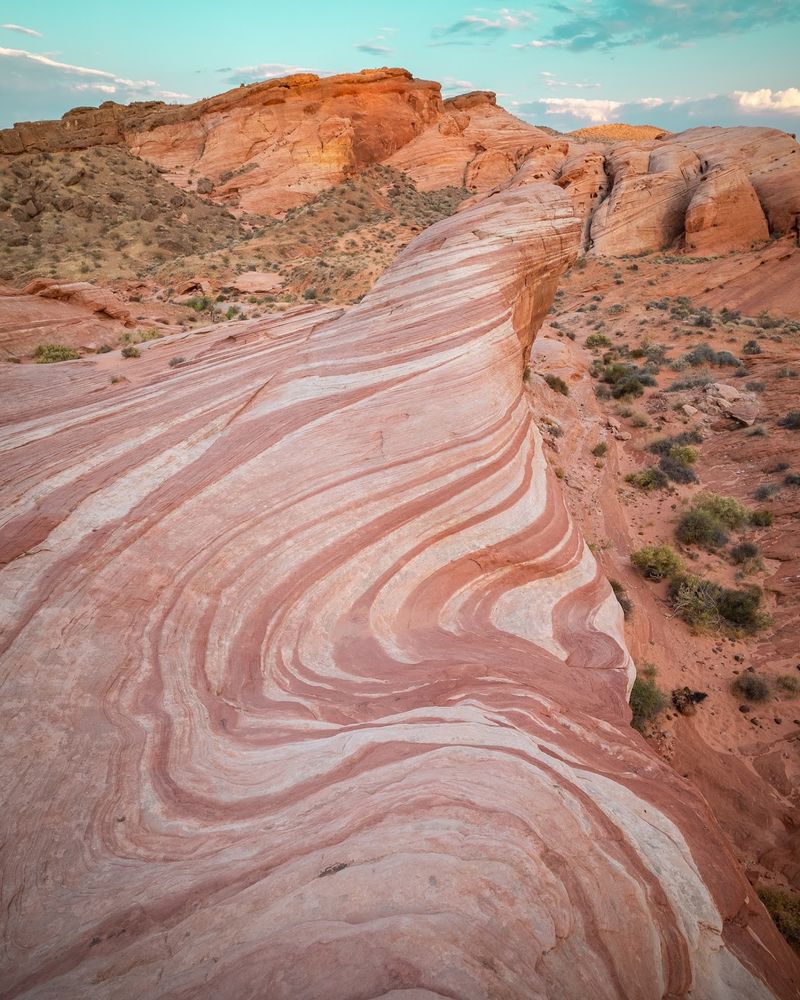
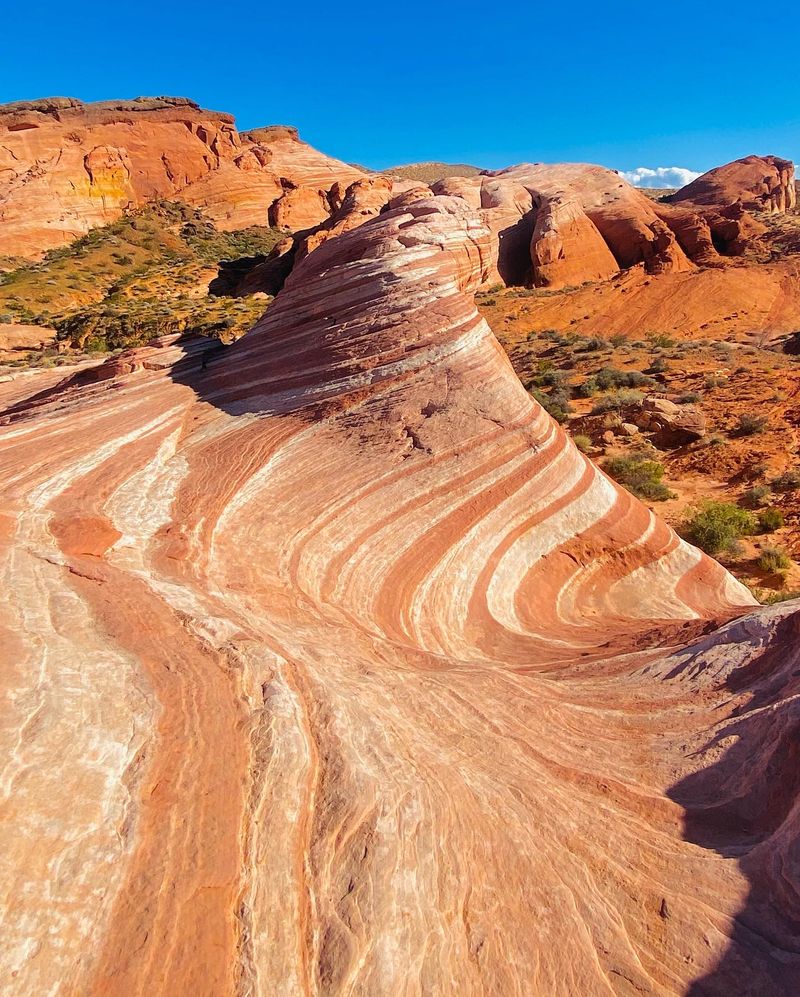
Frozen ocean waves made of pink, red, and cream stone. That’s the best way to describe the Fire Wave, one of the park’s most famous sights.
The out-and-back to the Fire Wave runs about three-quarters of a mile each way. It’s rated easy and family-friendly, so shorter legs can handle it.
Got a little extra pep? Link it into the Seven Wonders Loop, which runs roughly 1.5 to 1.8 miles total.
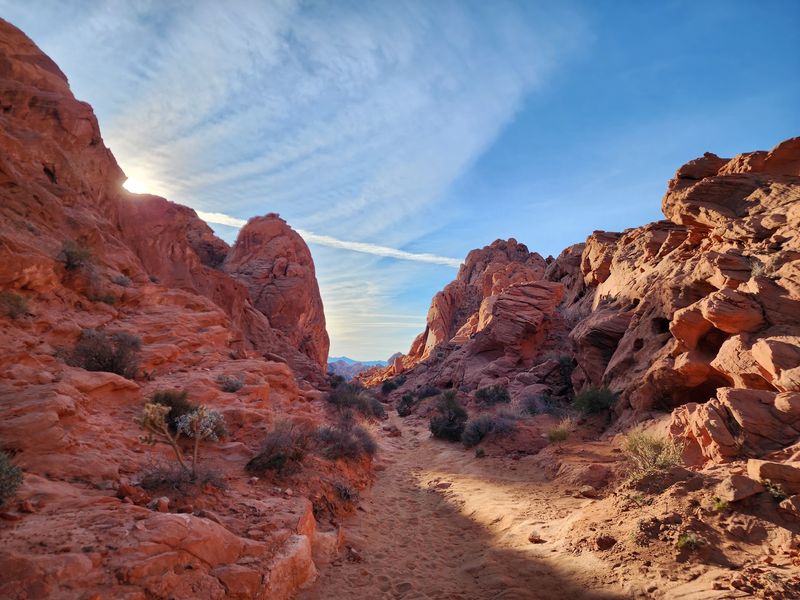
That loop is where things get fun for kids. It passes through tight pink slot canyons and pastel rock fields that feel like a secret maze.
A few spots can make the next trail marker tricky to find. Download a map before leaving home, because cell service is spotty.
This trail closes every year from May 15 to September 30. The summer heat here gets seriously dangerous, so the park shuts it for safety.
During open months, start early. Sunrise brings cooler air, softer light for photos, and smaller crowds at the trailhead.
Bring more water than seems reasonable. In Nevada’s desert, even a short loop can feel long once the sun climbs.
Arches, Elephants, And Rock Shapes Worth Spotting
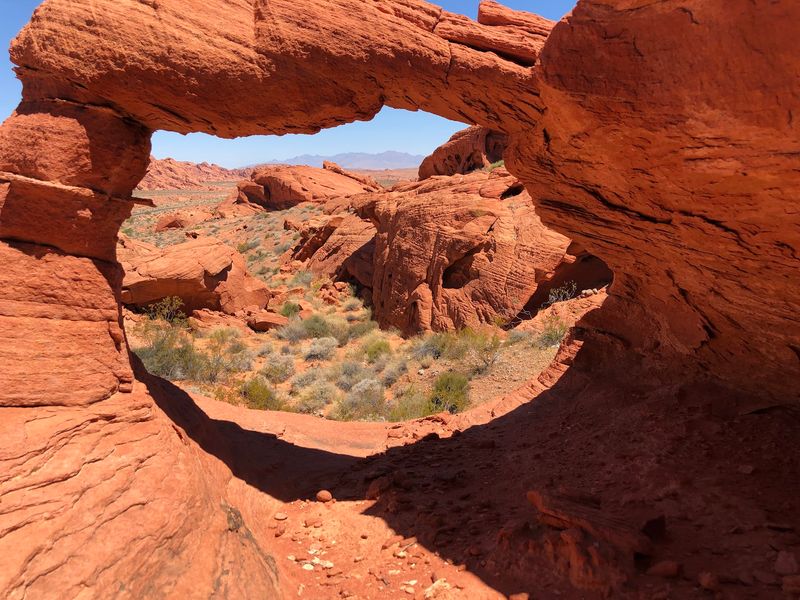
Ever played “what does that cloud look like” with rocks instead? The park turns that game into a full afternoon.
Elephant Rock sits near the east entrance, and yes, it truly resembles an elephant. A short Elephant Rock Loop Trail lets you see it from different angles.
Arch Rock is visible from the Scenic Loop near Atlatl Rock. It’s an easy roadside win when little ones need a break from walking.
The Natural Arches Trail goes further, with several arches and balancing rocks along the way. It’s a seasonal trail, closed in the hottest months.
Over on White Domes Road, the White Domes Loop covers about 1.1 miles. It includes a fun slot canyon and the remains of an old movie set.
That combo feels made for curious kids. One minute they’re squeezing through canyon walls, the next they’re hunting for film history.
Rainbow Vista Trail is another easy 1.1-mile out-and-back across sandy ground. It ends at color-streaked rock that earns its name.
Keep eyes open for bighorn sheep, too. They sometimes wander near the roads, and spotting one can become the trip’s biggest bragging right.
Ancient Carvings Along A Sandy Kid-Size Trail
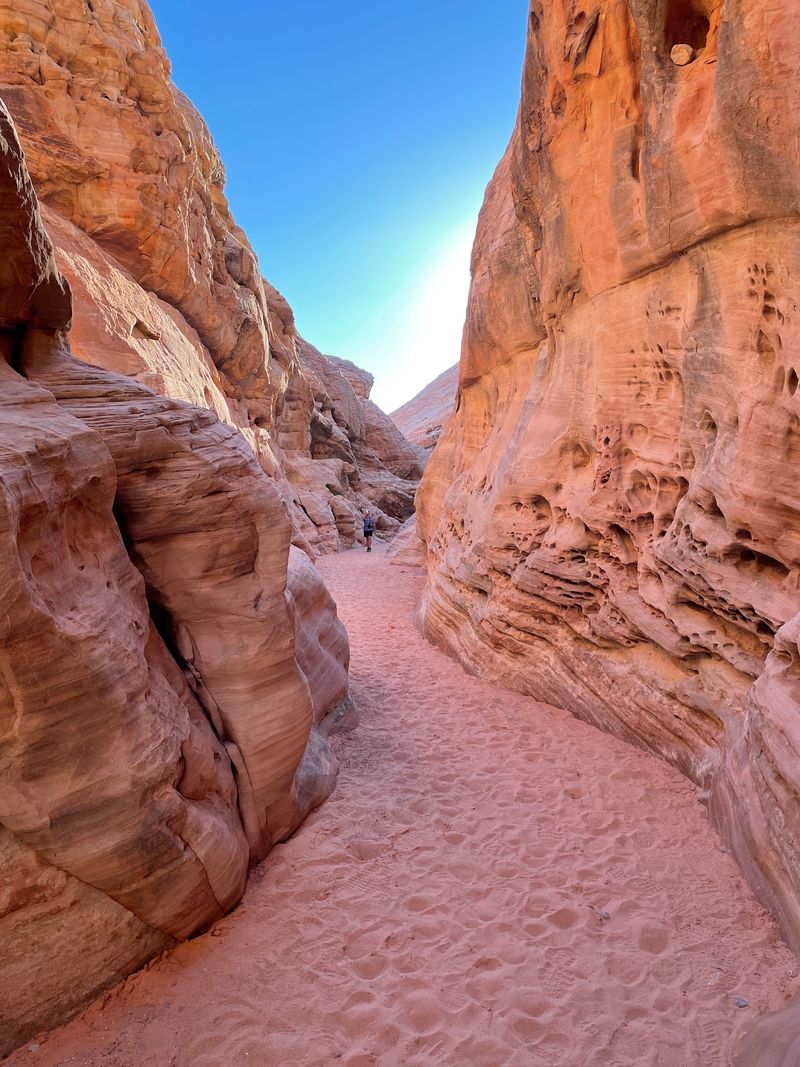
More than 2,000 years ago, people carved pictures into these rock walls. You can still see them today, without a museum ticket.
Mouse’s Tank Trail is the easiest way to find them. It’s a sandy out-and-back of about 0.7 to 0.8 miles, suitable for all skill levels.
Petroglyphs line the canyon walls as you walk. Kids also love poking around the rock alcoves and climbing on lower boulders along the way.
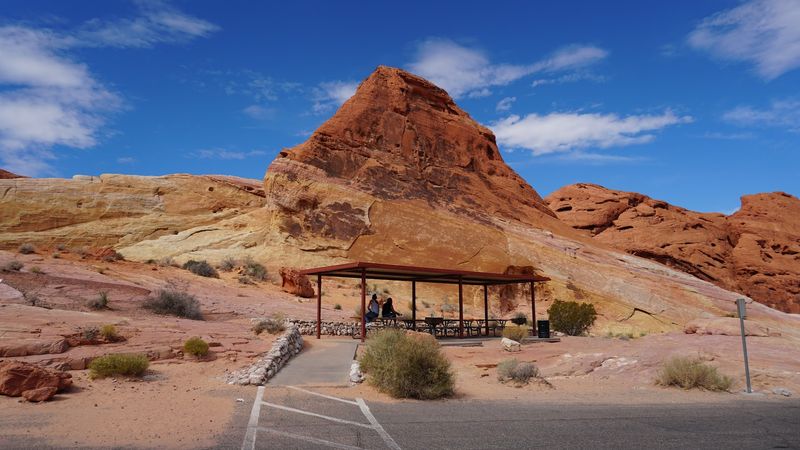
Atlatl Rock is another standout spot for rock art. A shaded picnic area sits nearby, so you can pair history with lunch.
Talk to kids about looking without touching. Oils from fingers can damage carvings that have lasted thousands of years.
It’s a good lesson in respect, and it works on all ages. Leaving only footprints keeps these images around for the next generation.
The park also holds petrified trees, another piece of very deep history. Spotting wood turned to stone tends to surprise even grumpy teenagers.
For a family with a budget, this is a pretty great deal. One entry fee covers real archaeology, geology, and a sandy playground.
Picnic Tables, Campsites, And One Very Nice Visitor Center
Food options inside the park? There aren’t any restaurants or cafes, so pack your own cooler.
The Visitor Center does sell limited packaged snacks and drinks. It also offers exhibits on geology, ecology, prehistory, and history, plus books, postcards, and souvenirs.
It’s open daily from 9 a.m. to 4 p.m. WiFi is available there, which helps since cell signal fades elsewhere.
Shaded picnic spots with restrooms sit at Atlatl Rock, Seven Sisters, White Dome, and the historic Cabins. Outside the Visitor Center, restrooms are vault toilets.
Want to stretch the trip? Two campgrounds offer 72 sites with shaded tables, grills, water, and restrooms.
Showers and a dump station are available too. RV sites have power and water hookups, which matter when temperatures climb.
Three group campsites can be reserved for bigger gatherings. Family reunions in red rock country sound like a solid idea.
Dogs are welcome on leashes six feet or shorter. They can’t go inside the Visitor Center, though.
Camping costs extra beyond the entry fee. Rates can change, so check before booking.
Fees, Hours, And Closures To Know Before You Go
Good news for Nevada residents first. Entry runs about ten dollars per vehicle, while out-of-state cars pay a bit more.
That’s per car, not per head. A family of four with packed lunches can spend very little for a full day.
The official address is 29450 Valley of Fire Rd, Overton, NV 89040. The park is open sunrise to sunset every day of the year, with one big exception.
From December 1 through December 14, the entire park closes for maintenance. That even includes foot traffic.
Construction also matters right now. Through the end of 2026, the west entrance closes Monday through Thursday.
On weekdays, use the east entrance via State Route 167 or 169. The west entrance stays open Friday through Sunday.
October through April brings the friendliest weather. Summer often tops 100 degrees, and many trails close from mid-May through September.
Arrive with a full gas tank, snacks, and lots of water. Services are extremely limited out here.
Fees, hours, and closures can shift. A quick check with the park before driving can save a wasted trip.
Why This Red Rock Day Trip Earns A Spot On Your Calendar
Cheap, close, and wildly colorful. That’s a tough trio to beat for Nevada families looking to fill a whole day.
Valley of Fire State Park packs a lot into one stop. Kids get Beehives to climb, slot canyons to explore, and an elephant made of stone.
Grown-ups get scenic drives, ancient petroglyphs, and nearly a century of park history. Retirees who prefer short walks can see plenty from roadside pullouts.
Timing makes the biggest difference. Cooler months and early mornings turn the trails from punishing to pleasant.
Sunrise and sunset push the red rock colors even brighter. If you can squeeze in either, it’s worth the early alarm or late snack.
Plan your route around the west entrance schedule through 2026. Skip the first half of December completely.
Pack like there’s no store for miles, because there isn’t. Water, food, sunscreen, and a downloaded map should ride along.
I believe the best family outings leave everyone tired and talking. A day climbing red sandstone in Nevada seems built for exactly that.
Just don’t be shocked if the kids ask to come back next weekend.