
This Secret Washington Lake Has Water So Clear You Might Mistake It For The Caribbean
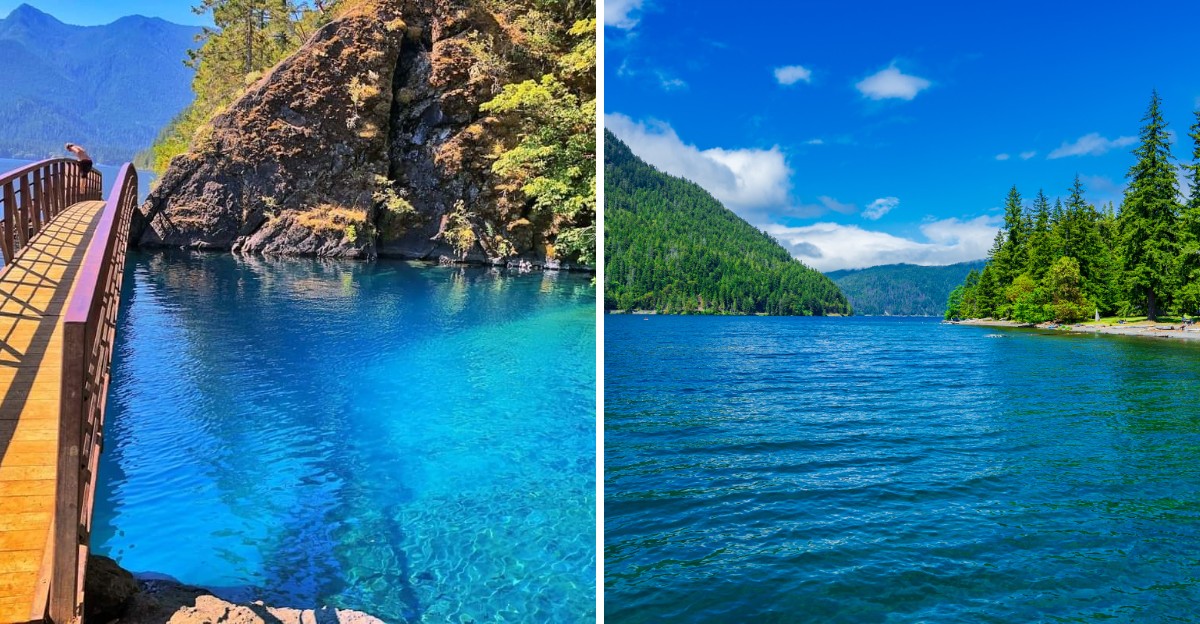
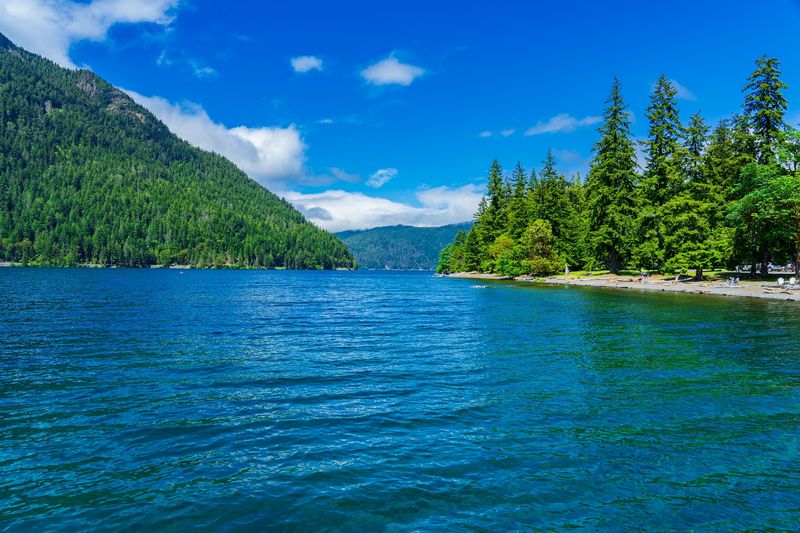
You probably don’t picture the Caribbean when someone mentions Washington, but one beautiful lake might change your mind. The water is so clear that you can see beneath the surface, and its stunning blue and green shades look almost too beautiful to be real.
On a sunny afternoon, you might find yourself checking your photos twice just to believe the colors.
Washington is famous for its mountains, forests, and rugged coastline, but this peaceful stretch of water offers a completely different experience. Picture yourself relaxing along the shore, watching sunlight dance across the lake, and enjoying a view that feels more like a tropical vacation than a trip through the Pacific Northwest.
There are no expensive plane tickets or tropical resorts involved. Just fresh mountain air, beautiful scenery, and water that might make you forget how far you are from the Caribbean.
The Water That Fools Your Eyes
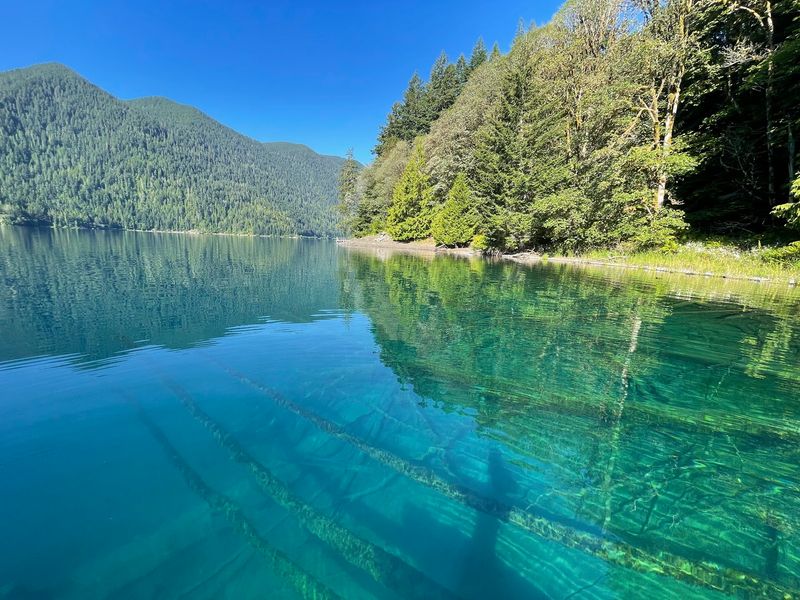
Blink twice and you might think someone swapped the lake for a tropical lagoon. Lake Crescent glows in shades of sapphire, teal, and pale green that seem almost unreal.
The secret is surprisingly simple and a little bit nerdy. The lake has very low levels of nitrogen, a nutrient that algae need to grow.
Less algae means less cloudy water and more sunlight bouncing around below the surface. That is why you can often see rocks and logs many feet down.
Clouds cannot steal the show here either. Even on gray days, the water keeps flashing bright blue and turquoise tones along the shoreline.
Bring polarized sunglasses if you want the full effect. They cut the glare and let you peer deeper into the water.
Photographers love the calm mornings best for good reason. When the wind sleeps, the surface turns smooth as glass and mirrors the mountains perfectly.
Arrive early for the stillest water and the softest light. Your camera roll will thank you, and your friends may think you flew south for the weekend.
Where To Find This Blue Beauty
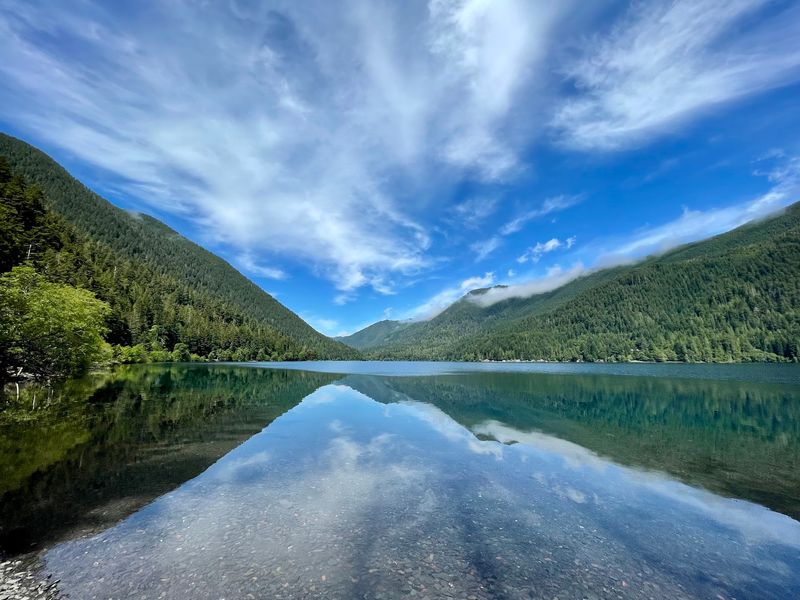
Good news for road trippers: you do not need a passport for this blue escape. Lake Crescent sits inside Olympic National Park on the northern Olympic Peninsula.
Its official address is simply Washington 98363, USA, which tells you how wild this spot really is. The lake lies about 20 miles west of Port Angeles along Highway 101.
From the city of Port Angeles, the drive takes well under an hour. From downtown Seattle, plan on roughly two and a half hours, including a ferry or a loop around the sound.
Highway 101 hugs the southern shore for miles of jaw-dropping views. Some curves are tight, so slow down and let the scenery do the talking.
Several pullouts line the road for quick photo breaks. Use them instead of stopping in the lane, and everyone stays happy.
Cell service can be spotty around the lake. Download offline maps before you leave town so you never feel lost.
Public transit fans have an option too. Clallam Transit buses run along Highway 101 between Port Angeles and Forks, with stops near the lake.
A Lake Carved By Ancient Ice
Long before road trips and kayaks, giant sheets of ice shaped this whole valley. Glaciers carved the deep trough that now holds Lake Crescent.
Scientists say the lake was once connected to nearby Lake Sutherland. A massive landslide thousands of years ago split them apart, creating two separate lakes.
Depth is where this lake truly flexes. Official measurements put it at about 624 feet deep, making it one of the deepest lakes in the state.
Some old stories claimed the bottom had never been found. Modern surveys cleared up that mystery, but the deep water still feels a little magical.
All that depth keeps the lake chilly all year long. Even in summer, a quick swim feels like a wake-up call for every toe.
The lake is also home to unique fish. Beardslee trout and Crescenti trout live here and nowhere else in the world.
Fishing rules protect these special trout, so anglers should check park guidelines first. Catch-and-release practices help keep these rare fish swimming for future generations.
Paddling Across Liquid Glass
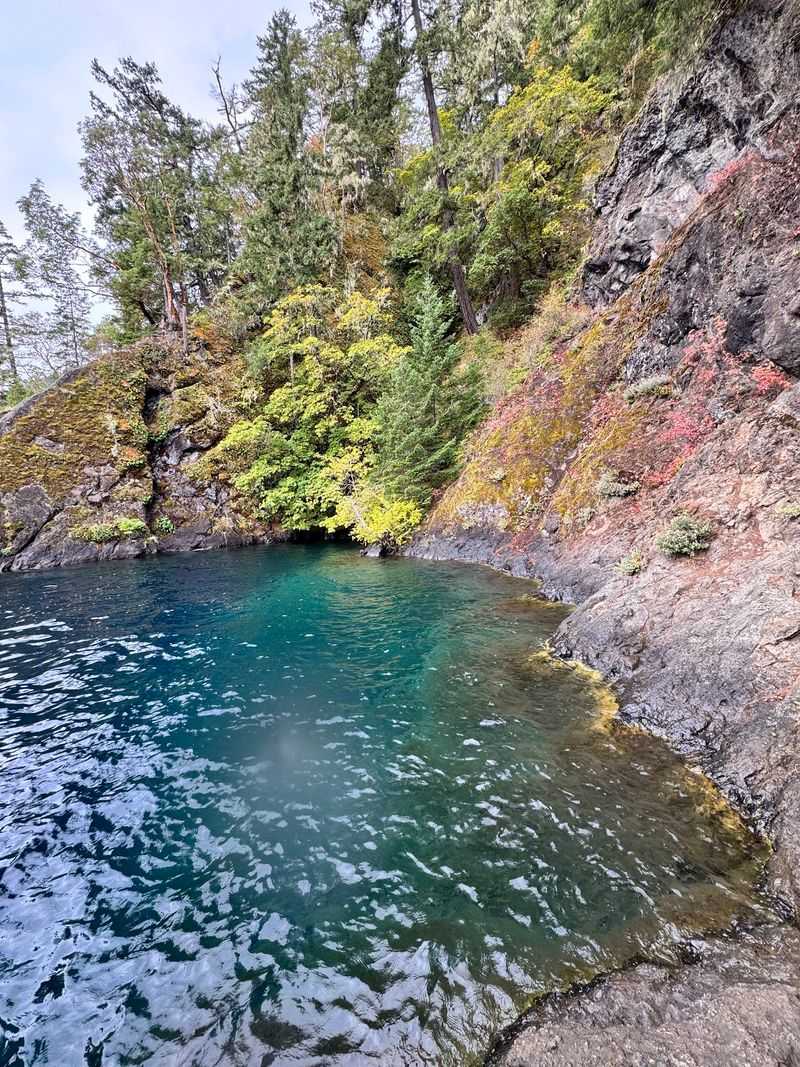
Floating on Lake Crescent feels a bit like hovering over an aquarium. The clear water lets you watch sunken logs and smooth stones drift by beneath your boat.
Kayaks, canoes, and paddleboards are available to rent near Lake Crescent Lodge during the warmer months. Rentals are also offered at the Log Cabin Resort on the north side.
Morning is the golden hour for paddlers. Winds usually pick up in the afternoon, which can make the water choppy.
Stay fairly close to shore if you are new to paddling. The lake is huge, and conditions can change faster than you expect.
A life jacket is a must, not a fashion choice. The cold water can tire swimmers quickly, even on sunny days.
Bring a dry bag for snacks, keys, and your phone. Nobody wants a soggy sandwich in the middle of paradise.
Paddleboarders love the calm coves along the shoreline. Standing up gives you an even better view straight down into that unbelievable blue.
The Punchbowl Everyone Talks About
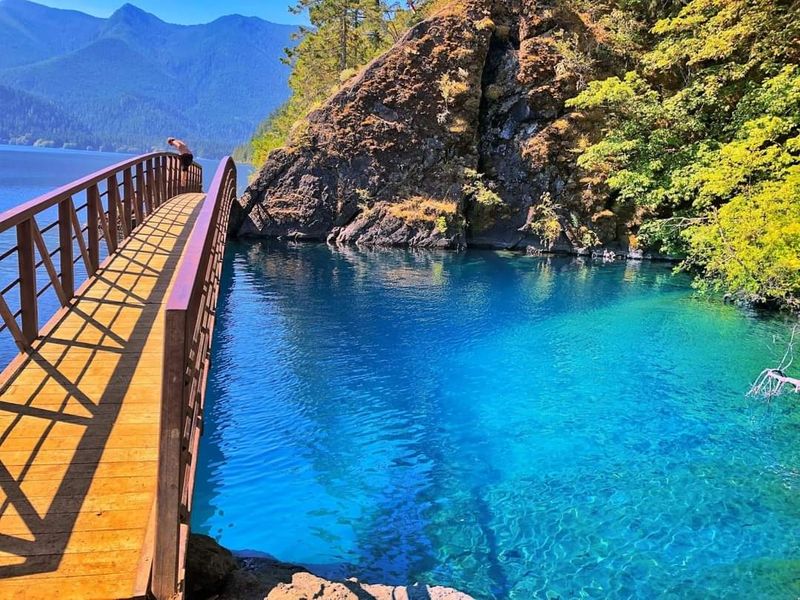
Despite its spooky name, Devil’s Punchbowl is pure eye candy. This small, deep cove on the north shore shines with some of the bluest water around.
Getting there is easy thanks to the Spruce Railroad Trail. The path follows an old railway grade, so it stays mostly flat and friendly.
From the eastern trailhead, the walk takes roughly one mile. Most people reach the cove in under thirty minutes at a relaxed pace.
A charming arched footbridge crosses the mouth of the cove. Standing on it gives you a perfect view down into the brilliant water.
Summer brings brave jumpers who leap from the rocks. If you join them, check the depth and remember the water stays very cold.
The trail also passes through historic railroad tunnels. One tunnel was restored and reopened, adding a fun bit of adventure to the stroll.
Parking can fill quickly on sunny weekends. Arriving early gives you more space, quieter views, and calmer water for photos.
Chasing The Roar Of Marymere Falls
Some waterfalls whisper, but Marymere Falls makes a grand entrance. The water drops about 90 feet into a fern-filled canyon near the lake.
The hike begins near the Storm King Ranger Station on the south shore. The round trip covers roughly 1.8 miles, making it great for families.
Part of the route even tunnels under Highway 101. Kids usually think that part is the coolest surprise of the day.
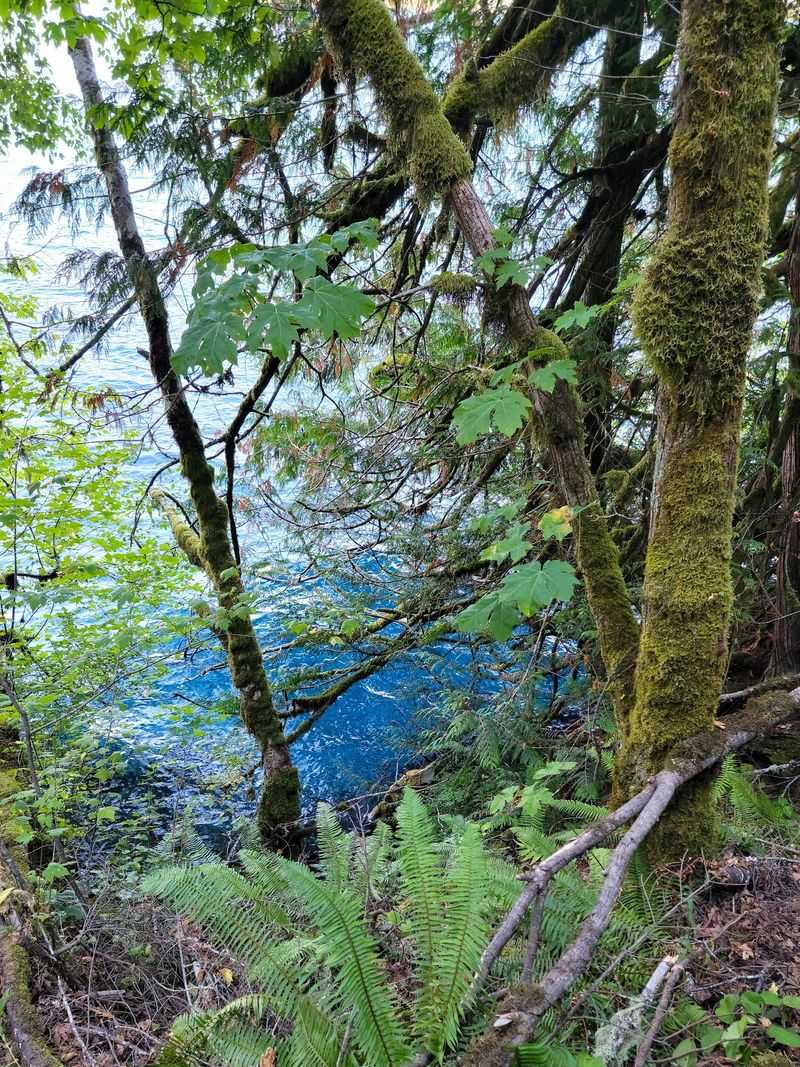
Giant cedars and firs tower over the path. Their mossy trunks make the forest feel like a scene from a storybook.
Near the end, a short climb leads to viewing platforms. Steps get a little steep, so take your time and enjoy the cool mist.
Spring is a great season for this trail. Melting snow and rain give the falls extra power and volume.
Wear shoes with good grip because roots and steps can be damp. A light rain jacket also helps, since the forest stays moist much of the year.
Climbing High For A Bird’s-Eye View
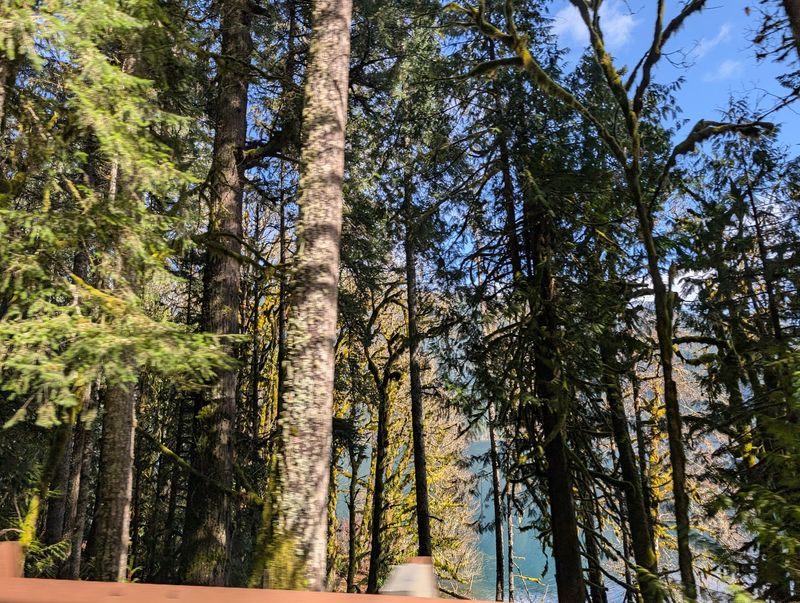
Ready to earn your view the hard way? Mount Storm King rewards climbers with a sweeping look at the entire blue lake.
The trail branches off from the Marymere Falls path. It climbs about 2,000 feet in under two miles, so expect a serious leg workout.
Switchbacks keep things steady through the forest. Higher up, the path grows rocky, narrow, and quite exposed.
The final stretch includes ropes on steep rock. Park officials advise caution there, and many hikers happily stop at the viewpoint below it.
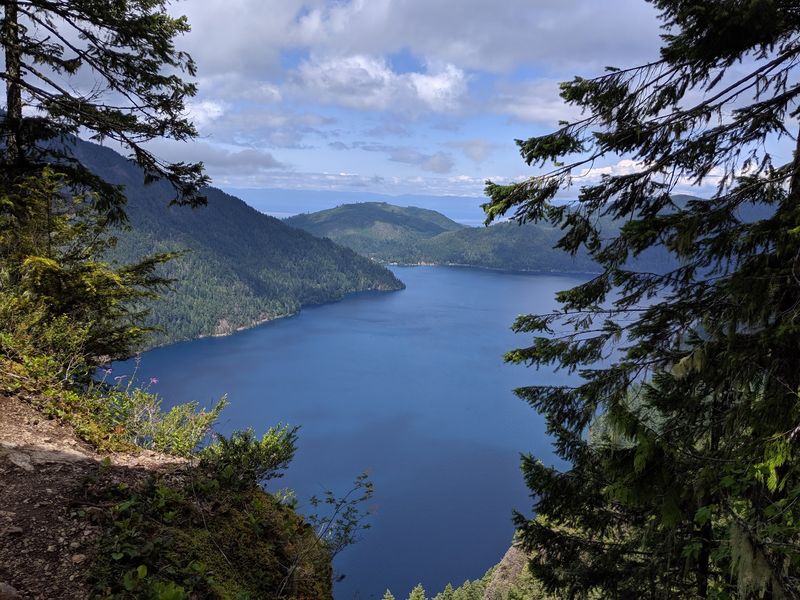
Either way, the payoff is spectacular. You can see the lake curve between mountains, showing off the shape that inspired its name.
Pack plenty of water and a snack for the summit. Trekking poles can save your knees on the steep trip back down.
Start early to avoid afternoon heat in summer. Check trail conditions with the park before you go, especially after rain.
Historic Lodges With Lakeside Charm
Few hotels can brag that a president once slept there. Lake Crescent Lodge first opened in 1915 and hosted Franklin D.
Roosevelt in 1937.
His trip helped build support for creating Olympic National Park the next year. Today, guests can still stay in the Roosevelt Fireplace Cabins.
The lodge sits right on the southern shore. Its sunroom and lawn chairs offer front-row seats to the water and mountains.
On the north side, the Log Cabin Resort offers a more rustic stay. Cabins and camping spaces keep things simple and close to nature.
Both spots generally operate during the warmer seasons. Book early because rooms fill quickly once summer plans start forming.
Dining is available at the lodge restaurant. Still, packing your own snacks is smart for long days of exploring.
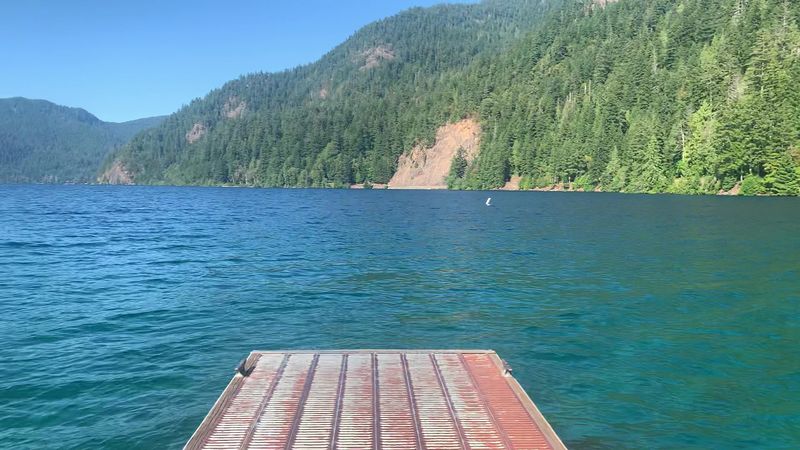
A long wooden pier stretches out near the lodge. It is one of the best places to watch the water change color as clouds roll by.
Wild Neighbors On Every Shore
Keep your eyes peeled, because the locals here have feathers and hooves. Bald eagles often soar above the lake, scanning the water for fish.
Black-tailed deer graze along quiet meadows and trail edges. Early mornings and evenings are the best times to spot them.
Binoculars are a smart thing to pack. They help you catch eagles perched high in the tall trees.
Black bears also live in this part of the state, though sightings are less common. Store food properly and follow park rules at picnic areas and campsites.
Always give animals plenty of room. The park recommends staying at least 100 yards from bears and 25 yards from other wildlife.
Never feed any animal, even a cute one. Human food can make wildlife sick and change their natural behavior.
Quiet walkers usually see the most. Move slowly, speak softly, and let the forest reveal its residents in its own time.
Every Season Paints A New Picture
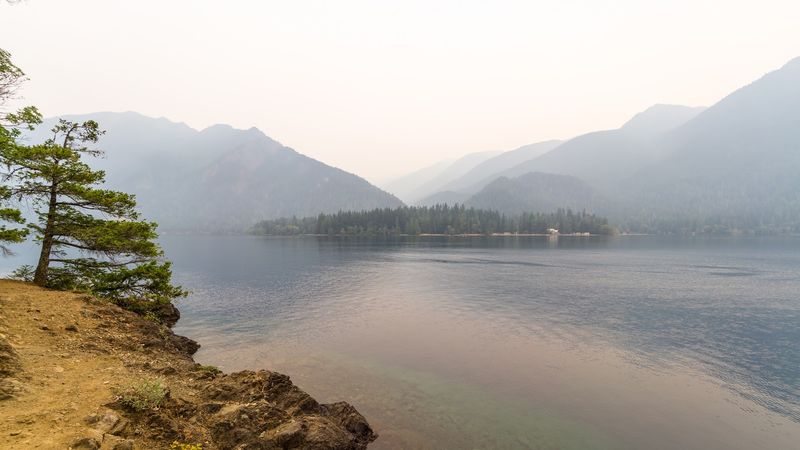
Here is a fun fact: Lake Crescent never wears the same outfit twice. Each season brings a fresh mood to the water and mountains.
Summer is the busiest and brightest time. Warm days invite paddling, picnics, and quick, shivery swims.
Fall swaps crowds for calm. Golden leaves mix with dark evergreens, and the crisp air feels wonderfully fresh.
Winter and early spring can bring snow to the peaks above. The lake stays open, and the quiet shoreline feels peaceful and private.
Dress in layers no matter when you come. Temperatures near the water often feel cooler than you might expect.
Fairholme Campground on the west end offers camping in the warmer months. It also makes a handy base for exploring nearby rainforests.
The Hoh Rain Forest sits about a two-hour drive away. Pair both stops for a trip that feels like visiting several worlds in a single weekend.