
This Nevada Railroad Museum Fills Two Buildings With Steam-Era Engines You Can Explore Up Close
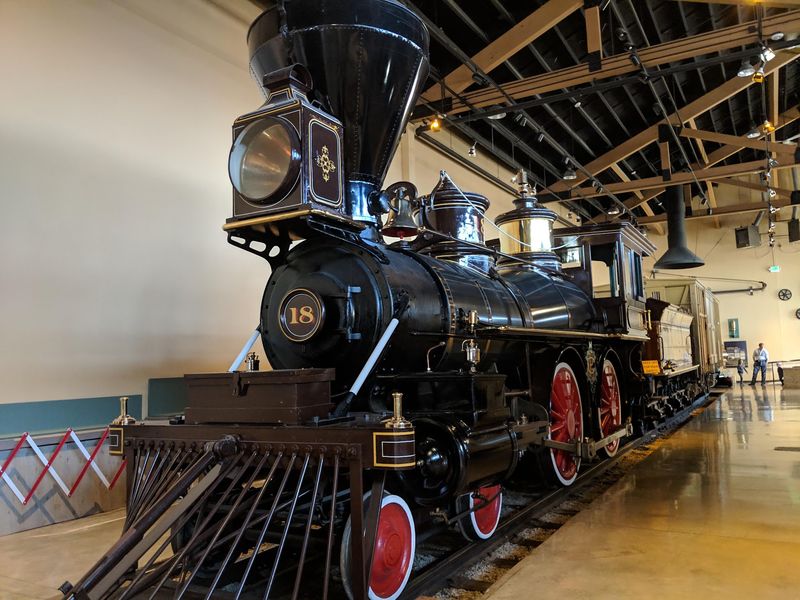
A locomotive built in 1875 has more movie credits than most actors you could name. It sits in a quiet museum building in Nevada, and nobody charges extra to admire it.
That old engine has plenty of company. Two buildings hold vintage locomotives, restored passenger cars, and tools from the days when rails held the West together.
I like that this place doesn’t keep everything behind ropes. Some cars let you climb right up the steps and stroll inside.
On certain days, a working train even rolls around the grounds with passengers aboard.
For families and retirees watching the budget, it can fill a whole afternoon without draining the wallet. Volunteers seem to know every rivet by heart.
So how did a collection this charming stay off so many Nevada weekend lists?
Two Buildings Full Of Engines Sit Right Off The Main Road
Railroad fans in northern Nevada have an easy target. The Nevada State Railroad Museum sits in Carson City, the state capital, on a stretch of busy South Carson Street.
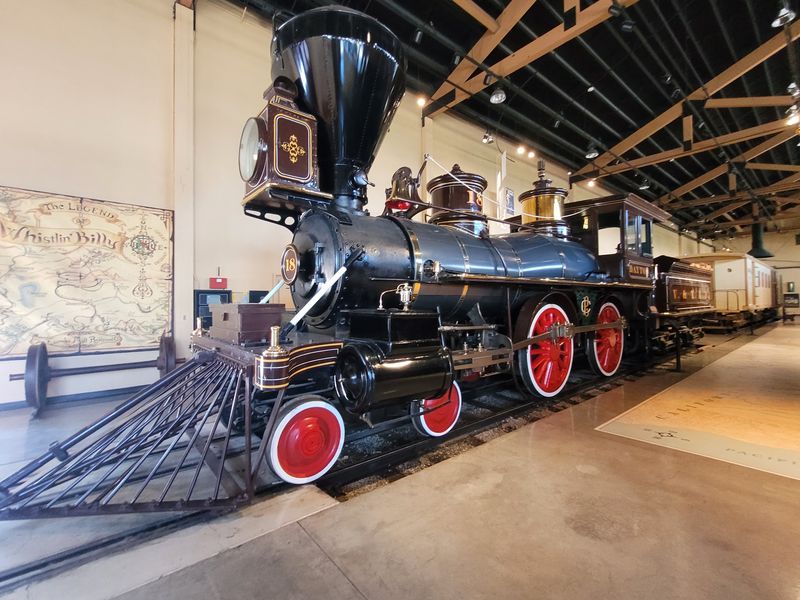
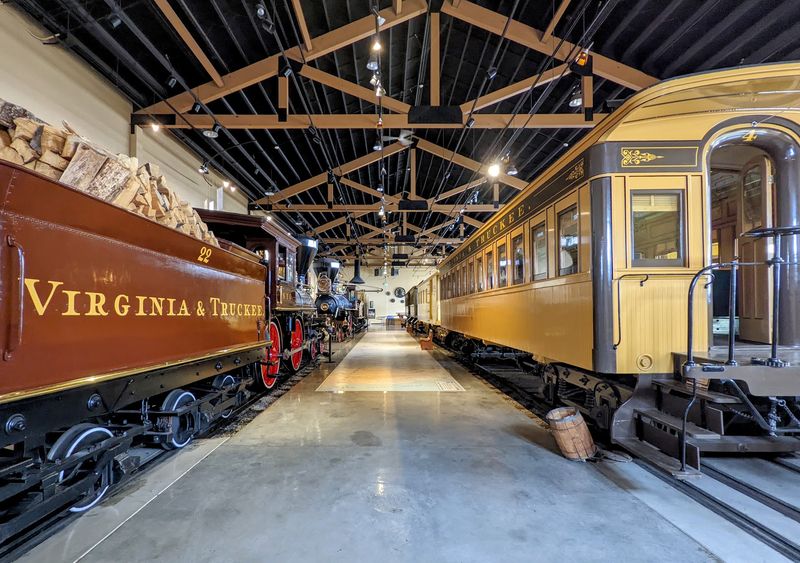
The setup is refreshingly simple. Two buildings, sometimes called pavilions, hold the bulk of the collection, with trains and memorabilia spread between them.
Plenty of folks finish the first building and assume they’re done. Don’t make that mistake, because the second building holds even more displays worth your time.
The museum describes itself as a center for preserving Nevada’s railroad history. That focus shapes everything, from the engines on the floor to the photos on the walls.
You’ll find historic trains and cars from the late 1800s and early 1900s. Many of them carry the look of a working era, with heavy iron, polished wood, and painted lettering.
The tour is self-guided, so the pace belongs entirely to you. Linger at a single locomotive for twenty minutes if you want, and nobody will hurry you along.
Photos are allowed, which matters when the subject is this good-looking. Bring a charged phone, because a few of these engines practically pose for the camera.
The Story Here Belongs To Nevada, Not The Whole Country
Expecting a sweeping tour of every American railroad? Adjust that plan a bit, because this collection zeroes in on the Silver State’s own rails.
That narrow focus turns out to be a strength. You get a clearer picture of how local lines shaped towns, freight, and daily life across Nevada.
The walls carry a lot of photographs from the old construction days. Saved artifacts sit alongside them, giving the black-and-white images some real weight.
Tools used to maintain the railroad in the 1800s and early 1900s also appear on display. They look simple, but each one hints at long, hard days spent keeping track straight.
History buffs will appreciate how much reading material fills the space. Casual visitors can skim the headlines and still walk out knowing more than they did.
I believe the best museums make local stories feel big. This one does it by keeping the spotlight on the people and places right here at home.
Grandparents with ties to old Nevada towns may spot familiar names. That kind of connection can turn a quick stop into a long conversation on the drive home.
Meet The Locomotive With A Longer Film Resume Than Most Actors
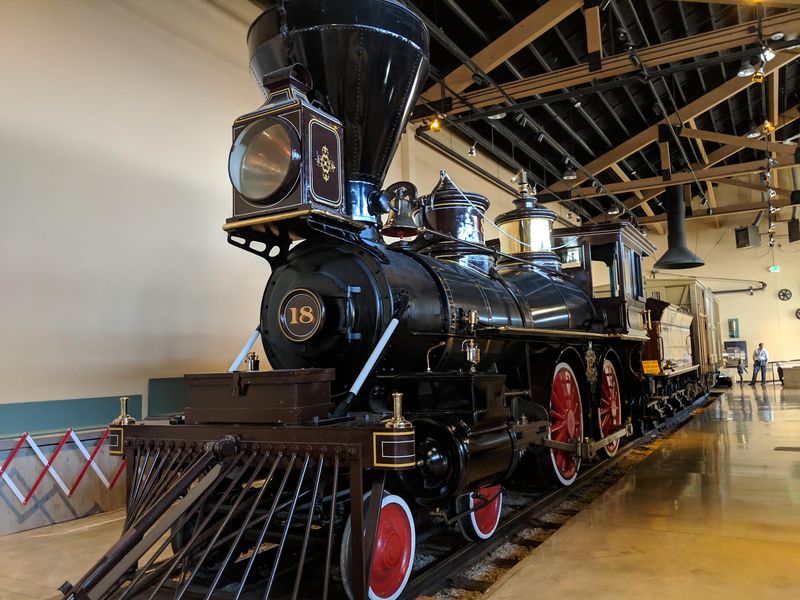
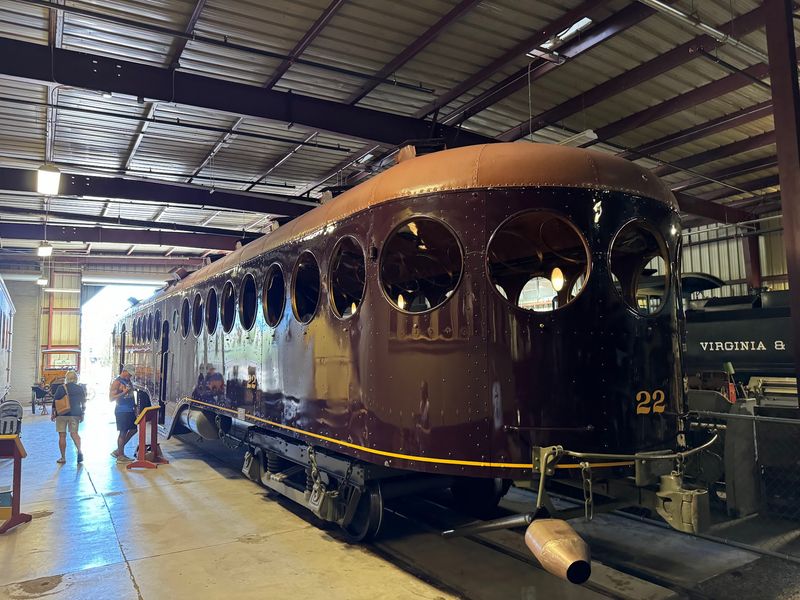
Hollywood came calling for one engine in this collection, again and again. The Virginia and Truckee No. 22, nicknamed the Inyo, was built in 1875.
Over the years, the Inyo appeared in more than 20 films and TV shows. Its credits include classics like Union Pacific and Red River.
That’s a pretty wild second career for a working locomotive. Most engines from that era hauled freight and retired quietly, while this one picked up a fan base.
Standing near it, you can see why directors liked it so much. Old Western locomotives had a showy style, and the Inyo fits that picture perfectly.
Staff at the Nevada State Railroad Museum enjoy sharing these movie connections. Ask about the Inyo, and you might hear a story or two that never made the placard.
Classic film fans should plan a little extra time here. Spotting a screen-famous engine in person has a way of making old movies feel closer.
Kids may not know Red River, but they’ll understand a famous train. Call it a celebrity sighting the whole family can enjoy without a single autograph line.
Go Ahead And Climb Aboard A Few Of These Old Cars
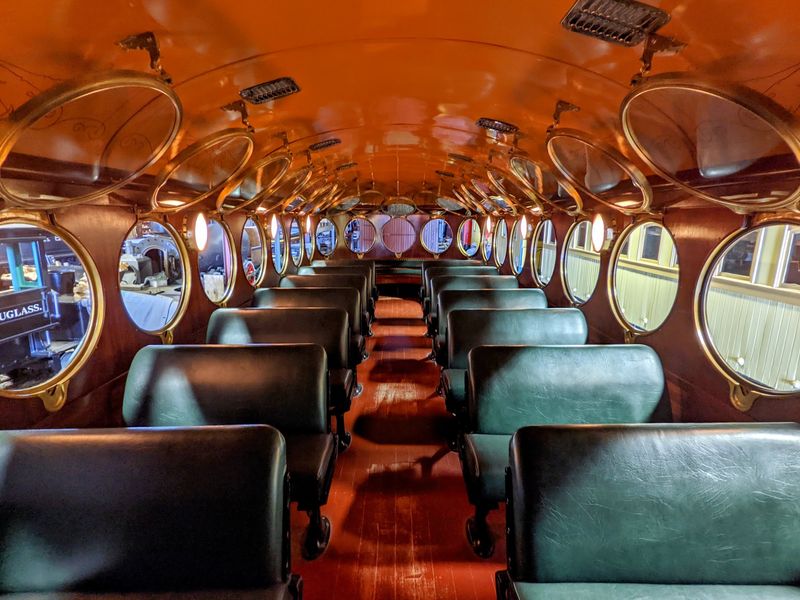
Hands-off museums can feel like a test of patience for young kids. Here, a few older rail cars invite you to climb the steps and walk right inside.
One section lets visitors step into a caboose. For anyone who grew up waving at the last car on a passing train, that moment lands sweetly.
Some exhibits can be climbed on, which is a gift for restless legs. Parents get a break from saying “don’t touch” every thirty seconds.
Inside the walk-through cars, the scale suddenly makes sense. You notice how narrow the aisles feel and how travelers once spent long hours in these seats.
Restored cars look sharp and well cared for throughout the collection. The displays stay in good condition, so the details hold up under a close look.
Grandparents may enjoy this part as much as the grandkids. Climbing aboard turns a history lesson into something your whole body remembers.
Not every car opens to visitors, so follow the posted guidance. Still, the ones that do give this outing a playful, up-close feel that photos can’t match.
Rolling Around The Grounds On A Real Train Beats Just Looking
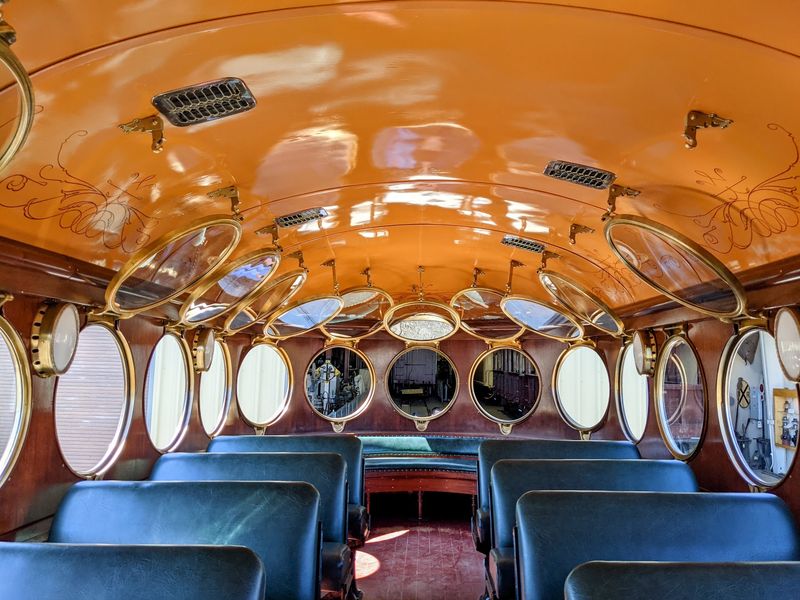
Static displays are fun, but motion changes everything. On select days, the Nevada State Railroad Museum runs a train ride around the property.
The loop takes roughly 30 minutes. Riders can choose open seating or enclosed cars, and a caboose ride is also an option.
Some days even feature a steam engine doing the pulling. Catch one of those, and you’ll hear history huffing along instead of reading about it.
A little planning goes a long way here. The open cars lack canopies, so a wide-brim hat or umbrella can save you from Nevada sunshine.
Ride schedules aren’t daily, so check ahead before promising the kids a trip. Rides cost extra beyond admission, and prices can shift from season to season.
Linger near closing time, and you might watch crews put the trains away for the night. It’s a quiet bonus that feels like peeking behind the curtain.
Costumed volunteers sometimes add old-time flair, including someone running the switch in period clothing. Small touches like that make young riders grin long after the whistle fades.
Volunteers Who Treat Every Rivet Like Family
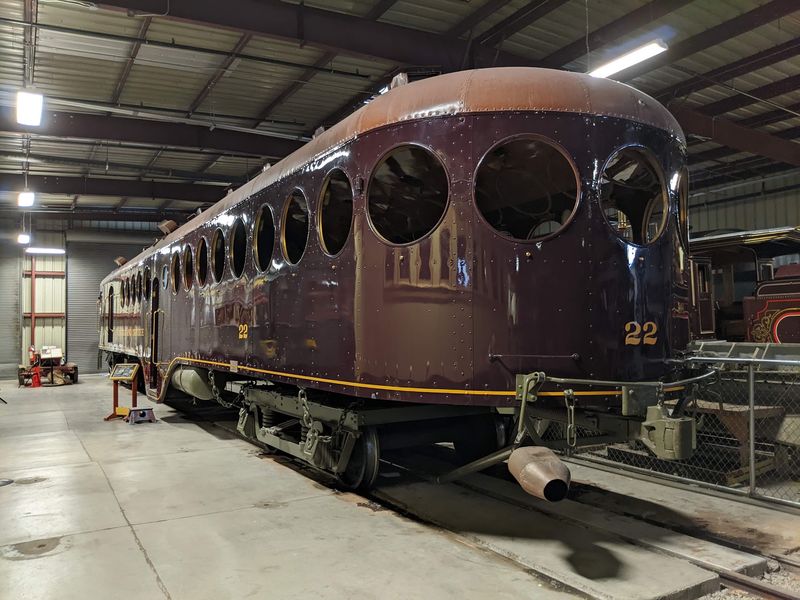
Knowledgeable staff come up over and over in conversations about this place. Volunteers from the Friends of the Nevada State Railroad Museum handle much of that magic.
These folks lead tours, explain history, and help restore equipment. The group also raises funds that support museum operations and ongoing restoration programs.
Ask a question, and you’ll likely get a full story instead of a one-word answer. Their enthusiasm turns a quick stop into something closer to a personal tour.
Shop tours sometimes happen, depending on volunteer availability. When they do, you get a behind-the-scenes look at the careful work of bringing old equipment back.
Engine demonstrations may also be on the menu during a visit. Watching someone explain how a locomotive actually works makes the machinery feel far less mysterious.
I like how much heart this place runs on. A small museum powered by people who clearly love it feels warmer than a giant, glossy one.
Retirees with time and curiosity, take note. The museum offers volunteer opportunities, and helping out could be a rewarding way to learn new skills.
Toddlers, Teens, And Grandpa All Get Something Here
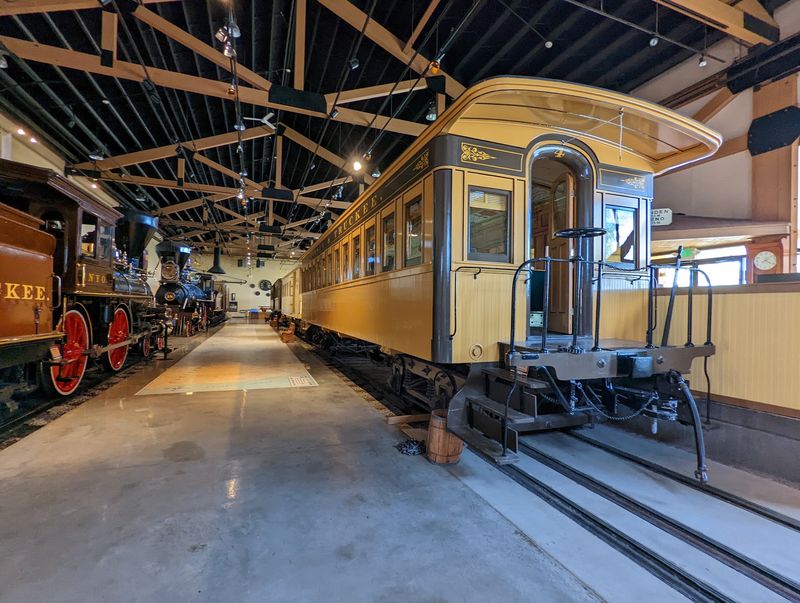
Laid-back is the best word for the mood inside. Nobody herds you through on a schedule, and the self-paced layout suits mixed-age groups nicely.
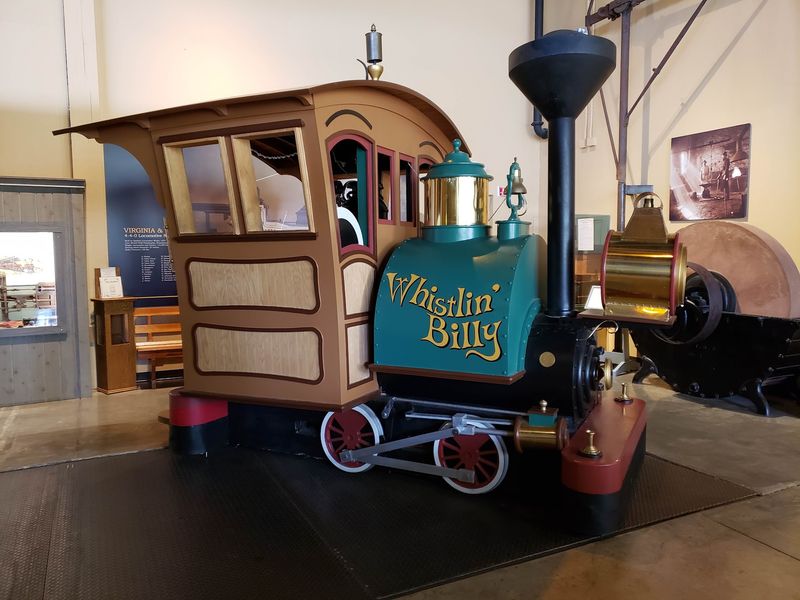
The littlest visitors get their own corner. A play table with toy trains keeps small hands busy while older family members read the displays.
School-age kids tend to gravitate toward the climbable exhibits. Bigger engines give them something huge to point at and endless questions to ask.
Adults aren’t left out of the fun either. Serious railroad fans can spend ages studying details, while casual guests can drift through at their own speed.
Half a day can disappear here without much effort. Add a train ride on a running day, and the visit stretches comfortably into a full afternoon.
Clean restrooms make a big difference when traveling with kids or older relatives. It’s the kind of practical comfort that keeps a family outing pleasant.
Scavenger hunts and photo stops also fit right in. The colorful engines make an easy backdrop for a group picture worth framing at home.
Hours, Parking Lot Math, And What It Costs To Get In
Mark Tuesday and Wednesday off your calendar right away. The museum closes those two days and opens Thursday through Monday from 9 a.m. to 4:30 p.m.
You’ll find it at 2180 S Carson St, Carson City, NV 89701. Coming from Reno, it’s an easy trip south toward the capital.
Admission is modest, which makes this a smart pick for fixed incomes. Train rides cost extra, so set aside a little more if you want to ride.
Prices and ride schedules can change, especially around seasons and holidays. A quick call before you head out can save a disappointing drive.
A small gift shop sits inside, stocked with train-themed goodies. Prices there aren’t steep, so grabbing a souvenir won’t wreck the budget.
Plan for at least two hours to see both buildings without rushing. Families who ride the train and chat with volunteers often stay much longer.
Bring water, sunscreen, and a hat on warm days. Northern Nevada sunshine feels gentle until you’ve been sitting in an open rail car for half an hour.
Why This Little Museum Earns A Spot On Your Calendar
Big budgets aren’t required for a memorable day out. The Nevada State Railroad Museum proves that a modest ticket can buy real wonder.
Between the movie-star Inyo, the walk-through caboose, and the rides around the grounds, there’s plenty to fill an afternoon. Toss in friendly volunteers, and it feels downright generous.
Want to stretch the day even further? The Nevada State Museum sits not far away, making an easy history double-header in Carson City.
Membership is an option for families who fall hard for the place. Frequent visitors may find it a sensible way to return often without thinking twice.
I can’t imagine a better rainy-day or road-trip stop for train lovers in Nevada. It’s compact, welcoming, and packed with stories you won’t hear elsewhere.
Grandparents can share memories, kids can climb aboard, and everyone can watch history roll by. That kind of easy togetherness is harder to find than it should be.
So pack a hat, check the ride schedule, and point the car toward the capital. These old engines are still waiting patiently for their next audience.