
This Abandoned Michigan Dinosaur Park Still Stands Along A Quiet Highway
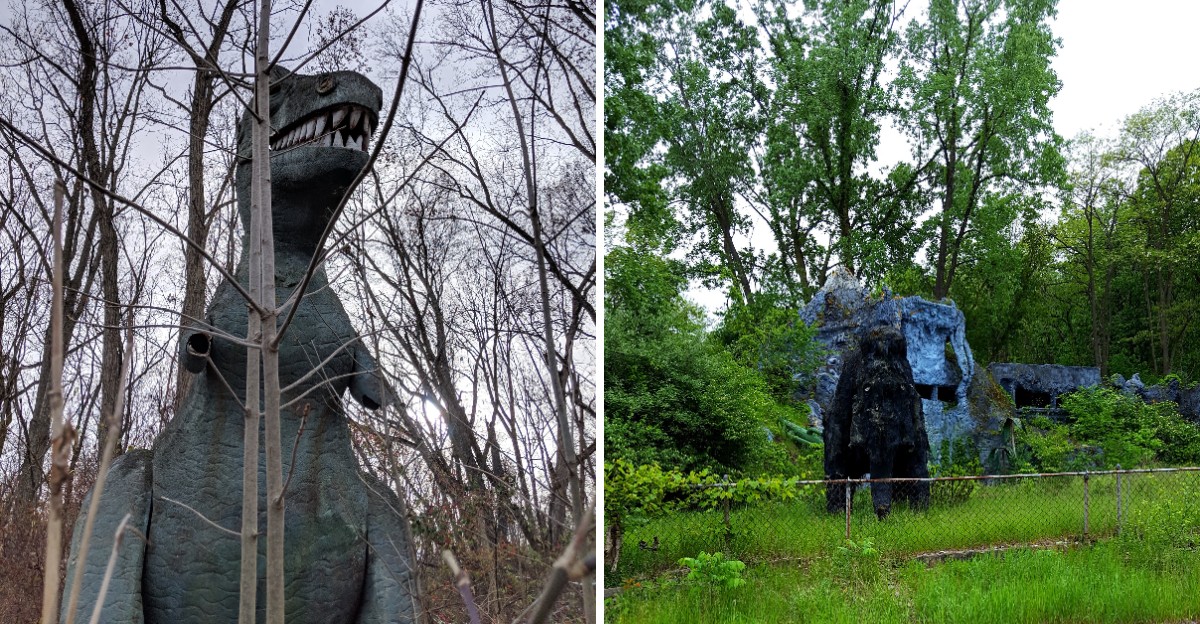
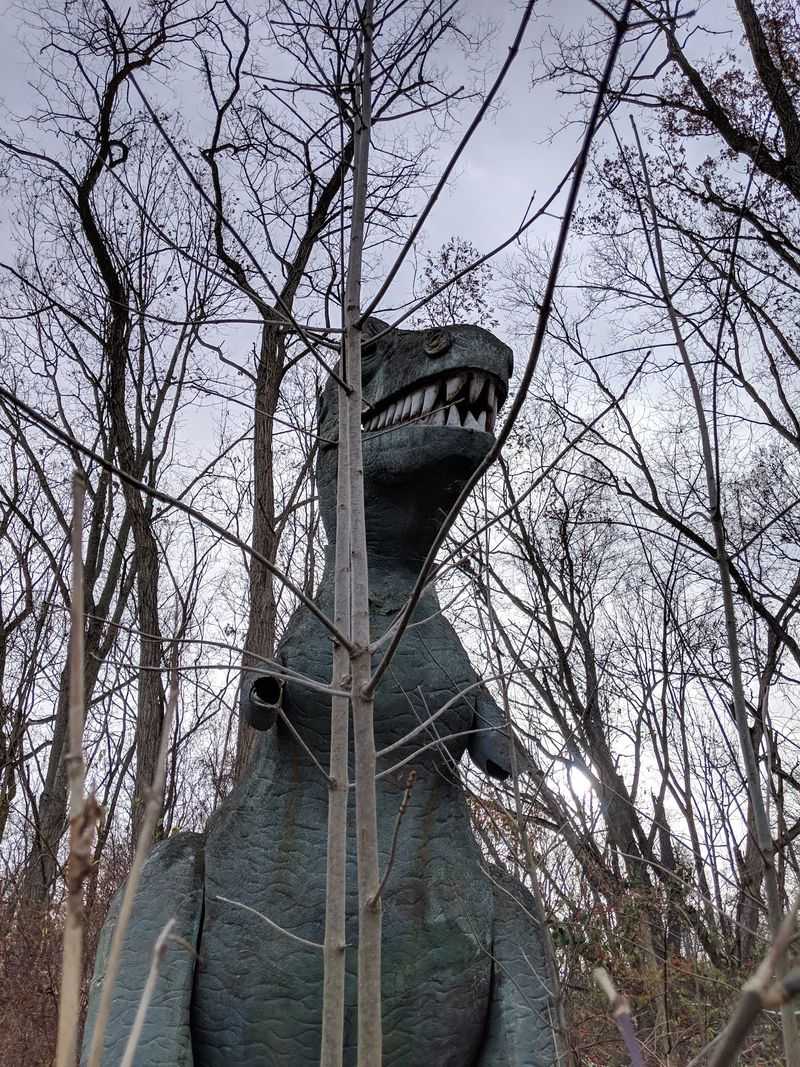
A fiberglass giant peeks through the treetops, jaws wide open, staring down a quiet highway in Michigan.
Blink and you miss it. Look twice and a whole herd appears.
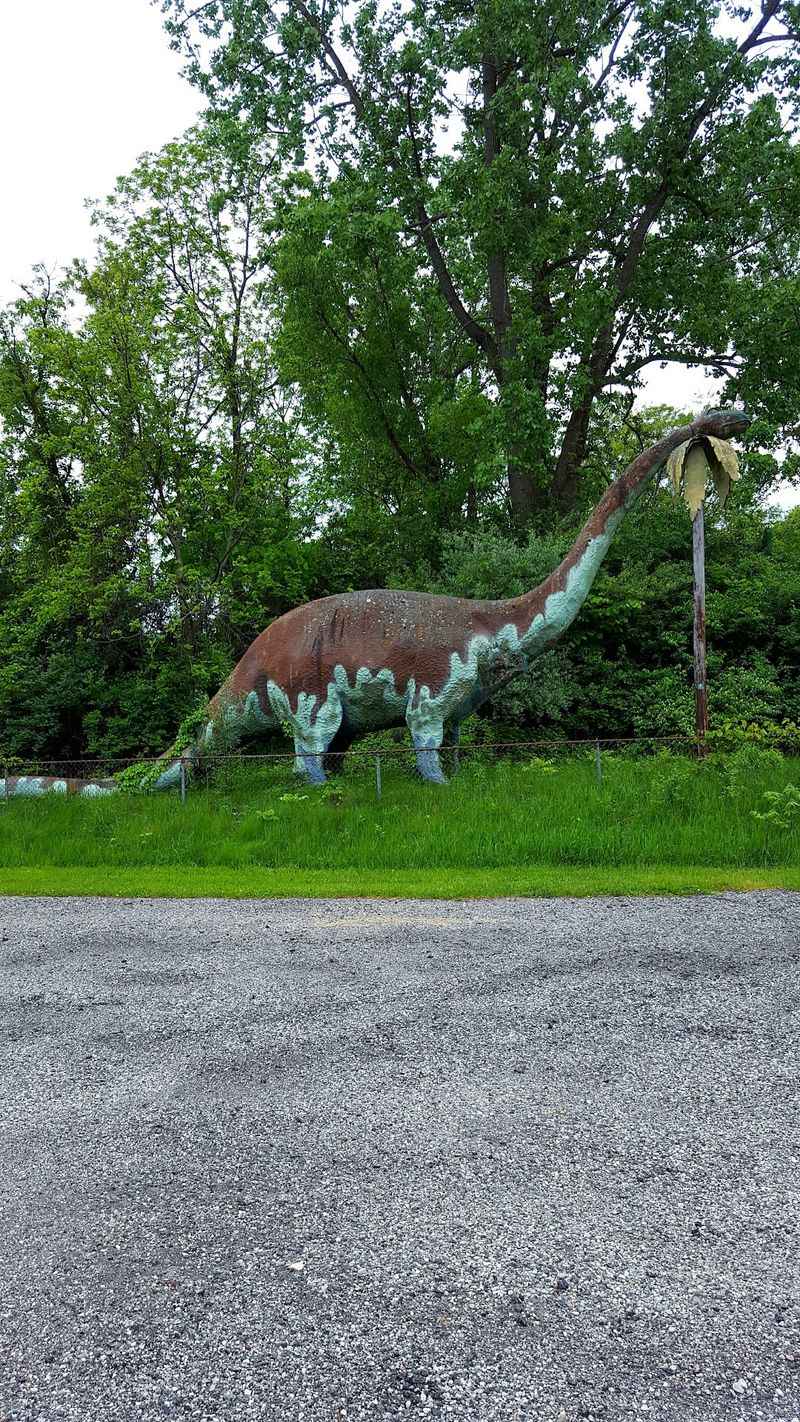
Long necks rise from the leaves. Faded paint and cracked tails whisper stories from a road trip era when families packed the wagon and chased wild roadside fun.
The gates stay shut today, yet this abandoned dinosaur park still stands, frozen mid-roar while vines creep across its old kingdom. Nature took the wheel, and the result looks straight out of a lost world movie.
Grab a zoom lens and a curious crew. The backstory gets wilder, with a comeback rumor still floating around.
Michigan back roads hold plenty of quirks, but few stare back quite like these.
A Jurassic Welcome On A Two-Lane Road
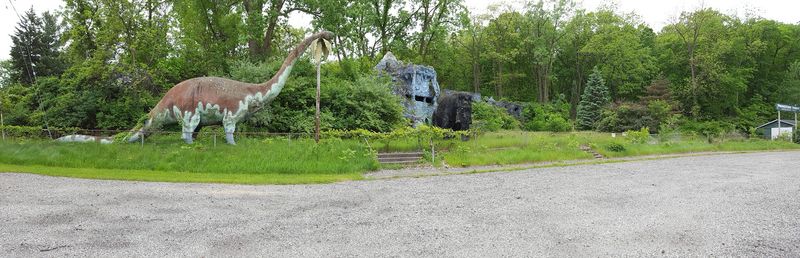
Dinosaurs on the side of the road? Yes, and they have been waiting a long time.
Prehistoric Forest sits along US-12 in the rolling Irish Hills of southern Michigan.
The highway itself feels calm today. Fields, lakes, and small towns slide by at an easy pace.
Then a long neck or a pointed tail appears between the branches. Drivers often do a double take before they believe their eyes.
That surprise is a big part of the charm. Nothing about the quiet scenery prepares travelers for a prehistoric face in the woods.
The park first opened in 1963. Back then, it was one of many fun stops built for families cruising this busy route.
Now it rests behind fences and signs. The statues remain, though many show cracks, faded paint, and plenty of wear.
Most visitors simply admire the view from a safe spot near the road. That glimpse is often enough to spark a smile and a quick photo.
Keep cameras ready and eyes open while driving through the area. Blink at the wrong moment, and a whole herd might slip past unnoticed.
Fiberglass Giants With Staying Power
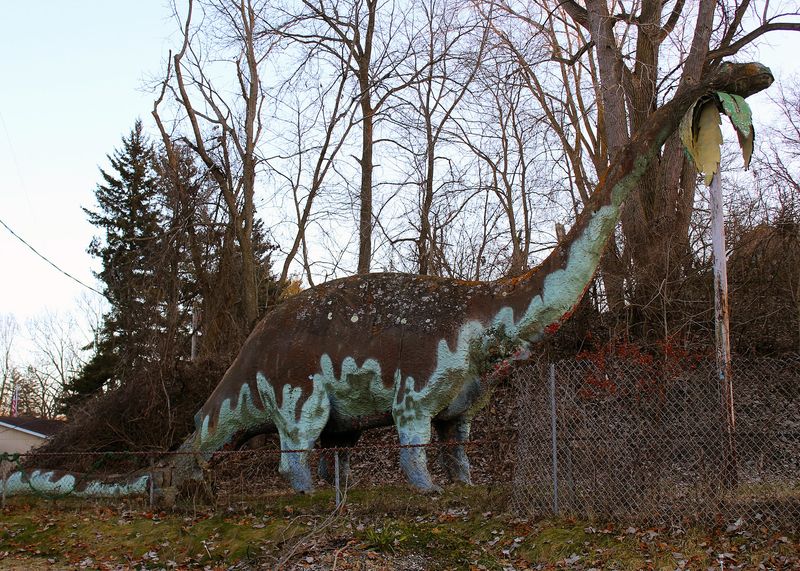
Fiberglass turned out to be a tough customer. The statues at Prehistoric Forest have outlasted decades of sun, rain, and snow.
Each figure was sculpted with care by an artist known for dinosaur work at other parks too. His designs gave the creatures bold shapes and fierce expressions.
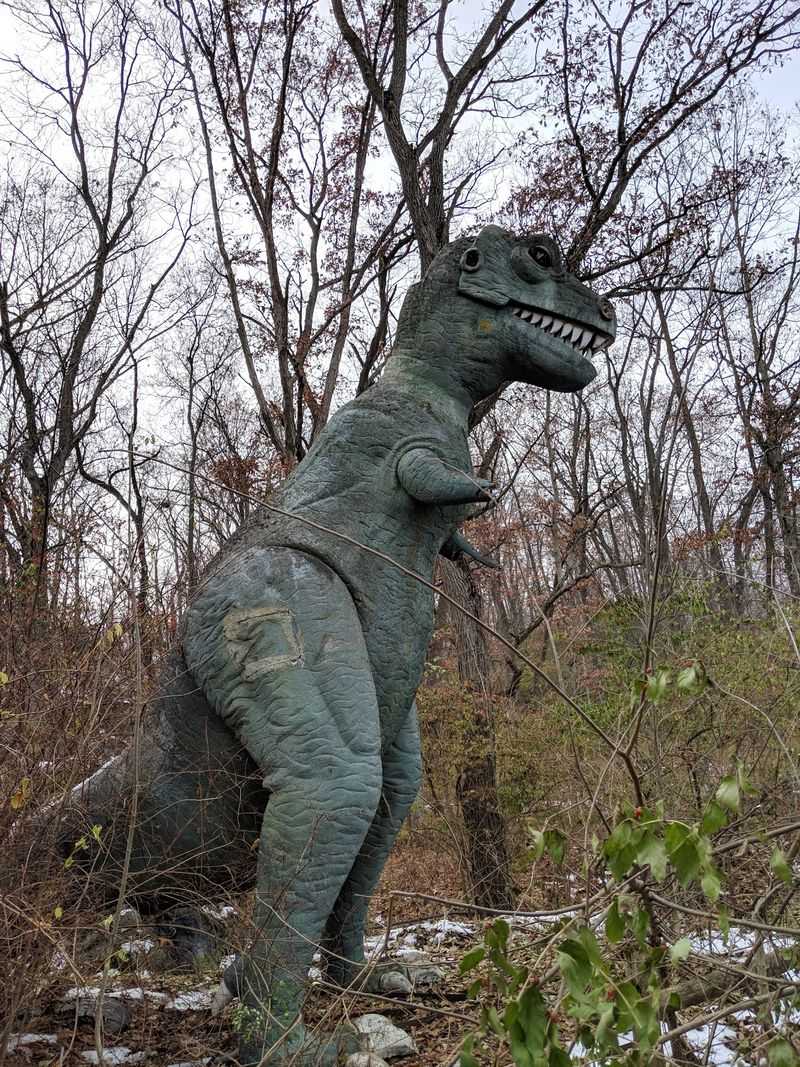
T-Rex figures once stood tall and menacing. Long-necked plant eaters added a calmer touch to the scene.
Time has changed them, of course. Paint has faded, and many surfaces show cracks and chips.
Still, the basic forms hold strong. Some statues continue to loom over the paths with real presence.
That staying power fascinates fans of roadside art. These sculptures show how sturdy materials can carry a story across generations.
Photographers love the textures of weathered fiberglass. Peeling layers and soft colors create a mood that newer attractions cannot copy.
A zoom lens helps capture these details from a respectful distance. Small features like teeth, claws, and eyes often look striking in close shots.
For a park long past its prime, these giants still stand their ground with stubborn style.
How The Roaring Sixties Shaped The Park
Road trips ruled the 1960s. Families packed station wagons and hunted for quirky stops along the way.
Prehistoric Forest answered that call when it opened in 1963. The park promised a trip back to a primeval world, right in the Irish Hills.
Life-sized dinosaurs and cavemen filled the wooded grounds. Some figures reportedly moved and made roaring sounds.
A safari-style train carried guests deep into the fake jungle. A walking path also let curious kids get closer to the creatures.
Sources disagree on the exact number of statues. Counts vary widely, so the true total remains a bit of a mystery.
What feels certain is the spirit behind it. The park mixed learning and fun in a way that suited the era perfectly.
Many Michigan families still share memories of visiting as children. Some recall the thrill of spotting a giant beast around a bend in the trail.
Those stories keep the place alive in a special way. Even closed, Prehistoric Forest still carries the cheerful energy of a golden road trip age.
Volcanoes, Waterfalls, And A Splashy Slide
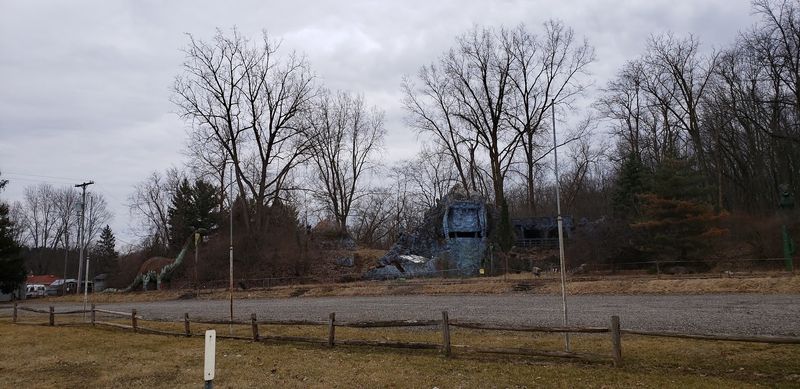
Dinosaurs were only the opening act. Prehistoric Forest packed in several extra thrills to keep families busy.
A tall waterfall greeted guests near the entrance. Its rushing water set a wild, jungle mood right away.
A man-made volcano stood as another highlight. It reportedly puffed smoke and rumbled to add drama.
Kids could also dig for pretend fossils in special pits. That hands-on activity turned young visitors into tiny scientists for an afternoon.
Later, the park added a long water slide called the Jungle Rapids. It offered a cool escape on hot Michigan summer days.
A maze also challenged guests to find their way out. Between rides, slides, and digging, a full day could fly by.
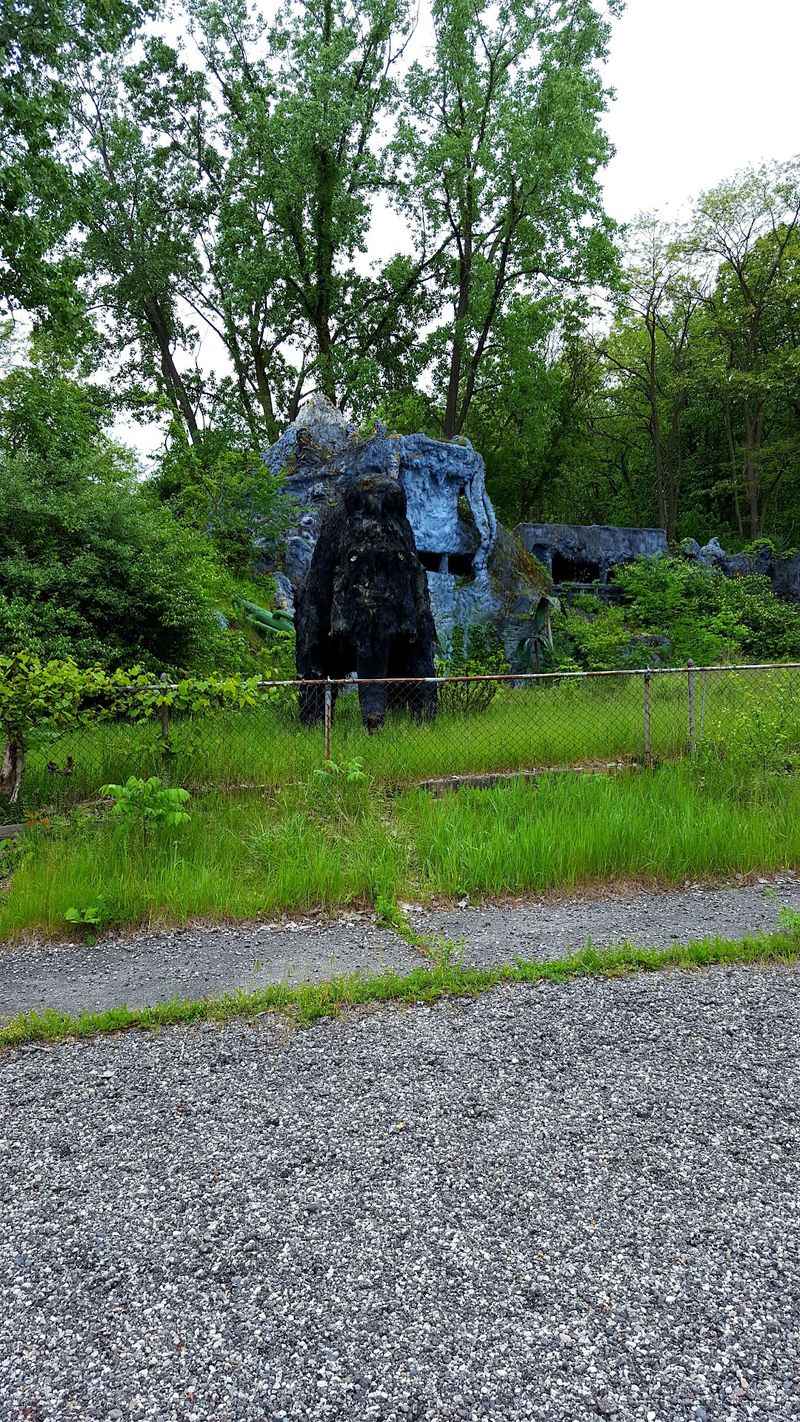
Today, these features sit quiet and worn. The volcano no longer smokes, and the water no longer splashes.
Even so, their outlines tell a clear story about the old fun. Spotting the remains feels a bit like reading clues at a dig site.
Fans of old amusement spots will enjoy picturing how lively everything once looked.
Why The Crowds Drifted Away
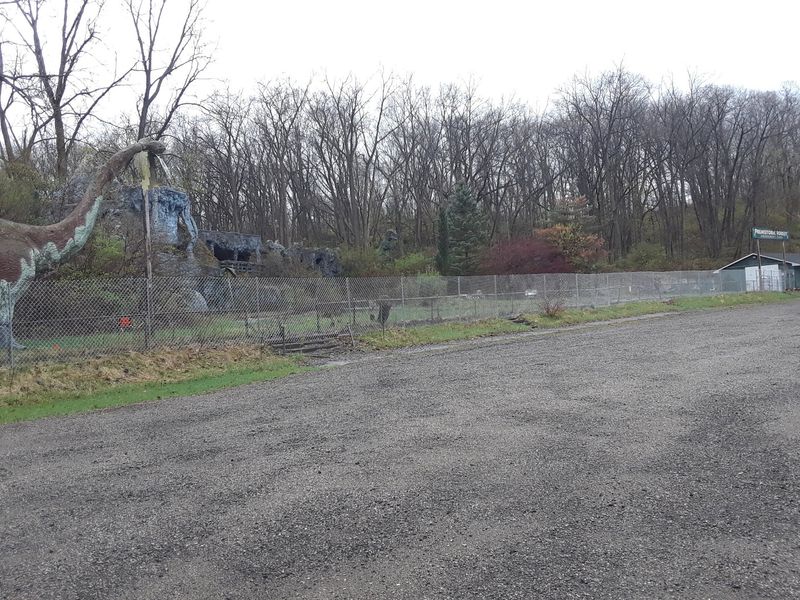
Highways can make or break a roadside stop. Prehistoric Forest learned that lesson the hard way.
Interstate 94 changed travel patterns across the region. Many drivers chose the faster route and skipped US-12 altogether.
Fewer cars meant fewer curious families pulling into the lot. Business slowly started to slip.
Tastes in fun shifted too. Big modern theme parks offered faster rides and flashier shows.
Small, homegrown attractions struggled to keep up. Prehistoric Forest kept going for years, but the crowds kept thinning.
Reports differ on the exact closing date. Most sources point to around the turn of the century.
Either way, the gates eventually stayed shut. The once busy park became a quiet patch of woods with silent residents.
This story matches many old attractions across America. Changing roads and changing habits reshaped where families spent their weekends.
Learning this history adds meaning to a visit. Those faded statues stand as reminders of how fast travel trends can turn.
For road trip lovers, it is a gentle nudge to support quirky local spots while they still welcome guests.
Nature Reclaims The Lost World
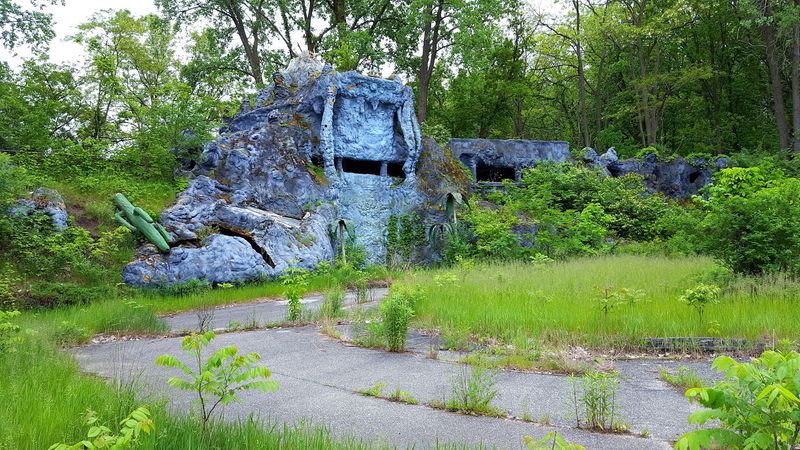
Vines do not wait for permission. Across Prehistoric Forest, plants have slowly taken charge.
Trees push up through old pavement. Leafy tendrils curl around signs, rocks, and statues.
The result looks oddly fitting. A dinosaur park swallowed by greenery feels closer to the ancient world than ever.
Seasons paint the scene in different ways. Summer brings thick shade and deep green leaves.
Autumn adds bright reds and golds around the creatures. Winter can dust the figures with snow for a spooky, quiet look.
Spring offers fresh growth and softer light. Each visit to this Irish Hills spot can feel a little different.
Fall may be the most photogenic time. Bare branches later in the year can also reveal statues that hide during summer.
Nature lovers will notice birds and small critters around the edges. The woods have become a home for wildlife as people stepped away.
It is a strange and lovely mix of art and forest. Few places show so clearly how the wild side of Michigan always finds its way back.
Statue Pranks And Tough Times
Prehistoric figures on a school roof? It really happened in Onsted.
Over the years, pranksters have taken figures from Prehistoric Forest more than once. In 1985, students from Saline High School hauled a caveman and three dinosaurs to their school lawn.
In 2010, the park’s caveman statue and other figures landed on a school roof in Onsted. The sentence In one case, statues showed up on a local high school lawn needs no change.
Those stories became local legends, but they also caused damage.
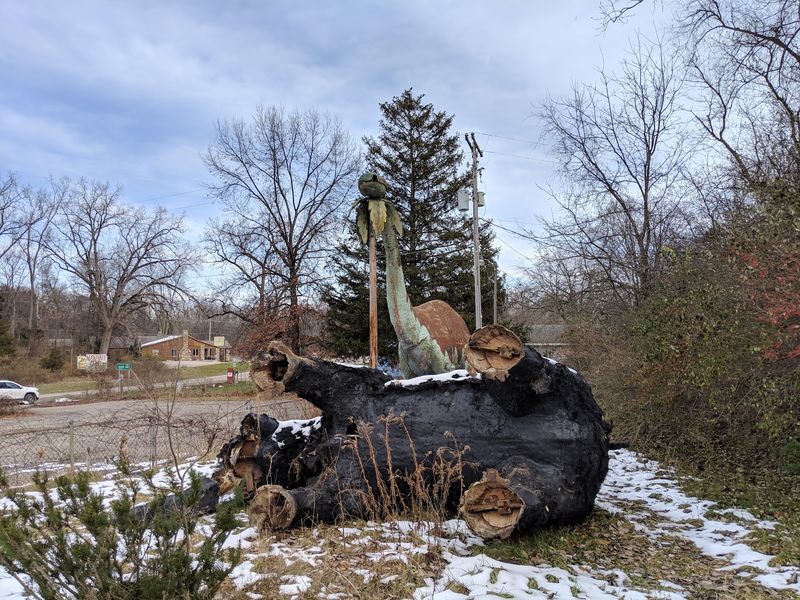
After the park closed, things got worse. Many statues lost heads, limbs, or entire bodies.
Some pieces simply vanished from the property. Owners later added security cameras to protect what remained.
This chapter is a sad part of the tale. It shows how fragile old attractions can be once guests stop coming.
The lesson for visitors is simple. Look, snap photos from public areas, and leave everything as you found it.
Respect helps protect the history that still stands. Every statue left whole adds to the story future travelers can enjoy.
Responsible sightseeing keeps the magic going. Admiring from a distance may feel less exciting, but it gives these weathered giants a fighting chance to stay put.
Whispers Of A Possible Comeback
Could the dinosaurs roar again someday? Fans have wondered for years.
Reports from around 2019 suggested new owners hoped to restore the property. That news sparked plenty of excitement among longtime fans.
Many people have fond memories of Prehistoric Forest. The idea of sharing it with a new generation feels exciting.
However, firm plans have not been confirmed. Later updates still noted no clear timeline or official reopening.
So the future stays uncertain. The park could change, or it could remain a quiet relic for years.
Anyone planning a trip should check recent local news first. Situations like this can shift without much notice.
The hope alone adds charm to the story. A comeback would bring a classic piece of Michigan road trip history back to life.
Until then, the statues keep their silent watch. They stand patiently among the trees, ready for whatever comes next.
Fans keep the conversation alive online and in local chats. That steady interest proves how much one small dinosaur park can mean to so many people.
Exploring The Irish Hills Around It
Rolling hills and sparkling lakes set the stage here. The Irish Hills have drawn vacationers for about a century.
Irish families settled the area in the 1800s, giving the region its name. By the 1920s, it had become a popular getaway spot.
US-12 once linked Detroit and Chicago with steady traffic. Quirky attractions popped up to catch the eye of passing families.
Prehistoric Forest was one of the stars of that scene. Other old favorites included places like Stagecoach Stop and Mystery Hill.
Today, the region still welcomes plenty of visitors. Lakes invite swimming, boating, and fishing during warmer months.
Michigan International Speedway also brings big crowds on race weekends. Small towns nearby offer local shops and cozy diners.
A visit to the dinosaur park pairs nicely with a lake day. Combining stops turns a quick photo break into a full Irish Hills adventure.
Back roads here make for relaxing drives too. Gentle curves and green views reward travelers who take their time rather than racing toward the next interstate exit.
Smart Tips For A Respectful Roadside Stop
Fences mean business. Prehistoric Forest is private property, and signs clearly warn against trespassing.
Find the old park at 8203 US-12, Onsted, MI 49265. It sits along the highway in Lenawee County, in the United States.
Most visitors view the statues from the roadside area. Some figures stand close enough to see clearly without stepping past the fence.
Bring a camera with a decent zoom. Binoculars can also help spot details hidden deeper in the trees.
Pull over only where it is safe and legal. US-12 traffic can move quickly, so stay alert near the road.
Late fall and early spring may offer better views. Fewer leaves often reveal more of the hidden creatures.
Pack snacks and water, since the stop is short. Pairing it with nearby lakes or towns makes the drive more rewarding.
Above all, leave the site exactly as it is. A respectful visit helps protect this quirky slice of history, so these fiberglass legends can keep greeting curious travelers for many seasons ahead.