
This Massachusetts Village Has 9 Historic Buildings That Make It Feel Frozen In Time
Modern buildings, busy roads, and glowing screens seem to be everywhere these days, but one Massachusetts village offers a completely different picture of daily life.
Here, nine historic buildings tell stories of a time when life moved at a slower pace, neighbors gathered in small communities, and everyday chores looked nothing like they do today.
Old houses, traditional architecture, and carefully preserved interiors make the past feel surprisingly close.
It is easy to spend an afternoon admiring the details, wondering how families lived generations ago, and noticing things that modern homes have long forgotten.
Massachusetts has centuries of history, but seeing so much of it gathered in one village makes the experience especially memorable.
Each building offers another piece of the story, giving visitors a chance to appreciate the traditions and craftsmanship of earlier generations.
And the most surprising part? You do not need a time machine to experience any of it.
A Village That Traveled To Find Its Home
Most villages grow slowly over centuries. Storrowton Village Museum did it the fast way, by borrowing buildings from all over New England. The result looks like a town that has been here forever.
Here is the clever part. Each building was bought, taken apart piece by piece, moved, and then rebuilt with great care. They came from towns across Massachusetts and New Hampshire.
The big idea belonged to Helen Storrow, a Boston philanthropist. She was also a trustee of the Eastern States Exposition. In 1927, she started the project to save old buildings that might otherwise have been lost.
Her goal was simple but bold. She wanted people to see and feel what early New England life was really like.
Books are great, but standing inside a real old house is even better.
The village sits on the grounds of the Eastern States Exposition, better known as The Big E. You can find it at 1305 Memorial Avenue in West Springfield, MA 01089. Outside of fair season, entry is usually through Gate 1.
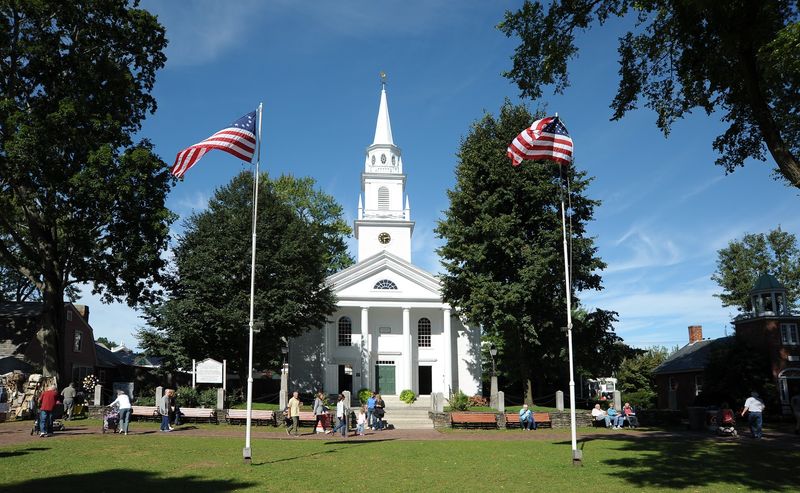
Everything is arranged around a classic town green. That open lawn ties the whole place together.
It feels like the heart of a small town from long ago, with every building facing its neighbors.
Phillips House And The Rhythm Of Home Life
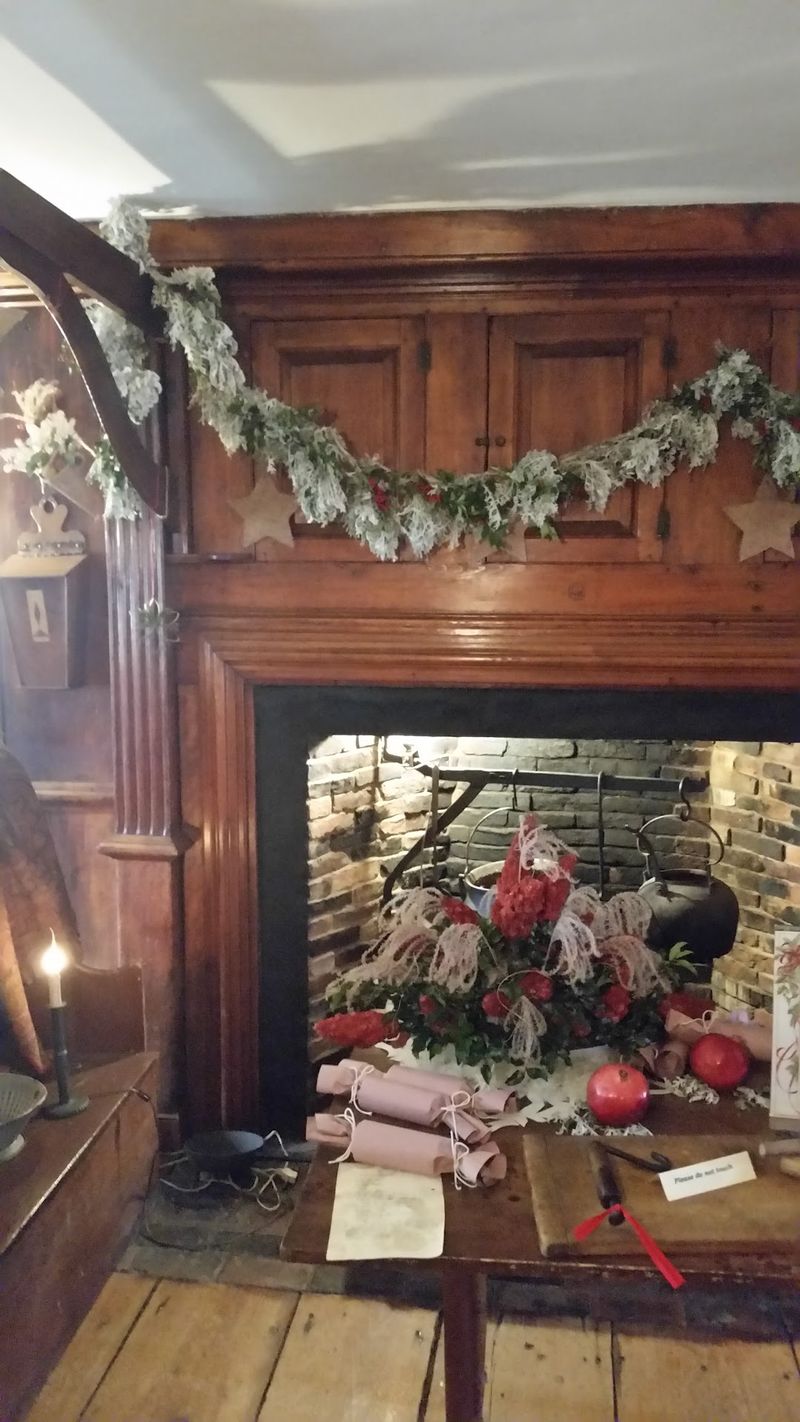
Every village needs a kitchen that smells like history. At the Phillips House, the hearth is the star of the show. Long before stoves and microwaves, families cooked right over the fire.
Open-hearth cooking is one of the crafts shown at Storrowton Village. It takes skill, patience, and a good sense of timing. Pots hang from iron hooks, and the heat changes as the fire shifts.
The rooms are filled with period antiques. These pieces match the era the home came from. Chairs, tables, and tools all help paint a picture of daily routines.
Think about how much work one meal took back then. Someone had to chop wood, keep the fire going, and watch the food closely. There was no timer beeping to save dinner.
Costumed interpreters often help explain what you are seeing. They can share how families planned meals and stored food. Their stories make the old objects feel useful again, not just pretty.
A fun thing to try is to look for small details. Notice the heavy pots and the simple wooden tools. Then compare them with your own kitchen at home.
You may leave with new respect for anyone who baked bread without an oven dial. It is a cozy lesson in how home life once worked.
Two Meeting Houses Where The Community Gathered
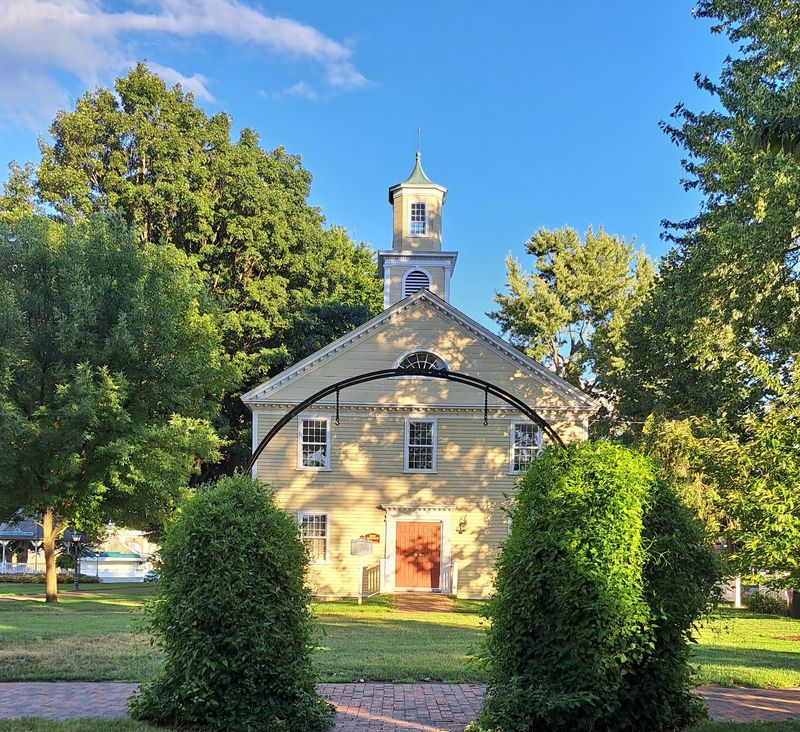
Picture a building where the whole town showed up on the same day. That was the role of the meeting house in early New England. Storrowton has not one, but two of them.
The Union Meeting House and the Baptist Meeting House both stand in the village. Their clean white walls and tall windows are classic New England style. They look calm and simple, yet they held big moments for their towns.
Meeting houses were more than places of worship. In many early towns, they also served as spots for gatherings and community talks. People came to share news and see their neighbors.
Inside, the design is plain and practical. Rows of seating face the front, and sunlight pours through the windows. There is very little decoration, which was common for the time.
Today the Union Meeting House is a favorite place for weddings and special events. Couples love its charm and its spot near the green. It is easy to see why.
Take a moment to stand quietly inside. Listen to the creak of the old floorboards. It is one of the best ways to feel how people lived as a close community.
Bring a camera, too. The outside view, framed by trees and grass, is postcard-ready in every season.
North Center School, Where Quills Ruled The Classroom
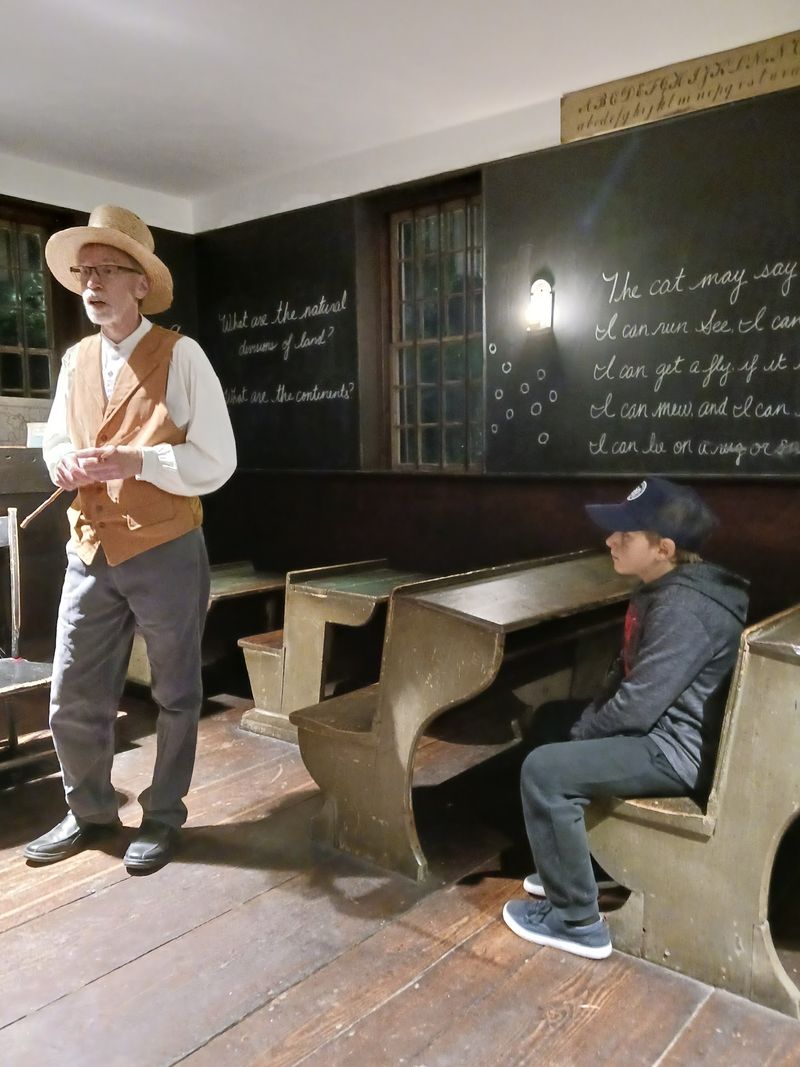
Forget laptops and backpacks on wheels. In the North Center School, students learned with quill pens and a whole lot of focus. This one-room schoolhouse is a favorite stop for families.
One room meant one teacher for many ages. Little kids sat near older students, and everyone heard every lesson. Younger children often learned a lot just by listening in.
Hands-on programs at Storrowton Village bring this past to life. Kids can make copybooks and practice writing with quill pens. It is harder than it looks, so expect a few ink blots.
Copybooks were how students practiced their handwriting. They copied neat lines over and over until their letters looked just right. Good penmanship was a big deal back then.
Look around at the simple desks and the teacher’s spot up front. There were no posters with bright colors or tablets glowing on the walls. Learning depended on memory, practice, and patience.
Here is a fun idea for parents. Ask your kids which school day they would choose, theirs or one from the 1800s. The answers might surprise you.
The schoolhouse has even hosted small weddings. Its charm works for more than spelling lessons. Still, its real magic is showing how far classrooms have come.
Sparks Fly At The Clark Blacksmith Shop
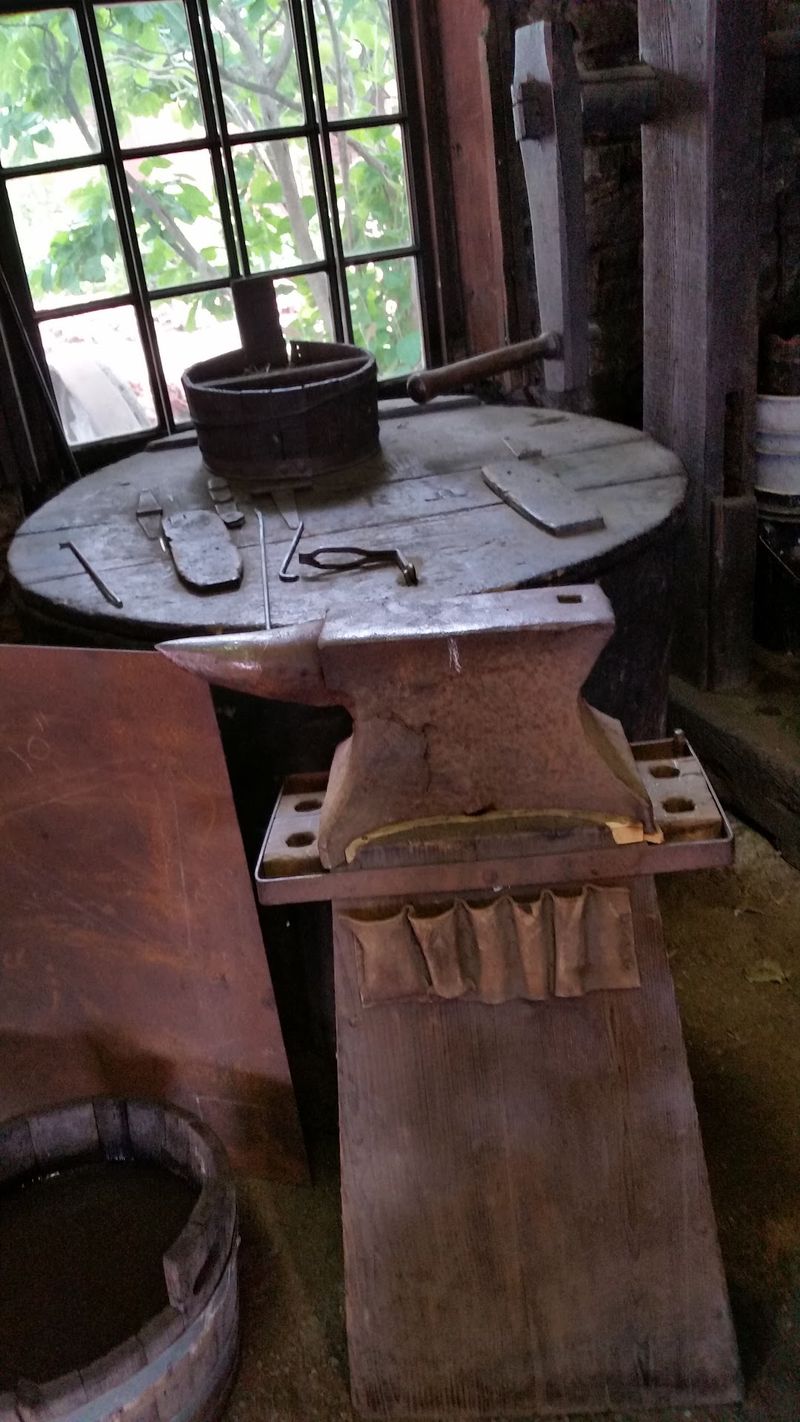
Clang, clang, clang. That sound tells you the blacksmith is hard at work. The Clark Blacksmith Shop is one of the liveliest corners of the village.
Blacksmiths were among the most needed workers in any early town. They made and fixed tools, hinges, nails, and horseshoes. Without them, farms and homes would slowly fall apart.
At Storrowton Village Museum, blacksmithing is part of the craft demonstrations. Watching hot metal glow orange is a real treat.
Then the smith shapes it with steady hammer strikes. The forge is the center of the shop. Air pumped into the fire makes it burn hotter. That heat softens the iron so it can bend and take shape.
Kids often love this stop the most. There is fire, noise, and a bit of science all rolled into one. It shows how strength and skill worked together.
Notice the tools hanging on the walls. Many were likely made by blacksmiths themselves. That is a handy trick when you are the person who makes tools for everyone else.
Stand back and enjoy the show. Safety comes first around hot metal. From a short distance, you can still see every spark and every careful swing of the hammer.
Potter Mansion And Its Charming Little Store
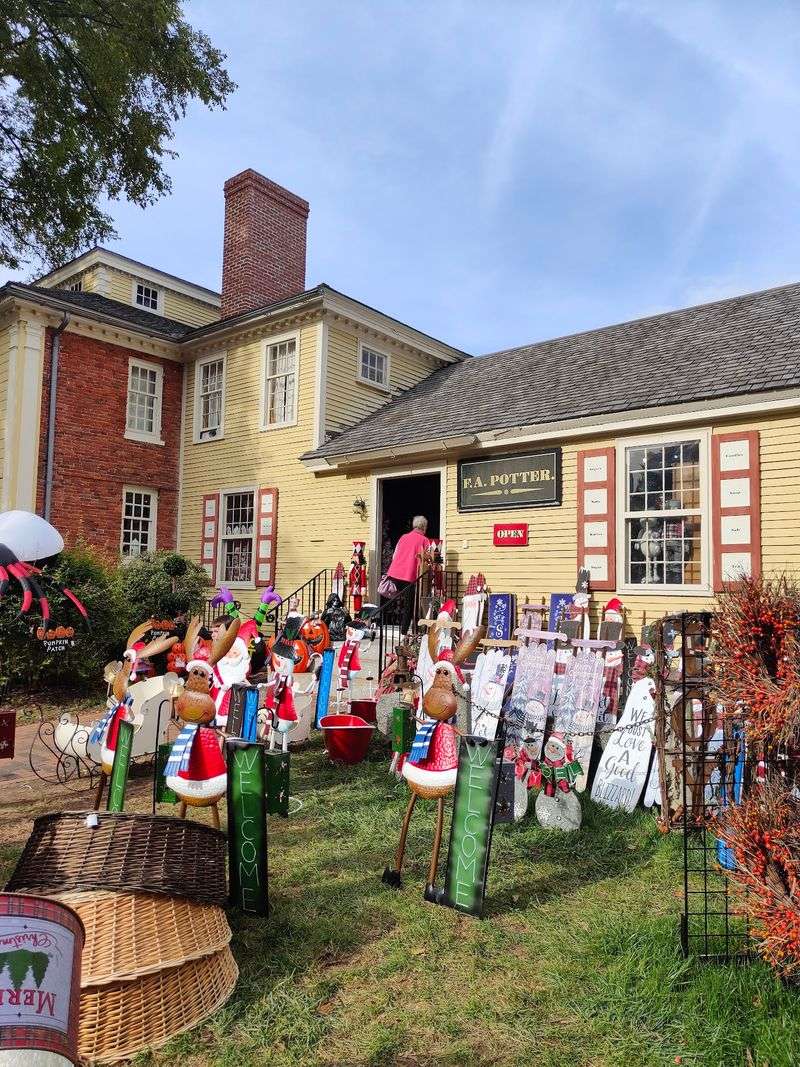
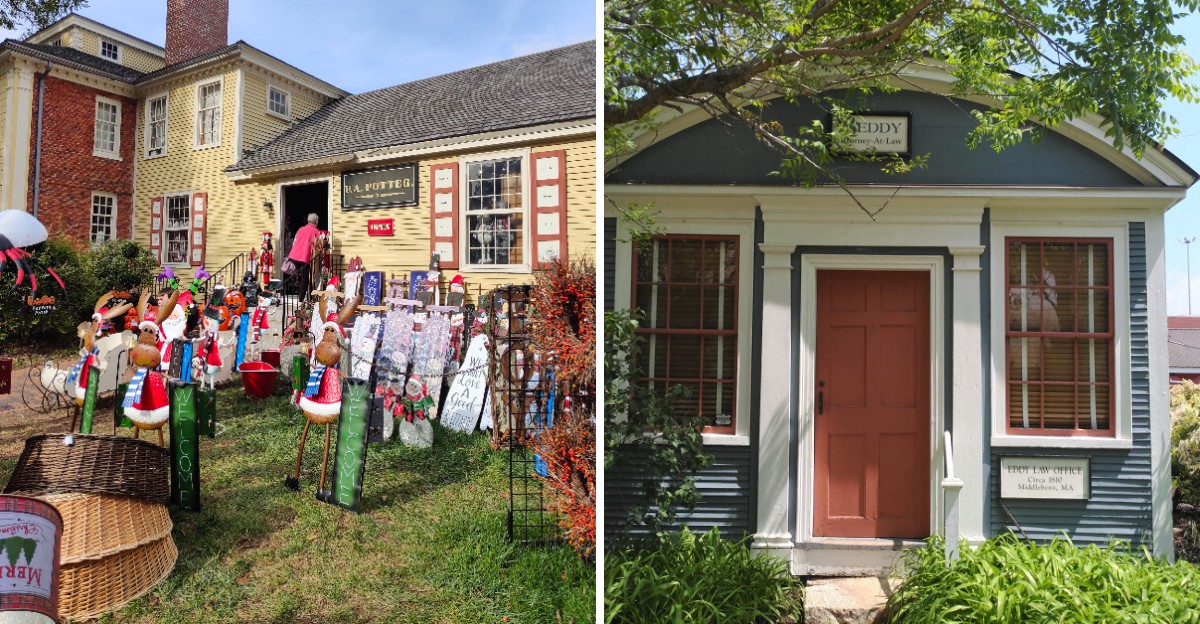
Shopping was a lot more personal in the old days. At the Potter Mansion, that spirit still lives on. This grand house is also linked with the John Potter Store.
You may hear the building called a few names. Some call it the John Potter Mansion, while others know it as the Potter General Store. Either way, it is a highlight of the Massachusetts village.
A general store once sold a little bit of everything. Families might pick up cloth, tools, or kitchen goods in one trip. It was also a great spot to catch up on town news.
Today the John Potter Store features traditional crafts and unique gifts. It is a nice place to find something handmade. A small keepsake can help you remember the day.
The house itself shows how wealthier families might have lived. Its size stands out compared with the smaller homes nearby. The furnishings reflect its original era.
Here is a quick tip. Leave a little time at the end for the store. That way you will not feel rushed while picking out gifts.
Look closely at the mix of crafts on the shelves. Many styles connect back to old New England traditions. Shopping here feels like a friendly nod to the past.
Gilbert Farmstead And The Eddy Law Office
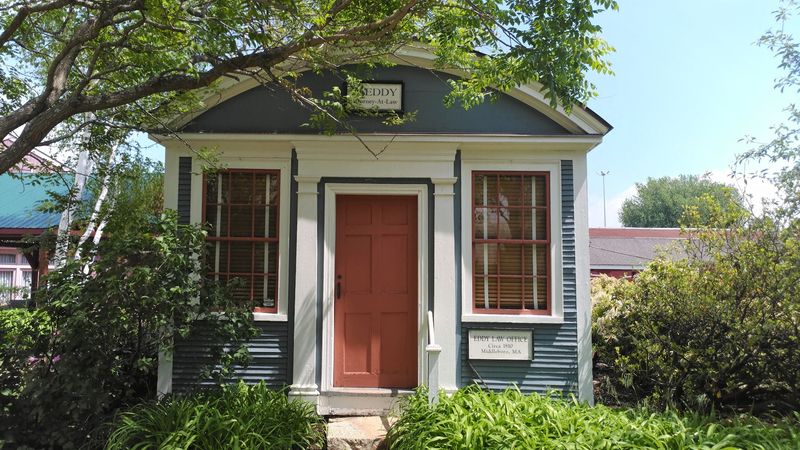
Farmers and lawyers made an unlikely pair, but both kept old towns running. At Storrowton, the Gilbert Farmstead and the Eddy Law Office show two very different jobs. Together, they round out village life.
The Gilbert Farmstead reflects the roots of most early New England families. Farming was the main way of life for many people. Days started early and were full of chores.
Families grew food, cared for animals, and made many things by hand. Children helped with tasks as soon as they were able. Everyone pitched in to keep the farm going.
The Eddy Law Office tells a quieter story. It is a small building, but it held important work.
Lawyers helped with land deals, agreements, and town matters.
Small offices like this were common in country towns. A lawyer did not need a huge space. A desk, some books, and a sharp mind were often enough.
Seeing these two buildings close together is eye-opening. One is all about hard physical work. The other is about paperwork and careful thinking.
Try picturing a farmer walking over to settle a property question. That simple scene shows how connected town life was. Every person and every building had a role to play.
Atkinson Tavern And Tips For Planning Your Trip
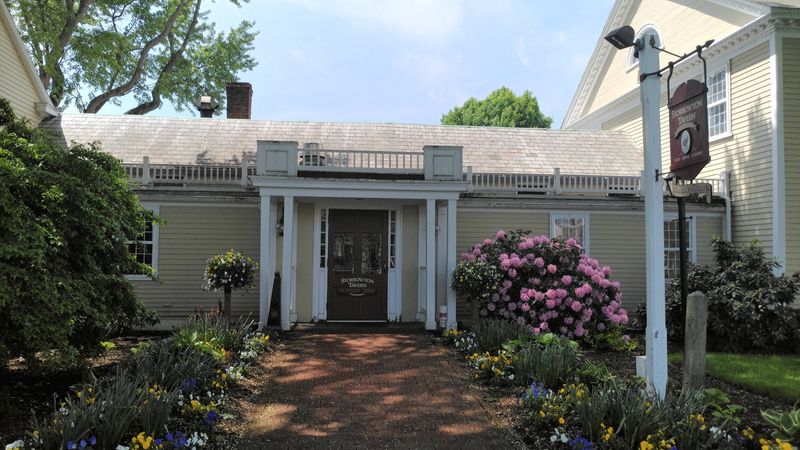
Every good journey needs a cozy stop at the end. In early New England, that stop was often a tavern.
The Atkinson Tavern rounds out the nine historic buildings at Storrowton Village Museum.
Taverns were travel hubs long before hotels and highways. Travelers could find a warm meal and a place to rest. Locals came by to trade news and swap stories.
The building connects the village to the wider world. Folks passing through brought fresh updates from other towns. That made taverns lively centers of conversation.
Now for some helpful planning. Drop-in tours run from mid-June through the end of August. Hours are Tuesday through Saturday, 11 am to 3 pm, so double-check before heading out.
During the 17-day run of The Big E, the village opens daily from 10 am to 9 pm. Spring and fall tours are available by appointment.
Holiday events can also bring extra charm to the green. Watch the official website for special programs. Some days even feature children’s games and candle dipping.
Wear comfy shoes and give yourself plenty of time. Nine buildings may not sound like much. Yet each one holds enough history to make you want to linger in Massachusetts a little longer.