
This Michigan Museum Brings Ancient Pompeii To Life With Stunning Life-Sized Frescoes
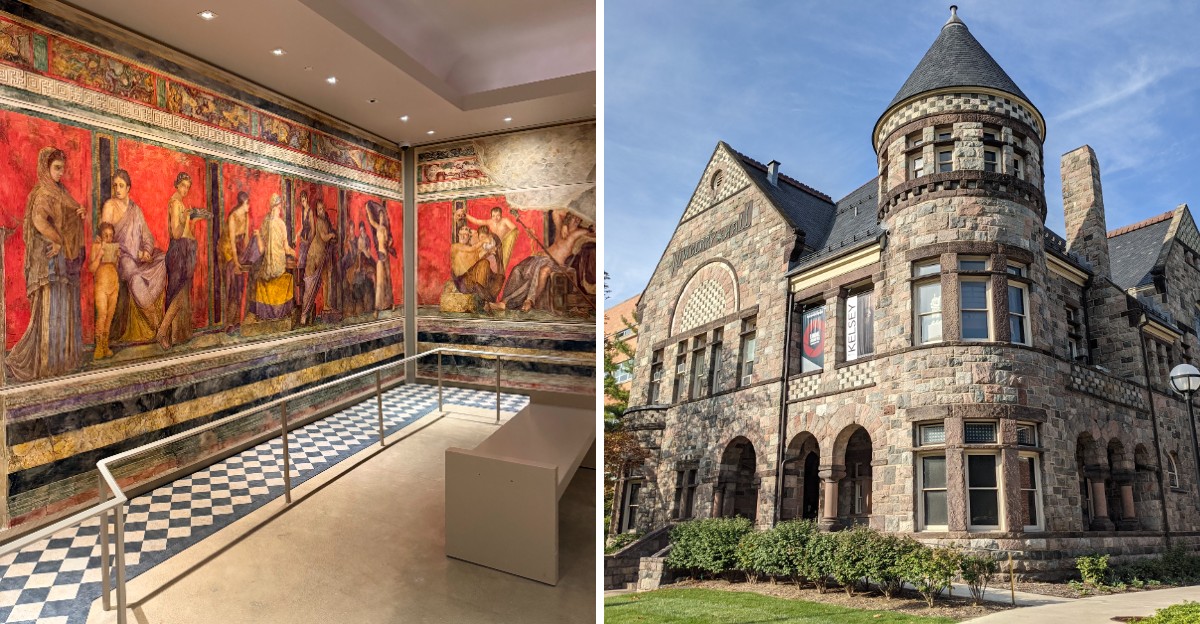
Ancient Pompeii might be thousands of miles away, but you don’t need a plane ticket to get a fascinating glimpse of the city before Mount Vesuvius changed everything.
In Michigan, one museum offers visitors a chance to admire the colorful artwork that once decorated the homes of people living nearly 2,000 years ago. And we’re not talking about tiny pictures hanging on a wall.
These stunning, life-sized fresco reproductions reveal elaborate rooms, painted columns, and beautiful details that make ancient Roman life feel surprisingly close. It’s the sort of artwork that makes you stop and wonder what everyday life must have been like back then.
Michigan has plenty of interesting museums, but finding such a vivid connection to ancient Pompeii is a genuine surprise.
You don’t have to be a history expert to appreciate the experience, either. Just bring a little curiosity and prepare to see how much beauty and imagination filled ordinary homes centuries ago.
A Famous Roman Room Reborn In Paint
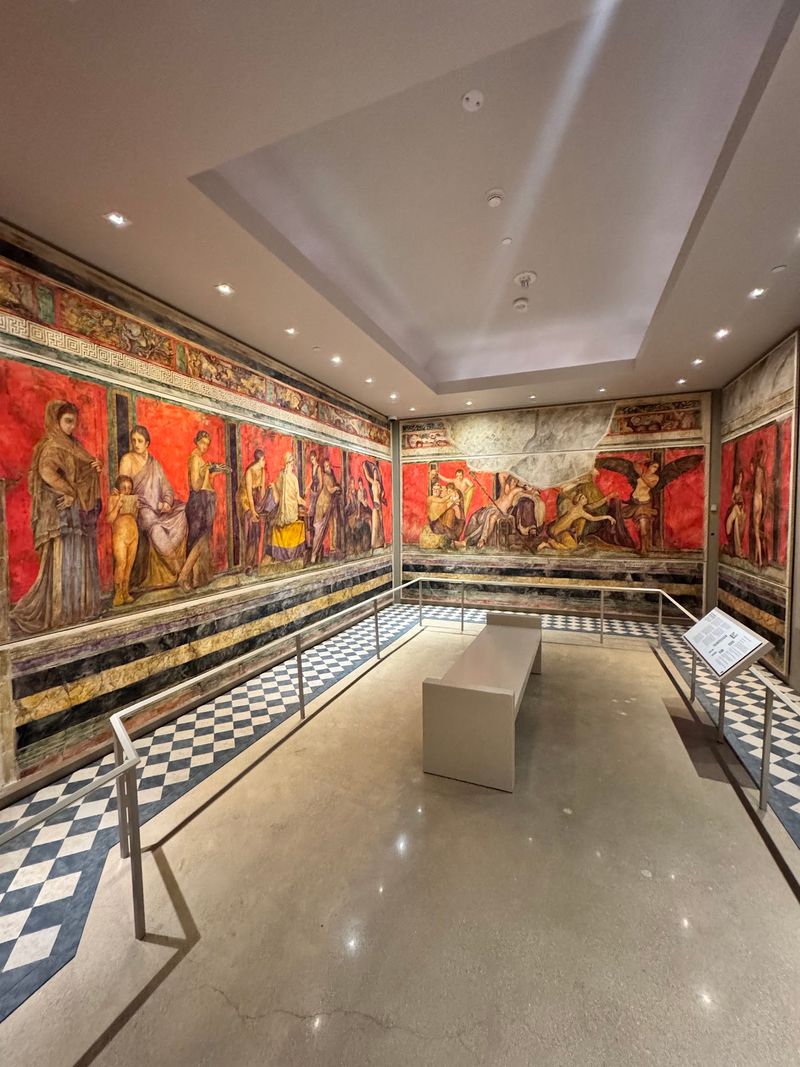
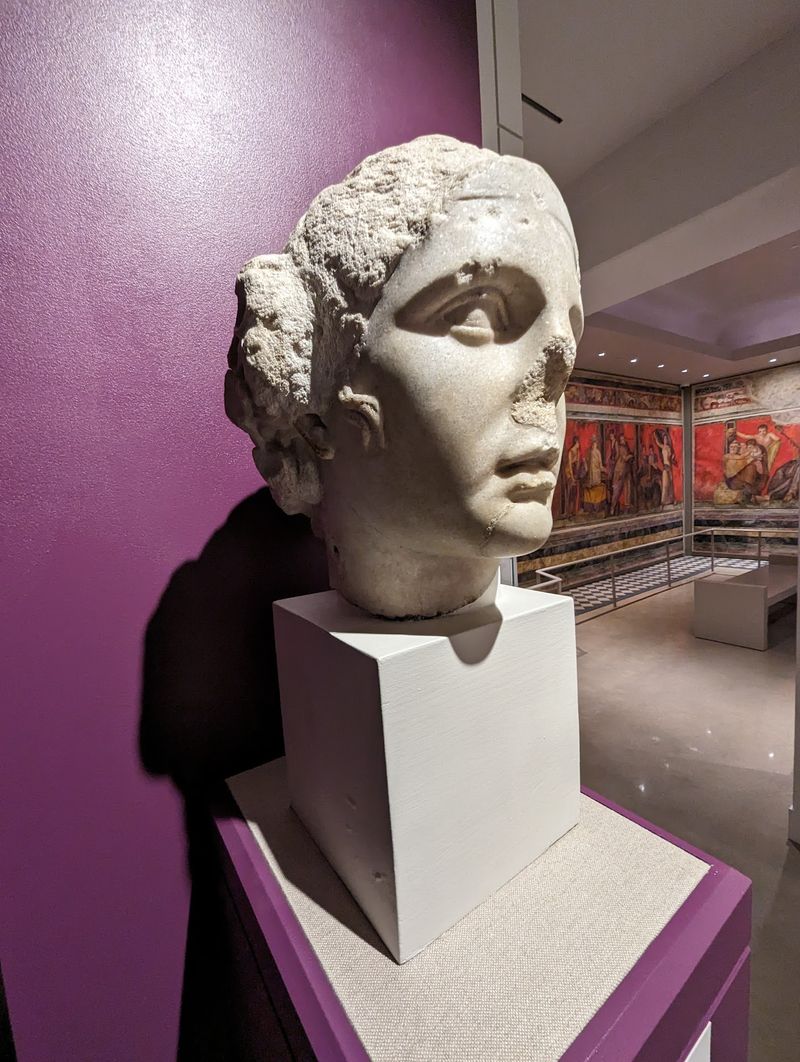
Pompeii has a celebrity room, and it now has a twin in the Midwest. The Villa of the Mysteries, just outside the ancient city, holds one of the best-known Roman wall paintings anywhere.
Its frieze wraps around the room in bold red, showing women, gods, and mythic figures in a mysterious ritual. Scholars still debate exactly what the scenes mean, which only adds to the fun.
The Kelsey Museum of Archaeology brought this masterpiece home with a painted recreation at about two-thirds scale. It was created for a special exhibition about the villa and its famous images.
Standing in front of it feels very different from flipping through a textbook photo. The figures stretch taller than you might expect, and the colors pop with surprising energy.
The recreation also connects to the museum’s own history. Early twentieth-century photographs of the villa paintings sit in its archives, linking Ann Arbor to Pompeii for a century.
Give yourself a few quiet minutes here. Try following the story from one wall to the next, and see what clues you can spot in the poses and faces.
Where To Find This Campus Treasure
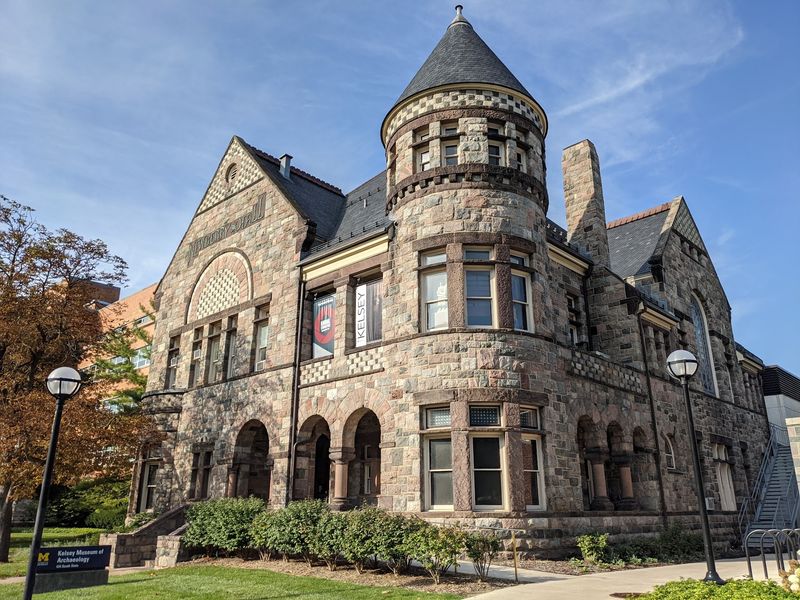
Some museums hide behind long highways, but this one sits right on a busy campus sidewalk. You will find it at 434 South State Street in Ann Arbor, across from the heart of the University of Michigan.
The building has a story of its own. Newberry Hall, a handsome stone structure from the 1890s, holds the main entrance and part of the galleries.
A modern wing, the William E. Upjohn Exhibit Wing, opened in 2009. It added bright, spacious galleries that let the collection finally breathe.
The mix of old and new feels fitting for an archaeology museum. One side whispers of the past, while the other shows off the present.
Parking takes a little planning since the museum sits downtown. Public lots and structures nearby charge a fee, so budget a few dollars for that.
Walking from State Street shops makes things simple. Many people pair a stop here with lunch or a stroll through the neighborhood, turning a short trip into a full afternoon.
Free Entry That Feels Like A Gift
Here is the best price tag in all of ancient history: nothing at all. Admission costs zero dollars, though donations are warmly welcomed.
That makes this spot friendly for families, students, and anyone watching their wallet. You can pop in for thirty minutes or linger for two hours without guilt.
A pay-what-you-can approach keeps the doors open to everyone. Even a small gift helps support exhibits, programs, and careful care of fragile objects.
Check the schedule before heading over. The museum opens Tuesday through Friday at 10 a.m. and on weekends at 11 a.m., closing at 4 p.m. most days.
Thursday is the night owl’s favorite. Doors stay open until 7:30 p.m., which works nicely after school or work.
Mondays are closed, so plan around that one. Hours can shift for holidays or special events, so a quick look at the official website is always smart.
With free entry, you can return again and again. Each trip lets you focus on a new gallery instead of rushing through everything at once.
Roman Colors Brighter Than You Imagined
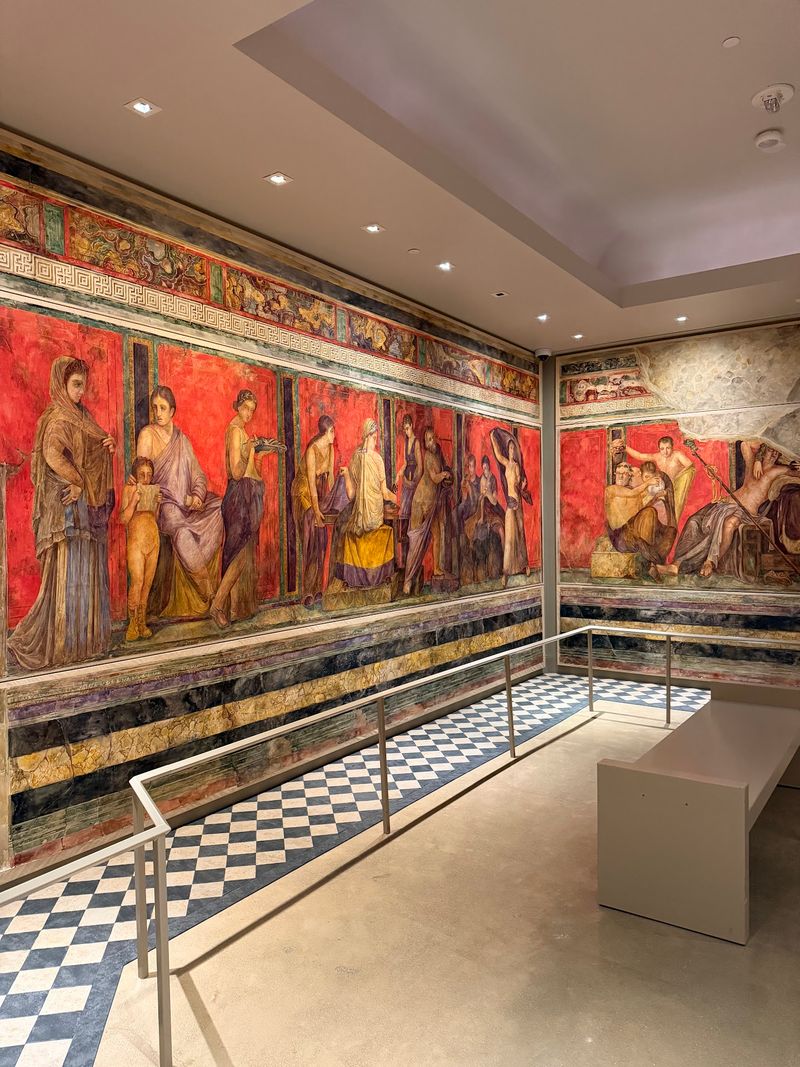
Forget the idea that ancient Rome was all plain white marble. The Romans loved color, and they splashed it everywhere from walls to statues.
Pompeii shows this better than almost any place on Earth. Its walls glowed with reds, yellows, blues, and greens made from minerals and other natural sources.
Famous Pompeian red came from earthy pigments, and painters worked in layers of plaster. Fresco painting meant applying color onto damp plaster so it bonded as it dried.
Seeing a large recreation helps your eyes understand that scale. A painting the size of a wall feels like a room-sized movie screen from two thousand years ago.
History suddenly looks more cheerful and lively. Homes were not dull boxes but bright spaces full of stories, gardens, and painted columns.
Bring a curious eye and look closely at how shadows are painted. Roman artists used clever tricks to make flat walls seem deep, almost like windows into imaginary scenes.
Digs That Started With Michigan Explorers
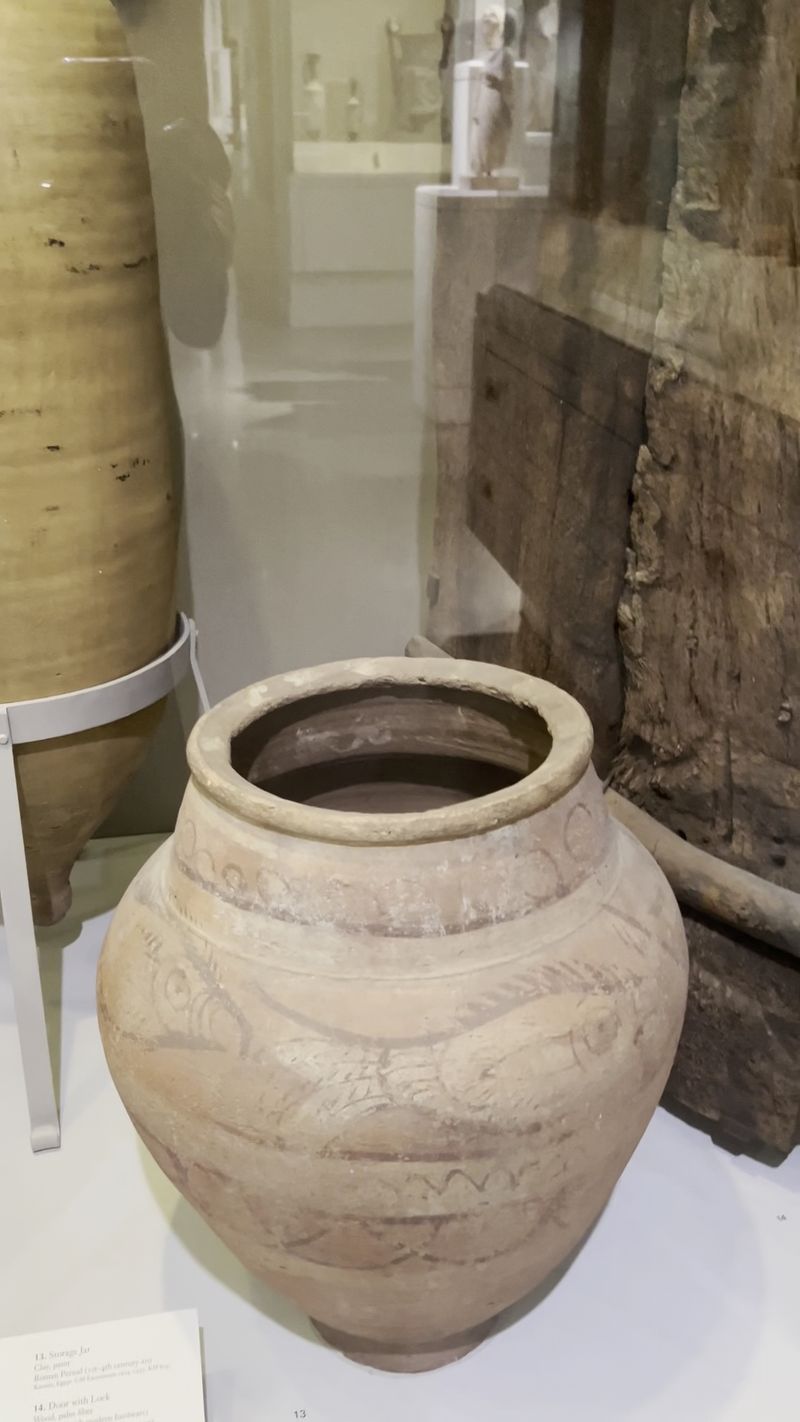
Many museums buy their treasures, but plenty of these objects were dug up by university teams. The collection holds around 100,000 ancient and medieval artifacts.
University of Michigan expeditions began in the 1920s. Teams worked at sites like Karanis in Egypt, Seleucia in Iraq, and Carthage in North Africa.
Karanis became especially important. It was a farming town in Roman Egypt, and its finds tell us about everyday people instead of just kings.
The museum is named after Francis W. Kelsey, a Latin professor who championed these early projects. His passion helped shape the collection you see today.
Some display cases include old postcards and photographs from the excavations. They show dusty trenches, workers, and camps, making the objects feel connected to real moments.
The museum is also open about where items came from. That kind of honesty helps you think about how history gets studied and shared.
Fieldwork continues even now. University researchers still run projects in places across the Mediterranean and Middle East.
Everyday Life In Roman Egypt
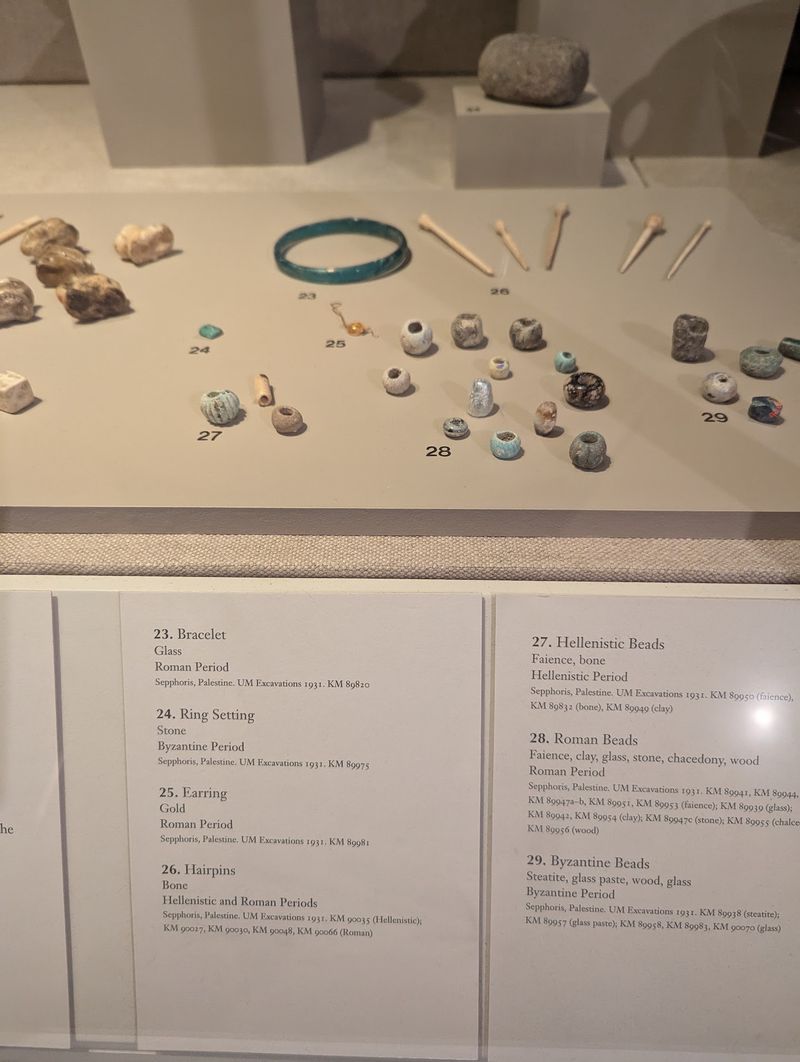
Kids two thousand years ago played with toys too, and you can see some of them. Small objects from Roman Egypt bring that daily life into focus.
Look for items like simple toys, pottery, baskets, and tools. These are not flashy royal treasures, but they tell surprisingly personal stories.
Dry desert sand helped preserve many fragile materials. Things like wood, cloth, and papyrus survived far better than they would in wetter places.
Younger guests often love this part most. Spotting a toy that looks a bit like something from their own room makes the past feel close.
Adults enjoy it just as much. You start imagining families cooking, farming, and gathering around the table long ago.
Here is a helpful tip for curious explorers. Some display cases have pull-out drawers holding even more artifacts, so gently slide them open and peek inside.
Those drawers reward patience. Small coins, beads, and fragments are tucked away, waiting for anyone willing to take a closer look.
Egyptian Coffins And A Famous Cat
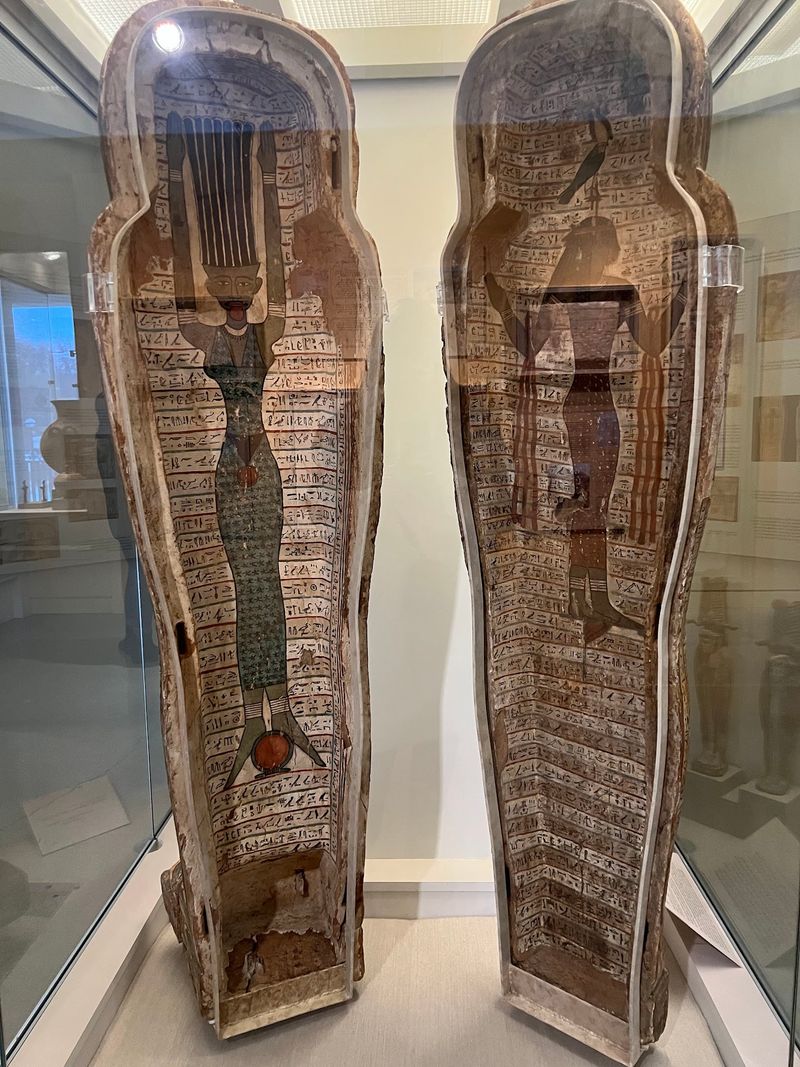
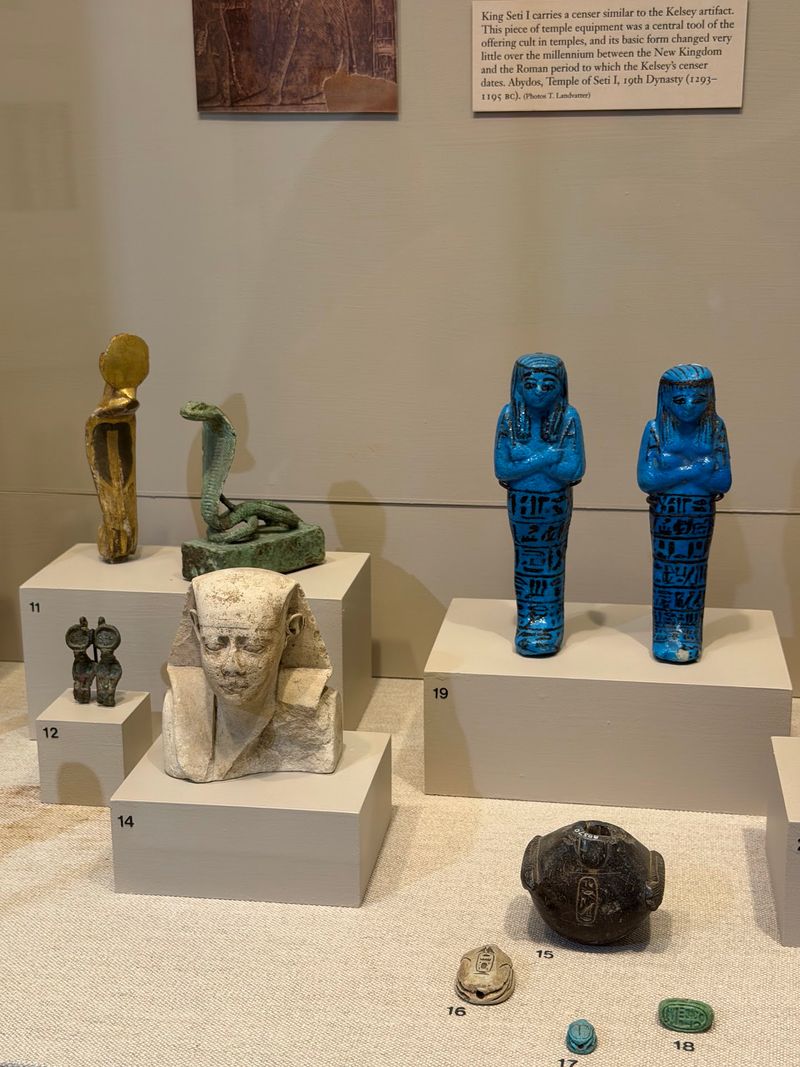
Ancient Egypt always steals the spotlight, and it shines brightly here too. The Egyptian galleries hold carved, painted objects that seem to glow under the lights.
A beautifully decorated coffin is one highlight. Its painted symbols and figures were meant to guide and protect someone on a journey beyond this life.
Bright colors and careful details reward slow viewing. You can trace hieroglyphs, gods, and patterns that took skilled artists many hours to create.
Animal lovers should hunt for the wrapped cat. Egyptians honored cats, and many were linked to the goddess Bastet.
The museum handles human remains thoughtfully. It no longer displays a human mummy, reflecting careful respect in how such items are shared.
That choice tells you something about modern museums. Caring for the past means thinking about the people behind the objects, not only the objects themselves.
Bring questions for the front desk if something sparks your interest. Staff are known for being friendly, and they enjoy chatting about ancient history.
Glass, Pottery, And Masterful Handiwork
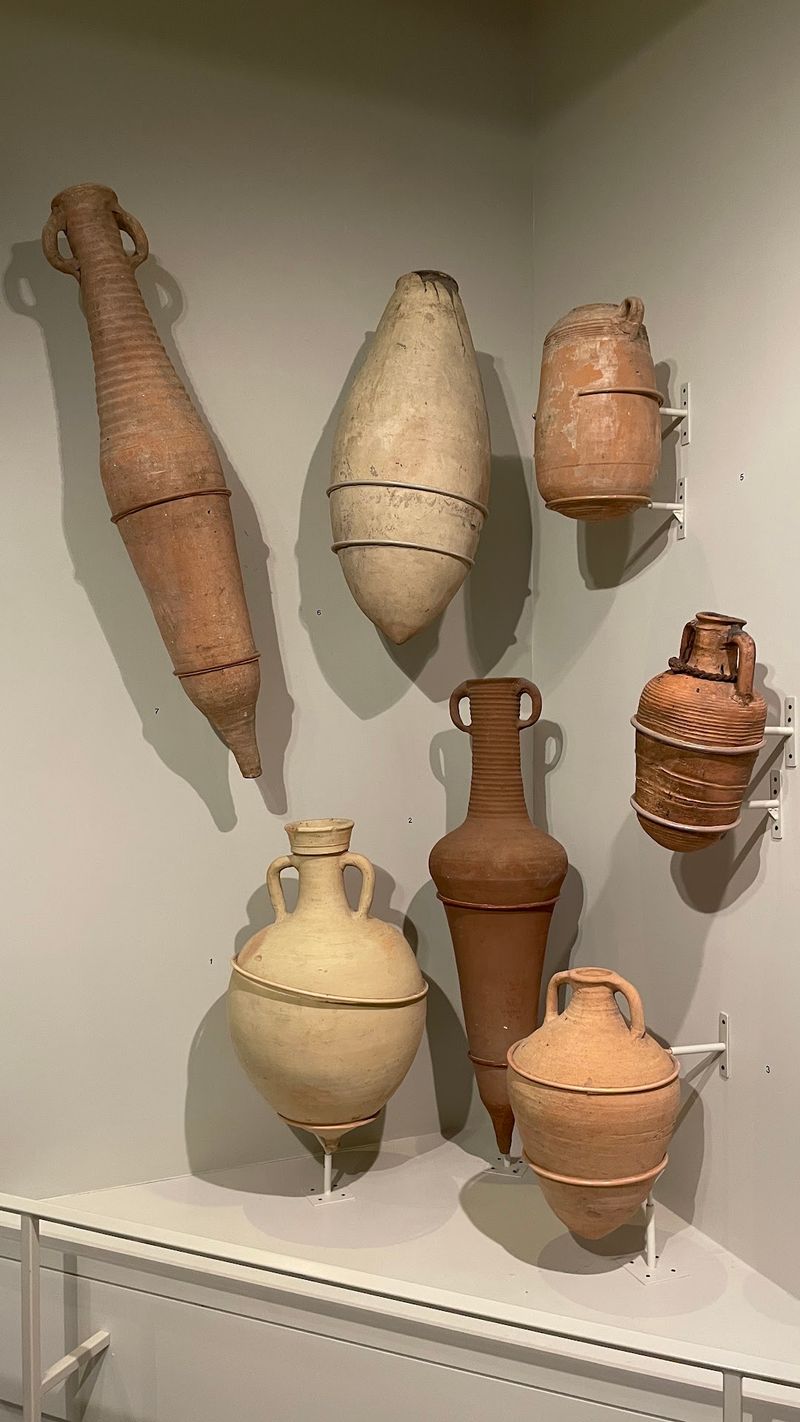
Ancient craftspeople were the original makers, and their skills still impress. Shelves of glass and pottery show what clever hands could do long ago.
Roman glassblowing was a big deal when it spread. Suddenly, everyday people could own cups and bottles that once seemed fancy.
Look for soft blues, greens, and shimmering surfaces. Some glass picked up a rainbow sheen over centuries buried underground.
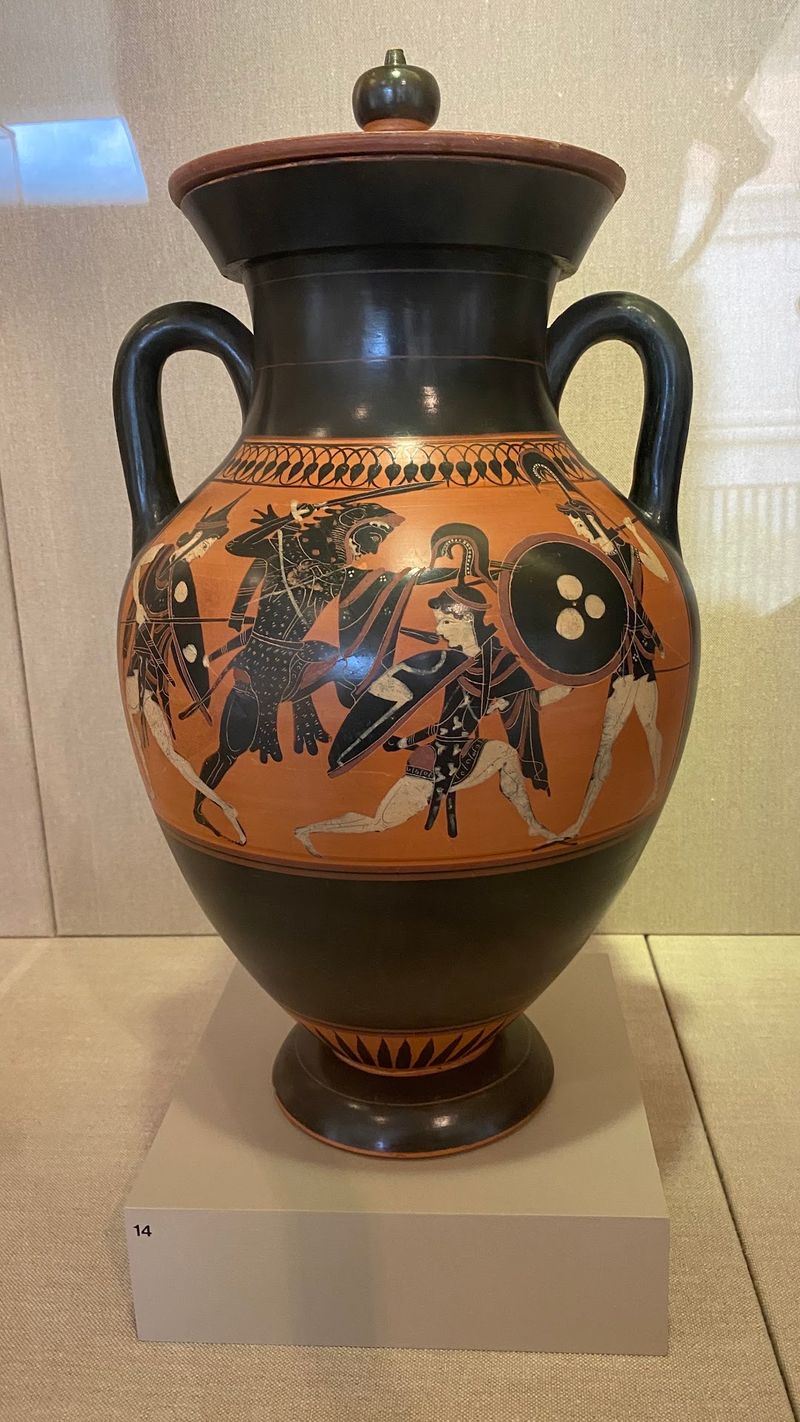
Greek pottery offers a different treat. Painted scenes show athletes, myths, and daily activities in bold black and red.
Hobbyists find plenty to enjoy here. If you like crafting, metalwork, carving, or jewelry, you will notice tiny details that others might miss.
Try picking one object and studying it for a full minute. Ask how it was made, who used it, and what it might have held.
That slow habit turns a quick glance into real discovery. It also makes a small museum feel surprisingly big.
A Cozy Size That Never Overwhelms
Giant museums can wear out your feet before lunch, but this one plays it smart. Its compact size lets you enjoy every room without feeling rushed.
Most people spend one to two hours exploring. That is perfect for families with little ones or anyone squeezing a stop into a busy day.
Galleries rarely feel crowded. You can usually stand in front of a case as long as you like without bumping elbows.
Clear info panels explain each display in plain language. They help newcomers understand the objects without needing a history degree.
Some exhibits include interactive features too. These hands-on touches keep curious kids engaged and give adults a fresh way to learn.
Special exhibitions rotate over time. One season might focus on Roman art, while another explores a different culture or excavation.
Because of that, repeat trips stay interesting. Checking the museum’s website before going helps you catch new shows while they last.
Tours, Talks, And Nearby Campus Fun
Learning sticks better with a good storyteller, and the museum offers plenty of them. Guided tours and lectures add depth to what you see in the cases.
Tours can be arranged for schools and groups. Public talks often feature researchers sharing fresh discoveries from the field.
Families should watch for special events. Hands-on activities and themed days make ancient history feel playful for younger learners.
After your time inside, the campus invites more wandering. The famous spinning Cube sculpture sits about a block away and loves a gentle push.
State Street offers bookstores, cafes, and plenty of people-watching. It is easy to turn a museum stop into a relaxed afternoon outing.
Other university attractions sit within walking distance too. The art museum and natural history museum make great partners for a full day of exploring.
Leave a little room in your schedule. Once Pompeii’s painted walls spark your curiosity, you may want to keep learning long after you step outside.