
7 Nevada Fall Color Stops That Are Still Stunning In Late October
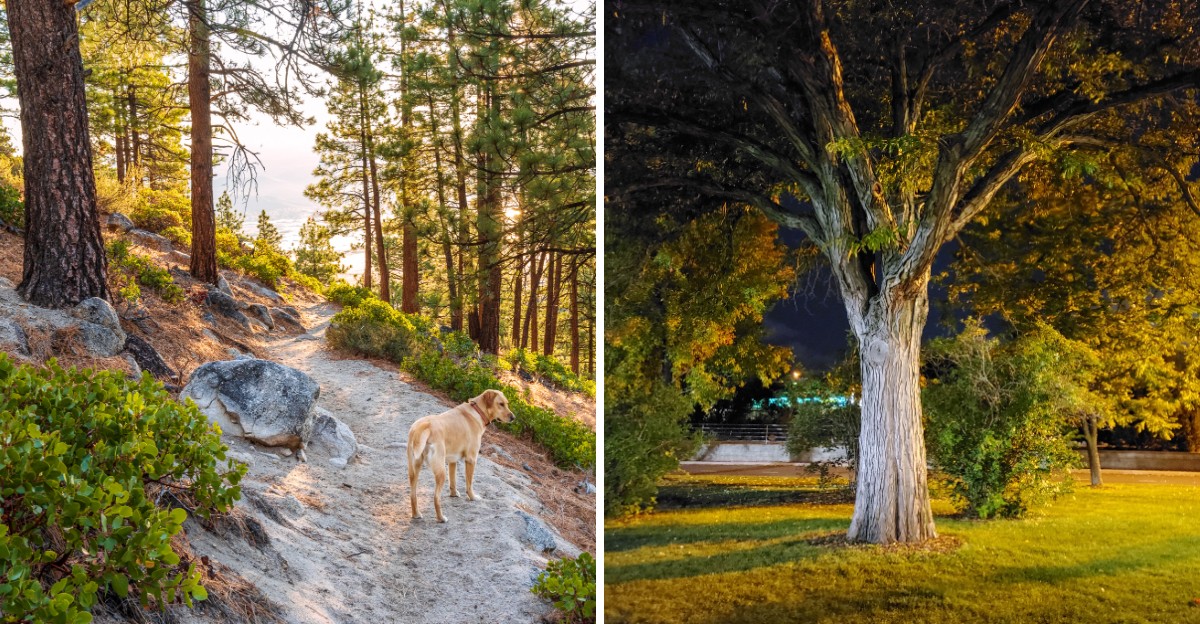
Wild grapevines climb the walls of a desert canyon in Nevada, and in autumn they can turn bright red. That is not a sight most people link with a state famous for sagebrush and casino lights.
The surprises keep stacking up. One stop sits beside the oldest non-native settlement in the state, founded as a trading post in 1851.
Another is a spring-fed wetland where more than 230 bird species have been recorded, right in the middle of dry desert scrub.
I love that fall here does not follow the usual mountain script. Cottonwoods glow gold along rivers.
Old adobe walls stand near yellow leaves. Pine forests meet red sandstone.
Late October is often when the lower valleys and canyons hit their stride. So why rush the season when a little patience pays off this beautifully?
Grab a full tank and a thermos and let’s go. Nevada awaits!
1. Mormon Station State Historic Park
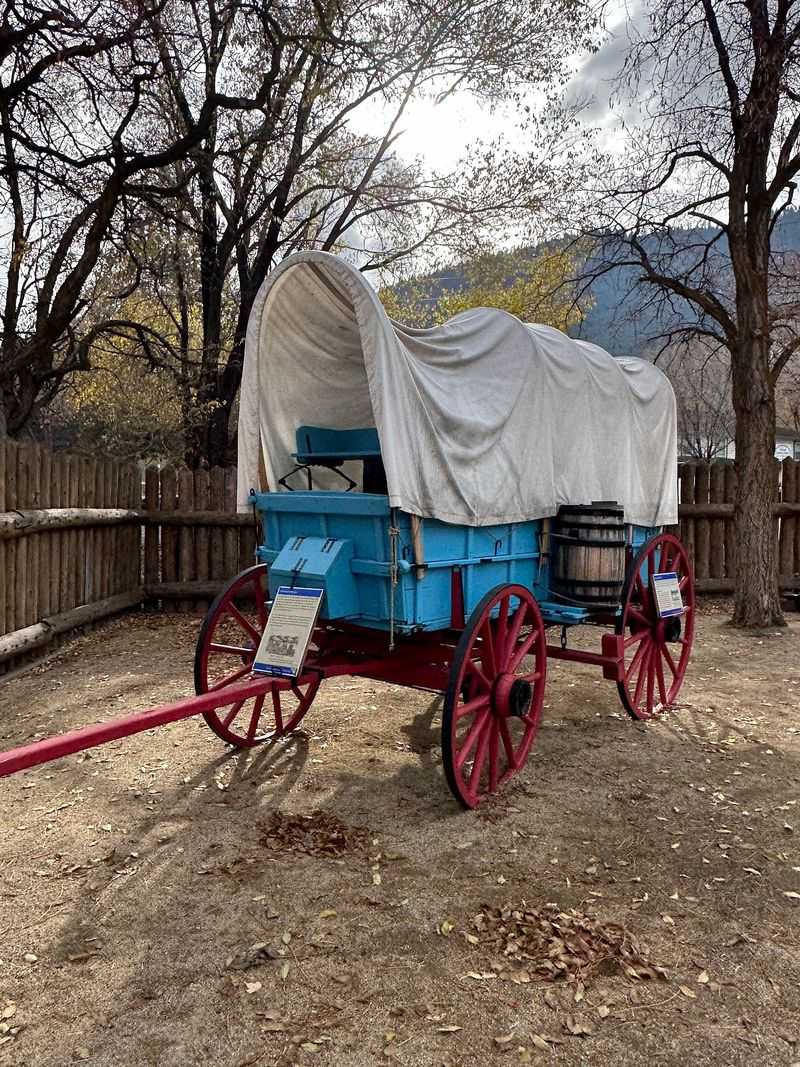
Long before Reno or Las Vegas existed, a trading post went up in 1851 in what is now Genoa. That makes this tiny town the oldest non-native settlement in Nevada.
Mormon Station State Historic Park tells that story in a compact, walkable space. The centerpiece is a replica of the original trading post and stockade, which now holds a museum.
Inside, you can learn how early traders served wagon trains heading west. It is a quick lesson that helps the whole Carson Valley make more sense.
Outside, the setting does a lot of heavy lifting. Shade trees on the grounds change color in fall, and the Carson Range rises right behind town.
That mountain backdrop is the secret ingredient. Yellow leaves look extra bright against dark, steep slopes, especially on a clear blue afternoon.
Bring a picnic and grab a table on the grounds. Few lunch spots let you munch a sandwich beside a piece of 1850s history.
Genoa itself is worth a slow walk after your park visit. Historic buildings line the main street, and the small size keeps things easy and relaxed.
For your drive, try the roads along the west side of Carson Valley. Ranch land, old barns, and foothill trees create a postcard feel without much traffic.
Museum hours can change by season, so check before you count on going inside. The outdoor grounds still make a lovely stop either way.
Here is a nice bonus for late October travelers. The valley floor often keeps its color after higher mountain spots have faded, giving you a second chance at autumn.
Address: 2295 Main St, Genoa, NV 89411
2. Fort Churchill State Historic Park
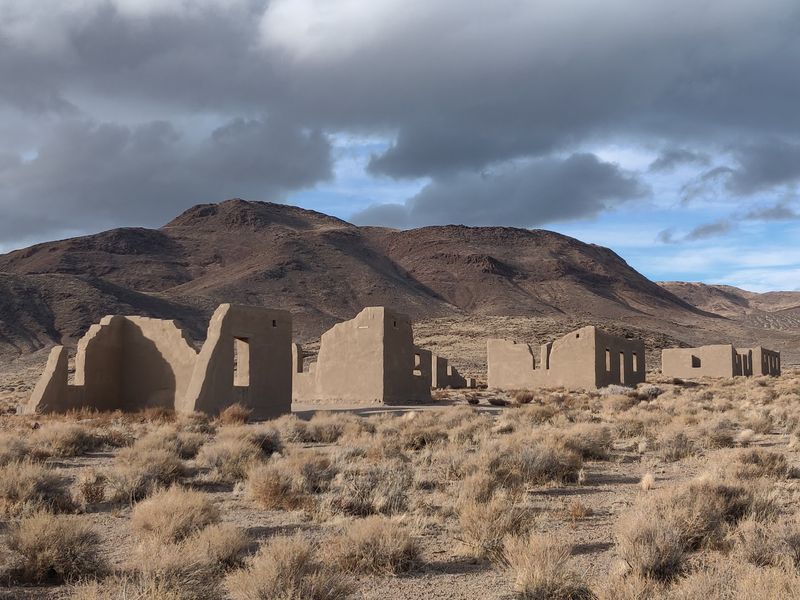
Crumbling adobe walls and golden cottonwoods make an odd couple, but they work beautifully together. Fort Churchill State Historic Park serves up both along the Carson River.
The U.S. Army built the fort in 1860.
Soldiers stationed here helped protect travelers and the Pony Express route during a busy, tense era.
Today the fort is a set of stabilized adobe ruins. Walking among them feels a bit like reading a history book with the pages left outside.
The real fall show happens near the river. Cottonwoods along the Carson can turn bright yellow, and late October is often prime time at this lower elevation.
Picture-hunters, take note. Pale tan adobe, gold leaves, and a deep blue Nevada sky make a color combo that hardly needs a filter.
Do not skip Buckland Station nearby. The two-story building served travelers on the old overland route and helps round out the story of the area.
Trails in the park let you stretch your legs between the ruins and the river. Keep your eyes open for birds, since river trees attract plenty of feathered visitors.
The drive itself is part of the fun. Alternate Highway 95 rolls through open desert, so the green ribbon of the river feels like a reward when it appears.
Stay on marked paths around the ruins. Adobe is fragile, and those walls have already survived more than 160 years of wind and weather.
Bring water and layers, because desert days can swing from cool to sunny fast. A light jacket in the morning might end up tied around your waist by lunch.
Address: 10000 Hwy 95A, Silver Springs, NV 89429
3. Davis Creek Regional Park
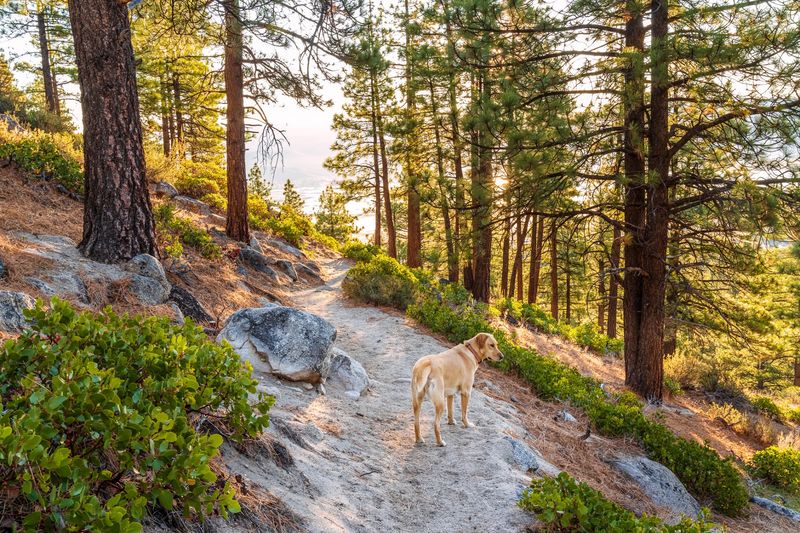
Pine trees and sagebrush share a property line at the base of Slide Mountain. Davis Creek Regional Park is where the Sierra Nevada and the high desert shake hands.
The park sits in Washoe Valley between Reno and Carson City. Its tall Jeffrey pines give the area a deep green base that makes fall shrubs and creekside leaves pop.
Fire left its mark here in September 2024, when the Davis Fire burned through the area. Check with Washoe County before you go, since some facilities, including the campground, have been affected.
Day trips are still the move for fall color fans. Picnic areas and trails give you plenty to do without needing a tent.
The big name on the trail map is Ophir Creek Trail. It climbs toward the mountains and rewards your legs with views over Washoe Lake.
You do not need to hike far to enjoy yourself. Even a short walk among the pines lets you smell that sharp, sweet Jeffrey pine scent.
Here is a fun trick to try. Some people say Jeffrey pine bark smells a bit like vanilla or butterscotch, so lean in and decide for yourself.
Plan your drive along Old Highway 395 for extra scenery. The valley views open up as you roll south, with mountain slopes on one side and lake flats on the other.
Fire rules matter a lot here. Follow posted restrictions and skip open flames unless they are clearly allowed.
Late October afternoons can be crisp at this elevation. A warm hat and a snack turn a quick stop into a lingering one.
Address: 25 Davis Creek Cir, New Washoe City, NV 89704
4. Pahranagat National Wildlife Refuge
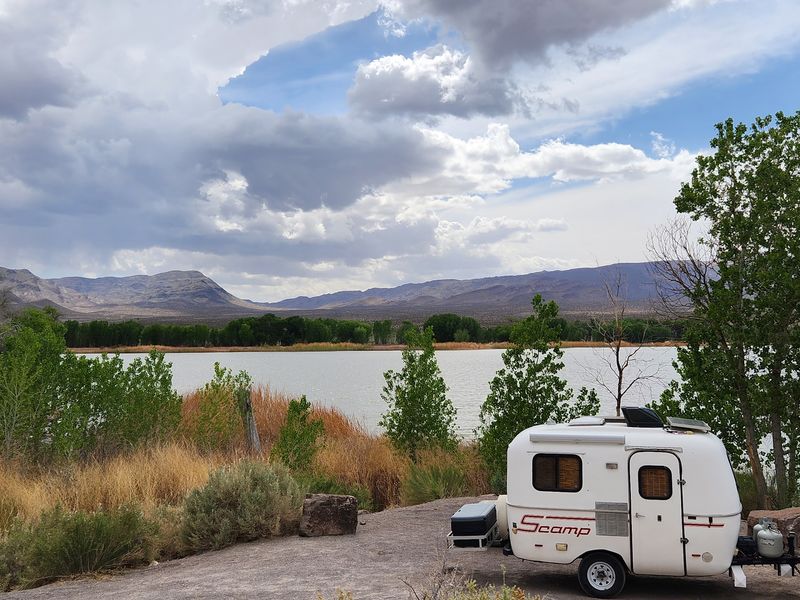
Springs bubbling up in the desert created a string of lakes and marshes north of Las Vegas. Pahranagat National Wildlife Refuge is what happens when water wins an argument with the Mojave.
The refuge sits along US-93 near the small town of Alamo. Cottonwoods and willows grow near the water, and their fall colors stand out sharply against dry hills.
Birds are the headliners here. More than 230 species have been recorded at the refuge, which is an important stop on the Pacific Flyway.
Fall migration can bring ducks, geese, and other waterbirds through the area. So you might come for the leaves and leave with a new favorite bird.
Bring binoculars if you own a pair. Even a cheap set makes the marsh edges far more interesting.
The Upper Lake is a great place to begin. Camping is allowed along part of its east shore, so you can stick around for sunset and sunrise.
Morning light is worth an early alarm. Still water can mirror golden trees so well that it looks like two forests stacked on top of each other.
Fishing and walking trails add more ways to spend the day. Check refuge rules before casting a line, since regulations apply.
From Las Vegas, the trip takes roughly an hour and a half each way. That is a comfortable day trip, and it pairs nicely with a drive farther north toward Caliente.
Pack food and fuel before you leave the city. Services out here are limited, and empty tanks make for grumpy birdwatchers.
Address: US-93 Mile Post 32, Alamo, NV 89001
5. Kershaw-Ryan State Park
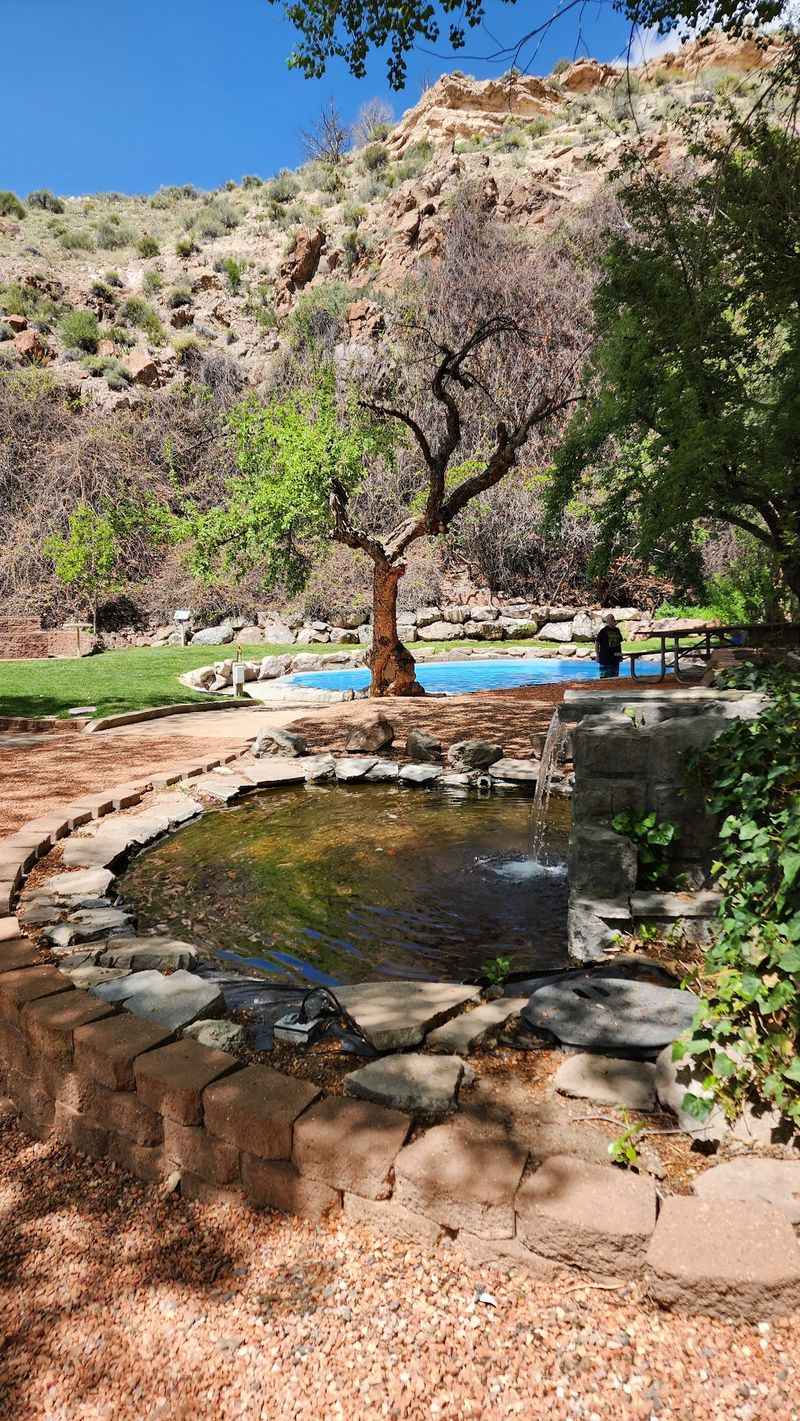
Grapevines growing wild on desert cliffs sound made up, yet Kershaw-Ryan State Park has them. In fall, those vines can blush red against the canyon walls.
The park sits just south of Caliente in eastern Nevada. Springs feed the canyon floor, turning a dry landscape into a green pocket that feels almost secret.
Early homesteaders saw promise here too. The Kershaw family settled the canyon and planted fruit trees, and some of that history still shapes the scene.
Gambel oaks join the color party along with the vines. Their leaves can shift toward orange and rusty brown as autumn moves along.
Late October is often a sweet spot for this canyon. Lower desert parks tend to turn later than mountain forests, so your timing here can pay off big.
Picnic areas on the canyon floor make lunch an event. You get shade, grass, and towering rock walls on every side of the main picnic grounds.
Hiking trails climb up from the canyon bottom for wider views. Wear sturdy shoes, since some paths get rocky and steep fast.
The pond and pool areas are a summer thing, so do not expect a swim. Fall visitors come for color, quiet, and cooler air.
Pair this stop with a cruise through Rainbow Canyon south of Caliente. The road follows colorful rock formations and adds even more scenery to your day.
Plan for limited services in this remote corner of the state. A full tank, extra snacks, and an offline map are your best travel buddies.
Address: 300 Kershaw Canyon Rd, Caliente, NV 89008
6. Idlewild Park
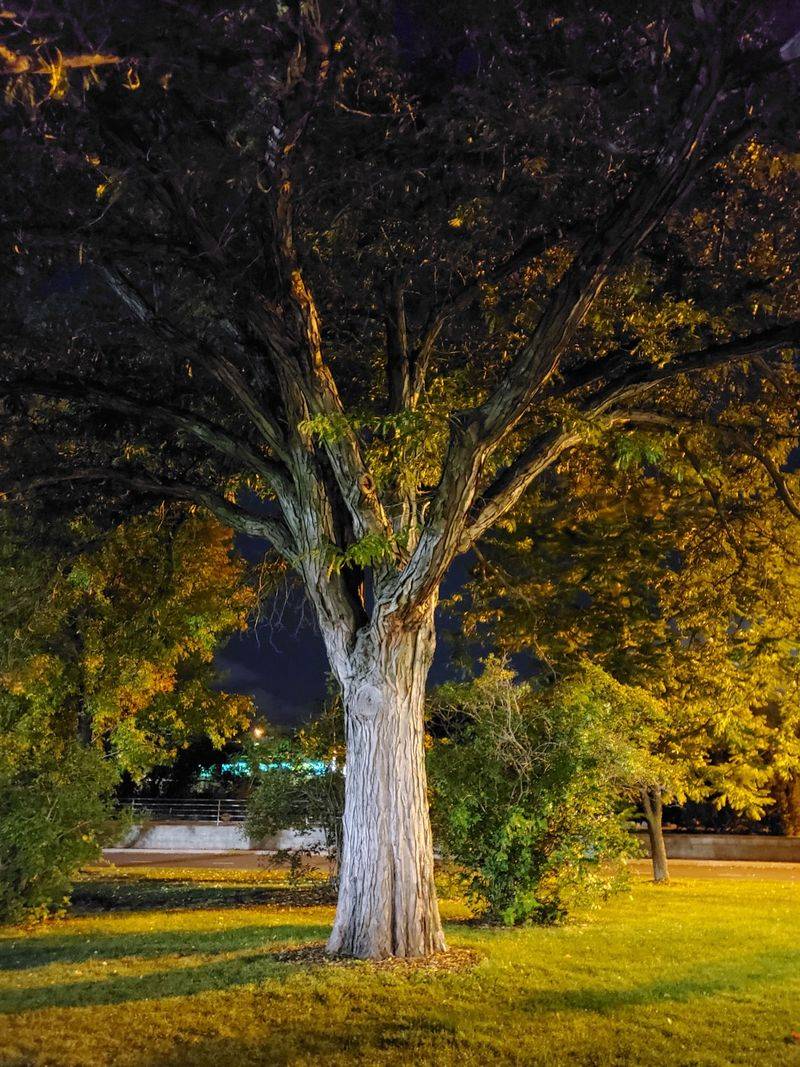
Reno saves some of its best fall color for a park that sits right on the Truckee River. You can trade slot machine sounds for rustling leaves in about ten minutes.
Idlewild Park spreads along the river west of downtown, and its mature trees make the place feel bigger than it is. Wide lawns and paved paths give you room to roam without a long hike.
Late October is a smart time to come. The city’s lower elevation often means leaves here hold on after higher spots have gone bare.
Start with a slow loop on foot. The river paths are flat, so strollers, wobbly bikes, and leaf-kicking kids can tag along easily.
The park is also home to the Reno Municipal Rose Garden. Roses can keep blooming into fall in mild years, which gives you a funny mix of summer petals and autumn leaves.
Bring a camera and look for reflections. Golden trees mirrored in the moving river make a shot that looks far fancier than your phone deserves.
Want a quick plan? Drive in, park, walk the river side, then circle back past the ponds and lawns.
This is the easiest stop on the list, and that is part of its charm. No mountain pass, no long gravel road, just color close to town.
It also works well as a warm-up for bigger trips. Visit here first, then head south toward the Sierra foothills for more drama later in the day.
Pack a jacket even on sunny afternoons. Breezes off the river can feel chilly once the sun drops behind the western hills.
Address: 2055 Idlewild Dr, Reno, NV 89509
7. Pine Creek Trailhead
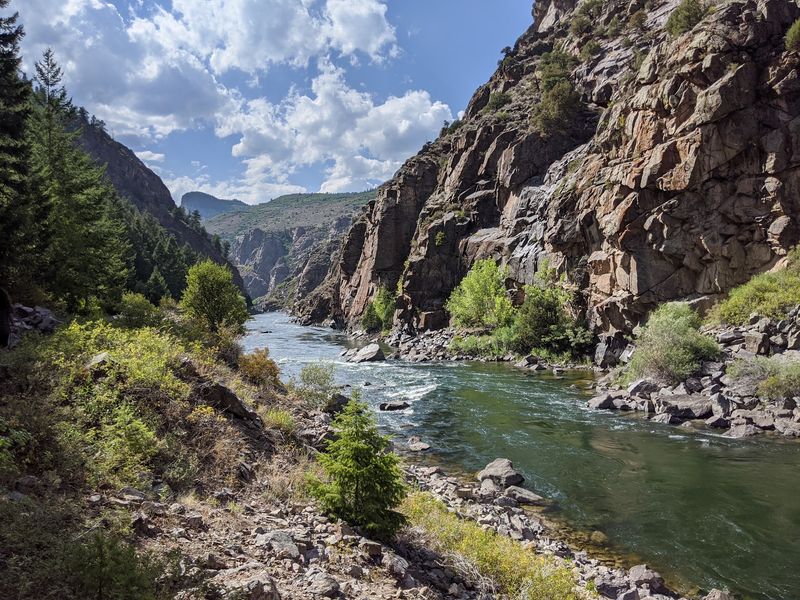
Ponderosa pines growing a short drive from the Las Vegas Strip feel like a magic trick. Pine Creek Canyon pulls it off inside Red Rock Canyon National Conservation Area.
The trailhead sits along the 13-Mile Scenic Drive. That one-way loop already ranks as a top desert road trip, and fall weather makes it much more comfortable.
Here is a handy tip before you go. Timed entry reservations are typically required for the scenic drive from October through May during daytime hours, so book ahead.
Once you park, the trail drops toward Pine Creek. The walk is mostly easy, with sandy spots and some rocky stretches near the canyon.
Watch for the old Wilson homestead foundation along the way. It is a neat reminder that people once tried to make a home in this rugged spot.
Color here is a bit different from northern Nevada. Look for green pines, golden shrubs near the creek, and tall red and tan cliffs glowing overhead.
Mornings tend to be the best time to visit. Cooler air makes hiking easier, and the light paints the rock faces in rich tones.
Bring more water than you think you need. Even in late October, the desert sun can feel strong by midday.
Trail parking fills during busy times, so give yourself flexible plans. If the lot is full, keep rolling around the loop and try again later.
This makes a fitting finale for a Nevada fall color tour. You started near a river in Reno and ended with pines tucked between red rocks, which is quite the plot twist for a desert state.
Address: 13-Mile Scenic Drive, Red Rock Canyon National Conservation Area, Las Vegas, NV 89161