
This Nevada Lake Is Worth A Road Trip For Travelers Fascinated By Forgotten Towns And History
A farm town with an ice cream parlor once sat under more than 60 feet of water. Now its foundations are back in the desert sun, and you can walk right up to them.
The last resident left in June 1938, when the rising water reached his front door. I can’t imagine packing up while a lake crept across the yard.
That story alone sold me on this corner of southern Nevada.
The town isn’t the only piece of the past out here. Ancient villages, old railroad tunnels, and a famous dam all connect to the same giant body of water.
I like how every stop adds another chapter to one long, strange story.
Honestly, how did a whole community end up underwater, and why can you visit it today?
A Ghost Town Rose Back Out Of The Lake, And You Can Visit It
Few parks can say a lost town reappeared inside their borders. Lake Mead National Recreation Area can, and that town is St. Thomas, founded by Mormon pioneers in 1865.
The settlement sat near where the Muddy River and Virgin River met. Water from both rivers flowed on toward the Colorado River, which made farming possible in this dry part of Nevada.
St. Thomas grew into a real community of about 500 people. It had a schoolhouse, farms, a church, several stores, and even an ice cream parlor.
That last detail gets me every time. Somebody was scooping cold treats in the Mojave long before most homes had air conditioning.
The town also became a handy stop on the Arrowhead Trail. That route linked Los Angeles and Salt Lake City, so travelers rolled through on long, dusty journeys.
Today, the ruins sit in the park’s northern reaches, far from the busy marinas. It’s the kind of place where a quiet morning feels like flipping through an old photo album.
Lots of people come to Lake Mead for boats and beaches. History fans, though, have a very different first stop in mind.
The Water Reached One Man’s Front Door Before He Finally Left
Hugh Lord holds a famous title in Nevada history. He was the last resident of St. Thomas, and he left in June 1938 as the water touched his front door.
His exit came after years of warning. In 1928, President Calvin Coolidge signed the law that authorized the dam that would create the lake, and residents learned their homes had to go.
Lake Mead began filling in 1935, and over the next few years the rising water slowly crept into town. At the lake’s highest levels, St. Thomas sat under more than 60 feet of water.
For decades, it stayed out of sight. Then drought and falling lake levels slowly pulled the water back, and the old foundations returned to the sunlight.
Now the National Park Service has a dirt trail through the town site. Interpretive signs along the way explain what once stood there and how people lived.
That visits feel more like reading a story than poking around rubble. You can match a sign to a concrete outline and fill in the rest with your imagination.
Bring water, sturdy shoes, and a little patience for reading. The signs do the storytelling, so slow down and let each stop sink in.
Expect A Bumpy Ride, Because That’s Half The Adventure
Paved roads are overrated anyway. The route into St. Thomas is unpaved and can get bumpy, but most vehicles can handle it.
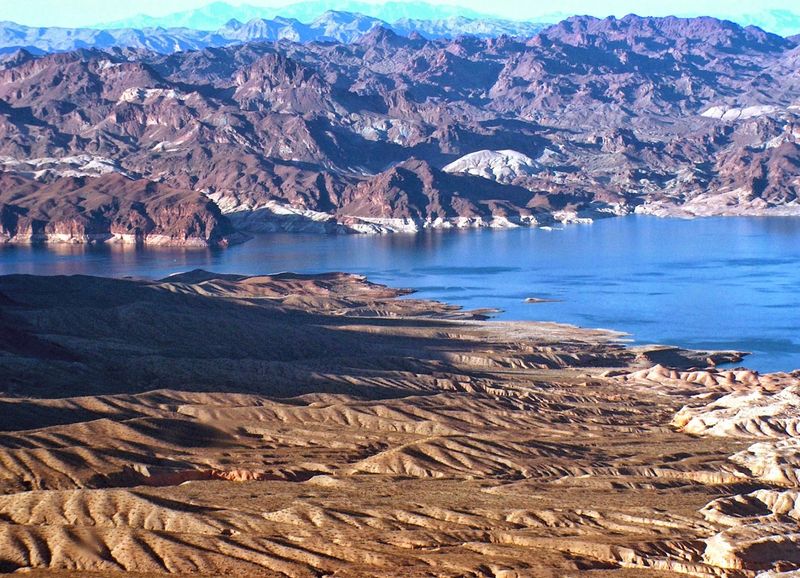
Getting there usually means a scenic drive along Northshore Road. That stretch winds through colorful desert hills, so plan to stop for photos more than once.
Timing matters a lot out here. Southern Nevada summers get seriously hot, and the park closes some strenuous trails from May 15 to September 30 for safety.
Cooler months make the ghost town walk much more pleasant. Early mornings work well in any season, since the heat builds quickly as the day goes on.
Pack more water than you think you need. There aren’t stores on the dirt road, and the desert doesn’t hand out refills.
Wildlife can pop up along the drive too. Bighorn sheep live in parts of the park, so keep your eyes on the ridges and your speed sensible.
Check current conditions with the National Park Service before you head out. Lake levels and access change, and a quick look can save you a long detour.
Then just enjoy the ride. Few road trips end with a town that used to be underwater.
People Built Villages Here More Than 1,000 Years Ago
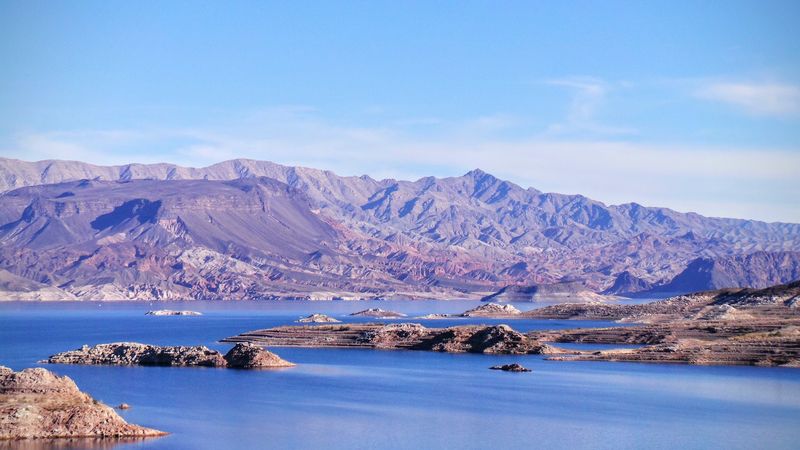
Long before pioneers arrived, Ancestral Puebloan people thrived in the Moapa Valley of southern Nevada. That was more than 1,000 years ago, which makes St. Thomas look brand new.
Their complex of villages is known as Pueblo Grande de Nevada. Most folks just call it the Lost City, which is a pretty great nickname for an archaeology site.
When the lake was coming, archaeologists raced against the clock. Excavations moved quickly to save information before rising water covered many of the sites.
Some sites were lost beneath the lake. Still, many artifacts were rescued, and that work gave us a window into daily life long ago.
Those finds now live at the Lost City Museum of Archaeology in Overton, Nevada. The museum includes a recreation of the settlement, so you can see how homes may have looked.
Overton sits not far from the park’s northern areas. That makes it an easy pairing with a St. Thomas visit on the same history-packed day.
Curious kids may get hooked on history like this. Grown-ups too, if we’re being honest.
Meet The Giant Concrete Wall That Started This Whole Story
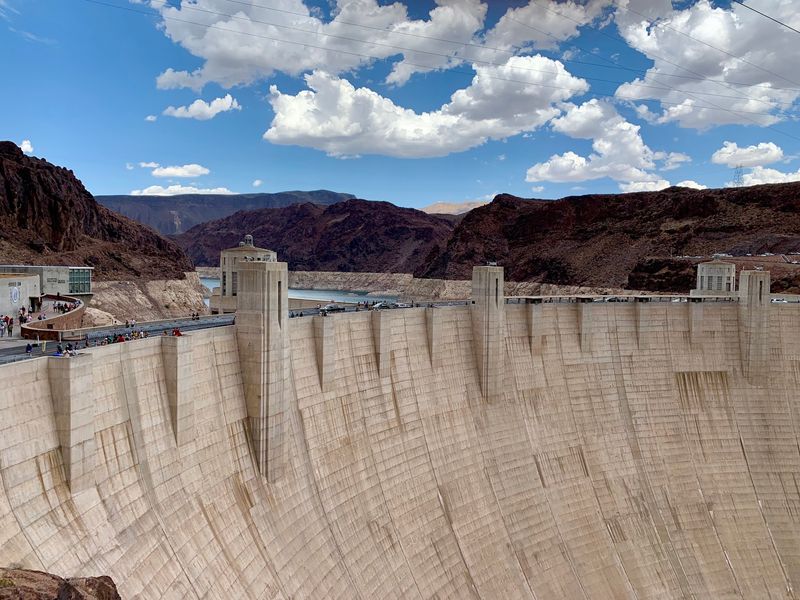
Every chapter here traces back to one massive structure. Hoover Dam rose on the Colorado River between 1931 and 1936, and Lake Mead formed behind it.
The dam had big jobs to do. It was built to control flooding, generate hydroelectric power, and deliver water to Arizona, California, and Nevada.
Its reservoir became the largest in the United States by water capacity. Today the lake helps supply water to nearly 20 million people across those three states.
That’s a lot of glasses of water. It also explains why the lake’s rise and fall makes headlines.
Without the dam, St. Thomas might have stayed a quiet farm town on the map. With it, the town vanished beneath a brand-new lake for decades.
Seeing the dam helps the whole history click into place. You get the scale of the project and the scale of what changed because of it.
Lake Mead National Recreation Area sits right next door, so the two make a natural pair. Plan for both on the same trip, and give yourself time to stare.
Honestly, staring is the correct response. That much concrete deserves it.
Walk Through Railroad Tunnels That Helped Build A Dam
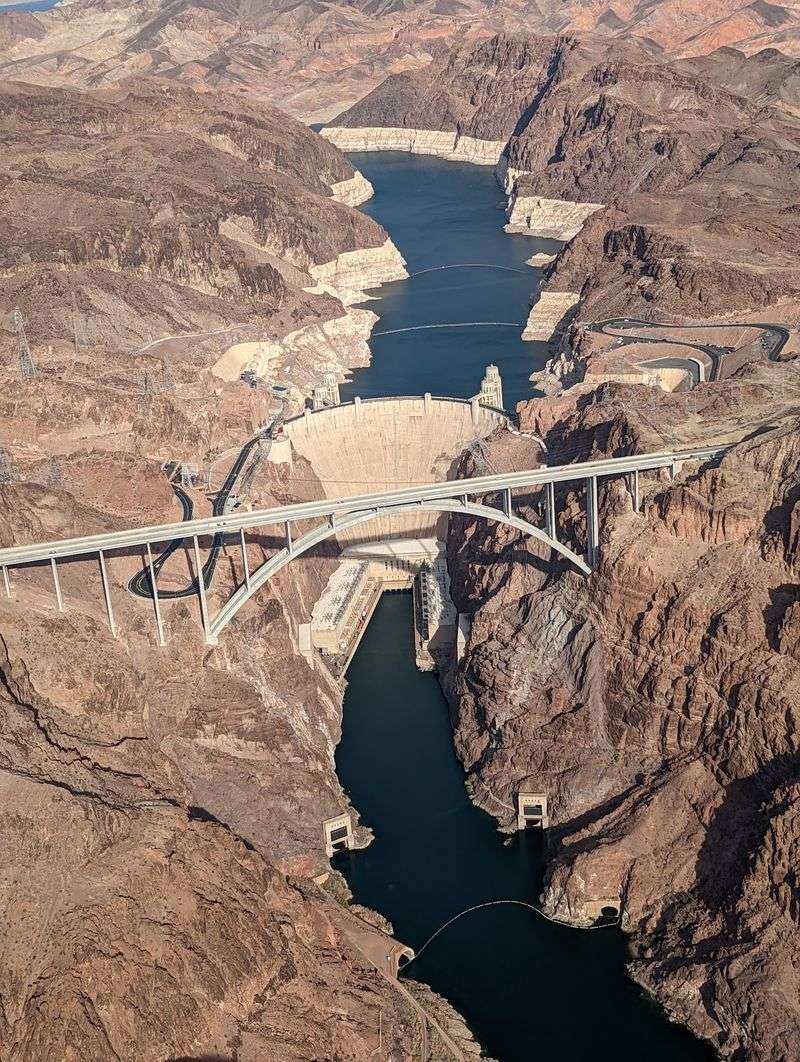
Trains once rumbled where hikers now stroll. The Historic Railroad Trail follows old railroad track that connected Las Vegas to Boulder City and eventually Hoover Dam.
That railroad line played a part in the dam story. Today, the route has become one of the park’s best-known hikes, with history built right into the path.
The big draw is the tunnels. The trail passes through several of them, and walking through those dark openings feels like a time machine with better ventilation.
Between tunnels, you get scenic views of Lake Mead. The water and desert hills make a handsome backdrop for photos, especially when the light is soft.
The path follows an old rail grade, so it suits plenty of hikers. Still, desert heat is no joke, and shade can be scarce outside the tunnels.
Start early during warmer months and carry plenty of water. Sun protection matters too, since the desert sun doesn’t take breaks.
History lovers get a bonus here. You’re not just looking at the past from behind a rope, you’re walking right on top of it.
Few trails let you say that. Fewer still come with tunnels.
Grab Your Bearings At The Visitor Center Before You Roam
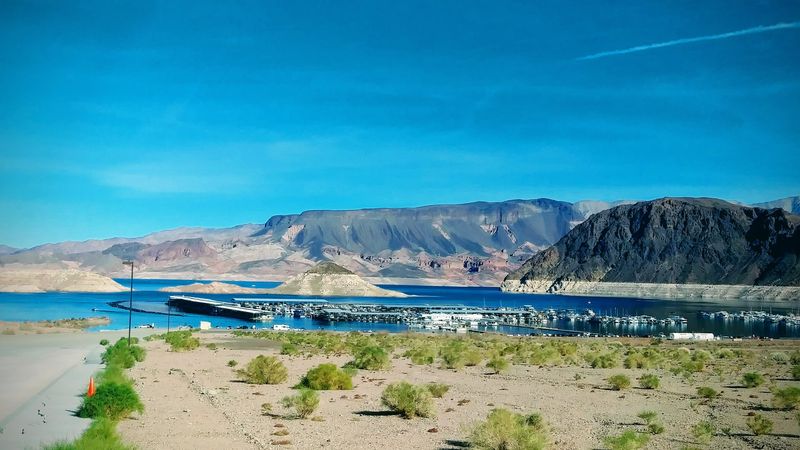
Smart road trippers stop for maps before they get lost. The Lake Mead Visitor Center sits at 10 Lakeshore Rd, Boulder City, NV 89005, and it’s a great first stop.
Inside, you’ll find maps, brochures, exhibits, and a park film. Rangers and volunteers are there to help you plan, which beats guessing on a dirt road later.
The center opens daily from 9:00 AM to 4:30 PM. It closes on Thanksgiving, Christmas Day, and New Year’s Day, so plan holiday trips accordingly.
Ask about current conditions while you’re there. Water levels shift, and ramp access or shoreline spots can change from one season to the next.
A park store run by Western National Parks Association offers books, Native American arts, jewelry, and other items. History buffs may want extra room in the car for books.
Traveling with kids? The Junior Ranger program gives younger visitors a fun way to learn about the area.
The park itself stays open 24 hours a day, all year. That means sunrise drives and starry evenings are always on the table.
Start here, ask questions, and leave with a plan. Your future self will thank you.
Old Mining Sites Dot The Desert, So Admire From A Distance
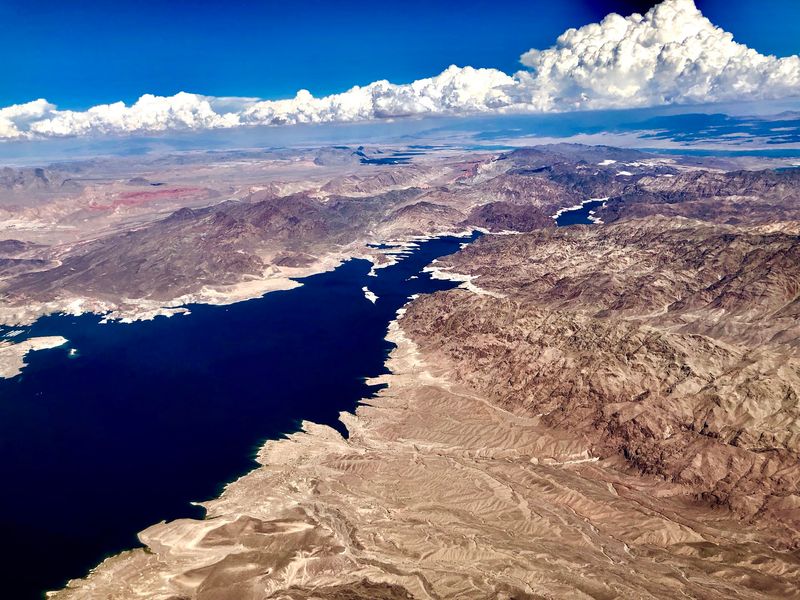
Nearly 1,000 abandoned mine sites have been identified around the park. That number might surprise anyone who thinks of Lake Mead only as a place for boats.
Mining here goes way back. Early Native Americans mined salt in the region, long before anyone came looking for shiny metals.
Later, prospectors arrived in the late 1800s and early 1900s. They hunted for gold and silver across these rugged canyons and hills.
One standout is the historic Homestake Mine near Laughlin. It’s listed on the National Register of Historic Places, which gives it serious history credentials.
Safety comes first with these old sites. The National Park Service strongly advises visitors to stay out of abandoned mines because they can be unstable.
Old shafts and tunnels can hide loose rock and sudden drops. Admire them from a distance and keep pets and kids close.
These sites add one more layer to the area’s story. Farmers, ancient villagers, dam builders, and miners all left their mark on the same desert.
That’s quite a guest list for one patch of Nevada. Each group shaped the land you’ll drive through.
Save Time For The Lake That Swallowed A Town
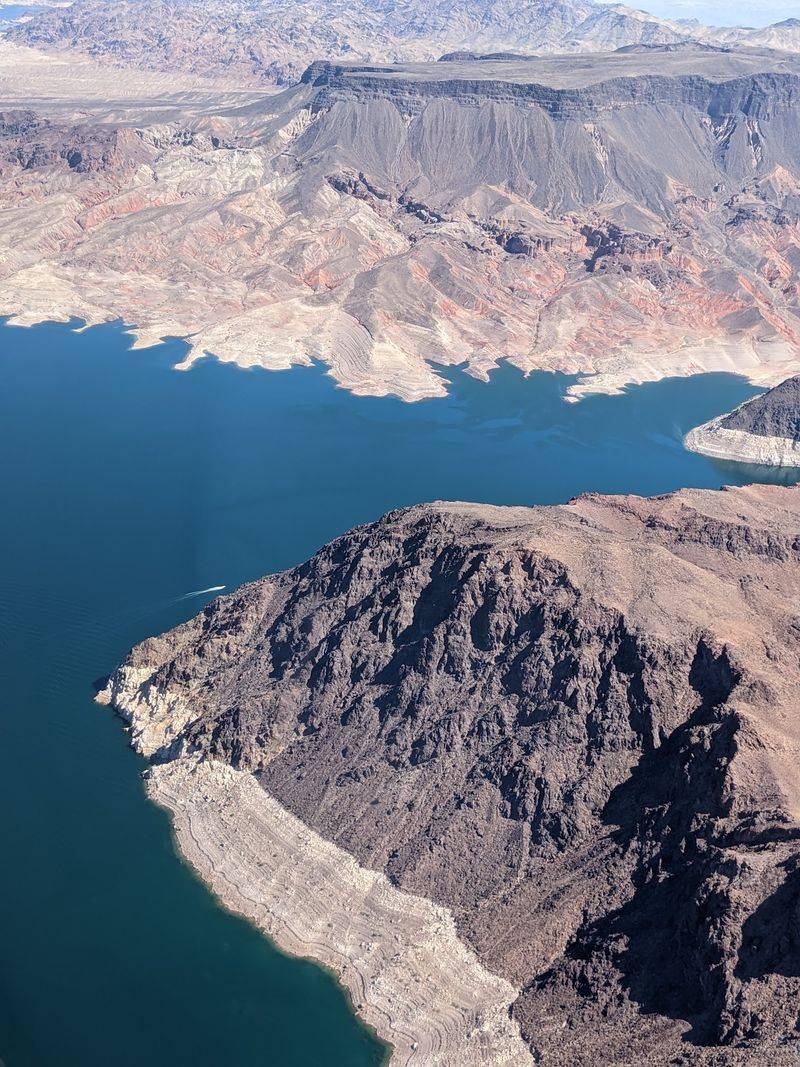
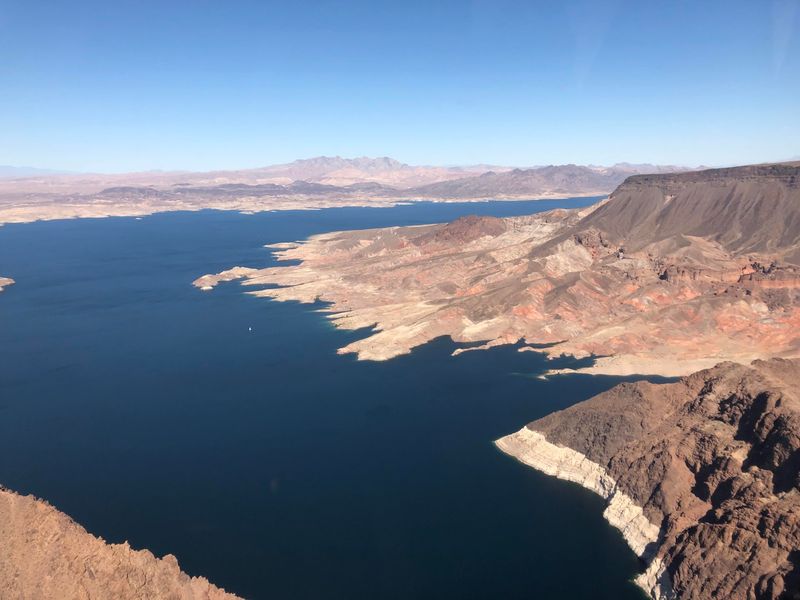
After all that history, the water itself deserves some attention. Lake Mead and Lake Mohave both sit inside the park, which covers 1.5 million acres.
It was America’s first national recreation area, and it’s still the largest. That’s a lot of room for boating, fishing, kayaking, swimming, and scuba diving.
Anglers chase striped bass, rainbow trout, catfish, and sunfish here. Marinas and boat ramps make it easier to get on the water.
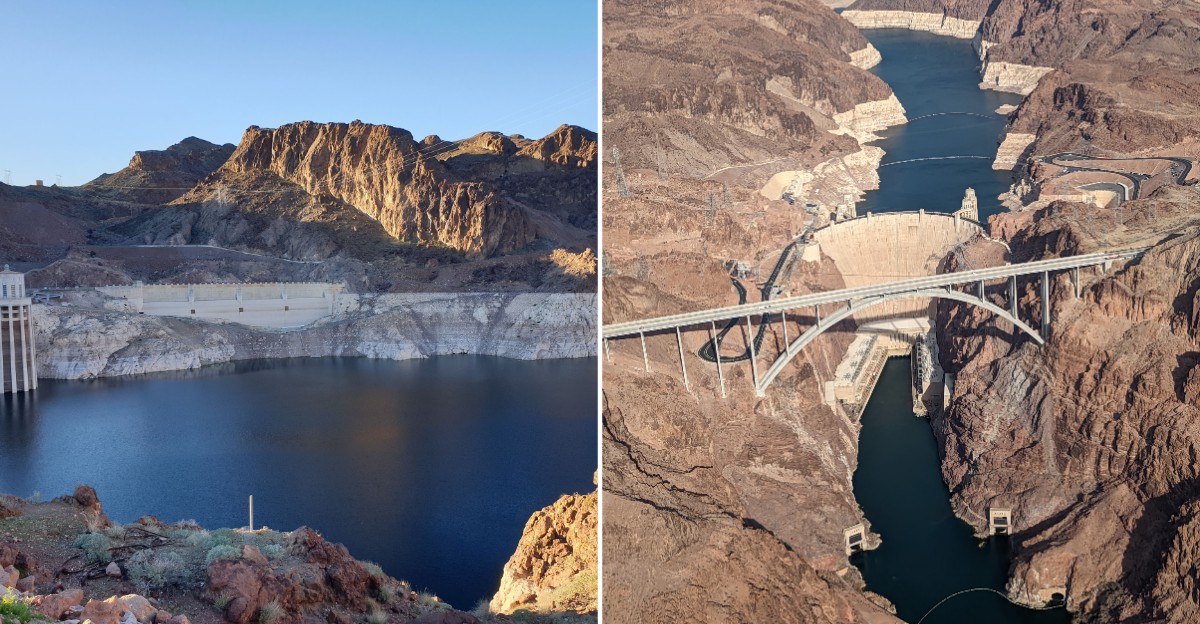
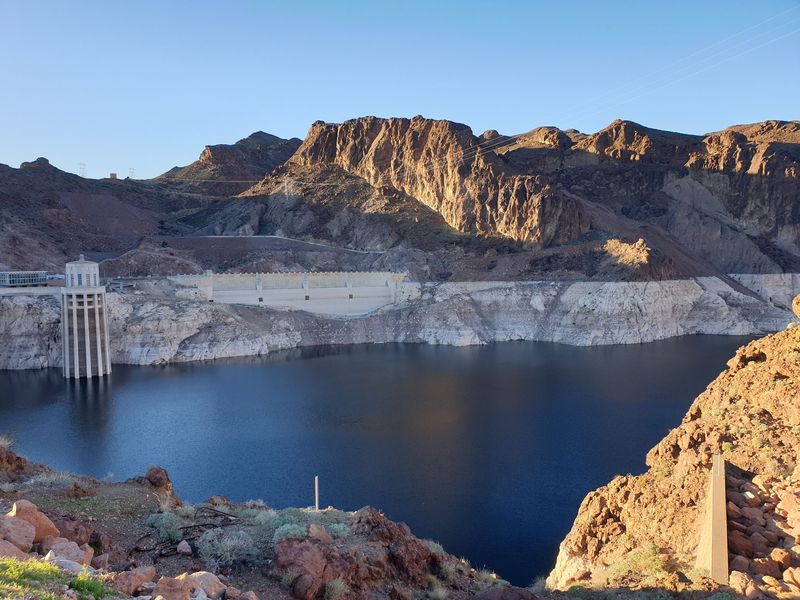
Low lake levels have changed the shoreline in recent years. A pale ring on the cliffs shows how high the water once reached.
That ring is history too, in its own way. It’s the same story of rising and falling water that hid St. Thomas and then revealed it.
Want to stay overnight? Campgrounds managed by the park offer restrooms, running water, grills, and picnic tables, plus there are RV villages and lodging options.
Picnic areas are spread throughout the park as well. Many come with tables, water, fire grills, and restrooms for an easy lunch stop.
Lake Mead National Recreation Area rewards curious travelers. Come for the forgotten town, and you might leave planning a second trip around this huge desert playground.