
9 Massachusetts Towns Where Vacation Homes Are Taking Over The Housing Market
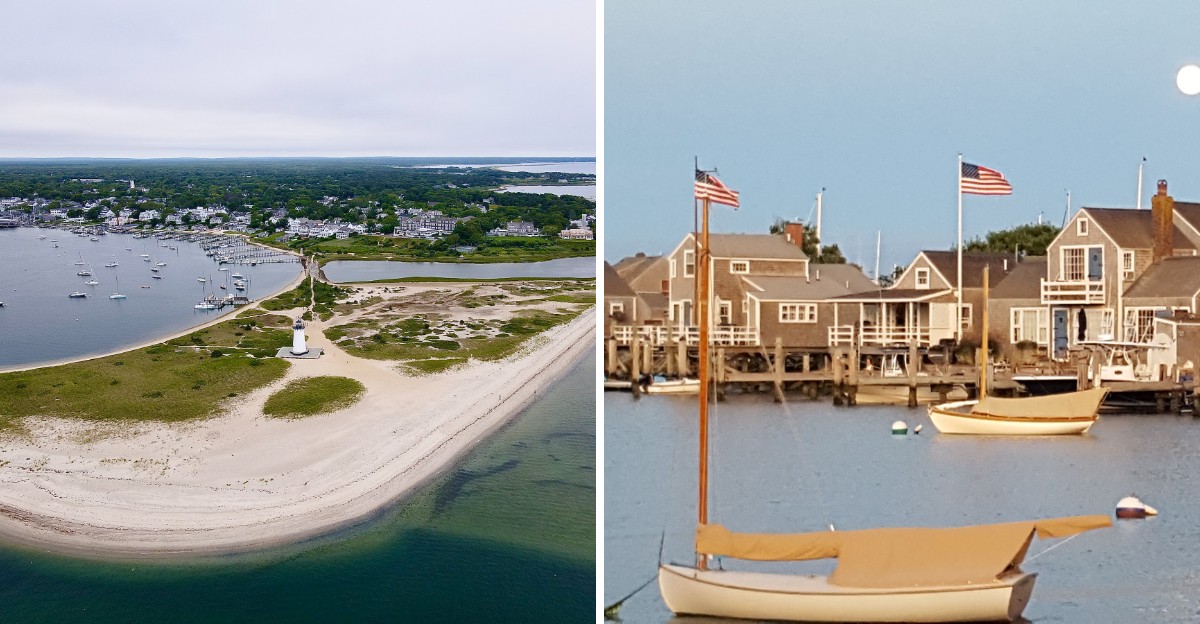
In one Cape Cod town, roughly 68 percent of the homes are set aside for seasonal or occasional use. That means most front doors sit locked for a big chunk of the year.
The summer swing is even wilder. A town of about 3,300 year-round people can balloon to somewhere between 30,000 and 40,000 when the beach weather hits.
I find that flip fascinating, and a little dizzying. Massachusetts has towns where the vacation crowd basically owns the map, from sandy Cape tips to quiet Berkshire hills.
So who actually lives in these places when the tourists pack up? And what happens to a town when its houses spend more time as getaways than as homes?
The answers get pretty interesting, and the price tags are something else.
1. Truro

Under 3,000 people call Truro home all year. Then summer shows up, and that number can jump to somewhere between 15,000 and 20,000.
That’s not a typo. The town basically multiplies like a sourdough starter left on a sunny counter.
So where do all those people stay? According to the Cape Cod Commission’s April 2026 housing profile, approximately 68 percent of Truro’s housing is used seasonally.
In plain English, most of the houses are getaway spots. That puts Truro among the highest second-home rates on Cape Cod.
Location explains a lot of the appeal. Truro sits in Barnstable County, about two hours from Boston, which makes it an easy weekend escape for city folks.
Close enough to drive, far enough to feel like a different planet. That’s a powerful combo for buyers chasing summer.
Here’s the catch for people who want to live here full time. When most homes serve as vacation places, fewer are left for teachers, shop workers, and young families.
The quiet off-season can feel peaceful, but it also shows how many windows stay dark. Ask yourself whether you’d love that calm or miss the neighbors.
If you’re house hunting, think hard about your timing. Summer showings can feel crowded and competitive, while winter visits reveal the town’s real year-round rhythm.
Talk with the town offices about local rules before you buy. Knowing the regulations early can save you from a surprise later.
Truro proves a small town can host a big crowd. Just don’t expect the crowd to stick around for the snow.
2. Wellfleet
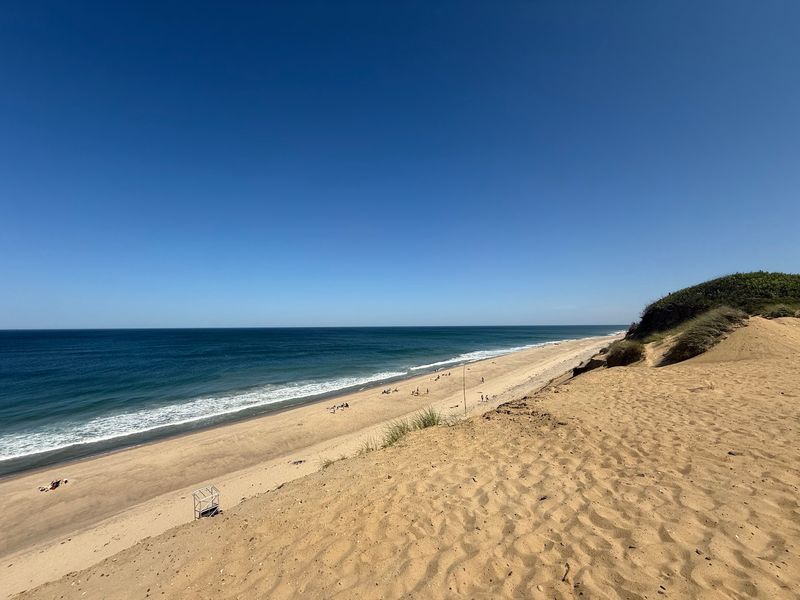
Oysters made Wellfleet famous, but houses might be the hotter topic lately. The town’s name is practically a menu item now.
About 61 percent of Wellfleet’s land sits inside the Cape Cod National Seashore. That leaves a limited amount of space for homes, which keeps demand high.
The population tells the story fast. Around 3,500 people live here year-round, and summer pushes that to an estimated 17,000.
Visitors come for the beaches, ponds, art galleries, shops, and restaurants. Plenty of them fall hard and start browsing listings before the trip even ends.
The market here isn’t a total frenzy, though. Redfin gives Wellfleet a Compete Score of 54 out of 100, which counts as somewhat competitive.
Homes typically sell in a median of 78 days. That gives buyers a little breathing room compared to some pricier Cape towns.
Thinking about renting your place out? Rental income here leans heavily on summer, with August as the big money month for short-term listings.
Three-bedroom homes tend to earn the most as rentals. So if you’re shopping with rentals in mind, that size could be your sweet spot.
Be realistic about the off-season, too. A house that’s packed in August may sit quiet through the cold months, and your budget should plan for that.
Wellfleet mixes wild seashore with real estate math. Few places make a spreadsheet feel this salty.
3. Eastham
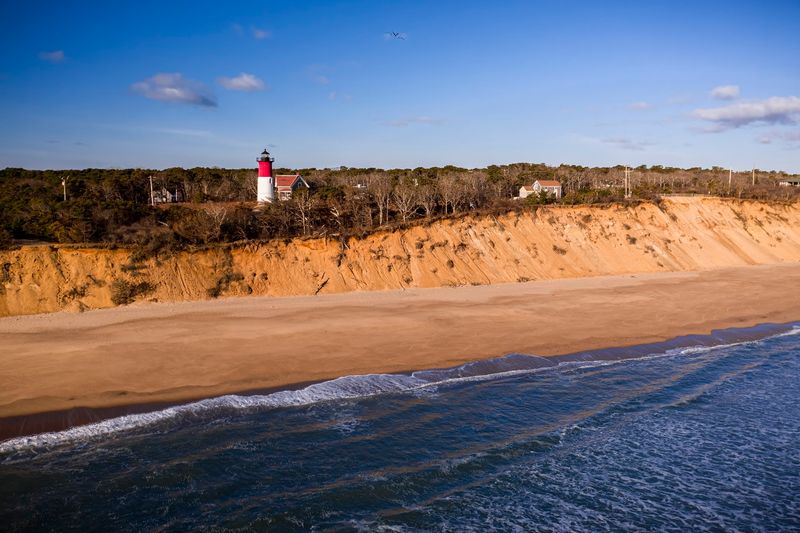
A windmill is Eastham’s star attraction, yet the real spinning happens in its housing market. The Eastham Windmill draws visitors, and so do the beaches nearby.
Eastham calls itself the Gateway to the National Seashore. That title fits, since plenty of travelers pass through on their way to the outer Cape.
Many of them never really leave. More than half the homes in Eastham are seasonal, compared with about 33 percent across the Cape Cod region.
That gap is a big deal. It means Eastham leans far more toward vacation living than its neighbors on average.
Year-round renters feel that squeeze most. Long-term rental housing here is very limited, so finding a steady lease can take patience and luck.
Got a plan to buy? Prices have hovered in the mid-800-thousands lately, with a June 2026 median sale price of $872,500.
Short-term rentals are a busy scene here. Eastham had 488 active short-term listings as of September 2026, with occupancy averaging around 62 percent.
That occupancy number is pretty solid for a seasonal town. It suggests guests keep booking well beyond a quick summer rush.
If you’re a buyer, compare Eastham with pricier towns farther out. You may get Cape charm and seashore access with a slightly gentler price tag.
Just remember the competition comes from vacation buyers too. Move quickly when the right house pops up.
4. Provincetown
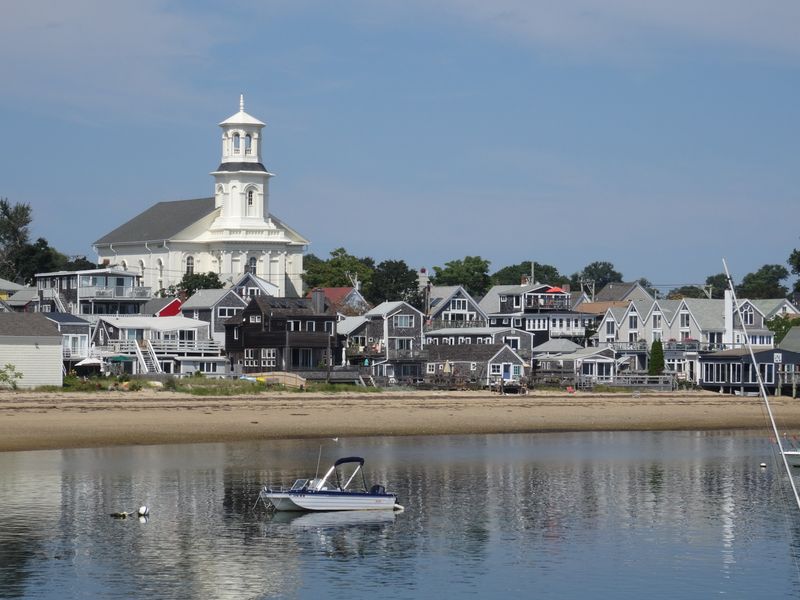
Provincetown has a high-priced housing market, with its median home sale price reaching $1,152,500 in 2025. For a town at the very tip of Cape Cod, that’s a lot of zeros.
The summer crowd explains plenty. About 3,300 people live here year-round, but summer can bring between 30,000 and 40,000.
Artists, LGBTQ+ travelers, and beach lovers flock to the historic downtown and galleries. The National Seashore views don’t hurt either.
Housing here is mostly about vacations. Seasonal housing accounts for a substantial share of Provincetown’s homes, with a town housing study reporting that 56 percent were used seasonally.
Prices have climbed like a kid racing up a dune. The median listing price rose 161 percent from August 2016 to August 2026.
In August 2026, the median sale price hit $1,300,000. That was a 31 percent jump from the year before.
Why are buyers so eager? Short-term rentals can generate substantial income in Provincetown, although earnings and mortgage expenses vary widely between properties.
Homes with a strong rental history often sell for more, too. Buyers see that track record as a built-in bonus.
The flip side hits locals hard. With a small year-round housing supply, workers who keep the town humming can struggle to find a place.
If you’re shopping here, ask for a home’s rental records. They can tell you more than a pretty porch ever will.
5. Chatham
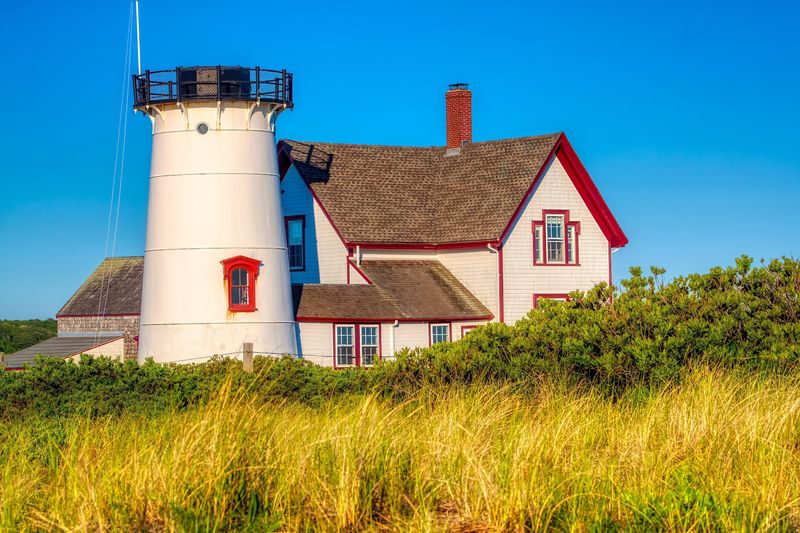
A $3,000,000 median listing price in September 2026? Chatham doesn’t do subtle.
Sitting on the elbow of Cape Cod, this coastal town has some serious real estate muscle. It ranks third in median sale price among Cape Cod communities.
Vacation homes are a major piece of the puzzle. Somewhere between 55 and 60 percent of Chatham’s housing is classified for seasonal, recreational, or occasional use.
That’s one of the highest shares on the Cape. Many owners show up for summer, then head back to their main homes when fall arrives.
The short-term rental scene is busy. Chatham had 568 active listings as of September 2026, with an average daily rate of $618.
Occupancy averages about 57 percent. So guests pay premium prices, but rentals don’t stay full year-round.
Here’s the twist worth watching. The median sale price in August 2026 was $1,300,000, far below that eye-popping listing figure.
Listings and sales can tell different stories. Pricey homes may sit on the market, while more modest ones actually close.
If you’re shopping, look at recent sales instead of asking prices alone. That gives you a clearer picture of what buyers really pay in Massachusetts’ fanciest corners.
Summer rental demand here gets intense, too. Owners who plan ahead usually book their best weeks early.
Chatham shows how charm and cash often travel together. Bring patience and a very good calculator.
6. Nantucket
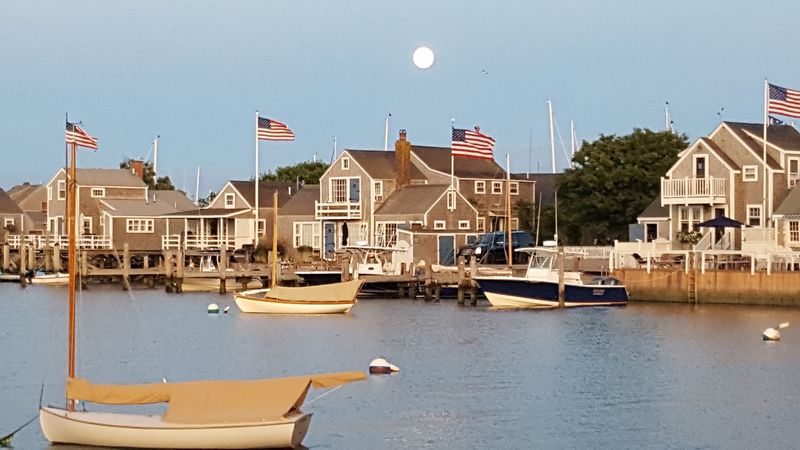
A median home price of $3.5 million makes Nantucket the priciest market in Massachusetts. The average climbs even higher, to around $4.8 million.
Let that sink in for a second. On this island, a modest cottage can cost more than a mansion in many other towns.
Limited land plays a huge role. Strict zoning and building rules keep new construction in check, which helps protect property values.
Those rules also keep the island looking historic and charming. But they make it tough to add homes for the people who live here year-round.
Here’s a jaw-dropper. According to the 2023 American Community Survey, 60 percent of Nantucket’s housing stock was vacant, largely tied to seasonal use.
Although Nantucket’s seasonal housing stock has declined since 2020, the island still faces a serious shortage of year-round rental housing. For many local households, owning a home here feels out of reach.
Investors aren’t slowing down, though. The average sale price for speculative homes rose from $6.25 million in 2024 to $6.5 million in 2025.
There’s a wrinkle for rental hopefuls. Weekly vacation rental rates have stopped climbing, while property values and service costs keep rising.
So if you’re dreaming of buying and renting it out, run the numbers carefully. Rental income may not grow as fast as your bills.
Nantucket stays gorgeous, exclusive, and wildly expensive. Think of it as a postcard with a very large price tag.
7. Edgartown
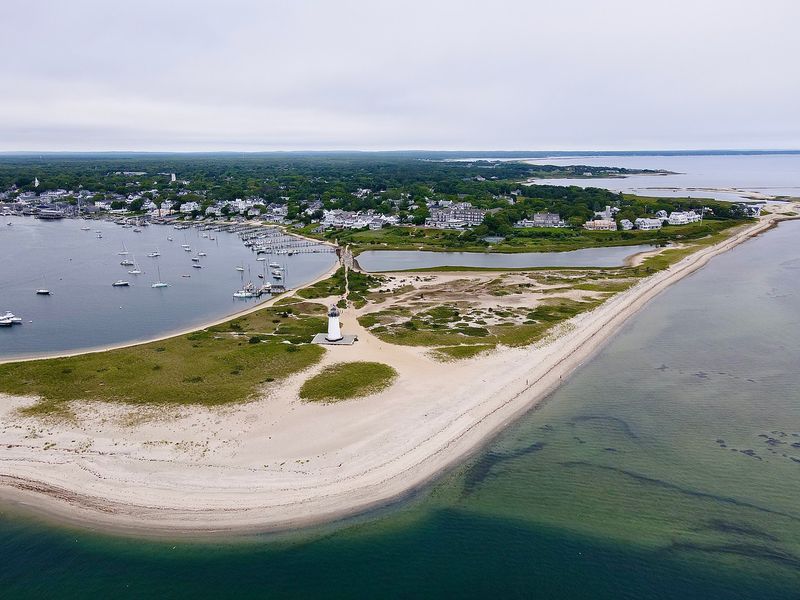
Edgartown is the oldest settlement on Martha’s Vineyard. Its short-term rentals are anything but old-fashioned.
The town feels like a classic New England seaport. Historic houses, a whaling past, and summer yachting events give it plenty of polish.
Vacation demand has pushed prices way up. Average home values sit near $3.98 million, and the September 2026 median listing price was $3,100,000.
Rentals bring in big money, at least in summer. Average annual short-term rental revenue lands around $105,100.
Seasonality here is extreme. August averages over $43,172 in monthly rental revenue, while February brings in about $1,318.
That’s quite a drop. Your August guests are sipping lemonade on the porch, and February’s porch belongs to the seagulls.
Something interesting happened recently. Active short-term rental supply fell 32.8 percent from September 2025 to September 2026, yet revenue jumped 103.3 percent.
Fewer listings, more money per listing. That can mean less competition for the owners who stuck around.
Thinking about buying a rental here? Plan your budget around a short, powerful summer and a long, quiet winter.
Nightly rates run well above the Massachusetts average, so smart pricing matters. Owners who nail the peak weeks tend to come out ahead.
Edgartown blends history with high-dollar real estate. Old captains’ homes now carry modern-sized price tags.
8. Otis
Short-term rental supply in Otis grew a staggering 1,417.2 percent in a single year. That’s from September 2025 to September 2026, and it’s not a misprint.
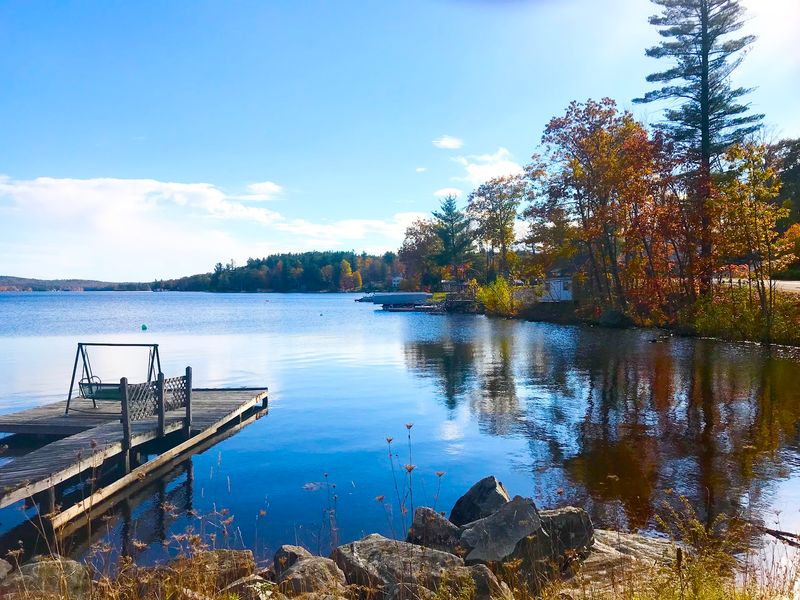
Out in Berkshire County, Otis feels far from the beach crowds. It offers rural charm and lakefront access instead of ocean waves.
Fun history bit: the town was settled along the Old Knox Trail. Today, the trail of visitors heads straight for the lakes.
By September 2026, Otis had 440 active short-term rental listings. Data sources differ a bit, but the growth story stands out either way.
Guests pay solid nightly rates, with an average daily rate around $368. Occupancy averages about 47 percent.
Seasonality runs strong here too. Summer lake days fill calendars, while colder months can slow things down.
Home prices sit lower than the Cape’s big names. The September 2026 median listing price was $660,000, though the median sale price reached $840,350.
That makes Otis appealing for buyers priced out of coastal towns. Your money may stretch further, and the water views still come included.
If you’re buying here, watch the competition closely. A flood of new rentals can mean more choices for guests and tougher pricing for owners.
Western Massachusetts doesn’t always grab headlines like Nantucket. Otis is quietly changing that, one lake house at a time.
9. Stockbridge
Norman Rockwell made Stockbridge’s Main Street famous. Now that postcard-perfect street is helping make its housing market sizzle.
Tucked in southern Berkshire County, the town has been a cultural and artistic hub since the 1700s. The Norman Rockwell Museum keeps that creative spirit front and center.
Buyers have noticed. The September 2026 median listing price hit $1,100,000, up 25.31 percent from the year before.
Stockbridge counts as a seller’s market and a hot market. Average home values sit around $1,260,454.
Short-term rentals are booming fast. As of April 2026, the town had 36 active Airbnb listings, a 218 percent jump from the previous year.
Average occupancy is about 27 percent, which sounds low. Still, average annual rental revenue lands around $54,250.
Size matters a lot here. Larger vacation homes command premium nightly rates, and occupancy climbs significantly as properties get bigger.
So if you’re shopping for a rental, an extra bedroom might pay off. Big groups visiting the Berkshires love room to spread out.
Selling? This could be a great moment. Hot markets reward owners who price smartly and show off their homes well.
Stockbridge proves the vacation-home wave isn’t just a beach thing in Massachusetts. Sometimes it rolls right down a picture-perfect Main Street.