
The Wyoming Ghost Town Rebuilt Log By Log Where The Old West Still Stands Tall
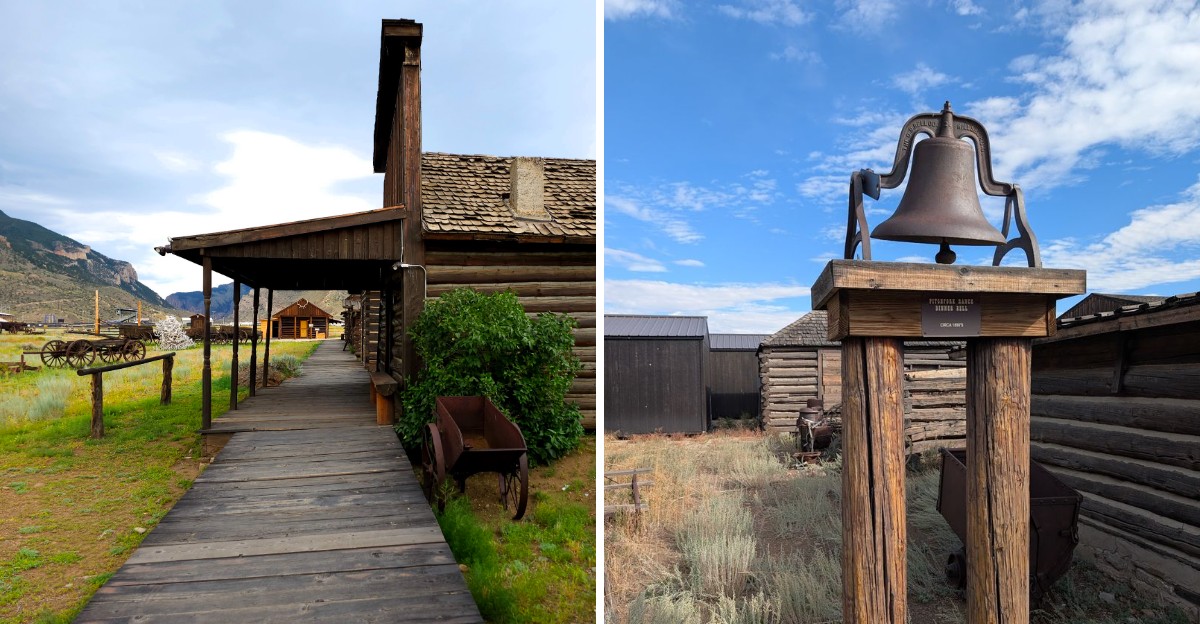
Log by log, an entire frontier main street came back from the brink. No replicas, no movie props, just the real thing.
Weathered cabins line a dusty lane, and old boardwalks creak beneath your boots. Wagon wheels lean against rough log walls like forgotten treasure.
Out here, the Old West still stands tall.
Each building once fought the wind alone on remote Wyoming ranches and lonely outposts. A stubborn history lover hauled them together into a ghost town you can actually explore.
Peek into the old general stores. Linger inside the blacksmith shops, where iron and grit still rule the room.
Then wander toward a quiet corner with a surprising Hollywood twist.
Summer road trips across Wyoming deserve at least one detour back in time. Consider this one yours.
A Frontier Village Rebuilt Log By Log
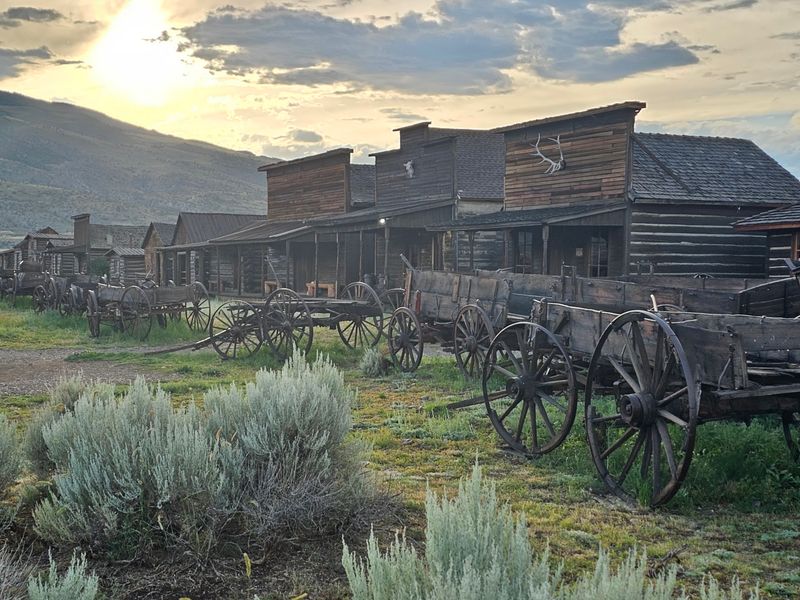
Old Trail Town in Cody, Wyoming, looks like a ghost town frozen in the 1890s. Every cabin, store, and shop here once stood somewhere else.
Crews took many of these buildings apart piece by piece. Then they moved them across the region and raised them again on new ground.
The result feels like a real frontier street. Weathered log buildings line two boardwalks along a dusty main road.
Why does that matter so much? These are not replicas built for show.
The buildings date from 1879 to 1901, and many came from remote ranches and tiny settlements in Wyoming and Montana. Without this rescue, wind and snow would have flattened most of them long ago.
That gives every doorway a real past. You step into rooms where frontier families truly worked and lived.
Plan to slow down and read the signs outside each building. They turn a pretty stroll into a vivid history lesson.
The Man Who Saved The Old West
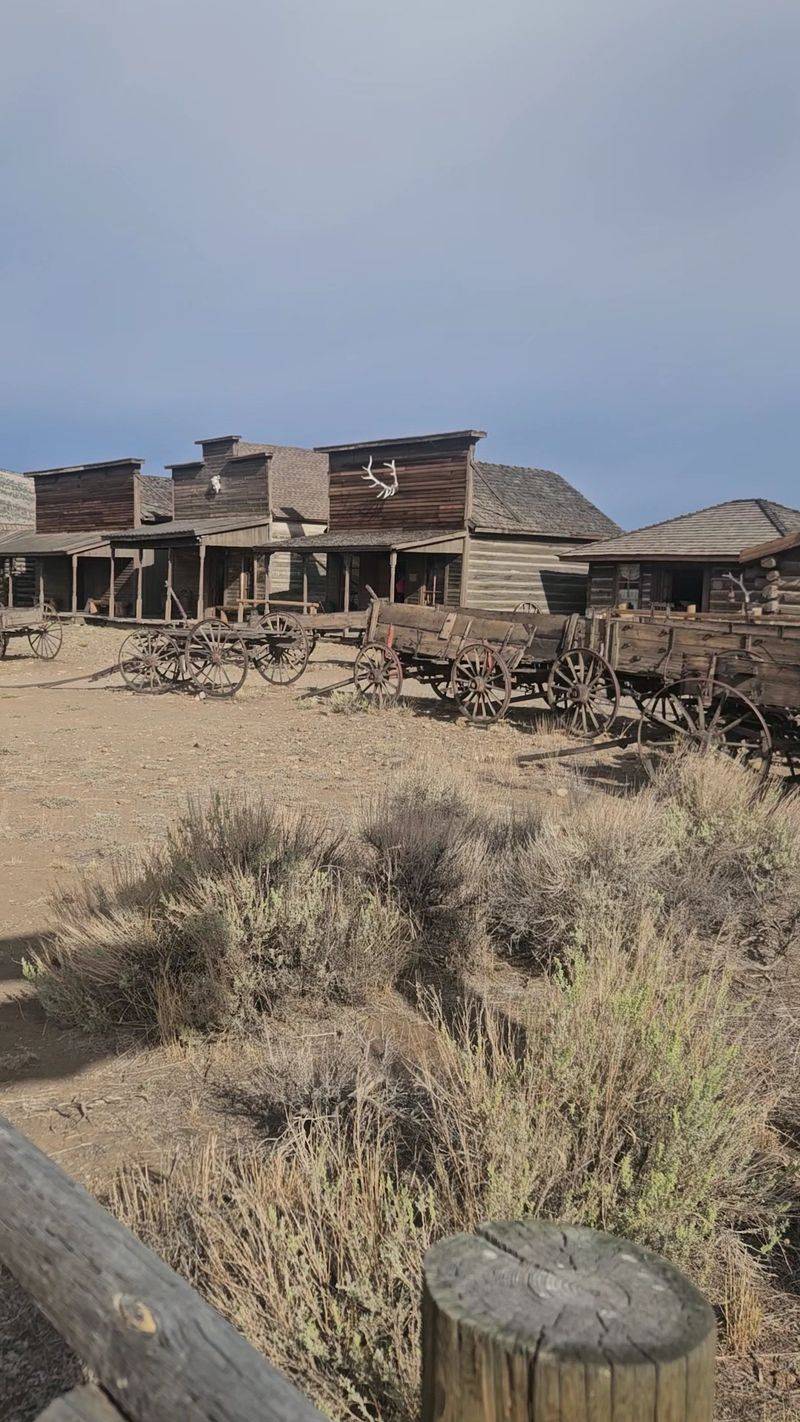
Bob Edgar grew up in the Big Horn Basin and loved history and archaeology from a young age. In 1967, he began collecting old buildings and relics.
He watched frontier cabins vanish across the region. Decay, weather, and neglect were erasing the story of early Wyoming.
So he did something bold. He and his friends searched remote corners of Wyoming and Montana for structures worth saving.
What would you do with a crumbling cabin on a lonely ranch? Edgar saw a chapter of history waiting for a second life.
His project grew into the largest collection of its kind in the state. Today it runs as a nonprofit educational museum.
Edgar passed away in 2012, but his vision still shapes the grounds. Family members and loyal supporters keep the work going.
Knowing his story first makes the visit richer. You see the whole town as a lifelong labor of love.
Standing Where A Legendary Town Began
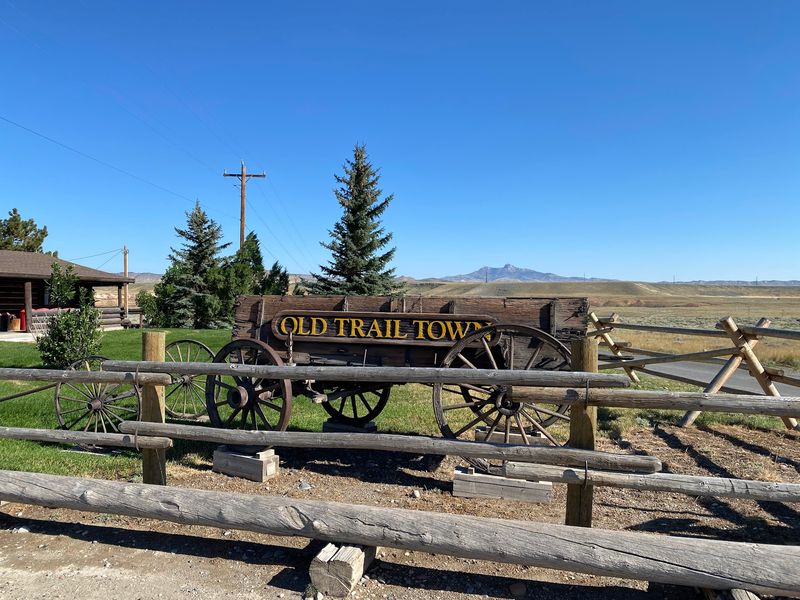
The location carries its own big story. In 1895, Buffalo Bill Cody and his associates chose this area for the first townsite of Cody City.
The settlement soon shifted east to where downtown Cody stands today. Old wagon ruts were among the few traces left of that first town.
That history gives the ground real weight under your boots. You stand where a famous Western town almost began.
One cabin here even ties straight to that growth. It was the 1897 home of Frank Houx, the first mayor of Cody.
Houx later served as Wyoming Secretary of State and acting governor. His modest log home shows how humble early leadership looked.
Does that change how you picture the Old West? Power and comfort often looked very plain.
Take a moment near the edges of the grounds. Picture tents, wagons, and big plans rising from the sagebrush.
Storefronts That Fed A Frontier
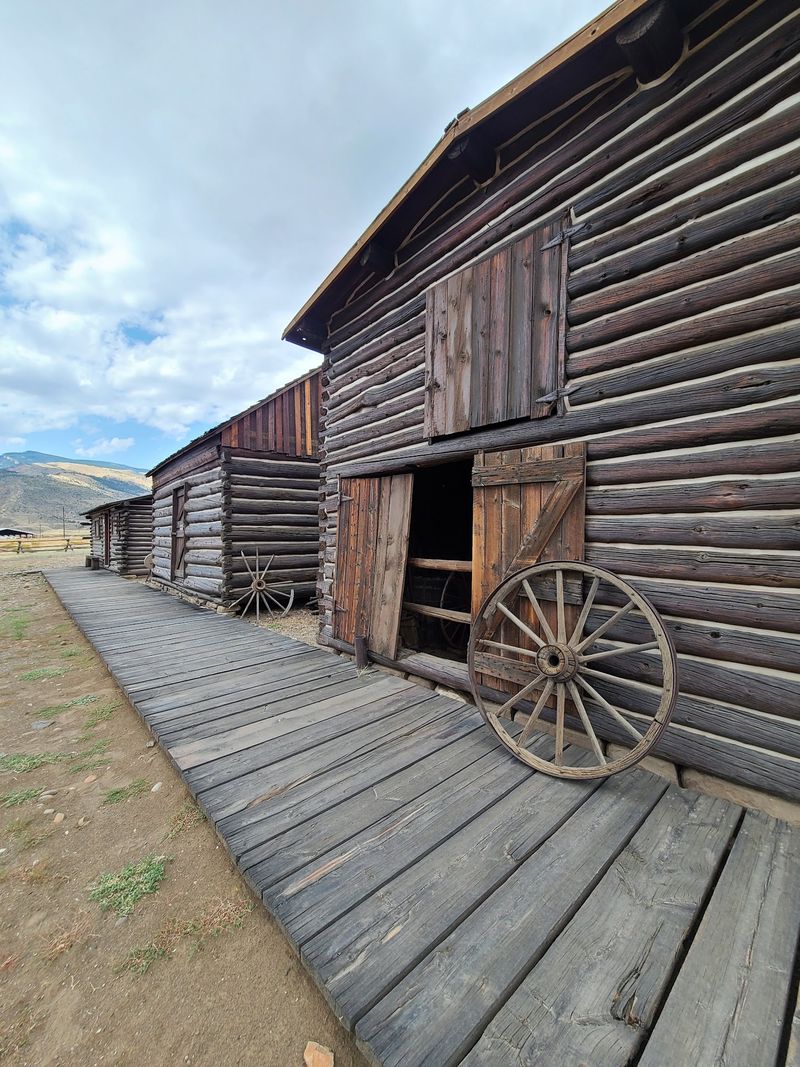
General stores were the heartbeat of frontier settlements. Old Trail Town keeps several of them standing.
The Burlington Store dates to 1897 and once served ranch families near the Greybull River. The Shell Store, built in 1892, was the first store in the town of Shell.
Step inside and the displays tell the story. Old goods and household items show what pioneers needed after long wagon rides.
How far would you travel for flour and coffee? Many settlers made trips that lasted days.
These stores also worked as meeting spots. Neighbors swapped news, traded goods, and caught up on ranch life.
The weathered wood and creaky floors feel wonderfully real. Bring your camera for the storefront windows and rugged log walls.
Notice the small details, like hand cut logs and simple counters. These buildings show a practical side of the West, where daily life depended on humble counters far more than on legends.
Blacksmith Shops Full Of Grit
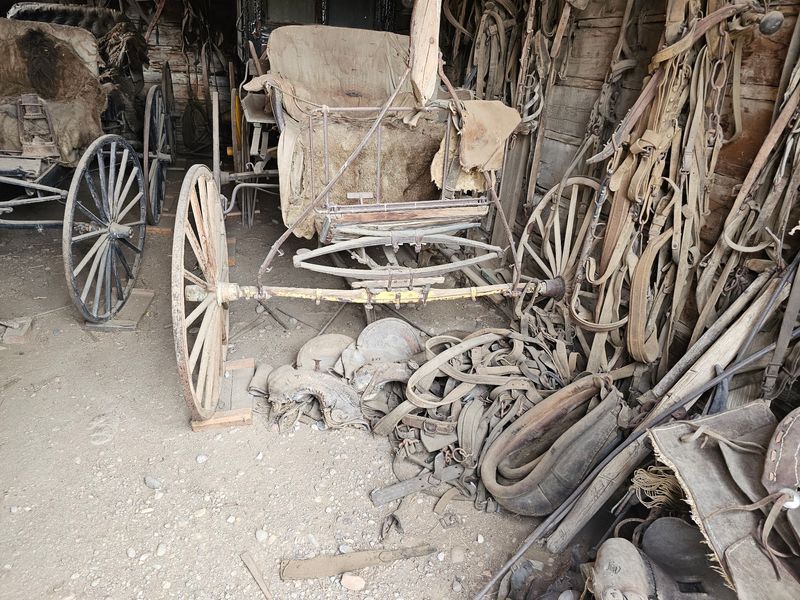
Few buildings capture frontier work like a blacksmith shop. Old Trail Town has two of them, both from the Meeteetse area.
One came from Meeteetse itself, and another came from Sunshine Basin to the west. Each held the tools that kept wagons rolling and horses shod.
Inside, the shops feel packed and gloriously cluttered. Tools, leather belts, wagon wheels, and barrels fill the rooms.
Can you picture the heat of a forge on a summer afternoon? Smiths worked long days shaping iron by hand.
Ranchers needed these shops for nearly everything. Broken wheels, worn tools, and new horseshoes all passed through a blacksmith.
These shops easily rank among the most photogenic stops on the grounds. Kids love guessing what each strange tool once did.
Look closely at the hand forged pieces. Each one shows the skill that frontier towns could not live without.
A Schoolhouse And Post Office From The 1880s
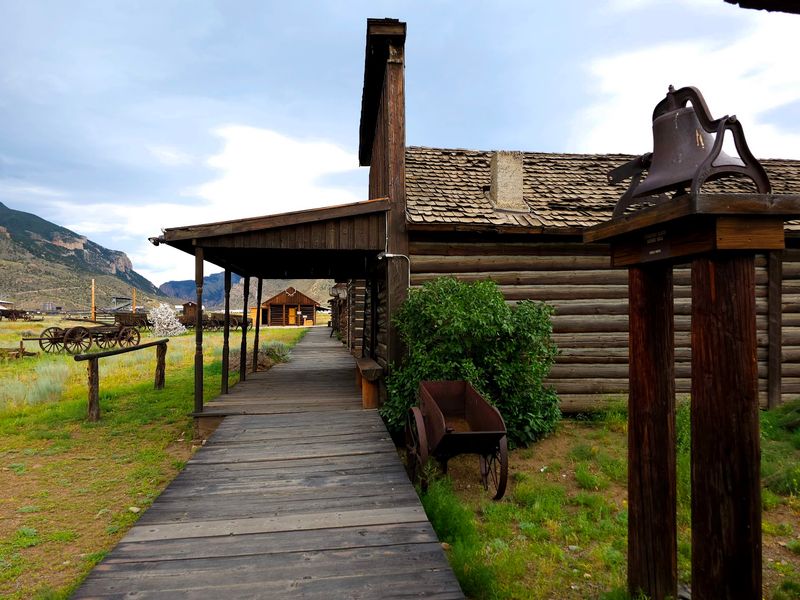
Frontier kids learned their lessons in tiny log rooms. Old Trail Town keeps a one room schoolhouse from the 1880s.
The small space shows how simple early education was. One teacher often handled students of many ages together.
Picture slates, wooden benches, and a woodstove fighting off the winter chill. Lessons carried on through snow and wind.
Nearby stands the Bonanza Post Office from 1885. Mail was a lifeline for families living far from cities and relatives.
What would it feel like to wait weeks for a letter? Settlers lived with that patience through long seasons.
These two buildings show the community side of frontier life. Schools and post offices helped scattered ranches feel like real towns.
Kids usually love peeking into the schoolhouse. Read the interpretive signs before moving on, since each building carries a personal history tied to real frontier families.
A Wagon Barn Packed With Horse Drawn History
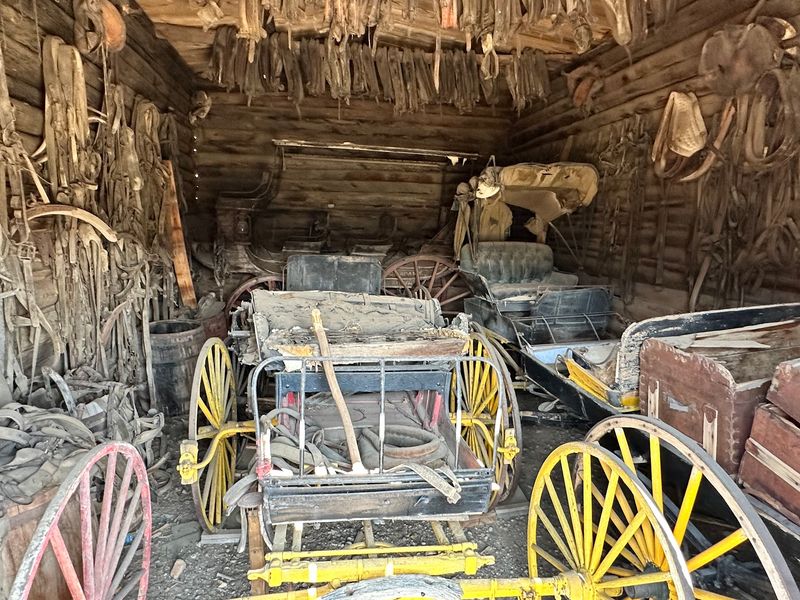
Old Trail Town holds about 100 horse drawn vehicles. Wagons, buggies, and carriages show how people crossed this rugged country.
A dedicated wagon barn houses many of them. A slow stroll down its length feels like a parade of frontier transportation.
Each vehicle served a purpose. Freight wagons hauled supplies, while lighter buggies carried families to town and back.
Which one would you trust on a rocky mountain trail? The sturdy wheels and simple frames make the answer fun to debate.
Look for the details on wooden spokes and iron rims. Wear marks reveal years of hard travel across open range.
Kids and adults both enjoy this part of the visit. The size of the bigger wagons surprises nearly everyone, and every wheel tells a story of distance and determination.
Take wide photos here to capture the long rows. Then grab close shots of the wheels, hitches, and worn seats.
The Museum Of The Old West
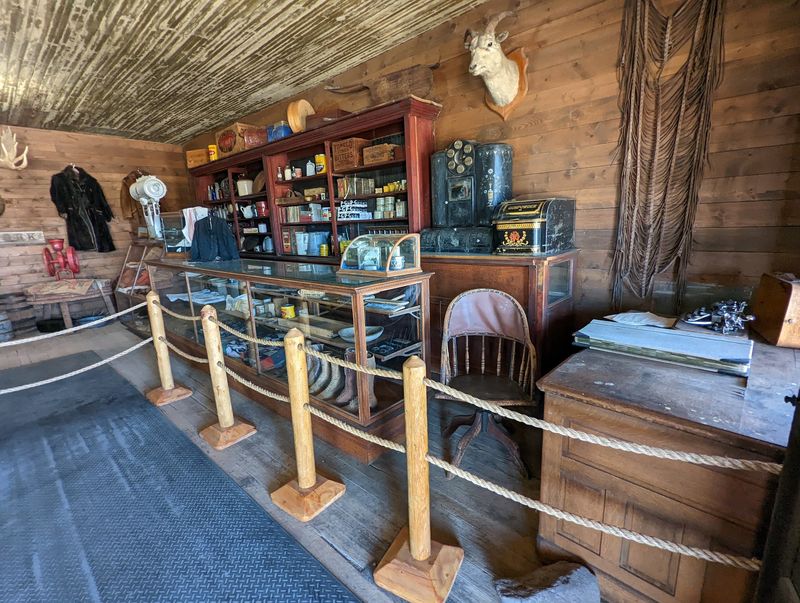
The Museum of the Old West sits right on the grounds. It holds thousands of artifacts from the Wyoming frontier and much earlier eras.
Displays include prehistoric tools, Native American beadwork, clothing, and everyday items. Each case adds another layer to the story outside.
Bob Edgar was also an archaeologist. His collection reaches far deeper than the cowboy years.
How far back does the story of this region go? Much further than most travelers expect.
The museum pairs perfectly with the cabins and stores. Objects inside help explain how people actually lived in those rooms.
Take your time with the beadwork displays. The colors and patterns show remarkable skill and care, and fans of fine craftsmanship will find plenty to admire.
Allow extra time here, because the cases reward careful reading. Stop by the gift shop before heading out for a fun keepsake from a day spent deep in frontier history.
A Pioneer Cemetery With A Hollywood Connection
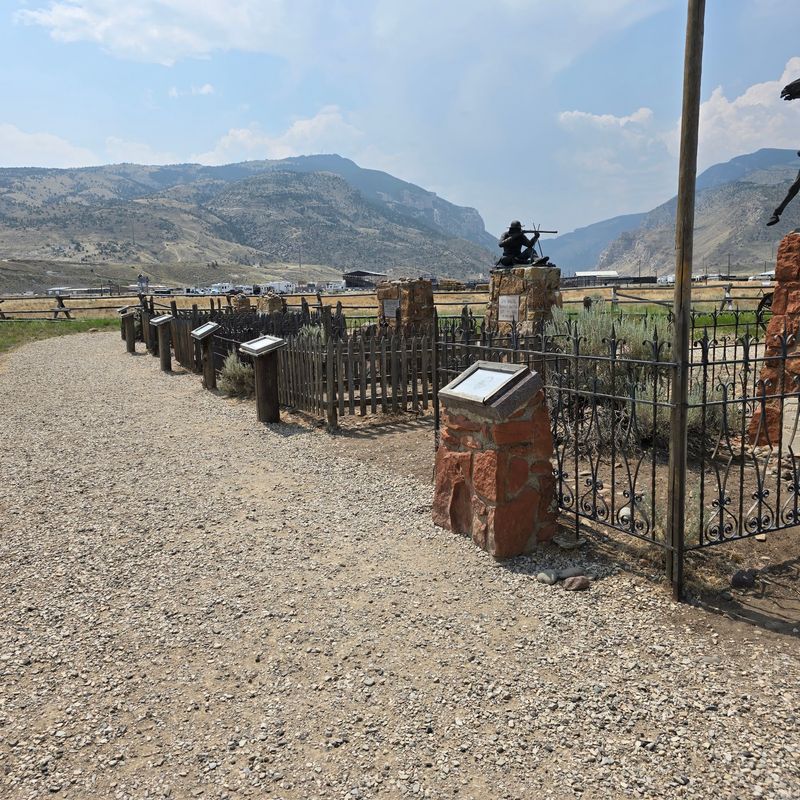
A small pioneer cemetery rests on the grounds. Several notable Western figures lie here among weathered markers.
The most famous grave belongs to mountain man John Johnson. His life inspired the 1972 film Jeremiah Johnson, starring Robert Redford.
Johnson was reburied here on June 8, 1974. More than 2,000 people reportedly attended the service.
Can you imagine that crowd gathering for a frontier legend? It became one of the largest services in Wyoming history.
Mountain men like Johnson trapped, traded, and explored rugged country long before towns appeared. Their stories still shape how people picture the West.
Treat this spot with quiet respect. It is a real resting place, not a stage set, and open sky stretches peacefully above the old headstones.
Read the markers slowly and keep your visit calm. The peaceful mood here balances the lively energy of the boardwalks.
Planning Your Trip Back In Time
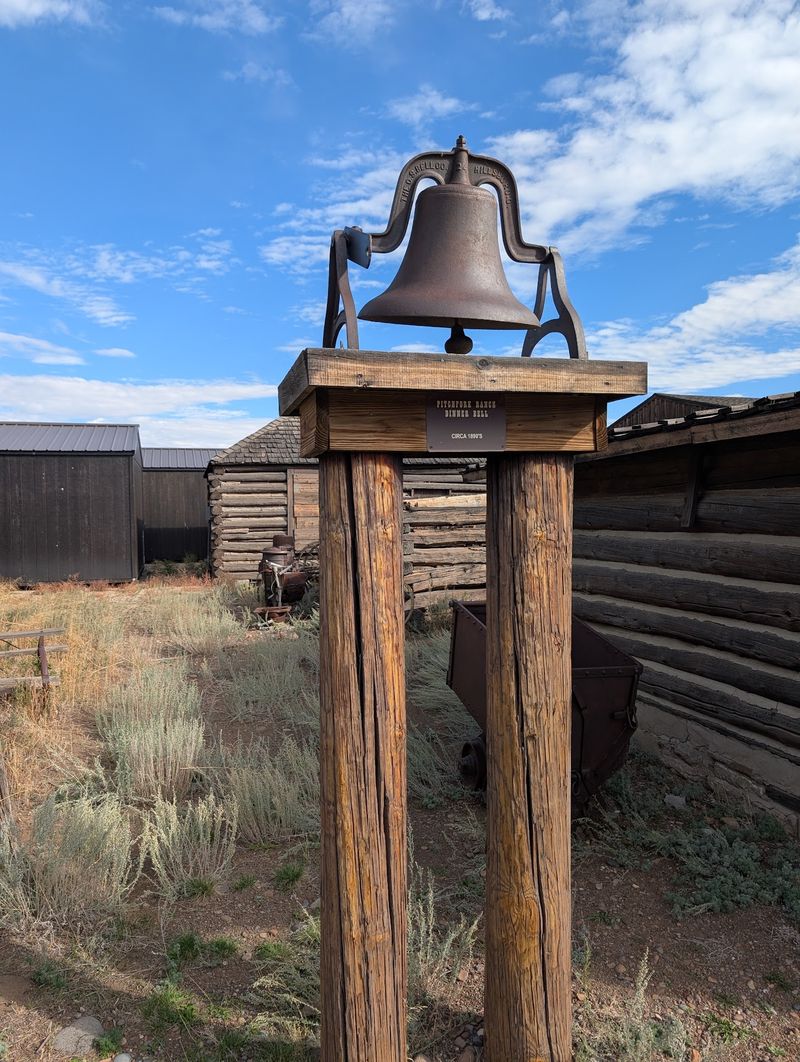
Old Trail Town opens seasonally, usually from mid May through the end of September. Plan your visit around summer travel, since the grounds close for winter.
The site sits at 1831 DeMaris Drive on the west side of Cody. The grounds are compact and easy to explore on foot.
Most visitors spend one to two hours here. History lovers can easily stay longer.
Tickets are available online or at the entrance. Check the official site for current season dates before you go.
Wear sturdy shoes for dirt paths and uneven floors. Bring sunscreen and a hat, since summer sun gets strong in northwest Wyoming.
Why not pair the stop with a Yellowstone trip? The east entrance sits roughly an hour west of Cody.
Arrive early for softer light and quieter boardwalks. The old logs glow beautifully before the crowds roll in.