
The Only Building Still Standing In Salem, Massachusetts With Direct Ties To The 1692 Witch Trials
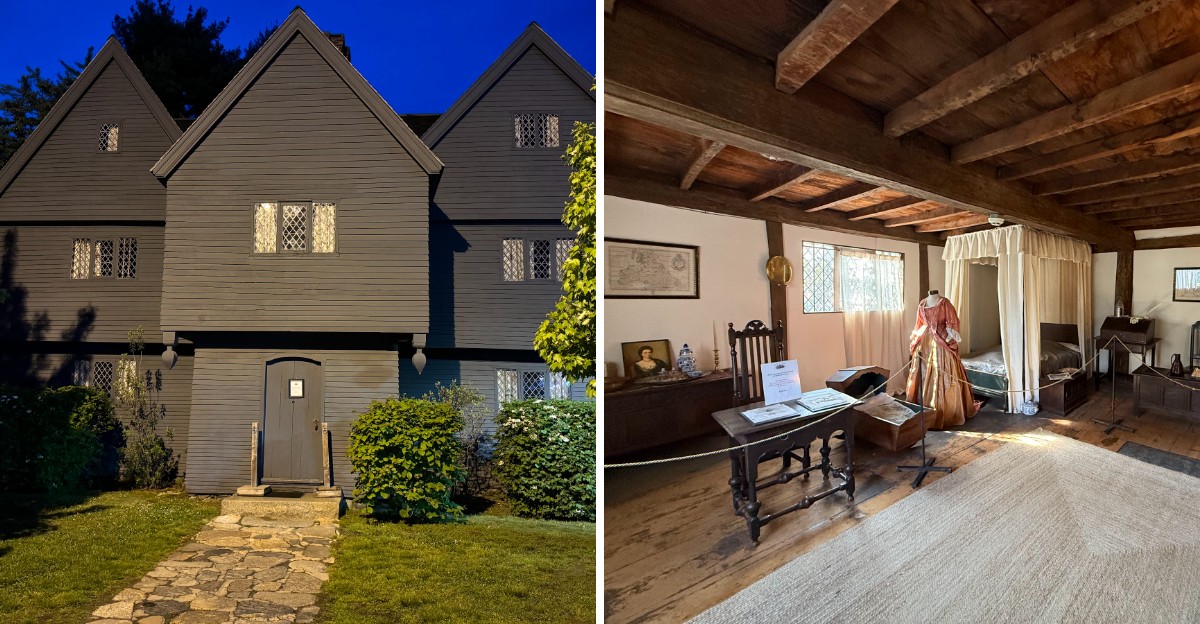
A judge from the 1692 witch trials once lived behind these dark wooden walls in Massachusetts. Today it is the only building still standing in town with direct ties to those trials.
The house dates to around 1675. That makes it older than the trials themselves.
How close did it come to vanishing? In the 1940s, a plan to widen a road almost knocked it down.
Citizens raised money, and the whole building moved back about 35 feet. I love that ordinary people decided this home was worth saving.
I believe it tells the Massachusetts story better than any made-up legend could. Why chase rumors when the real history sits right here?
Plenty of spooky tales swirl around it, but the facts hold up even better.
So what does the home of a 17th-century judge look like today? And why do so many people call it the witch house?
A Judge’s Home With A Famous Nickname
The Witch House at Salem is officially the Jonathan Corwin House. Most people just use the spooky nickname.
It stands as the only building in Salem open to the public with a direct, verifiable tie to the 1692 witchcraft trials.
Jonathan Corwin was a wealthy merchant and a magistrate. He served on the Court of Oyer and Terminer, the court that sent 19 people to the gallows.
He also helped investigate witchcraft claims and sat in on many examinations of the accused.
Here’s a twist that surprises many visitors. The house never held accused witches.
Nobody who practiced witchcraft lived there, because the name came later.
Historians say the nickname likely grew in the 1800s. A pharmacist who owned the property is believed to have advertised it as the Old Witch House.
Good marketing, apparently, has been around for a long time.
So the name is catchy, but the real story is about a judge and his home. That story is the reason the house matters.
It gives a face and an address to a hard chapter of American history.
The Story Of A Home Built Around 1675
Captain Nathaniel Davenport began building this house. Jonathan Corwin bought the unfinished property in 1675 and finished it.
That date makes the house about 17 years older than the trials.
Corwin lived here for over 40 years, until his death in 1718. The house stayed in the Corwin family until the mid-19th century.
That is a long run for any home, let alone one from the 1600s.
Think about everything that happened around these walls. Salem grew from a small colonial port into a busy town.
The house simply stayed put and kept collecting years.
The Witch House at Salem sits at the corner of Essex and North Streets. Its steady presence there is part of the charm.
Walk past it, and you are looking at something that watched centuries go by.
It reminds me how rare real age is in a tourist town. Plenty of places tell old stories.
Few of them have the original frame to back it up.
Rumors Versus What Historians Actually Say
Ready for a plot twist? Many people say Corwin held trial examinations in this house.
Historians say the primary records never mention it.
The idea is considered possible, but not proven. That is a fair way to look at it.
Good history sticks to what the papers can show.
What we do know is solid enough. Corwin presided over many examinations of the accused, just not in a place the records name here.
His role in the trials is well documented.
I appreciate a museum that separates myth from fact. It makes the visit feel honest instead of staged.
You leave knowing what is proven and what is only whispered.
This also helps explain the mixed feelings some people have. If you come expecting a house full of witches, you will find none.
If you come for the real history behind the legend, the story delivers.
Steep Gables And A Chimney That Steals The Show
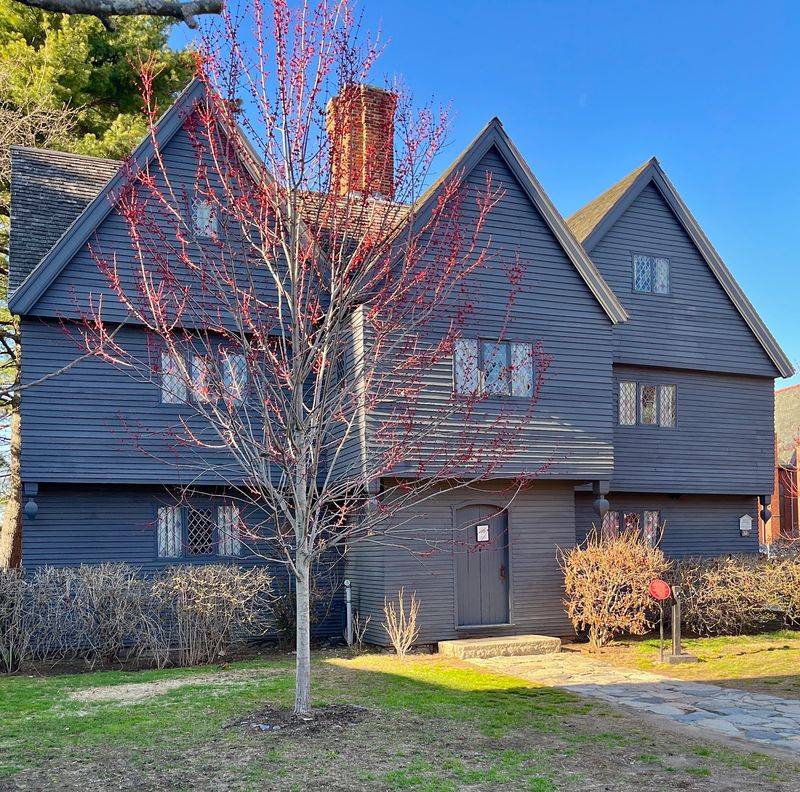
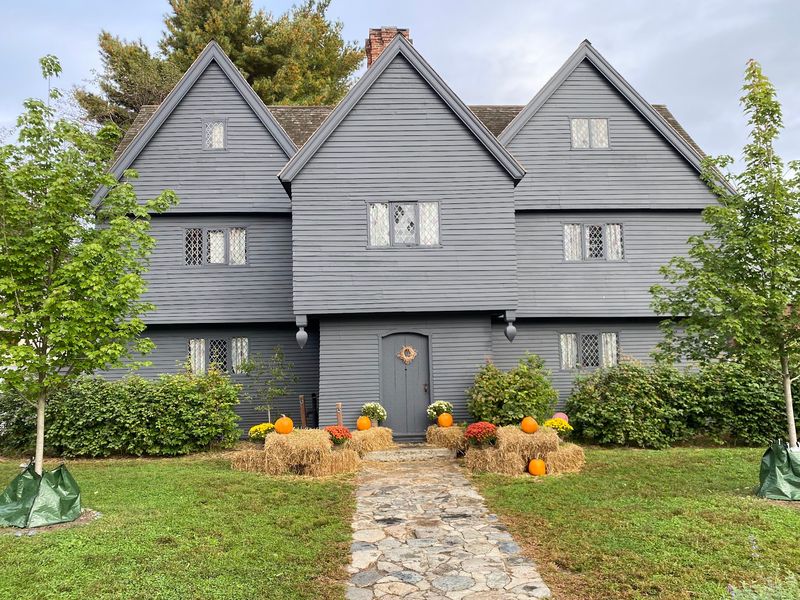
Look up before you look in. The house is a two-and-a-half-story wooden clapboard building.
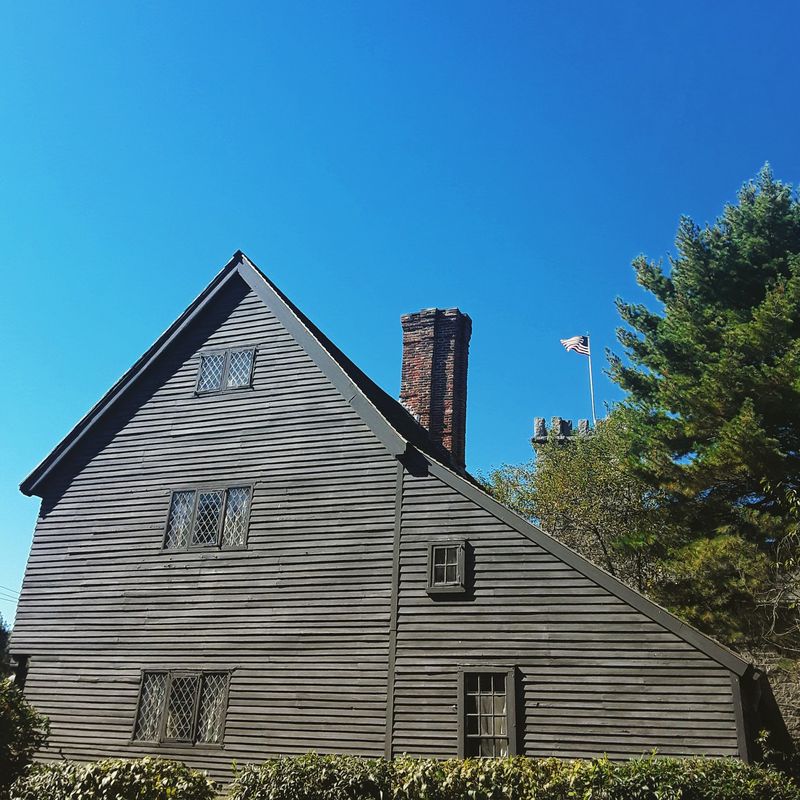
It has a gable roof and a large central chimney.
Steep gables and a projecting two-story entry porch were part of the original design. Those details mark it as classic 17th-century New England architecture.
Few buildings in the region still show this style so clearly.
The home was restored to its 17th-century appearance in the 1940s. That work gave the house the look people see today.
It is a snapshot of how a wealthy colonist chose to build.
One reviewer wished two big trees did not block the view from the street. That is a fair gripe for photo fans.
Step to different angles and you can still catch the shape of that roofline.
The chimney in particular is a showpiece. In homes of this era it sat right in the middle, anchoring everything around it.
The Day Salem Moved A House To Save It
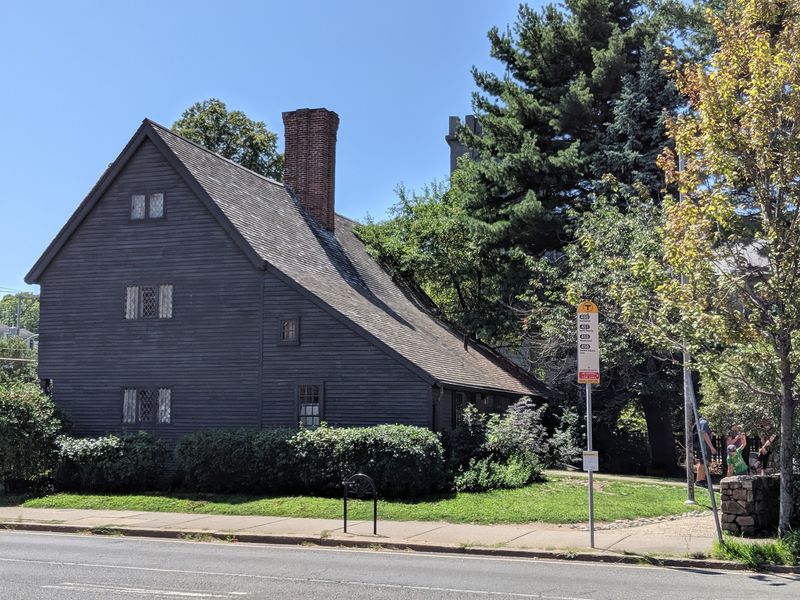
In the 1940s, plans to widen North Street put the house in danger. Demolition was a real possibility.
Then concerned citizens stepped in.
They raised money to save it. In 1944, the house was moved about 35 feet back from its original site.
That is a bold move for a building that old.
Historic Salem, Inc. restored it to its 17th-century look in 1945. The house opened as a museum in either 1947 or 1948.
Sources differ on the exact year.
I find this part of the story inspiring. Ordinary people decided an old house was worth the effort.
Because of them, Massachusetts kept a rare piece of its past.
Next time you see the building at the corner, picture it sitting a little closer to the road. It almost never made it to today.
That makes every visit feel a bit like a thank-you.
Inside Rooms Set Up For Self-Guided Wandering
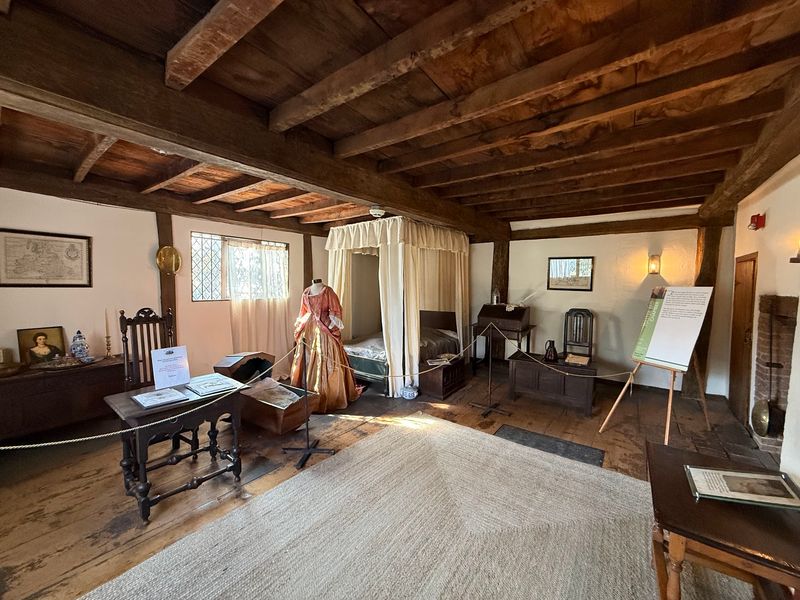
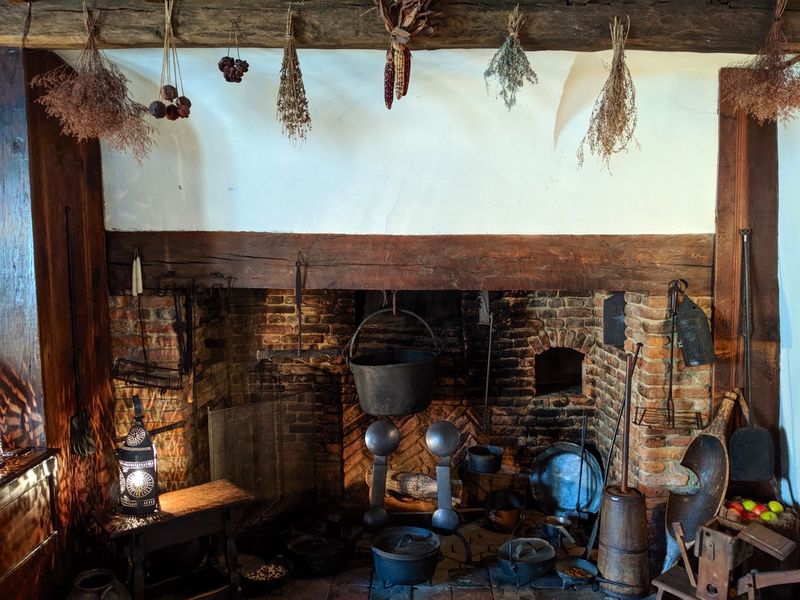
The museum offers self-guided tours of the house. Each room explores 17th-century life, architecture, and furnishings.
The displays link those details to the events of 1692.
Staff members are placed throughout the house. They can answer questions and add context.
That mix lets you move at your own speed, then ask when something catches your eye.
Expect a short visit. One reviewer said it took about 30 minutes.
Others called it quick but worthwhile.
Some visitors note the house can get hot inside. The building is also not wheelchair accessible because of its age.
Read the notes in each room and take your time. The house rewards slow looking.
A candle, a pan, or a bed can say a lot about daily life.
A Poppet, A Black Shoe, And Other Curious Finds
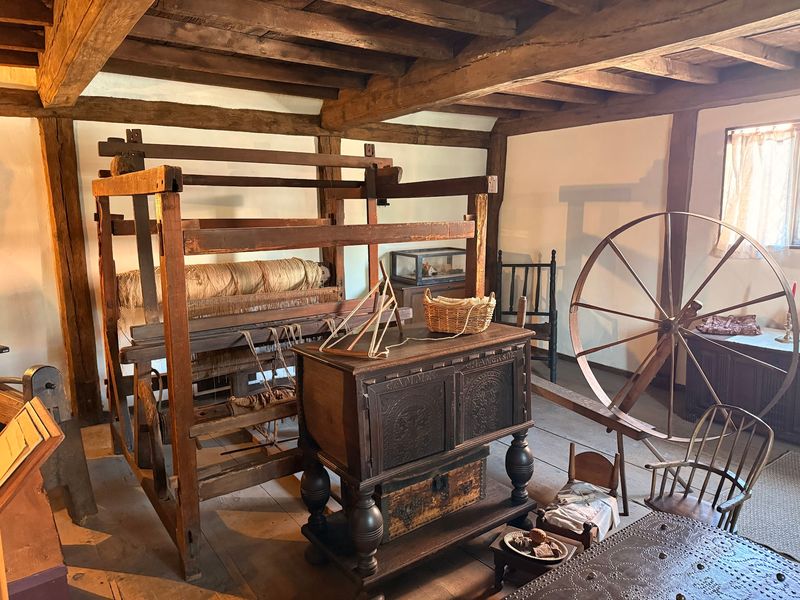
Some of the best objects here are small. An old black shoe sits on display.
It reflects the tradition of placing shoes in walls to ward off witches.
Nearby you may spot a poppet, a witchcraft doll. Seeing one in person is far more striking than reading about it.
A doll hidden in a wall has a story all its own.
The museum also shows 17th-century artifacts and documents from the Salem Witch Trials. Visitors also mention books, children’s toys, and household items.
Each piece adds another layer to the era.
One reviewer noted it can be unclear which items are original and which are reproductions. The museum does say about 80 percent of the house is original.
Ask the staff if you are curious about a specific piece.
That is the perfect moment to use those guides. They are there to help.
Chills, Creaks, And Ghost Stories
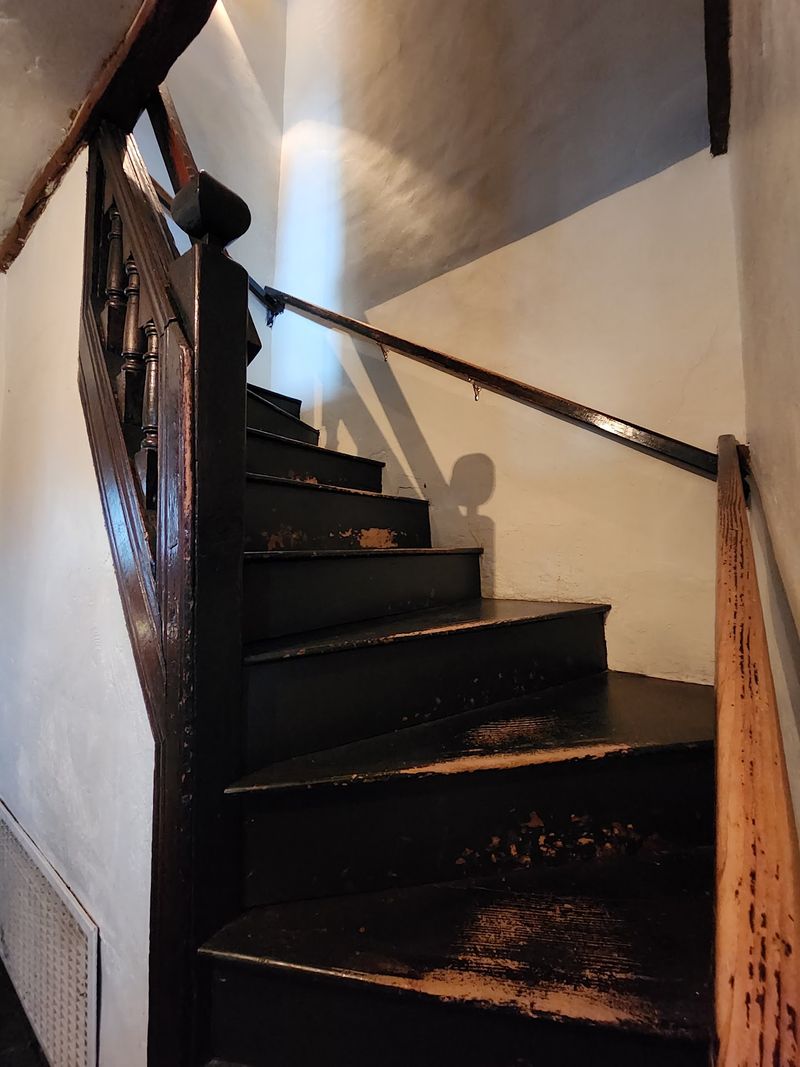
Every old house collects ghost stories, and this one is no exception. Some sources mention reports of disembodied voices and unexplained touches.
Others describe cold spots and electronic glitches.
Some people believe the house is haunted by victims of the trials. That is belief, not proof.
Treat it as folklore, and enjoy it for the goosebumps.
Visitors do use words like spooky atmosphere when they describe the place. Salem leans into that mood, especially in October.
It is the busiest month for the museum.
Tickets for October often go on sale in mid-September. They can sell out fast.
Reservations may be required, so plan ahead.
Even if you skip the haunting talk, the house has a quiet pull. Low ceilings and old wood set a mood without any help.
Planning Your Visit At 310 Essex Street
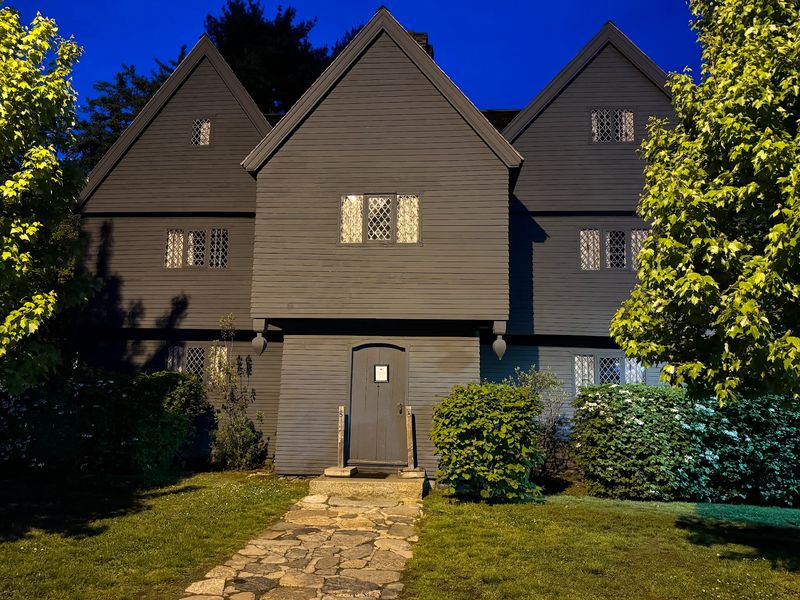
You’ll find The Witch House at Salem at 310 Essex Street, Salem, Massachusetts. It sits at the corner of Essex and North Streets.
Some sources list 310 1/2 Essex Street as well.
From April 15 to November 15, it opens daily from 10 AM to 5 PM. Last entry is at 4:30 PM.
From November 16 to April 14, it opens Thursday through Sunday, noon to 4 PM.
The museum closes on Thanksgiving, Christmas Eve, Christmas Day, New Year’s Eve, New Year’s Day, and federal holidays. Check before you travel.
Hours can change.
Be aware that public restrooms are not available. Plan a stop beforehand.
A small gift shop is on site.
One reviewer also pointed to a gift shop across the street with horror-themed souvenirs. It makes an easy extra stop.
Salem has plenty more to see nearby.