
This Tennessee Blacksmith Workshop Is Keeping A Centuries-Old Craft Alive
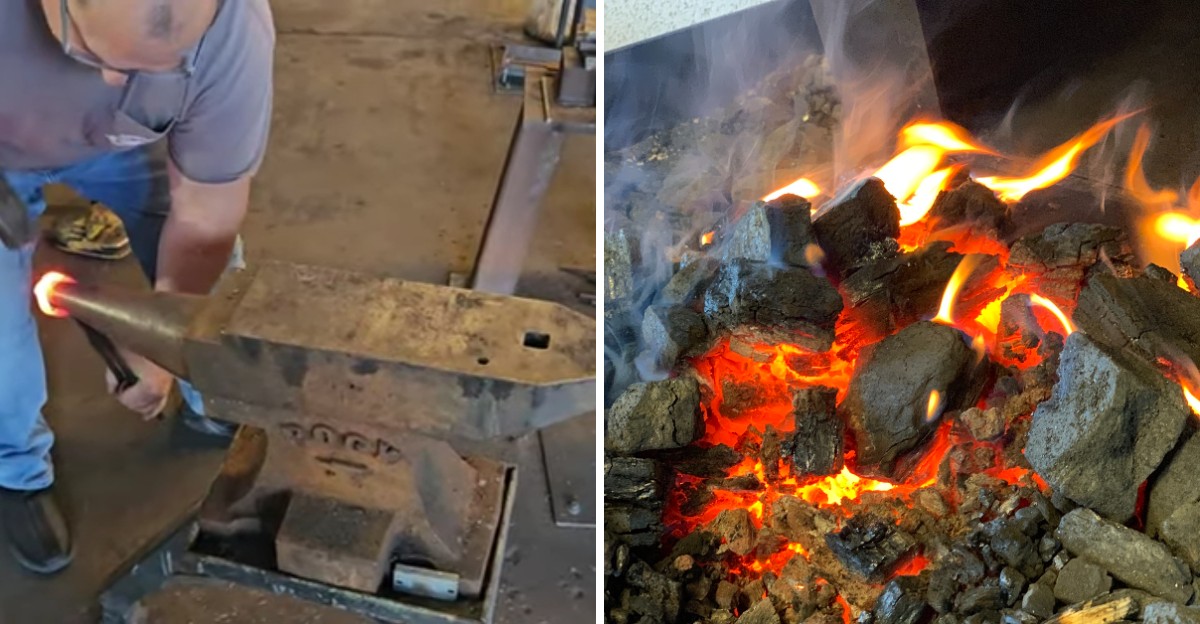
Once a month, blacksmiths gather for a tradition called Iron in the Hat, where donated tools, metal, and equipment are offered in a silent auction.
The auction takes place during the group’s first Saturday meeting, which may also include a live blacksmithing demonstration.
That detail alone tells you a lot. These folks take hot metal seriously, but they clearly know how to have fun with it too.
Their beginner course carries the wonderfully odd name Green Coal Class, and it teaches twists, scrolls, and forge welding.
I love that a craft from before the Industrial Age still has a home in Tennessee. I believe hands-on skills like this matter more than ever.
Glowing steel beats another hour of scrolling, doesn’t it?
The group also built a working forge inside C. Grooms Smithy, a historical exhibit at Discovery Park of America in Union City.
So who are these people, and how can you join them at the anvil?
A Club Built Around Hammers, Anvils, And Good Company
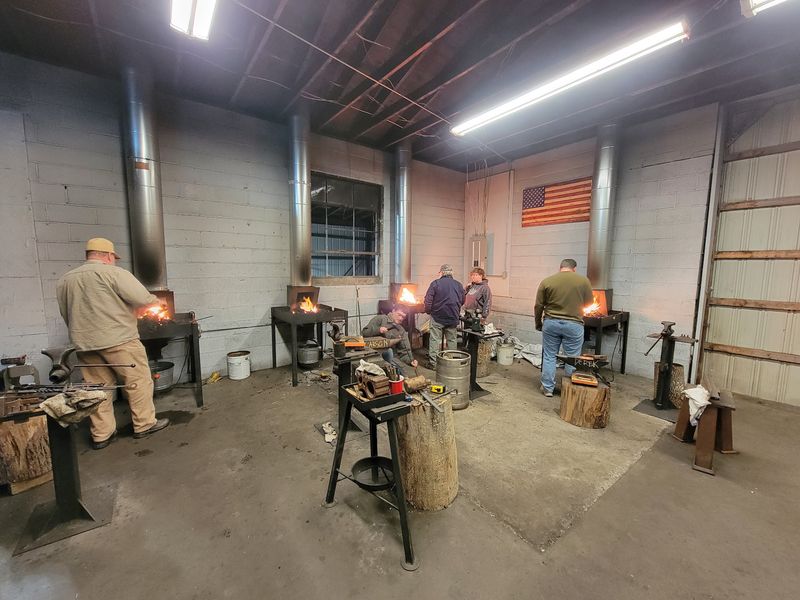
Blacksmithing almost faded out after the Industrial Age took over. The Tennessee River Artist Blacksmith Association exists to make sure that never fully happens.
The group goes by TRABA for short, which is much easier to shout over a ringing anvil. Its main goal is simple: raise awareness of blacksmithing and help the art keep growing.
TRABA serves as a local chapter of the Appalachian Area Chapter of Blacksmiths. That larger organization dates back to 1965, so the roots run deep.
Being part of a bigger network matters more than you might guess. It connects local smiths in West Tennessee to a wider community of people who share the same love of hot iron.
The best part is how welcoming the setup feels on paper. Beginners and experienced smiths both have a place here.
You don’t need a family history of metalwork or a garage full of tools. Beginners are welcome, although taking the Green Coal Class requires membership in both TRABA and the Appalachian Area Chapter of Blacksmiths.
Honestly, a club that meets around fire and steel already sounds better than most hobby groups. Few book clubs end with a handmade hook you can actually hang a coat on.
First Saturdays Start Early And Get Hot Fast
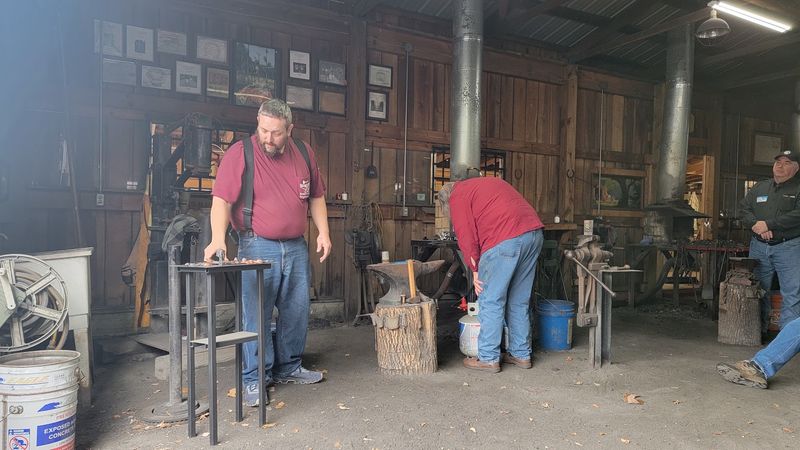
Set your alarm for the first Saturday of every month. Meetings kick off at 9 a.m. at the McKenzie facility, and the forge is the main attraction.
Members often run blacksmithing demonstrations during these gatherings. It’s a chance to share tips, tricks, and hard-won know-how with everyone in the room.
Watching a skilled smith work is a lesson all by itself. You see how they heat the metal, where they strike, and how a plain bar slowly takes shape.
Monthly meetings are open to members and their guests, giving newcomers a chance to learn about the association. That makes these mornings a low-pressure way to test the waters before you commit to anything.
Bring questions, because demos are built for learning. Smiths tend to love explaining their methods, especially to someone who looks genuinely curious.
A practical tip: wear clothes made of natural fibers and closed-toe shoes. Sparks and synthetic fabrics are not good friends.
Arriving on time also helps you catch the full demo from the start. Missing the first heat is a bit like walking into a movie halfway through.
Coffee before 9 a.m. is your own business, but the fire will wake you up anyway.
Iron In A Hat Is The Quirkiest Tradition Around
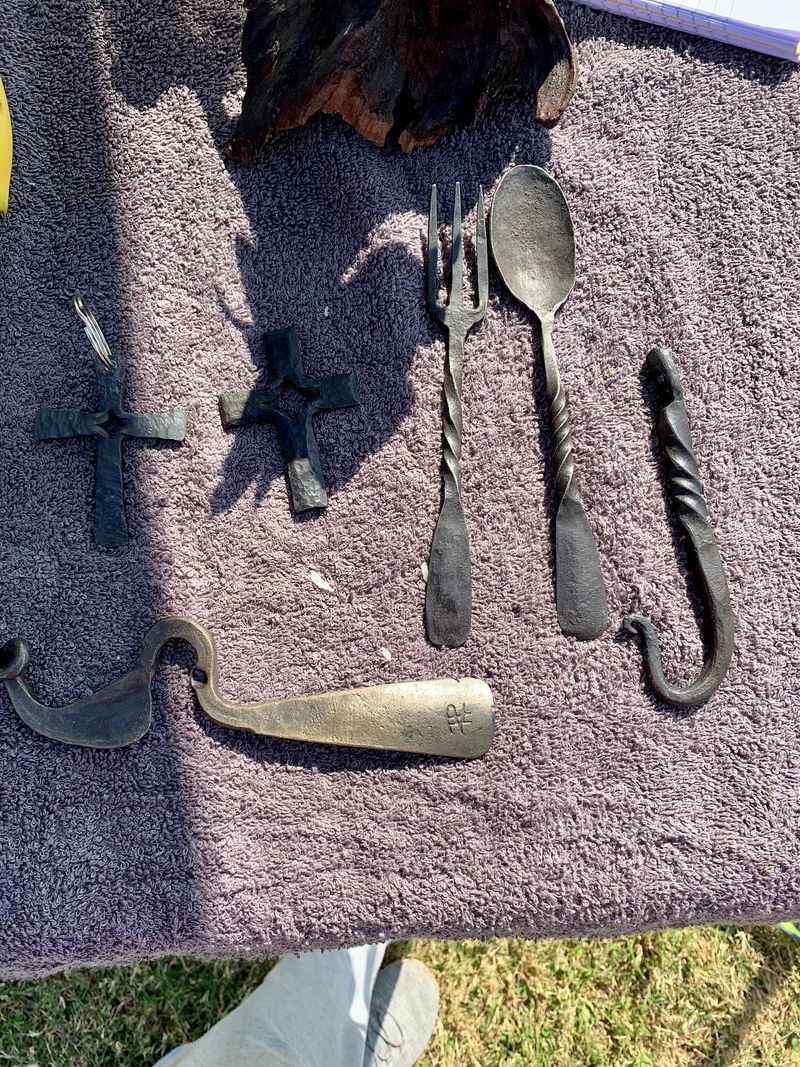
Most auctions involve art, antiques, or maybe a fancy dinner. At TRABA meetings, the star is something called Iron in a Hat.
It’s a regular part of the monthly gatherings. The name alone makes me grin every time I read it.
Traditions like this are common in blacksmithing groups, and they serve a real purpose. They bring people together, add some friendly fun, and keep the energy up after the demo wraps.
For a newcomer, it’s also a great icebreaker. Nothing starts a conversation quite like wondering what someone else just won.
Think of it as the social side of the shop. Blacksmithing can look like a solo craft, with one person and one anvil.
In reality, it thrives on community. Skills, tools, and stories get passed around just like that famous hat.
If you visit on a first Saturday, stick around for this part. Leaving early would mean skipping the most charming ritual of the morning.
Who knows? You might head home with something useful for your own future forge.
Or at least a good story about the day you joined an iron auction.
Green Coal Class Turns Total Beginners Into Real Smiths
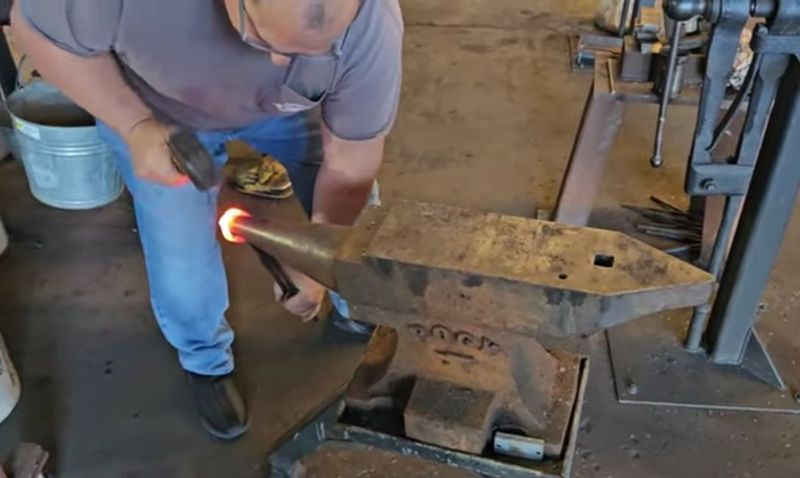
Every expert started out not knowing which end of the anvil was which. The Green Coal Class exists for exactly that moment.
TRABA designed this beginner course from the ground up. Students learn to identify the parts of an anvil and a coal forge before they swing a single hammer.
From there, the lessons build fast. You’ll learn how to start and run a forge, which is a skill in itself.
Then comes the shaping work. The class covers drawing out metal, upsetting it, and creating twists and scrolls.
Forge welding rounds out the list, and it’s a big one. Joining two pieces of steel with heat and hammer feels almost like magic.
Classes keep seating limited on purpose. That way, students get personalized one-on-one interaction instead of fighting for an instructor’s attention.
Small groups mean more time at the fire and more chances to ask questions. That’s a huge advantage when you’re learning something this hands-on.
The name might sound like a joke about rookies. Still, finishing this class marks the start of a genuinely useful skill set.
Your Reward For Finishing Class Is Access To The Fire
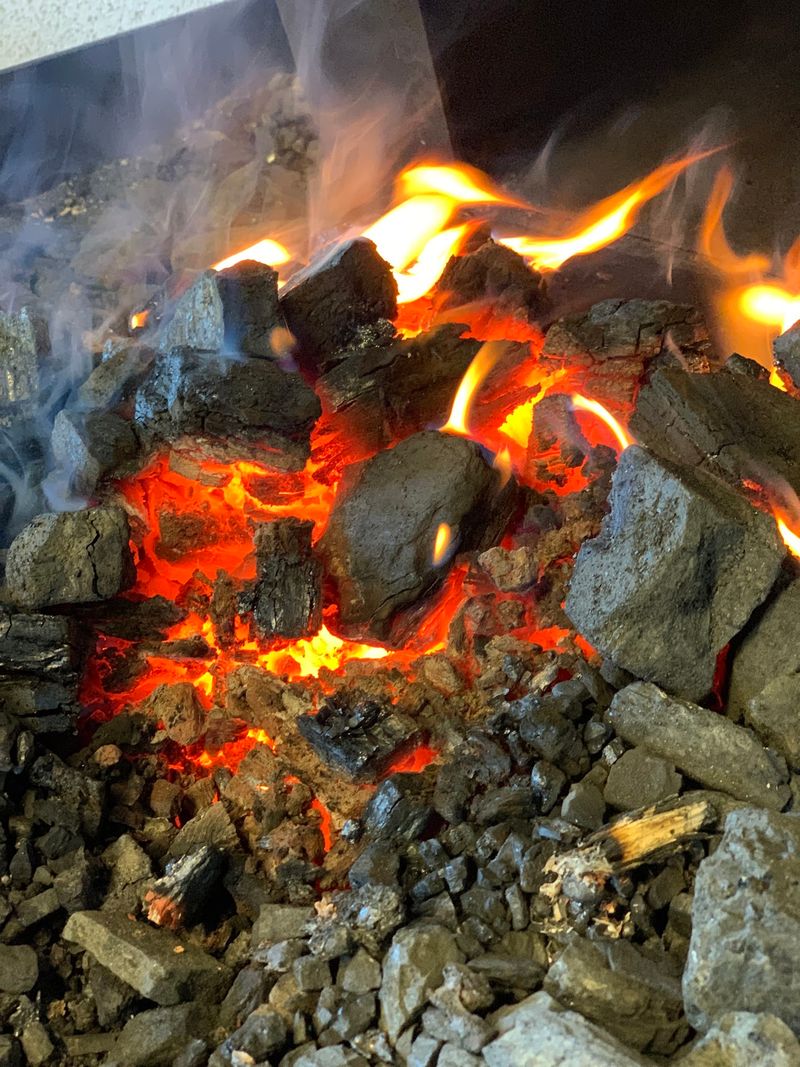
Graduation perks don’t get much cooler than this. Once you complete the Green Coal Class and maintain your membership in good standing, you can participate in TRABA’s Open Forge events.
You also gain the ability to use the group’s provided equipment. That’s a big deal, because setting up a home forge takes money, space, and tools.
For many people, the gear is the biggest hurdle. Anvils are heavy, forges need careful setup, and hammers come in more shapes than you’d expect.
Shared equipment lets you keep practicing without buying everything right away. You can figure out what you actually like before spending a dime on your own setup.
Open Forge time also means working near people with more experience. A quick tip from the next anvil over can fix a problem you’ve struggled with for weeks.
Practice is everything in blacksmithing. The skills from class fade fast if they’re not used, so this access keeps them sharp.
My advice? Treat class as the doorway, not the finish line.
The real growth happens after, when you show up, light the fire, and keep hammering.
Open Forge Nights Keep The Hammers Swinging
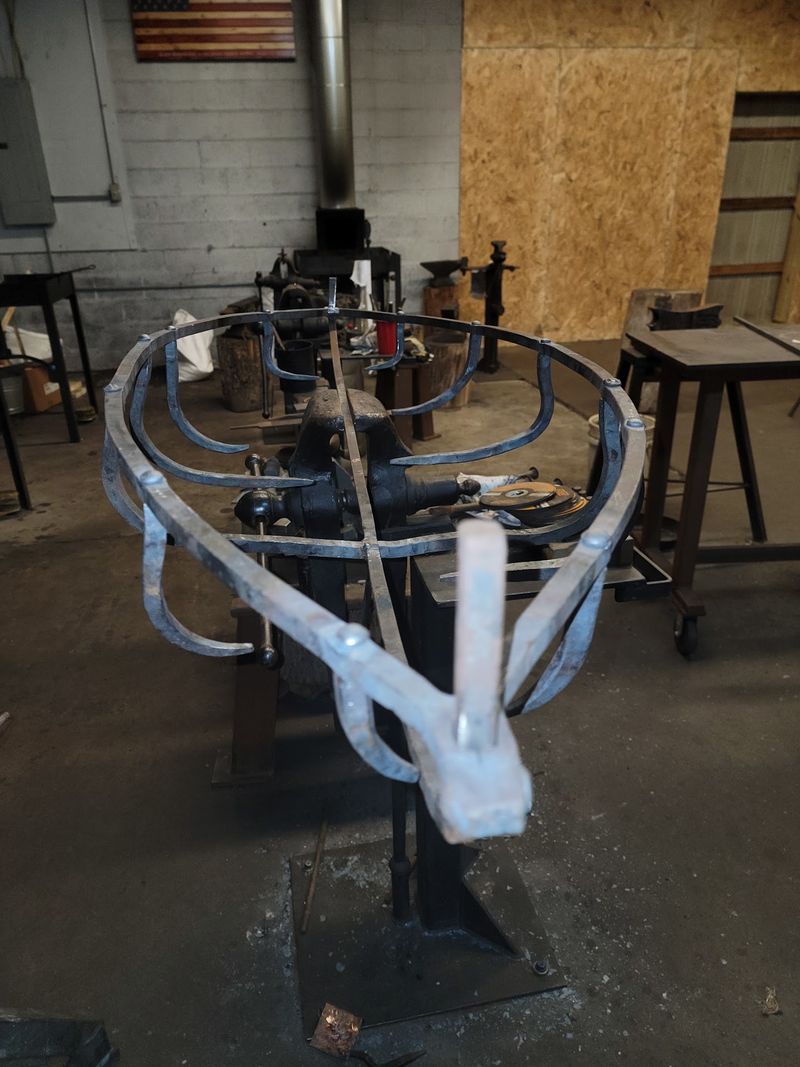
Weeknights usually mean dinner, dishes, and the couch. At the Tennessee River Artist Blacksmith Association, Thursday evenings mean shop time instead.
TRABA’s October 2026 calendar lists Open Forge sessions on Fridays from 5 p.m. to 7 p.m., so visitors should check the schedule before making plans. cheduled Open Forge sessions give eligible members time to practice their skills and work on blacksmithing projects.
Regular shop hours make the craft easier to fit into real life. You don’t have to wait a whole month to touch an anvil again.
Consistency matters with any hands-on skill. Weekly practice helps your hammer control improve, and your eye for heat color gets sharper too.
An evening session also works well for anyone with a day job. Clock out, grab a bite, and head to the forge.
Planning ahead helps you make the most of the time. Pick a project before you arrive, like a hook, a scroll, or a simple twist.
Having a goal keeps you from spending half the night deciding what to make. Plus, finishing something tangible by 9 p.m. feels incredibly satisfying.
Honestly, it beats another Thursday of channel surfing by a mile.
Silver Inlay Proves The Learning Keeps Going
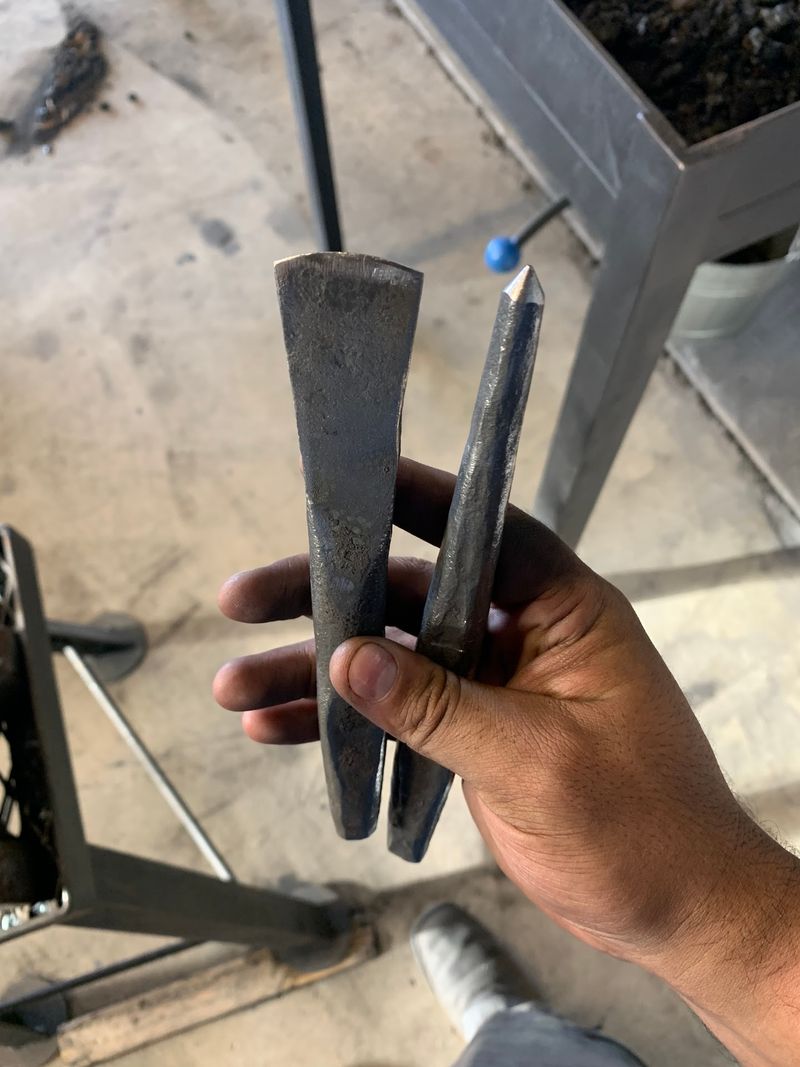
Hammering out a basic scroll is just the beginning. TRABA also offers more advanced workshops, including a Silver Inlay class.
Inlay work involves setting silver into another metal to create decorative designs. It takes patience, precision, and a steady pair of hands.
That’s a very different vibe from swinging a hammer at glowing steel. It shows how wide the world of metalwork really is.
Advanced classes give experienced smiths a reason to keep coming back. Without new challenges, even a beloved hobby can start to feel stale.
TRABA designs its classes to meet local needs and interests. That means the offerings reflect what members actually want to learn.
I like that approach a lot. It keeps the group flexible instead of stuck teaching the same thing forever.
For beginners, these workshops are something to look forward to. They show where your skills could head after a year or two at the anvil.
Keep an eye on the group’s class schedule, since seating tends to be limited. Fancy silver details on a piece you forged yourself?
That would be a pretty great conversation starter.
History Gets A Working Forge Thanks To These Smiths
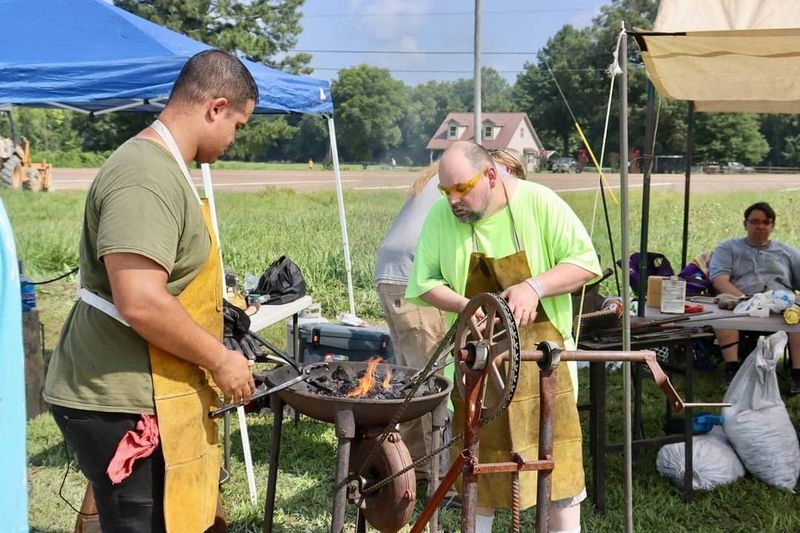
Historical markers usually just tell a story. One of them comes with a real, working forge, and TRABA members built it.
The association constructed the working blacksmith forge inside C. Grooms Smithy, a workshop at Discovery Park of America in Union City, Tennessee.
That’s a pretty amazing contribution to local history.
Instead of a dusty display, visitors to that site can see what a functioning smithy looks like. It brings the past to life in a way a plaque alone never could.
Projects like this show the group’s mission in action. Preserving a craft isn’t only about teaching classes.
It’s also about keeping the history visible for people who might never pick up a hammer. Kids especially remember seeing a real forge far longer than reading a sign.
One owner reply on the group’s listing sums up the spirit nicely. It reads, We stand on the shoulders of those who came before us.
That line fits this project perfectly. The smiths of Tennessee’s past did this work to survive, and today’s members honor it by keeping the fire burning for everyone else.
Finding The Forge And Joining The Fun Is Easy
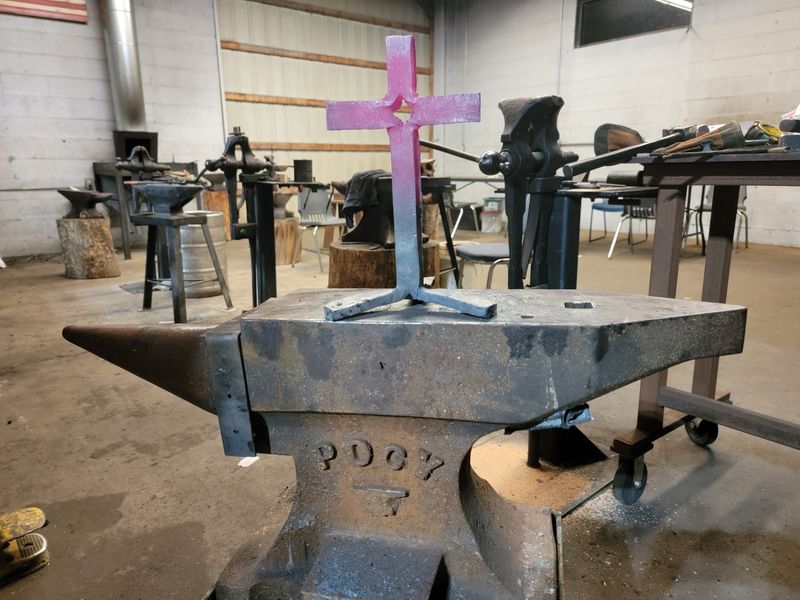
Getting there is the easy part. You’ll find the shop at 14988 Highland Dr, McKenzie, TN 38201, in the rolling countryside of West Tennessee.
Plan your visit around the schedule, since the shop isn’t open every day. Thursday evenings and first Saturday mornings are your best bets.
Membership is refreshingly affordable compared to most hobbies. TRABA dues are paid yearly, along with separate yearly dues to the Appalachian Area Chapter of Blacksmiths.
Together, those memberships open the door to a wealth of knowledge and resources. You get local friends plus access to the larger blacksmithing community.
If you’re unsure whether this hobby fits you, start small. Drop by a first Saturday meeting, watch a demo, and see how it feels.
There’s no pressure to buy tools or sign up on day one. Just show up curious and ready to learn something new.
The Tennessee River Artist Blacksmith Association keeps an old craft glowing in a modern world. That alone makes it worth the drive.
Fair warning, though. Once you hear that first ring of hammer on anvil, you might be hooked for good.