
This Massachusetts Witch House Is The Only Surviving Salem Home Tied To The 1692 Witch Trials
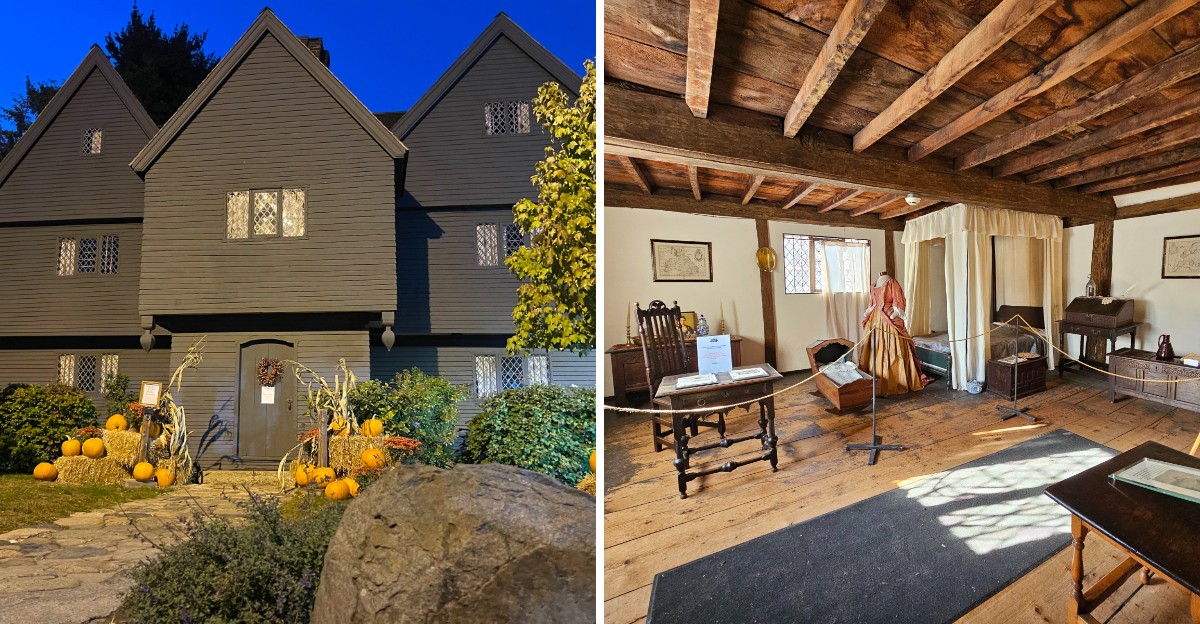
A judge who helped decide the fates of accused witches in 1692 once ate breakfast inside these walls. His house is still standing, and you can walk through it today.
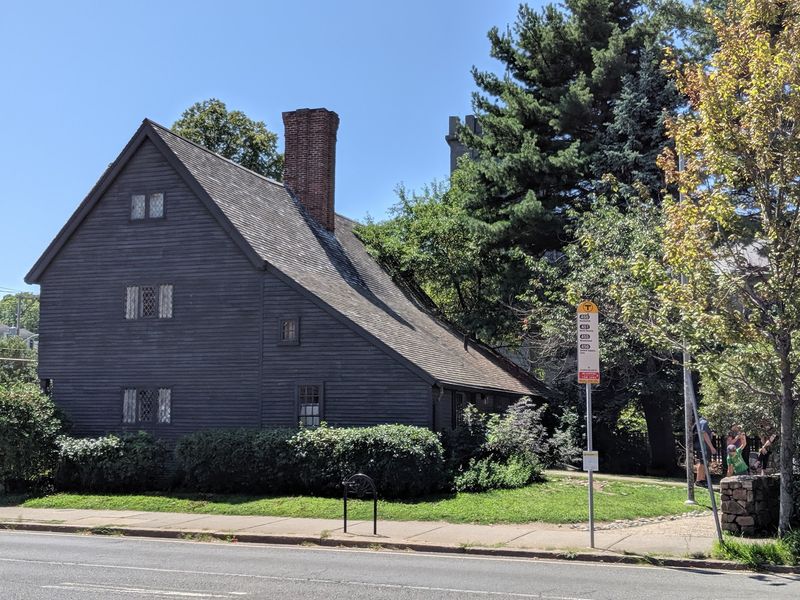
It’s the only building left in its city with a direct link to the witch trials. The steep gables and giant central chimney look like they came straight out of a storybook.
Only this story was real.
I like how this Massachusetts landmark skips the costumes and fake fog. It lets old floors, period furniture, and plain facts do the heavy lifting.
Honestly, that feels spookier than any haunted hayride.
I can’t imagine living next door to the man reviewing witchcraft claims. So who was he, and what does his home reveal about that frightening year?
Meet The Judge Whose Front Door You Can Still Use
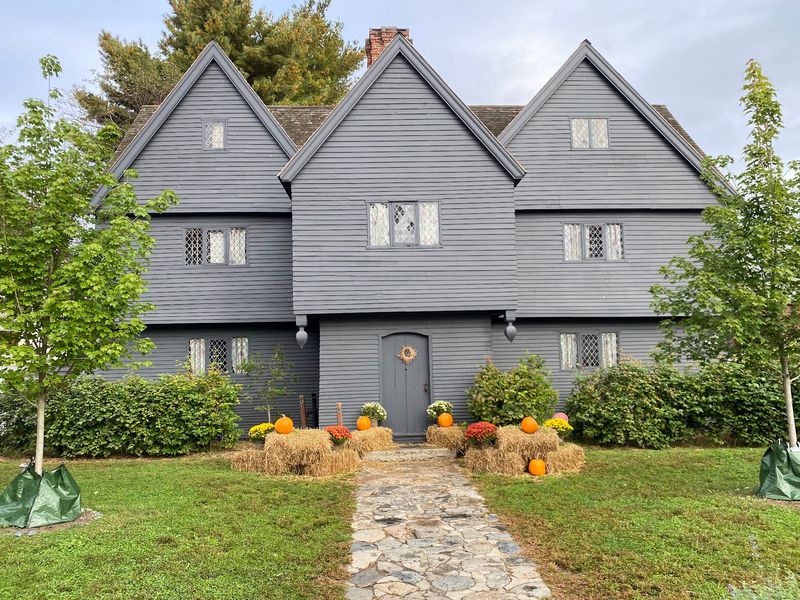
Few homes in America carry a backstory this heavy. The Witch House at Salem, officially the Jonathan Corwin House, belonged to Judge Jonathan Corwin.
Corwin was a well-known Salem merchant and local magistrate. In 1692, officials called on him to look into claims of witchcraft around town.
He then served on the Court of Oyer and Terminer. That special court handled the witch trial cases during that grim year.
His role made him one of the key decision-makers of the whole crisis. That’s why his home earned its famous nickname, even though no witches ever lived there.
The house is the only standing structure in Salem with a direct, documented tie to the 1692 trials. Plenty of buildings in town lean into the witch theme.
This one actually has the paperwork to back it up.
I believe that changes how a visit feels. You aren’t looking at a reenactment or a set built for tourists.
You’re standing in the real home of a real judge from that era.
Good luck shaking off that thought once you’re inside.
Those Pointy Gables Are A Rare Survivor
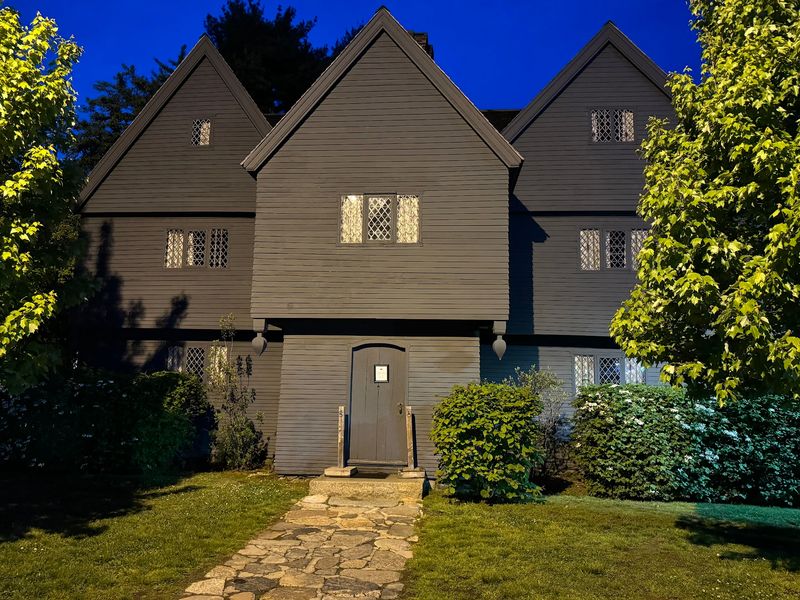
Steep rooflines and a massive central chimney give this house its moody silhouette. Those features mark it as First Period architecture, a style from early colonial New England.
Judge Corwin bought the house in 1675. He lived there for more than four decades, which is a long run for any homeowner.
His family kept the property until the mid-1800s. That’s well over a century of one family’s history soaking into the same timbers.
Not many houses from this period still stand anywhere in the country. Weather, fires, and new construction claimed most of them long ago.
So the shape alone is worth a slow look from the sidewalk. Notice how sharply the gables point upward against the sky.
Photos are welcome outside the house, so this is your moment. Grab a few shots from different angles before heading in.
Fair warning, the trees out front can get in the way of the perfect picture. A little sidewalk shuffling usually helps.
It’s a small price for a photo of a home that’s been around since the 1600s.
The House Once Took A Short Trip Down The Street
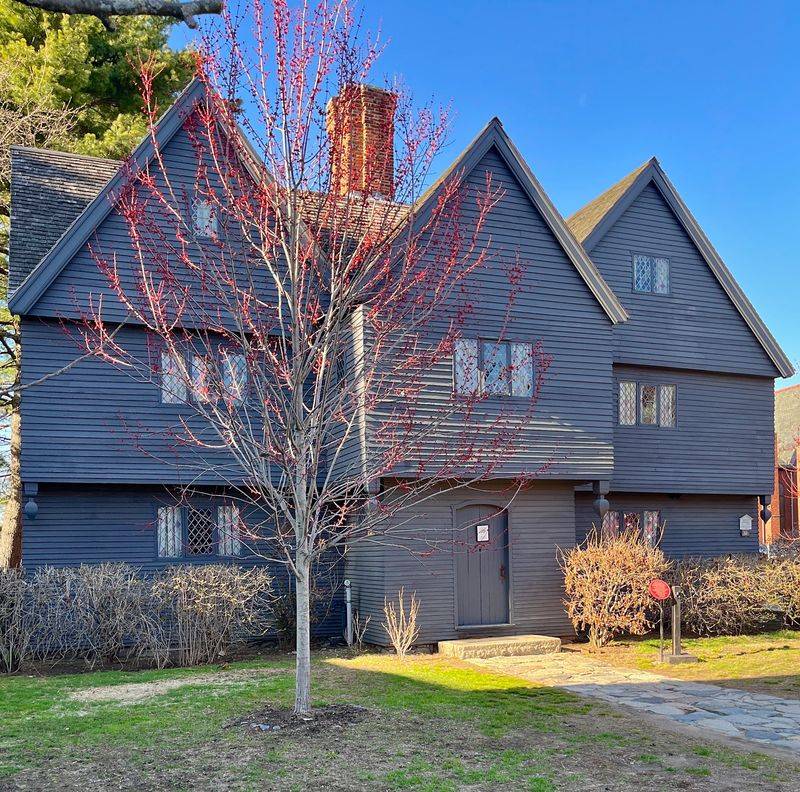
Houses aren’t supposed to move. This one did anyway, back in 1945.
The city planned to widen the street, and the old home stood in the way. Instead of tearing it down, people moved it to save it.
That’s a big job for any building, let alone one from the 1600s. Shifting old beams and a huge chimney takes serious care and patience.
Then came the next challenge. The community rallied to raise money for a full restoration.
Their effort paid off in 1948, when the house opened as a museum. It’s been welcoming curious visitors ever since.
I like how this part of the story flips the usual script. Salem’s past is full of neighbors turning on neighbors.
Here, neighbors teamed up to protect something important.
Keep that in mind as you stand outside. The building survived centuries of change, a street project, and a relocation.
Its current spot is a small victory in itself.
It’s proof that saving history sometimes means getting a little creative. And maybe hiring a really brave moving crew.
Wander The Rooms At Your Own Pace
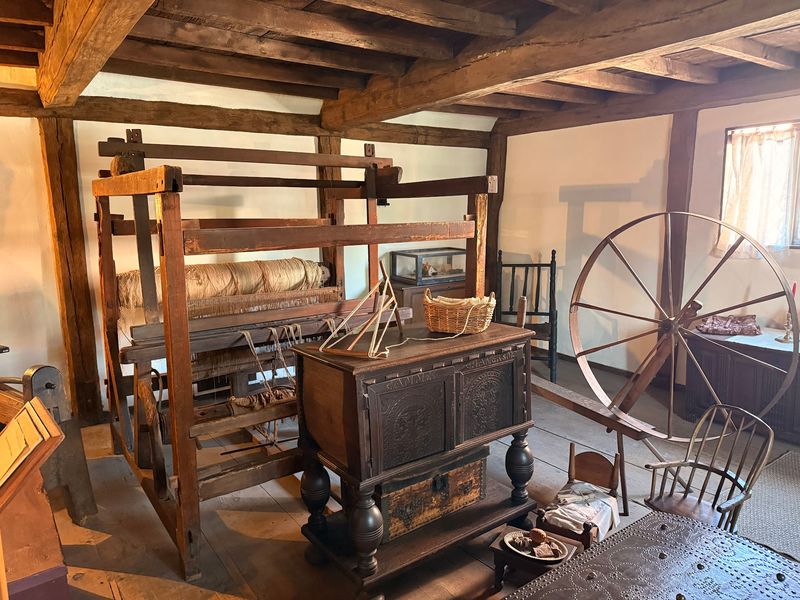
Self-guided tours mean nobody rushes you past the good stuff. You set the speed, whether you’re a fast reader or a careful lingerer.
Each room blends details about the architecture with period furnishings. The goal is to show how people lived in 17th-century Salem.
Exhibits cover trial history, strange remedies, and the superstitions of the time. Some of those old cures will make you grateful for modern medicine.
Staff members are on hand throughout the house to answer questions. That’s handy when a curious object sparks a question the signs don’t cover.
Everyday items help tell the bigger story. Seeing the objects that surrounded a trial judge makes the era feel less distant.
The museum is on the small side, so plan your visit accordingly. It works great as one stop in a bigger Salem day.
My tip is simple. Read the room notes slowly and look closely at the furnishings.
The small details carry the most weight here, and they reward anyone willing to pay attention.
Brush Up On Myth Versus Fact Before You Go
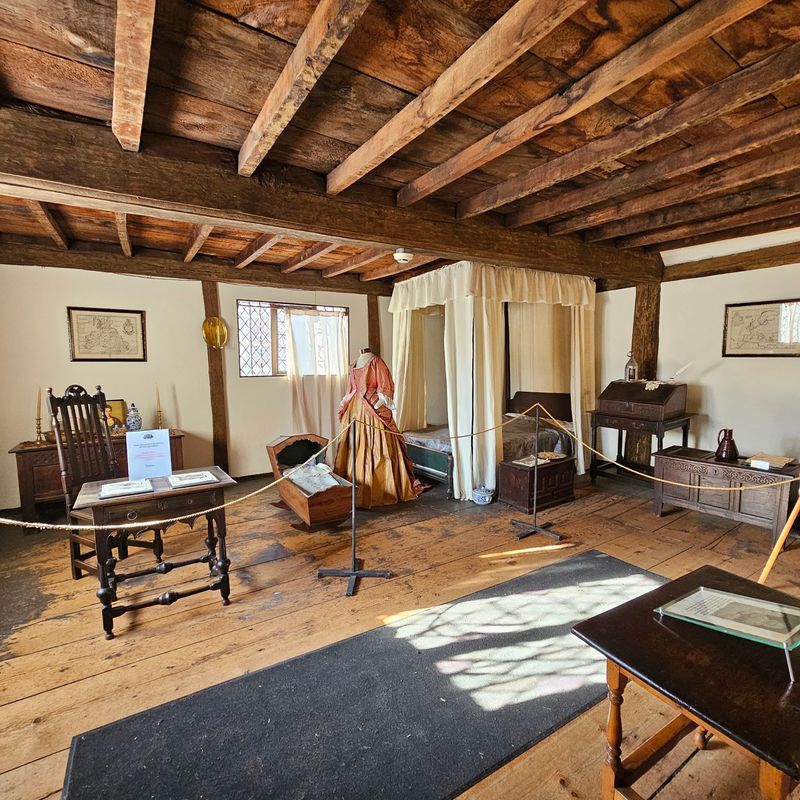
Here’s a myth that refuses to quit. Plenty of people believe witch trial examinations happened inside this house.
Historical records don’t support that idea. Formal examinations usually took place in public spaces like meetinghouses and taverns.
So why does the house matter so much? It was the home of a magistrate at the center of the whole storm.
That distinction actually makes things more interesting. You’re getting a look at the private life of a man making public decisions.
Think about meals, family routines, and quiet evenings happening under this roof. Meanwhile, the town outside was gripped by fear and accusations.
The museum also tackles other popular myths about the trials. It’s a great place to sort out what really happened from what movies made up.
Kids especially might enjoy playing fact detective during the visit. Ask them to spot which stories hold up and which ones fall apart.
You’ll leave with sharper knowledge than most people walking down Essex Street. That’s a fun bonus when friends start repeating the usual legends.
Know The Hours So You Don’t Miss Your Shot
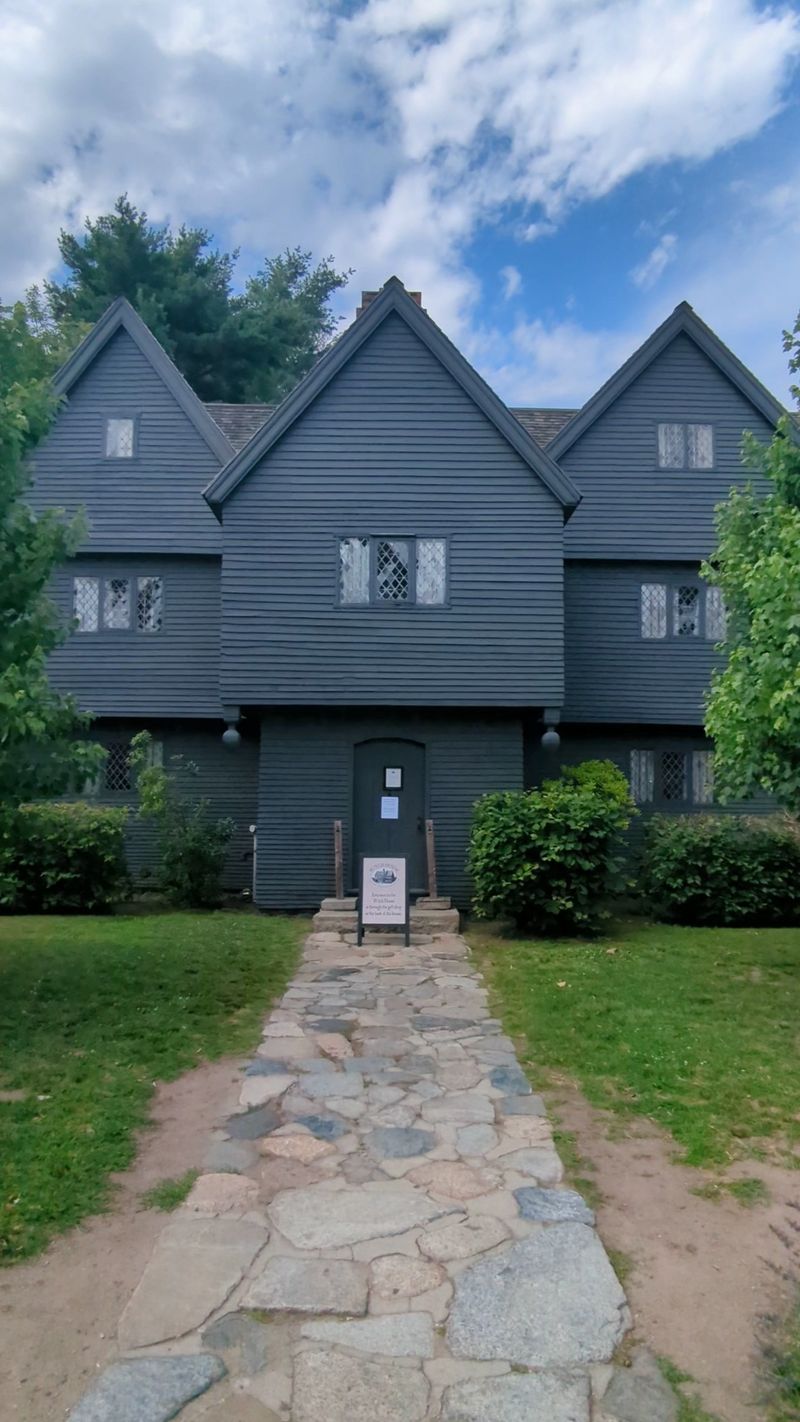
Timing matters more here than you might expect. The house keeps different schedules depending on the season.
From April 15 through November 15, it’s open daily from 10 a.m. to 5 p.m. Last entry is at 4:30 p.m., so don’t cut it close.
The winter season runs November 16 through April 14. During those months, it’s open Thursday through Sunday from noon to 4 p.m.
Winter last entry is 3:45 p.m. The house also closes on several major holidays, including Thanksgiving and Christmas.
Every visitor age four and older needs a ticket. Little ones under four get a free pass on that rule.
A morning visit is a smart move on a busy Salem day. Getting in early leaves more time for the rest of the city.
Schedules can shift, so double-check before you head out. Nobody wants to stare at a locked door from the 1600s.
Well, okay, that’s still kind of cool. But going inside is better.
October Calls For A Game Plan
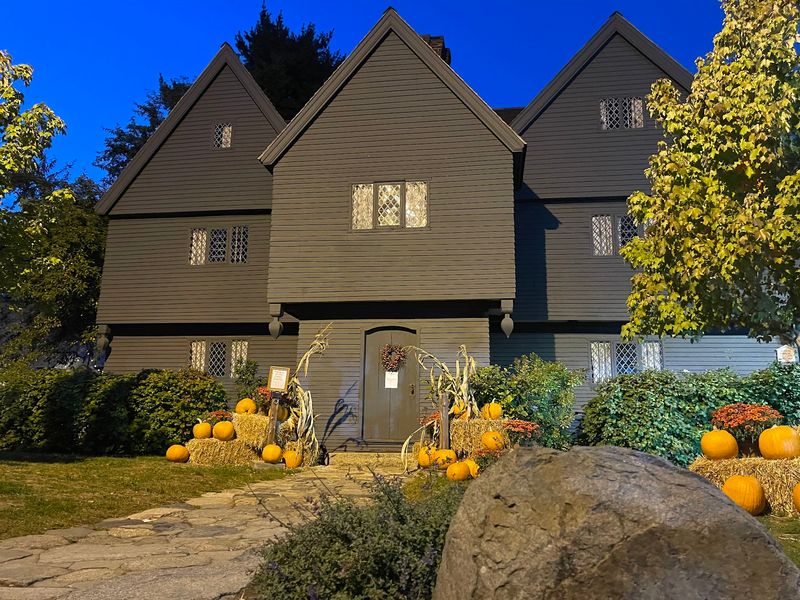
Salem in October is a whole different creature. The city goes all in on the spooky season, and this house feels the rush.
During October, tickets must be bought online. Walking up and hoping for the best won’t cut it.
October tickets are released online at 8 a.m. each morning for that day’s visits only. Set an early reminder for the morning of your visit if you’re planning a fall trip to Massachusetts.
Build your October day around your ticket time. Then fill the gaps with other stops around town.
Bring patience, comfy shoes, and a charged phone for buying tickets. Salem’s streets get lively during the Halloween season, so a little planning goes a long way.
Score your spot, and you’ll get a real dose of history in the most famous month of the year.
Pack Light And Leave The Snacks Behind
A few house rules keep this old treasure in good shape. Knowing them ahead of time saves you an awkward moment at the door.
No photos or videos are allowed inside, and electronics stay put away. The rule helps protect the historic furnishings.
Food and drinks aren’t permitted either. Strollers, large backpacks, and luggage also need to stay out.
There are no public restrooms inside the museum. Plan a pit stop beforehand, especially with kids in tow.
Due to the age of the house, accessibility can be limited. Check ahead if anyone in your group has mobility needs.
You’ll find The Witch House at Salem at 310 Essex St, Salem, MA 01970. It sits right on a main street, so it’s easy to locate.
Honestly, the no-phones rule might be a gift. You get to actually look at the rooms instead of a screen.
Save the photo shoot for the outside. That dark exterior makes a fantastic backdrop anyway.
Keep The History Tour Rolling Nearby
One stop rarely satisfies a Salem history fan. Luckily, the house’s central location makes extra exploring easy.
The Witch House at Salem connects visitors to information about the nearby Charter Street Cemetery. That site holds its own deep ties to the city’s early history.
Pairing the two makes a smart afternoon. You see where a judge lived, then explore another layer of the same story.
Salem truly embraces its unusual heritage. History pops up around nearly every corner of this Massachusetts city.
A short walk can lead to museums, old buildings, and plenty of shops. It’s easy to fill a whole day without moving the car.
My advice? Start at the Corwin house to get the facts straight.
Then explore the rest of town with fresh eyes.
You’ll notice the legends a little differently after learning what actually happened. That’s the real magic here, and no wand is required.
A centuries-old home, a judge’s story, and a town full of history make one memorable trip.