
Hear Wild Elk Bugle Across Mountain Meadows In Colorado During The Wildest Weeks Of Fall
A high whistle drifts across a frosty meadow, then breaks into deep grunts. That sound is a bull elk calling, and it echoes off the slopes around you.
About 200 elk live in a mountain park in Colorado where this concert plays every fall. Who needs a nature documentary when the live version starts at dawn?
The rut usually peaks in September and October, when the bulls are loudest. Rangers sometimes lead guided elk hikes during those noisy weeks.
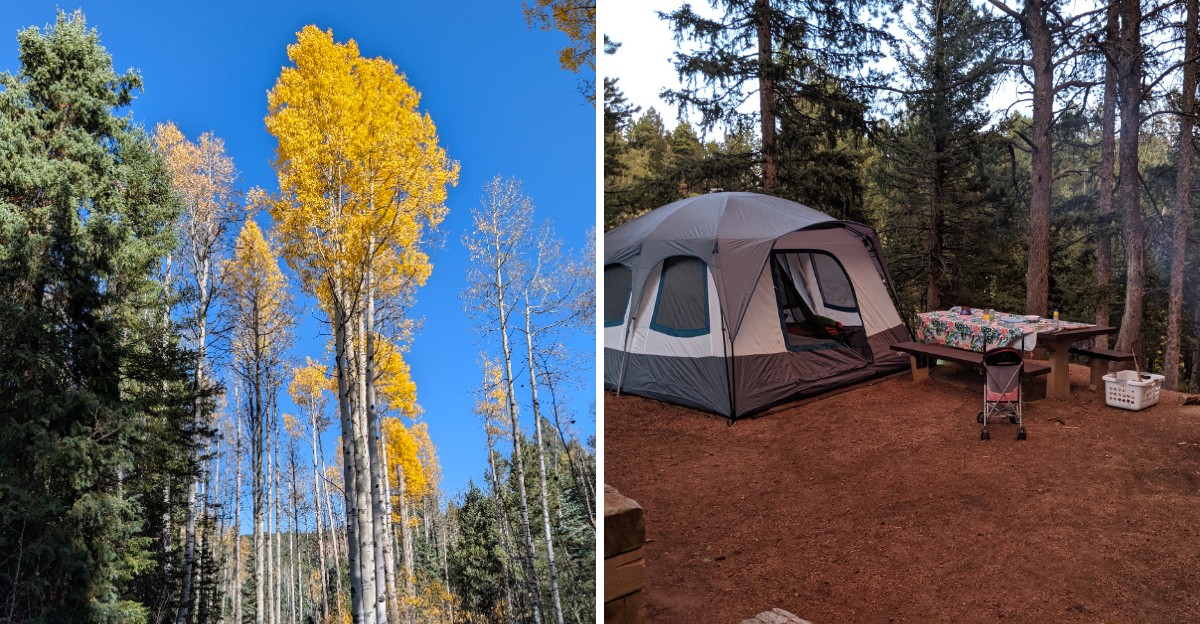
Golden aspens glow on the hillsides at the same time. Could a crisp fall morning ask for a better soundtrack?
Colorado has plenty of wild places, but how many put this show so close to a trailhead? Pack binoculars and a warm jacket, then listen for the first call.
Fall Is When The Meadows Get Loud
Mueller State Park, Colorado, puts on its loudest show during the rut, which is the elk mating season. It usually happens in September and October.
The park’s herd is about 200 elk, so there are plenty of performers.
Bull elk make a bugle, a high whistle that ends in grunts. It carries across meadows and through the forests.
Nothing quite compares to hearing it echo off a mountainside on a cold morning.
The sound is a message. Bulls use it to call to cows and to warn other bulls to stay away.
It is also a good reminder that these are wild animals, so keep a respectful distance.
Early morning and the hours near sunset are the times most people plan around. Dress warmly, since mountain air at this elevation turns crisp fast.
Pack binoculars so you can watch without stepping closer. A little patience goes a long way, and the bugles often start before you can even see the herd.
Fall also brings golden aspen leaves to the park. That means your ears and your camera both get a treat on the same trip.
Where To Find The Park On The Map
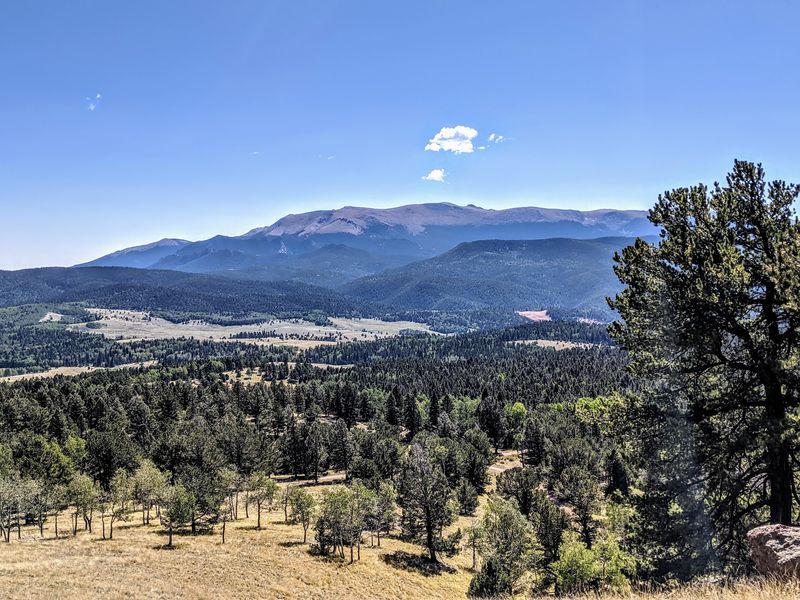
The park sits at 21045 Highway 67 South, Divide, CO 80814. That puts it on the shoulder of Pikes Peak in the Colorado mountains.
It is an easy drive from Colorado Springs, which makes a day trip realistic.
The park is open year-round from 5:00 a.m. to 10:00 p.m. Those early hours are handy for elk watching.
Dawn is a prime time to listen for bulls.
A daily vehicle entry fee or an annual state parks pass is required. Some visitors say they paid at the visitor center when the main entrance was closed.
That is worth remembering if you arrive early or late.
The land covers a little over 5,000 acres. Mountain meadows, aspen groves, and conifer forests fill it.
The elevation is high, so drink water and take it slow if you are coming from lower ground.
Plan your drive with a little buffer. Mountain weather can change quickly, and a calm start does not always mean a calm afternoon.
A light jacket in the car is always a smart move.
Start Your Visit At The Visitor Center
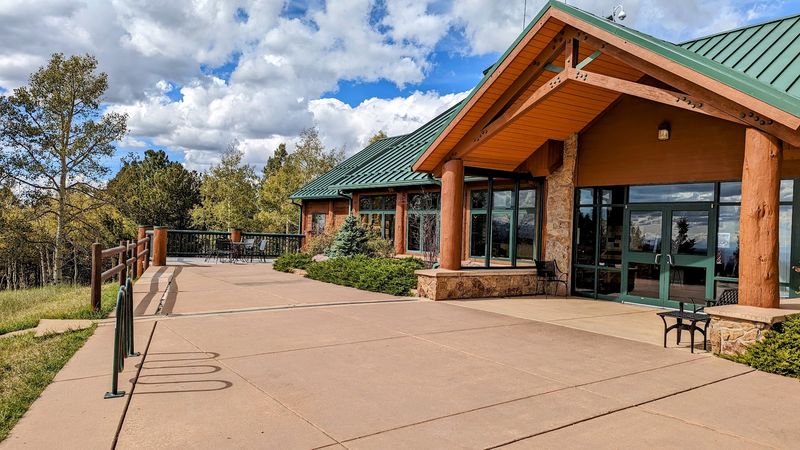
Good trips often start with a good map. The Visitor Center is open daily from 9 a.m. to 4 p.m.
It is the information hub for the park.
Inside are exhibits about the park’s natural habitats and wildlife. They help you understand the elk you might hear later.
Rangers can also point you toward current trail conditions.
Ask whether guided elk hikes are being offered. The park sometimes runs them in the fall.
They are a smart way to learn where the herd tends to roam and how to watch safely.
The center is also the starting point for trails such as the Wapiti Nature Trail. Wapiti is another name for elk, so the trail name fits the theme.
It is an easy way to ease into the landscape.
Collectors of Colorado State Parks Passport stamps will want to stop here too. The center also has a small selection of souvenirs.
A restroom inside is a welcome bonus before heading onto the trails.
Join A Guided Elk Hike If You Can
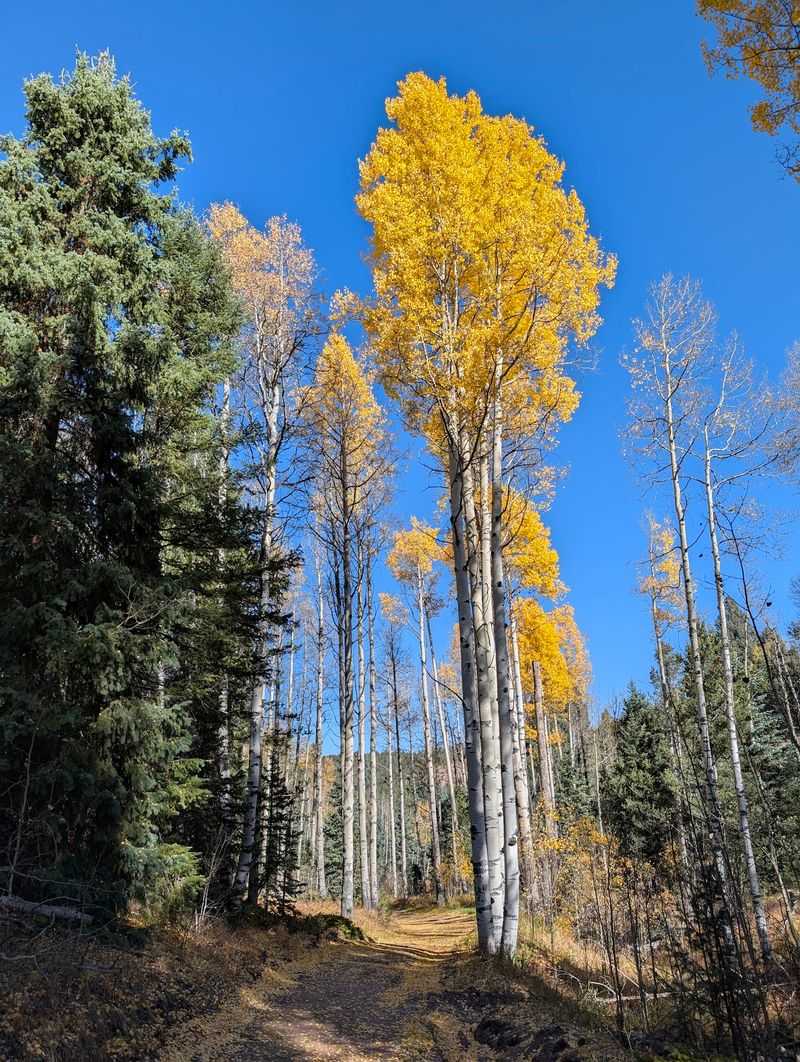
Sometimes the best way to find elk is to walk with someone who knows the park. Mueller State Park sometimes offers guided elk hikes in the fall.
Check with the park for current dates.
A guide can explain what the bulls are doing and why. You will learn how the rut works.
You will also hear tips on safe distances.
Group hikes can make early-morning outings feel less daunting. Dawn comes cold in the mountains.
A leader and a few fellow hikers make the chilly start more fun.
If no guided hike fits your schedule, you can still explore on your own. The trails are well marked, and trailheads have restrooms.
Go slowly and listen as much as you look.
Keep in mind that elk are unpredictable during the rut. Never approach them for a closer photo.
A zoom lens or binoculars give you the same view with no risk.
Leave the pets at home. Pets are not permitted on the park’s hiking trails, and that rule helps protect the wildlife.
Fifty Miles Of Trails To Wander
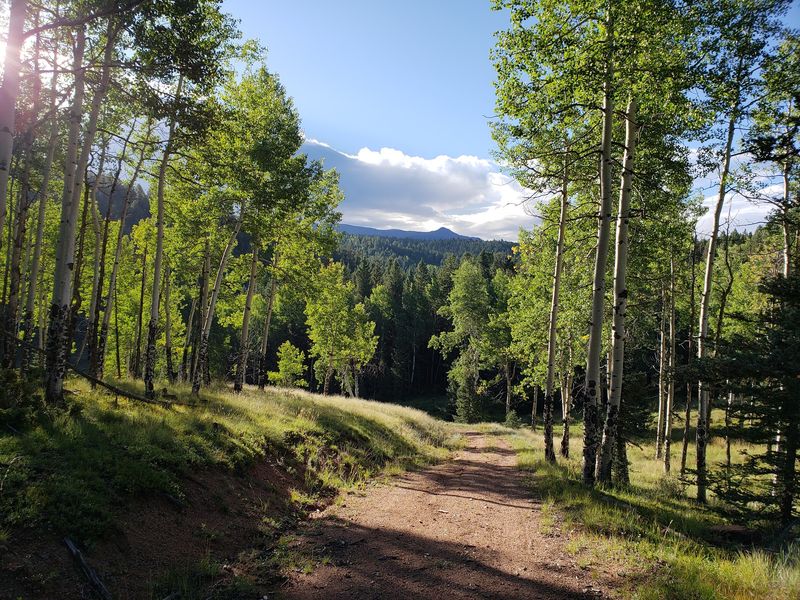
With over 50 miles of trails, there is room for everyone. Hikers, mountain bikers, and horseback riders all share the network.
The paths wind through meadows, aspens, and conifer forests.
Signs are clear, which helps first-timers feel confident. Restrooms and water are available at trailheads, a detail that hikers often appreciate.
That makes short outings easy to plan.
The views are a highlight. You can see Pikes Peak and parts of the Continental Divide.
Because the park sits high, many hikes head downhill first, so save energy for the climb back.
Some sections are open and unshaded. Start early, bring sunscreen, and carry extra water.
Mornings are also when elk are most active.
The Wapiti Nature Trail is a gentle option from the Visitor Center. Longer loops are there when you want more miles.
Trail maps are available at the center, and they are worth grabbing.
Bring layers, since the weather at this elevation can swing from warm sun to cool wind within minutes.
More Wildlife Than Just Elk
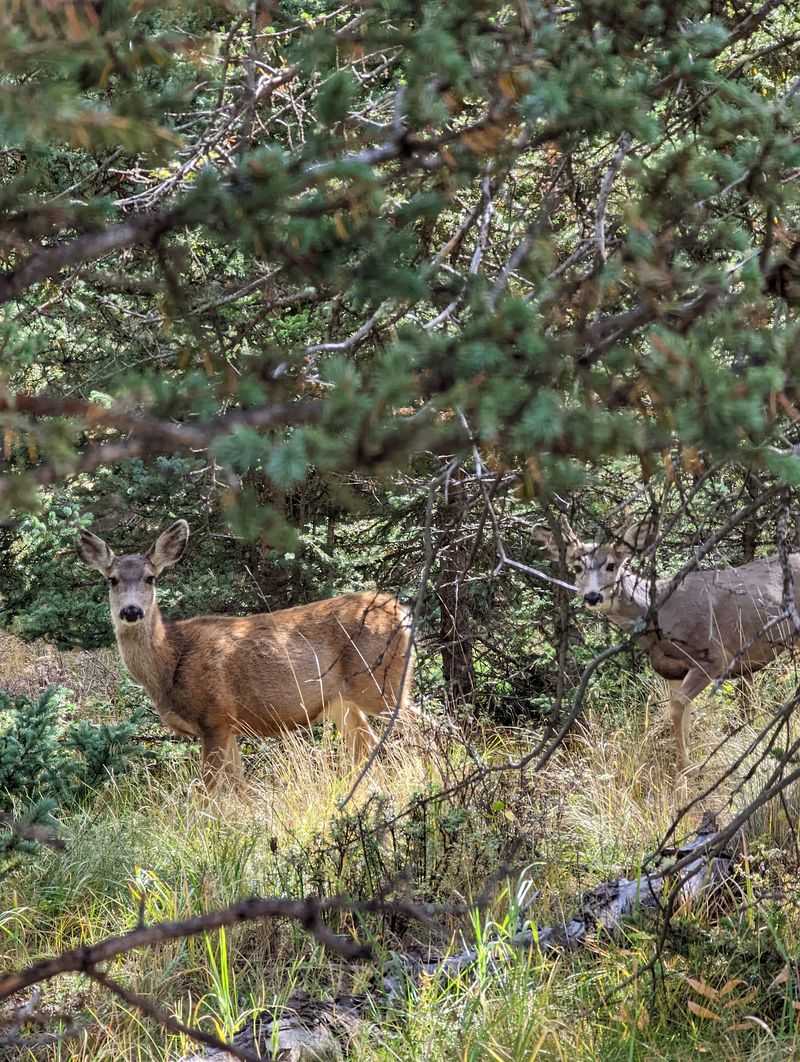
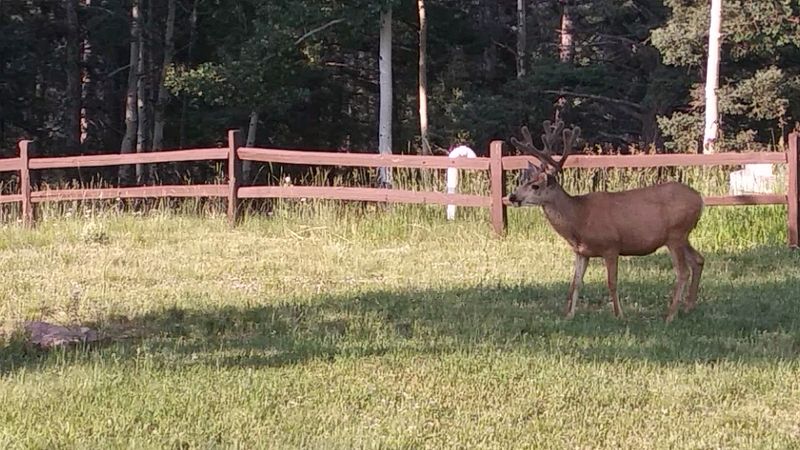
Elk get the headlines, but they have company. Mule deer wander the meadows and forest edges.
Black bears also live in the park, so stay alert and keep food stored.
Bird life is another bonus. The park supports many bird species, and some visitors mention enjoying the birds near the picnic areas.
A pair of binoculars helps.
The park is known as a watchable wildlife area. That is the reason many people come back each year.
A quiet pace and a little patience reward you.
Wildlife is most active near dawn and dusk. Plan your outings around those times.
Keep your voice low and your steps slow.
Pets are not allowed on hiking trails here. The rule gives animals space to live undisturbed.
It also keeps your pet safe.
Always view animals from a distance. Never feed them.
That keeps both wildlife and visitors safe, and it helps keep the park wild for the next fall season.
Camp Close Enough To Hear The Bugles
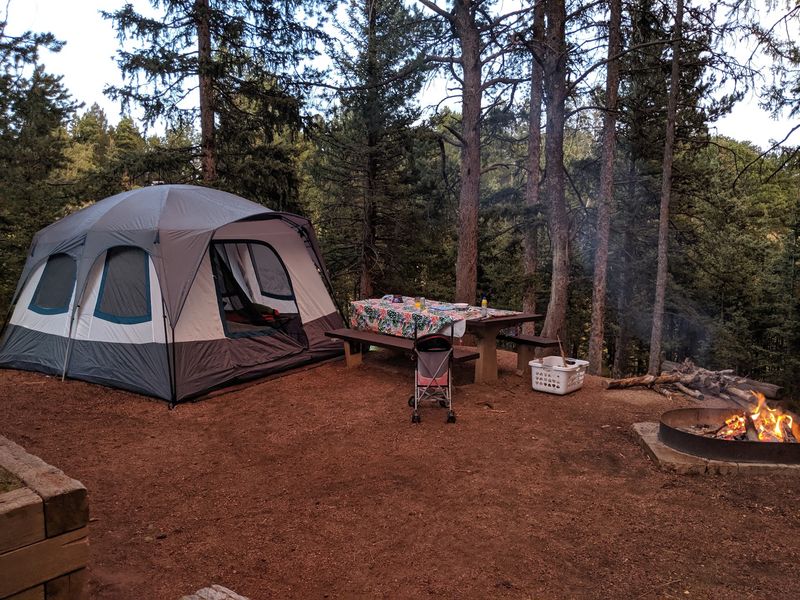
Sleeping in the park puts you near the action. Mueller State Park has over 100 campsites, with 110 featuring electric hookups and 17 winterized.
Those numbers come from park information, so confirm current details when booking.
Reservations are required and open up to six months ahead. Fall weekends fill fast.
Mark your calendar early.
Many sites sit among spruce, fir, and aspen, which gives a woodsy feel. Some offer views toward Pikes Peak.
Tent campers and RV travelers both find spots here.
Keep in mind that the sites are tight in places. Large rigs can find some spaces tricky, so check site details before you book.
Smaller trailers and tents tend to fit more easily.
Showers and laundry are available in season (they close for winter, roughly mid-October to mid-May), which is helpful on longer stays.
Waking up to a bugle near camp is the kind of alarm clock you will actually enjoy.
Log Cabins And Picnic Tables For Easy Stays
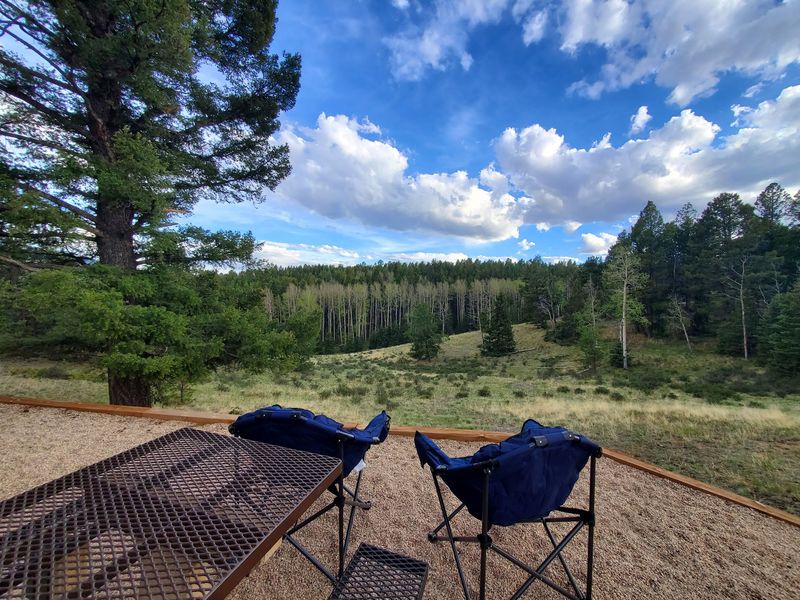
Not everyone wants a tent. The park rents three rustic log cabins year-round.
They include kitchens, bathrooms, gas fireplaces, and outdoor decks with grills.
Reservations are required and can be made up to six months in advance. Popular dates go quickly.
Fall is a favorite season, so plan ahead.
A cabin makes cold mornings easier. You can step onto a deck with a warm drink and listen for elk.
It is a comfortable way to enjoy the rut.
Day visitors have options too. The park has 41 scenic picnic sites.
Each has a table and a grill and is first come, first served.
Pack a lunch and pick a spot with a view. Picnic areas are well kept and set among trees.
Bring a trash bag and leave no trace.
Remember that food draws wildlife. Store snacks securely and clean up fully.
That protects the animals and makes the next visitor’s day better.
Winter Brings A Whole New Park
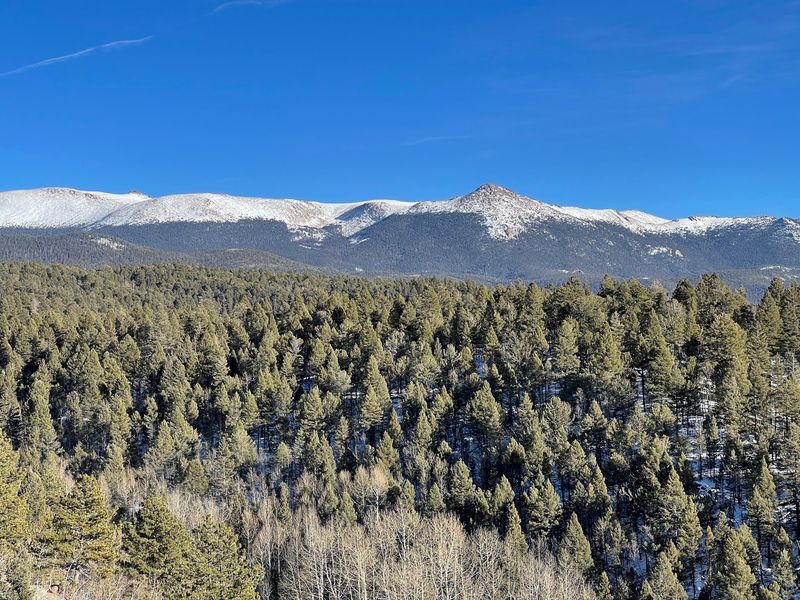
Once the elk calm down, the park changes its costume. Winter turns it into a spot for cross-country skiing, snowshoeing, and sledding.
The same trails look quite different under snow.
Snow depth varies. One visitor learned the maintained sledding hills face the sun, and light snow was not enough that day.
Call the Visitor Center before heading out.
Winter camping is possible too. A smaller set of winterized sites stays available.
Pack for serious cold.
The cabins also stay open year-round. A gas fireplace sounds especially nice after a day in the snow.
Book early for holiday weekends.
The park is open from 5:00 a.m. to 10:00 p.m. year-round, so there is flexibility. Trails remain well marked even in cold months.
Dress in layers and bring traction for icy spots.
Nothing beats coming back in a different season. Mueller State Park, Colorado, rewards repeat visits.
Plan your fall elk trip, then circle back for snow.