
10 Nevada Mountain Towns Locals Avoid In Late Fall Before The Snow Traps You
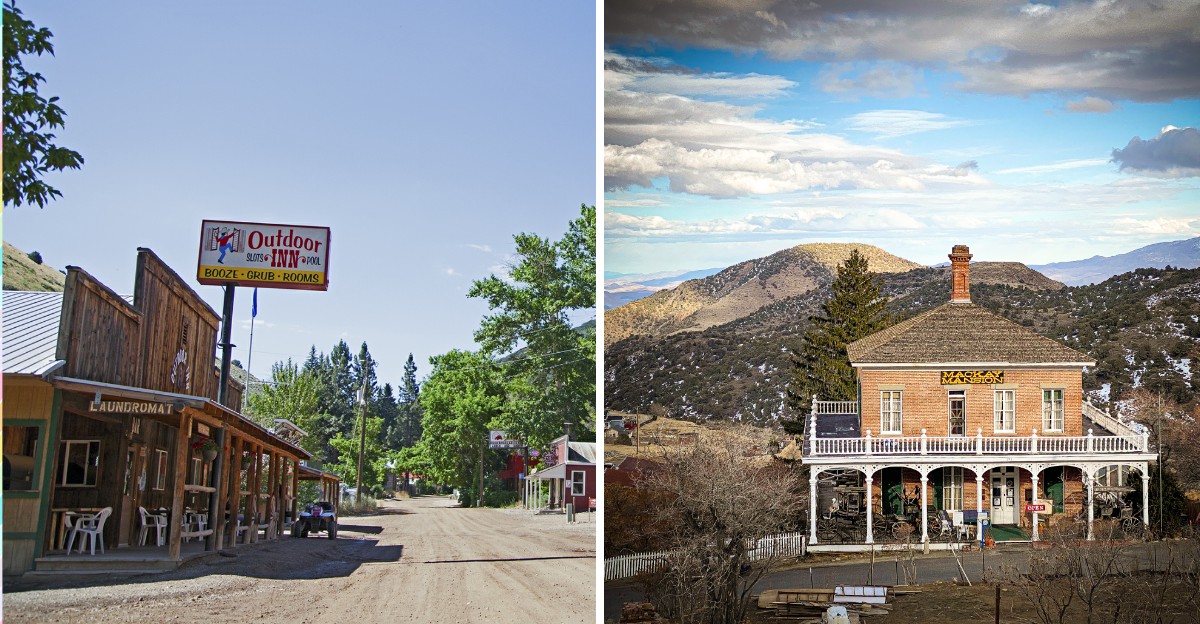
Late fall in the high country can change in an afternoon. A sunny morning drive may end with snow on the pass.
Plenty of Nevada mountain towns sit above 6,000 feet. Some have fewer than 50 year-round residents.
Why does that matter right now? Gas, help and open roads can sit hours apart out there.
Is the trip still worth it? Steam trains, a historic opera house and a famous stagecoach robbery site all say yes.
A scenic drive near a 13,000-foot peak even closes for months each winter. So when should you go, and when should you wait?
Locals in Nevada watch the calendar closely before heading up. Smart visitors check the forecast first and keep their plans flexible.
1. Mount Charleston
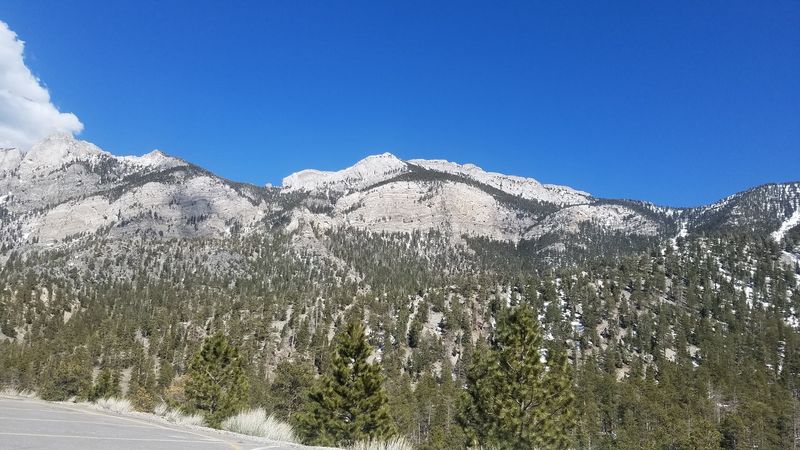
Leave Las Vegas heat behind and you can be in snow country faster than you’d guess. Mount Charleston sits high in the Spring Mountains at about 7,500 feet.
That’s a big jump in elevation, and the weather changes with it.
This is a small mountain hamlet with only a few hundred residents. You’ll find rural alpine cabins and forested slopes instead of busy streets.
It’s a calm place, but calm doesn’t mean predictable in late fall.
Some roads and trails here were damaged by Tropical Storm Hilary in August 2023. Several of those closures have now lasted for years.
That makes checking current conditions a smart first step.
Crews are rebuilding the Mary Jane Trail, and the work is expected to continue through the 2026 season. Mary Jane Falls and Trail Canyon stay closed until the area can safely reopen.
A route that worked last year may not work now.
The Spring Mountains Visitor Gateway is open daily from 9 a.m. to 4 p.m., except some holidays and major weather events. It has an information desk, exhibits and a bookstore.
Stop there for road and trail updates before you head up the canyon.
Snow activities arrive in winter, and Lee Canyon Ski Resort is nearby. The Mount Charleston Lodge burned down in 2021, and its rebuild began in January 2026.
No reopening date has been set, though the lodge cabins stay open to guests.
The Spring Mountains are also considered a place of creation by the Southern Paiute tribes. That adds meaning to the scenery around you.
Address: Mount Charleston, Nevada 89124
2. Incline Village
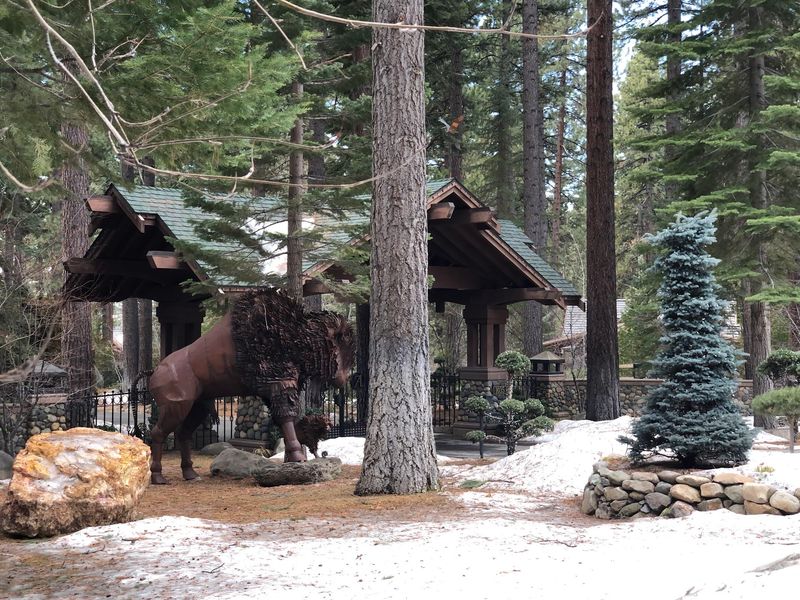
The town’s name comes from a log-hauling railway built in 1878. Loggers used the Great Incline Tramway to move timber up the mountain.
Today the slopes belong to skiers and hikers.
Incline Village sits along Lake Tahoe’s northern shore at roughly 6,350 feet. It’s an unincorporated mountain town with fewer than 10,000 people.
The alpine neighborhoods stay quiet, and the lake gives the area a peaceful feel.
Late fall can bring a mix of weather here. Diamond Peak Ski Resort generally runs from December to April, weather permitting.
That means the early part of the season depends on what the sky delivers.
Outdoor options are plentiful when the weather behaves. Sand Harbor is part of Lake Tahoe Nevada State Park, and the Tahoe East Shore Trail runs along the lake.
Thunderbird Lodge offers guided tours of a historic lakeside estate.
The Incline Village Mountain Golf Course has an 18-hole executive layout with mountain views. Still, a pretty autumn day can change quickly at this elevation.
Pack for cold and check conditions before you go.
Address: Incline Village, Nevada 89450
3. Genoa
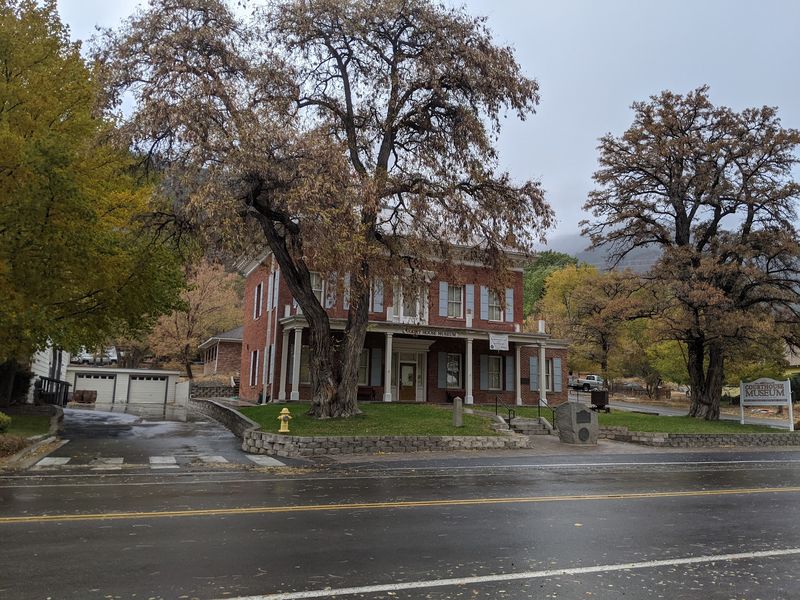
Nevada’s first permanent settlement is small enough to cover on foot. Genoa began in 1851 as Mormon Station.
It even served as the first capital of the Nevada Territory until 1861.
The village sits at the base of the Carson Range at roughly 4,800 feet. About 250 people live here.
That makes the main street feel intimate.
Mormon Station State Historic Park commemorates the settlement’s beginnings. The Genoa Courthouse Museum adds more local history.
A few shops fill out the street.
The Sierra Nevada mountains rise behind town. Genoa is lower than many places on this list, so it can be a gentler stop.
Even so, mountain weather can still change the plan.
The Genoa Bar was established in 1853 and is known as Nevada’s oldest saloon. It’s one more reason the town draws history fans.
If a storm is coming, you’ll want to see it before the roads turn slick.
Address: Genoa, Nevada
4. Austin
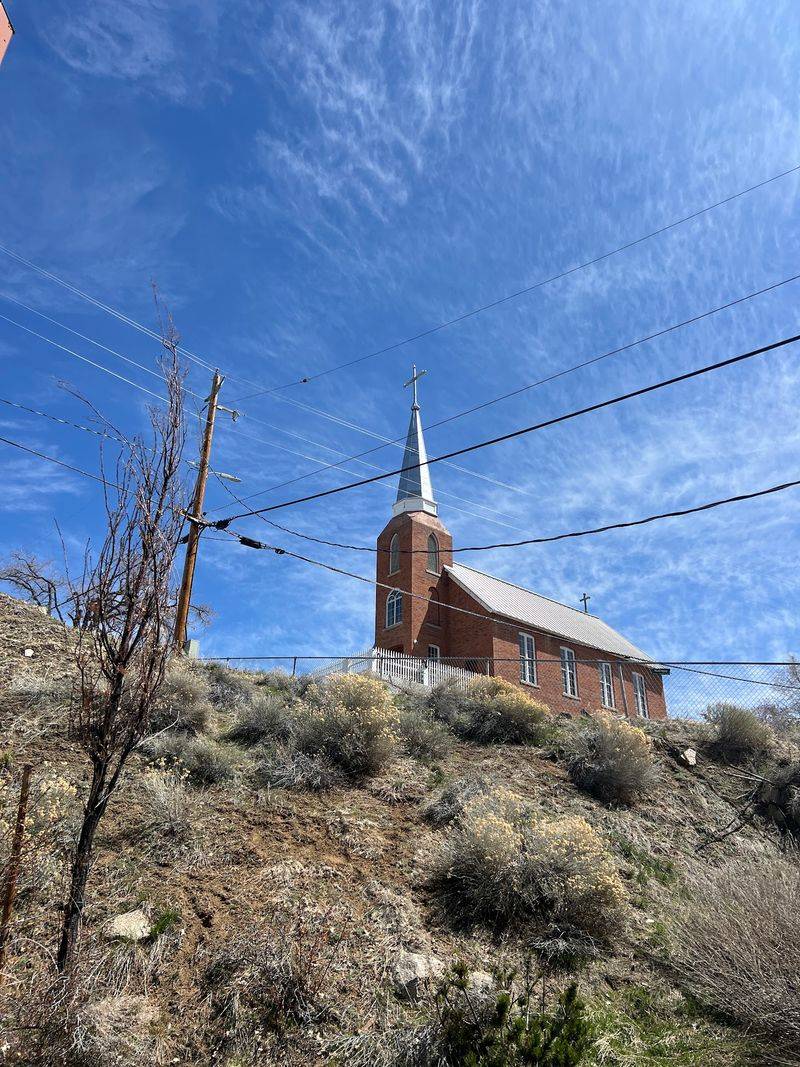
Stokes Castle looks like a story waiting to happen. The three-story stone tower was built in 1896 and 1897.
It stands above a town that began with a silver discovery in the 1860s.
Austin sits on the slopes of the Toiyabe Range at 6,575 feet. Fewer than 200 people live here.
The town stretches along US-50, known as The Loneliest Road in America.
That remoteness is part of the charm. It’s also why planning matters.
Long stretches between towns leave little room for a surprise storm.
The historic Main Street has classic buildings and 19th-century stone churches. St. Augustine’s Church, built in 1866, now serves as a community center.
Walking around gives you a clear sense of the mining boom.
The Toiyabe Range offers mountain biking, hiking and access to Spencer Hot Springs. Those activities are best before snow settles in.
Check the road forecast first, then enjoy the quiet.
Address: Austin, Nevada 89310
5. Eureka
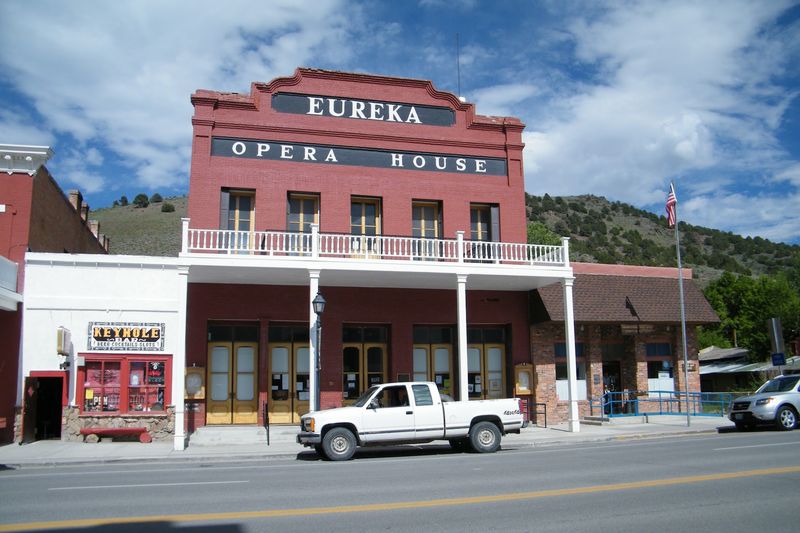
An opera house in a mining town sounds like a tall tale, yet Eureka has one. The Eureka Opera House was built in 1880 and still hosts events.
It anchors a main street lined with brick buildings.
Eureka sits in the Diamond Mountains at 6,480 feet. About 400 people live here.
The silver-lead boom of the mid-1860s built the town.
The Eureka Sentinel Museum fills the 1879 newspaper building. You’ll find original printing presses and mining artifacts.
It’s open Monday through Friday from 8 a.m. to 5 p.m., with a lunch closure from noon to 1 p.m.
The 1879 Eureka County Courthouse adds another historic stop. The preserved brick rowhouses make a walk down Main Street easy.
Everything is close together.
The town lies right on US-50, The Loneliest Road in America. Locals call it the Friendliest Town on the Loneliest Road.
That welcome matters when the next town is far away.
Ely lies roughly 77 miles east, and Austin sits about 70 miles west. Services between them are scarce, so fill the tank before you leave.
Pack water, snacks and a blanket in case a storm slows you down.
Late fall can bring cold air to this high desert town. Weekday-only museum hours also mean you need to time your visit.
Go early on a weekday, bundle up and leave room for changing weather.
Address: Eureka, Nevada 89316
6. Ely
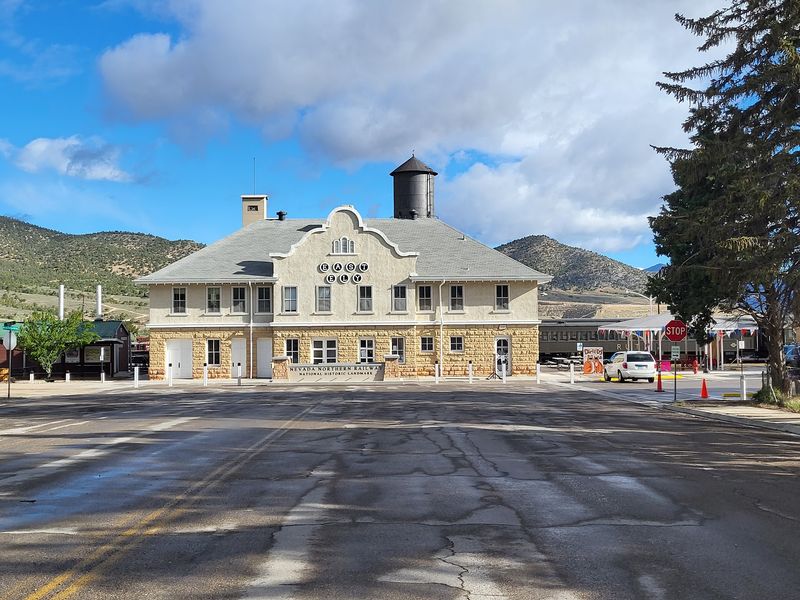
Trains still chug along in Ely, and that’s the big draw. The Nevada Northern Railway first arrived in 1906.
Today the museum runs steam and diesel passenger excursions.
The museum is a 40-acre complex with 49 historic structures. It’s recognized as a National Historic District.
Guided walking tours cover the East Ely Yard Complex.
Ely sits at 6,437 feet, surrounded by the Egan and Schell Creek ranges. About 4,000 people live here.
That makes it larger than many towns on this list, with a small-town feel along Aultman Street.
Hours vary by day. The museum opens Monday through Wednesday from 8 a.m. to 5 p.m.
It stays open until 7:30 p.m. Thursday through Saturday, and closes at 4 p.m. on Sunday.
Nearby you’ll find Hotel Nevada and Gambling Hall, Ward Charcoal Ovens State Historic Park and Great Basin National Park. Distances in eastern Nevada are long.
Watch the forecast before you set out.
Address: 1100 Avenue A, Ely, Nevada 89301
7. Jarbidge
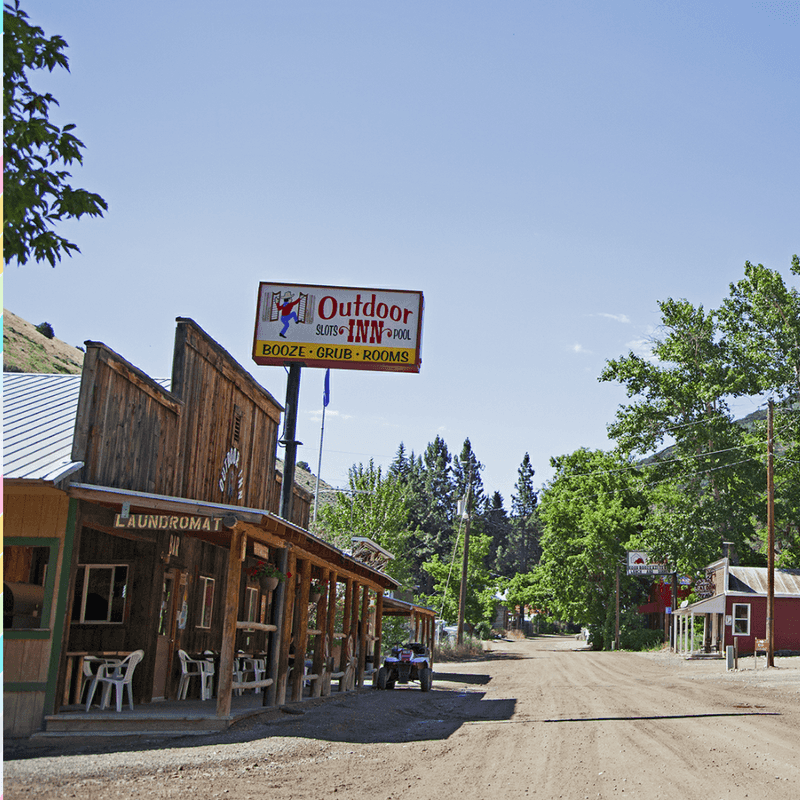
Fewer than 50 people live here year-round. That makes Jarbidge one of the most isolated outposts in the United States.
The streets are unpaved, and cabins are rustic.
The town sits deep in the Jarbidge Mountains of northern Nevada at about 6,200 feet. It lies roughly 10 miles south of the Idaho border.
Remote is the right word.
Gold was discovered nearby in 1909, sparking one of the last gold rushes of the Old West. The town also claims the last stagecoach robbery in American history, on December 5, 1916.
That story still draws history buffs up the canyon.
Late fall is a risky time to arrive. A sudden storm can change road conditions fast.
Help is far away if plans go sideways.
The main route from Elko ends on unimproved county roads. Those last stretches receive no winter maintenance, so snow can shut them quickly.
Travelers should plan carefully and carry what they need.
The appeal is the quiet. You won’t find crowds or busy streets.
The mountains do the talking.
If you go, give yourself extra time and a flexible schedule. Tell someone your route.
Pack warm layers, and turn around if the weather looks uncertain.
Address: Jarbidge, Nevada 89826
8. Virginia City
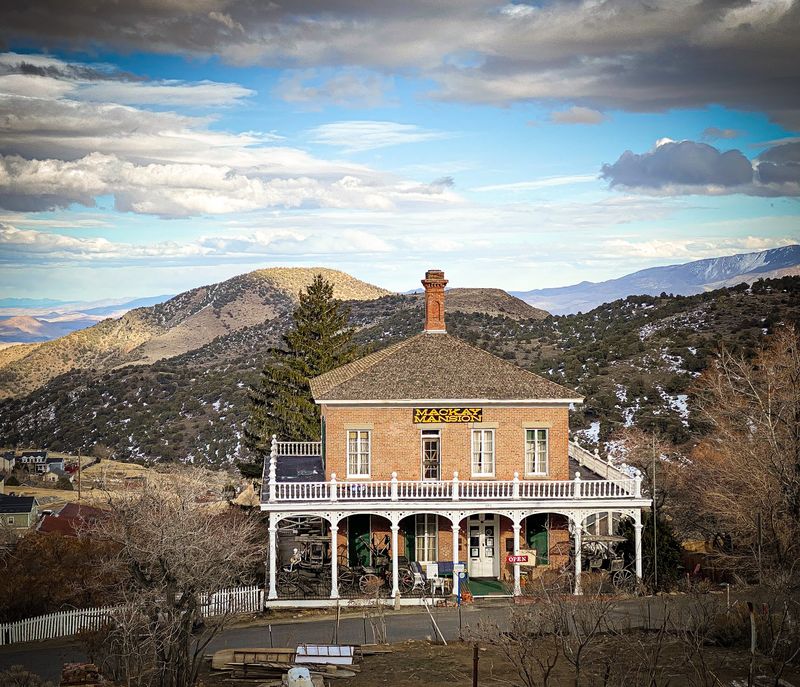
A silver strike in 1859 turned this hillside into one of the West’s best-known boomtowns. The Comstock Lode brought rapid growth in the 1860s.
Now the town keeps that history on display.
Virginia City sits on the eastern slope of Mount Davidson at about 6,150 feet. Around 700 to 1,000 people live here.
The wooden boardwalks along C Street are the main attraction.
Museums are the reason to linger. The town has more than 17 of them, plus mine tours and historic buildings.
The Way It Was Museum holds Comstock mining artifacts.
The Courthouse Slammer and County Museum sits in the state’s oldest operating courthouse. Its exhibits fill the old jail cellblock inside.
Admission is free, and it’s open Monday through Friday from 8 a.m. to 5 p.m.
The courthouse itself dates to 1876 and 1877. Its Lady Justice statue above the entrance famously wears no blindfold.
The Virginia and Truckee Railroad runs daily from late May through October.
The 35-minute ride leaves from the original 1870 depot and heads to Gold Hill. Arrive later in the fall and the regular trains will have stopped for the season.
The 2026 season also marks 50 years since the line returned to service in 1976. That makes this a special year to ride before October ends.
Many attractions are indoors, which helps when a cold wind picks up.
Elevation still matters in late fall. Boardwalk strolling feels different when temperatures drop.
Bring layers and check the forecast before you climb the hill.
Address: 86 South C Street, Virginia City, Nevada 89440
9. Lamoille
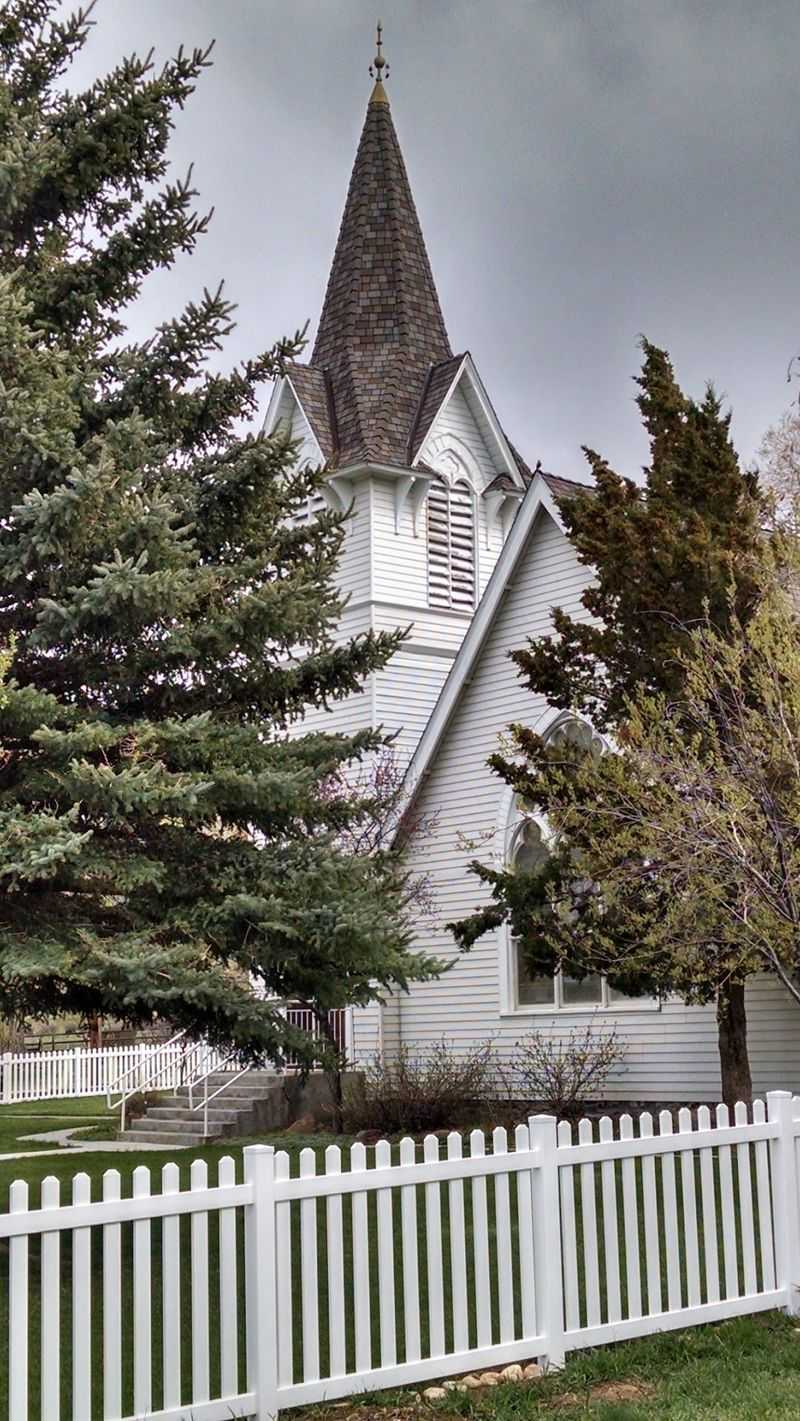
Some people call Lamoille Canyon the Swiss Alps of Nevada. The glacier-carved canyon cuts into the Ruby Mountains.
Lamoille is the gateway.
The hamlet sits at about 6,000 feet. Roughly 100 to 200 people live here.
Historic ranch lands and the Little Church of the Crossroads give it character.
Thomas Waterman first settled the area in 1865 and named it for Lamoille County, Vermont. John Walker opened a store, blacksmith shop and the Cottonwood Hotel in 1869.
Those details add a pioneer story to your visit.
The Lamoille Canyon Scenic Byway runs 12 paved miles. It’s generally open from May to October, weather permitting.
Late fall can cut that season short.
The canyon offers alpine lakes, waterfalls and trails. Wildlife includes elk, mountain goats and bighorn sheep.
In winter, snowshoeing and snowmobiling take over.
Address: Lamoille, Nevada 89828
10. Baker
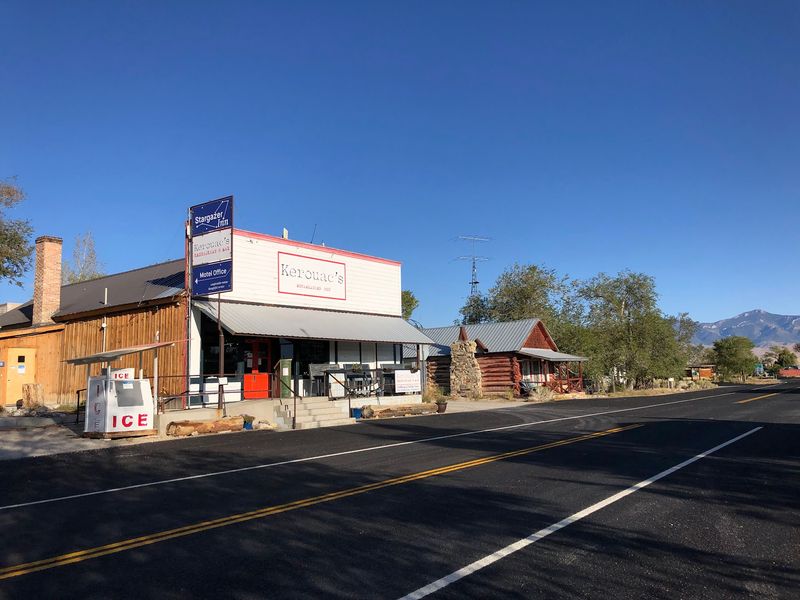
Some trees near Baker are nearly 4,000 years old. Those bristlecone pines grow in Great Basin National Park.
A 1.5-mile trail from Wheeler Peak Campground leads to the groves.
Baker sits at 5,300 feet near the foot of Wheeler Peak in the Snake Range. Fewer than 100 people live here.
It’s a rural gateway with an uncrowded frontier feel.
Snow shapes the season. The Wheeler Peak Scenic Drive is typically closed from November through late May.
That’s a big reason to visit before winter arrives.
The Lehman Caves Visitor Center is 5.5 miles from Baker. It’s open daily from 8 a.m. to 4:30 p.m., except Thanksgiving, Christmas and New Year’s Day.
Ranger-guided cave tours run 30 to 90 minutes, and reservations are highly recommended.
The park is also an IDA Dark Sky Park. Astronomy programs run from May through October.
The Lehman family started a ranch here in 1875.
Address: Baker, Nevada 89311