
This Historic Massachusetts Cathedral Is Home To Architectural Treasures Few People Ever Notice
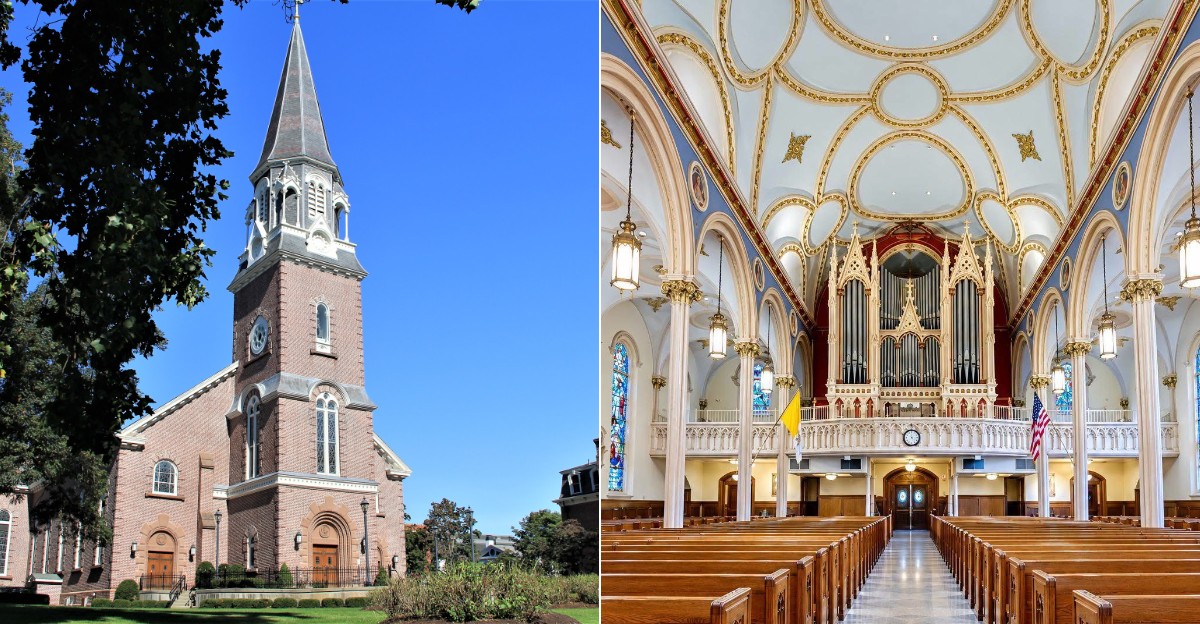
Stained glass windows from a completely different church now glow inside a quiet gallery here. They were saved from a closed parish and given a second life.
I love that kind of rescue story.
The main building opened on Christmas Day in 1861. That makes it the oldest Catholic house of worship in its city.
It became a cathedral in 1870, when a brand-new diocese needed a home base.
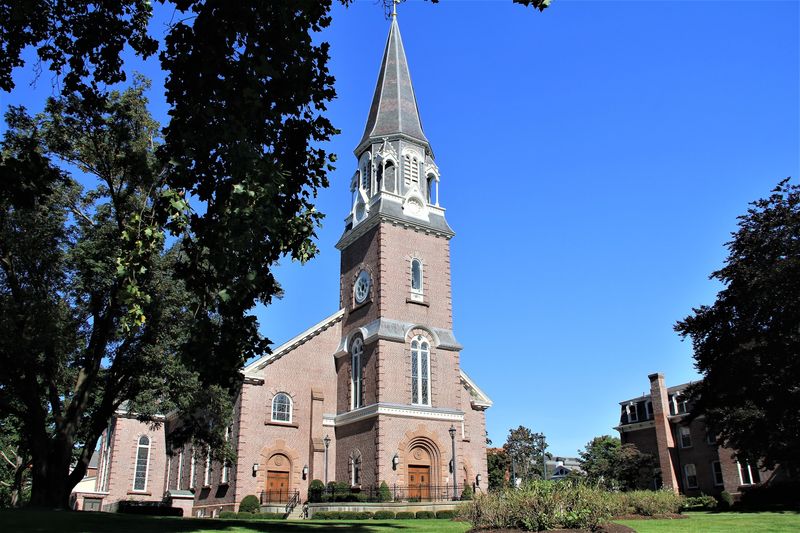
The brick exterior blends Italianate and Federal styles. An architect famous for designing hundreds of churches drew it up.
Yet most people zip past without a second look.
I believe this is one of the most underrated buildings in Massachusetts. It holds a bishop’s chair, a chapel built to match old arches, and a choir with serious holiday traditions.
A Christmas Day Opening Gave This Church A Head Start On History
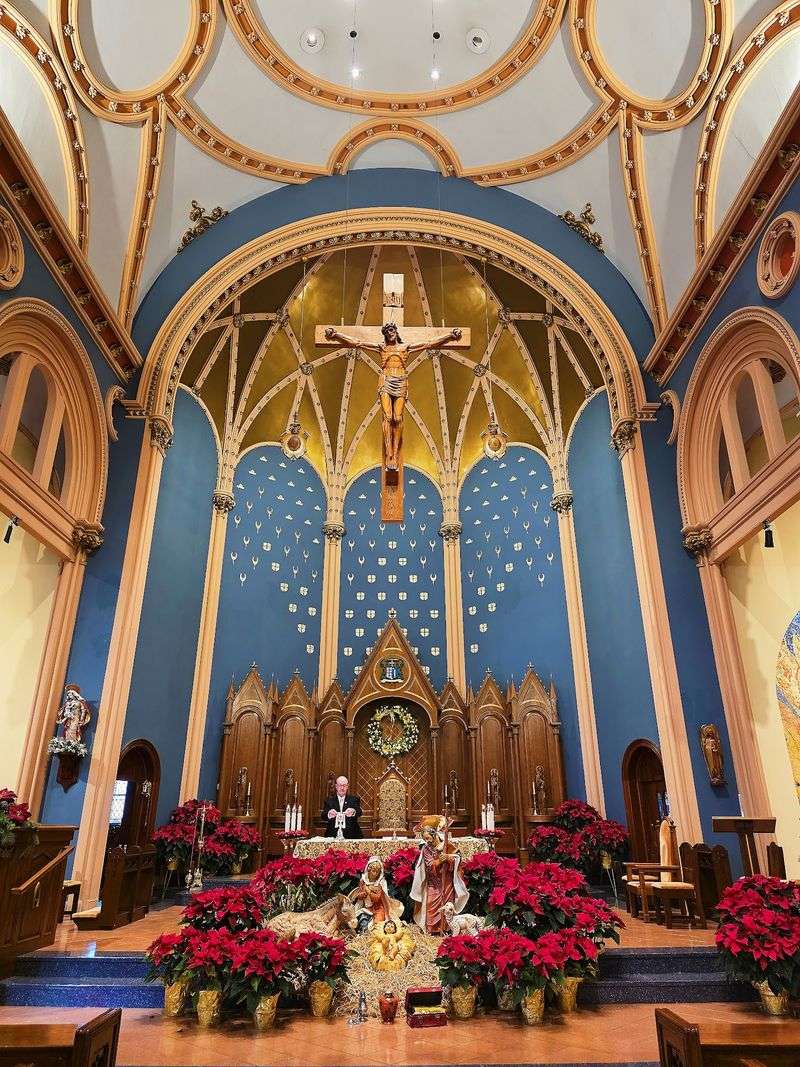
Few buildings can claim a birthday as memorable as December 25, 1861. The Cathedral of Saint Michael the Archangel opened its doors on Christmas Day that year.
Its story actually starts earlier, back in 1847. Springfield’s first Catholic community bought a former Baptist church and named it St. Benedict’s Parish.
That small space filled up fast.
Crews broke ground in 1860. Just one year later, the new church stood ready for worship.
That quick timeline still impresses me. Builders pulled it off without modern cranes, power tools, or delivery trucks.
Today it holds the title of Springfield’s oldest Catholic house of worship. That’s a lot of history packed into one brick building.
Here’s a tip for history fans. Look at the building with that 1861 date in mind, and the details start to feel more personal.
You’re seeing the same walls that welcomed people more than 160 years ago. Good luck looking at it the same way again after that.
The Architect Behind The Bricks Built Churches All Over America
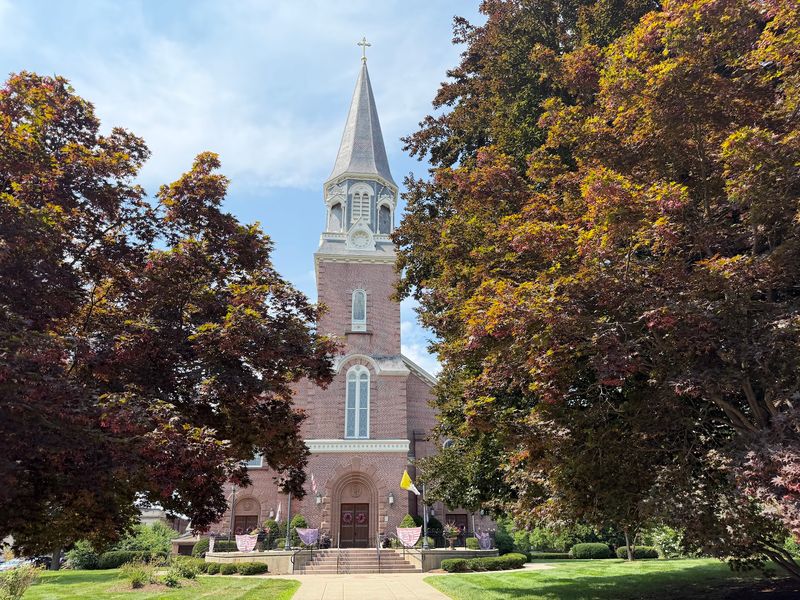
Patrick Keely was a big deal in the world of church design. He drew up plans for this cathedral, and his work shaped Catholic buildings across the country.
His style here mixes two looks. Experts describe it as a blend of Italianate and Federal, and some sources also point to Renaissance touches.
So what does that mean for you? Italianate buildings often lean on graceful arches and strong rooflines.
Federal style tends to feel balanced and neat. Put them together in brick, and you get something dignified without feeling fussy.
The material matters too. Brick gives the cathedral a warm, solid presence on the street.
Many famous cathedrals are made of carved stone. This one feels more rooted in New England, which I find kind of charming.
Next time you pass by, slow down and study the shapes. Notice the symmetry and how the parts line up.
It’s a free lesson in nineteenth-century design. No textbook or tour ticket required, just a curious pair of eyes and a few spare minutes.
One Special Chair Is The Reason It Is Called A Cathedral
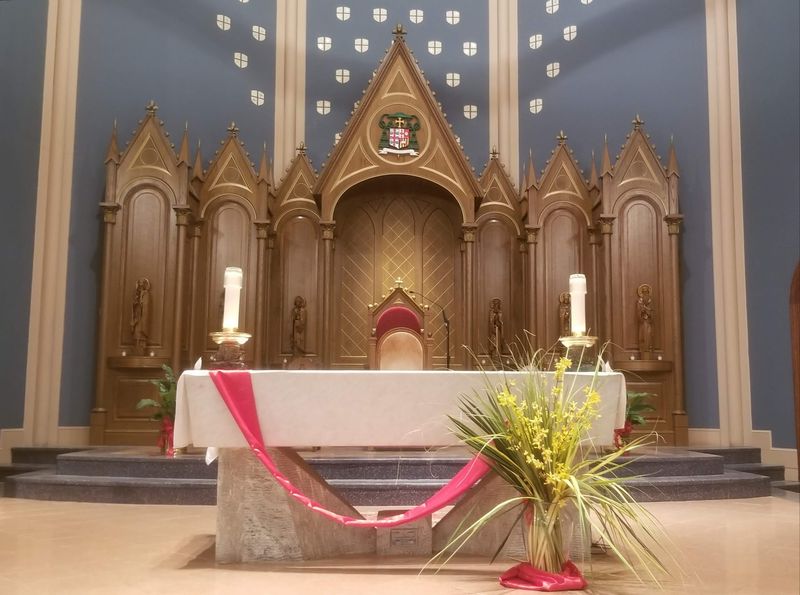
Plenty of churches are big and beautiful. Only a cathedral holds a cathedra, the official chair of the bishop.
The word itself comes from the idea of a seat. From this chair, the bishop presides, teaches, and leads worship for the whole diocese.
That role arrived in 1870. The Diocese of Springfield formed that year, and this church was raised to cathedral status.
Back then, the diocese covered all of western Massachusetts. It also included Worcester County, which is a huge stretch of territory.
Think of it as the mother church for a whole region. Every parish in the diocese connects back to this spot in some way.
It’s easy to overlook the chair if you don’t know to look for it. Most eyes go straight to the altar or the windows.
When you visit, take a moment to find it. Knowing its meaning turns a piece of furniture into a story about leadership and community.
Honestly, it might be the most important chair in the region. And it’s not even padded for comfort.
Rescued Stained Glass Found A New Home In A Quiet Gallery
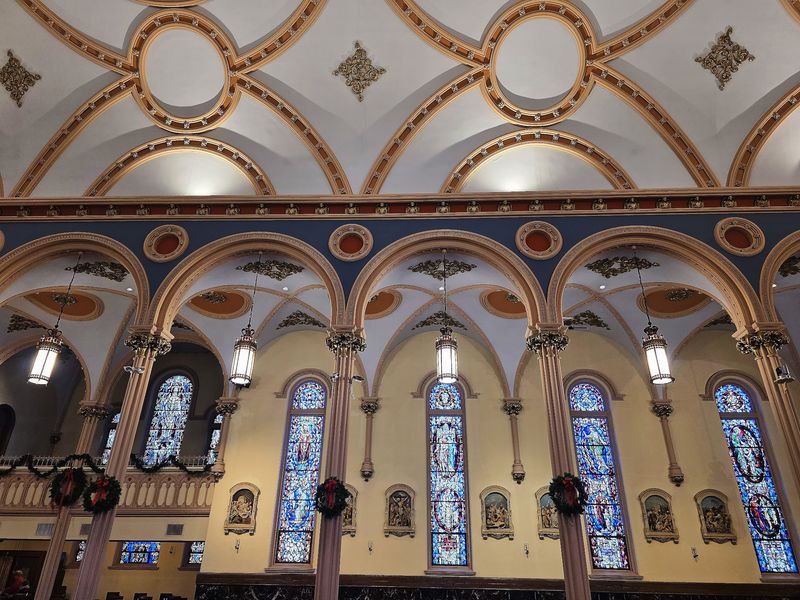
Some of the prettiest glass here didn’t start out here at all. The Cloister Gallery displays stained glass windows from the former Holy Family Church in Springfield.
I love this detail. Instead of disappearing, those windows got a second chance to shine.
You’ll find the gallery inside the Bishop Marshall Center. It sits alongside the cathedral and adds fresh space for prayer and gatherings.
Stained glass was more than decoration for older churches. Windows often told stories through color and pictures, long before most people owned books.
The cathedral itself is known for its stained glass too. So you get two collections with two different backstories.
Here’s a practical idea. Visit on a bright day if you can, since sunlight brings out the richest colors.
Then take your time. Move slowly and look at the small details in each panel.
Faces, borders, and patterns reward a patient viewer. It’s like a museum hallway, minus the velvet ropes and gift shop at the end.
A Newer Chapel Pulls Off A Clever Architectural Disguise
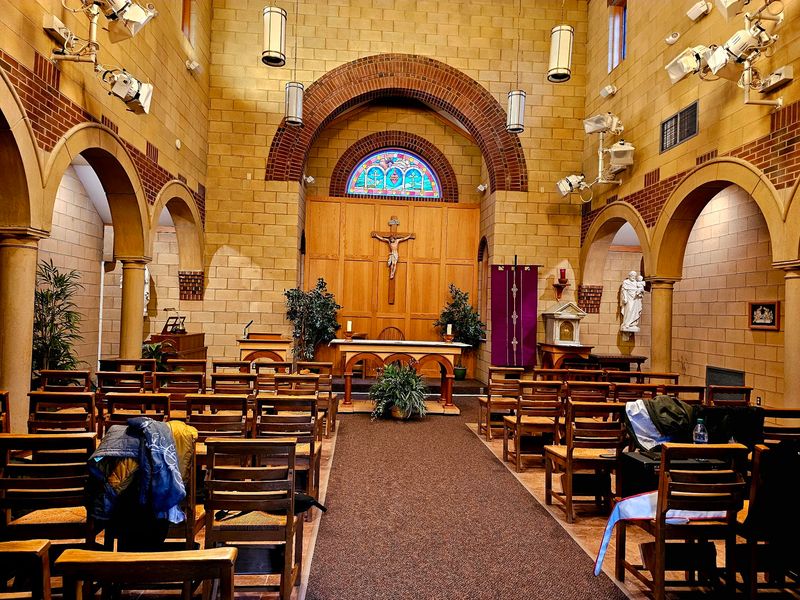
Matching old architecture is harder than it sounds. The Holy Spirit Chapel inside the Bishop Marshall Center manages it with style.
Designers used cast stone columns and arches. They shaped them to blend with the original cathedral, so new and old feel like one family.
That kind of care is easy to miss. Many people assume everything here dates to 1861.
The Bishop Marshall Center holds even more. There’s a meeting room, a choir room, and St. Augustine’s Chapel.
St. Augustine’s Chapel has a solemn purpose. It serves as the resting place for diocesan bishops, which links the cathedral to its past leaders.
The whole center is fully accessible for people with disabilities. That’s a thoughtful upgrade for a historic campus.
So how do you spot the difference between old and new? Look closely at how the columns and arches echo the main church.
If they fool you at first, the designers did their job well. Consider it a friendly architectural magic trick.
Candlelit Carols And Haunting Lenten Music Fill The Seasons
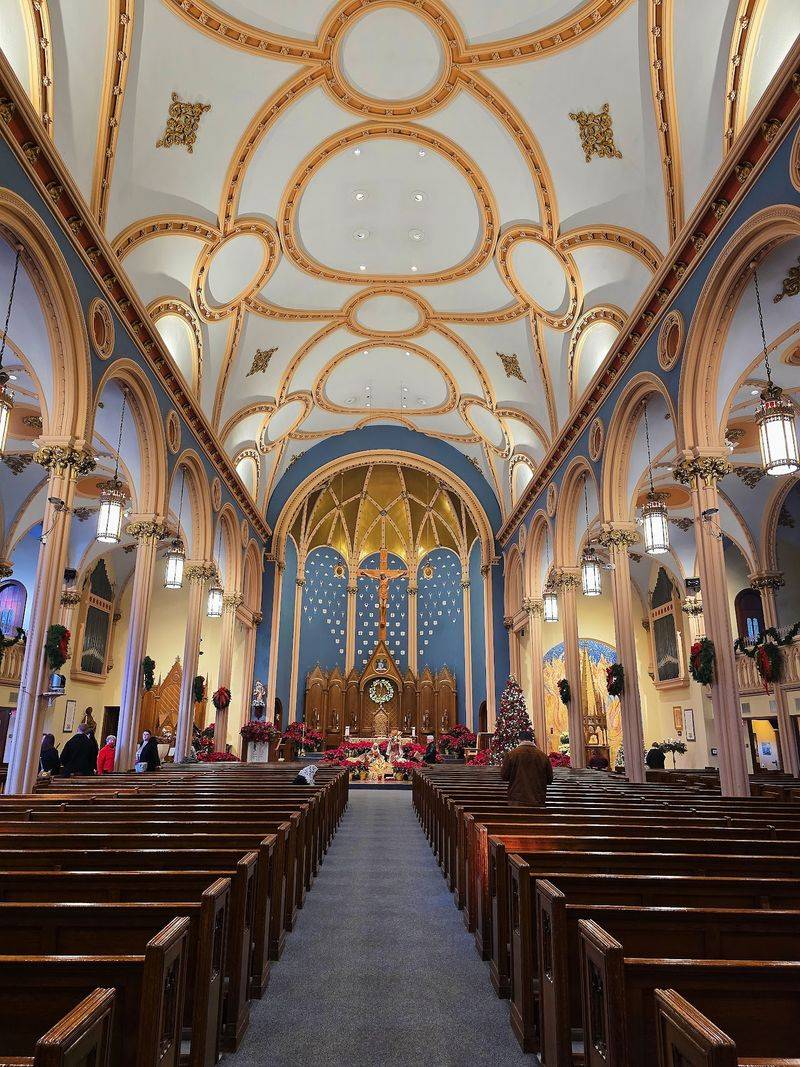
Music gives this old building a voice. The St. Michael’s Cathedral Choir sings at services and keeps two seasonal traditions going strong.
It fits the building’s history nicely. After all, the church first opened on Christmas Day.
Lent brings a very different mood. The choir leads a Tenebrae service, a traditional prayer known for its quiet, shadowy feel.
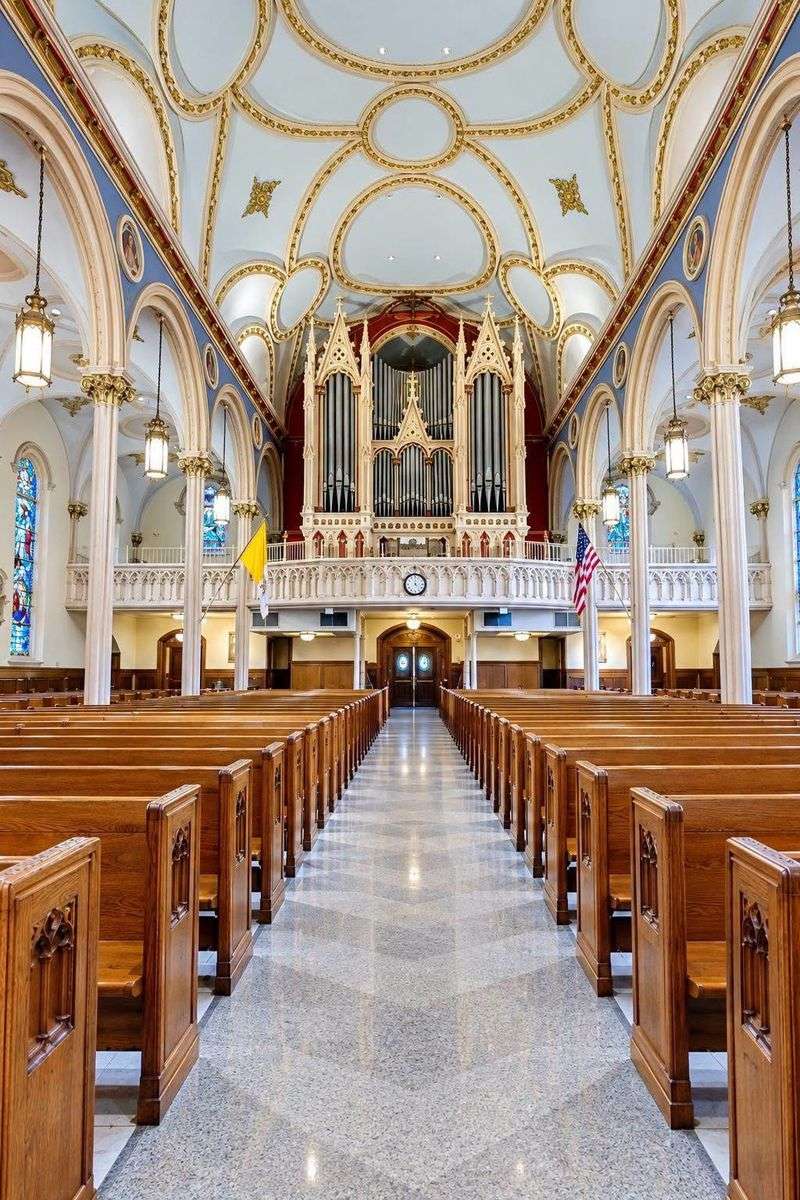
The cathedral is also linked with its organs. Pipe music in a space this size can fill every corner.
My advice? Check the parish calendar ahead of time for seasonal dates.
These events are made for prayer and celebration. Come respectfully, and you’ll hear the building at its best.
Architecture is lovely to look at. Hearing it come alive with voices is a whole other treat, and I can’t imagine a better way to experience the place.
Mass Times Make Visiting Easier Than You Would Guess
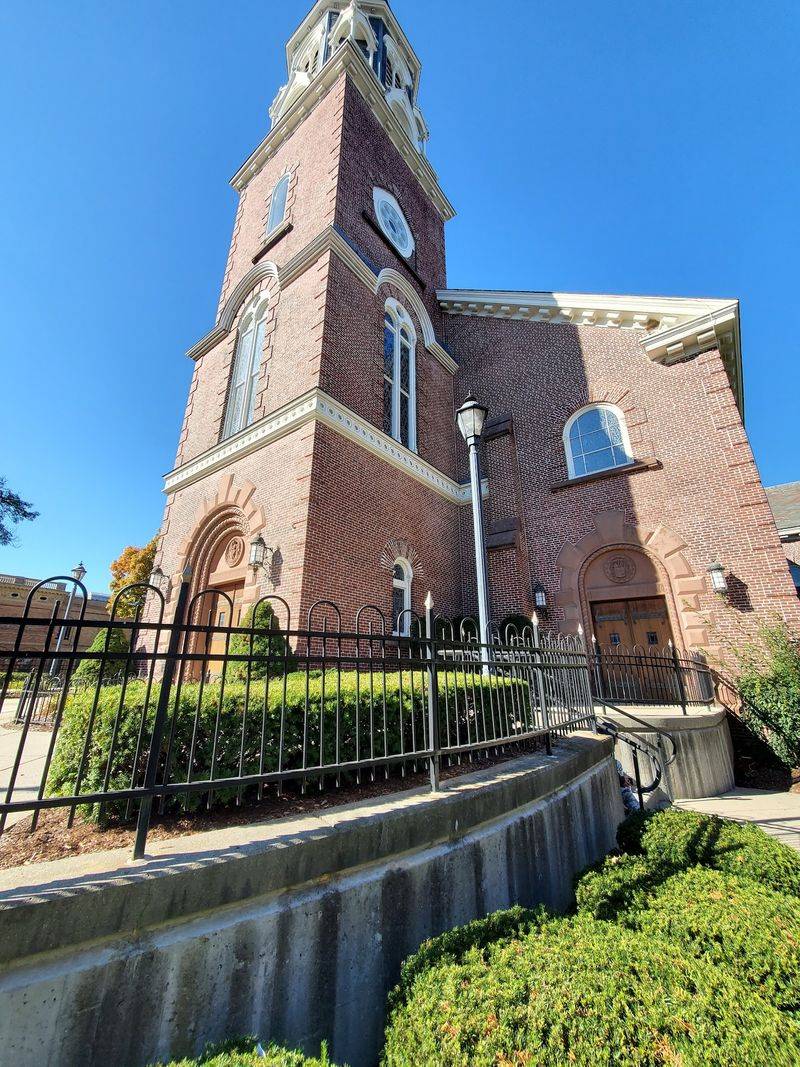
Here’s good news for curious visitors. This is an active parish, so the doors open regularly for worship.
The Cathedral of Saint Michael the Archangel holds a Saturday Vigil Mass. Sunday brings several Masses, including one in Spanish.
Weekday Masses run Monday through Friday. That’s handy if your schedule is packed on weekends.
Reconciliation, also called confession, is offered on Saturdays. You can also set up an appointment through the parish office.
The parish openly welcomes visitors to join the celebration of Mass. It’s a living church first and a historic landmark second.
That means a little etiquette goes a long way. Dress respectfully and keep phones silent.
Save photos for times when no service is happening. Ask the parish office first if you have questions.
Schedules can shift, especially around holidays. Double-check times before you head out, and you’ll avoid showing up to a locked door and a very confused expression.
Good Works Happen Right Next Door To All That Beauty
Beautiful buildings mean the most when they serve people. That’s exactly what happens here beyond the sanctuary.
The Bishop Marshall Center doubles as a parish hall. It can hold about 120 people and includes a kitchen.
Parish and diocesan groups use the space for meetings and events. It keeps the cathedral connected to everyday life in Springfield.
The parish also runs a food pantry. A senior altar server coordinates it, which I think is a lovely example of young leadership.
Various ministries keep the community busy too. Music, service, and fellowship all have a place here.
So the cathedral isn’t just a pretty relic. It works hard for its neighbors in Massachusetts every week.
Want to help? Reach out to the parish office and ask how to support the pantry or get involved.
Even a small donation of pantry staples can matter. Sometimes the most impressive treasure in a historic church is the kindness happening inside it.
Plan A Stroll Through A Historic Neighborhood While You Are There
Location adds a bonus layer to any visit. You’ll find the cathedral at 260 State Street, Springfield, MA 01103.
That address places it in a protected historic area. In 1974, the cathedral and its rectory became contributing properties to the Quadrangle-Mattoon Street Historic District.
The district is listed on the National Register of Historic Places. In plain words, this neighborhood matters to American history.
Local historical groups sometimes offer walking tours that include St. Michael’s. These tours focus on Victorian-era churches around the city.
Joining one is a smart move. A guide can point out details you’d likely walk right past.
If no tour fits your schedule, explore on your own. Wear comfy shoes and give yourself time to wander nearby streets.
Springfield packs plenty of character into this part of Massachusetts. The cathedral makes a perfect anchor for a slow afternoon.
Just don’t rush it. Old buildings tell their best stories to people who stick around long enough to listen.