
The Quiet Small Massachusetts Town Near Salem Most Travelers Never Think To Visit
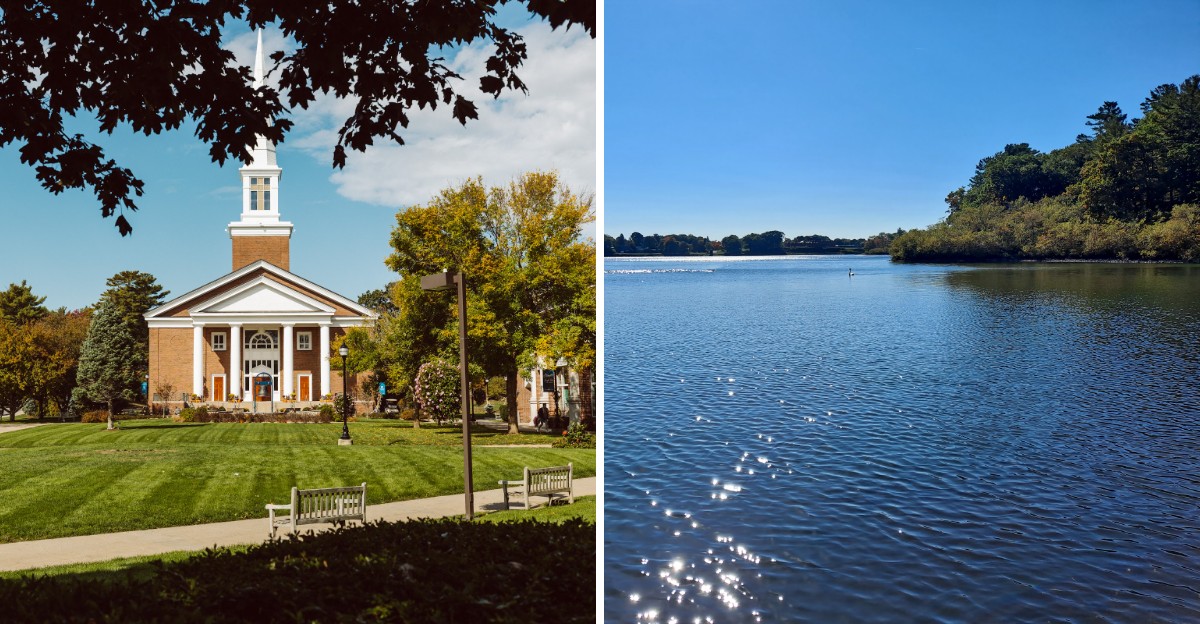
Just a short drive from Salem’s busy streets, a small Massachusetts town offers a completely different kind of day trip. Historic houses line its main road, a century-old tea house still welcomes visitors, and a working farm market makes a good excuse to linger.
There’s more here than pretty old buildings. A wooded wildlife sanctuary offers peaceful trails, while a local museum preserves a house dating to around 1690.
The town even has a surprising connection to the ice trade, when frozen blocks from its lake traveled across the Atlantic.
I have a soft spot for places that reward curiosity instead of demanding a full schedule. You can admire the architecture, pick up something fresh at the farm market, and uncover little pieces of history without the crowds that bring so many people to Salem.
For a town that travelers often pass without noticing, it offers quite a few reasons to stay a little longer.
A Town Older Than Most Of New England’s Famous Stories
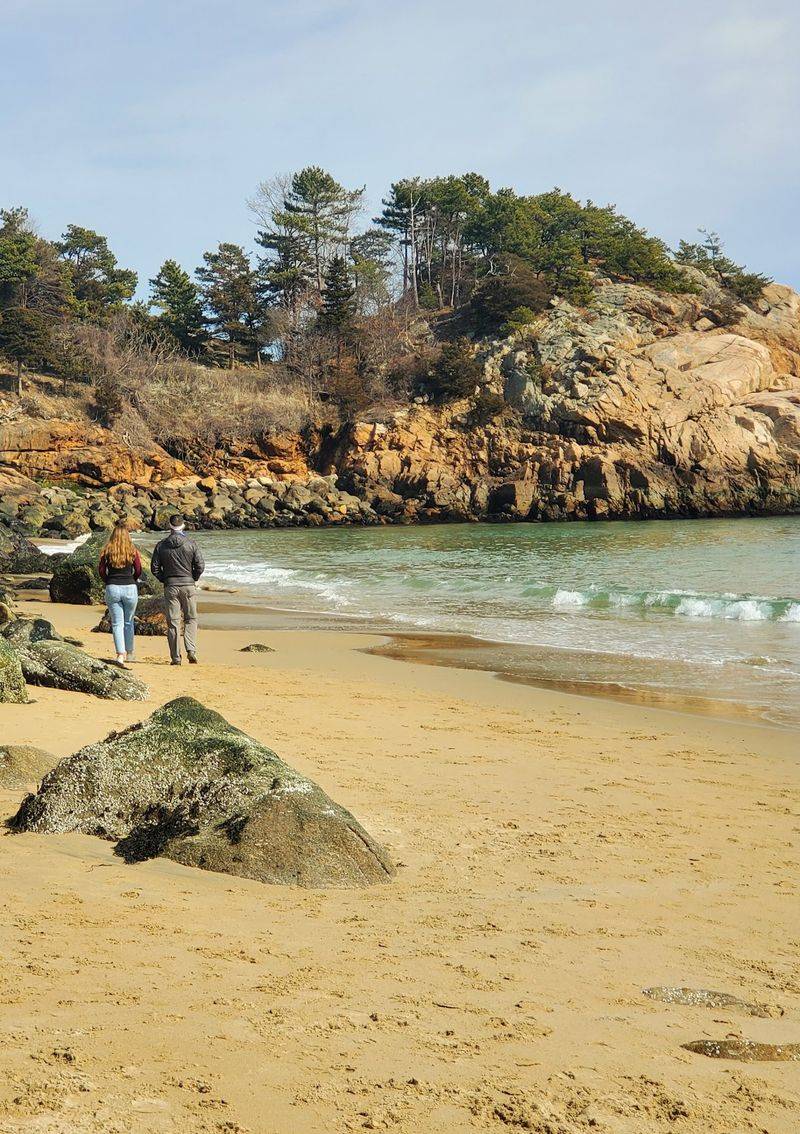
Wenham, Massachusetts was settled in 1635 and incorporated in 1643. That makes it older than plenty of places with far bigger reputations.
The town sits in Essex County on the North Shore, just a short drive from Salem. Yet it stays refreshingly calm, with a population of 4,979 at the 2020 census.
Small doesn’t mean isolated, though. Wenham works closely with neighboring Hamilton, and the two towns share a school system and a library.
They also share a recreation department and a commuter rail station. That rail link is handy if you’d rather leave the car behind for a day.
So what’s the big draw in a town this size? The town offers more than you might expect, with historic buildings, a charming tea house, a working farm market, and a fascinating museum on Main Street.
Think of Wenham as Salem’s quiet cousin who collects fascinating things. It doesn’t shout for attention, and that’s a big part of its charm.
Pairing the two makes for an easy, balanced day trip. You can spend the morning with Salem’s busy energy and the afternoon somewhere slower.
Honestly, a little breathing room after Salem’s busy streets can feel like a gift. Wenham hands you plenty of it.
Main Street Has Been Protected For More Than Half A Century
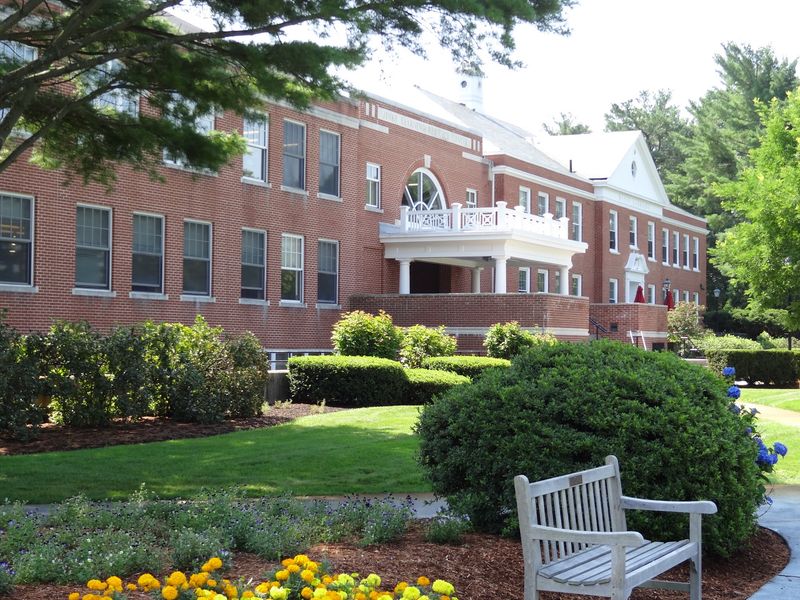
A line of historic houses can make Wenham’s Main Street feel older than the traffic passing through it. The street follows Route 1A, but this is no ordinary commercial strip.
Homes with traditional New England architecture, mature trees, and carefully maintained yards help create a village scene that rewards a slower visit.
There’s a practical reason so much of that character remains. In 1972, Wenham established a local historic district along Main Street, stretching between its borders with Beverly and Hamilton.
The town’s Historic District Commission reviews proposed exterior changes to protected properties, helping preserve the area’s appearance.
Near the center, look for the white steeple of First Church in Wenham at the corner of Main and Arbor streets. The congregation dates to 1644, although the present church is not the original building.
Nearby, the white Town Hall at 138 Main Street adds another classic New England landmark.
This part of town works especially well for architecture lovers and anyone interested in local history. The old houses are private homes, so admire them respectfully from public areas rather than treating their gardens as attractions.
The experience doesn’t depend on admission tickets or a scheduled performance. Much of Wenham’s character is simply visible along the road.
A Historic Tea House Still Gives Visitors A Reason To Linger
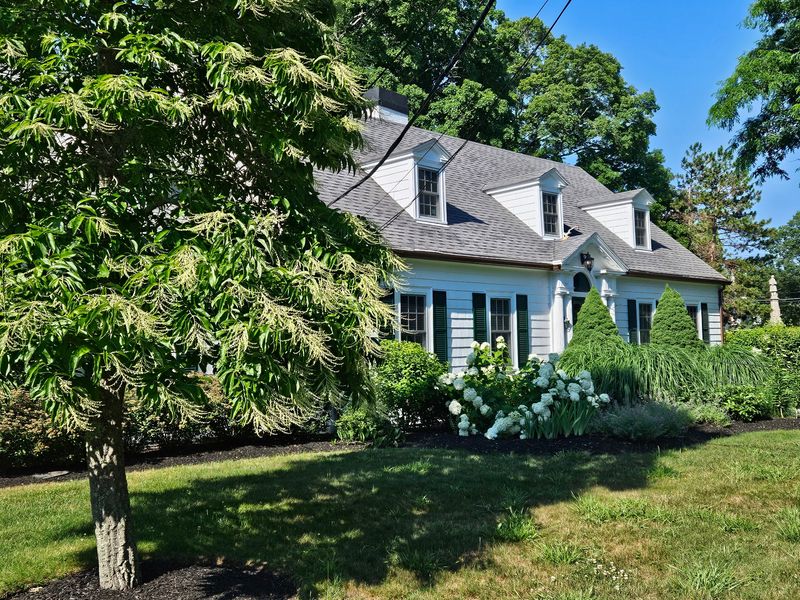
An elegant meal in Wenham comes with an unexpected chapter of local history. At 4 Monument Street, the Wenham Tea House stands as a reminder of a community project that began long before modern cafés became everyday gathering places.
The Wenham Village Improvement Society was established in 1893 by local women who wanted to improve the town. The society built the Tea House in 1916 to support that mission.
More than a century later, the society still owns and maintains the building, even though its dining and shopping offerings have changed over time.
Today, Plat du Jour operates inside, serving French and Mediterranean-inspired dishes. The restaurant also offers Saturday afternoon tea by reservation, along with brunch and other meals on designated days.
Irresistibles, a clothing and accessories shop, shares the historic property.
That combination makes the Tea House a useful stop for visitors who want more than a photo of an old building. You can enjoy a meal while learning about a local tradition of residents taking care of their town.
Check the restaurant’s current schedule before making the drive, especially if afternoon tea is your goal. Its connection to Wenham’s history is enduring, but the dining hours and reservations still matter.
A Working Farm Market Keeps The Countryside Close
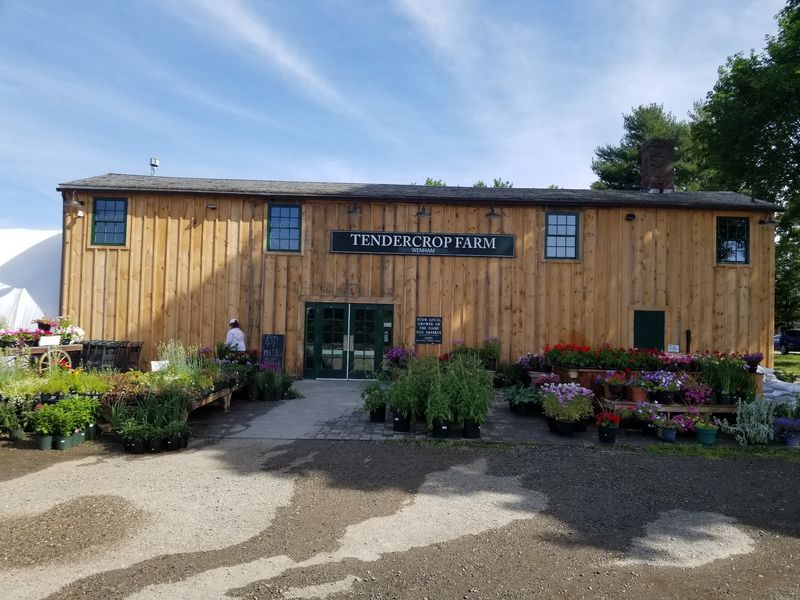
A short drive along Wenham’s Main Street takes you past a working farm market rather than another row of chain stores. Tendercrop Farm operates at 93 Main Street, bringing a distinctly agricultural side of town into view along one of its best-known roads.
The Wenham location sells fresh produce, meats, baked goods, plants, flowers, and prepared foods. It’s part of the Tendercrop Farm business, which also has locations in Newbury, Massachusetts, and Dover, New Hampshire.
The farm market gives visitors a practical reason to stop rather than simply drive through the historic district.
Wenham has a long farming history, and the town’s open space plans specifically identify the Tendercrop property as an important agricultural landscape. The site includes fields and greenhouses, not just a retail counter.
That helps explain why the area’s rural identity remains visible even so close to larger North Shore communities.
A stop here also changes the rhythm of a day trip. Pick up something for dinner, browse the seasonal produce, or look through the flower selection before continuing along Main Street.
Offerings change with the season, so don’t count on one particular fruit or vegetable being available. The attraction is the chance to visit an active farm market in a town known for preserving its countryside.
A Short Forest Trail Makes Room For A Quiet Nature Break
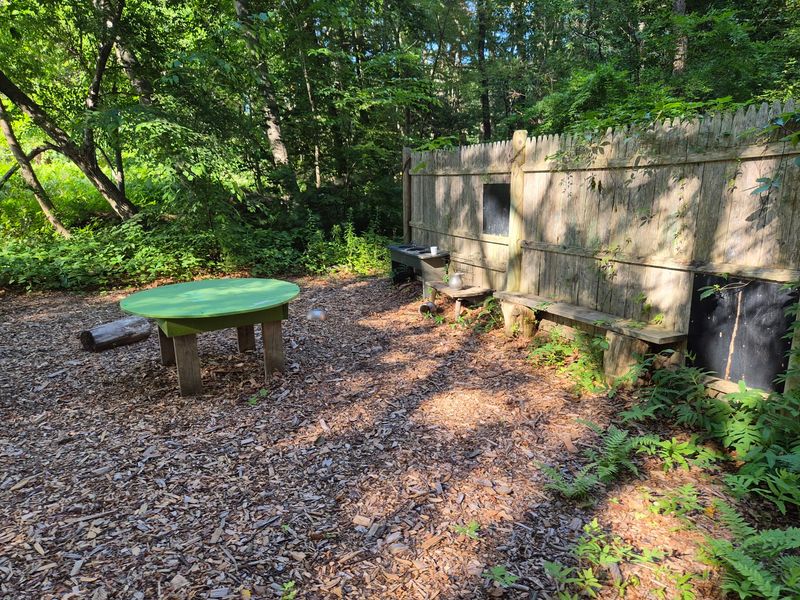
Wenham’s quieter side isn’t limited to old houses and peaceful roads. Endicott Wildlife Sanctuary gives visitors an actual place to enjoy its woods without needing to plan a long hike.
Mass Audubon manages this 43-acre sanctuary at 346 Grapevine Road. Its half-mile Ellice Endicott Trail loops through mixed forest, passes a wet meadow, and climbs through a hemlock ravine.
There’s even a viewing platform overlooking the meadow, a welcome spot for slowing down and paying attention to the landscape.
The sanctuary’s wildlife list includes pileated woodpeckers, red-tailed hawks, white-tailed deer, and gray foxes. You shouldn’t expect to see every animal on one visit, of course.
The fun comes from noticing birdsong, changing leaves, and small movements in the woods.
According to Mass Audubon, the trails are open daily from dawn to dusk, and admission is free. Visitors are asked to remain on the established paths, protecting the habitat that makes the place special.
It’s a particularly useful counterpoint to a morning spent looking at historic buildings. One part of Wenham tells stories through houses and community landmarks, while this wooded property speaks through the natural landscape.
For a small town near busy Salem, having a peaceful, manageable nature stop is a genuine advantage.
One Small Museum Explains More Than Three Centuries Of Local Life
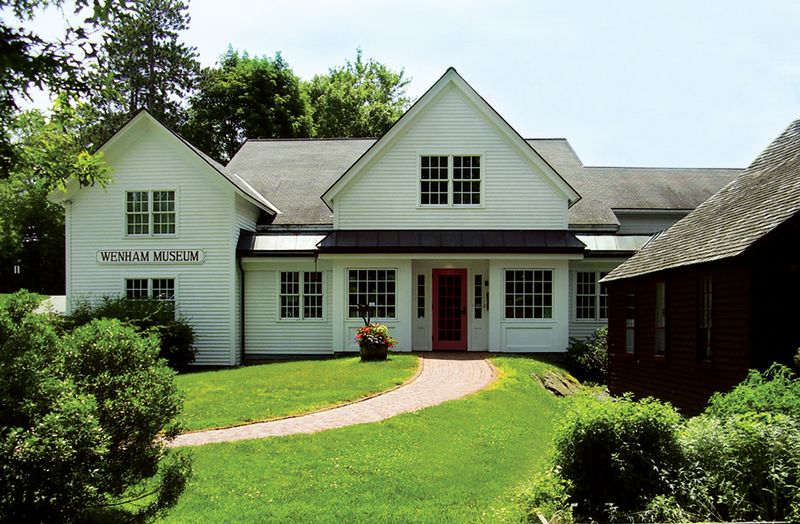
Wenham Museum deserves a place on a town itinerary, but it shouldn’t be the whole itinerary. At 132 Main Street, it tells stories about the community through objects that range from historic clothing to dolls and model trains.
The museum’s beginnings are closely tied to a remarkable house dating to around 1690. The Wenham Village Improvement Society purchased the Claflin-Gerrish-Richards House in 1921 to preserve it.
The following year, Elizabeth Richards Horton donated her international doll collection, helping begin the institution visitors know today.
Now the museum cares for approximately 60,000 objects, although only a portion can be displayed at once. Its holdings include toys, photographs, textiles, and items connected to everyday New England life.
The first floor of the historic house is included in regular museum admission, with self-guided access and hands-on activities.
That’s what makes the stop valuable even for readers who aren’t doll collectors. It connects the surrounding streets and old buildings with the people who lived and worked in the area.
Allow time to check the current exhibits, which rotate, and confirm opening days before visiting. Afterward, the nearby historic district makes more sense.
The museum supplies the background; Wenham itself provides the larger setting.
The Town’s Famous Lake Once Sent Ice Across The Ocean
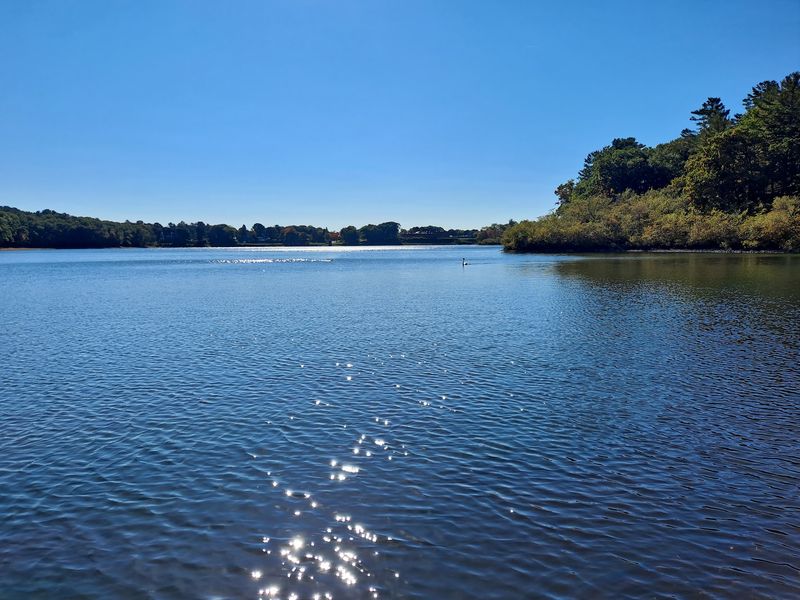
Wenham Lake has a history that sounds surprising in the age of household freezers.
During the nineteenth century, ice cut from its surface traveled far beyond Massachusetts, reaching overseas markets and helping give this small North Shore town an international reputation.
The lake spans Wenham and Beverly. Before widespread refrigeration, natural ice was valuable.
Wenham Lake ice was shipped to places including London, and local histories even record a longstanding claim that Queen Victoria favored it. That royal connection is a historical tradition rather than something visitors should treat as proven fact.
Ice harvesting became an important part of Wenham’s economy and continued into the early twentieth century. Today, that once-busy industry has disappeared, but it gives the surrounding landscape an unexpected story.
There’s an important limit for travelers. Wenham Lake is part of the public drinking water system, not a swimming or boating destination.
The Salem and Beverly Water Supply Board prohibits recreational activities and unauthorized access on and around the reservoir.
So this is a history stop to appreciate through local exhibits and accounts, not an invitation to go down to the shore. Learning about the lake adds a fascinating layer to Wenham without disturbing the water supply that communities still depend on.
A Former Country Estate Now Has A Gallery Anyone Can Visit
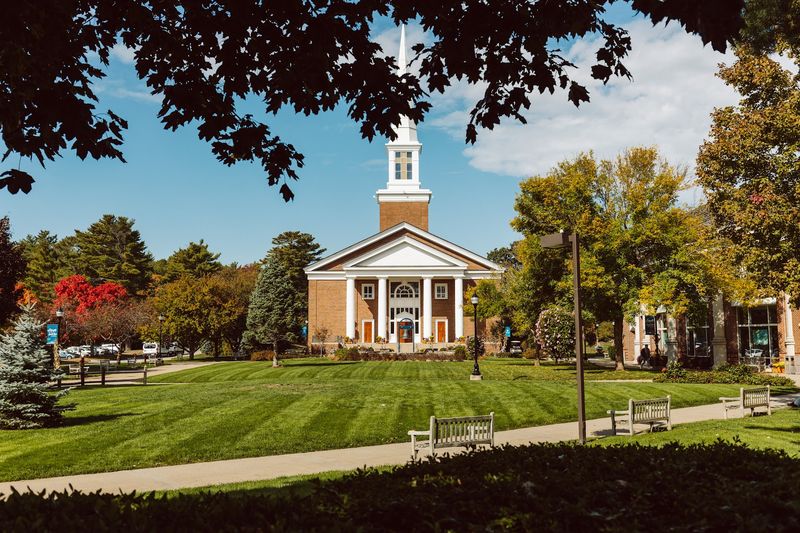
Wenham also holds a surprise for visitors who enjoy art and unusual campus history. Gordon College occupies former Princemere estate land on Grapevine Road, once associated with Frederick Prince.
The college began in Boston in 1889, then moved to Wenham in 1955. Its present campus covers 485 wooded acres, adding a different landscape to a town already known for historic houses and protected open space.
The move brought academic buildings and student life into a setting with a much older estate story.
Visitors don’t need to be prospective students to find a reason to go. The Gallery at Gordon College’s Barrington Center for the Arts presents contemporary exhibitions, including work by professional artists and graduating art students.
The college says the galleries are open to the public with free admission during exhibition dates.
The gallery is at 255 Grapevine Road. Because it closes between exhibitions and on certain holidays, checking the college’s current art calendar is essential before visiting.
This stop adds something different to a Wenham outing. After an old meetinghouse, a historic tea house, or a countryside market, contemporary art might be the last thing expected.
That contrast is part of what makes the town more interesting than its modest size suggests.