
This Quiet Florida State Park Feels Almost Completely Forgotten
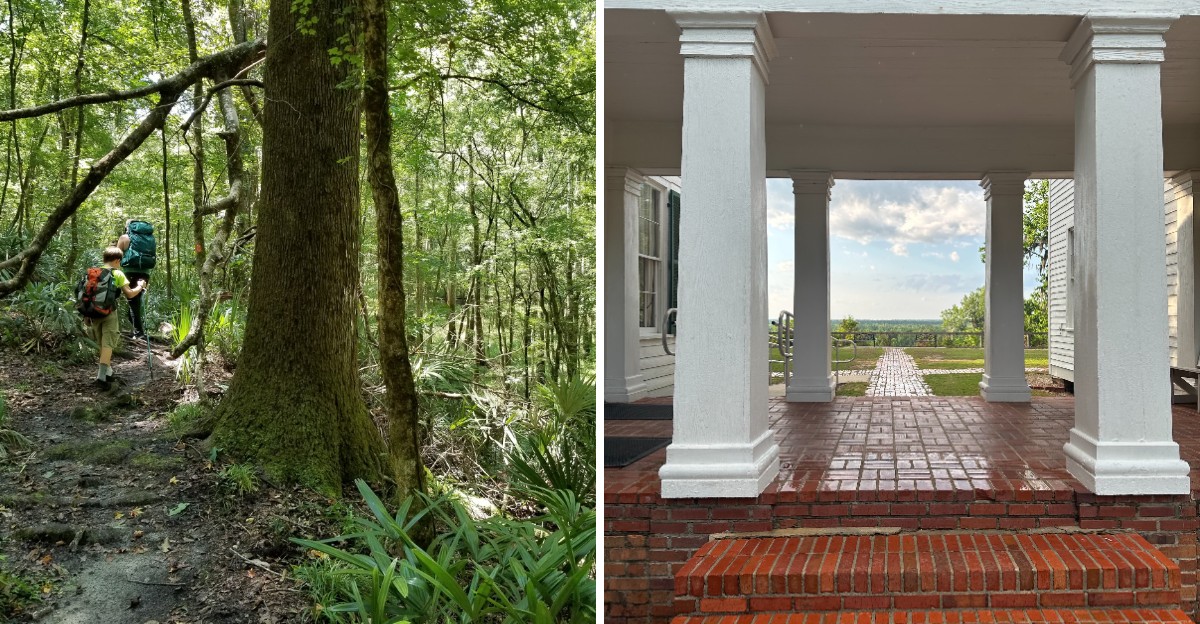
Steep bluffs tower over a wide river here, and deep ravines cut through the woods. Few visitors expect hills like these.
Florida usually means beaches, palms, and flat highways. So why does this park feel like mountain country instead?
A rare tree grows on these slopes and almost nowhere else on Earth. Rangers can help you spot it along the trail.
A furnished plantation home from the mid-nineteenth century stands near the cliff edge. Its backstory involves moving the whole house across the river.
Quiet trails, old gun pits, and dark night skies round out the visit. How did such a special spot slip off the radar?
Florida rewards travelers who wander off the usual routes. Where exactly is this forgotten corner of the state?
Meet the Park That Skips the Flat Florida Look
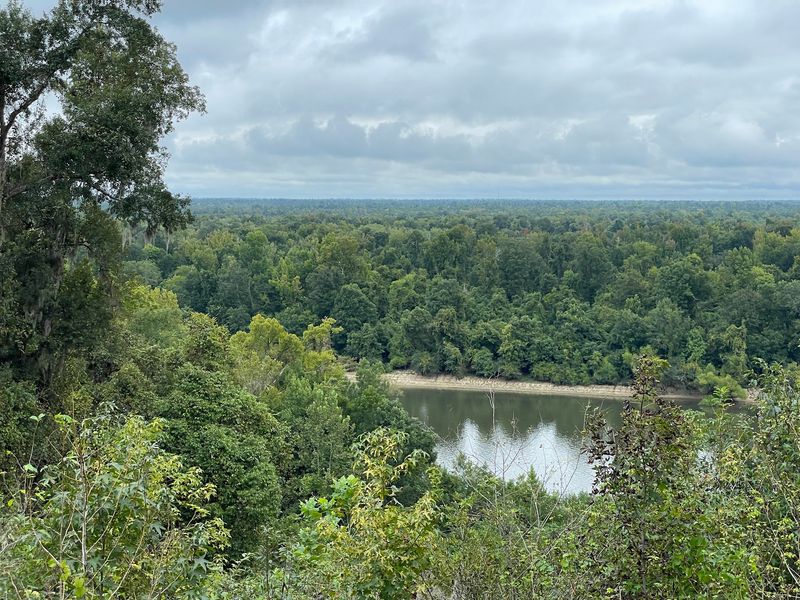
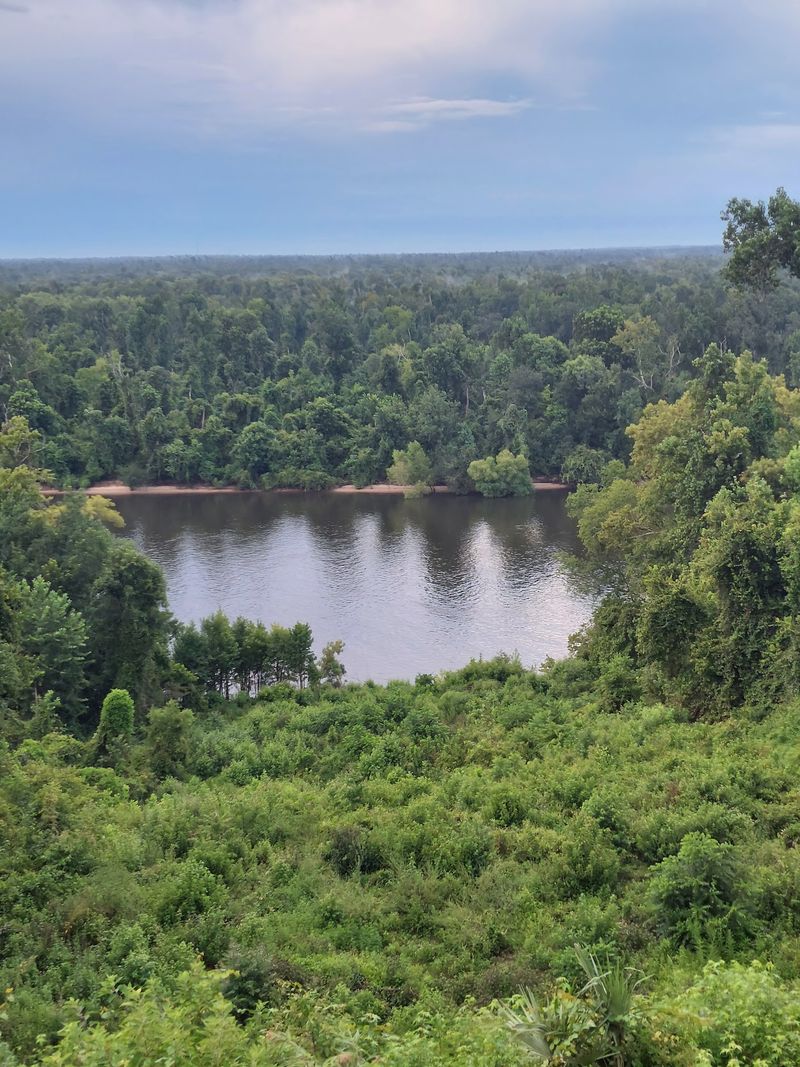
Torreya State Park sits in the Florida Panhandle, and it ignores almost everything you expect from the state. Bluffs rise along the Apalachicola River, and some climb more than 150 feet.
Logan’s Bluff reaches about 300 feet.
That height carves deep ravines and rolling hills into the land. Some visitors compare the terrain to Appalachian trails instead of typical Florida ground.
Your legs will notice the difference quickly.
The park is open daily from 8 a.m. until sunset. That gives you a full day to wander, climb, and look out over the river valley.
Bring comfortable shoes with good grip, since the hills are real.
One more reason it feels special is the quiet. The park is remote, and it is easy to spend a morning without hearing much beyond birds and wind.
For anyone who thinks Florida means sand and flat roads, this place is a friendly correction.
The official address is 2576 N.W. Torreya Park Road, Bristol, Florida 32321.
Plan your drive ahead of time, because it sits well off the busy routes. Tallahassee is about 45 miles east, which makes a long day trip possible.
A Tree You Can Find Almost Nowhere Else
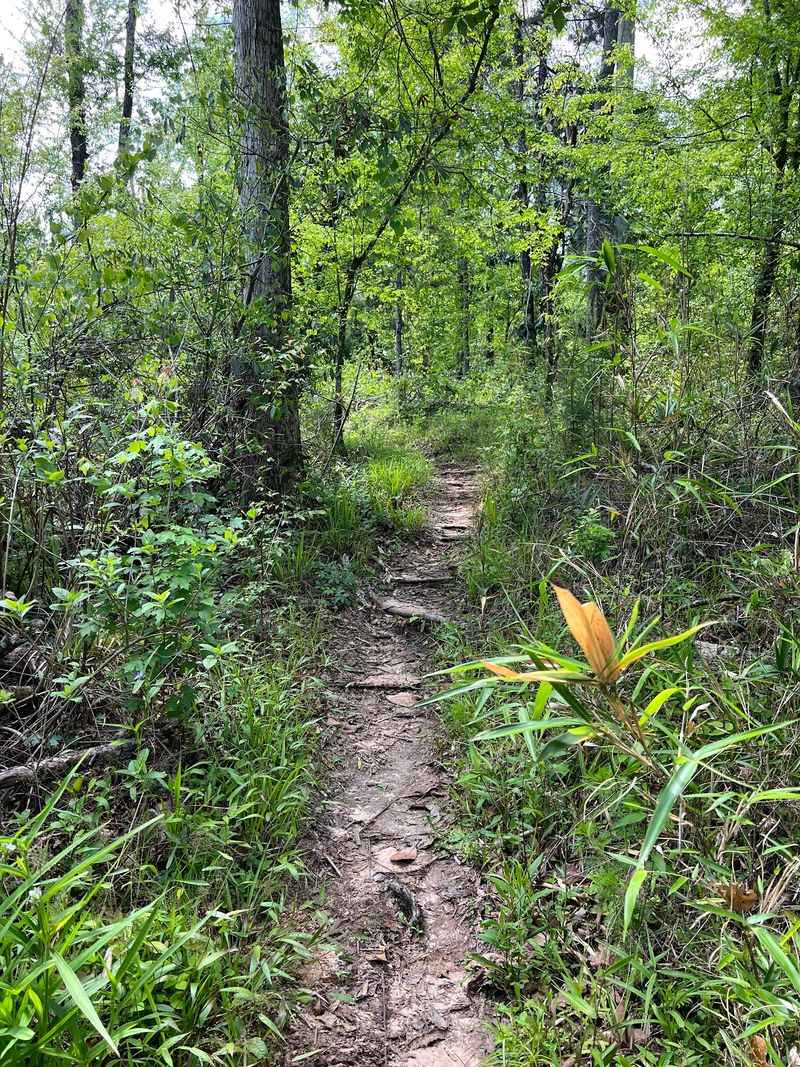
The park takes its name from a tree that is in serious trouble. The Florida Torreya, also called Florida nutmeg, is critically endangered.
It grows naturally only on bluffs along the Apalachicola River.
That makes this park a rare chance to learn about a plant most people never hear about. A ranger can help point out where the trees grow along the trail.
Having a guide matters, since the trees are not easy to spot on your own.
Other rare plants live here too. The list includes Florida yew, ash magnolia, pyramid magnolia, and the U.S. champion bigleaf magnolia.
Plant lovers could spend hours looking up and down the slopes.
Fun fact: the hardwood forests here offer Florida’s most notable display of fall color. Cooler months bring crisper river views too.
Visit from fall through spring, and the whole park feels brighter.
Keep your eyes open and your steps careful. Stay on the trail so the fragile plants can keep growing for future visitors.
The Gregory House Has a Story to Tell
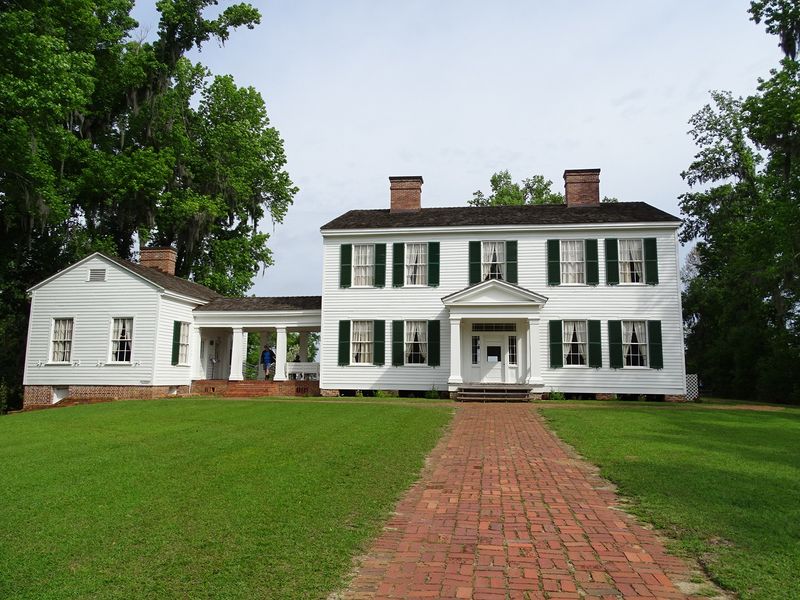
Here is a puzzle: how do you move a whole house across a river? The Civilian Conservation Corps did exactly that.
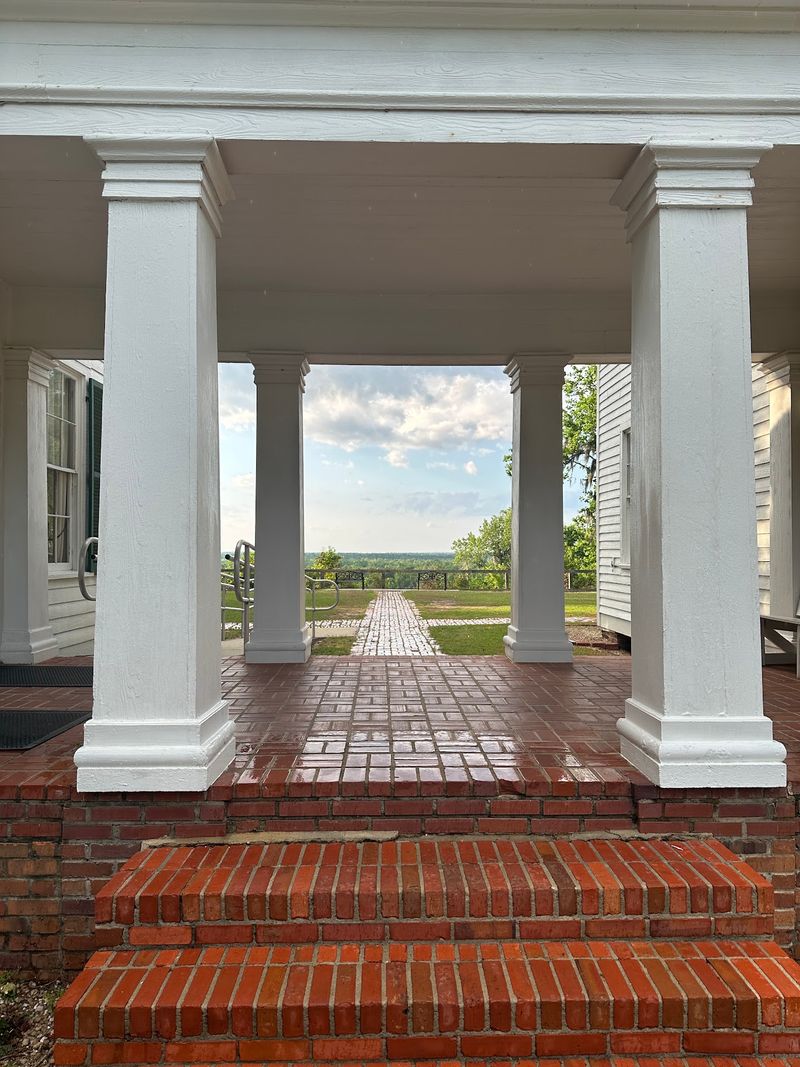
The Jason Gregory House, built around 1849, was taken apart and rebuilt on its current bluff.
Today it stands as a fully furnished plantation home inside Torreya State Park. Ranger-guided tours are offered, and the house gives a close look at frontier life in Florida.
The view from the bluff behind it is worth the walk alone.
Tour times can change, so check ahead before you go. Maintenance closures can happen, so confirm the house is open before you go.
A quick call or website check can save you a disappointing trip.
Visitors also mention the room near the ranger check-in, which holds a dugout canoe and photos of the CCC era. It is a small stop with a big sense of the past.
Give yourself time to linger after the tour. The overlook behind the home is one of the best places in the park to rest.
Lace Up for the Torreya Hiking Trail
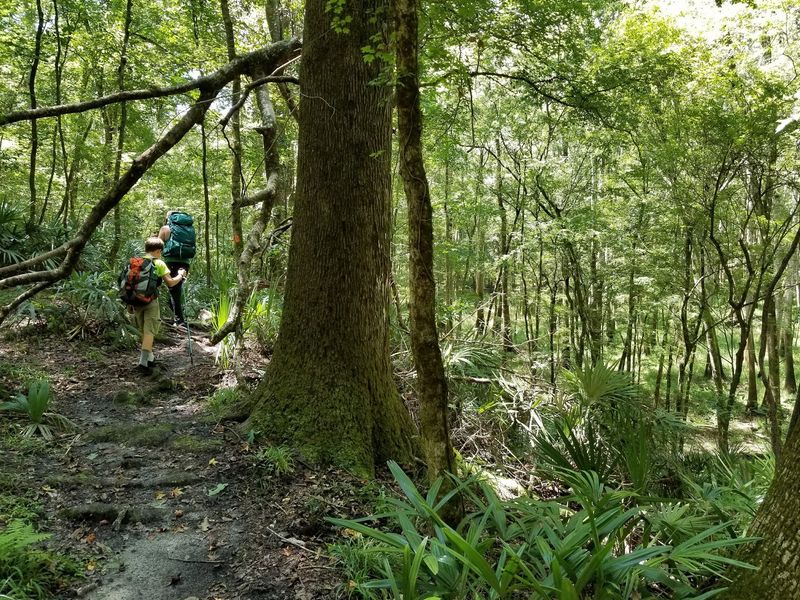
Seven miles of trail wait for hikers who want a real workout. The Torreya Hiking Trail loops through steep ravines, streams, and ridges.
Some stretches open to wide views of the river.
Not every walk has to be long. Shorter paths near the Gregory House lead toward the river and make a nice half-day outing.
Pick the route that fits your energy.
Pack plenty of water, since the shade does not erase the heat in summer. A map is smart too.
Long pants and tick spray also help, because ticks and copperhead snakes live in Florida woods.
Watch where you step and where you put your hands. Staying on the trail keeps you safer and protects the plants.
Cooler weather from fall through spring makes the climbs easier. Winter days get dark early, so start in the morning.
That way you will not run out of daylight before reaching the best views.
Where the CCC and the Civil War Left Their Marks
This is one of Florida’s original state parks. The Civilian Conservation Corps built much of it during the Great Depression in the 1930s.
Their work still shapes the park today.
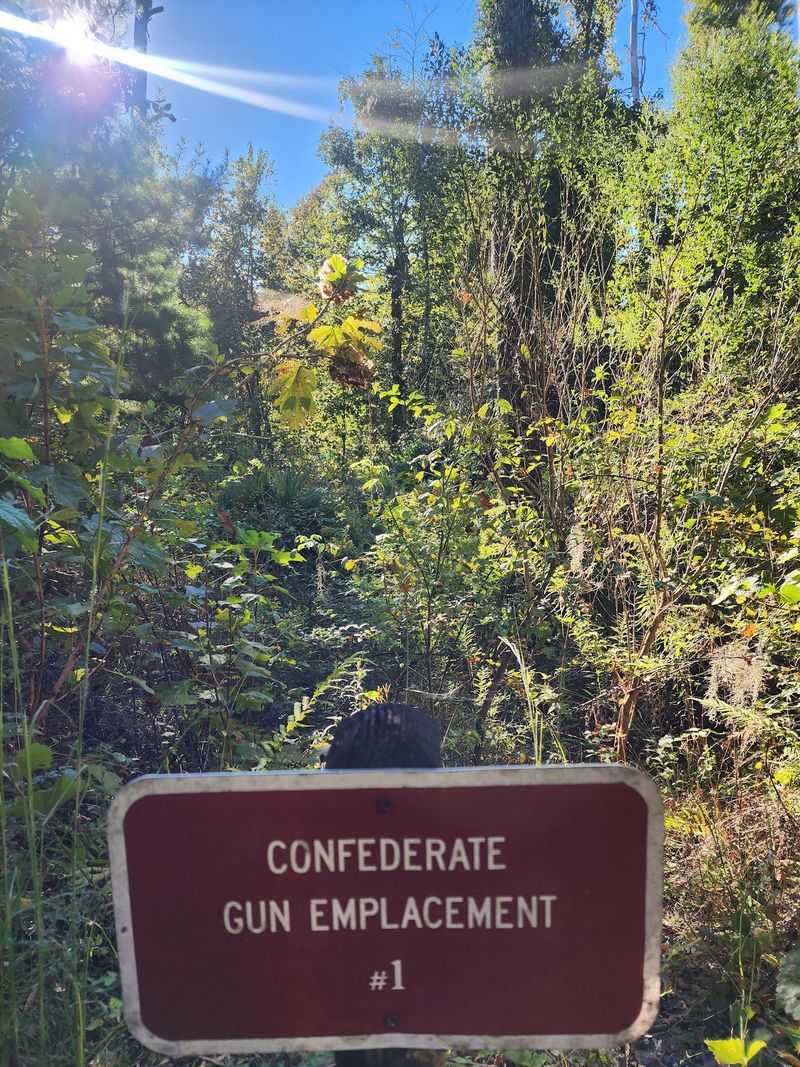
Older history shows up on the bluffs as well. Six Confederate gun pits sit along Battery Bluff, also called Neal’s Bluff.
They remind visitors how important the river once was.
Another stop is Rock Bluff Landing, where an antebellum cotton warehouse once stood. Boats once carried goods along the Apalachicola.
Today you can picture that busy river as you stand above it.
The area also saw Andrew Jackson’s army move through during the First Seminole War in 1818. That adds even more layers to a park that already feels packed with stories.
History fans can link several sites into one hike. Bring a camera and a bit of curiosity.
The signs and trails make the past easy to follow.
Sleep Under Dark Skies at the Campground
Thirty shaded campsites make up the main campground. Each has electric and water hookups, and the campground is open year-round.
Restrooms and showers are nearby.
RVs up to 60 feet can fit, though some sites are roomier than others. Ask a ranger to help match your rig to a good spot.
Trees between sites add some privacy.
Hiking-minded campers can try three primitive backcountry sites. They are Torreya Challenge, Rock Creek, and Rock Bluff, and some offer views above the river.
Two youth group sites are also available.
A playground and horseshoe area sit a short walk from camp. Nights are dark, which is good news for stargazers.
Stock up before you arrive, because the nearest store is about 10 miles away.
Burn bans can be in effect during dry periods, so check current fire rules. Pack a stove or plan for no campfire.
That small step keeps the forest safe.
A Yurt or Cabin for the Cozy Crowd
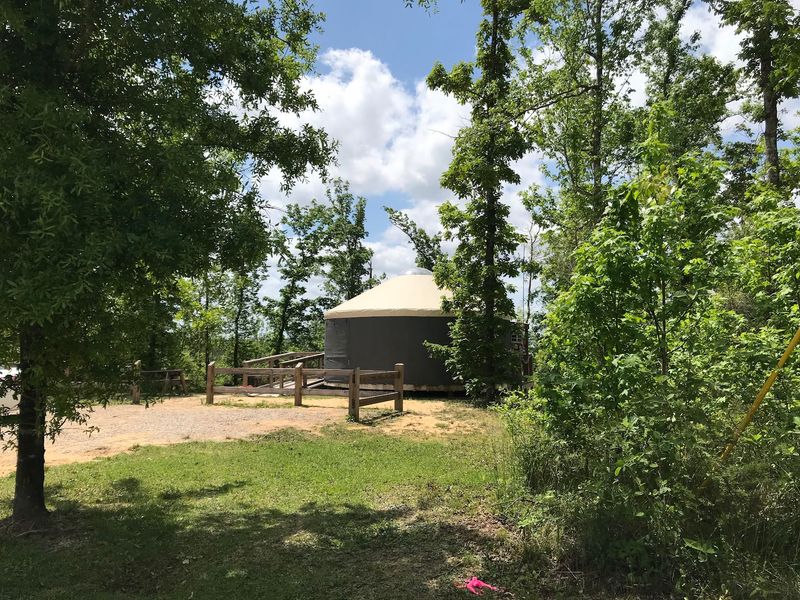
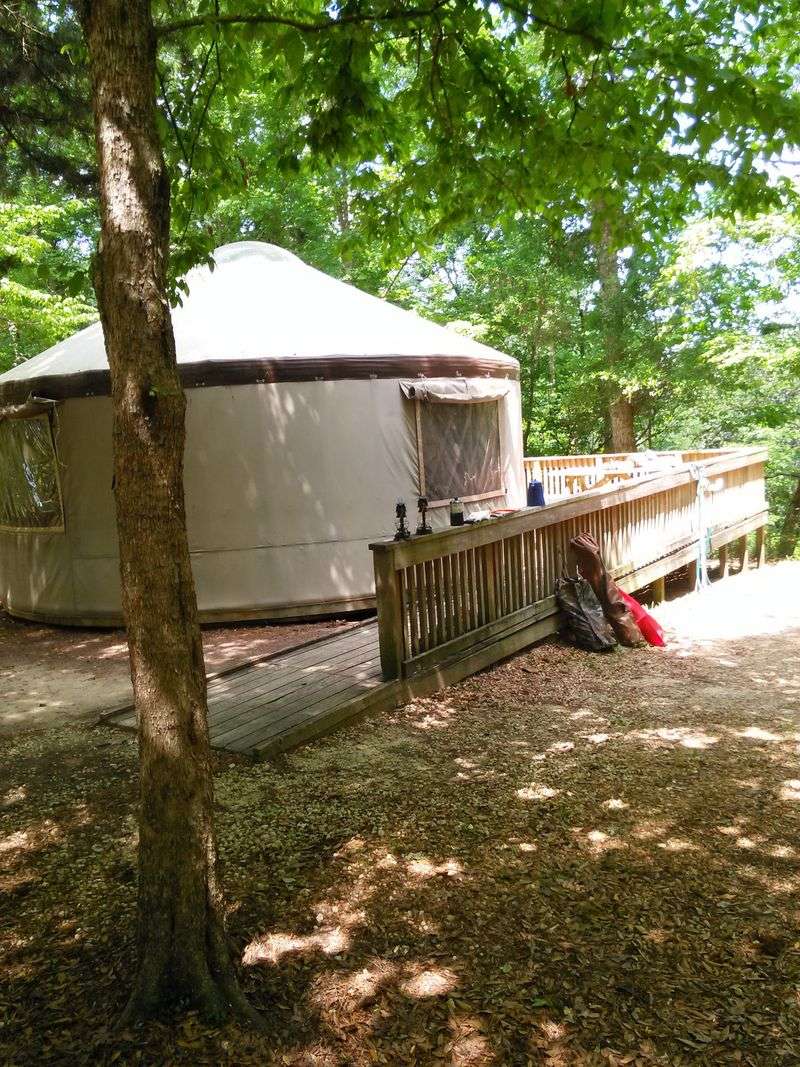
Tents are not for everyone, and the park gets that. A yurt sleeps five and has air conditioning and heating.
It also has a skylight, a deck, a table, and chairs.
Inside, you will find a full-size bed with a bunk twin, plus a queen bed. That is plenty for a small family.
The skylight adds a fun touch at night.
A cracker cabin sleeps six. It has a queen bed, four bunks, air conditioning and heating, a deck, a table, and chairs.
It is a cozy base for a woodsy weekend.
Bring your own linens, since they are not provided. Pets are not allowed in the lodging units.
Plan ahead if your dog is part of the trip.
Book early, because the units are limited. Both options put you close to the trails and the Gregory House.
Morning coffee on the deck sounds like a fine plan.
Birds, Paddles, and Quiet River Time
Over 100 bird species have been spotted here. The park is part of the Great Florida Birding and Wildlife Trail.
Bring binoculars and a patient mood.
The Apalachicola River adds another way to explore. A small boat ramp serves small vessels, which suits paddlers and anglers.
Freshwater fishing is available, and some spots are reached by trail.
River access on foot can be steep, so plan carefully. Trails that lead down are more advanced than the main paths.
Wear shoes with good traction.
There is no swimming here, so think of the river as a place to look, paddle, and fish. Geocachers are welcome too, since the park permits geocaching.
It adds a treasure-hunt feel to a hike.
Early mornings tend to be best for wildlife. Move slowly, speak softly, and listen for calls overhead.
The woods reward quiet visitors.
Plan Smart Before You Make the Drive
A little planning goes a long way here. The park is remote, so a full tank of gas and some snacks help.
The nearest store is about 10 miles away.
Drinking water is available at the Gregory House, the campground, the picnic area, and the front entrance parking lot. Fill bottles before you hike.
Restrooms, showers, and picnic areas with grills and tables are available too.
Stop by the visitor center for exhibits and local tips. Service animals are welcome in most areas of Florida state parks.
They are not typically allowed in buildings or swimming areas.
Hurricane damage has affected parts of the park over the years. Check current conditions for trails and campground facilities before you leave.
Rangers are known for being friendly and helpful.
Fall through spring is the best time to visit. Cooler days make hiking easier and views clearer.
Torreya State Park, Florida, rewards anyone who takes the time to find it.