
This Old School New York German Market Has Kept Traditional Flavors Alive Since 1937
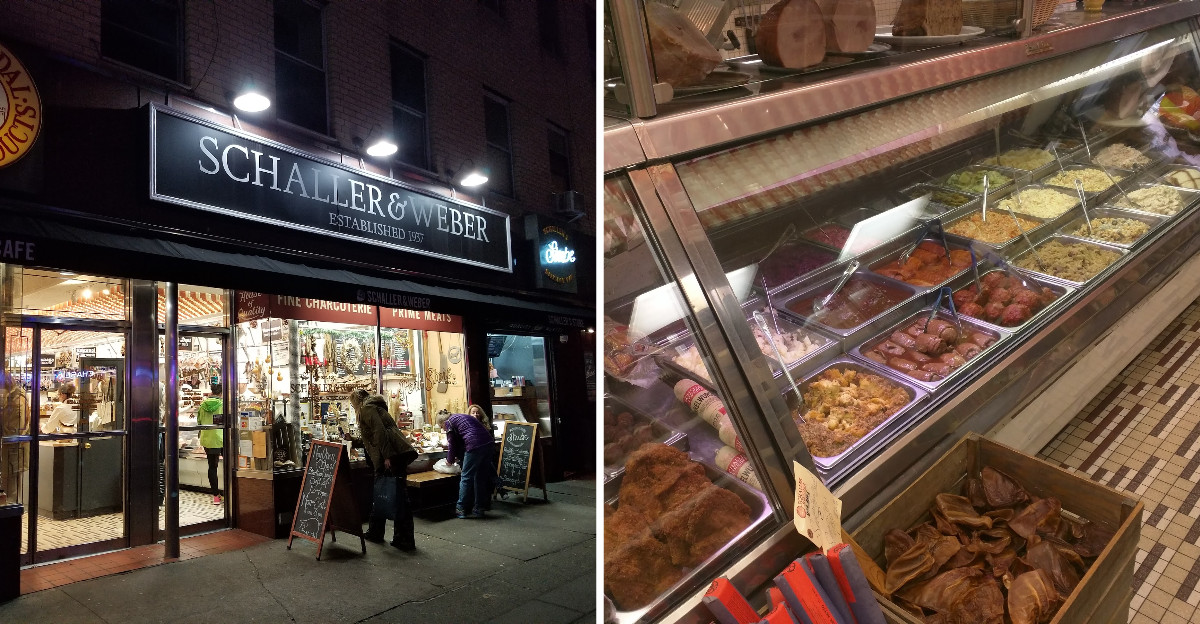
Kids who visit a certain Upper East Side butcher counter might walk out with a free taste of house-made bologna. That little tradition tells you a lot about the place. It cares about flavor, and it cares about people.
The butchers and clerks often speak German with customers. The shelves hold tins and jars with German labels. This spot’s Black Forest Ham has been a customer favorite for more than 80 years.
Let me tell you, this shop never tried to become something trendy. It just kept making sausages the old way while New York changed around it. I believe that kind of stubborn loyalty deserves a road trip.
So, what keeps a family butcher shop going for three generations? Let’s dive in and find out.
A Stuttgart-Trained Sausage Maker Started Something That Never Stopped
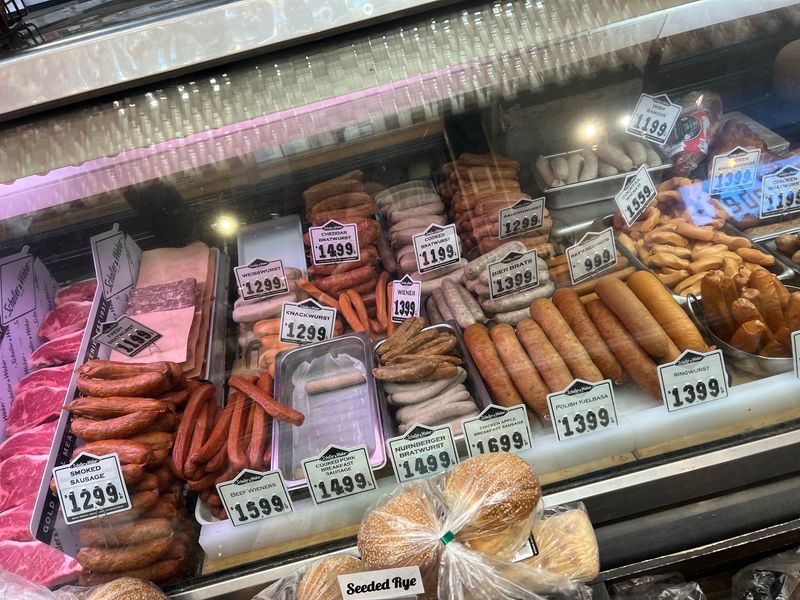
Back in 1937, Ferdinand Schaller and Tony Weber opened Schaller & Weber in Manhattan’s Yorkville neighborhood. Weber didn’t stick around long, though, since Schaller bought him out shortly after opening.
So why keep both names on the sign? Maybe because a good name is like a good recipe. You don’t mess with it once it works.
Ferdinand brought serious skills to New York. He trained as an apprentice butcher and sausage maker in Stuttgart, Germany. Then he sharpened his craft across Germany and the Alsace region before crossing the ocean.
That training shaped everything that followed. The shop still leans on the same traditional techniques, even as the neighborhood around it has changed a lot.
Today, the business is still family-owned and run by the third generation. Ferdinand’s grandson, Jeremy Schaller, now leads the company.
Three generations in one family business is rare anywhere. In New York, where rents climb and storefronts flip constantly, it feels almost heroic. You’re not just shopping at a deli here.
You’re visiting a family story that has stayed on the same block of history for more than 85 years.
Your Sausage Bucket List Gets Very Long, Very Fast
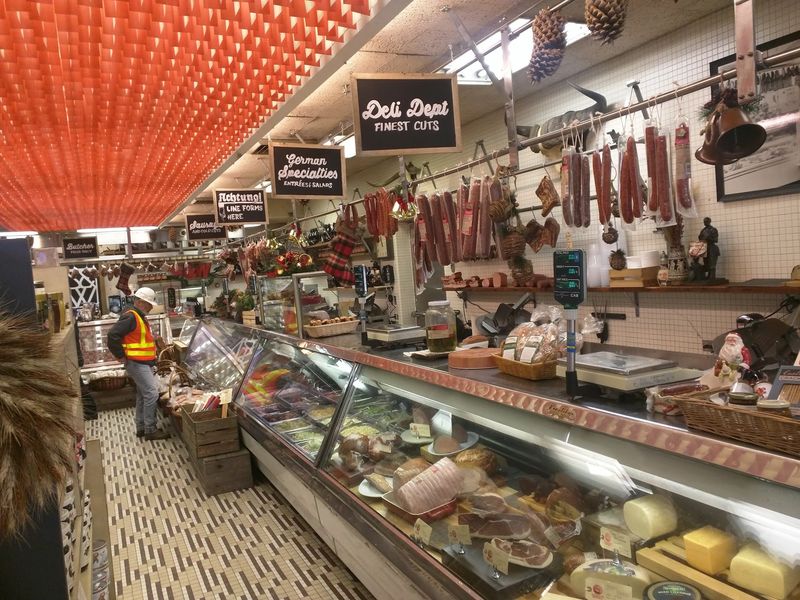
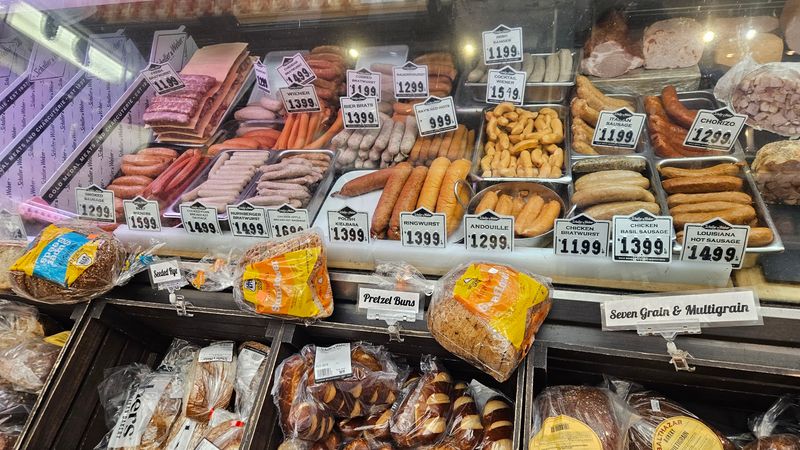
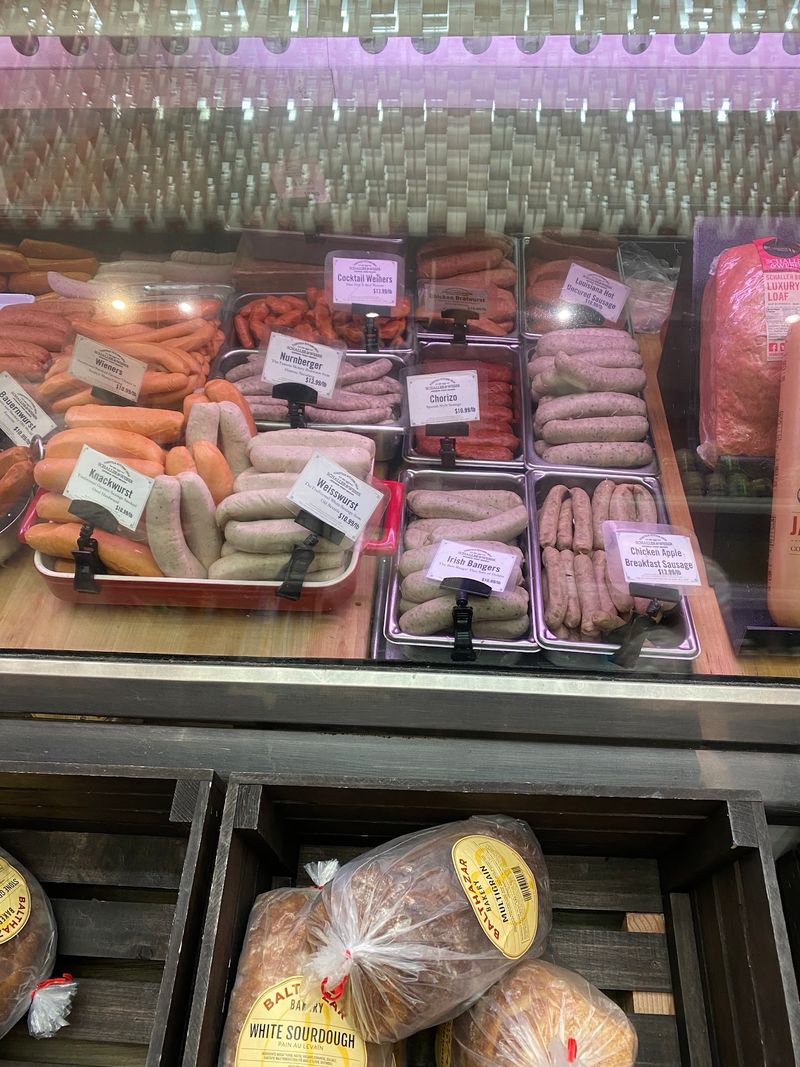
Weisswurst, Nürnberger Bratwurst, Knackwurst, Bockwurst, and Käsekrainer all live under one roof. That lineup alone could fill a month of dinners.
Schaller & Weber built its reputation on authentic German and Central European-style sausages. The variety runs from classic Wieners to cooked bratwurst and cheddar brats.
Not sure where to start? Weisswurst is a mild, pale Bavarian favorite. Nürnberger Bratwurst comes in small links, which makes them easy to share or sneak as a snack.
Käsekrainer is an Austrian-style sausage with cheese inside. If you love cheese and sausage equally, this one settles the argument for you.
Cheddar brats give a friendly bridge for anyone new to German food. They feel familiar but still special enough for a weekend cookout.
A smart move is to grab a mix of a few kinds. Cook them side by side and let everyone at the table vote on a favorite.
Fair warning, though. Once you taste a properly made sausage, the plain grocery store pack might start looking a little sad. That’s the risk of shopping somewhere with this much practice behind every link.
The Ham That Has Been Winning For About A Century
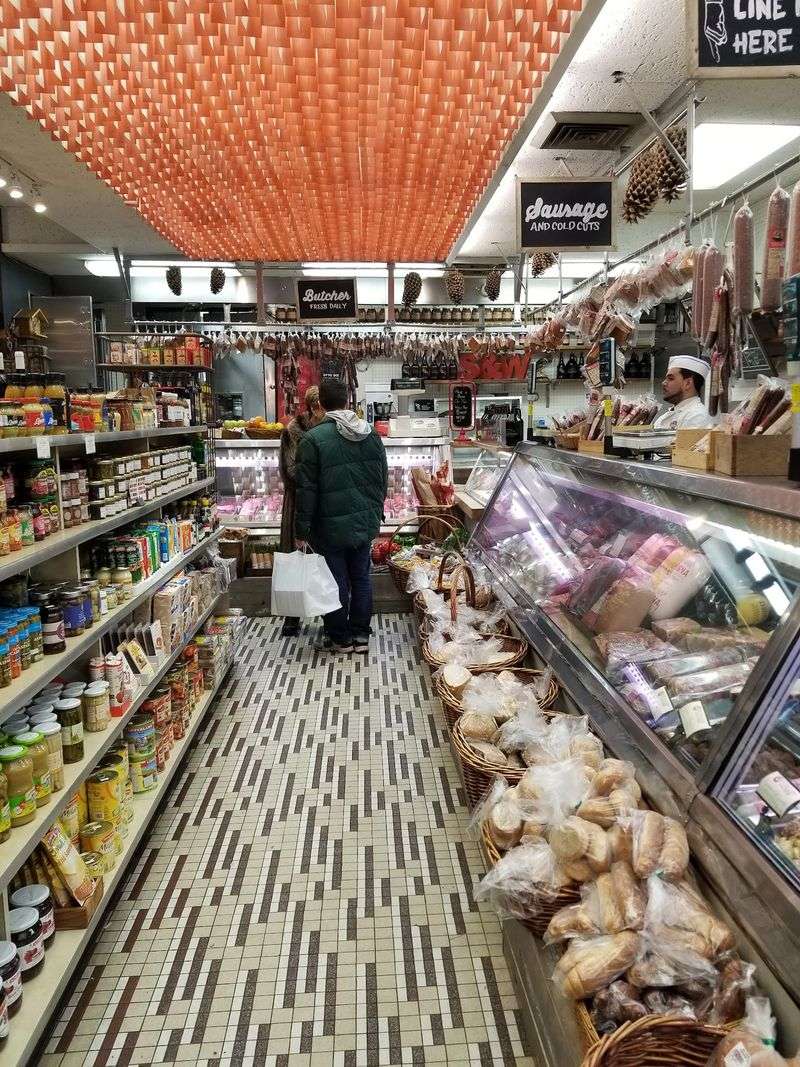
Some products get popular for a season. The Black Forest Ham at Schaller & Weber has remained a customer favorite for generations.
That’s a lot of sandwiches. It also says something about consistency, since people don’t keep buying the same ham for decades by accident.
The cold cut lineup goes well beyond that star player. You’ll find French Bistro Ham, liverwurst, salami, summer sausage, and salami sticks too.
Pâtés are another big part of the deli case. They’re great for spreading on crusty bread when you want a fancy snack without cooking anything.
Here’s a practical tip for building a simple spread at home. Pick one ham, one salami, and one pâté, then add pickles and good mustard.
Salami sticks are handy for picnics or long train rides. They travel well and don’t need much fuss.
Liverwurst might sound old-fashioned to some folks. Still, it’s a classic German deli staple worth at least one brave try.
The brand stresses authentic recipes and careful technique. It also aims for steady ingredient quality. In plain terms, they want every slice to taste the way it did last time.
And the time before that.
Brush Up On Your German Before You Reach The Counter
Guten Tag might be the most useful phrase you bring. Many of the butchers and clerks speak German, and they often do business with customers in German.
Don’t panic if your German stops at “danke.” English works just fine, so nobody needs a language test to buy sausages.
Still, hearing German at the counter adds real charm. It feels like a small slice of Europe parked on a New York avenue.
Then there’s the bologna tradition. For a long time, the shop has offered kids a taste of its house-made bologna.
That small gesture matters more than it seems. A free bite at age six can turn into a lifelong habit of coming back.
Families with young kids should keep this in mind. A trip to the butcher suddenly becomes the best errand of the week.
The shop also played a bigger role in the community years ago. In the 1940s, 50s, and 60s, it served as a vital hub for German and Austrian refugees.
Familiar meats and groceries gave those newcomers a taste of home. That spirit of welcome still shows in the way the counter connects people.
Plan A Little Extra Time For The Imported Shelves
Mustard aisles rarely cause excitement. At Schaller & Weber, the imported shelves might change your mind.
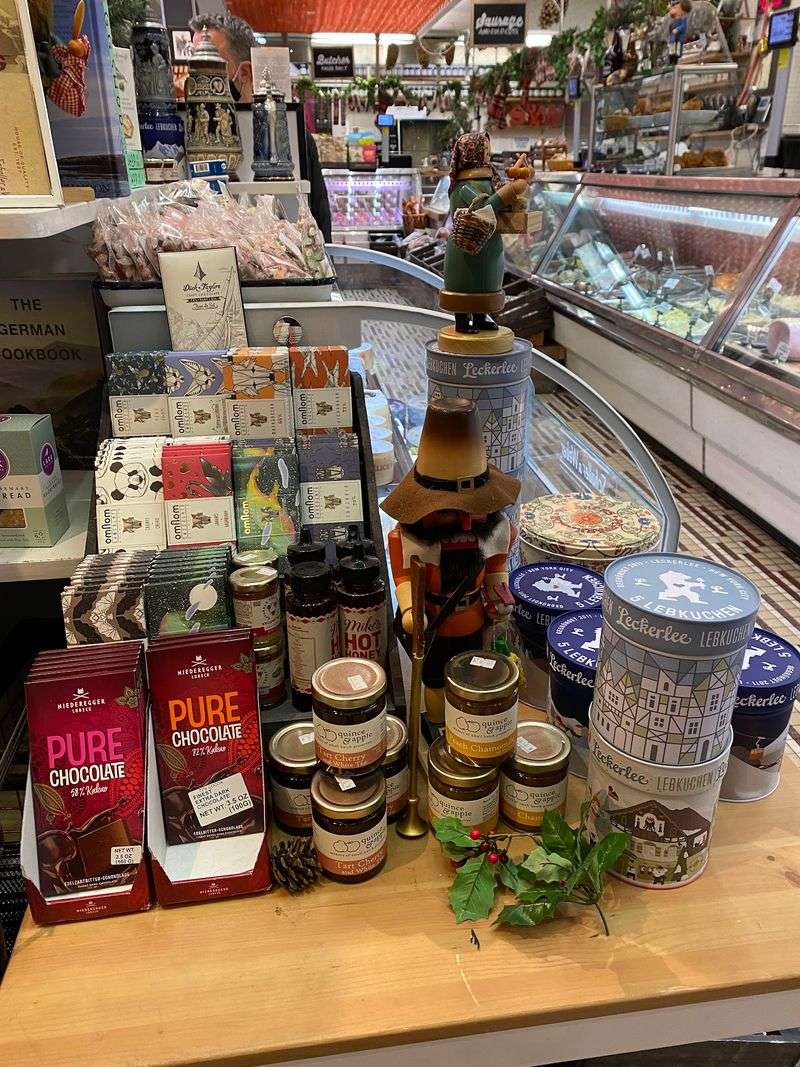
Beyond the meat counter, the store stocks canned and tinned goods. Many come straight from Germany, still wearing their German labels.
That makes browsing feel like a mini treasure hunt. You might spot something you haven’t seen since a trip abroad, or something totally new.
Reading the labels can be half the fun. Snap a photo and look up a word or two if you get curious.
A good rule is to grab one unfamiliar item each visit. Over time, you’ll build a pantry that tastes a lot more interesting.
Condiments are a smart starting point. A jar of German mustard can make even a plain sandwich feel upgraded.
These shelves also explain why the shop mattered to newcomers decades ago. Familiar packages on a shelf can feel like a hug from back home.
For everyone else, they’re a fun way to explore German food without a passport. Just leave some room in your bag, because “just looking” rarely lasts long in here.
Lunch Can Happen Fast When Hunger Sneaks Up
Not every visit needs a big shopping plan. Sometimes you’re simply hungry and short on time.
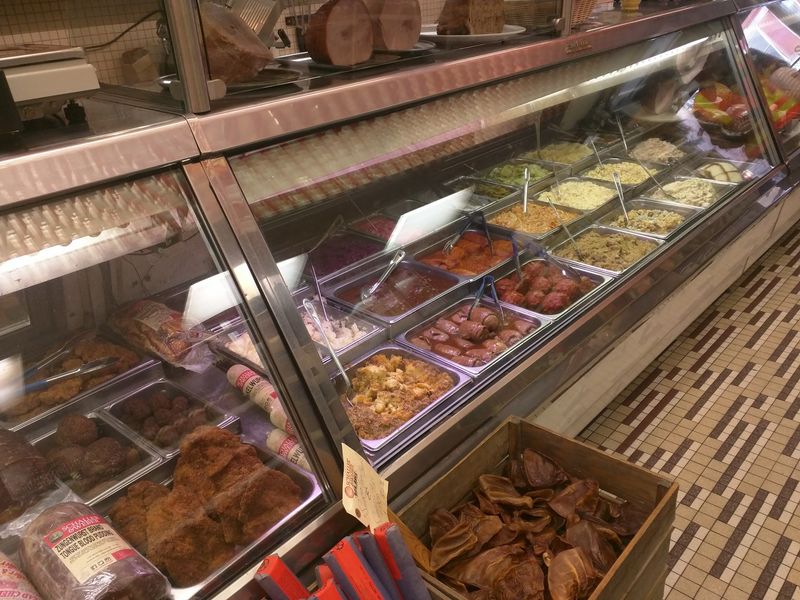
Schaller & Weber offers grab-and-go options for quick, ready-to-eat meals. That’s a lifesaver on a busy Upper East Side afternoon.
The store also carries prepared foods alongside its meat counter. So you can pick up dinner without turning on the stove.
Think about the possibilities for a weeknight. Grab something ready to eat, then add a few sausages for tomorrow’s meal.
This is especially handy if you work or live nearby. A quick stop can solve lunch and dinner in one trip.
Visitors exploring New York can benefit too. A ready meal makes a nice break between museum visits or long walks.
One tip is to go earlier in the day for the widest choice. Popular items in any deli can run low as the hours go by.
Quick food doesn’t have to mean bland food. Here, the fast option still comes from a shop with decades of German craft behind it. That’s a pretty good deal for anyone racing the clock.
Party Planning Gets Easier With A Butcher On Your Side
Hosting a gathering can feel like juggling flaming sausages. Catering from Schaller & Weber helps take some of that pressure off.
The shop offers catering services for events. That opens the door to German-style spreads for birthdays, office lunches, or family get-togethers.
Picture the reaction when guests see real German sausages and cold cuts instead of the usual sad sandwich tray. Okay, you can’t actually see it yet. But you get the idea.
A meat and charcuterie spread works for almost any crowd. People can build their own plates and try a little of everything.
Planning tips help here. Reach out early, share your guest count, and ask what fits your event best.
Also think about your guests’ needs ahead of time. Knowing who eats what will make the order smoother.
Catering from a shop with roots back to 1937 adds a fun story too. Your party gets a side of New York history along with the food.
And leftovers? Those turn into tomorrow’s lunch. Nobody has ever complained about extra Black Forest Ham in the fridge.
Medals From Europe Prove The Recipes Travel Well
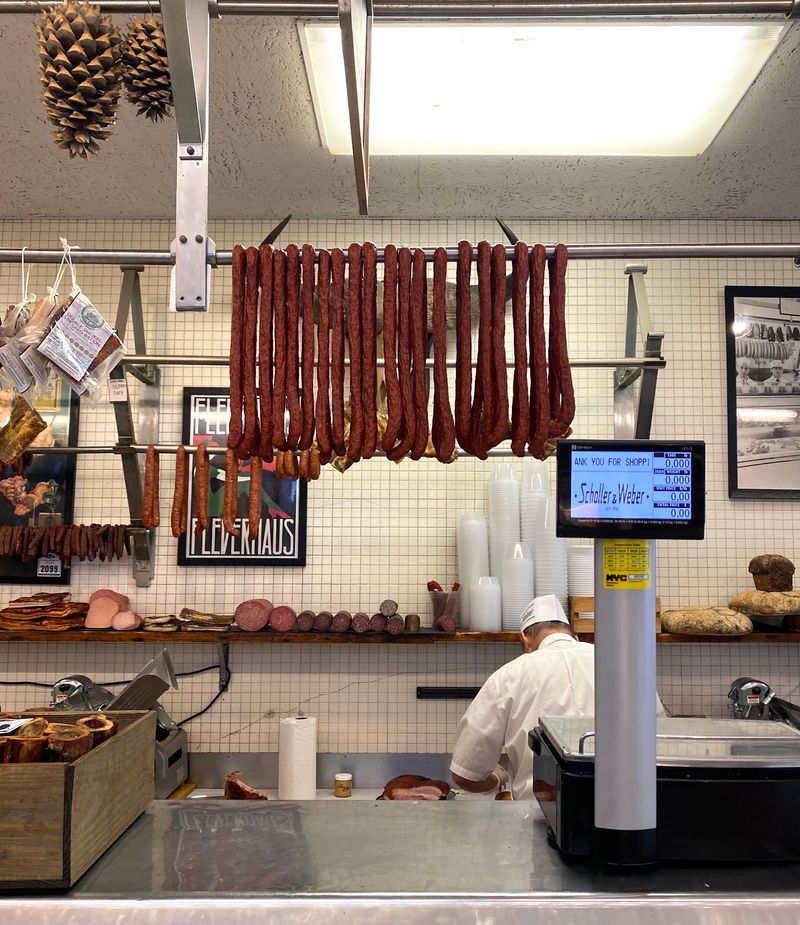
Winning praise in Germany for German sausage is a bold move. Schaller & Weber has earned multiple international medals of honor at exhibitions in Holland and Germany.
That’s like a New York pizzeria impressing judges in Naples. Pretty big bragging rights for a shop born in Yorkville.
Growth followed that success. Sausage production expanded from New York City to facilities in New Jersey and Pennsylvania.
A manufacturing plant in Astoria, Queens, now uses the old family recipes for prepared meats. So the flavors Ferdinand knew still guide the work.
Bigger operations can sometimes water down quality. Here, the brand keeps pointing back to technical precision and deep roots in German meat craft.
The products have spread beyond the shop, too. You can find Schaller & Weber items in various local stores.
Home delivery is available through platforms like DoorDash. That’s great news for anyone across New York who can’t make the trip.
Still, the original shop offers something a delivery bag can’t. It shows where all those medals and recipes began. Standing at that counter connects the dots in a way a website never could.
Set Your Map For A Classic Corner Of Yorkville
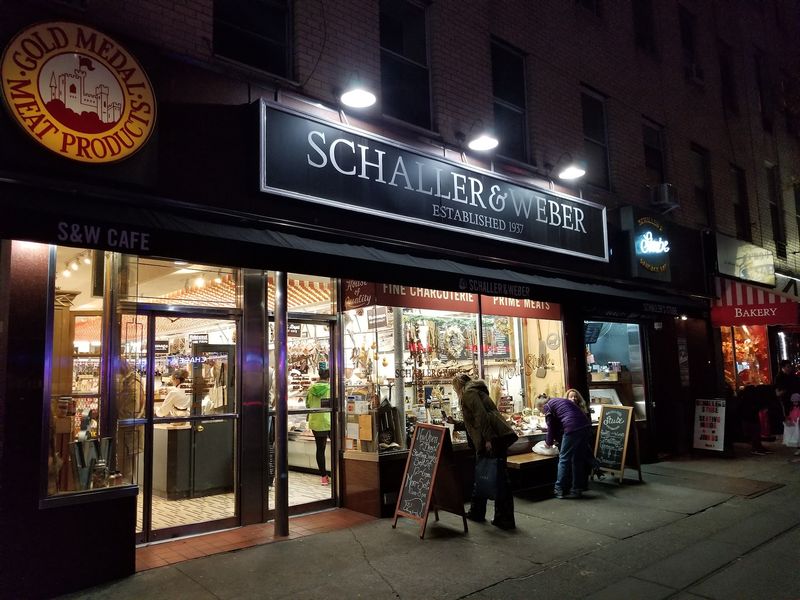
Getting there is the easy part. Schaller & Weber sits at 1654 2nd Ave #1, New York, NY 10028, right in Yorkville on the Upper East Side.
Yorkville once had a strong German presence. Today, this shop stands as a living link to that chapter of New York history.
Hours make planning simple. The shop opens at 10 AM Monday through Saturday and stays open until 8 PM.
Sundays run shorter, so double-check the hours before heading out. A quick look online can save you from staring at a closed door.
Weekday visits work well if you want a relaxed browse. Weekends fit nicely into a bigger Upper East Side outing.
Bring a tote bag or cooler if you’re traveling far. Fresh meats and sausages appreciate a cool ride home.
The shop also sells merchandise and apparel with its heritage logo. A shirt makes a fun souvenir for food-loving friends.
New York has plenty of flashy food spots, but few carry this much history. A visit here feels like tasting a recipe that refused to fade. Honestly, that’s worth the trip on its own.