
10 Tennessee Towns With Low Property Taxes Worth Knowing About
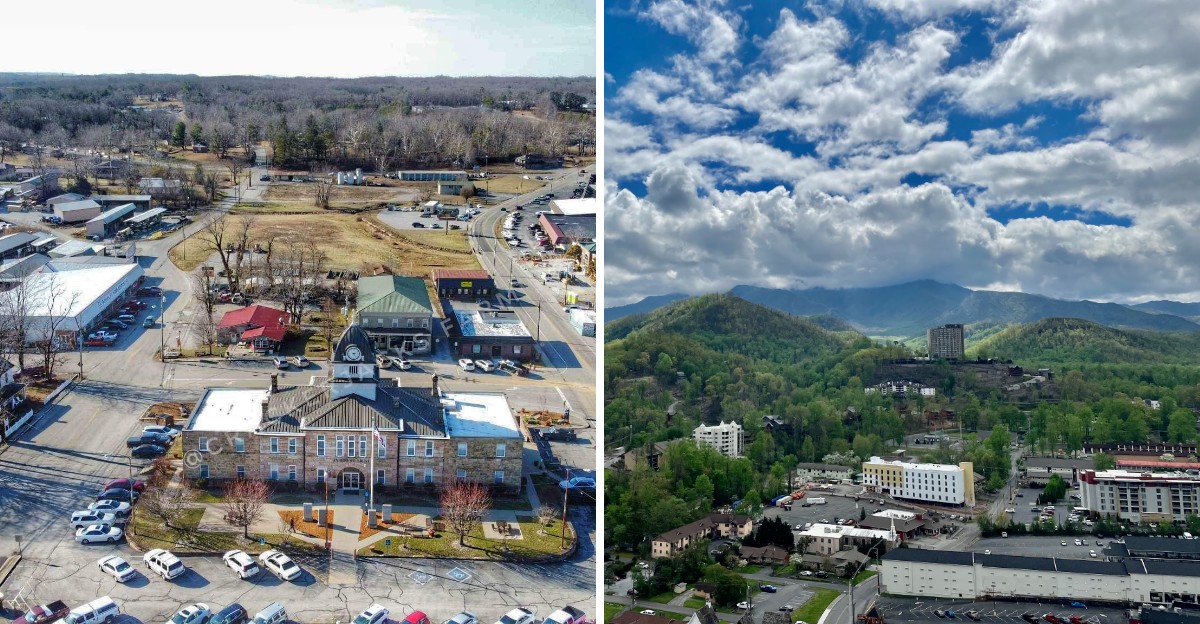
Tennessee doesn’t collect a single penny of state property tax on your house. Not one.
The bill comes from your county and, in most of the towns on this list, your city. Special school district taxes can apply in certain communities, too.
That setup gets even better. Homes are taxed on just 25 percent of their appraised value, not the full price.
I love that detail, because it quietly shrinks the number before any rate even touches it.
The statewide average effective rate sits around 0.52 percent. That’s roughly half the national average, which feels almost too good to be true.
Budget-minded homeowners pay attention to numbers like that. Still, local rates swing a lot from place to place.
So I went hunting for towns where the math gets especially friendly. One of them skips a city property tax entirely.
Others pair a modest county rate with a small town levy. Those differences can add up to meaningful savings for homeowners.
1. Somerville
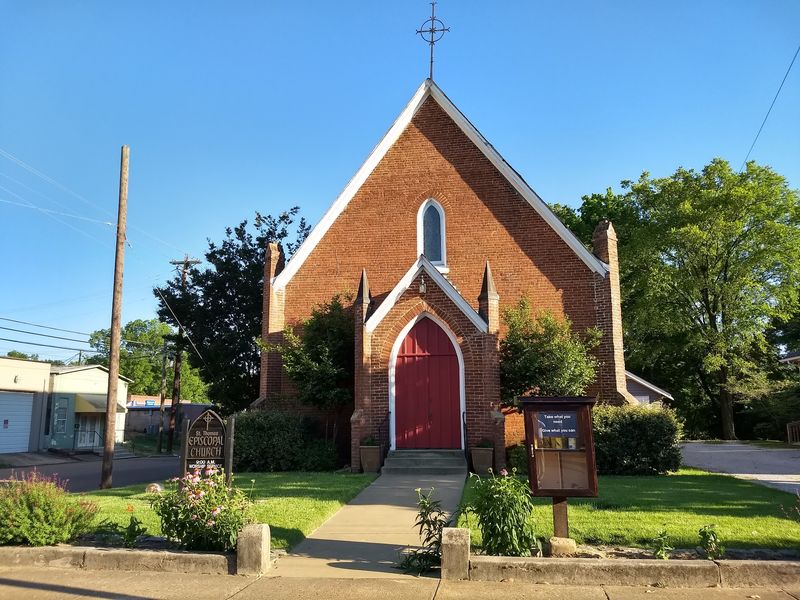
Somerville gets to wear the county seat crown for Fayette County, and its tax numbers look pretty royal too. The median effective property tax rate for Somerville homes sits at just 0.32 percent.
That figure lands well under the Tennessee average of about 0.52 percent. In plain terms, the yearly bill eats a smaller slice of your home’s value than in many places.
Here’s how the bill takes shape. Fayette County sets a nominal rate of 0.9310 per 100 of assessed value.
Assessed value is not your home’s full price, though. Residential property in the state is assessed at 25 percent of its appraised value.
So the county rate only touches a quarter of what your house is worth. That’s a big reason the effective rate stays so low.
The town also collects its own property tax on top of the county share. In 2025, Somerville’s municipal property tax rate was $0.4448 per $100 of assessed value, bringing the combined county and town rate to $1.3758.
Good news for busy schedules, too. Somerville lets residents pay that town property tax online through its official website.
Budget tip: ask for the combined county and town rate when you look at a specific home. Then multiply it by 25 percent of the appraised value for a quick estimate.
That simple math helps you compare homes in Somerville with listings elsewhere. You might be pleasantly surprised by the results.
2. Farragut
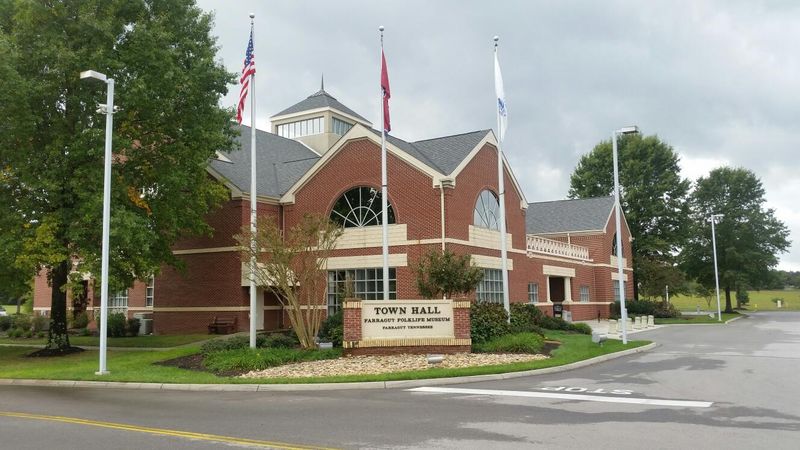
Some towns nibble at your wallet twice, but Farragut politely skips its turn. The Town of Farragut does not charge a municipal property tax at all.
That means homeowners pay only the Knox County property tax. For the 2025-2026 tax year, the county rate is 1.5540 per 100 of assessed value.
Remember that assessed value is just 25 percent of appraised value for homes in Tennessee. A house gets taxed on only one quarter of its appraised amount.
Put those pieces together and Farragut’s median effective property tax rate comes out to about 0.39 percent. That beats the statewide average of roughly 0.52 percent by a comfortable margin.
Why does skipping a city tax matter so much? Many towns stack a city rate on top of the county rate, which raises the final bill.
In Farragut, that second layer simply isn’t there. Your property tax math starts and ends with Knox County.
Planning a move? The Knox County Trustee’s office handles collection, so that’s where you’ll check or pay your bill.
One more smart habit is to confirm the parcel sits inside town limits. Addresses near the edge can fall in different areas, so a quick check saves surprises.
For buyers who love a simple budget, Farragut makes a strong case. One tax bill, one rate, and a median rate under 0.4 percent is hard to ignore.
3. Oakland
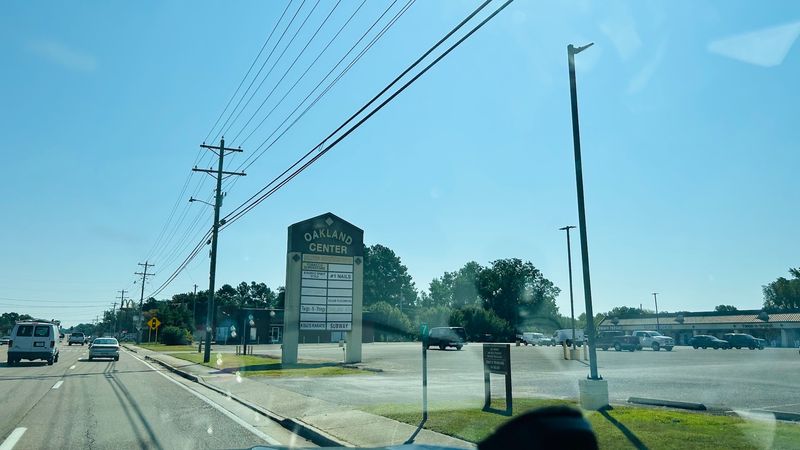
Two Fayette County towns made this list, and Oakland is the one known for steady growth. Its tax picture stays impressively light even as new neighborhoods take shape.
Oakland’s official 2025 effective residential property tax rate was approximately 0.39 percent of appraised value. That is slightly higher than Somerville’s official effective residential rate of approximately 0.34 percent.
The county side of the bill uses Fayette County’s nominal rate of 0.9310 per 100 of assessed value. Then the town adds its own share.
For properties inside Oakland, the 2025 municipal rate was $0.6342 per $100 of assessed value, bringing the combined county and town rate to $1.5652. Rates can be reported in different ways, so ask the county trustee how the numbers combine for your parcel.
Like other homes in the state, Oakland houses are assessed at 25 percent of appraised value. That quarter rule does a lot of quiet work in keeping bills down.
Want a quick reality check before you shop? Find the appraised value on a listing, take 25 percent, and apply the combined rate.
The result gives you a rough yearly estimate to compare against your current bill. If you’re coming from a high-tax state, the difference could be eye-opening.
A low effective rate also leaves more room in your monthly payment when taxes are escrowed. That can make a real difference when you’re stretching to buy.
Oakland shows growth and gentle taxes can share the same street. Not a bad combo for a first home.
4. Gatlinburg
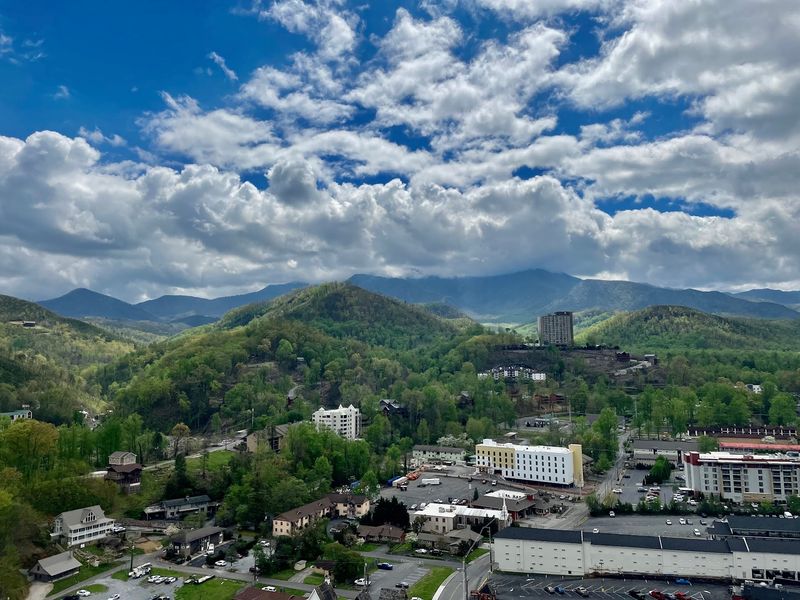
Gatlinburg calls itself the gateway to the Great Smoky Mountains, and its city tax rate is small enough to fit in a hiking pocket. The municipal property tax rate is just 12.57 cents per 100 of assessed value for fiscal year 2025-2026.
Yes, cents. That city layer barely moves the needle on a typical bill.
Sevier County supplies the bigger piece. The county’s nominal rate for 2024 was 1.48 per 100 of assessed value.
Add the two together and you get the full local rate for homes inside city limits. Then apply it to 25 percent of the appraised value, since that’s how Tennessee assesses homes.
The result is a median effective property tax rate of about 0.37 percent for Gatlinburg. That’s comfortably below the statewide average near 0.52 percent.
Mountain real estate can carry hefty price tags, so a low rate matters even more. A smaller percentage on a larger home value keeps the yearly bill in check.
Before buying, confirm whether a property sits inside city limits or out in the county. Homes outside the city skip the municipal levy but still pay the Sevier County rate.
Rates can shift from year to year, so check the latest numbers before closing. A quick look at the property’s tax history helps too.
Either way, you’re looking at numbers that make mountain living easier on the budget. Smoky views and a gentle tax bill?
That’s a sweet trade.
5. Pigeon Forge
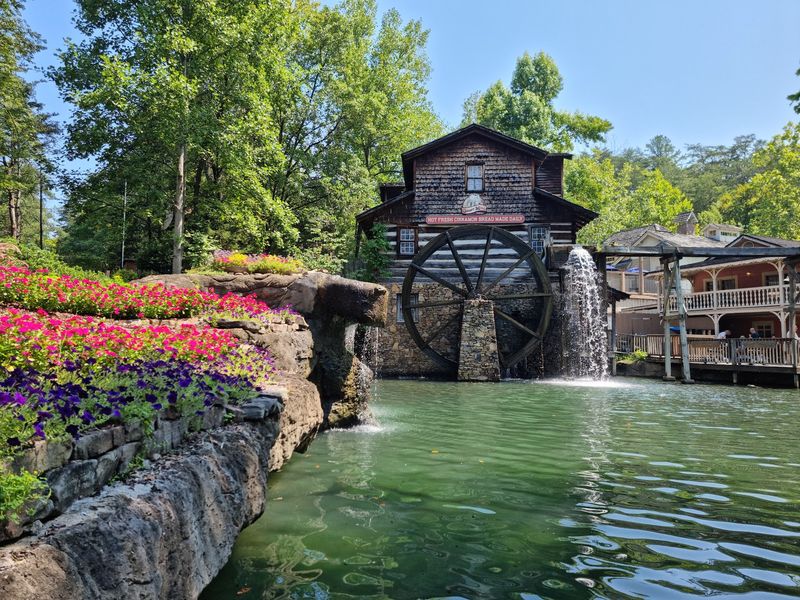
Pigeon Forge is famous for big fun, but its city tax rate is refreshingly small. The municipal property tax rate works out to about 0.1652 per 100 of assessed value.
Sevier County adds the larger slice with a 2024 nominal rate of 1.48 per 100. Together, those two rates make up the local bill for homes in the city.
Now for honesty time. Pigeon Forge’s official 2025 effective residential property tax rate was approximately 0.41 percent, based on its combined county and city levies.
That’s below the Tennessee average of roughly 0.52 percent. Still, it remains well below the national median, so homeowners aren’t exactly suffering.
Why include it, then? A tiny city rate means the town itself asks for very little, while the county carries most of the load.
Effective rates also depend on how home values and appraisals line up in an area. Reappraisals in Tennessee happen on a regular cycle, and they can shift that figure over time.
Buying here? Ask your agent for the actual tax history on the specific property, not just an average.
Real bills tell you more than medians ever will. You may find a home that beats the town’s typical number.
Pigeon Forge earns its spot as a reminder that low is relative. Compared with much of the country, it’s still a bargain worth a look.
6. Hohenwald
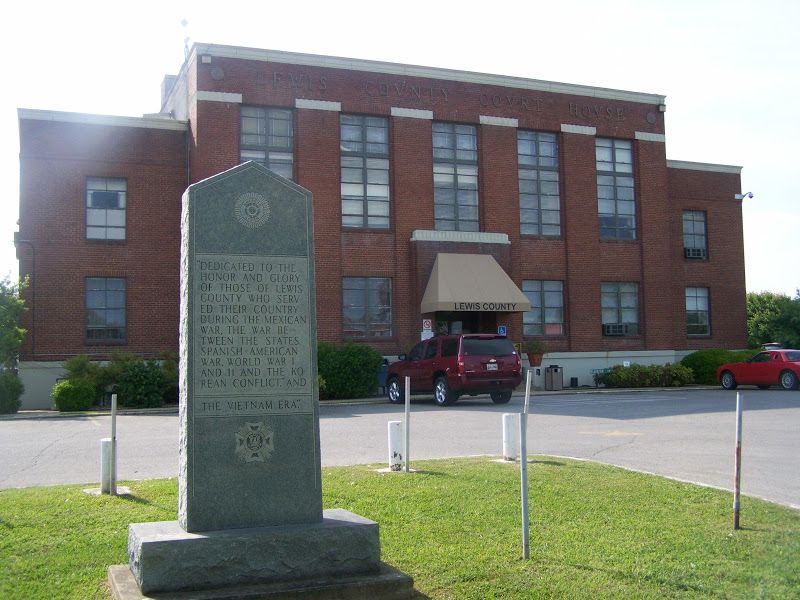
Hohenwald shows how two sizable rates can still add up to a modest bill. Lewis County’s 2025 property tax rate was $1.0335 per $100 of assessed value.
Hohenwald adds a municipal rate of $0.6565 per $100 of assessed value, bringing the combined rate to $1.6900. On paper, that combined number looks hefty compared with some towns here.
Under the official 2025 combined tax rate, Hohenwald’s effective residential property tax rate works out to approximately 0.42 percent of appraised value. The answer is the Tennessee rule that assesses homes at 25 percent of appraised value.
Rates apply only to a quarter of appraised value, not the full amount. That trims the real bill down to a fraction of what the headline numbers suggest.
Farm owners, take note. The county rate listed covers residential and farm property, so rural land in Lewis County follows that same rate.
The state also offers a greenbelt program that can lower assessments on qualifying farm, forest, and open space land. Ask the county assessor whether your acreage might qualify.
Comparing Hohenwald with other towns? Look past the nominal rates and focus on the effective rate instead.
At approximately 0.42 percent, Hohenwald still sits below the statewide average of about 0.52 percent. That’s a solid result for a town with two taxing layers.
Big-looking numbers, modest bill. Hohenwald proves you should always do the math before you panic.
7. Crossville
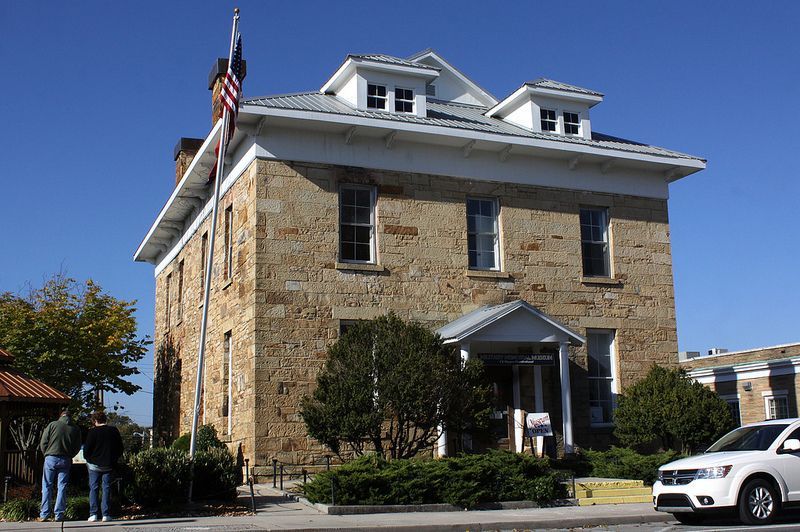
Crossville has a relatively low combined property tax rate, although several towns on this list have lower effective residential rates. Crossville’s official 2025 effective residential property tax rate was approximately 0.44 percent of appraised value.
Cumberland County sets a nominal rate of 1.1350 per 100 of taxable value. That rate applies for both the 2025-2026 and 2026-2027 fiscal years.
Two years of the same rate is great news for planners. You can budget with more confidence when the county number holds steady.
The City of Crossville adds a municipal rate of 0.6059 per 100 of assessed value for the 2026-2027 fiscal year. Homes inside city limits pay both the county and city rates.
Remember the Tennessee rule that homes are assessed at 25 percent of appraised value. Combine that with these rates, and you can see how the effective number stays tiny.
Living just outside city limits changes the math. Those homes skip the city rate but still pay the Cumberland County rate.
Retirees often watch property taxes closely, and Crossville’s numbers deserve attention. The state also has tax relief programs for qualifying older, disabled, and veteran homeowners, so ask the county trustee about eligibility.
An effective residential rate of approximately 0.44 percent still makes Crossville worth considering for budget-conscious homeowners. Crossville keeps the yearly bill impressively modest.
Compare that with the national average, and the gap is striking. Your housing budget could stretch much further here.
8. Tracy City
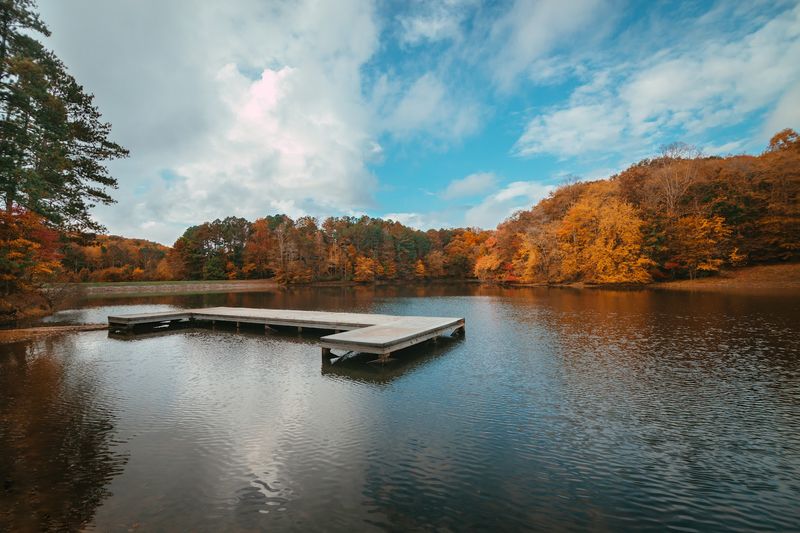
Tracy City proves small mountain towns can keep property taxes small too. Tracy City’s official 2025 effective residential property tax rate was approximately 0.45 percent of appraised value.
Grundy County supplies most of the bill with a nominal rate of 1.43 per 100. Tracy City adds a municipal property tax of 0.37 per 100.
That city rate is pleasantly modest. For homes in town, the two rates combine into one local total.
Then the Tennessee 25 percent assessment rule kicks in. Your rate applies only to a quarter of the home’s appraised value.
Here’s a simple way to picture it. Take one quarter of a home’s appraised value, divide by 100, and multiply by the combined rate.
That quick formula works for any town on this list. It’s handy when you’re scrolling listings and wondering what the yearly tax might be.
Tracy City’s effective residential rate of approximately 0.45 percent remains below the statewide average of about 0.52 percent. Compared with the national average, the difference is even bigger.
Before you buy, check whether the home sits inside city limits. Properties outside town only pay the Grundy County rate.
Owners can look up their bills through the Grundy County Trustee. Doing that before closing gives you real numbers instead of guesses.
Tracy City offers a tidy, easy-to-understand tax setup. Small rates, simple math, and a budget that can breathe.
9. Tellico Plains
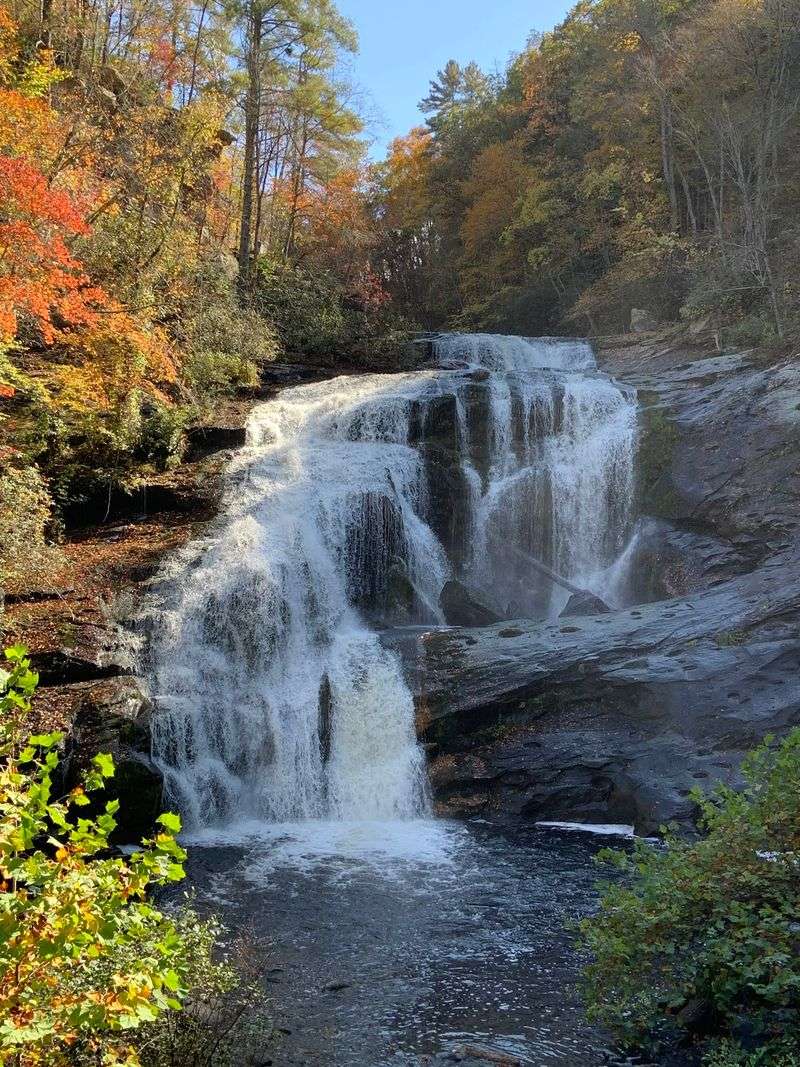
Tellico Plains combines a relatively modest county property tax rate with a small municipal levy. Monroe County’s 2025 property tax rate was $1.5228 per $100 of assessed value.
That’s the biggest county number in this roundup. The official 2025 effective residential property tax rate in Tellico Plains was approximately 0.46 percent of appraised value.
So how does that work? The Town of Tellico Plains imposed a municipal property tax of $0.3134 per $100 of assessed value in 2025.
Homeowners in Tellico Plains pay both county and town property taxes, with a combined 2025 rate of $1.8362 per $100 of assessed value. Both tax rates are included when calculating the property’s total annual tax liability.
Second, Tennessee assesses homes at 25 percent of appraised value. That rule turns a scary-looking rate into a much friendlier bill.
Lesson learned? Never judge a town by its nominal rate alone.
Effective rates tell you what share of your home’s value goes to taxes each year. At approximately 0.46 percent, Tellico Plains remains below the statewide average of around 0.52 percent.
Buyers should still confirm the latest Monroe County rate before closing. County commissions can adjust rates when budgets change.
It also pays to ask about the property’s current appraisal. A reappraisal can change the bill even if the rate stays the same.
Tellico Plains rewards people who read past the headline. One county bill and a low effective rate make a pretty sweet deal.
10. Jamestown
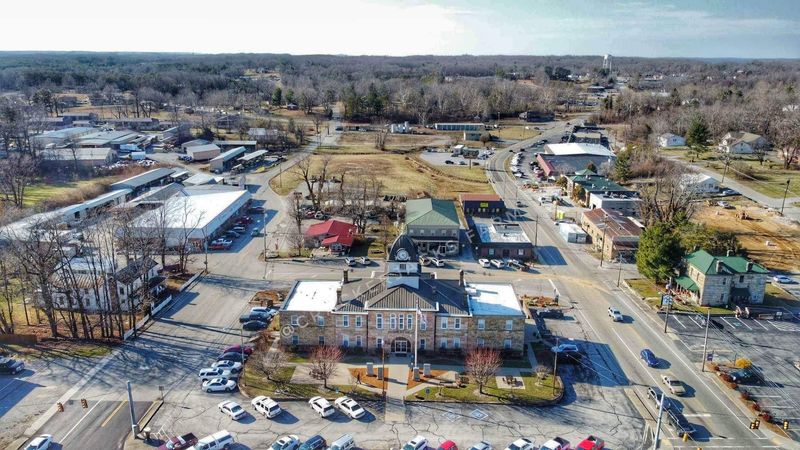
Jamestown wraps up this list as the county seat of Fentress County, with tax numbers worth a closer look. Jamestown’s official 2025 effective residential property tax rate was approximately 0.46 percent of appraised value.
Fentress County set a nominal rate of 1.35 per 100 of assessed value for 2025. The Town of Jamestown adds a municipal rate of 0.502 per 100 as of July 2025.
Combined, those rates apply to homes inside town limits. And yes, the 25 percent Tennessee assessment rule applies here too.
That rule is the quiet hero of this whole article. Rates touch only a quarter of a home’s appraised value, which keeps bills low across the state.
An effective residential rate of approximately 0.46 percent puts Jamestown below the statewide average near 0.52 percent. It also sits far under the national average.
Thinking about a home just outside town? You would skip the municipal rate and pay only the Fentress County rate.
Rates can change each year, so ask the Fentress County Trustee for the latest figures. Pulling a property’s tax history can show how bills have moved over time.
Jamestown shows how a low county rate and a modest town levy can work together. The final bill stays friendly to tight budgets.
Ready to run the numbers? Grab an appraised value, take 25 percent, apply the rates, and see how far your money could go.