
This Nevada Town Earned The Nickname ‘Loneliest Road’ Stop, And Its Main Street Still Feeds Hungry Travelers
A single sack of flour once sold here again and again, raising thousands of dollars for wounded soldiers’ care. That flour came from a little mining town still clinging to a mountainside on U.S.
Route 50 in Nevada.
The town sits at 6,575 feet, with roughly 167 residents counted in 2020. A three-story stone tower watches over it from a hill, like a castle that took a wrong turn somewhere in Europe.
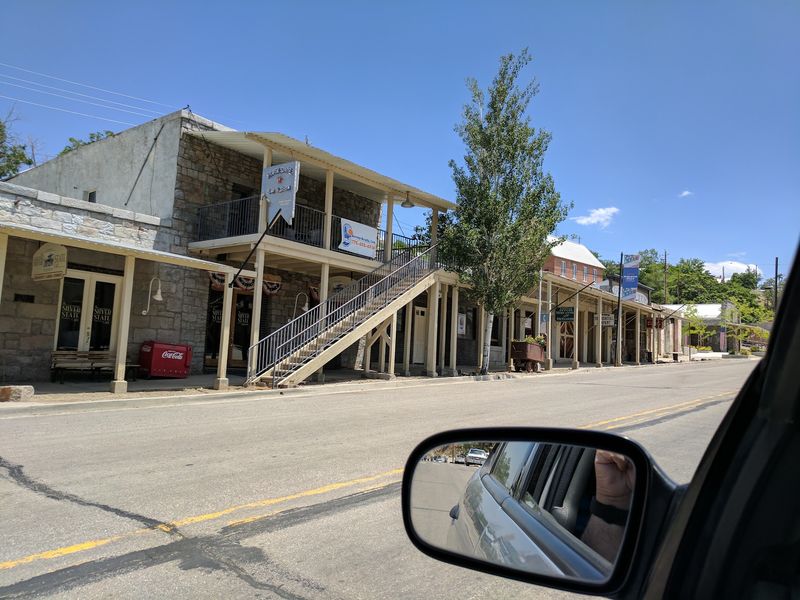
I like how this place refuses to feel like a museum. Old brick storefronts line a steep main street, and a few of them still serve hot meals to road-weary families.
I believe that’s rare on a highway once called the loneliest in America.
So what keeps a tiny silver town going after 160 years? The answer starts with a lucky horse and a shiny rock.
A Mountain Town Waiting Halfway Across Nevada
Drive U.S. Route 50 east from Fallon and the land gets wide, quiet, and gloriously empty.
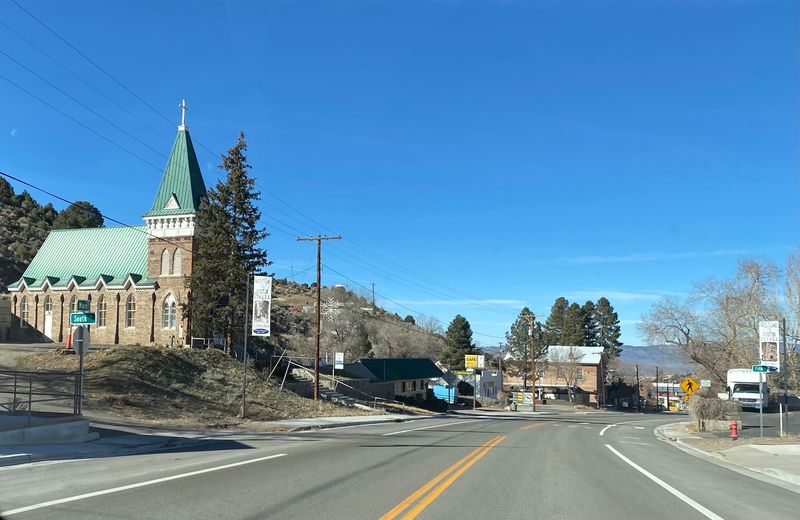
Then the road climbs, curves, and drops you right onto the main street of Austin, Nevada.
Austin is an unincorporated town in Lander County. It hugs the western slopes of the Toiyabe Range at an elevation of 6,575 feet.
The 2020 census counted just 167 people living here. That’s smaller than plenty of school cafeterias, yet the town still feels lively in its own unhurried way.
Reno sits roughly three hours to the west, depending on stops and weather. Eureka, another historic mining town, lies about 70 miles farther east along the same highway.
That spacing matters for families planning a long Highway 50 day. Austin makes a natural halfway break for stretching legs, grabbing food, and letting the kids burn off some energy.
The town’s mailing ZIP code is Nevada 89310, which helps when you’re plugging it into a map app. Cell service can be spotty out here, so downloading directions ahead of time is a smart move.
The Lucky Horse That Started A Silver Rush
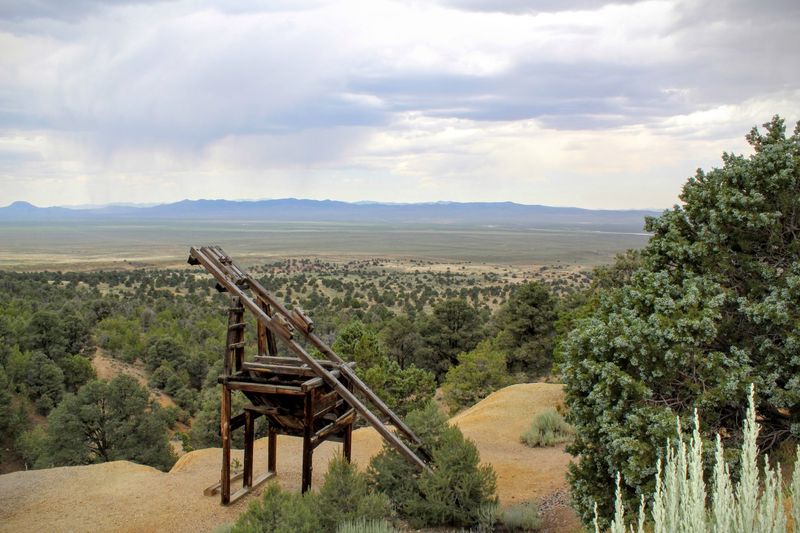
Legend credits a horse with kicking off the whole story. In 1862, a former Pony Express rider named William Talcott reportedly spotted silver-bearing quartz in Pony Canyon.
Word spread fast, and prospectors poured into the canyon. Within a couple of years, Austin had grown into a bustling silver boomtown.
The town became the seat of Lander County during those boom years. It held that role for more than a century before the seat moved to Battle Mountain in 1979.
Silver money built churches, stores, and sturdy homes along the steep streets. Many of those structures still stand, which is why the town feels like a time capsule with a gas station.
For kids, this history lands better than any textbook chapter. They can stand on the same hillsides where miners once searched for their fortunes.
Parents might enjoy a little trivia game on the drive in. Ask who found the silver first, the man or the horse, and watch the backseat debate begin.
How A Magazine Insult Became A Badge Of Honor
In 1986, Life magazine called U.S. Route 50 across Nevada the loneliest road in America.
The article meant it as a warning about the empty miles and few services.
Nevada had other ideas. The state embraced the nickname and turned it into a road trip invitation instead.
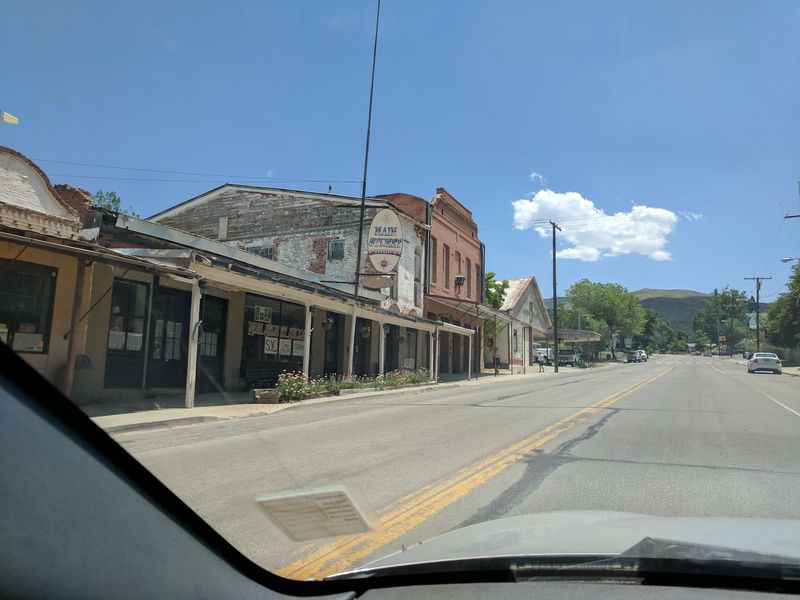
Austin quickly became one of the signature stops on that famous stretch. Its tight cluster of old buildings feels especially welcome after long miles of sagebrush basins.
Travel Nevada has long promoted the route with a Highway 50 survival guide. Travelers collect stamps from towns along the way, and Austin has been part of that tradition.
Kids tend to love anything resembling a scavenger hunt. A stamp collection turns a long drive into a game with a real finish line.
Program details can change from year to year, so check before you leave home. Even without stamps, simply saying you crossed the Loneliest Road gives everyone bragging rights at school or the senior center.
Hot Meals On A Main Street Built For Miners
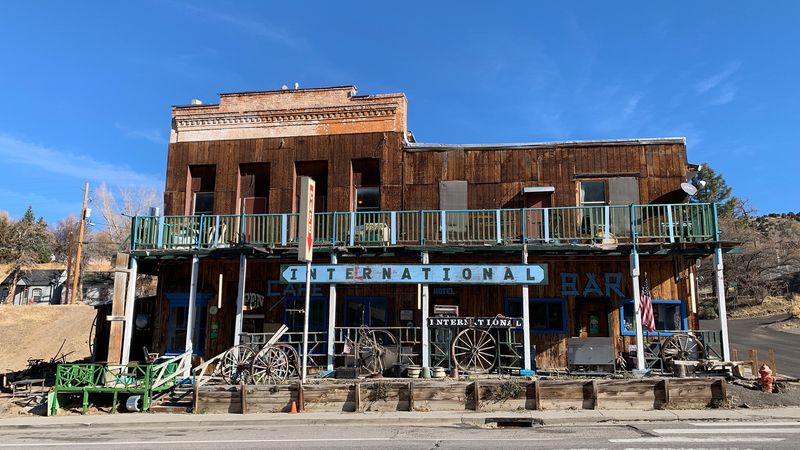
Hungry travelers have been stopping on this main street since the silver days. Austin still keeps a handful of small cafes and eateries running for people crossing the state.
The International Cafe is the name history buffs tend to know. Its building is often described as among the oldest in Nevada, reportedly moved here in pieces from Virginia City in the 1860s.
Small-town dining spots in rural Nevada often keep shifting hours. Some close on certain weekdays or for the off-season, so calling ahead before you count on lunch is wise.
Families on a budget usually do well in towns like this. Casual cafe meals tend to cost less than chain restaurants near big cities, though menus and prices change.
Packing a cooler is also a smart backup plan. Services between towns on Highway 50 are few and far between.
Either way, eating a meal on a street built by miners beats a drive-thru any day. The kids might not notice the history, but they’ll definitely notice the full bellies.
A Stone Castle Standing Guard Above Town
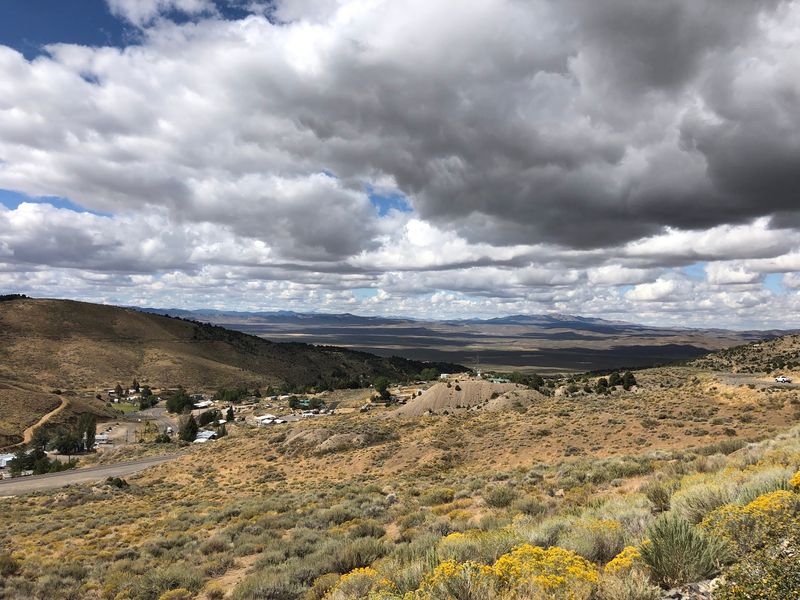
Nobody expects a castle in central Nevada. Yet Stokes Castle rises three stories above Austin, built from hand-cut native stone.
Anson Phelps Stokes, a wealthy East Coast businessman with mining interests, had it built in 1897. It was modeled after a tower he admired in Italy.
The family reportedly used it only briefly before leaving it behind. Since then, the tower has become one of the most photographed sights on Highway 50.
Visitors can’t go inside, since the structure is fenced for protection. Still, the view from the hillside stretches across the Reese River Valley, and it’s free.
That price tag makes it a perfect stop for families and retirees watching their budget. A short dirt road leads up from town, and most cars can handle it in dry weather.
Bring a camera and maybe a jacket, since the wind can kick up at this elevation. Kids usually love pretending they’ve discovered a secret fortress in the desert, and honestly, adults do too.
Three Historic Churches Within A Short Stroll
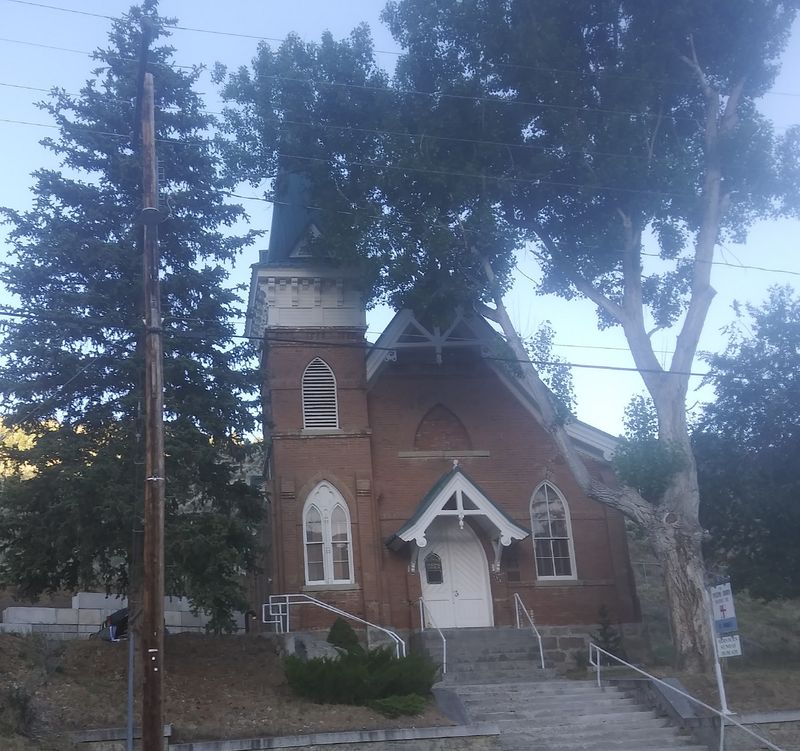
Few towns this small can claim three historic churches. Austin has them, and all three date back to the silver boom era.
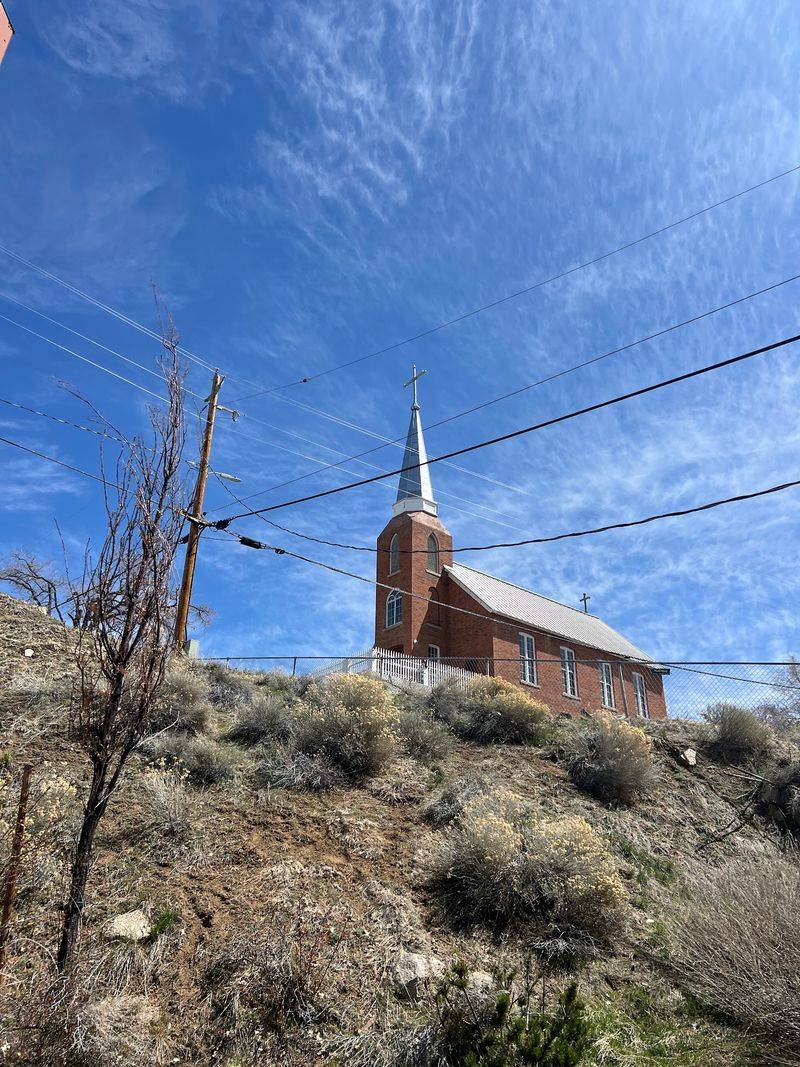
St. Augustine’s Catholic Church was built in 1866. The Methodist church also dates to the 1860s, while St. George’s Episcopal Church followed in 1878.
Each building shows how much faith and money flowed into this canyon during its heyday. Brick, stone, and tall steeples rose quickly as the population boomed.
Walking past them makes a gentle, free activity for grandparents and grandkids alike. The streets are steep, so comfortable shoes help a lot.
Interior access varies, and some buildings may be locked or used for community purposes. Admiring the exteriors respectfully is always fine.
I like how these churches give kids a sense of scale. Imagining hundreds of miners filling the pews makes the town’s tiny modern population feel even more surprising.
Pair the churches with the old storefronts, and you’ve got an easy self-guided history walk. No ticket booth required.
The Famous Flour Sack That Raised A Fortune
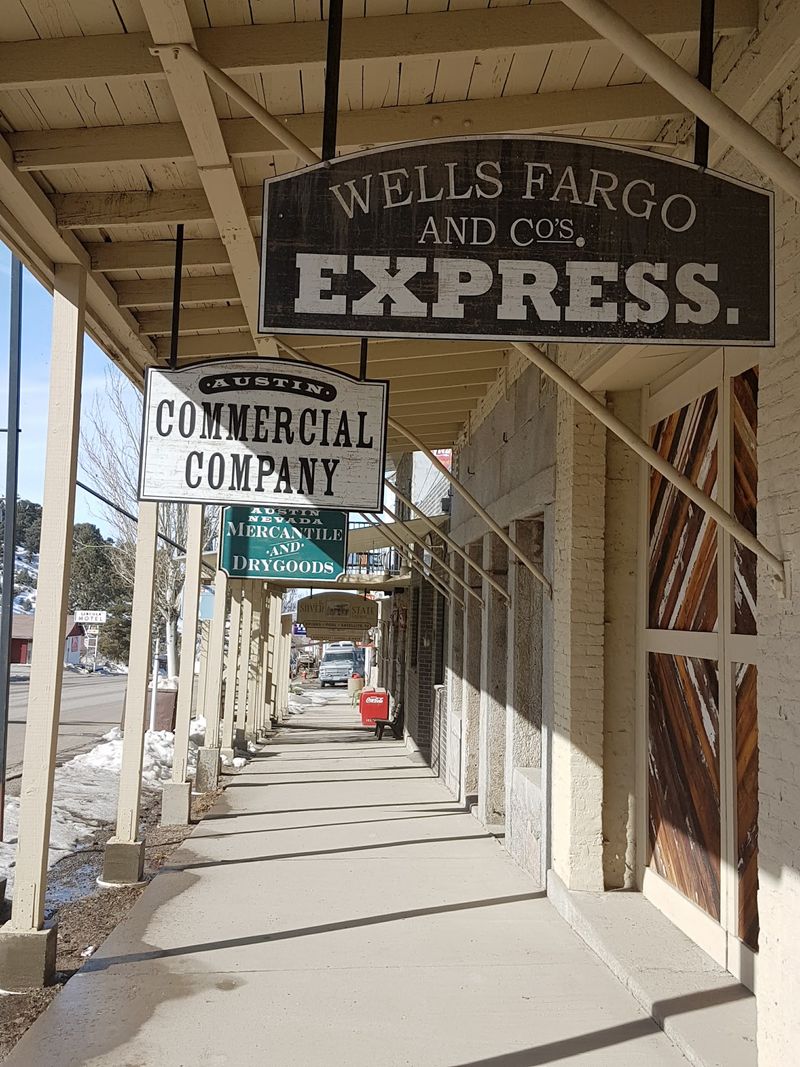
Here’s a story kids won’t forget. In 1864, local grocer Reuel Gridley lost an election bet and had to carry a sack of flour through Austin.
Instead of ending there, the sack was auctioned off for charity. The buyer donated it back, and it sold again, and again.
The money went to the Sanitary Commission, which supported care for wounded Union soldiers. Gridley later toured with the sack, and it reportedly raised a remarkable sum across the West.
Gridley’s old stone store still stands in Austin. Seeing it in person turns a quirky history tidbit into something real.
This makes a terrific teaching moment for families. One silly bet became a giant act of generosity, and that’s a lesson worth repeating on a long drive.
Local museum hours and displays can shift seasonally in a town this small. Check ahead if you hope to learn more inside, though viewing the store’s exterior costs nothing at all.
Petroglyphs, Hot Springs, And Mountain Trails Nearby
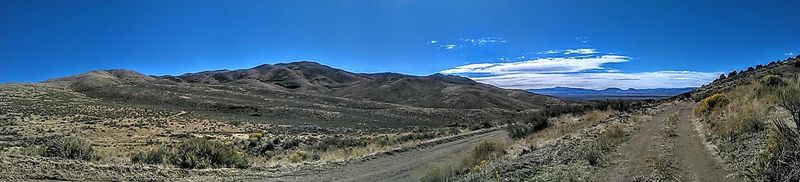
Ancient rock art sits just a short drive east of town. The Hickison Petroglyph Recreation Area lies roughly 24 miles from Austin along Highway 50.
A short interpretive trail leads past carvings left by Native peoples long ago. It’s managed by the Bureau of Land Management and makes a quick, budget-friendly leg stretch.
Hot springs also dot the valleys around Austin, including the well-known Spencer Hot Springs. These are undeveloped, so check road conditions and use care with small children around hot water.
The Toiyabe Range offers hiking and mountain biking trails close to town. Summer brings cooler temperatures here than in the low desert, thanks to that lofty elevation.
Families can easily fill an entire afternoon with these nearby stops. Most cost little or nothing, which stretches a travel budget nicely.
Bring plenty of water, snacks, and a full tank of gas. Services thin out fast once you leave Austin, and the desert doesn’t hand out refills.
Smart Planning For A Remote Highway Stop
Gas comes first on any Highway 50 checklist. Fill up in Fallon or Eureka, and top off in Austin whenever you can.
Winter deserves extra respect at 6,575 feet. Snow and ice can affect the mountain passes near town, so check Nevada road reports before heading out.
Late spring through early fall usually offers the friendliest driving weather. Days can be warm, but nights cool off quickly at this elevation.
Hours at cafes, shops, and attractions in Austin may change with the seasons. A quick call ahead can save a hungry carload from disappointment.
Most of the town’s best sights cost nothing to enjoy. Stokes Castle, the churches, and the historic storefronts make for a free and memorable stop.
Plan on at least an hour or two to explore Austin itself. Add nearby petroglyphs or trails, and the visit easily stretches into a full afternoon.
Motion sickness bags for little ones are smart on the twisting summit roads. Trust me on that tiny bit of foresight.
Why This Tiny Town Deserves A Spot On Your Route
Plenty of travelers race across Nevada without stopping. Austin rewards anyone willing to slow down for an hour or an afternoon.
The town packs silver rush history, a stone castle, and old churches into a few steep blocks. Most of it costs nothing, which makes it a winner for families and retirees on a budget.
Kids get stories about lucky horses and a famous flour sack. Grandparents get a taste of the Old West that hasn’t been polished into a theme park.
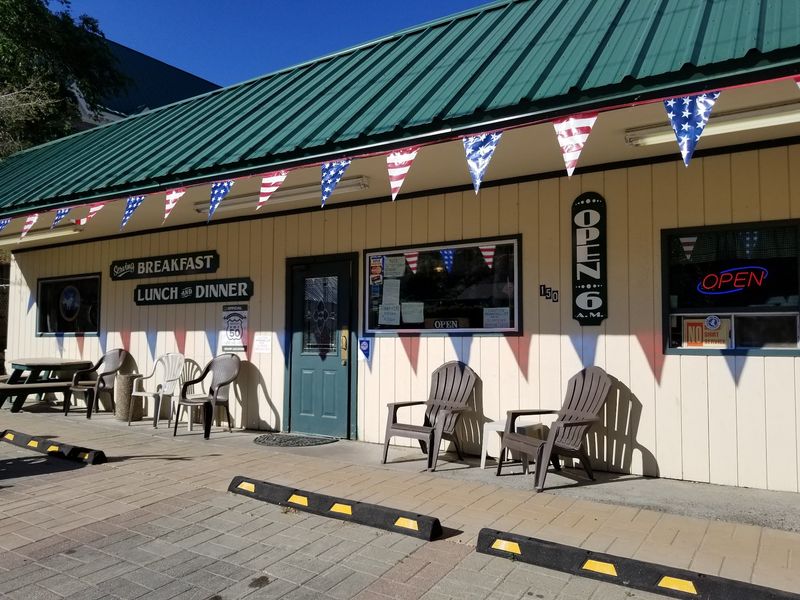
Main street cafes still serve travelers, just as they have for generations. Call ahead to confirm hours, then enjoy a meal in a town that’s fed road warriors since the 1860s.
I can’t imagine a better place to break up the Loneliest Road. Austin turns a long, empty drive into a real family memory.
So next time Highway 50 calls, plan a stop here in Nevada. The castle, the views, and that legendary flour story will be waiting right where the road climbs into the mountains.