
Visit The Real Sleepy Hollow Church From The Headless Horseman Legend In New York
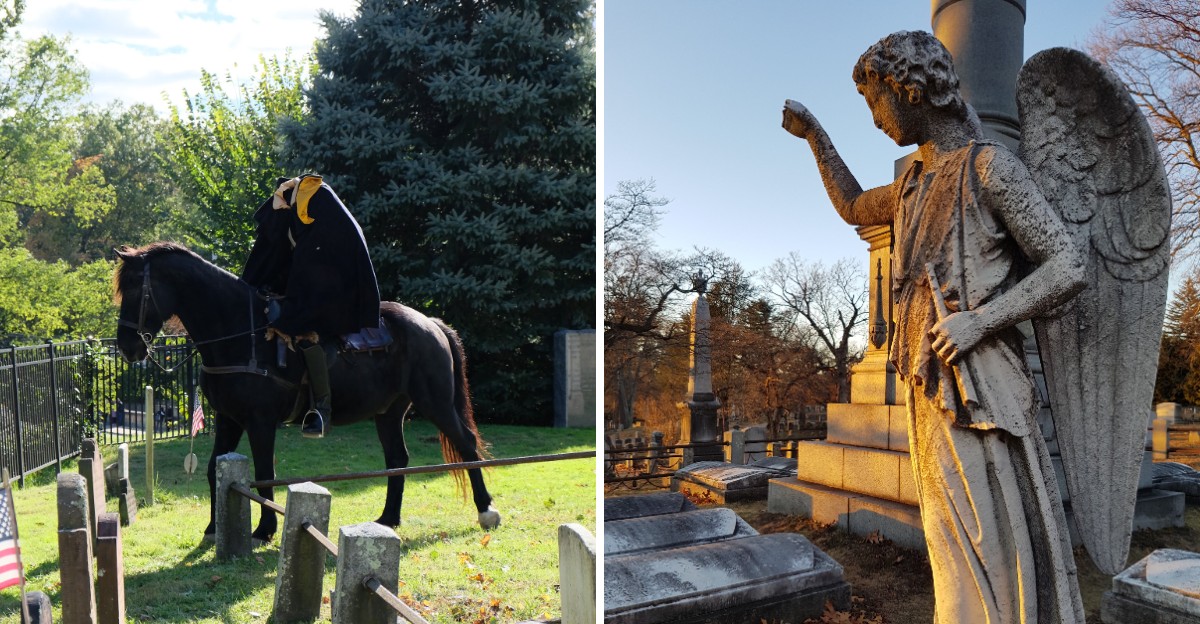
The man who built this little stone church in New York is said to have carved its pulpit himself. He and several members of his family now rest beneath its floorboards.
That detail alone gives me chills. Then you learn the bell in the belfry was cast in Holland and marked with the year 1685.
It’s covered in carvings of gargoyles, birds, and other odd creatures.
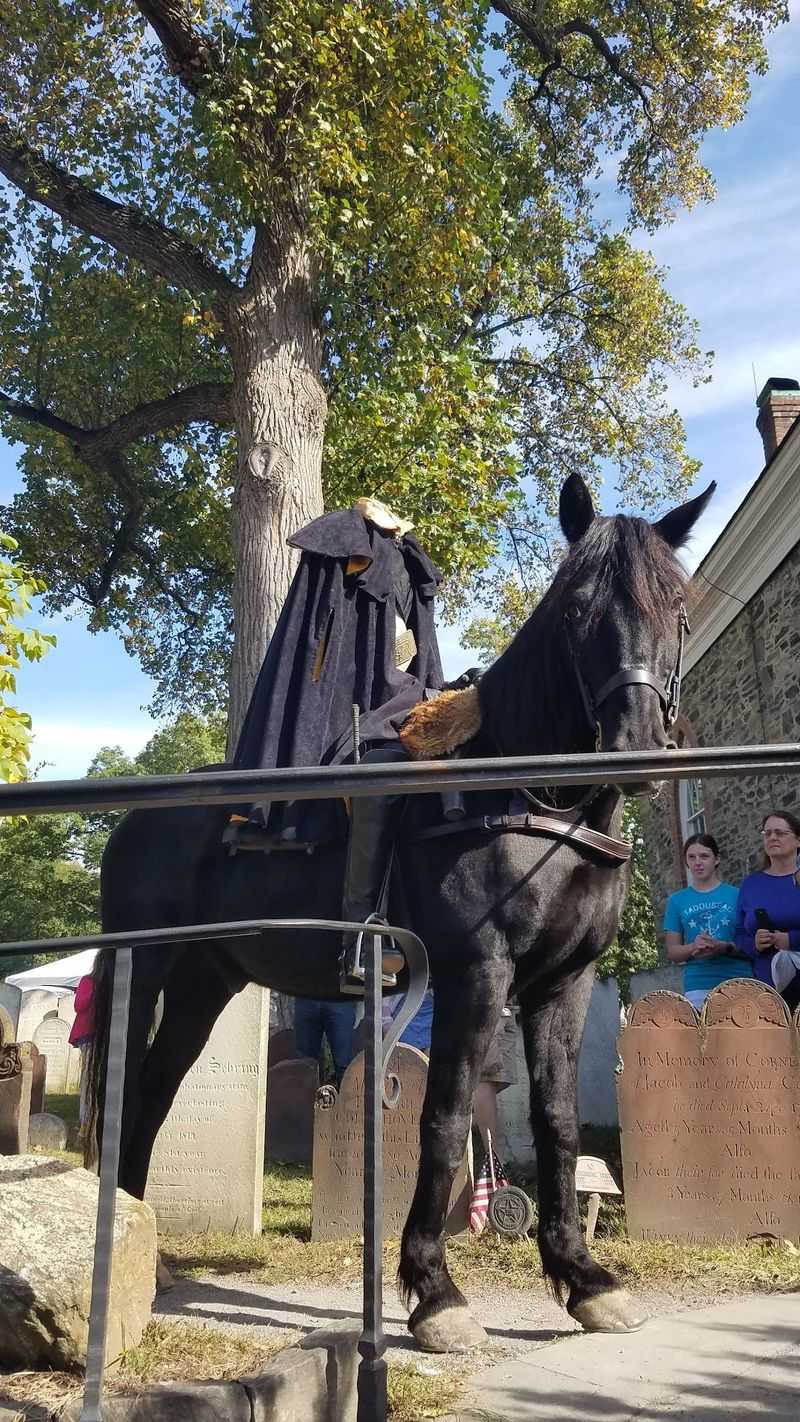
The churchyard outside carries a reputation of its own. Washington Irving made it the stomping ground of a certain headless rider in 1820.
I like how a spooky story turned a quiet New York churchyard into a place people cross oceans to see.
I can’t imagine a better spot for anyone who loves history with a shiver on the side. So how does a building this old still feel so alive today?
The Oldest Church Still Standing In The State Is Waiting For You
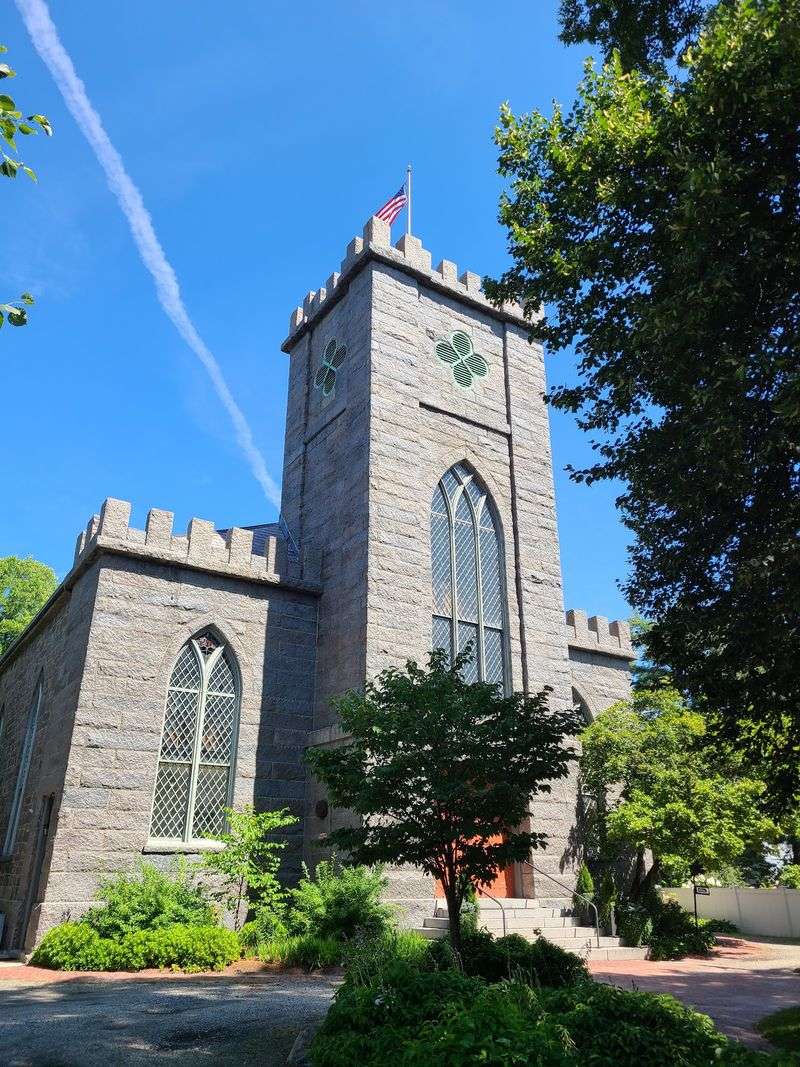
More than three centuries of history sit inside one modest stone building. The Old Dutch Church of Sleepy Hollow is recognized as the oldest church still standing in New York State.
Frederick Philipse, Lord of Philipsburg Manor, built it around 1685. The congregation was formally organized as a Dutch Reformed church in 1697.
That’s older than the United States by almost a hundred years. Your great-great-grandparents’ grandparents weren’t even born yet.
The federal government took notice too. It named the church a National Historic Landmark in 1961, which is a pretty big gold star for a small building.
Here’s a fun twist. The church isn’t a museum frozen in time, because it remains an active place of worship.
Services happen here on summer Sundays, at Easter sunrise, and on Christmas Eve. The rest of the year, the congregation gathers at the Reformed Church of the Tarrytowns down the road.
So when you visit, you’re stepping onto ground that still matters to a living community. That makes it feel less like a relic and more like a neighbor with a very long memory.
I believe that’s what makes it special. History here isn’t behind glass.
It still rings bells and holds services.
Washington Irving Turned This Churchyard Into Headless Horseman Territory
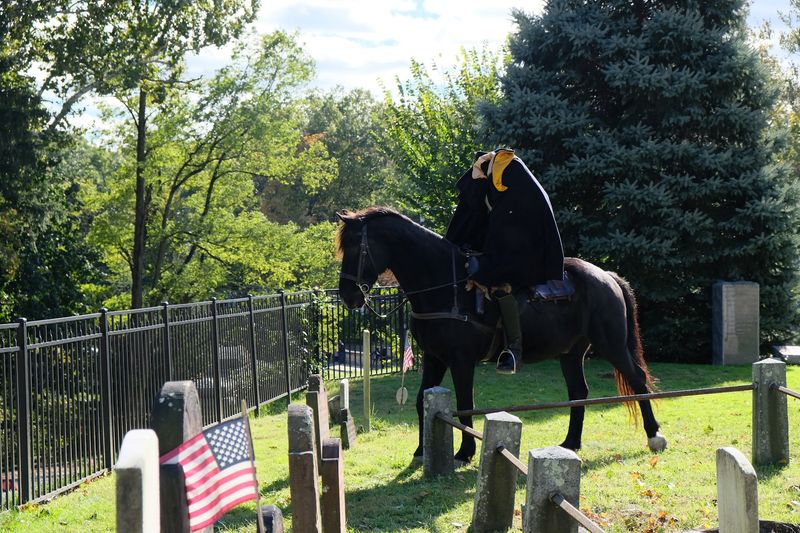
Blame it all on an 1820 short story. Washington Irving set key scenes of The Legend of Sleepy Hollow right here, at the church and its burying ground.
In the tale, the churchyard serves as the haunt of the Headless Horseman. Legend says the rider was a Hessian trooper from the Revolutionary War era.
His body, so the story goes, was buried in this very churchyard. Each night he rides out searching for his missing head, which sounds exhausting.
Poor Ichabod Crane never stood a chance. His famous gallop toward the church bridge remains one of the best chase scenes in American literature.
The real fun is spotting where fiction meets fact. Colonial-era residents buried here are thought to have inspired characters like Katrina Van Tassel and Brom Bones.
That means you can wander among the names that may have sparked Irving’s imagination. It’s like finding the rough draft of a classic carved in stone.
Irving himself rests nearby in the separate Sleepy Hollow Cemetery. He reportedly chose a spot beside his mother, close to the Old Dutch Church.
Fans of the story will want extra time here. Reading a few pages beforehand makes the whole place click.
Those Two-Foot-Thick Walls Were Built To Last
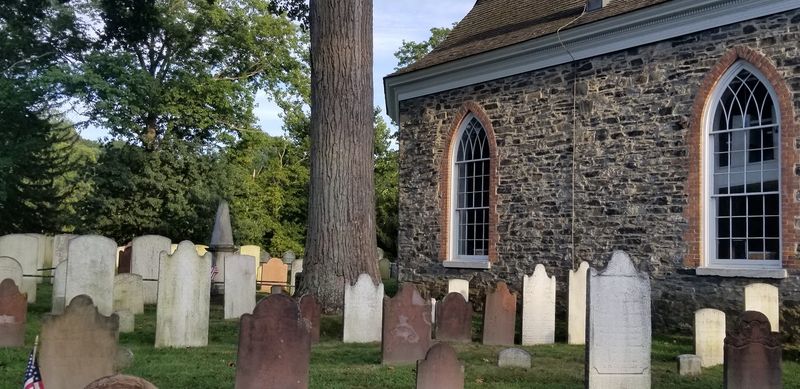
Builders in the 1600s didn’t mess around. The church walls are about two feet thick, made from local fieldstone gathered nearby.
The style is classic Dutch Colonial architecture. It’s modest in size, sturdy in spirit, and topped with a distinctive gambrel roof.
That roof is worth a long look. A gambrel has two different slopes on each side, giving the building a barn-like profile that feels instantly old-world.
Walk around to the south wall next. You’ll find some Dutch yellow brick mixed into the design, a small detail with big character.
Photographers, this is your moment. The rough stone texture looks great in soft morning light or under golden autumn trees.
Try shooting from a low angle to capture the roof against the sky. A wider shot that includes nearby gravestones tells the full story in one frame.
Keep in mind the building is well cared for, since it’s still in use. Repairs and upkeep help keep those centuries-old walls standing strong.
Honestly, it’s impressive that a structure this small has outlasted so much. Those thick walls have watched colonists, soldiers, and storytellers come and go.
Look Up, Because The Bell Has Stories Of Its Own
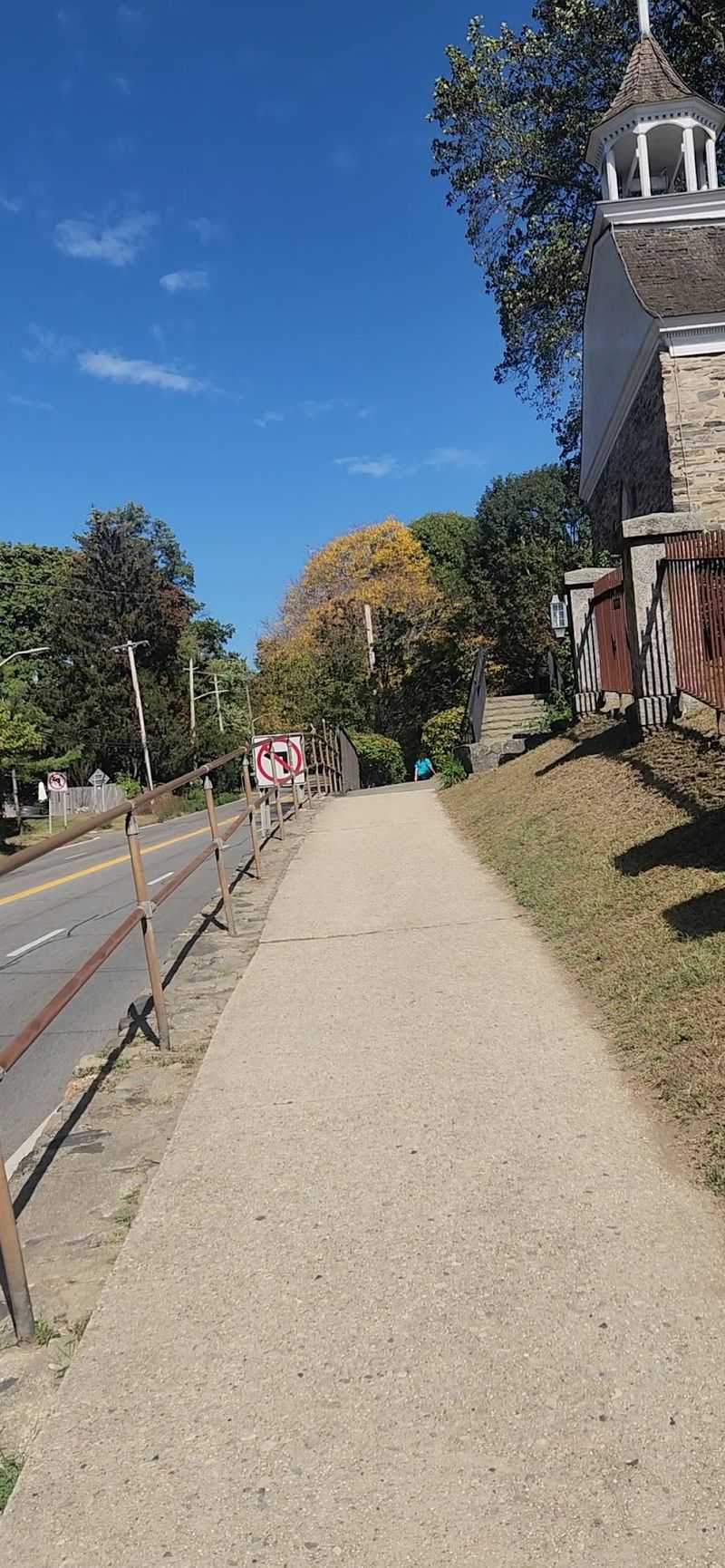
Gargoyles on a church bell? Yes, really, and this one has them.
The original bell still hangs in the belfry of the Old Dutch Church of Sleepy Hollow. It was cast in Holland and carries the year 1685 along with a Latin scripture.
Carvings of gargoyles, birds, and other creatures decorate its surface. It’s like the bell got its own little zoo of mythical friends.
Think about the journey it made. A heavy bronze bell crossed the Atlantic Ocean more than three hundred years ago, then got hoisted into this tiny tower.
You probably won’t get close enough to read the inscription yourself. Still, knowing it’s up there changes how you see that simple white belfry.
Bring binoculars or a camera with a good zoom. They’ll help you appreciate the belfry details from the ground.
Kids especially love this fact. Telling them a 1685 bell with gargoyles sits right above their heads usually earns some wide eyes.
I like how one object connects Holland, colonial New York, and a spooky legend all at once. Few bells can claim that kind of résumé.
A Pulpit Carved By The Builder Himself Sits Inside
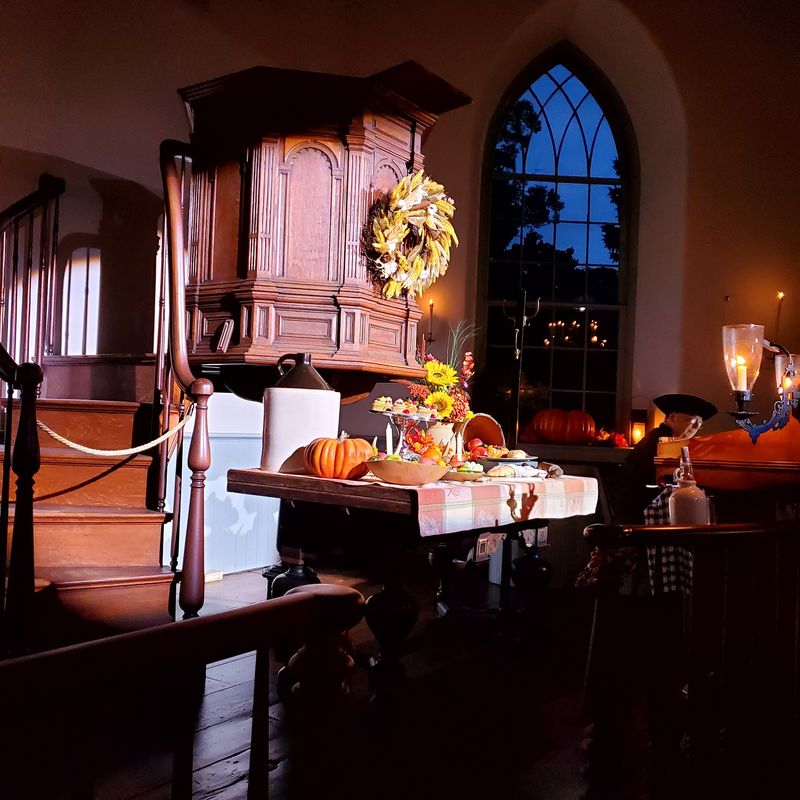
Most wealthy landowners hired craftsmen. rederick Philipse is said to have crafted the church pulpit himself, adding a personal touch you can still admire.
There’s more to the floor than meets the eye, too. Philipse, his two wives, and several of his children are buried beneath the church floorboards.
So yes, the founder literally never left. That’s commitment to a project.
Getting inside takes a little planning, though. Outside of October, the interior generally opens only for special occasions like Easter, Christmas Eve, and summer music services.
Your best everyday shot is the Sunday 10:30 a.m. summer service. Afterward, visitors may get a chance to take photos or chat with a docent.
That docent chat is a golden opportunity. Ask about the pulpit, the family below, or anything that sparks your curiosity.
Remember you’re in an active house of worship. Quiet voices and respectful behavior go a long way.
If the doors are closed when you arrive, don’t take it personally. The exterior and grounds still offer plenty to explore, and you’ll have a reason to come back.
Seeing that handmade pulpit up close feels personal. It’s a craftsman’s fingerprint left behind for centuries.
Wander Among Gravestones Older Than The Nation
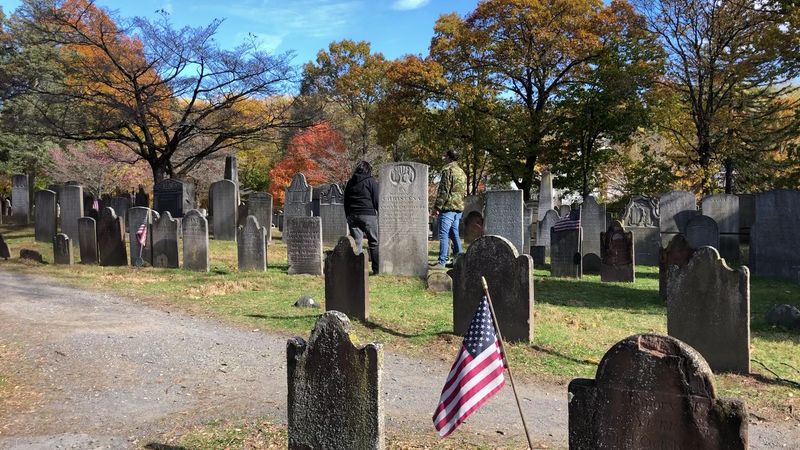
Three acres of history wrap around the church. The Old Dutch Burying Ground is considered one of America’s oldest burying grounds.
It may even predate the church itself. Burials could have happened here before 1650, though the earliest readable stone dates to 1755.
Revolutionary War veterans rest here in large numbers. That gives the grounds a deep connection to the fight for American independence.
The burying ground is open daily until 4:30 p.m. No one may enter after that time, so plan accordingly and skip the late arrival.
Want a guide in your pocket? Pick up Tales of the Old Dutch Burying Ground, which includes a fold-out map for a self-guided tour.
The map helps you hunt for names tied to Irving’s characters. It turns a quiet stroll into a fun treasure hunt.
Wear comfortable shoes for the uneven ground. Old cemeteries rarely come with smooth sidewalks.
Above all, show respect while you explore. These are real people, and many have descendants who still care deeply about them.
Slow down and read the carvings. The old lettering and designs reveal how colonial families honored their loved ones.
October Brings Candlelit Readings You Should Book Early
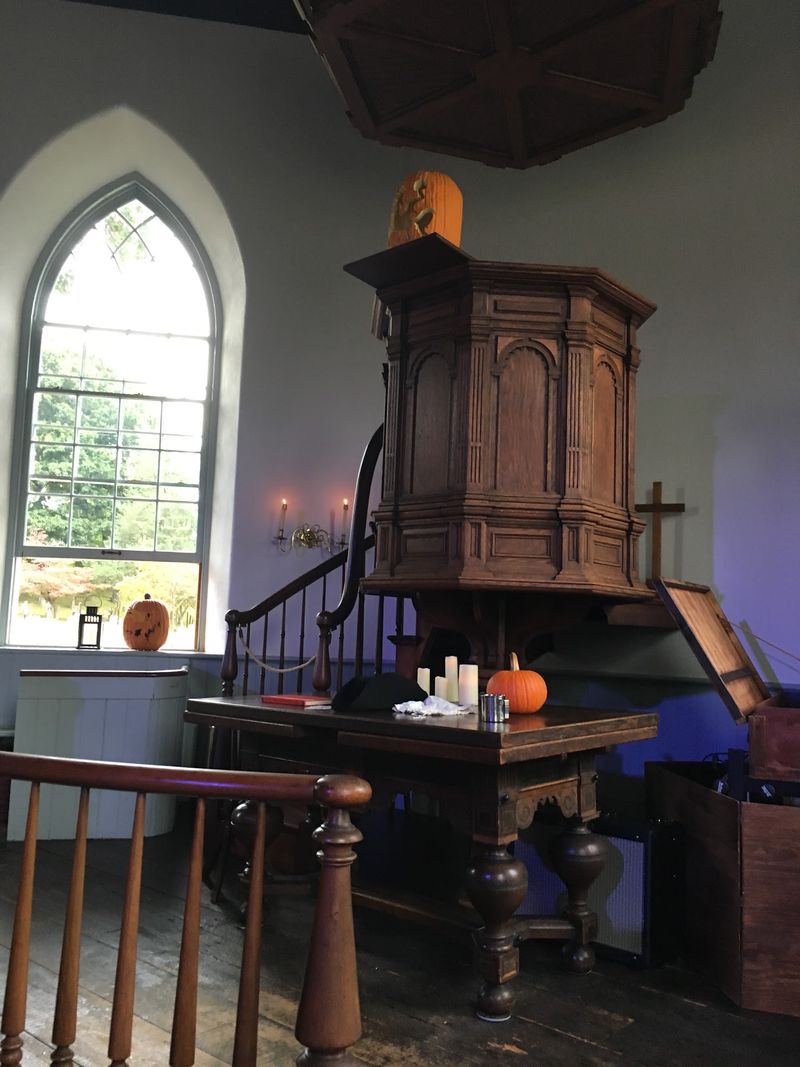
Hearing The Legend of Sleepy Hollow inside the actual church is next-level spooky. Every October, dramatic readings of the tale come to life by candlelight, complete with live music.
These performances run on select dates. Dates change each year, so check the official schedule before planning your trip.
Here’s the catch. The shows often sell out, so grab tickets as soon as you can.
October weekends also offer guided tours of the churchyard. A guide can point out spots and stories you’d likely miss on your own.
Prefer a longer adventure? The local historical society runs 90-minute walking tours that include entry into the Old Dutch Church.
Those tours explore the burying ground, too. You’ll hear about Revolutionary War figures and the people who inspired Irving’s characters.
Fall is easily the most magical time to visit. Crisp air, colorful leaves, and a famous ghost story make a pretty unbeatable combination.
Organized groups need permission in advance from the Reformed Church of the Tarrytowns. Families and small groups can simply plan around public events.
A candlelit reading in this setting feels like stepping into the story. Good luck forgetting that one.
A Few Practical Tips Will Save Your Visit
Smart planning beats a scramble every time. You’ll find the Old Dutch Church of Sleepy Hollow at 430 Broadway, Sleepy Hollow, NY 10591.
The church has no on-site parking. Limited spaces are available in the neighboring Sleepy Hollow Cemetery instead.
Watch the clock carefully. All cars and walkers must leave the cemetery by 4:30 p.m.
There are also no restrooms on site. Take care of that before you arrive, especially if you’re traveling with kids.
Tour buses need express permission from Sleepy Hollow Cemetery to use its lot. Group organizers should sort that out well ahead of time.
Morning visits give you the most breathing room. You’ll have plenty of daylight to explore before closing time sneaks up.
Dress for the weather and bring water. New York autumns can swing from sunny to chilly fast.
A charged phone helps for photos and maps. You’ll want both while wandering the grounds.
These small details matter more than you’d think. A little prep means more time enjoying history and less time hunting for a parking spot or a bathroom.
Next Door Sits A Second Famous Cemetery Worth Exploring
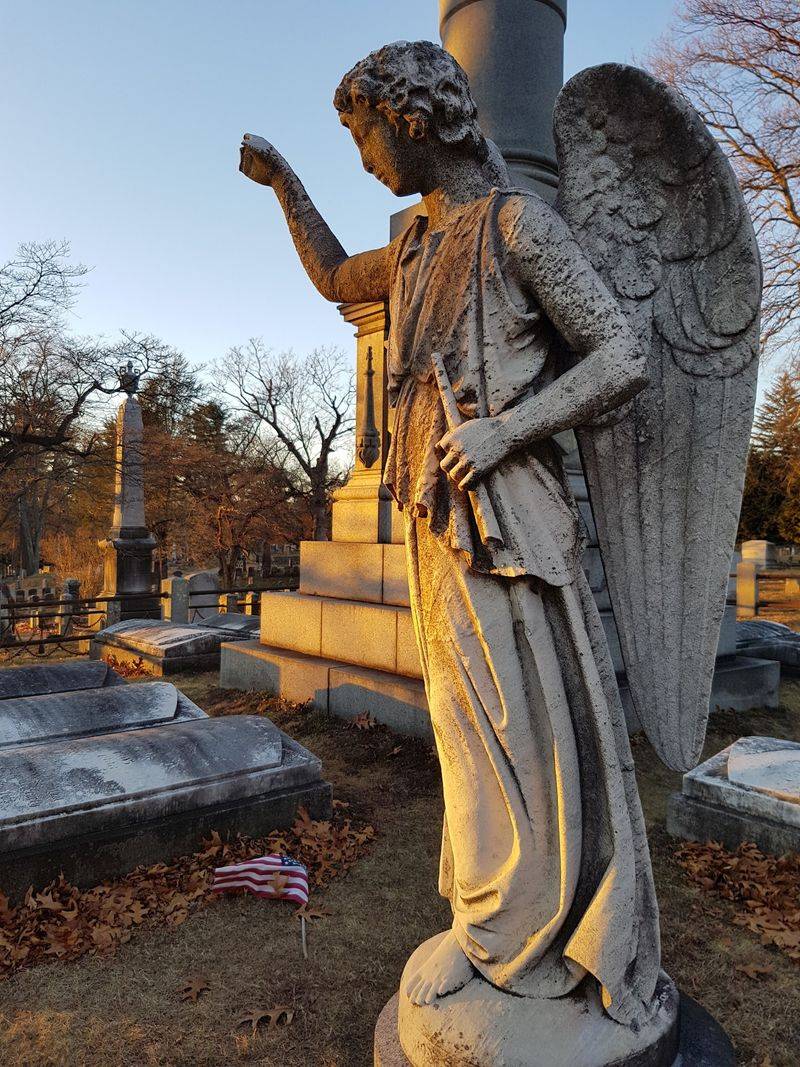
Plenty of folks mix these two up. The Old Dutch Burying Ground and the larger Sleepy Hollow Cemetery sit right beside each other, but they’re separate places.
Sleepy Hollow Cemetery was established in 1849. That makes it much younger than the churchyard, though still plenty historic.
Big names rest within its rolling grounds. Andrew Carnegie, Walter Chrysler, and William Rockefeller are among the notable figures buried there.
Washington Irving rests there too. Paying your respects to the author who made this whole area famous feels like the perfect final stop.
Combining both sites makes for a full and rewarding outing. You’ll go from colonial gravestones to grand industrial-era memorials in a single afternoon.
Keep the 4:30 p.m. exit time in mind. It applies to the cemetery as well, so pace yourself.
The neighboring cemetery’s hilly layout means extra walking. Sturdy shoes will thank you later.
I believe pairing these two spots tells the bigger New York story. One shows the colonial roots, while the other reflects the country’s growth.
Together, they make this corner of the Hudson Valley unforgettable. Just keep an ear out for hoofbeats.