
The World’s Largest Children’s Museum Is Hiding In Indiana And It’s Bigger Than You Think
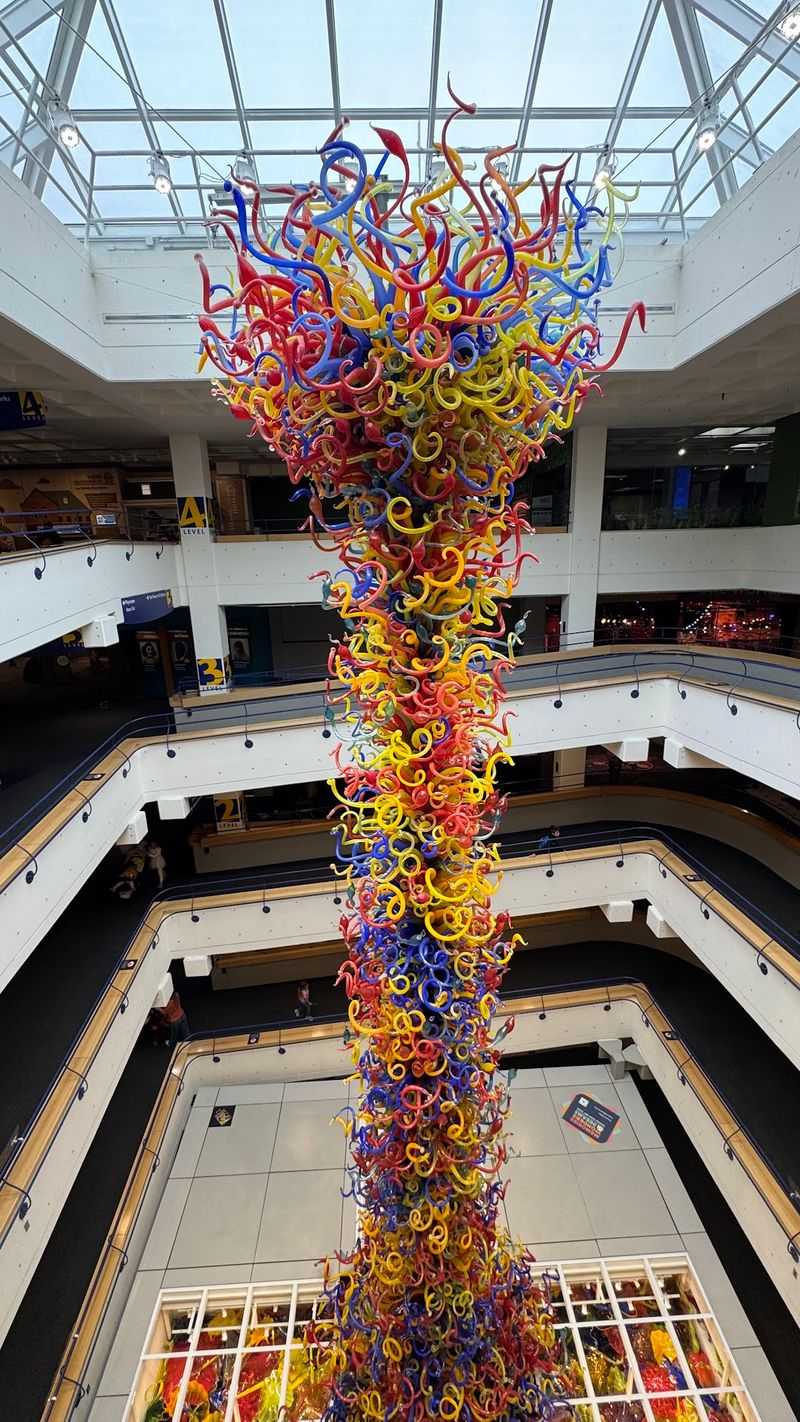
A real Dale Chihuly glass tower stands 43 feet tall inside a children’s museum. It holds more than 3,200 pieces of hand-blown glass, and kids can walk right underneath it.
That alone would make most museums famous. Here, it shares the building with real dinosaur fossils, a working 1917 carousel, and a recreated slice of the International Space Station.
The whole thing sits in Indiana, and it holds the title of the largest children’s museum on the planet. I appreciate that the scale never feels like bragging. It feels like an open invitation to stay curious all day.
With five floors to explore and a massive outdoor sports park waiting outside, there’s enough here to keep you busy from morning until evening.
Five Floors And 29 Acres Means You Should Clear Your Whole Day
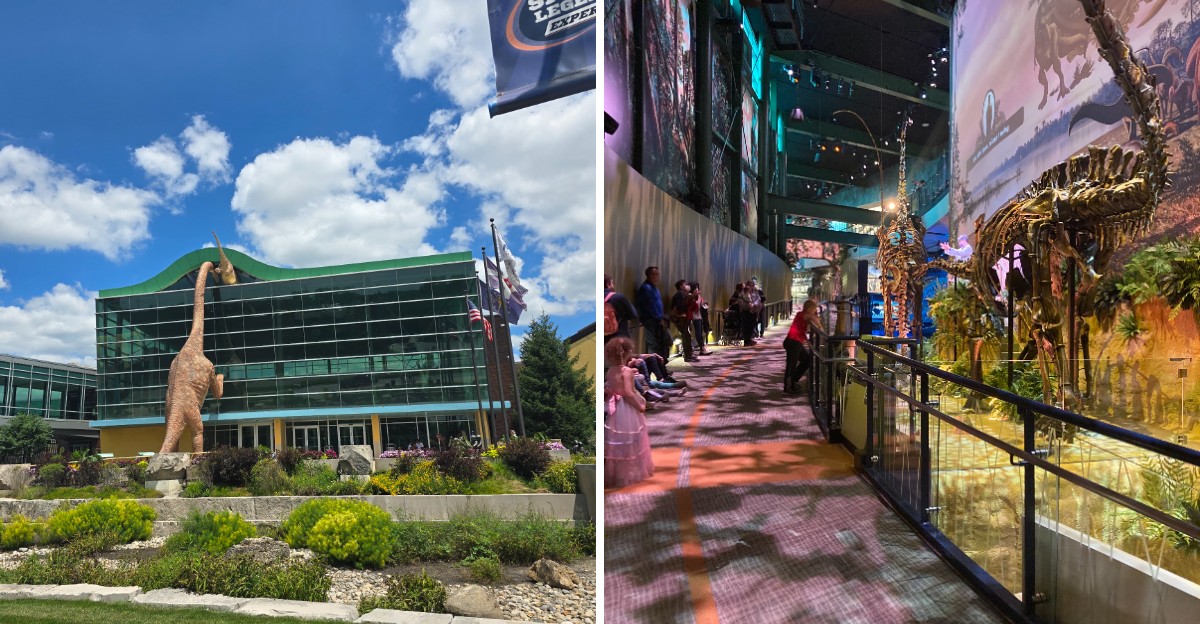
Big is an understatement at The Children’s Museum of Indianapolis. It officially holds the title of the world’s largest children’s museum.
The indoor exhibits stretch across five floors and roughly 472,900 square feet. Outside, the campus covers 29 acres, so the fun keeps going after you step back into the sunshine.
More than a million visitors come through each year. That number makes sense once you realize how much ground there is to cover.
Planning helps a lot here. The museum is usually open from 10 a.m. to 5 p.m., and it is typically closed on Mondays outside the summer season.
Hours can shift by season, so check the schedule before you go. Exhibit closures also pop up for updates, and a short full-campus closure is planned for January 11 through 15, 2027.
Wide ramps connect the floors, and elevators are available too. That makes strollers and tired legs a lot easier to manage.
My advice is simple. Pick two or three must-see exhibits first, then let curiosity steer the rest of the day. Trying to see everything in one quick loop is a fine way to need a nap by lunch.
Real T. Rex Bones Are Waiting For You In Dinosphere
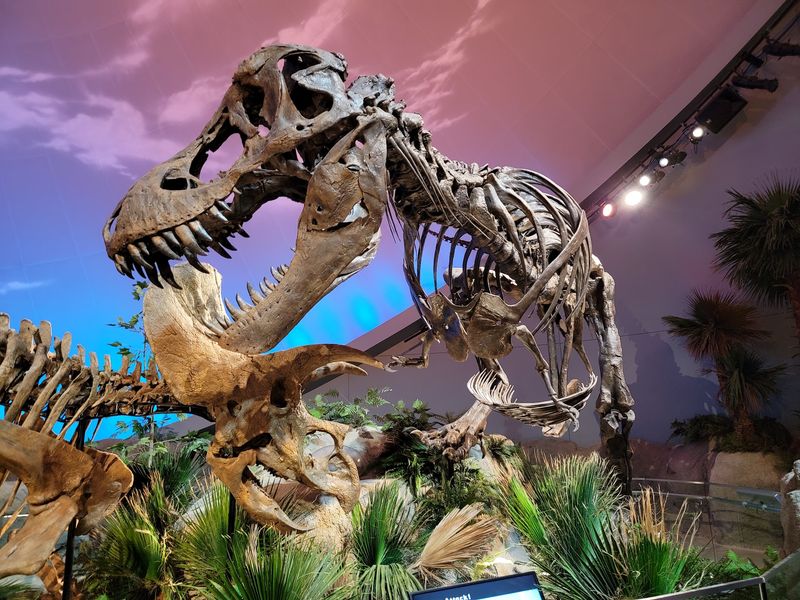
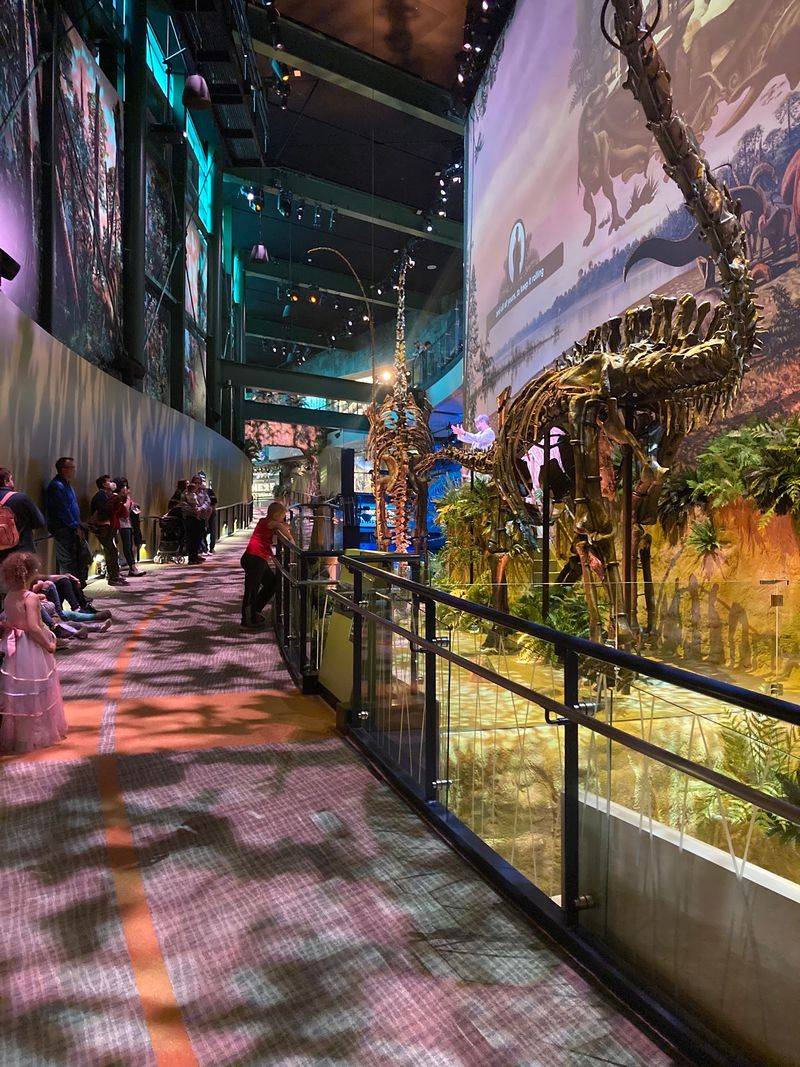
Dinosaurs get the royal treatment in Indianapolis. The exhibit is called Dinosphere: Now You’re in Their World, and the name fits.
Life-sized dinosaur skeletons fill the space, and the setting feels like a prehistoric landscape. Kids can even touch real T. rex bones, which is a pretty strong way to win over a six-year-old.
The best part might be watching actual science happen. Inside the Jurassic Paleo Labs, working paleontologists prepare and study real fossils behind viewing windows.
Those scientists are doing real research, not acting out a scene. Seeing them work turns a fun field trip into a peek at an actual career.
A sound and light show called Giants of the Jurassic adds even more drama. Suddenly the giant bones feel a lot less like museum pieces and more like neighbors.
A small dig area lets younger visitors brush away and uncover their own discoveries. It is a hands-on moment that many kids remember long after the trip.
Dinosphere is one of the biggest draws in the whole building. I’d probably head there early, before the excitement level across the museum hits full roar.
Glass Fireworks Explode Overhead And Never Make A Sound
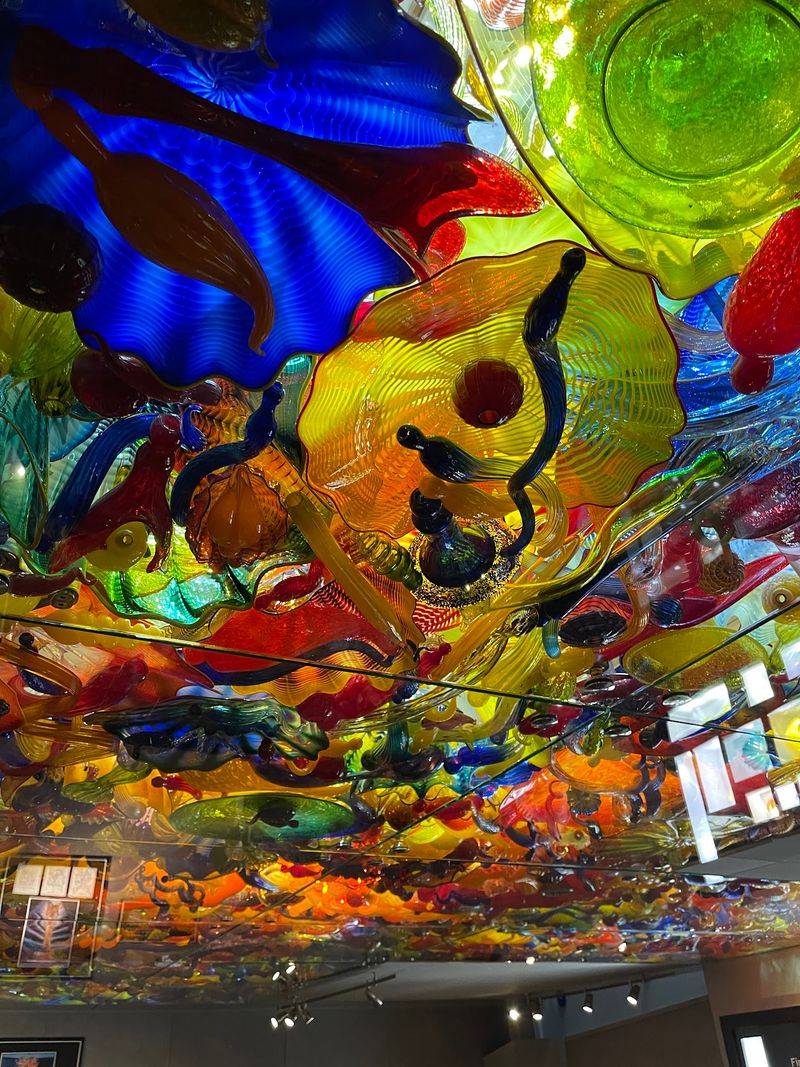
Most kids’ museums do not keep a world-class art masterpiece in the middle of the building. This one does, and it is breathtaking.
The Fireworks of Glass Tower and Ceiling was created by famed artist Dale Chihuly. It rises 43 feet and uses more than 3,200 pieces of hand-blown glass in bold reds, yellows, and blues.
The tower climbs through the museum’s spiraling ramp system. That means you can admire it from different floors and catch new angles as you walk.
Below the tower, a glass ceiling lets visitors look straight up into the swirling colors. Lying back to stare at the shapes is a perfectly reasonable family activity here.
It also makes a great breather between busier exhibits. Kids can spot shapes, name colors, and guess how glass gets twisted into such wild forms.
Parents get a little art-museum moment without anyone needing to whisper. That is a rare and lovely deal.
Bring your camera, but also take a minute to simply look. Sunny days make the colors glow even brighter, and good luck ignoring that once you see it.
A 1917 Carousel Still Spins Happily On The Fourth Floor
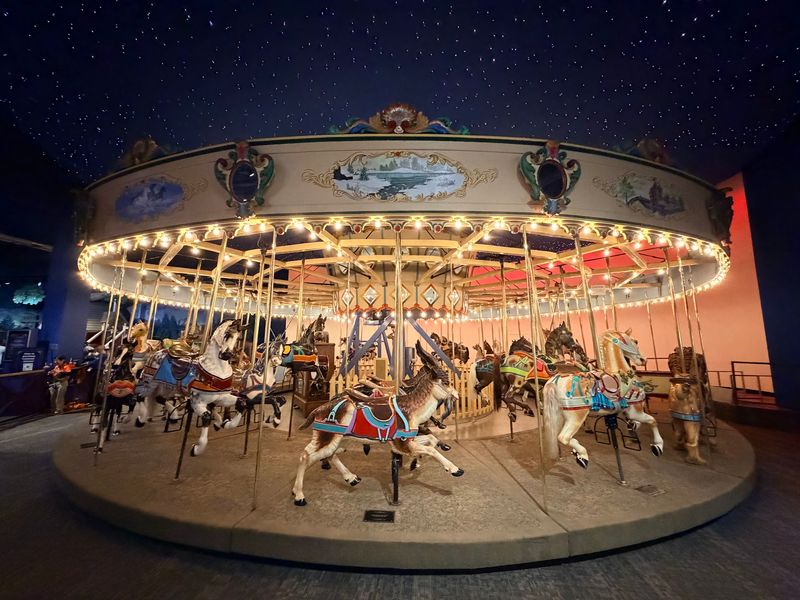
Long before video games, families in Indianapolis lined up for a spin on this beauty. The Broad Ripple Park Carousel dates back to 1917.
It originally entertained crowds at a local amusement park. After that park closed, the carousel was rescued, restored, and eventually given a new home inside the museum.
Today it sits on the fourth floor and still runs. Its 42 hand-carved animals give riders plenty of choices beyond the usual horses.
The carousel is a menagerie style, which explains the variety. Picking a favorite animal can turn into a serious negotiation for some kids.
There is a small extra fee to ride. Adults who come along to supervise without sitting on an animal can join for free.
The history adds real weight to the fun. This carousel is a designated historic landmark, so every turn connects riders to more than a century of local life.
I love that something this old still brings out giggles today. It is a sweet reminder that some joys do not need upgrades, just a little care and a lot of spinning.
Space Station Dreams Get Real In Beyond Spaceship Earth
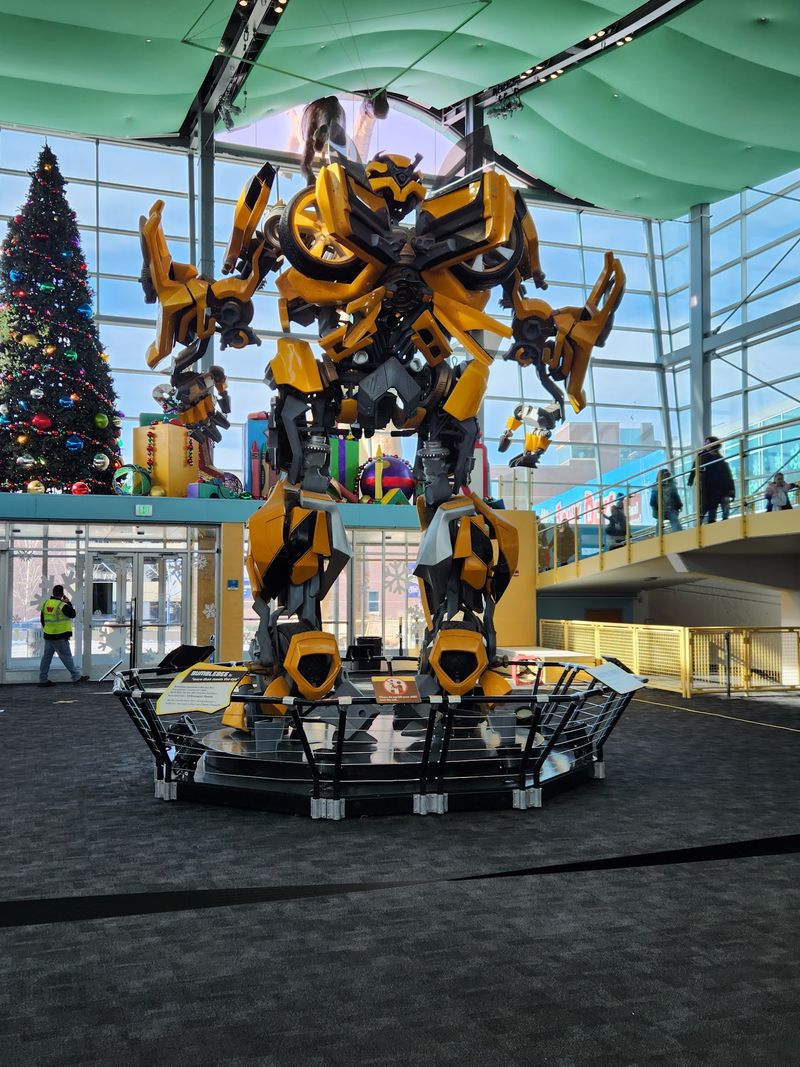
Ever wonder how astronauts sleep or brush their teeth in orbit? Beyond Spaceship Earth helps answer those floaty questions.
The exhibit includes an interactive recreation of parts of the International Space Station. Kids can explore what daily life looks like for people working far above the planet.
It goes beyond one cool room, too. The space area includes the Schaefer Planetarium, where the night sky gets brought indoors.
There is also a Space Object Theater for even more out-of-this-world learning. Together, these spaces make it easy to spend a long stretch here.
Budding scientists love the details. Future engineers might start sketching rockets on napkins at lunch, which seems like a great outcome.
Shows in the museum can fill up because space is limited. Checking show times as soon as you arrive is a smart move if the planetarium is high on your list.
For families in Indiana, this is a rare chance to touch the topic of spaceflight without a long road trip. It feels big, ambitious, and wonderfully nerdy in all the right ways.
Four Young Heroes Share Stories That Stick With You
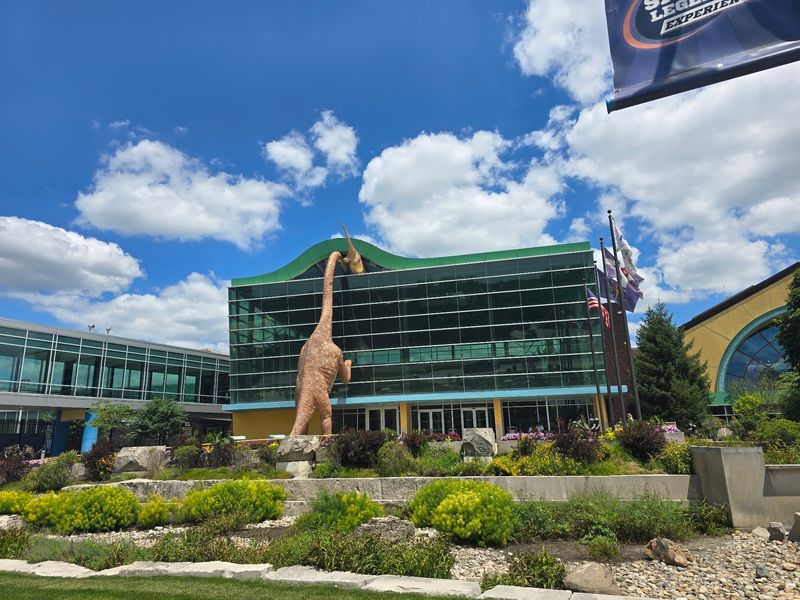
Kids changing the world sounds like a big idea. The Power of Children: Making a Difference shows exactly how it happened.
This permanent exhibit shares the stories of Anne Frank, Ruby Bridges, Ryan White, and Malala Yousafzai. Each one faced unfair treatment and still made a lasting impact.
Recreated environments help bring their lives into focus. Visitors move through carefully built spaces that reflect where each young person lived and struggled.
The tone is thoughtful but hopeful. It gives families a natural opening to talk about kindness, courage, and standing up for others.
Older kids often connect with these stories in a deep way. Younger ones may need a grown-up nearby to explain the harder parts.
A quick heads-up helps here. The Anne Frank, Ruby Bridges, and Ryan White theaters are scheduled to close for updates from November 9 through 20, 2026, while the Malala Yousafzai area stays open.
I appreciate that a museum full of play also makes room for reflection. This exhibit might be the quietest stop of the day, yet it could leave the loudest impression.
Bring Sneakers Because 7.5 Acres Of Sports Are Calling
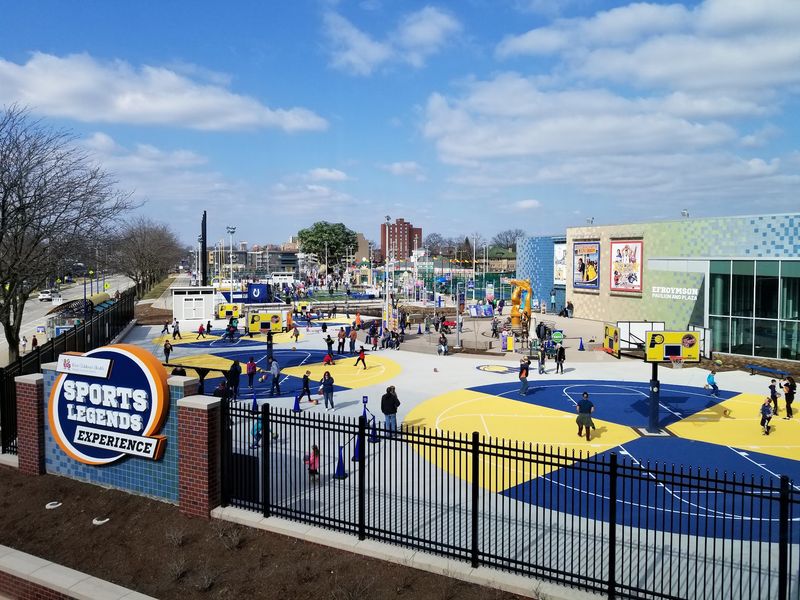
Sitting still is not the goal outside. The Riley Children’s Health Sports Legends Experience covers about 7.5 acres of active play.
Families can try 12 different sports activities across the space. Options include basketball courts, a pedal car track, and a miniature golf course.
Kids can also test their skills at soccer, hockey, baseball, tennis, track, and football. It is basically a sampler platter for young athletes, minus the sticky fingers.
The mini golf course was designed by Pete and Alice Dye, a famous golf course design team. Players even use tennis-style balls, which keeps things friendly for small hands.
This area is seasonal, so it is not open year-round. Check before you go if outdoor play is the main reason for your trip.
Comfortable shoes are a must. Sunscreen and water bottles are smart additions on warm Indianapolis afternoons.
Plenty of kids treat this as the highlight of the whole day. My tip is to save it for after the indoor exhibits, then let everyone burn off every last bit of energy before the drive home.
Tiny Explorers Get A Playground Made Just For Them
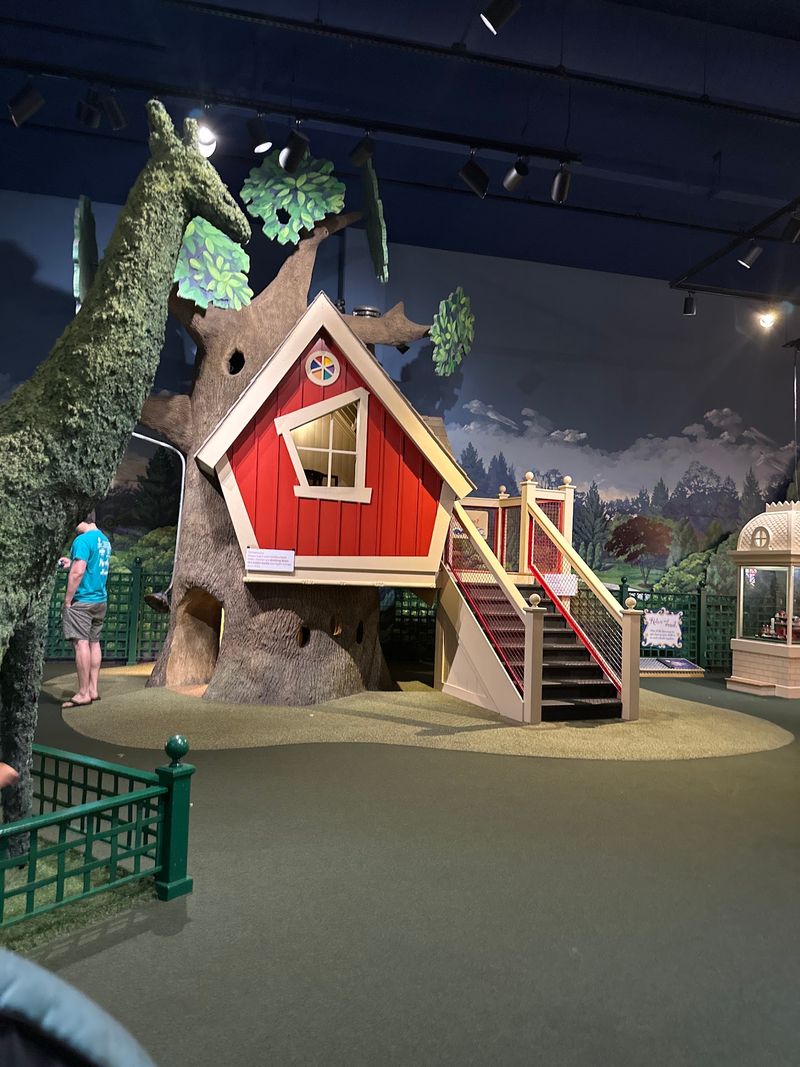
Toddlers deserve their own corner of the world’s biggest children’s museum. Playscape delivers exactly that.
This exhibit is designed for babies through preschoolers. It gives little ones a calmer place to explore without dodging bigger kids racing past.
Hands-on features include a Water Table, Sand Table, Reaction Contraption, and Climber. Every piece invites small hands to pour, dig, build, and test simple ideas.
Parents can play right alongside their kids here. That makes it a great spot to slow down and enjoy those wide-eyed first discoveries.
Playscape is temporarily closed for maintenance and updates. It is scheduled to reopen on November 7, 2026, so plan around that date if you have a toddler in tow.
Even when it is closed, the museum offers plenty for young visitors. The carousel and the colorful glass ceiling tend to work wonders on tiny attention spans.
Water play can get splashy, so a spare shirt in the diaper bag is a clever idea. A happy, slightly damp toddler is still a happy toddler, and that counts as a win.
A Century Of Wonder Grew From One Big Idea
Mary Stewart Carey founded the museum back in 1925. Her idea has grown into one of Indiana’s proudest landmarks.
The Children’s Museum of Indianapolis is the fourth-oldest children’s museum in the world. It moved to its current neighborhood in 1946 and has kept expanding ever since.
You’ll find it at 3000 N Meridian St, Indianapolis, IN 46208. The location sits just north of downtown, making it an easy add to a bigger city trip.
Free parking makes arrival simple. Buying tickets online ahead of time can also save a little hassle at the door.
A food court inside means nobody has to leave when stomachs start rumbling. Families can refuel and jump right back into exploring.
Rotating exhibits keep things fresh between visits. A recent Take Me There series focused on Peru, letting families experience another culture without leaving Indiana.
After a hundred years, the museum still feels like it is just warming up. Every new exhibit adds another reason to return, and honestly, one visit rarely feels like enough for a place this big.