
This Easy Three-Mile Virginia Hike Leads To A Beautiful Waterfall Worth The Walk
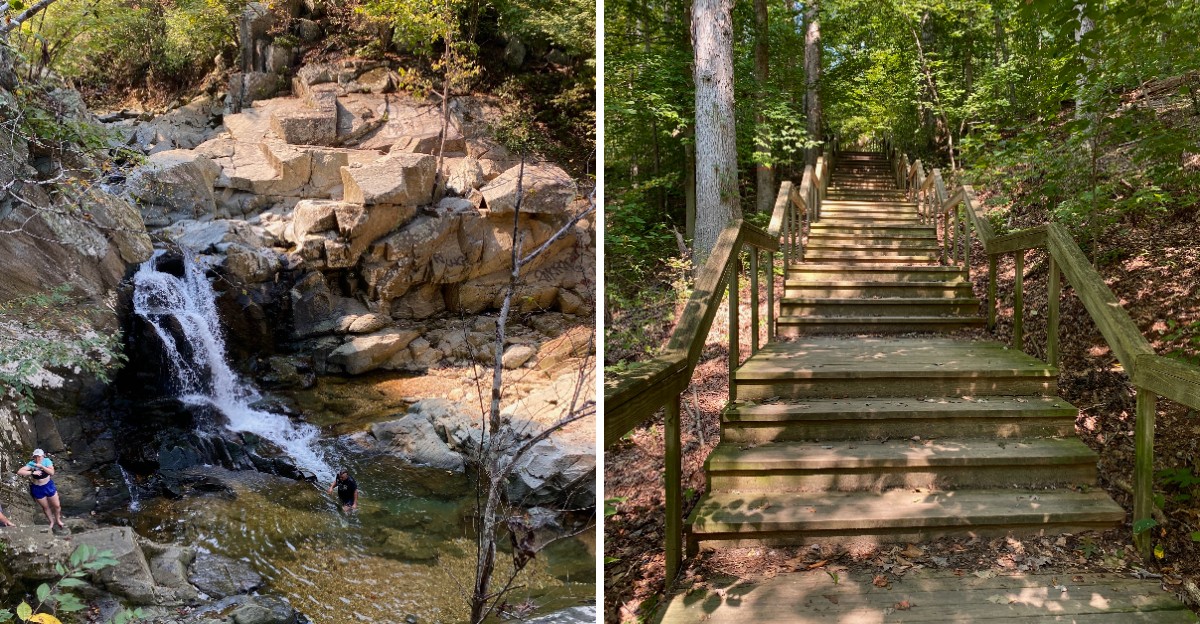
Back in the late 1960s, a developer wanted to build 309 luxury homes on this patch of woods. Local residents pushed back hard, and they won.
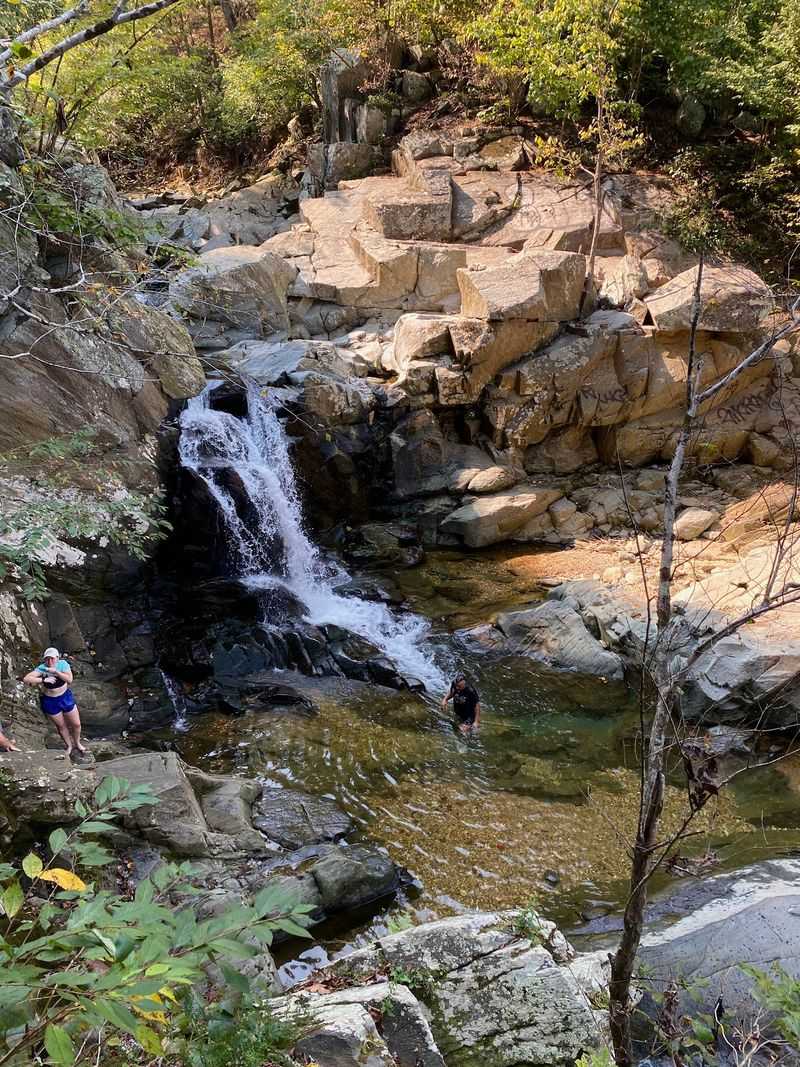
That fight saved a forest of oak, beech, and rare Eastern hemlock trees. It also saved a creek that tumbles about 15 feet straight into the Potomac River. The waterfall shows up roughly 0.7 miles into a popular loop hike.
I appreciate a payoff that arrives this early. You barely have time to break a sweat before the reward appears. The full loop runs about 3.3 miles, with river overlooks and spring wildflowers along the way.
The Waterfall Shows Up Before Your Legs Even Get Tired
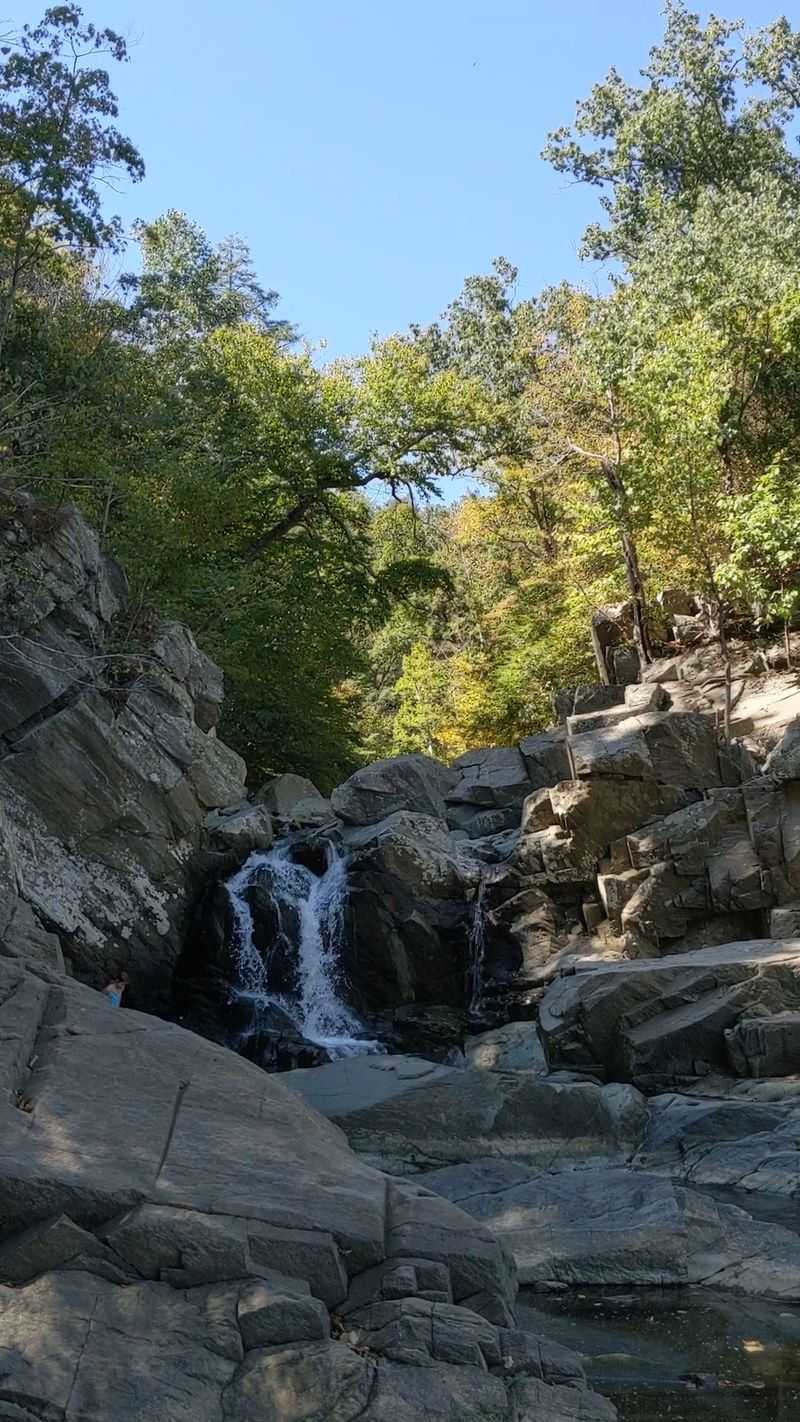
Most waterfall hikes make you earn the view with miles of climbing. Scott’s Run Nature Preserve hands it over at about the 0.7-mile mark of the popular 3.3-mile loop.
The creek called Scott’s Run spills roughly 15 feet over the rocks. Then it pours right into the Potomac River, which makes the scene feel bigger than its size.
That early reward changes how the whole hike feels. You can enjoy the falls first and treat the rest of the loop as a bonus.
Short on time? A 2-mile out-and-back route takes you straight to the waterfall and back again.
I’d probably plan a visit after a good rain. More water means a fuller, louder cascade, though trails can get slick afterward.
Bring a camera or at least a charged phone. The view of white water meeting the wide river is the kind of shot you’ll want to keep.
One firm rule applies here, though. Swimming and wading are not allowed, and rangers pay extra attention around the falls.
Enjoy the view from dry ground. The water looks calm, but the real show is best watched, not entered.
Neighbors Fought Off 309 Luxury Homes To Save These Woods
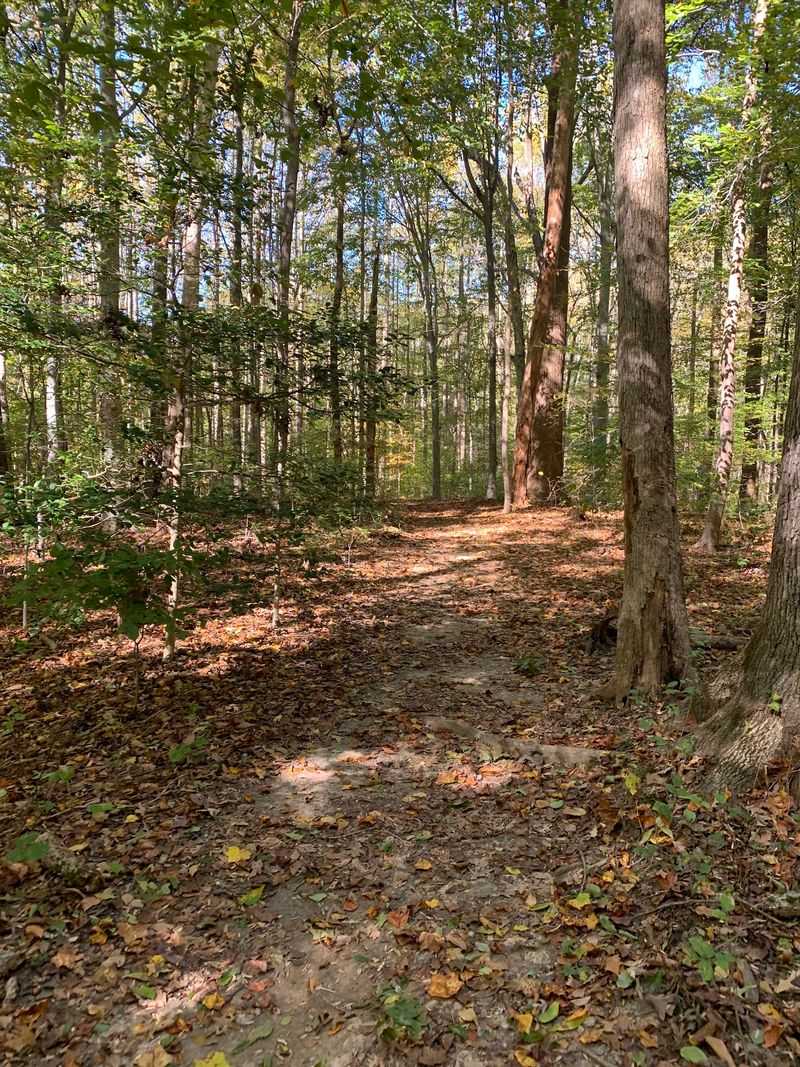
Edward B. Burling bought this land in the 1920s as his own private retreat. For years, people simply called it the Burling Tract.
Things got tense in the late 1960s. A developer planned to fill the property with 309 luxury homes.
Local citizens protested, and their effort paid off. On September 5, 1970, Fairfax County bought the land for preservation.
Money came from local, state, and federal sources. That teamwork kept the forest and the falls open for everyone.
The park first carried the name Dranesville District Park. Later it became Scott’s Run Nature Preserve, a name that fits much better.
I love knowing that ordinary neighbors made this possible. Every step on the trail is a small thank-you to people who refused to give up.
The history goes back much further, too. The area belongs to an ancient waterway shaped over hundreds of millions of years.
So you’re hiking through two stories at once. One is about rock and river, and the other is about a community that stood up for green space in Virginia.
Easy On Paper, With A Few Spicy Surprises
The loop carries an easy rating, but it has some personality. Expect about 420 feet of elevation gain over roughly 3.3 miles.
Some paths wander gently through the forest. Others climb steep hills and edge along rocky cliffs.
The main yellow trail is wide and fairly smooth. Side trails get narrower, and a few sections turn rocky and uneven.
Here’s a smart tip for the falls. The most direct path involves boulder hopping, which gets tricky when wet or with little kids.
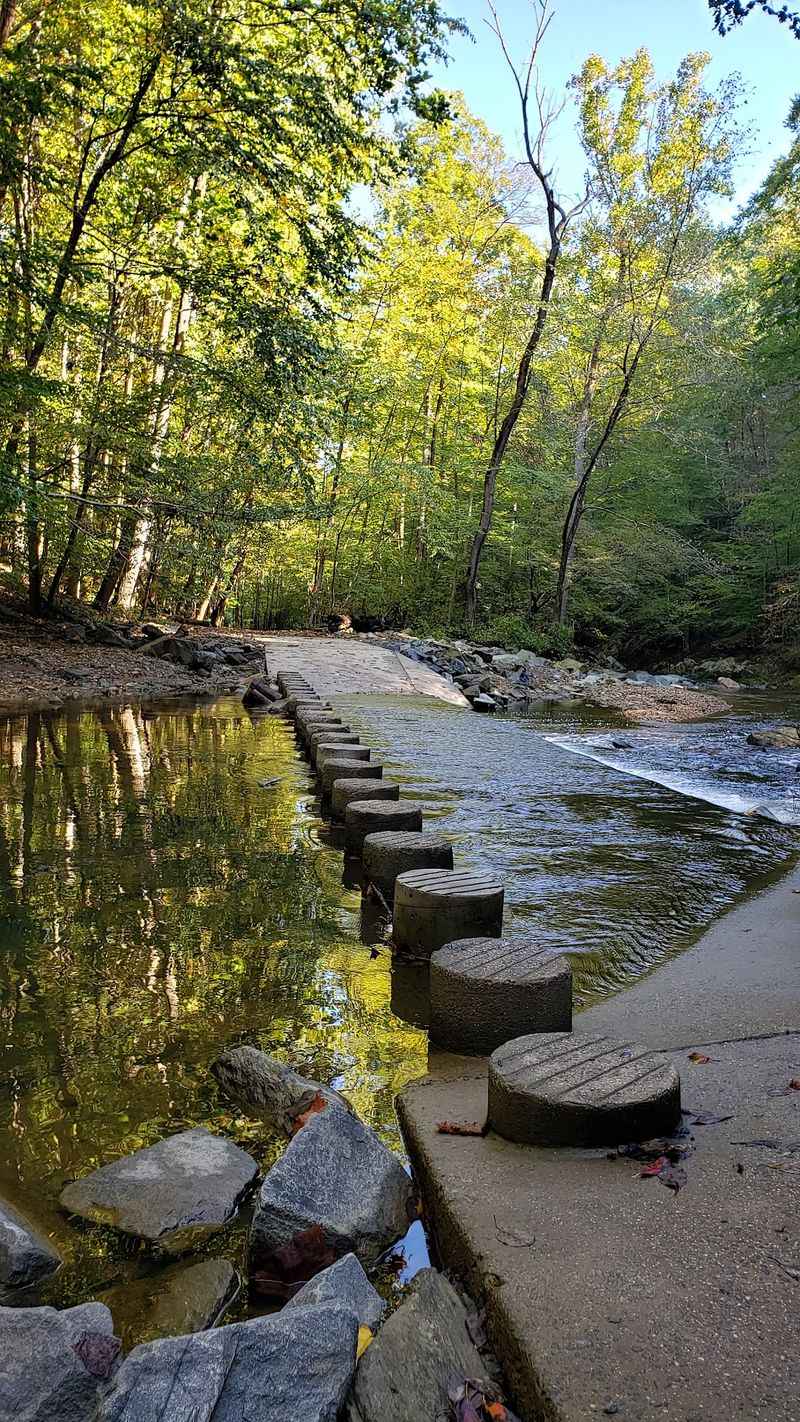
An alternate route uses concrete posts to cross Scott’s Run. It’s a fun little balance test without the scramble.
Wear real shoes with good grip. Flip-flops and rocky slopes are not a friendly match.
Pace yourself on the climbs, especially in summer heat. The loop rewards steady walkers more than speedy ones.
I like that the trail keeps you a little alert. It’s easy enough for beginners, yet interesting enough that regular hikers won’t get bored.
Pack A Map Because The Blazes Play Hide And Seek
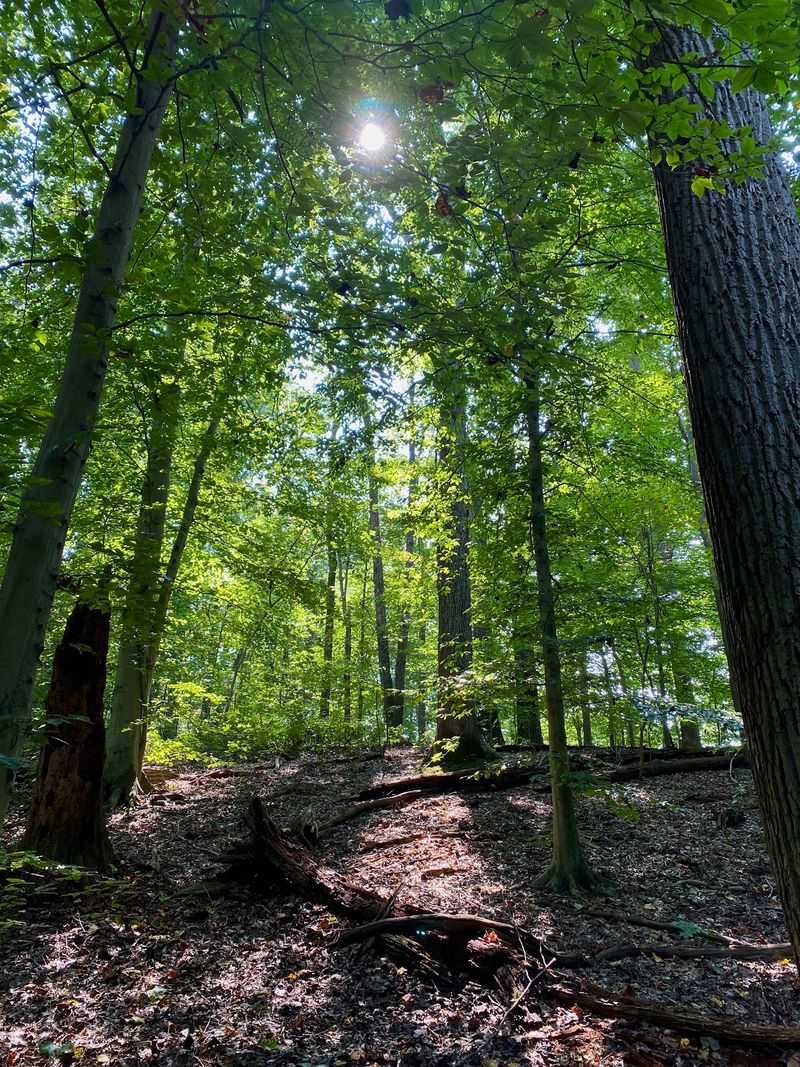
Getting a little turned around here is surprisingly easy. Some trails at Scott’s Run Nature Preserve are not clearly blazed, and junctions can feel confusing.
The network is large for a suburban preserve. Trails crisscross, split, and loop back in ways that don’t always match what you expect.
A paper map or downloaded trail app is your best friend. Download it before you arrive, since you shouldn’t count on a strong signal everywhere.
The Potomac Heritage National Scenic Trail also runs through the preserve. That adds another set of markings to keep track of.
Planning the full loop? Study the route in advance and note where it turns after the waterfall.
Getting lost on a short hike is mostly a story, not a disaster. Still, it’s nicer to finish before the park closes.
Hours run from a half hour before sunrise to a half hour after sunset. Give yourself plenty of daylight.
I’d rather spend my time looking at trees than squinting at intersections. A little homework keeps the hike relaxing.
Ancient Hemlocks Bring A Northern Mood To Northern Virginia
Eastern hemlocks usually prefer cooler mountain spots. Finding old ones this close to Washington, D.C. is a genuine treat.
Their presence here is rare for the area. They give certain shady slopes a cool, quiet, almost mountain-like feel.
The preserve covers well over 300 acres of mature hardwood forest. Oak, beech, and wild cherry trees fill in around the hemlocks.
That mix makes the woods feel layered and old. Tall trunks, deep shade, and rocky ground all work together.
Fall brings a big color change to the hardwoods. Hemlocks stay green, so they stand out against the reds and golds.
Look up as you walk, not just down at your feet. The canopy is half the reason this place feels so peaceful.
Please stay on marked trails to protect roots and plants. A fragile ecosystem needs careful footsteps.
I find it amazing that these trees survived so close to busy roads. They’re a reminder of why protecting this land in 1970 mattered so much.
Spring Wildflowers Steal The Spotlight Every Year

Virginia bluebells, trailing arbutus, and sessile trillium all bloom here in spring. That lineup alone is worth an April walk.
Bluebells add soft blue color to the forest floor. Trillium shows off its three-part leaves and deep-colored blooms.
Trailing arbutus is easy to miss because it grows low. Slow down and scan the ground near the path.
Bring a phone for close-up photos. Just don’t pick the flowers, since many plants here are delicate.
The preserve sits in the Potomac Gorge. That area is known as a rare biological ecosystem in the mid-Atlantic.
Floodplains, cliffs, and narrow valleys create many small habitats. Different plants thrive in each one, which keeps the scenery changing.
Spring is also a great time to see the waterfall. Seasonal rain can give it more flow and extra sparkle.
I’d plan a weekday morning visit during bloom season. Parking fills fast when the weather turns nice, and wildflowers bring out plenty of hikers.
River Overlooks Turn A Forest Walk Into A Scenic Show
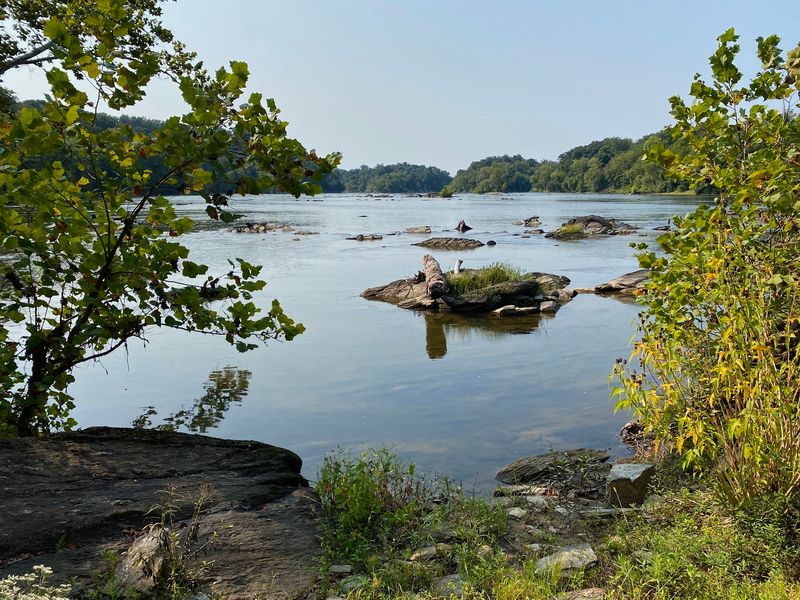
The Potomac River keeps popping into view as you hike. Several spots offer wide, open looks across the water.
Stubblefield Falls Overlook is one of the standouts. It gives you a sweeping view of the river rushing through the gorge.
Those rocky cliffs and valleys were carved by the powerful Potomac. Standing above them helps you understand how strong that river really is.
Wildlife fans should keep their eyes open. Herons and ospreys are birds that live along this stretch of river.
Overlooks are lovely, but stay back from cliff edges. Rocks can be loose or slippery, especially after rain.
The water may look calm from above. Currents are dangerous, and levels can rise astonishingly fast.
That’s why swimming, wading, and boating are not allowed. Enjoy the river with your eyes and your camera.
I think the overlooks make the loop worth finishing. After the waterfall, these views give the second half of the hike a satisfying ending.
Get There Early Or Circle The Lot Like A Hawk
Parking is the trickiest part of this whole adventure. Two small lots sit off Georgetown Pike, and they fill quickly on weekends and nice days.
You’ll find the preserve at 7400 Georgetown Pike, McLean, VA 22102. Set your GPS before you leave home.
Do not park in nearby neighborhoods or along the road. That’s strictly forbidden, so plan around it.
Arriving early is your best move. The park opens a half hour before sunrise, so sunrise hikers get first pick.
Weekdays are another smart option. Fewer cars usually means an easier start.
There are no gates or fences controlling entry. The trailhead simply leads into the woods.
Small lots do come with a perk. Limited parking can keep the trails from feeling packed once you’re out there.
I’d rather wake up early than spend twenty minutes hunting for a spot. A sunrise start in this corner of Virginia also means cooler air and soft light on the river.
Pack Light, Leash The Pup, And Know The House Rules
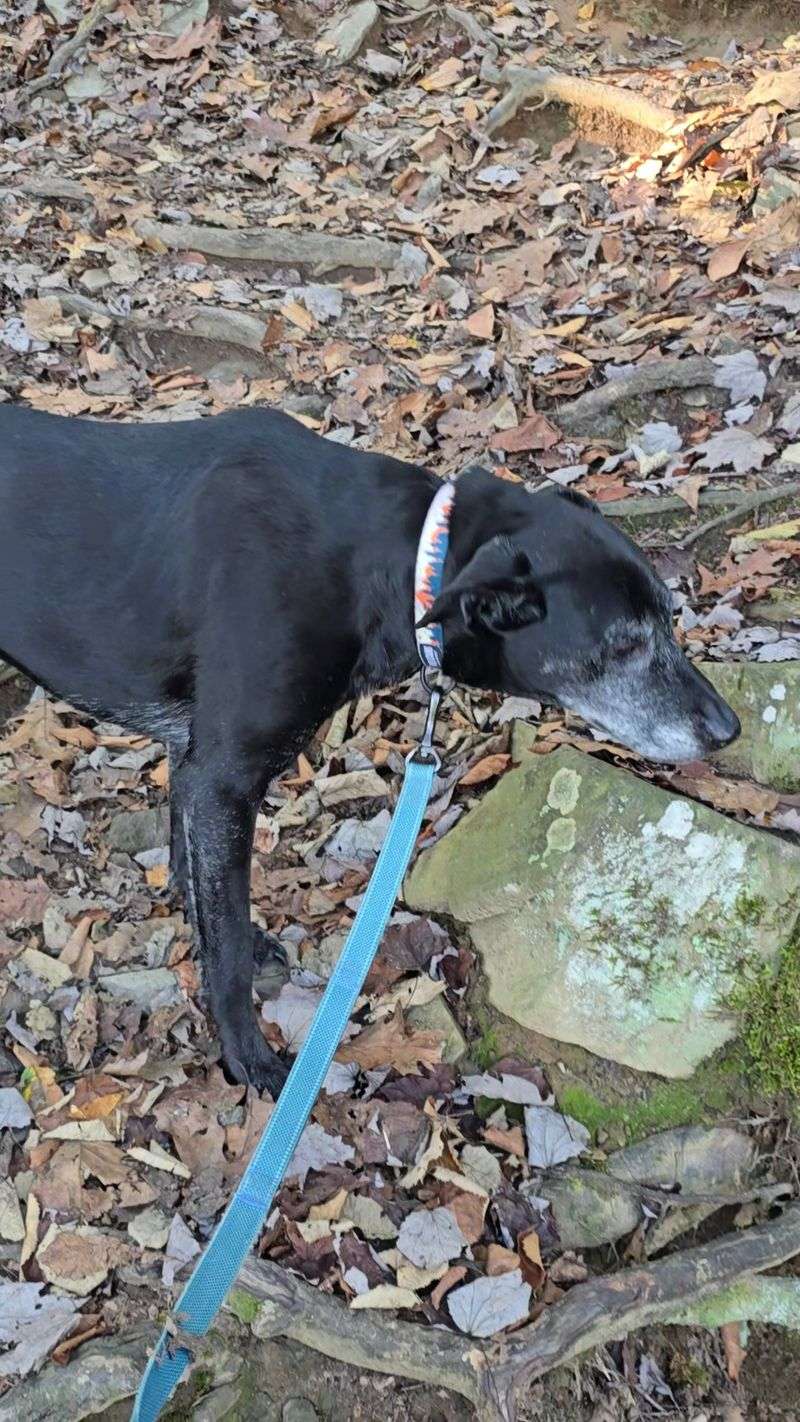
Dogs are welcome at Scott’s Run Nature Preserve. They just need to stay on a leash the whole time.
Plan ahead before you go, because there are no public restrooms on site. A quick stop beforehand will save you some worry.
Trash cans are available near the trailheads. If they’re full, take your trash home with you.
A few items stay in the car or at home. Grills, coolers, and glass bottles are not allowed.
Picnicking is also off the list here. Bring a water bottle and a small snack for the trail instead.
Bags may be checked at the parking lot trailheads. Packing light makes that quick and easy.
Rules matter here for safety and for rare plants. Breaking them can get you removed and banned from future visits.
That sounds strict, but it keeps this place special. I’d happily follow a few rules to protect a waterfall, a hemlock forest, and river views this close to home.