
Before Thanksgiving, Walk Into A 17th-Century Village In Massachusetts Where Nobody Breaks Character
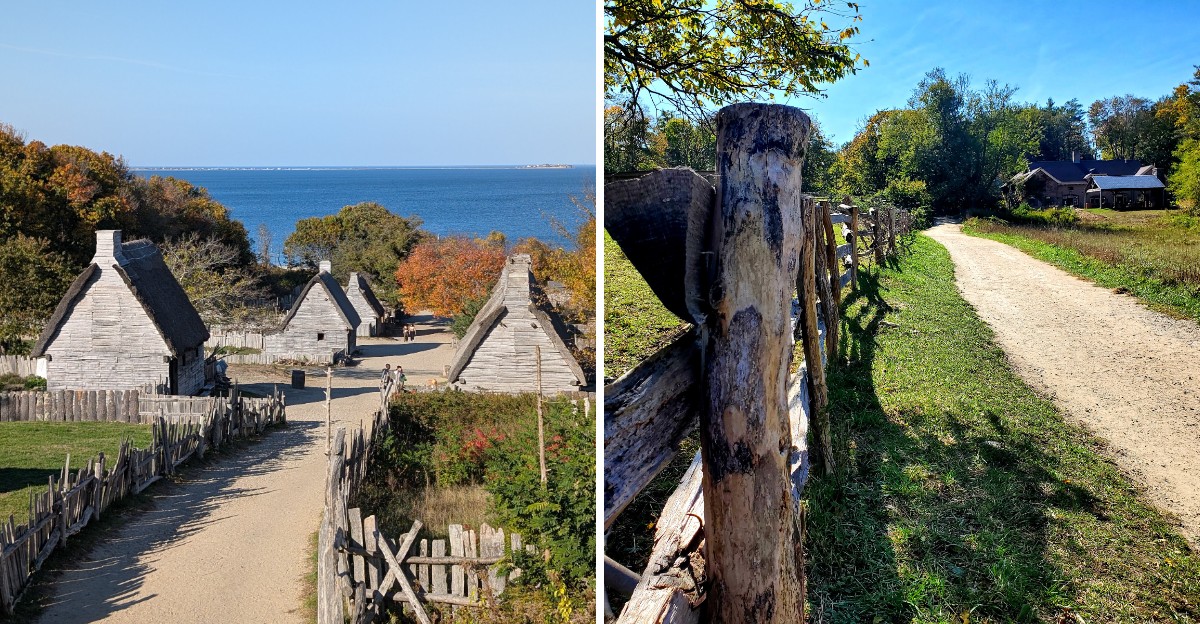
The people in this Massachusetts village talk like it’s 1627, and they stay in role the whole time. Ask one about the weather, and you’ll get an answer from the 17th century.
The village has timber-framed houses, kitchen gardens, and heritage breeds of livestock. Costumed interpreters play real people who lived in the colony.
They cook, plant, and tend animals while you ask questions.
The season runs right up through the Sunday after Thanksgiving. In November, the story even jumps back to 1621.
I can’t think of a better way to get ready for the holiday table.
So where does a time machine like this actually sit?
Meet the Neighbors Who Never Slip Out of the 1600s
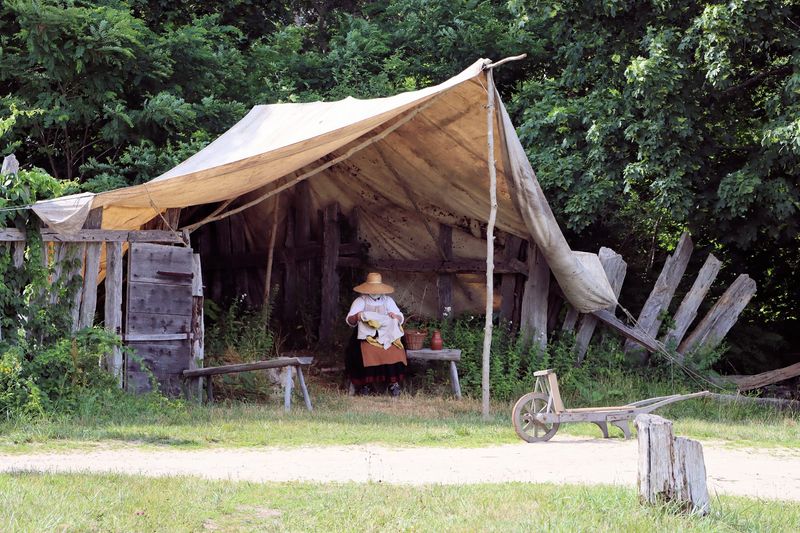
Plimoth Patuxet Museums puts you in front of people who speak, dress, and act like real residents of early Plymouth Colony. Interpreters take on the identities of actual historical inhabitants.
Ask a question, and they answer from inside their own time.
That’s the fun challenge here. Try asking about a phone or a car, and you’ll likely get a puzzled look.
Better to ask about the dinner cooking, the weather, or the work in the garden.
Visitors often mention how steady the actors stay in role, even in cold rain. That commitment makes the village feel more like a place than a display.
Nobody is reading from a script card.
The interpreters are happy to chat about their lives and viewpoints. They also keep busy with daily jobs like cooking, planting, and animal care.
Join them mid-task, and the conversation usually flows naturally.
A little advice helps. Start with a simple greeting, then ask what they are working on.
You’ll learn something within the first minute.
The museum builds these portrayals on ongoing research, drawing from first-hand accounts, records, and period artifacts. That’s why the details feel so specific.
Even the household items match what the research supports.
Touch Things, Because Here You’re Allowed
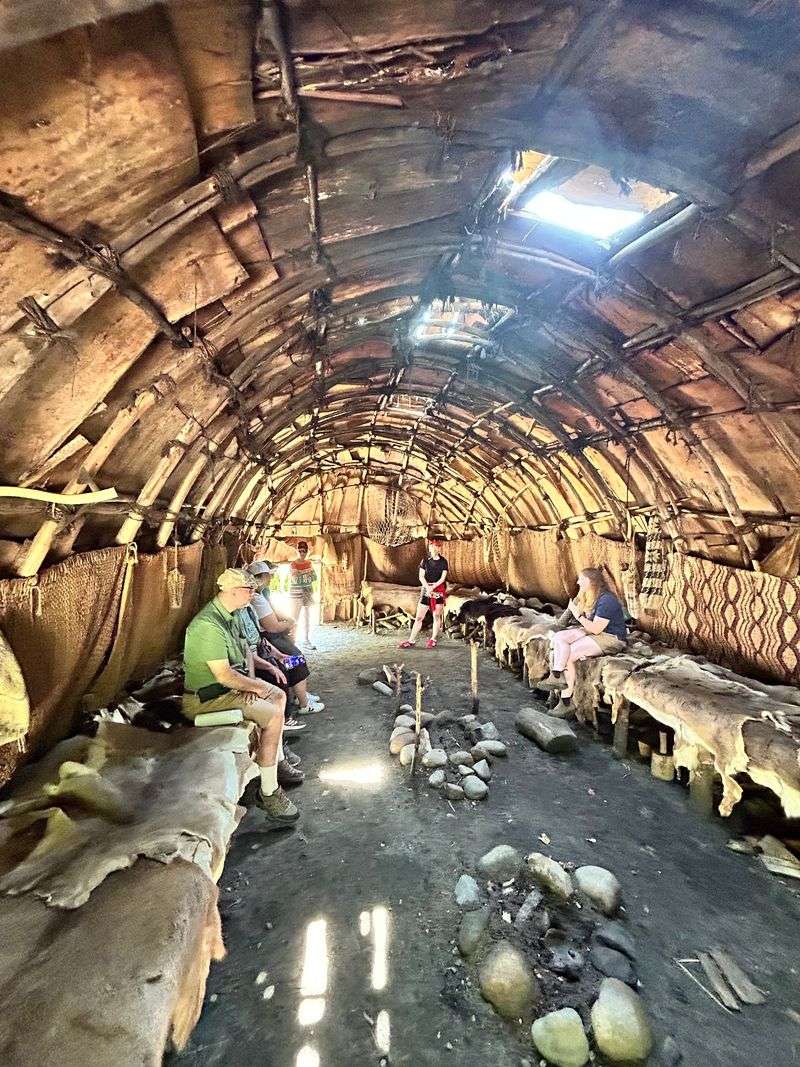
Hands-on is the rule at this museum. Visitors have said they can step into the houses and touch the wooden structures.
That’s a refreshing change from the usual velvet ropes.
Kids sometimes get real jobs. One visitor described a garden helper crew that fetched water and thinned plants.
They also tried on period clothing.
The museum notes that opportunities for children sometimes include helping with tasks or playing with 17th-century toys. One house is filled with toys, games, and clothing a Pilgrim child might have used.
Hoop rolling is also part of the fun.
Workshops add even more to try. Topics include 17th-century clothing in a program called Dressing History.
Others cover sports and games like Wampanoag football, stoolball, and hoop-rolling.
You can also try quill pen writing or pottery making through museum workshops. Check which ones are running during your visit.
Offerings can change.
Little ones tend to remember doing more than hearing. That’s the secret here.
Let them ask questions and grab a tool.
A Village Frozen in 1627, With a November Twist
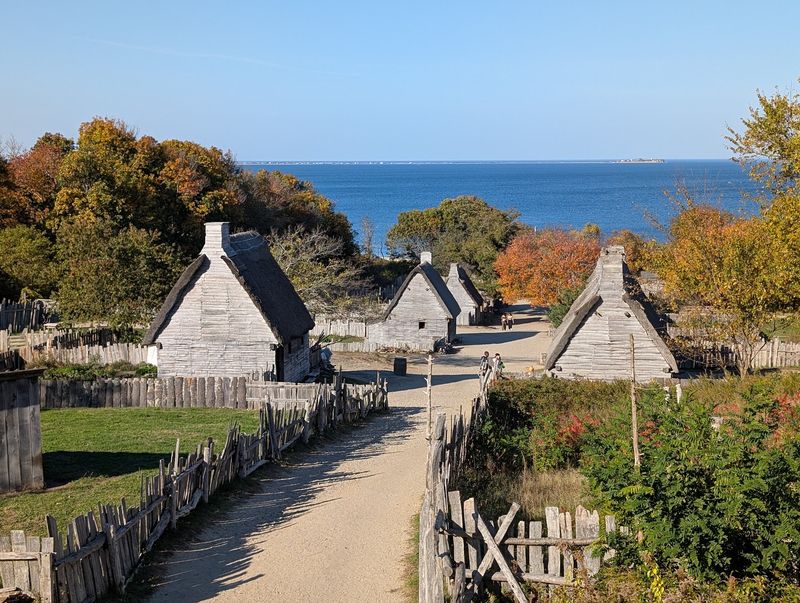
Most of the season, the 17th-Century English Village shows daily life in 1627. Timber-framed houses line the paths.
Furnishings are period reproductions, and kitchen gardens add a splash of green.
November brings a switch. The timeline moves back to 1621, the year of the first Thanksgiving.
That makes a pre-holiday visit extra meaningful.
The heritage breeds of livestock roam the village too. They aren’t just scenery.
They show how much work animals added to colonial life.
Some houses have interpreters inside, while others may sit empty. Much of the 17th-century work happened outdoors in fields and gardens.
So if a doorway looks quiet, walk toward the garden and look around.
Plimoth Patuxet Museums operates seasonally. It typically opens in March and stays open through the Sunday after Thanksgiving.
Hours during the season run from 9 a.m. to 5 p.m., seven days a week.
Tickets are sold until 4:15 p.m. each day. Arriving earlier gives you more time to wander.
Mornings on weekdays can be busy with school groups.
Where Craftspeople Make the Things You See
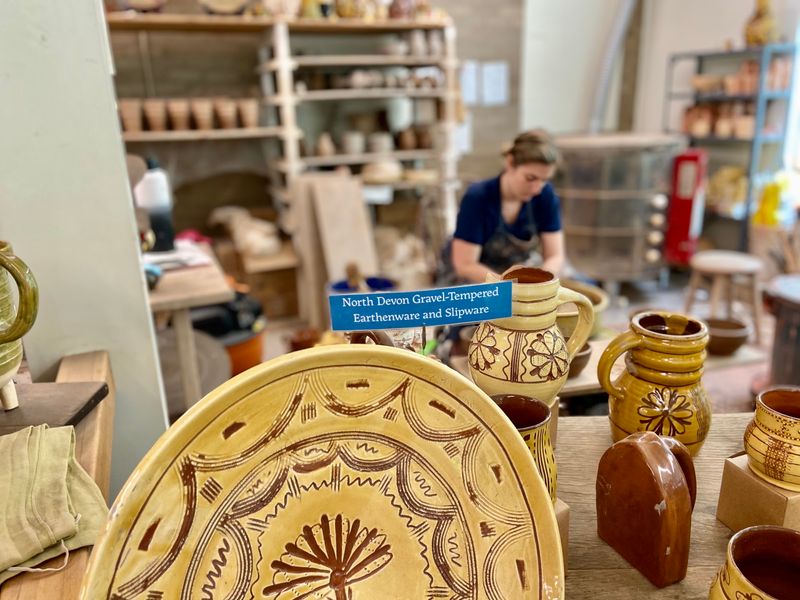
Near the English Village sits the Craft Center. Skilled artisans and museum historians demonstrate 17th-century lifeways here.
They also create pottery and other objects used in the exhibits.
That detail is neat. Some of what you see around the village started in this workshop.
It connects the dots between making and using.
Watching a craftsperson work gives you a feel for the effort behind everyday objects. Nothing came from a store shelf in 1627.
Every pot, tool, and basket took time.
Staff here wear modern clothes in some museum areas, so you can ask plain questions. Ask how long a piece takes or what materials get used.
The answers tend to surprise people.
If you like making things, plan a stop before you leave. Pair it with the museum’s pottery making workshops if they’re offered.
It’s a good way to bring the lesson home.
The gift shop is another stop for history fans. Visitors have noted reprints of period books.
Ask staff for help if you want something specific.
The Wampanoag Story Told by Wampanoag Voices
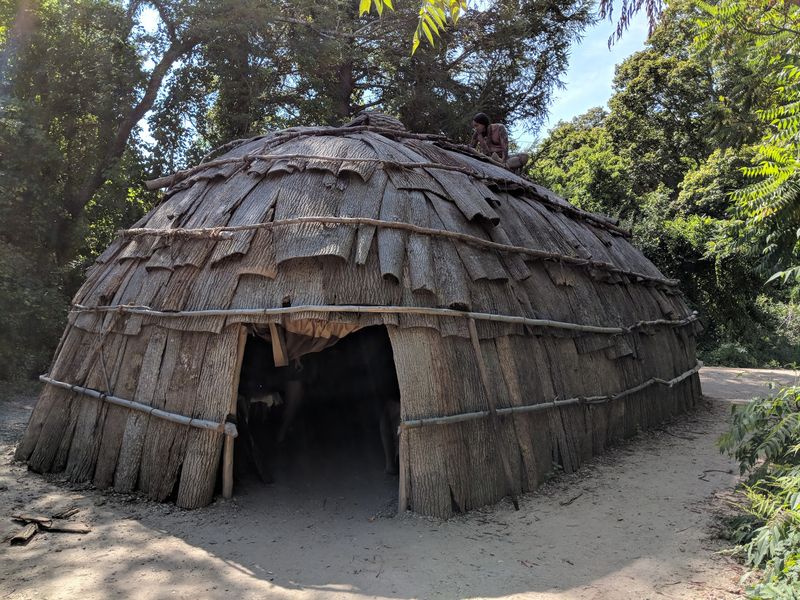
Walk the path to the Historic Patuxet Homesite for a different view of the region. Contemporary Indigenous interpreters share the history, traditions, and 17th-century life-ways of the Wampanoag people.
They wear traditional clothing but speak from today’s perspective, so questions are welcome.
Visitors have described canoe making here. Wooden canoes are shaped the traditional way.
It’s a slow craft that rewards patience.
The homesite feels more spread out than the village. Expect walking trails and clearings instead of rows of houses.
Some visitors found it quieter and less packed with action.
That doesn’t make it less valuable. It adds balance to the story told in the English Village.
One guest said hearing both sides changed how they saw the Pilgrims.
Plimoth Patuxet Museums chose the name Patuxet to honor the Wampanoag community that lived on this coast. The name reflects a fuller picture of the region’s history.
Take your time here and ask thoughtful questions.
Wear sturdy shoes for the trails. Bring curiosity too.
Grist Mill and Mayflower II Round Out the Day
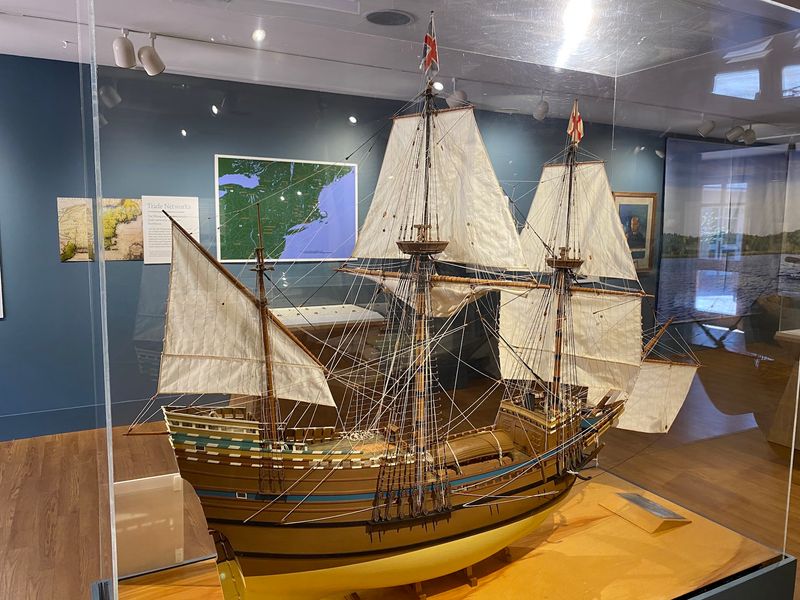
The museum goes beyond the village. Mayflower II is a full-scale reproduction of the ship that brought the Pilgrims to Plymouth in 1620.
It sits in downtown Plymouth, not at the main site.
Guides aboard wear modern clothing and answer questions as contemporaries. That makes it easy to ask about the voyage.
Visitors have said kids can handle some items on board.
The Plimoth Grist Mill is a working reproduction of the Pilgrims’ original 1636 water-powered mill. It shows how corn was ground in the 17th century.
One young visitor reportedly liked it best of all.
Note that the mill sits uphill and can be easy to miss. One visitor said they ran out of energy before reaching it.
Plan your time so you get there.
A full visit across all sites can take an entire day. Splitting it into two shorter outings works well too.
Some tickets include a second-day visit.
A Heritage Pass also covers Mayflower II and the Plimoth Grist Mill.
Ask about current options when you buy tickets.
Lunch With a Pilgrim Fries Reputation
Good news for hungry time travelers: the Plentiful Café sits in the Visitor Center. It’s quick service, with a menu inspired by Wampanoag and English traditions.
Modern favorites are on offer too.
Think fresh salads, sandwiches, soups, and chowder. Turkey options show up on the sandwich list.
Daily specials change.
Hot food is served from 11 a.m. to 3 p.m. Plan your break around that window.
Visitors have praised the Pilgrim fries.
One guest noted the food costs a bit more, as you’d expect at an attraction. Eating a bite before you go can help.
Pack water and snacks if you prefer.
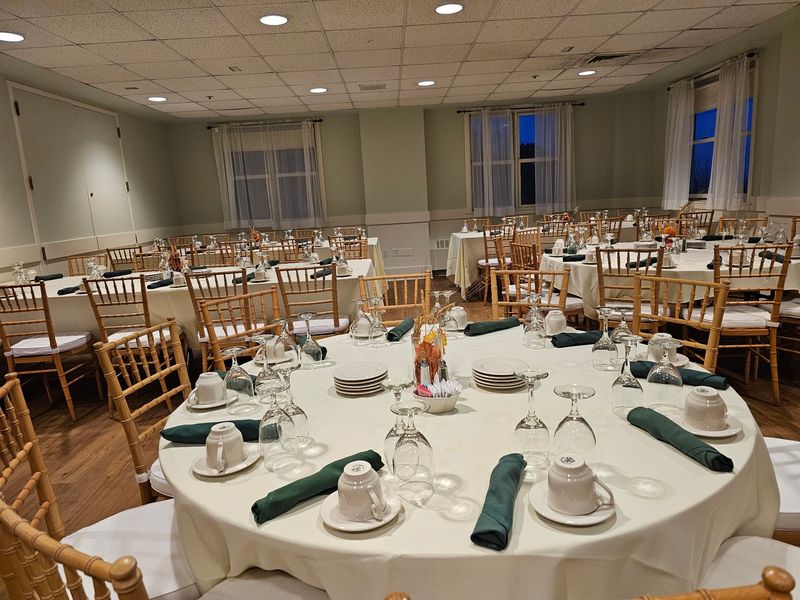
In fall, Plimoth Patuxet Museums hosts Fall Harvest Dinners and special Thanksgiving dining experiences. They happen in modern function rooms.
These often include two days of museum admission.
It’s a smart pairing if you want history plus a holiday meal. Check availability early because these events can fill up.
Plan your trip dates around them.
Plan Your Day Like a Smart Colonist
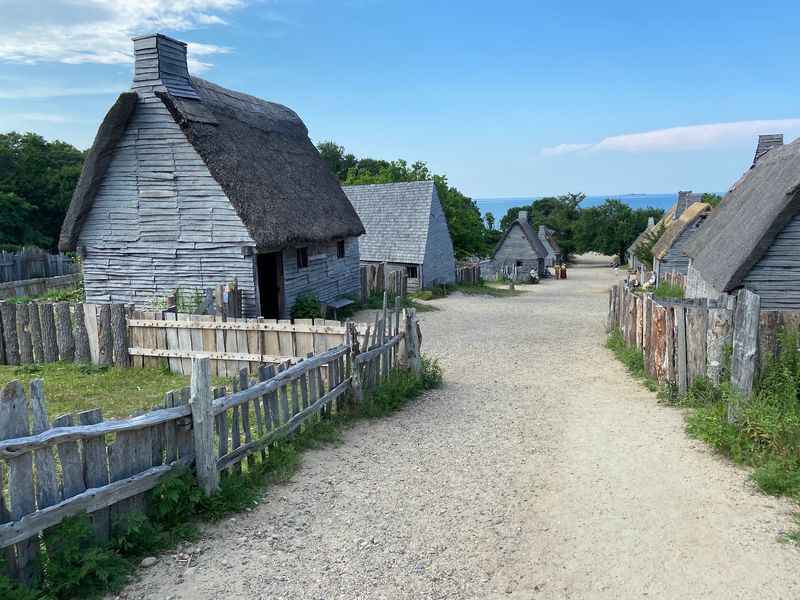
Planning helps here. Most visitors spend at least two hours in the English Village alone.
A full visit can eat a whole day.
The walk covers about half a mile over uneven surfaces. Comfortable shoes are a must.
Visitors repeat that advice often.
Weekday mornings tend to be busiest during the school year, summer, and November. Afternoons are generally calmer.
An early start can also mean fewer modern crowds in your view.
The museum stays open through most weather. On rainy days, interpreters may move indoors.
A cold rain didn’t stop one visitor from loving the experience.
Some guests mention a golf cart service that helped them get around. Ask at the Visitor Center about current mobility options.
That could make a long day easier.
The Google listing shows hours of 9 a.m. to 5 p.m. daily. Always check current season dates before you go.
The season ends the Sunday after Thanksgiving.
Finding the Village in the Oldest Town in New England
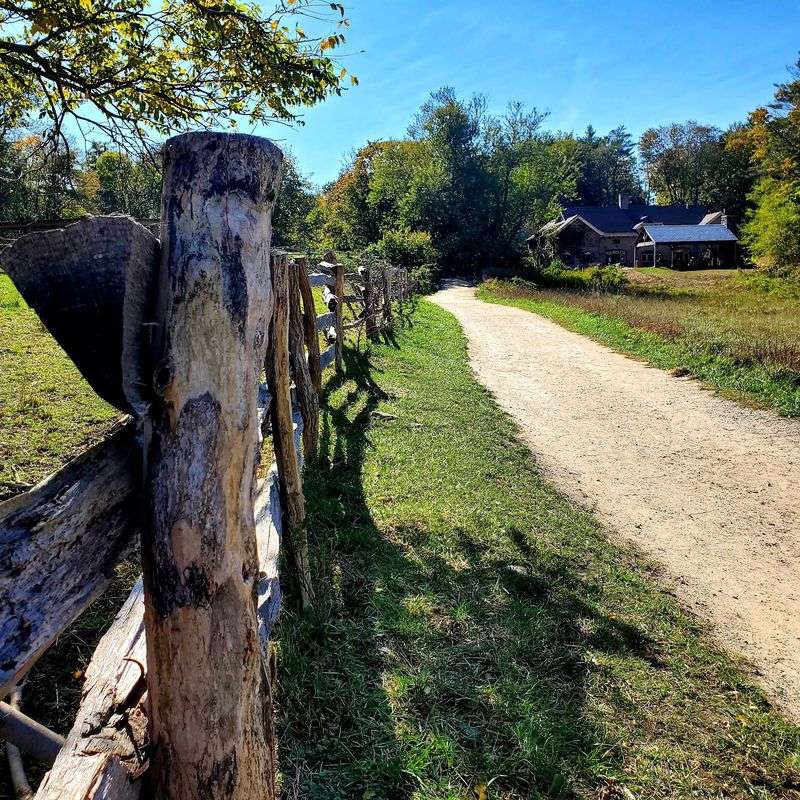
You’ll find the museum at 137 Warren Avenue, Plymouth, MA 02360. Plymouth is often called New England’s oldest town.
That makes the setting fitting for this story.
The museum began in 1947 as Plimoth Plantation. The odd spelling comes from Governor William Bradford’s writings.
The museum adopted it to set itself apart from the modern town.
Massachusetts is full of history, but few places let you talk with it. This one does.
Visit before Thanksgiving, and the 1621 timeline adds extra meaning.
One guest brought a son after visiting as a kid. Another said a great-grandmother once worked there.
The place has built its own history over time.
Make a day of Plymouth by pairing the museum with the downtown waterfront. Mayflower II is there.
Plan travel time between sites.
Go in with questions and a good pair of shoes. Then try asking a villager about dinner.
You might just get invited to help cook.